Emergency Water Damage Repair in Ten Mile, Done Right

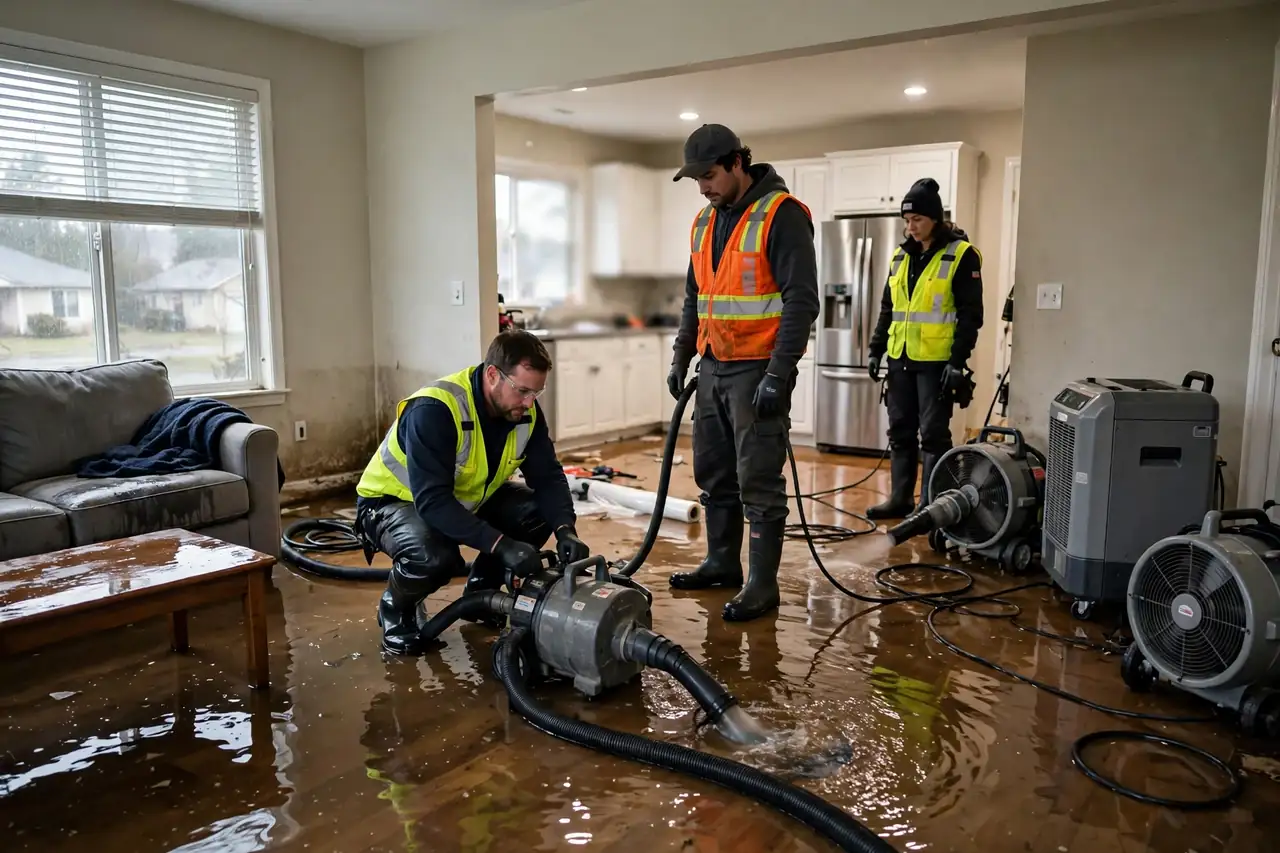
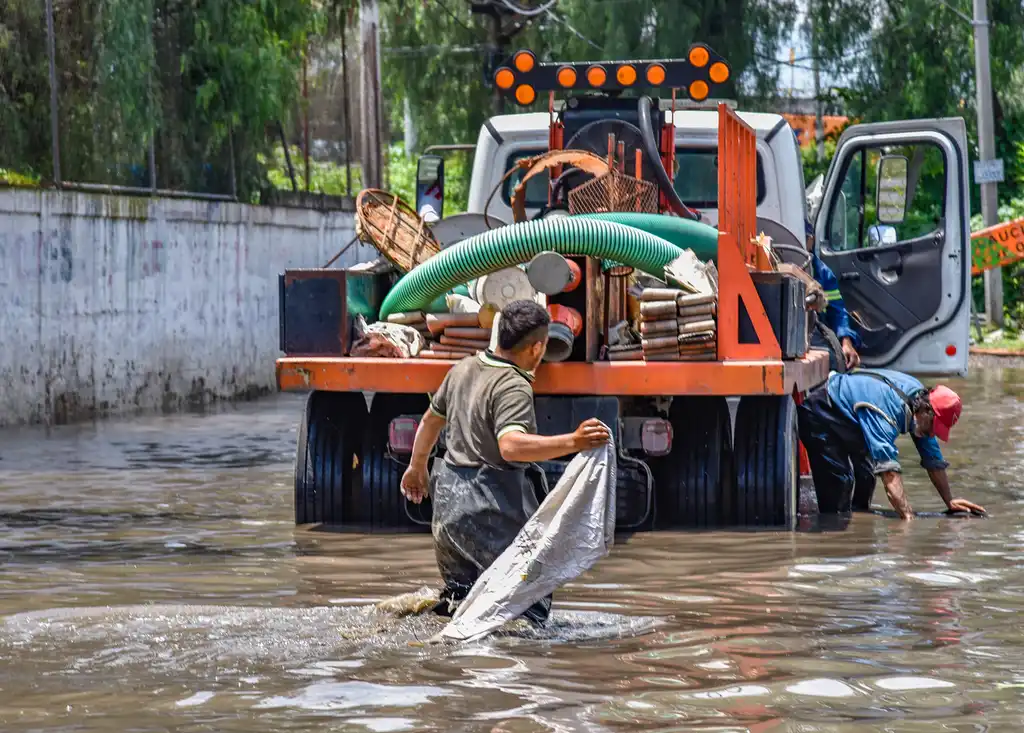
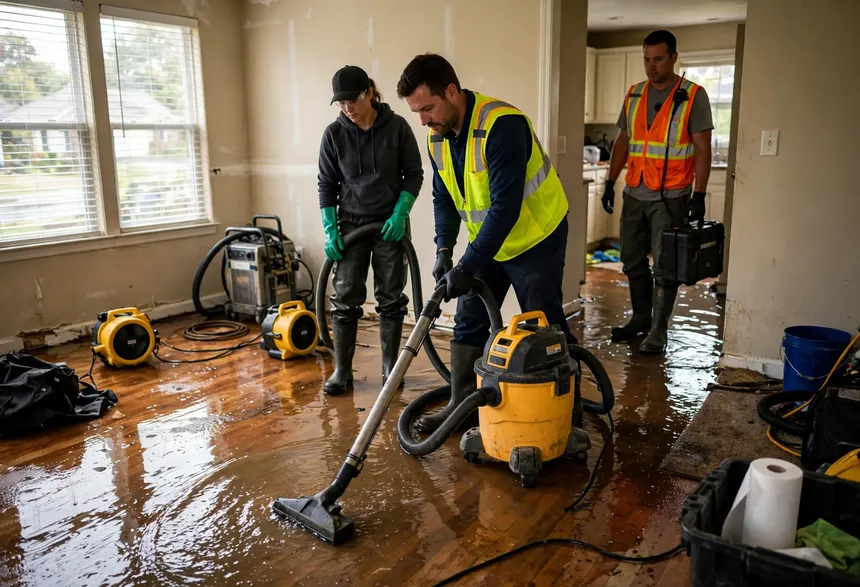
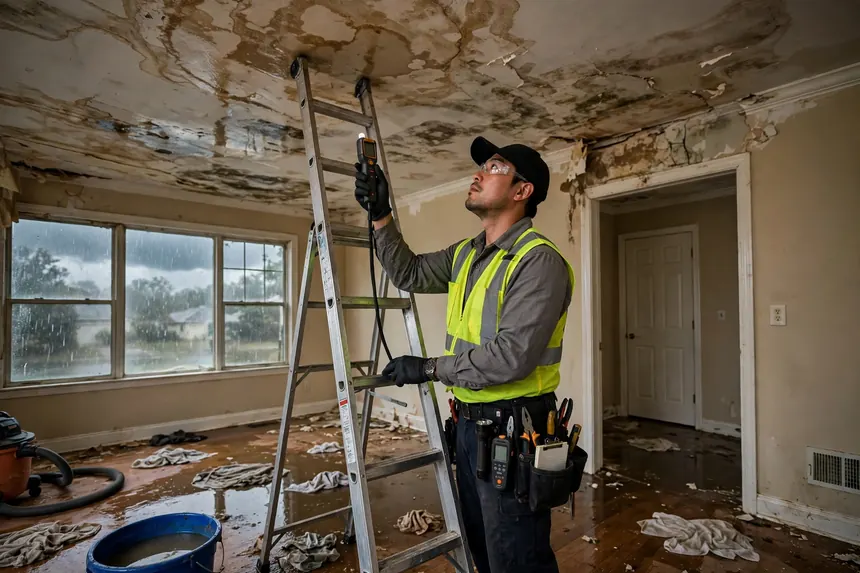
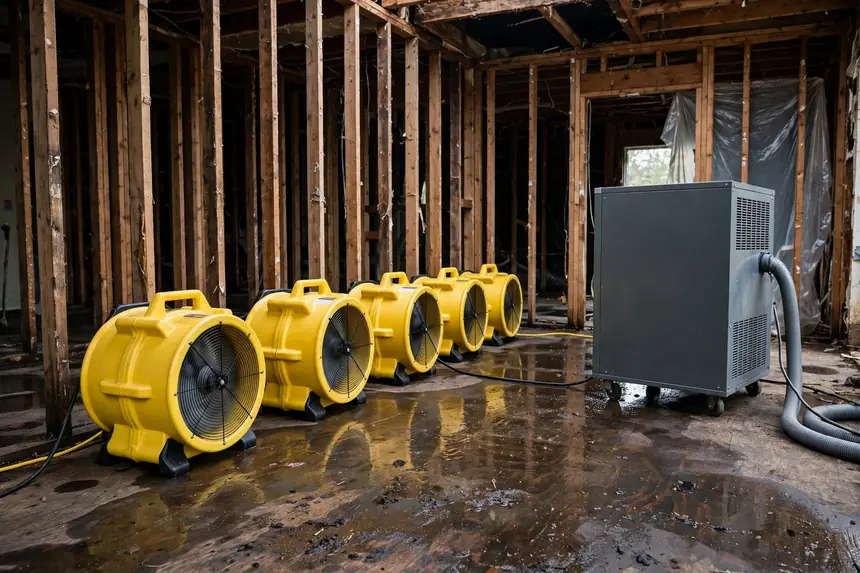
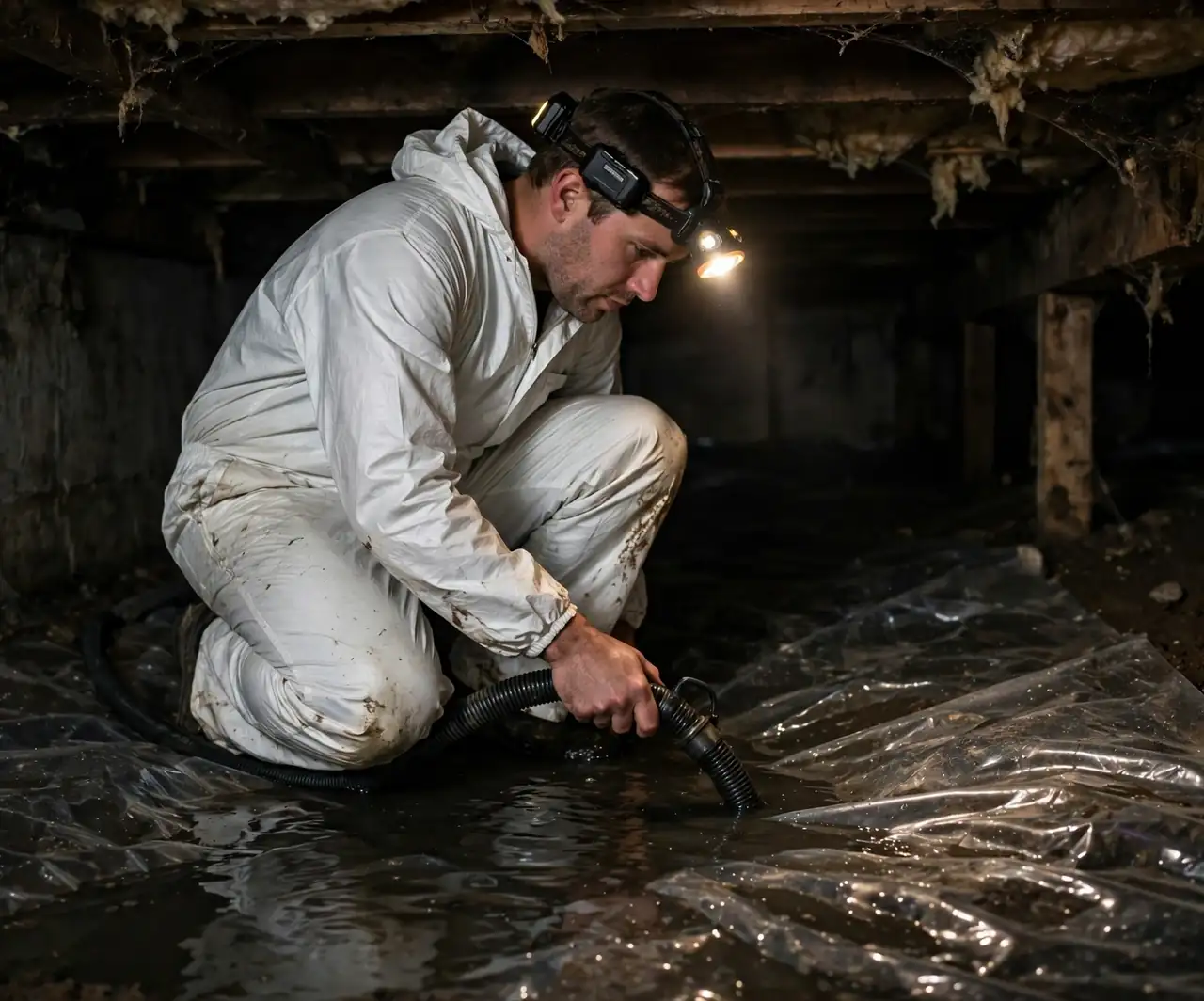
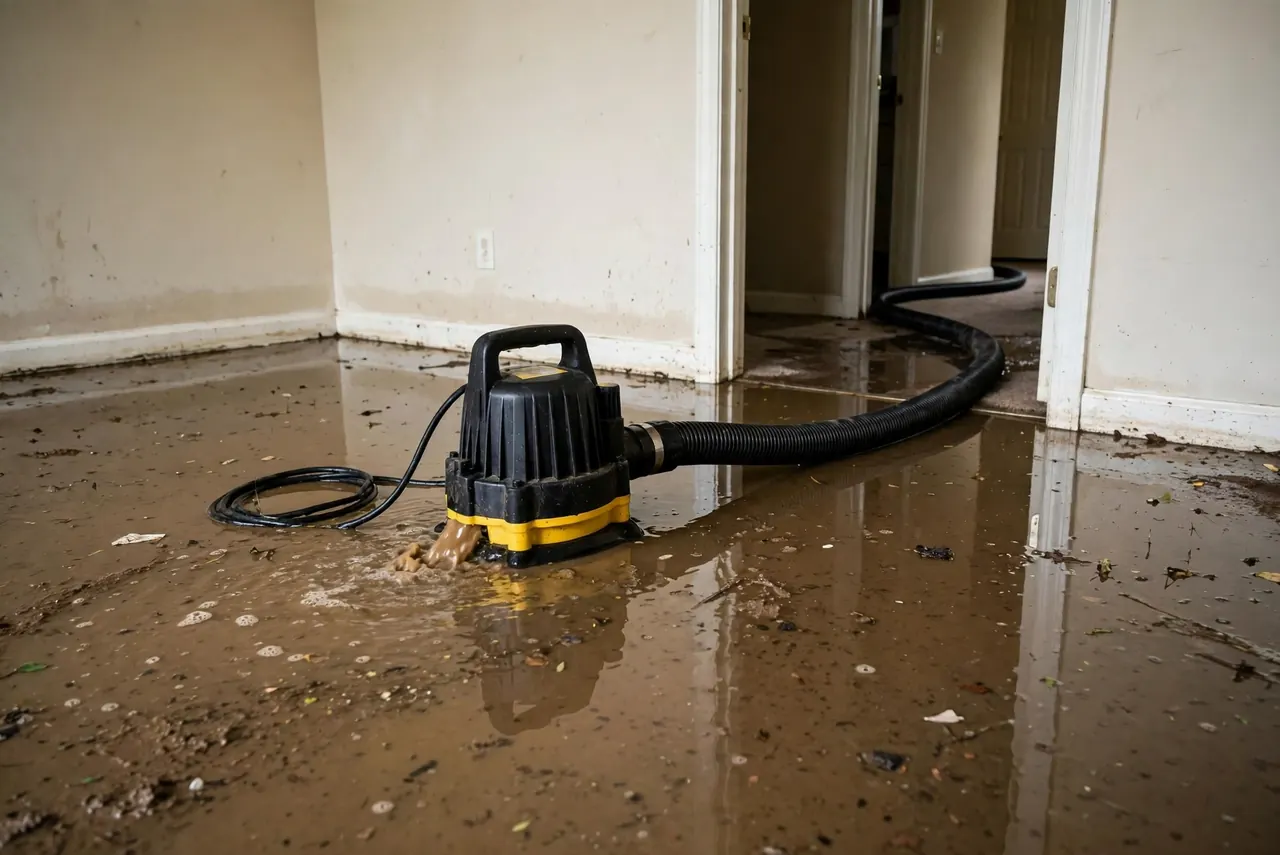
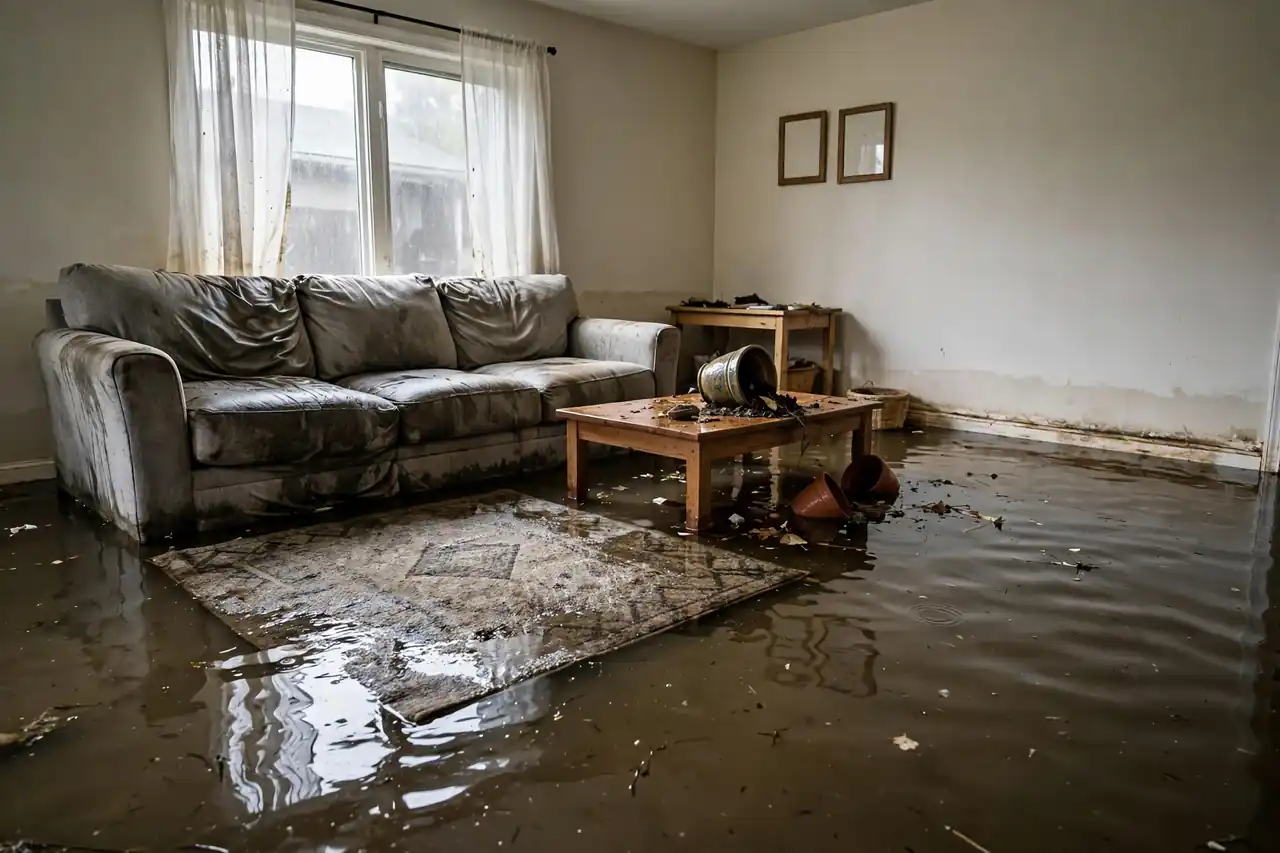
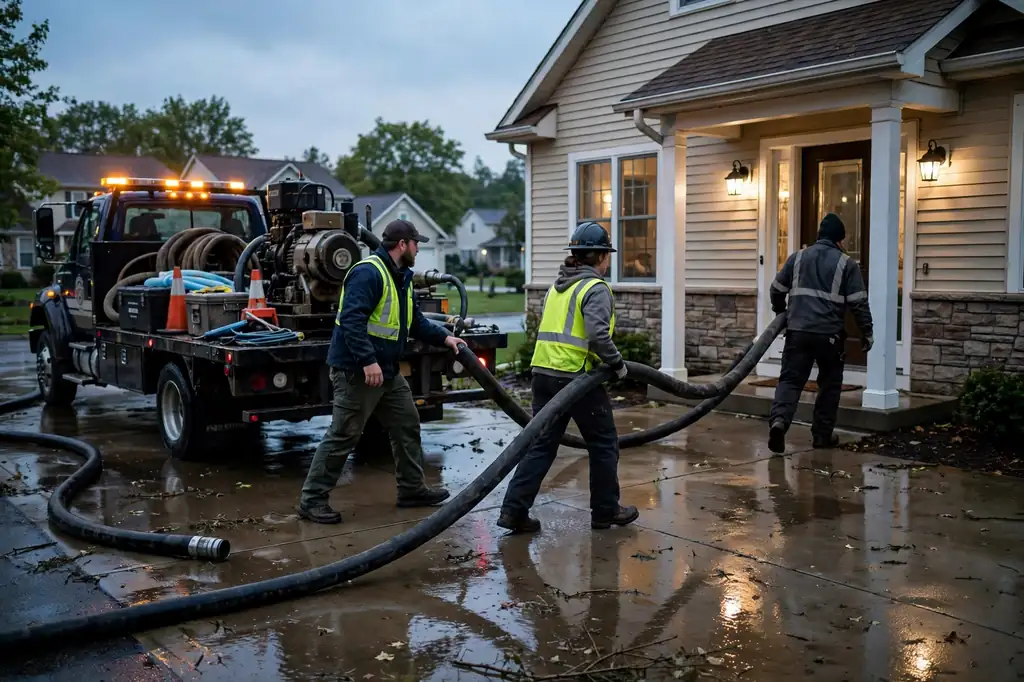
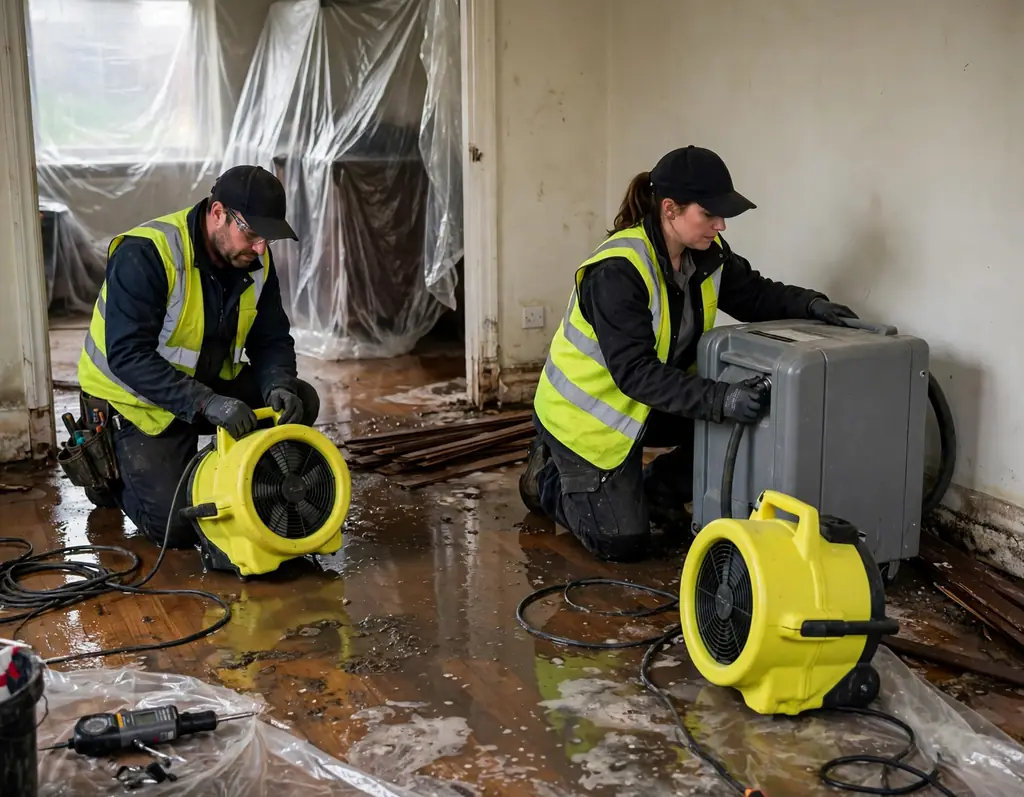
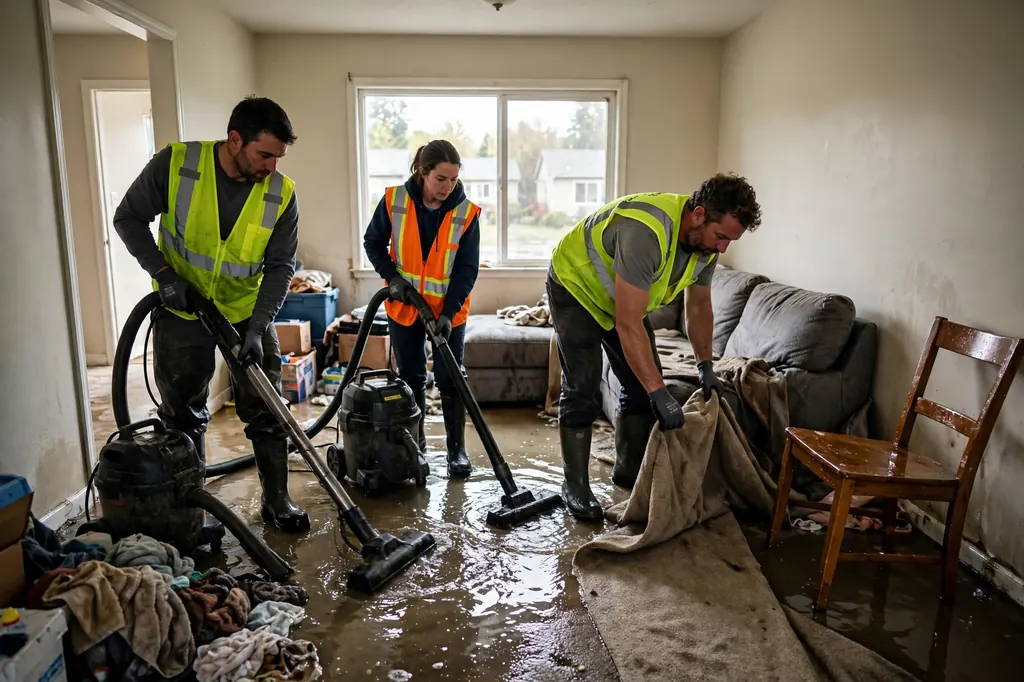
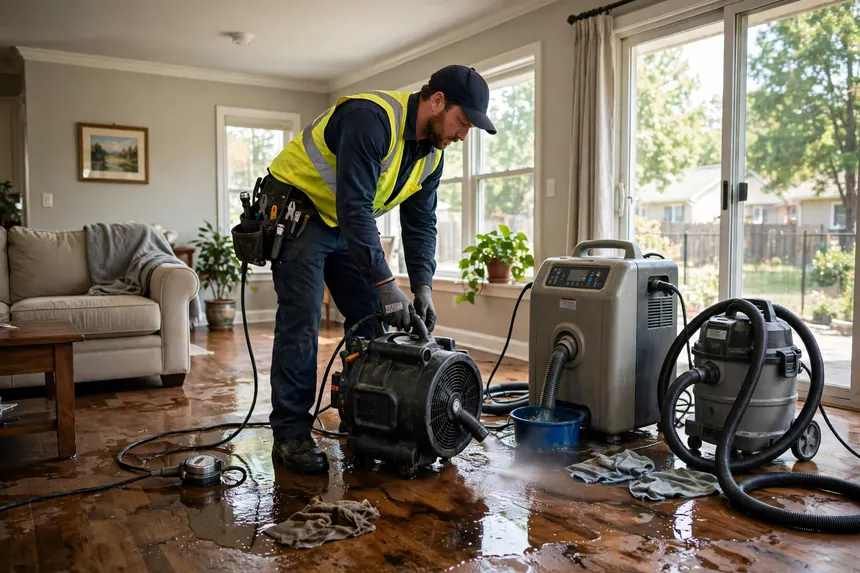
When a pipe breaks or water pushes inside, emergency water damage repair in Ten Mile starts with stopping the source and removing standing water. We serve Ten Mile Crossing, Ten Mile Estates, and homes near Ten Mile Creek, with emergency water damage repair near Ten Mile for leaks, storm entry, and indoor flooding. Our crew checks affected materials, maps moisture, and sets drying equipment so you know what needs attention next.

emergency water damage repair in Ten Mile

Serving Ten Mile and Kuna

  • Readings RecordedMoisture checks guide drying decisions
  • Work Area ProtectedContents moved away from wet surfaces
  • Steps ExplainedYou hear what happens next
  • Equipment CheckedAirflow placement reviewed during work

Emergency water damage repair in Ten Mile

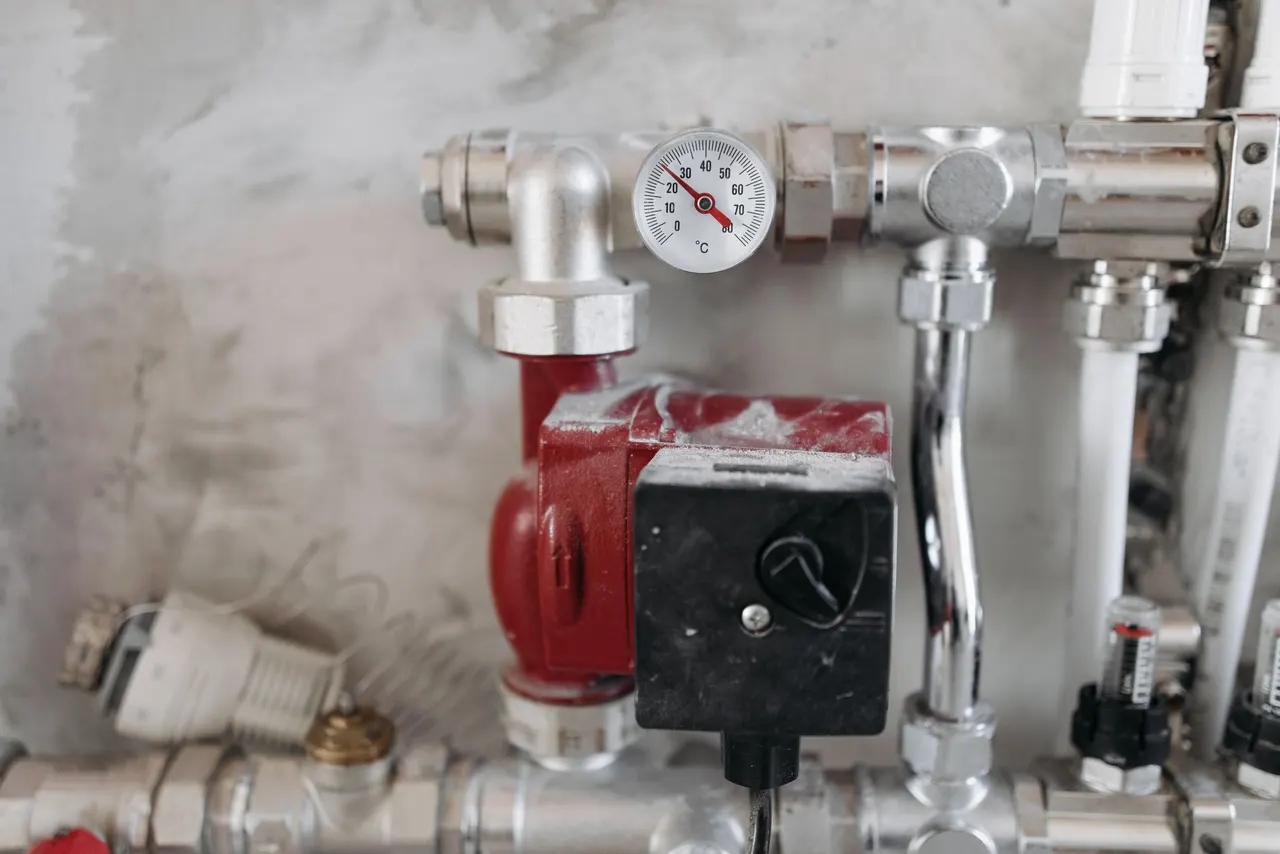
Ten Mile follows Ten Mile Road and Ten Mile Creek, the north-south corridor on Kuna's east side, and the homes here see garage pipes freeze, roofs leak, and appliances send water under carpet and finished flooring. The corridor's garages are the weak point in winter, because the pipes in them lose heat first on a cold night.

We check the garage walls and the adjoining finished rooms first, reading the wall bases and the floor edges on both sides of the shared wall. A roof leak gets the same treatment: the stain, the space above it, and the walls below it, because water follows framing before it shows. Equipment is placed from those readings, not from the puddle.

Ten Mile Creek is one of the two creeks that historically drained this part of the valley before irrigation arrived, and Ten Mile Road still runs the same north-south line the creek followed. The corridor links Kuna toward the rest of Ada County, and the homes along it sit on the flat ground the creek once drained.
Water Damage Services Across Ten Mile

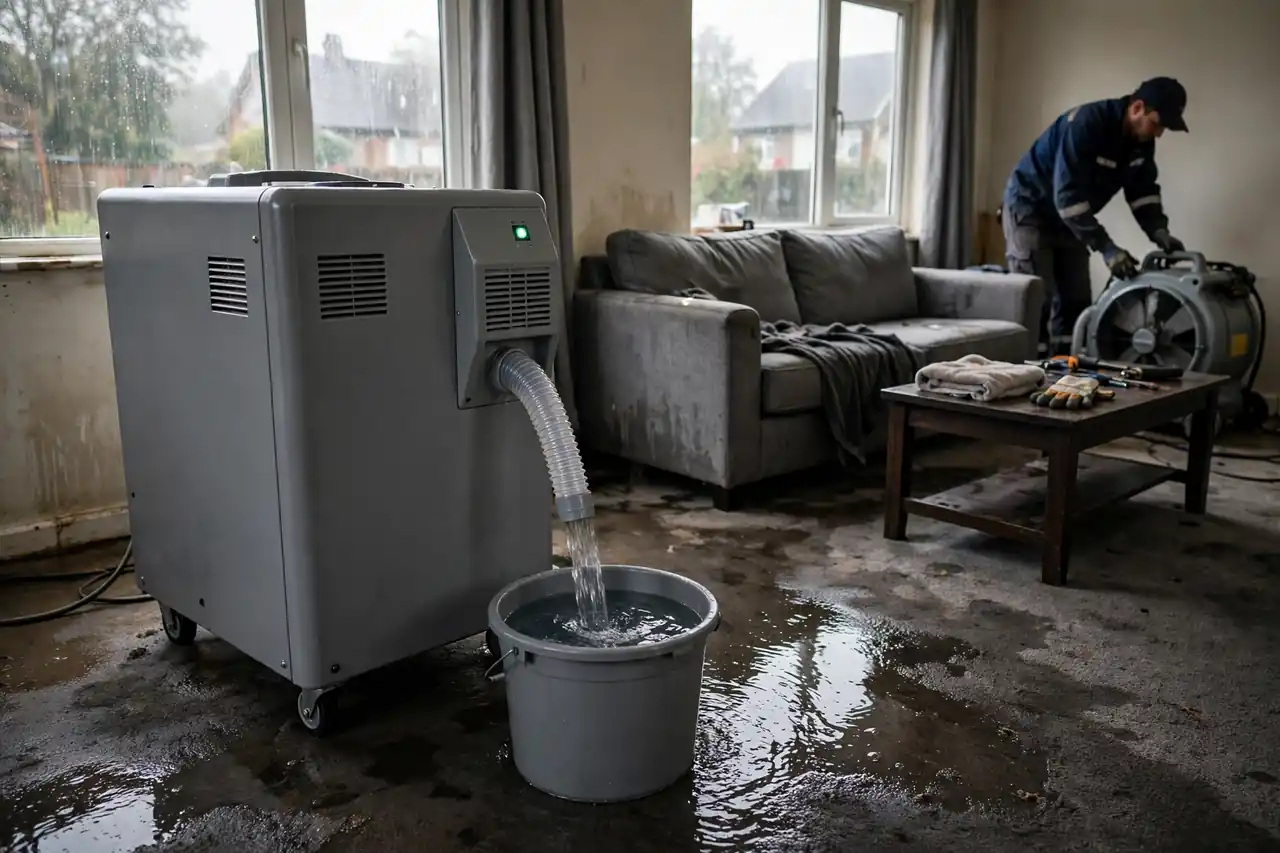
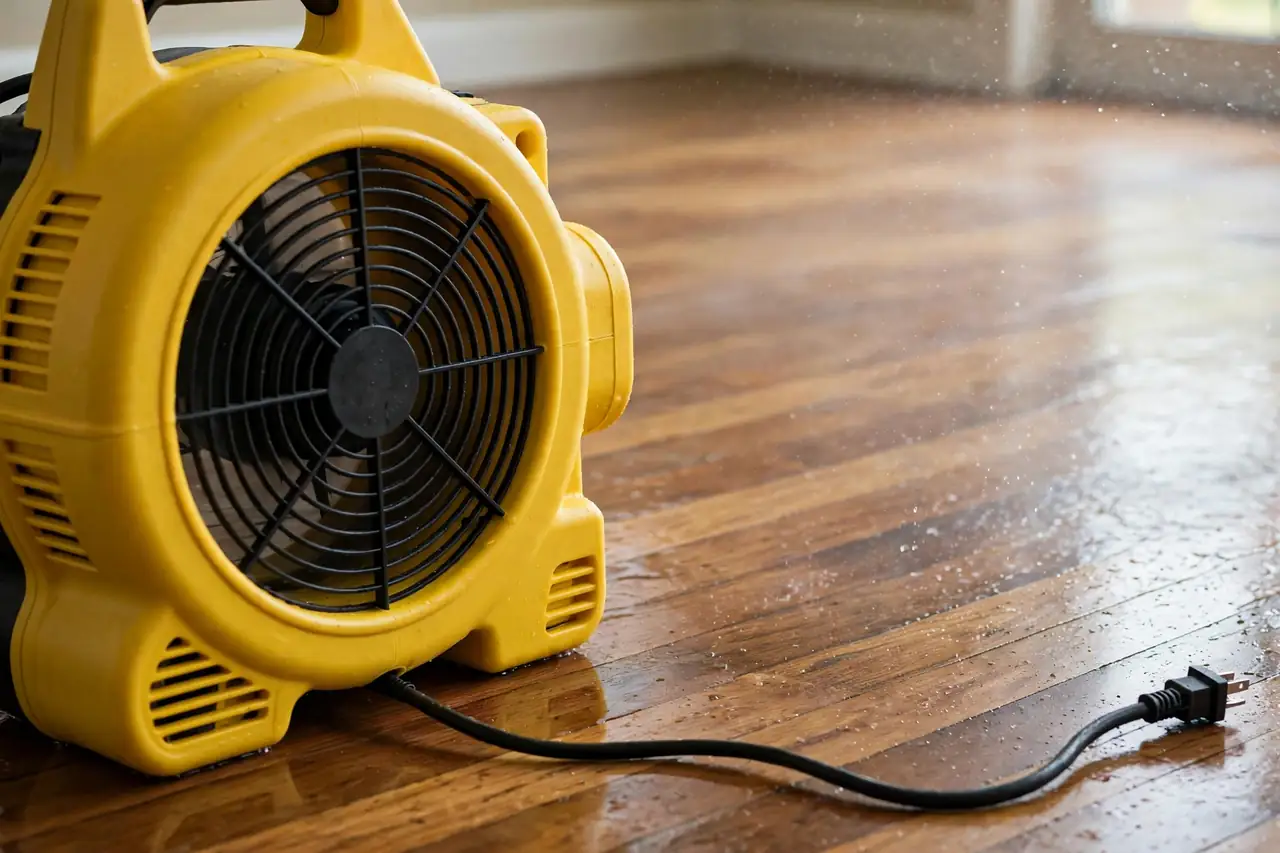
Ten Mile properties need different responses depending on the water source, affected floor, and how long materials have been wet. Our emergency water damage repair work covers active leaks, storm entry, interior flooding, and the cleanup that follows. If you are searching for emergency water damage repair in Ten Mile ID near me, tell us whether water is still flowing, how deep it is, and which rooms are affected. We use that detail to prioritize extraction, inspection, and drying while protecting unaffected areas of your home.

How Ten Mile Water Services Work

Emergency Restoration in Ten Mile

Emergency Restoration in Ten Mile

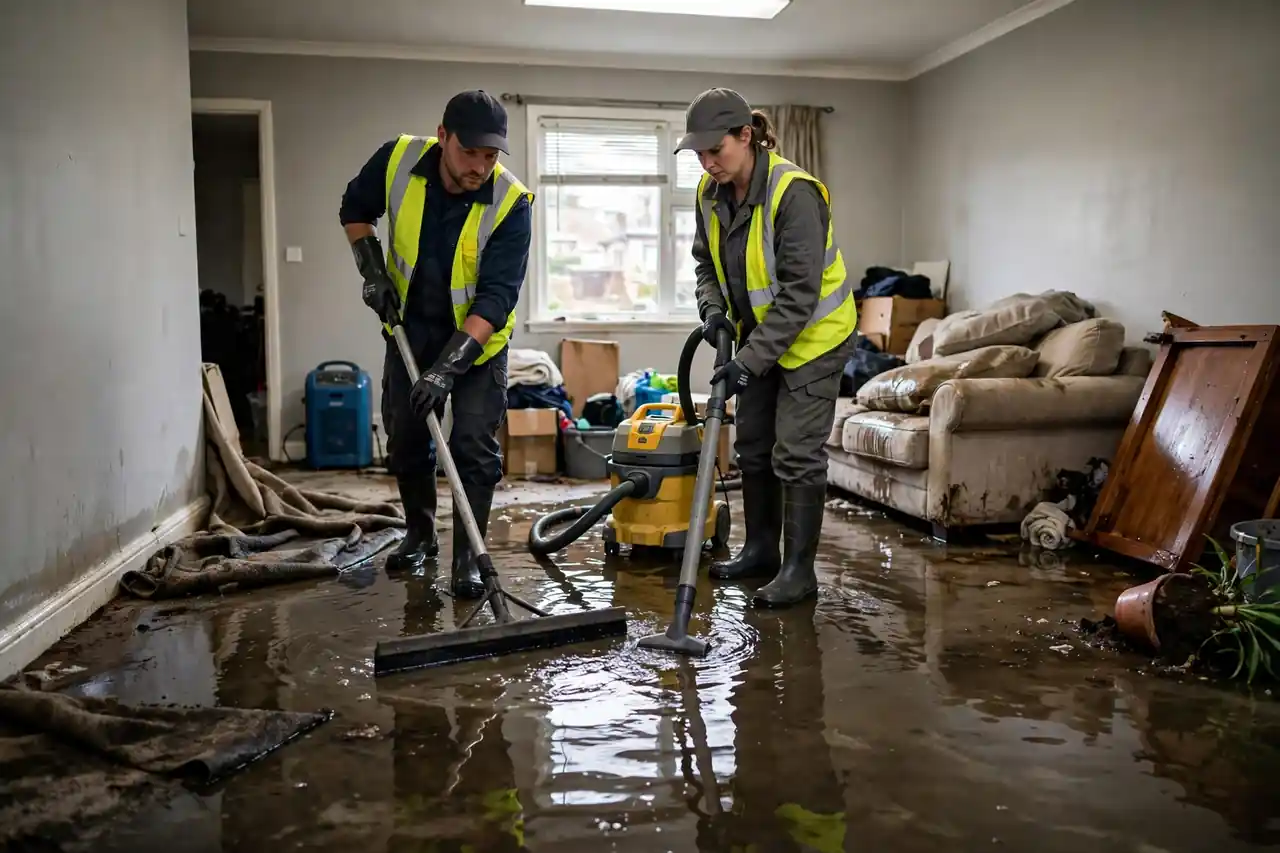
We locate the water source and inspect affected rooms in Ten Mile Crossing and Ten Mile Estates. We extract standing water and check nearby flooring, trim, and wall edges. Readings guide equipment placement and the next drying check.

  • Find and control the source
  • Map wet materials
  • Set drying equipment
Ten Mile Home Water Help

Ten Mile Home Water Help

We handle leaks and flooding in Ten Mile homes, from finished rooms to garages and lower levels. We inspect the affected materials and explain the drying steps.

  • Finished basement leaks
  • Garage pipe failures
  • Carpet and hardwood floors
  • Roof and ceiling stains
Ten Mile Business Water Help

Ten Mile Business Water Help

We assess water damage at Ten Mile commercial properties and coordinate equipment placement around safe access. We document affected rooms, surfaces, and contents.

  • Small office water loss
  • Retail interior leaks
  • Shared building corridors
  • Storage room flooding

Common Ten Mile Water Damage Problems

Along Ten Mile, garages and corridors set the risks, so these four lead: frozen pipes in garage walls, hidden roof leaks, sump pump failure, and appliance leaks under carpet and flooring.

  • Frozen Pipes Split Overnight and Wet Finished Rooms

    Frozen Pipes Split Overnight and Wet Finished Rooms

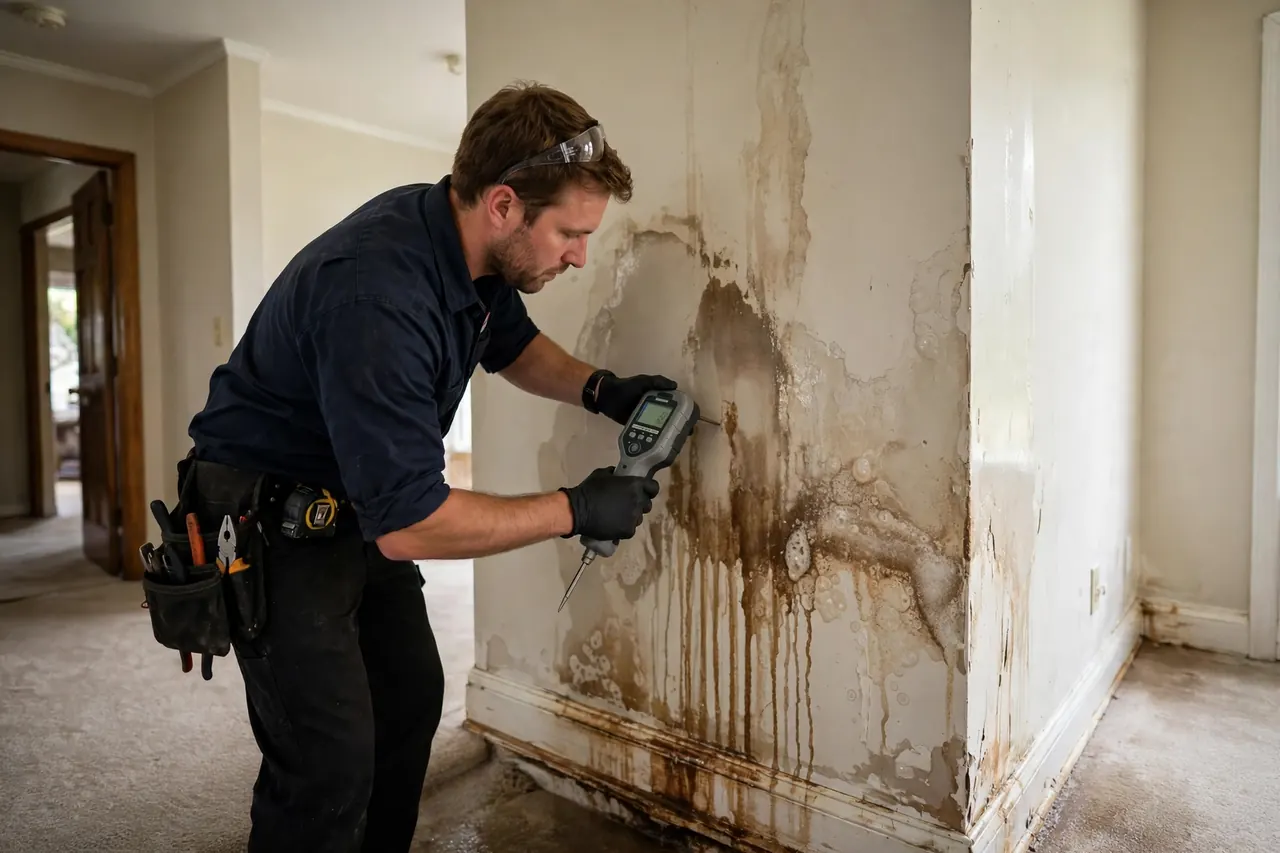
    When the temperature drops hard overnight, a pipe in an unheated space can freeze, split, and then release water as it thaws. The damage in Ten Mile usually shows up away from the break — a damp baseboard, a swollen cabinet bottom, a stain on a lower wall. We trace the route with a moisture meter before placing equipment, because drying the puddle while the wall cavity stays wet only delays the repair.

  • Slow Leaks Leave Dampness That Turns Musty

    Slow Leaks Leave Dampness That Turns Musty

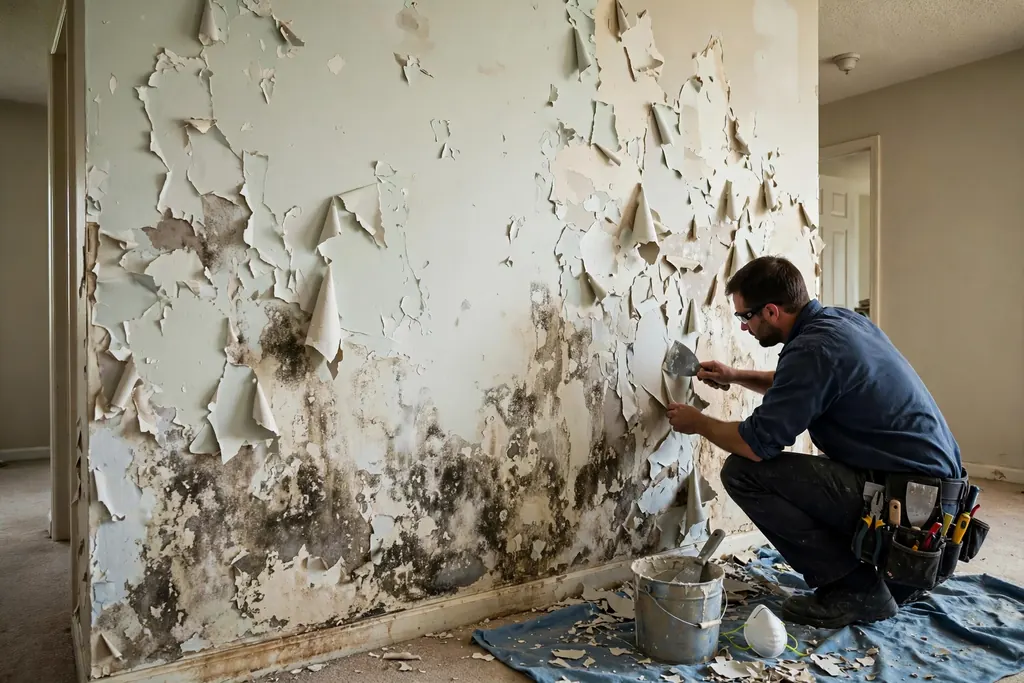
    A leak that stays damp for days will start to smell musty long before anything is visible, and the smell is the warning that moisture is sitting in a wall cavity or under flooring. In Ten Mile, we find the source, extract, and dry from meter readings, and we check the hidden spaces — behind baseboards, inside the cavity, under the floor edge — because surface drying alone leaves the dampness that causes the smell. If growth is visible or the smell persists after drying, we explain what inspection and testing would involve.

  • Sump Pump Failure Leaves Water in Lower Rooms

    Sump Pump Failure Leaves Water in Lower Rooms

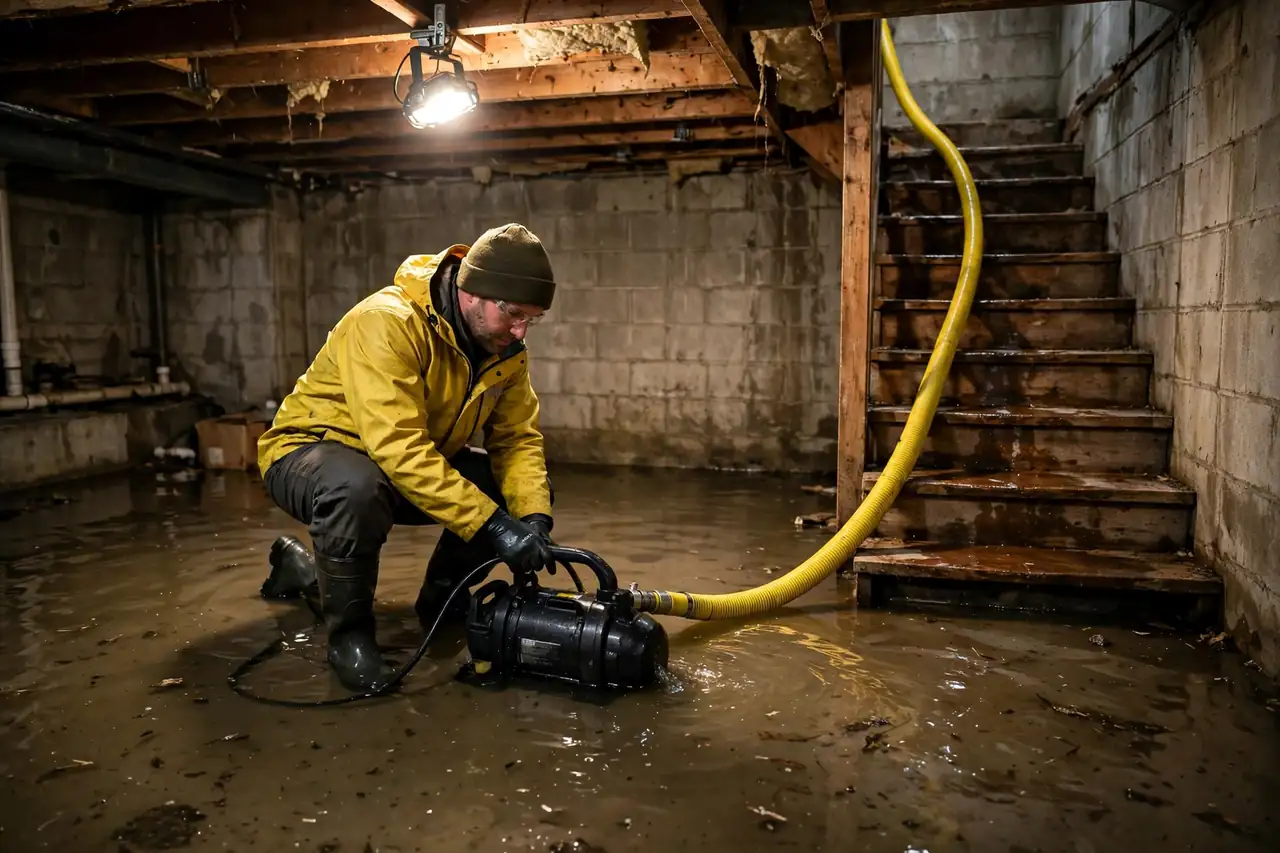
    When a sump pump stops in Ten Mile, water has nowhere to go but the lowest floor, and it can sit there for hours before anyone notices. We remove the standing water, test whether the pump, the float, or the discharge is at fault, and take readings at the base of the surrounding walls. Drying equipment is placed from those readings, and we flag what the pump repair or replacement needs to cover so the same failure does not repeat at the next wet spell.

  • Ceiling Leaks Need the Source Found First

    Ceiling Leaks Need the Source Found First

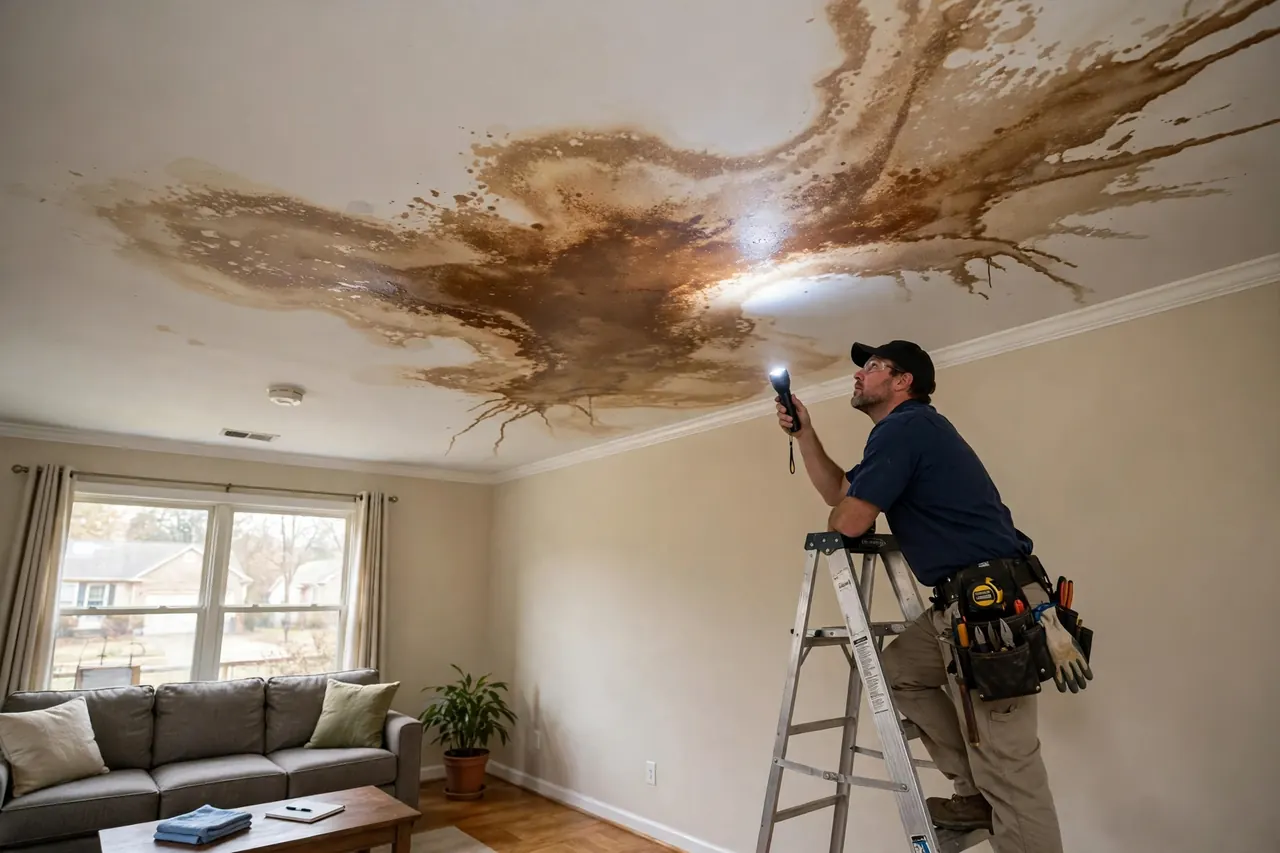
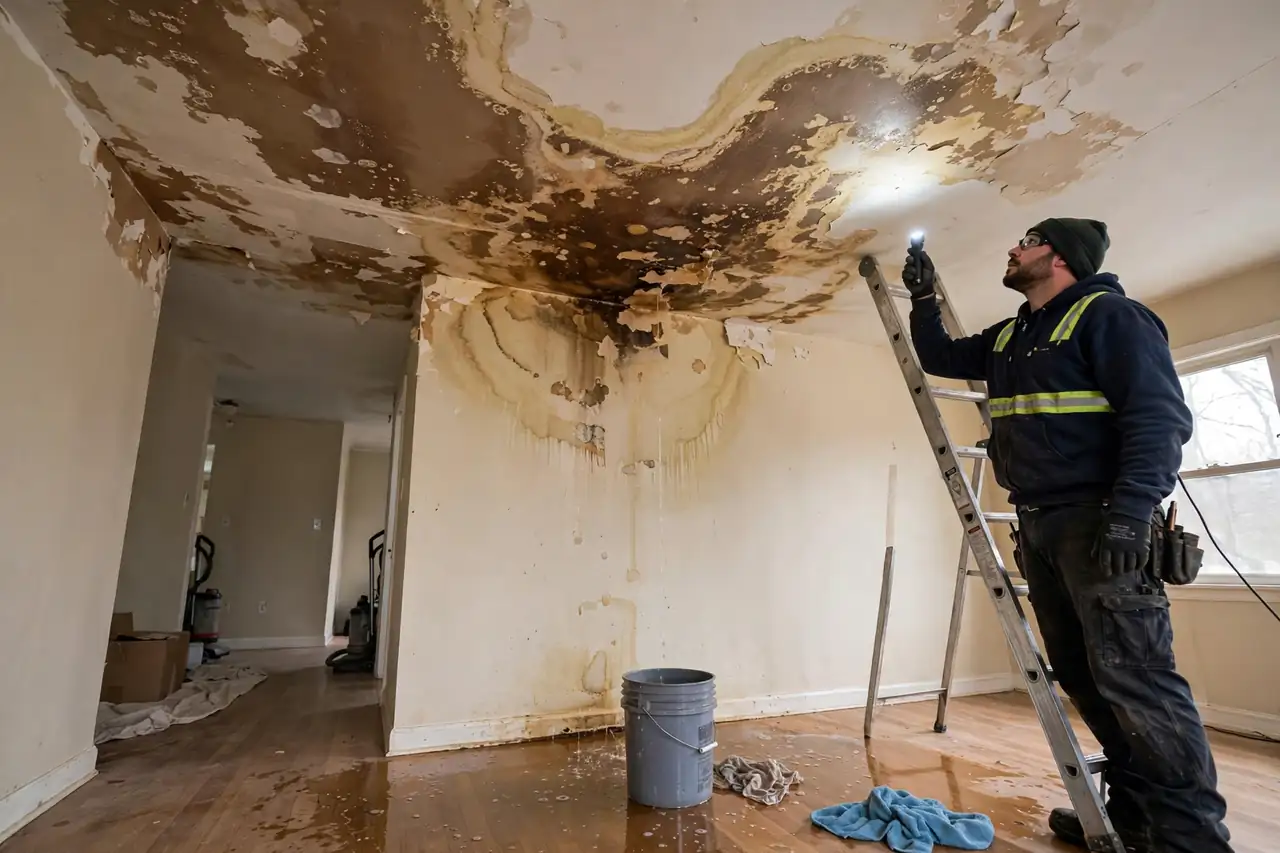
    Water in a ceiling usually started somewhere else — a roof defect, a bathroom fitting, or a pipe above — and patching the stain before finding it only hides the problem. In Ten Mile, we check the ceiling, the room above it, and the nearby walls, because water follows framing and can surface well away from the entry. We document the wet area, keep clear of any sagging section, and dry from readings so the ceiling repair happens on dry material.

When to Call for Water Damage Help

Notice spreading water, a growing ceiling stain, damp carpet, sewage backup, or a musty smell? Call for an inspection.

  • Water keeps spreading after shutoff

    Water continuing to move after a valve is closed can point to another active source or water traveling through a wall or floor assembly. Shut off the main supply if safe, keep people away from electrical hazards, and call for inspection. Fast extraction limits how much material stays wet.

  • A ceiling stain grows or begins sagging

    A spreading ceiling water stain often means water is collecting above the finished surface. Do not puncture a bulging ceiling or stand beneath it. We check the source, assess the ceiling and adjoining walls, and remove wet materials only when the area is safe.

  • Carpet feels wet beyond the spill

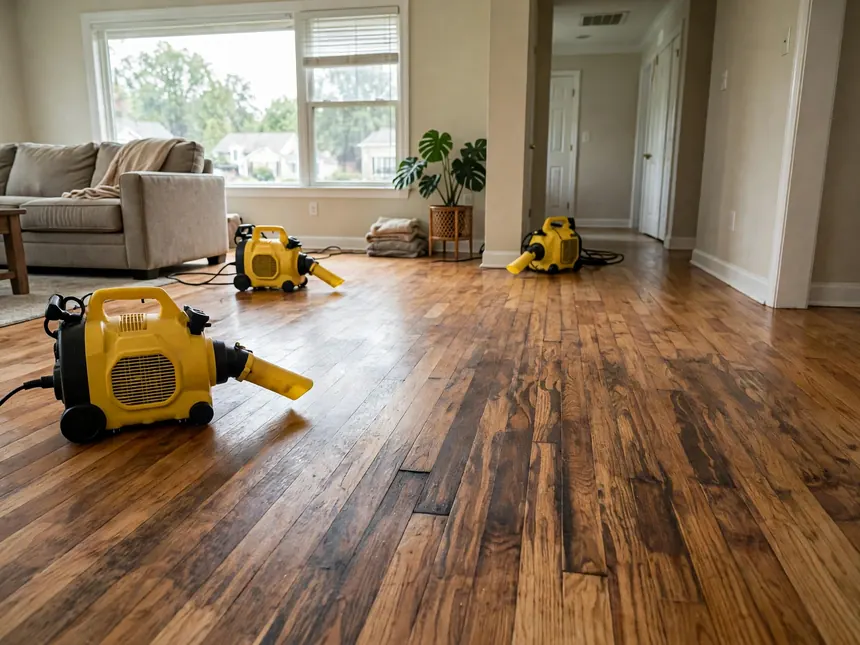
    Moisture can move through carpet padding and across the subfloor beyond the visible spill. A damp edge, cool floor, or musty odor warrants a moisture check. We extract water, inspect the padding, and determine whether the carpet assembly can be dried in place.

  • Sewage or drain water enters the room

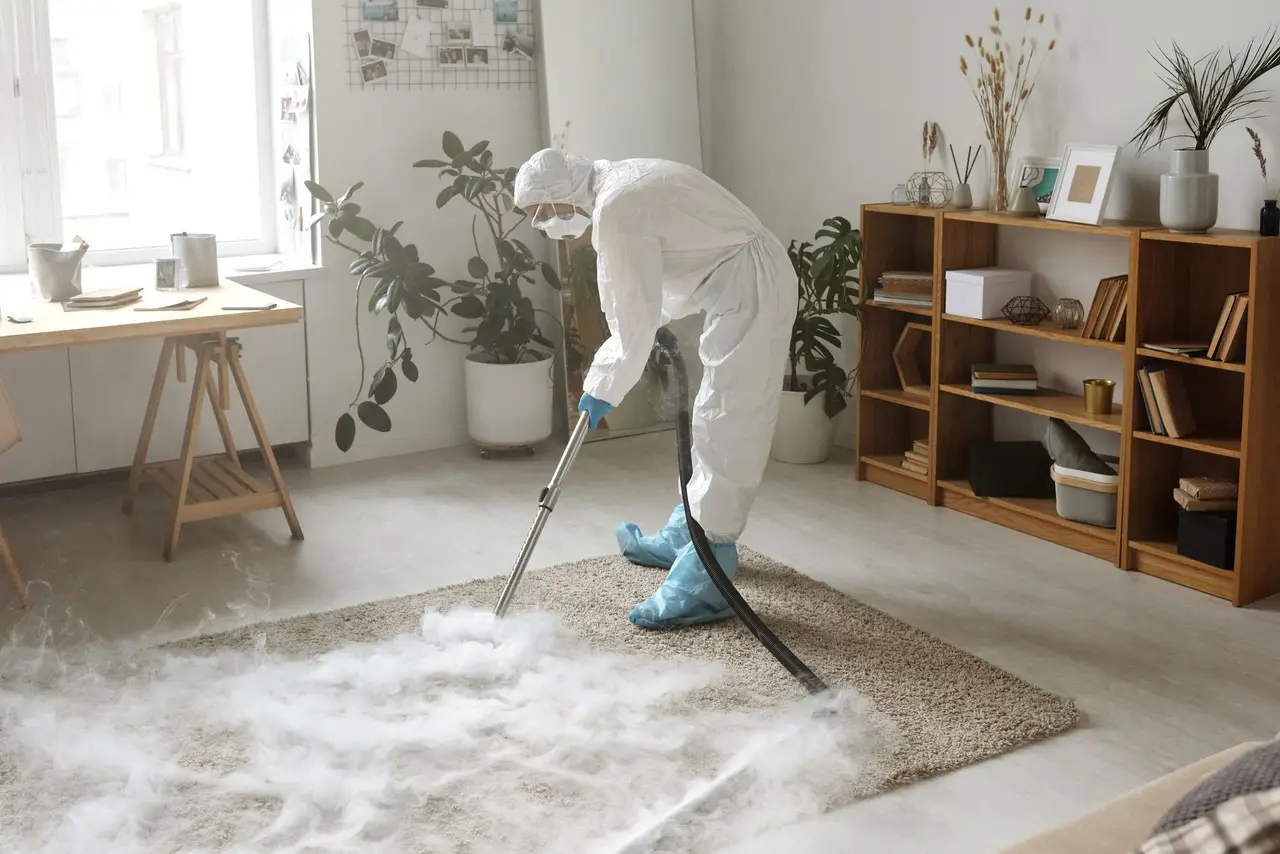
    Sewage backup is contaminated and needs controlled cleanup. Keep children and pets out, avoid contact, and do not run fans that could spread contaminated particles. We isolate the area, remove affected materials as needed, and clean suitable surfaces with the right method.

  • A musty smell follows a leak

    A persistent musty smell after a leak can indicate damp materials that were missed or not fully dried. The odor itself does not show how far moisture has spread. We inspect adjacent rooms and concealed edges, then address the damp source rather than masking the smell.

How We Handle Water Losses in Ten Mile

emergency water damage repair in Ten Mile starts with a safe arrival plan, a source check, and a moisture map. We ask whether the water is clean, contaminated, or still flowing; then we isolate hazards and extract standing water. In newer subdivisions, finished basements and connected living areas can hide migration beneath flooring or behind baseboards, so we check adjacent rooms before setting equipment. For emergency water extraction near Ten Mile ID, share your nearest cross street and the affected floor when you call.

  • Cold snaps can freeze exposed plumbing in garages or exterior walls

    A frozen line may release water after the ice begins to thaw, soaking wall cavities or flooring before the leak is noticed. The restoration response must follow plumbing shutoff and electrical safety, then check beyond the first visible wet spot. We help identify the affected rooms and start extraction once the area is safe. Moisture readings at wall edges, ceilings, and nearby floors show how far water traveled. We coordinate the drying plan around the repaired pipe and return to measure materials rather than assuming the surface is dry.

  • Creek flooding potential and irrigation canal proximity require source identification

    Water entering from outside may carry different contaminants than a clean supply-line leak. The source affects protective measures, material decisions, and cleanup methods, so treating all water as the same can leave an unsafe or incomplete result. We ask where water appeared, whether it followed rainfall or irrigation activity, and whether drains or exterior openings were involved. Our crew separates affected contents, selects the appropriate cleanup approach, and records conditions. We do not infer a flood source from proximity alone.

  • Newer subdivisions still have varied finishes and concealed assemblies

    A recently built home can include carpet over padding, engineered or hardwood flooring, insulated wall cavities, and finished lower levels. Water can move beneath these surfaces even when the room looks mostly dry, making selective inspection important. We compare readings across the wet area and adjacent rooms, inspect trim and transitions, and explain where materials may need access for drying. Equipment placement follows the actual moisture pattern. We protect unaffected finishes and document any removal needed to reach damp insulation or framing.

  • ANSI/IICRC S500

    This standard provides a framework for professional water damage restoration procedures, including inspection, water removal, drying, and documentation. We use its principles to guide decisions in Ten Mile properties, while adapting the work to the specific source, materials, and measured conditions.

  • Idaho contractor licensing requirements

    Repair work that falls under Idaho contractor licensing rules must be handled by an appropriately registered or licensed contractor. Restoration involves both mitigation and possible reconstruction, so we keep water removal and building repair tasks distinct and coordinate the proper trade work for the job.

Ten Mile Navigation and Local Routes

For a Ten Mile call, the Ten Mile Road corridor and Ten Mile Creek are useful orientation references, not proof of a property's water risk. We confirm your street address and the safest vehicle approach before unloading extraction or drying equipment. In a growing area, driveway access, construction activity, and garage entry can affect where equipment is staged. Tell us about gates, stairs, or a blocked entrance when you call, especially if water is spreading across a finished floor.

  • Ten Mile Creek

    Ten Mile Creek is a local geographic reference that can help residents describe their general location. We still use the service address and nearby street details to navigate accurately; being near the creek does not by itself indicate that a property has flooded.

  • Ten Mile Road corridor

    Ten Mile Road is a practical orientation route for identifying addresses in the area. A cross street or driveway description helps us select the correct approach and plan where to unload equipment without treating the road as a service-demand marker.

  • Ten Mile Crossing

    Ten Mile Crossing is a named local neighborhood reference residents may use when giving directions. Pairing that name with a street address or map pin helps distinguish the exact property and its access point.

  • Ten Mile Road corridor

    The corridor provides a familiar local route reference amid a growing mix of residential development and nearby services. We use the customer's actual address and access instructions to plan arrival and equipment placement.

  • Ten Mile Crossing

    Ten Mile Crossing is a named development and local destination used for orientation in the area. Our navigation is based on the property address, not an assumption about where a water incident occurred.

  • Ten Mile Road

    Ten Mile Road serves as a local route reference for reaching nearby addresses. Customers can provide a cross street or driveway notes to clarify the final approach.

  • Meridian Road

    Meridian Road is a regional road reference for travel around the Kuna service area. We confirm the destination address and route details for each Ten Mile call.

Ten Mile Neighborhoods We Serve

We take water damage calls throughout Ten Mile, including Ten Mile Crossing and Ten Mile Estates. The surrounding area is growing, and homes can differ in basement finish, flooring, and access even within the same subdivision. Give us your street or nearest cross street, the source if known, and whether water is still moving. That lets us plan extraction equipment and safe entry before arrival.

  • Ten Mile Crossing
  • Ten Mile Estates
  • Ten Mile Road corridor
  • Ten Mile Creek area

Ten Mile Water Loss Work Examples

  • Ten Mile Crossing

    Before

    A supply hose failure in a Ten Mile Crossing laundry room spread water beneath carpet and along the adjacent wall before the homeowner shut off the valve.

    After

    We isolated the affected rooms, extracted visible water, and checked the carpet edge, padding, and lower drywall with a moisture meter. After recording baseline readings, we positioned air movers and a dehumidifier to dry the remaining materials. We checked readings again during follow-up and identified the section of padding that required removal. The illustrative drying plan used 4 air movers and 1 dehumidifier, with moisture checks over 3 days. The affected wall and floor boundary was documented before repair decisions.

  • Ten Mile Estates

    Before

    A roof leak left a ceiling stain and damp insulation in a Ten Mile Estates home after a period of rain.

    After

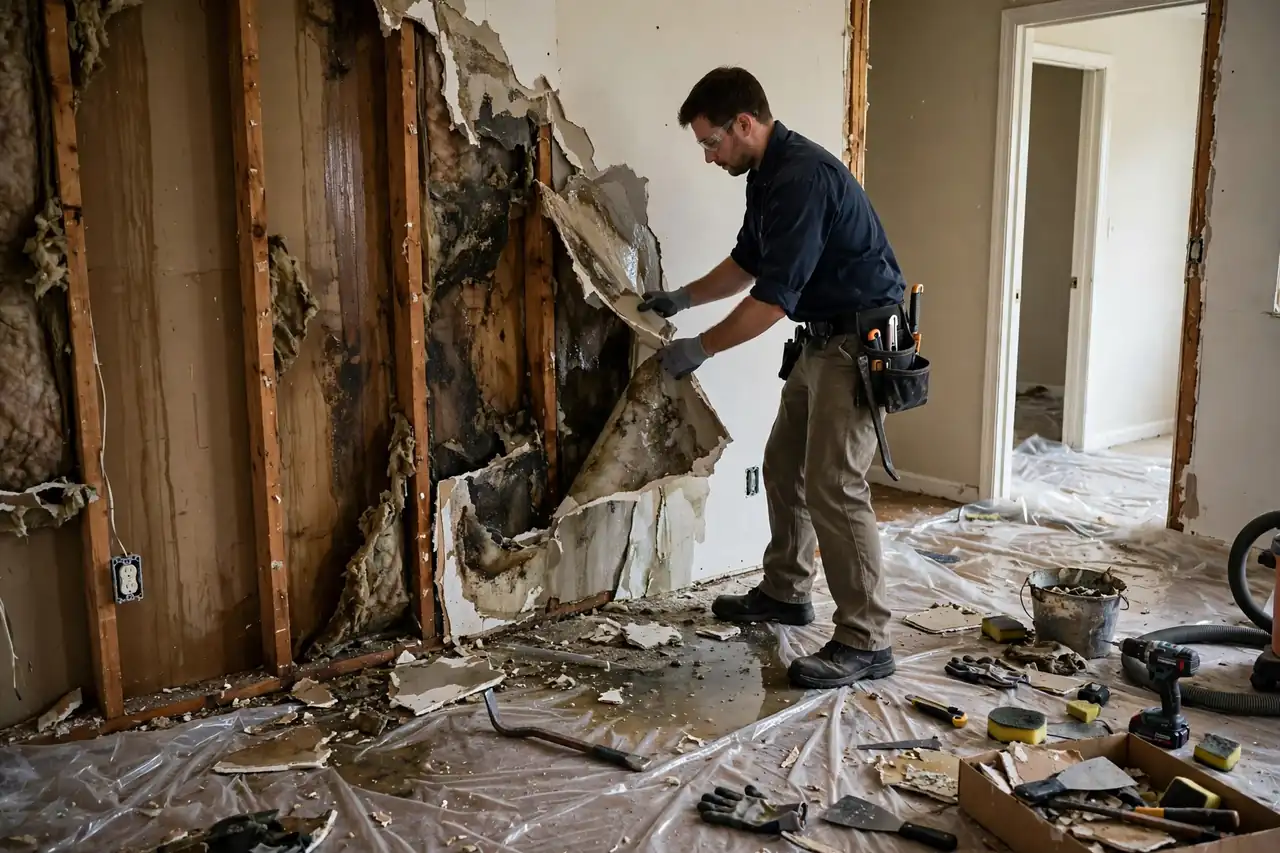
    We traced the interior moisture pattern, protected nearby contents, and documented the ceiling and adjoining wall. Once the roof source was addressed, we removed wet material where needed to expose the cavity, then ran controlled drying equipment. Follow-up readings confirmed whether the framing and surrounding drywall had reached a stable condition. The example involved 2 connected rooms and a 5-day drying schedule, adjusted to readings. Moist insulation was removed from the opened section rather than sealed behind a new ceiling.

  • Ten Mile Road corridor

    Before

    A sump pump failure allowed water to collect across a finished lower-level floor near the Ten Mile Road corridor.

    After

    We checked the water source and electrical safety before extraction, then removed pooled water and inspected floor edges, carpet, and baseboards. We measured moisture at several points and arranged drying equipment around the room layout. The pump and discharge conditions were reviewed separately so the homeowner could address the recurring water-control issue. The illustrative response removed approximately 1 inch of standing water from the affected floor area. Readings were checked at 6 locations over 4 days, with damaged materials documented for follow-up.

Ten Mile Water Risks Through the Seasons

  • Spring

    Spring is when hidden winter damage surfaces: a pipe that wept slowly in the cold finally shows as a stain, and the first rains find the roof and gutter weak points. Look at ceilings after each storm, check the ground where downspouts discharge, and test sprinkler zones one at a time as irrigation comes back on, so a broken head is caught before it soaks a threshold.

  • Summer

    Summer irrigation is the main water risk in the Treasure Valley: pressurised lines run for months, and one failed valve can wet a foundation edge for hours. Inspect heads and valves when the system cycles, keep spray off the house, and check the rooms beside the irrigation zones for damp baseboards. Heat hides slow leaks by drying the surface, so a recurring damp spot needs measuring, not waiting.

  • Fall

    Fall is short and the freeze comes quickly, so use it to prepare: clear leaves from gutters and drains, check flashing and valleys, and drain the sprinkler system before the first hard night. Find the water shut-off and make sure everyone in the house knows where it is. A pipe that bursts in January usually had a warning in October, and fall is when that warning is cheapest to act on.

  • Winter

    Winter nights in the Treasure Valley drop well below freezing, and the pipes most at risk are the ones in garages, crawl spaces, and exterior walls. Keep heat on in unused rooms, let vulnerable taps drip during a hard freeze, and open cabinet doors where pipes run through exterior walls. If a pipe does split, shut the water off first, then call: the water spreads further in the minutes before the supply stops than in the hours after.

Questions to Ask Before Hiring

A strong water restoration response in Ten Mile should explain the water source, the first actions, and how drying will be measured. Ask who is handling extraction, what equipment is planned, and how the crew will document progress. A contractor should distinguish clean water from sewage or outside water and explain what happens to wet carpet, drywall, and insulation. Direct answers matter more than broad promises. You should know what is being done in your home and what readings will show when the work is complete.

  • How will you find moisture beyond the visible water?

    A crew that checks only the puddle can miss damp flooring, baseboards, or wall cavities. Ask whether they use moisture readings and inspect adjacent rooms. In Ten Mile homes with finished spaces, a documented moisture map helps explain where equipment needs to go and what materials need access.

  • What changes if the water came from sewage or outdoors?

    Water source affects protective measures, cleaning, and material removal. The contractor should identify whether the water is a clean plumbing leak, drain backup, or outside entry before selecting a method. A clear answer shows the cleanup plan is based on conditions rather than one routine for every loss.

  • How often will you check drying progress?

    Drying equipment needs monitoring; leaving air movers in place without checking materials does not confirm progress. Ask how readings will be recorded and what changes would prompt adjustment. The answer should connect follow-up checks to actual materials and measured moisture, not a fixed promise.

  • Will you document damaged materials for my insurer?

    Photos, moisture readings, and an itemized record can help you explain the loss to your insurer. Ask what information the crew records and how they separate mitigation from repair work. Clear documentation helps you track what was wet, what was removed, and why.

  • What happens to carpet padding and wet drywall?

    Carpet can look dry while padding remains wet, and drywall may conceal damp insulation. The contractor should explain how these materials will be inspected and whether they can be dried or need removal. That conversation helps prevent a cosmetic patch from hiding an unresolved moisture problem.

Ten Mile emergency water damage repair FAQs

Still wondering? (833) 546-4116

Local service team

Call for emergency water damage repair in Ten Mile

If water is spreading through your Ten Mile home, call Kuna water damage restoration at (833) 546-4116. We will ask where the water started, which rooms are affected, and whether the source is shut off, then explain the first response. Our team serves Ten Mile and nearby Kuna addresses across Ada County. Call now to arrange emergency water removal and inspection.

Contact the Kuna Team

Call (833) 546-4116 when water reaches your home or business in Kuna, Idaho. Tell us whether the source is still active, which rooms are affected, and when the damage began; that helps direct the next steps. Calls are accepted at any hour for emergency inquiries, and service coverage includes Kuna, ID, with ZIP codes 83634 and 83642.

Thanks. Your request is in and the team will follow up shortly.