Emergency Water Damage Repair in Silver Trail Today

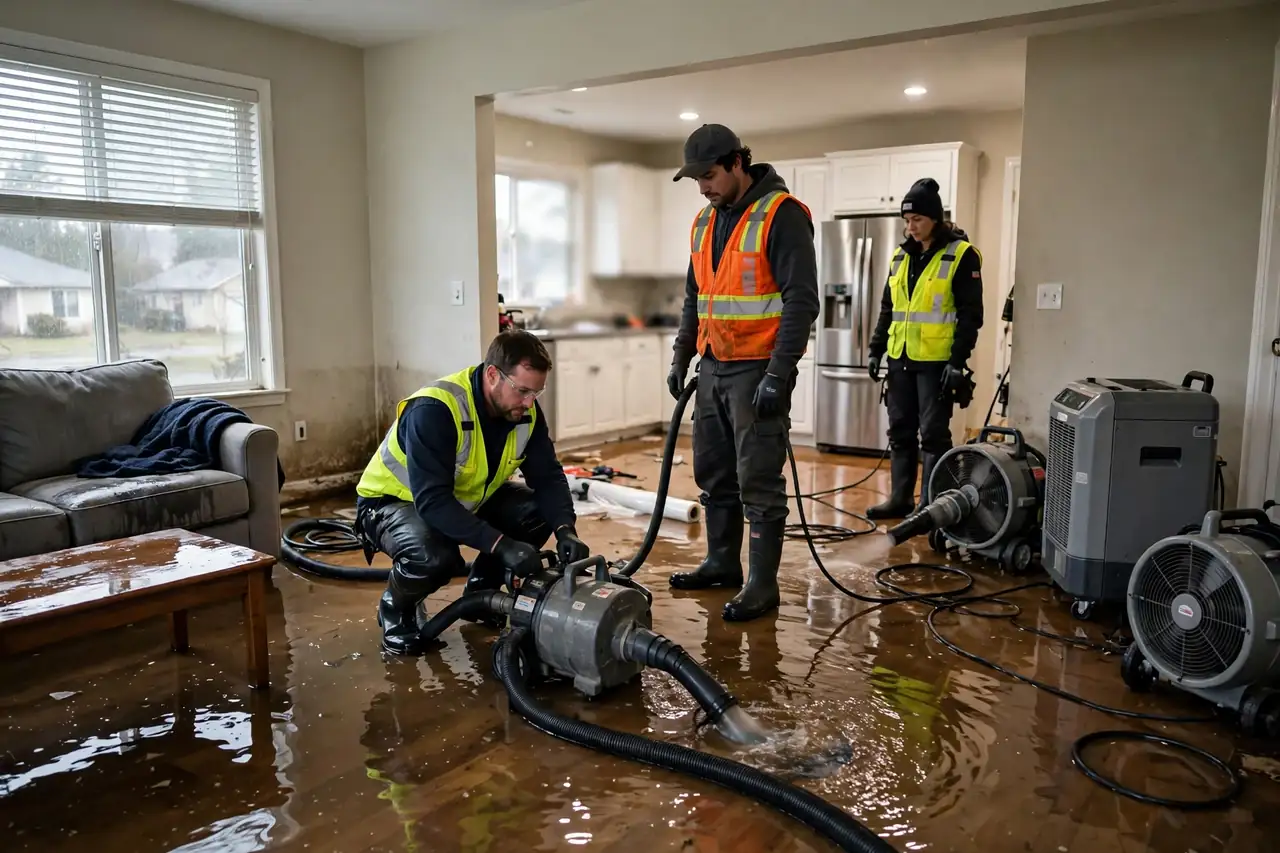
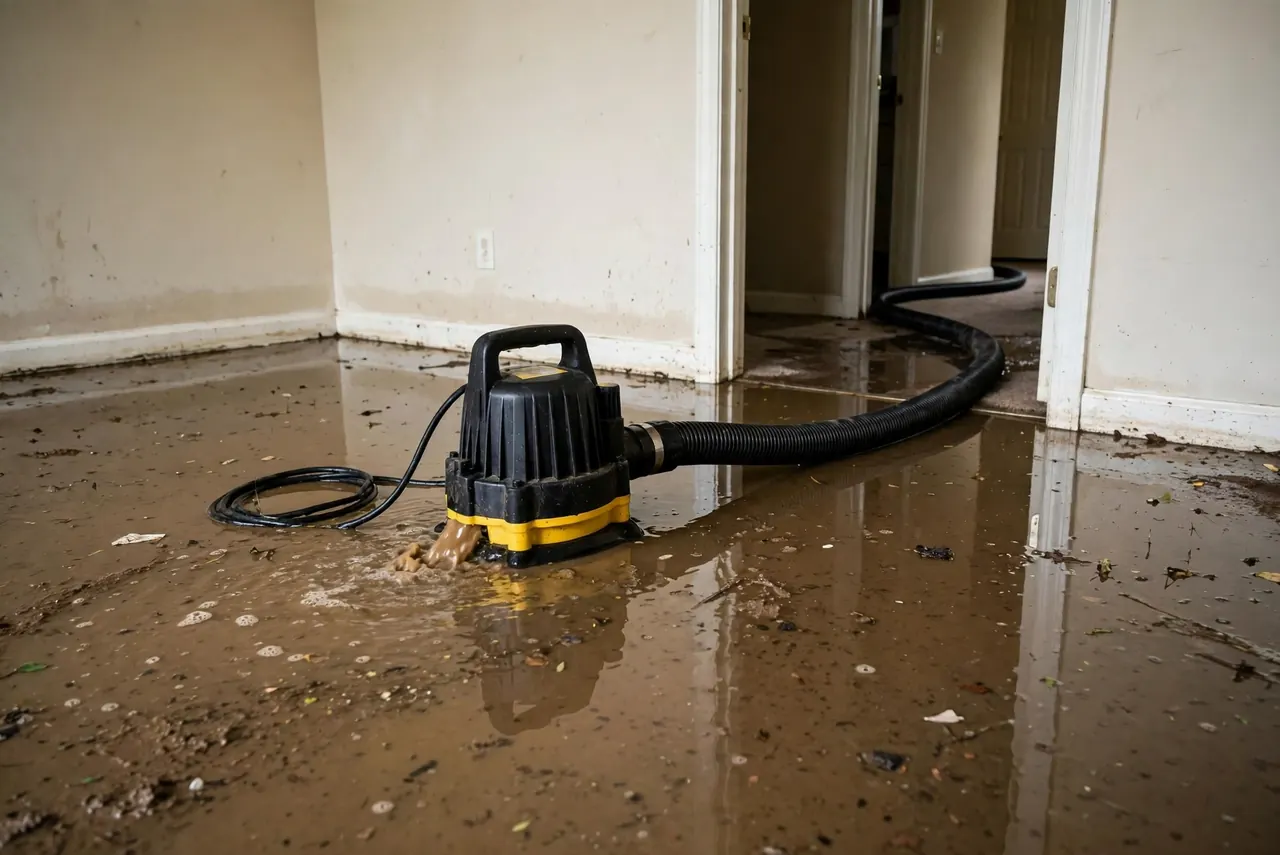
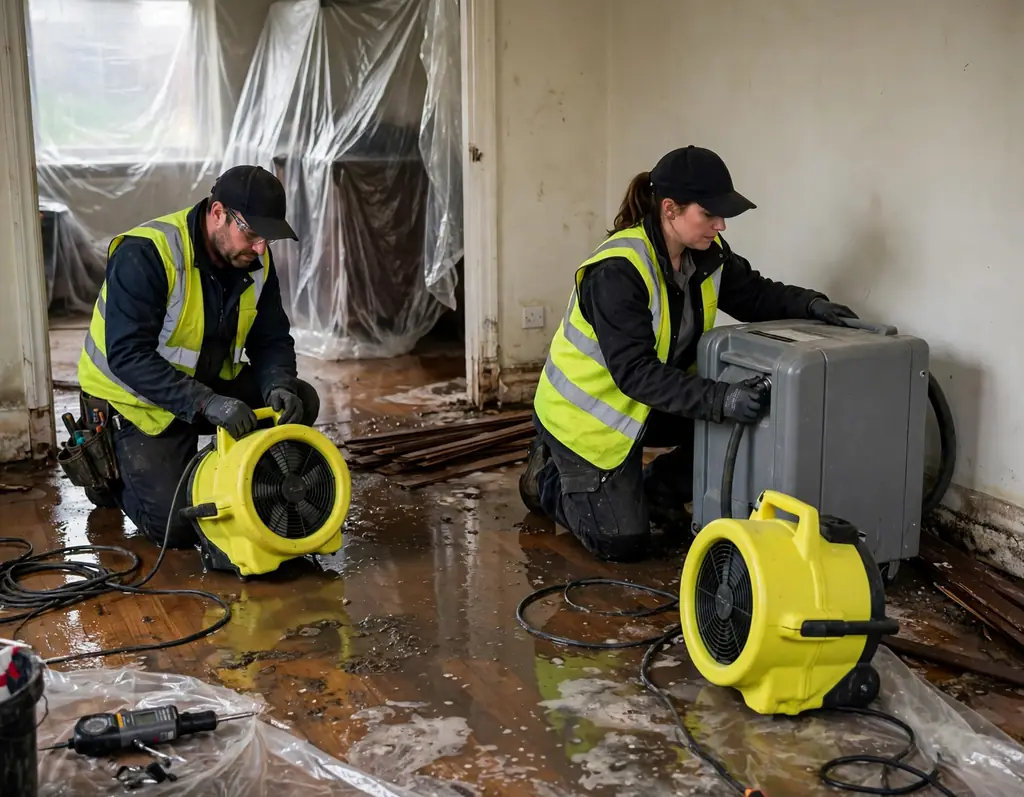
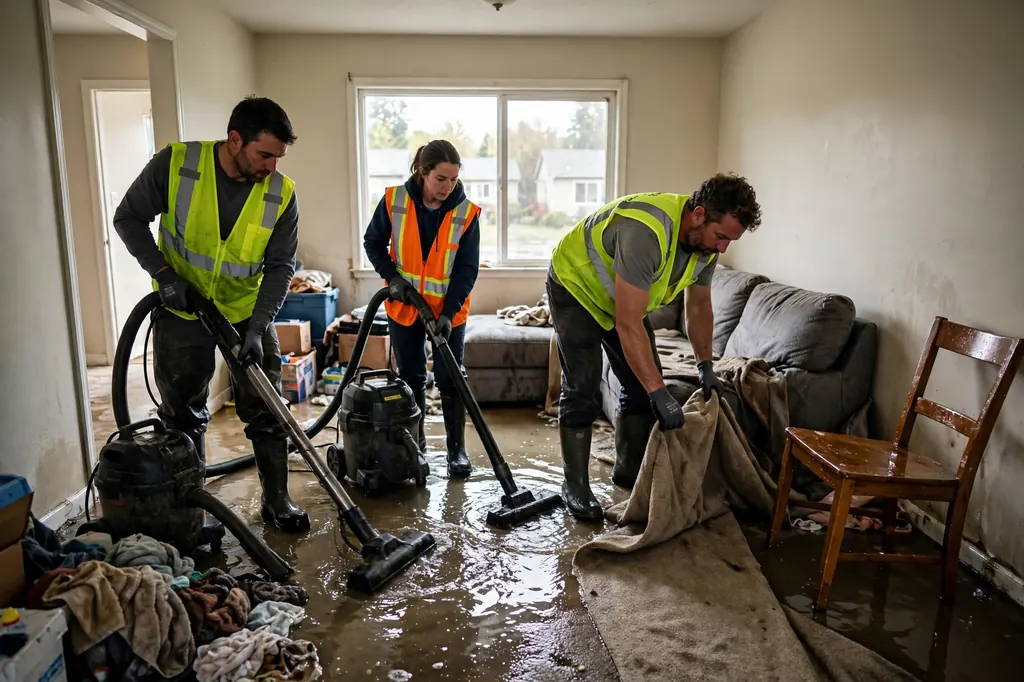
When a pipe bursts or water spreads across your floor, emergency water damage repair in Silver Trail starts with stopping the source and removing standing water. We serve Silver Trail East and Silver Trail West in Kuna, Idaho, including homes near Silver Trail Park and Silver Trail Elementary. Our team maps wet materials, sets the right drying equipment, and explains what needs to happen next so you can protect rooms, belongings, and the structure.

emergency water damage repair in Silver Trail

Serving Silver Trail homes

  • Readings RecordedMoisture checks guide drying decisions
  • Work Area ProtectedContents moved away from wet surfaces
  • Steps ExplainedYou hear what happens next
  • Equipment CheckedAirflow placement reviewed during work

Emergency water damage repair in Silver Trail

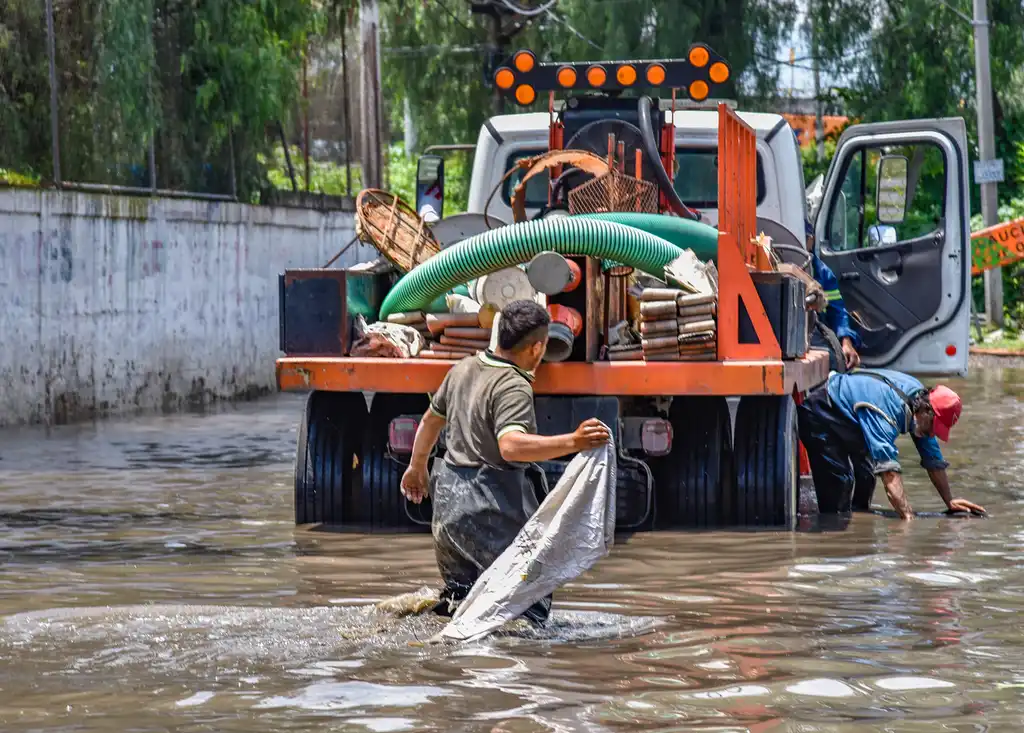
Silver Trail's most distinctive loss is the sprinkler main break: a line that fails during an irrigation cycle and sends water toward a garage or an entry threshold, sometimes for hours before anyone notices. The other patterns are the familiar ones — a pipe that splits in a cold snap, a roof leak, and seepage at lower walls — but the sprinkler main is the one that floods a garage.

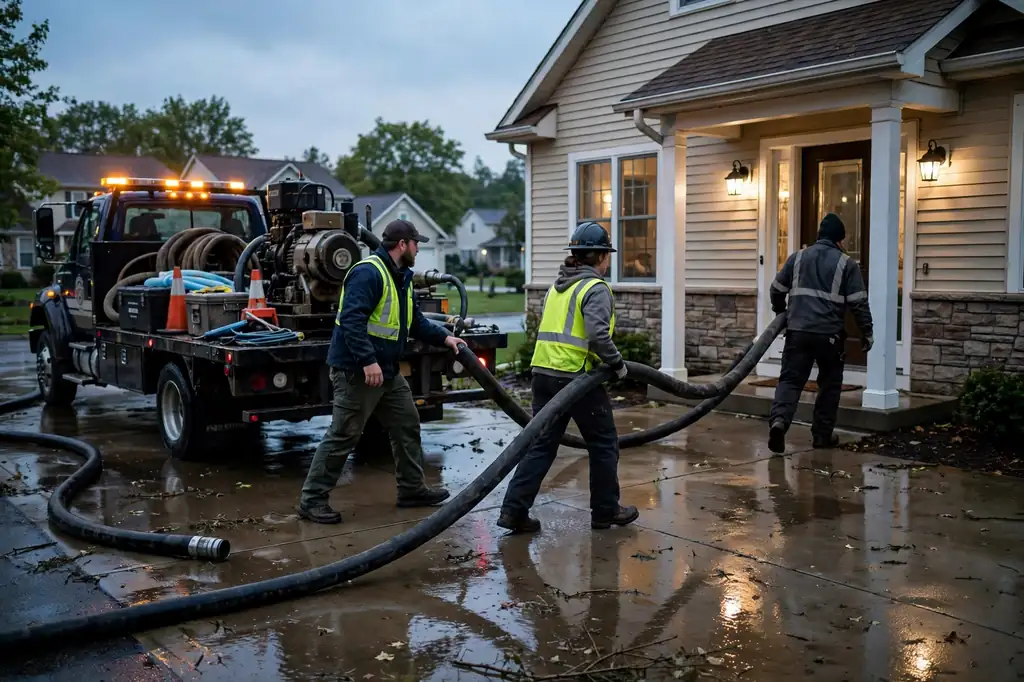
We find out whether the irrigation is still running and shut the zone down first, then separate the outdoor cause from the wet interior floor. Readings at the threshold, the garage floor, and the baseboards show how far the water travelled, and extraction comes before any drying, because drying a floor while the main is still running only repeats the loss.

Pressurised irrigation runs roughly from mid-April to mid-October across the Treasure Valley, fed by canals such as the New York Canal from the Boise River. In Silver Trail, that long season means a sprinkler main has months of chances to fail, and a break during a cycle can deliver a surprising amount of water before it is found.
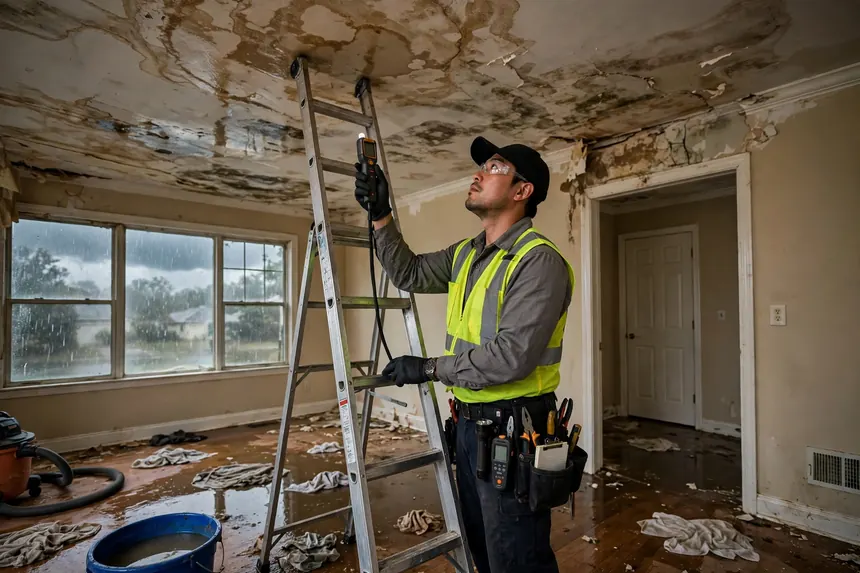
Silver Trail emergency water damage repair Services

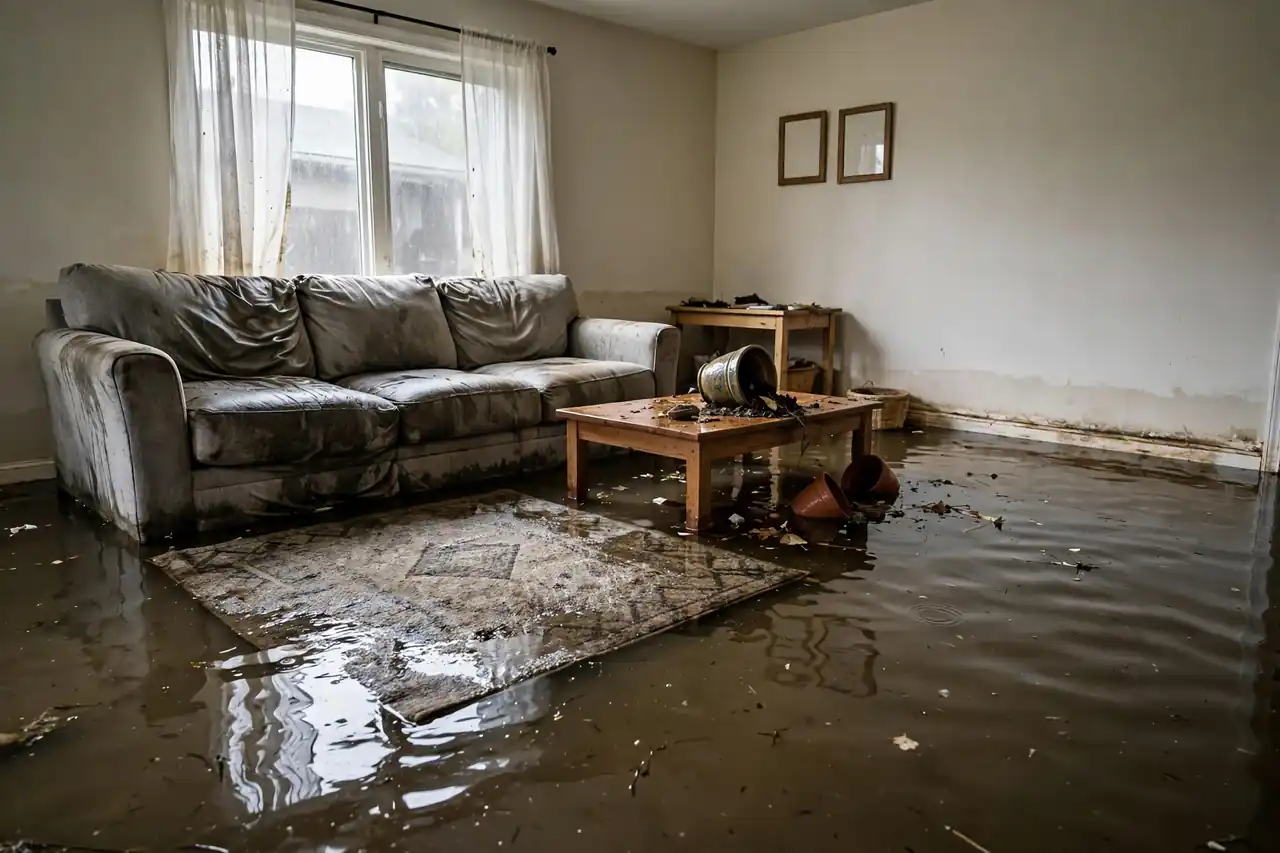
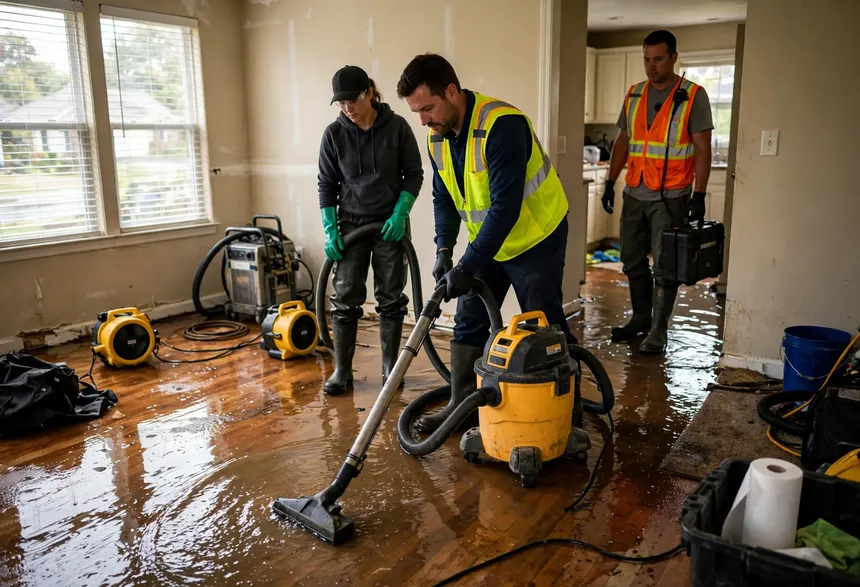
Water emergencies in Silver Trail often start in a room that is used every day, then spread beneath flooring or behind a wall before the surface looks badly damaged. We respond to active leaks, interior flooding, and storm-related water entry with extraction, inspection, and drying. For emergency water damage repair in Silver Trail ID near me searches, the useful first step is a call with the water source, room, and safety concerns. We serve homes throughout 83634 and coordinate the next work stage after the water is out.

How restoration works in Silver Trail

Emergency restoration in Silver Trail

Emergency restoration in Silver Trail

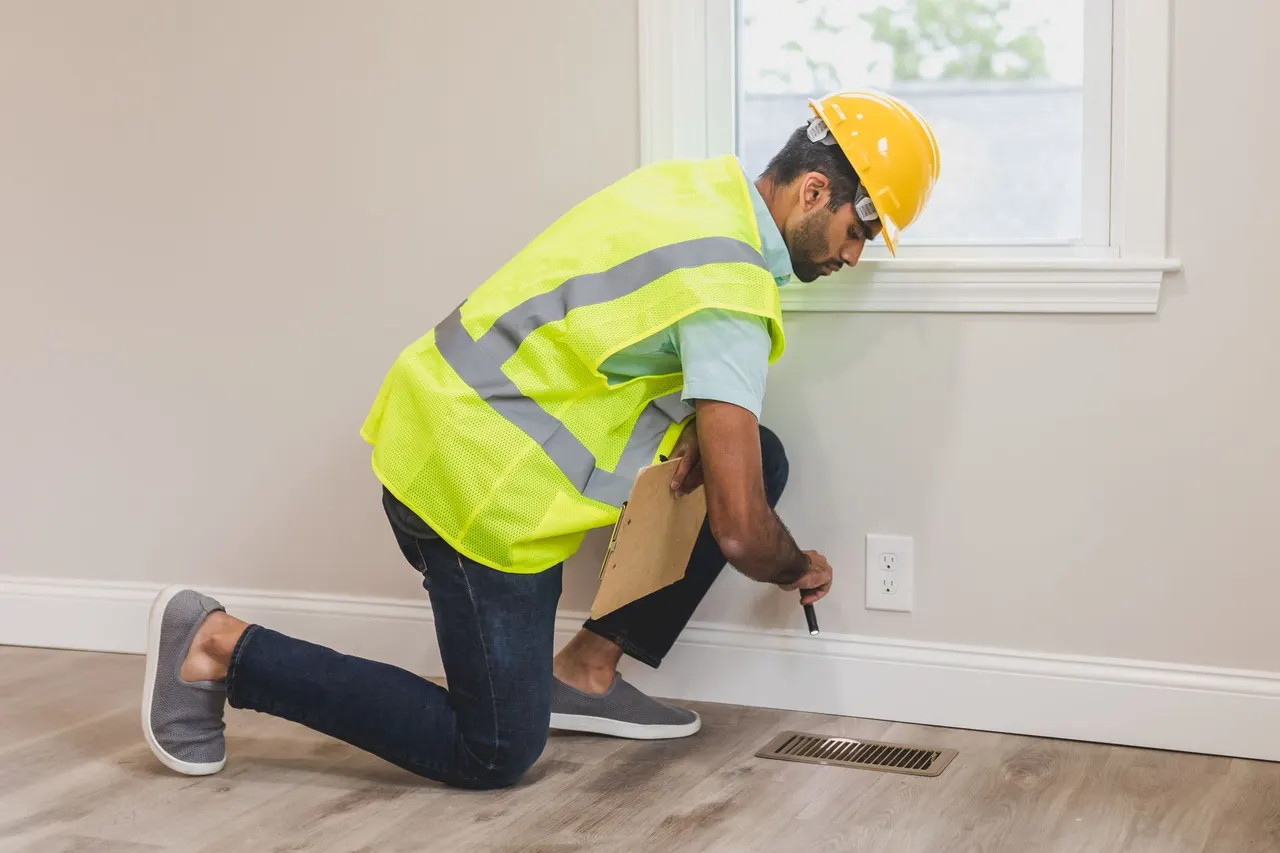
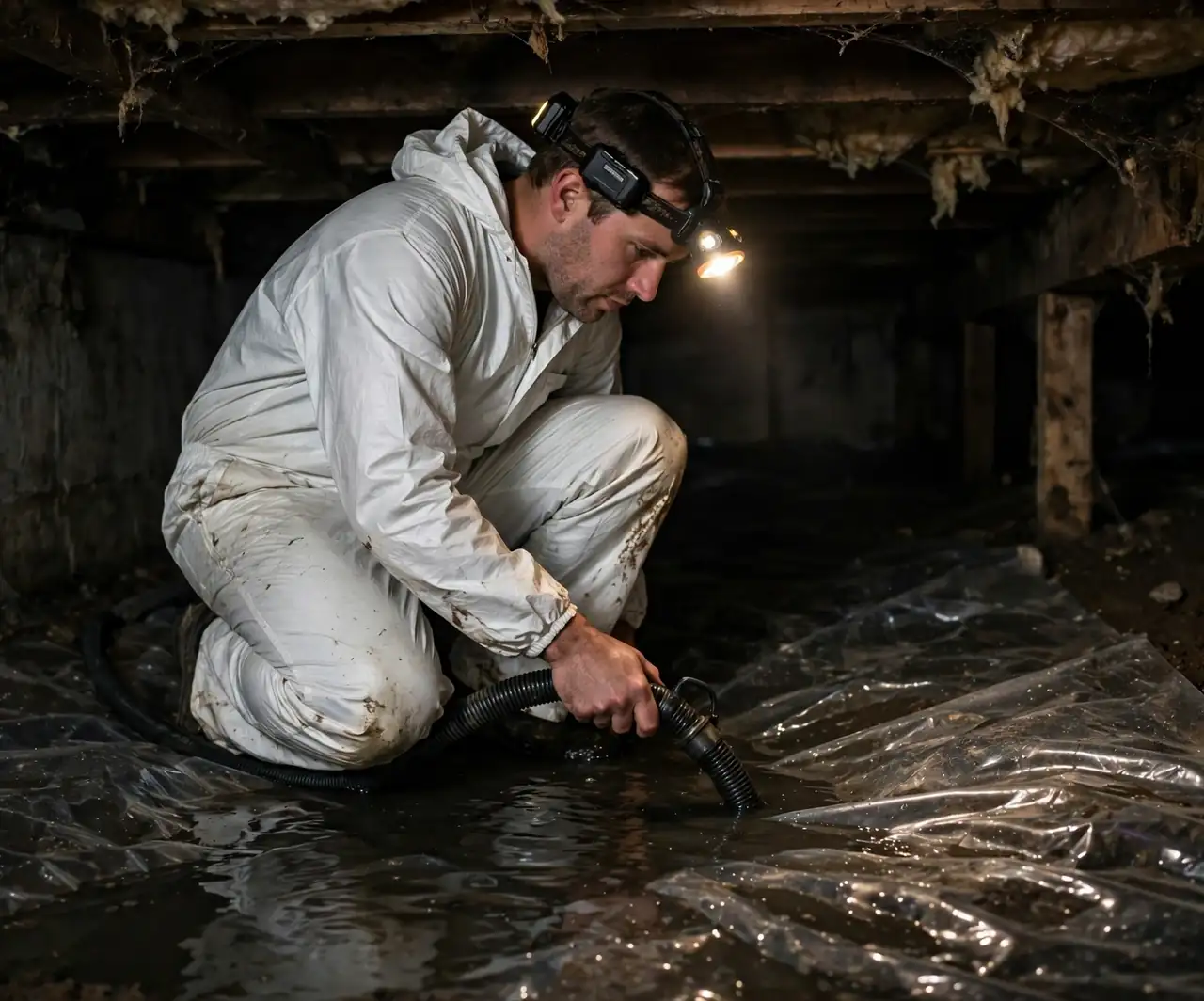
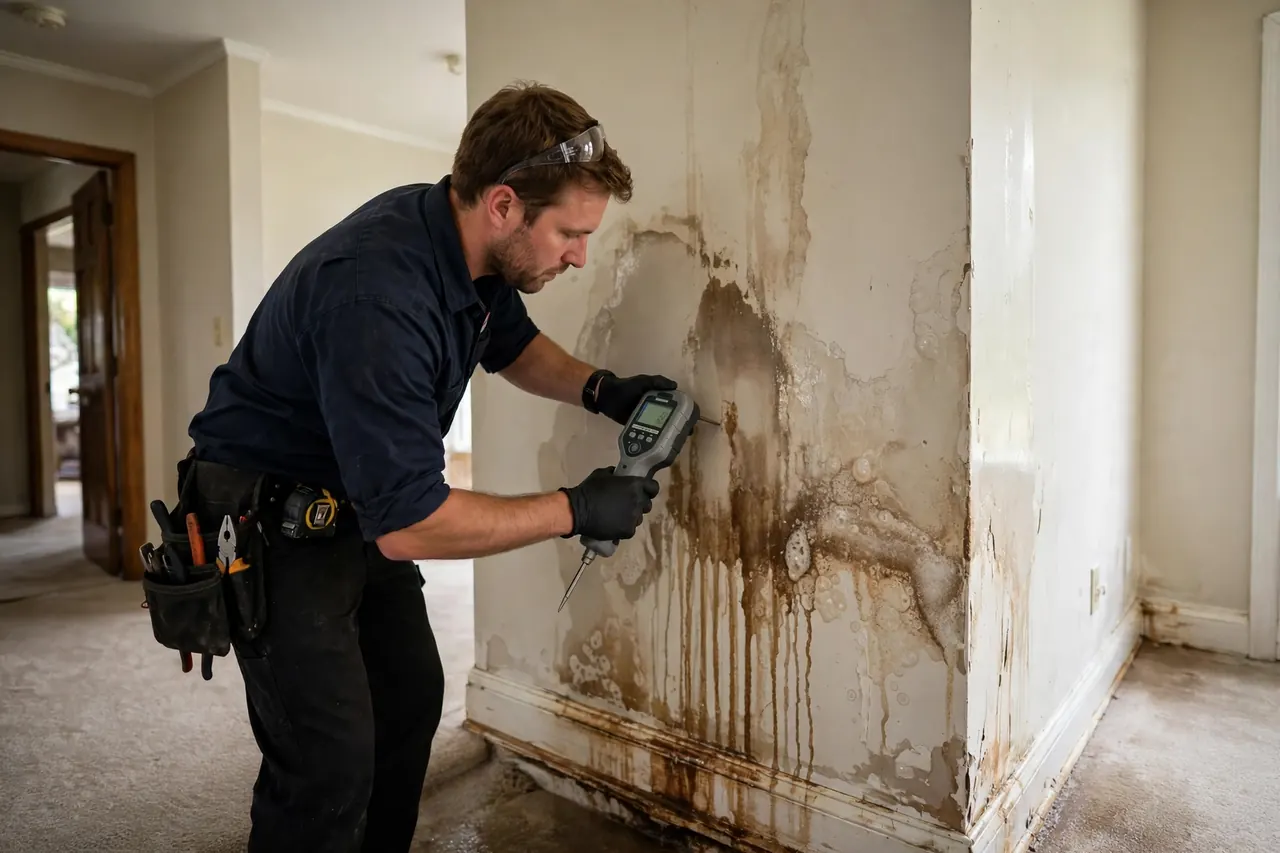
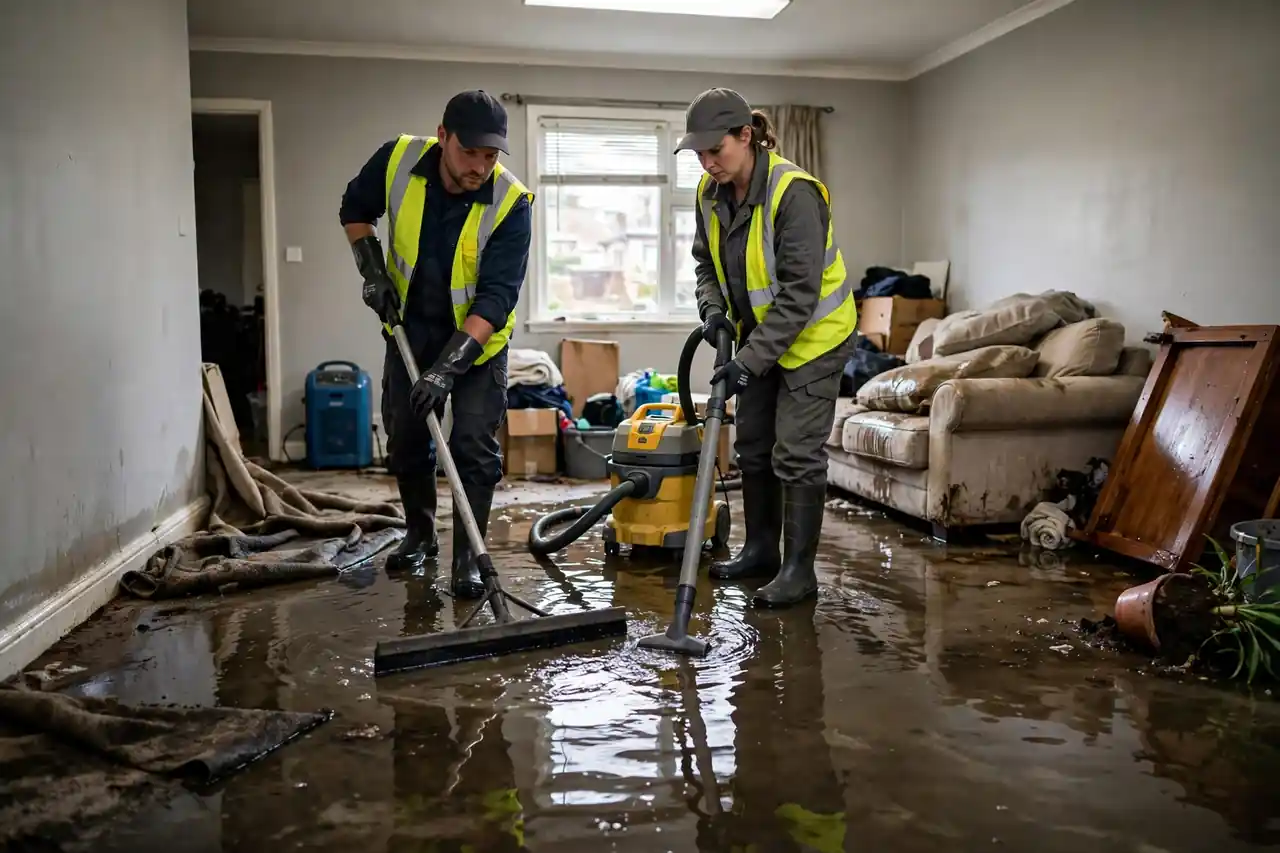
We locate the water source and inspect the affected rooms before moving equipment into your Silver Trail home. Extraction and moisture checks establish what is wet and where drying is needed. We keep access routes clear while protecting nearby contents.

  • Source and room inspection
  • Standing water removal
  • Documented moisture checks
For Silver Trail homes

For Silver Trail homes

We respond to water losses in family homes across Silver Trail East and Silver Trail West. Our inspection follows the water into adjoining rooms and checks the materials that hold moisture.

  • Family subdivision homes
  • Laundry room pipe leaks
  • Wet carpet and padding
  • Lower-level utility spaces
For local properties

For local properties

We assess water damage in small commercial and shared-use properties serving the Silver Trail area. Work planning considers safe access, affected contents, and the need to keep dry areas usable.

  • Small office interiors
  • Retail service spaces
  • Shared utility rooms
  • Community-use buildings

Common Silver Trail Water Emergencies

Silver Trail losses start at the sprinkler main or the pipe, so these four lead: frozen pipes, sprinkler main breaks toward garages and entries, roof leaks, and foundation seepage.

  • Sprinkler and Irrigation Water Reaches the House

    Sprinkler and Irrigation Water Reaches the House

    A sprinkler line that breaks during an irrigation cycle can deliver a surprising amount of water toward a home in Silver Trail. The tell is timing: the wet area appears or grows after watering, and the entry point is usually a threshold, a low vent, or a foundation edge. We confirm the source, stop the zone, and map how far the water travelled under flooring before setting air movers, so the drying plan matches the real wet area rather than the visible one.

  • Hardwood Floors Cup and Buckle After Water Exposure

    Hardwood Floors Cup and Buckle After Water Exposure

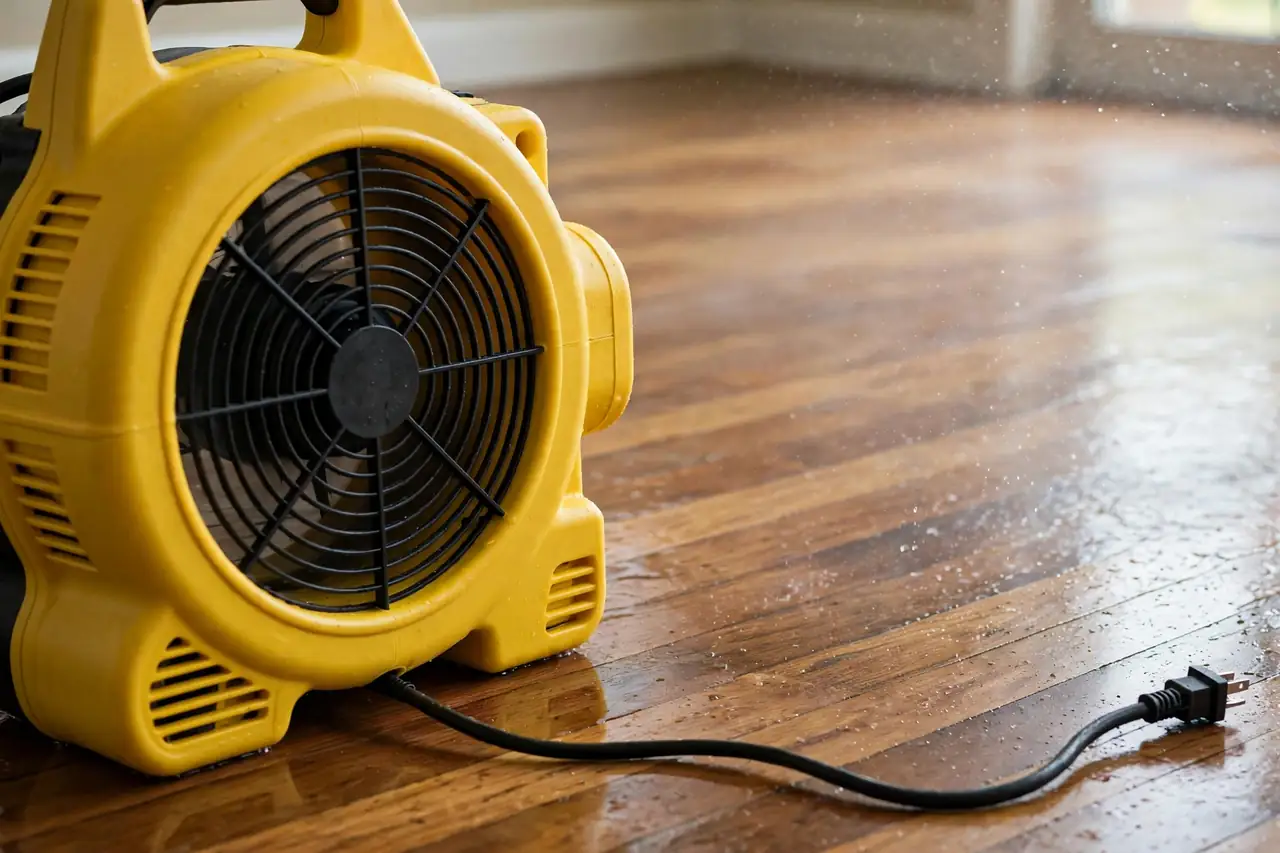
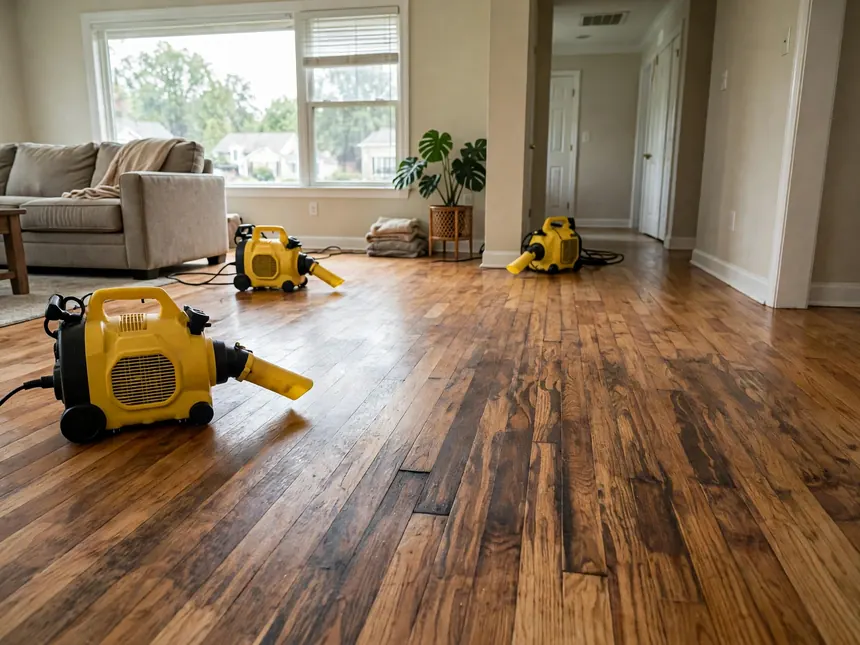
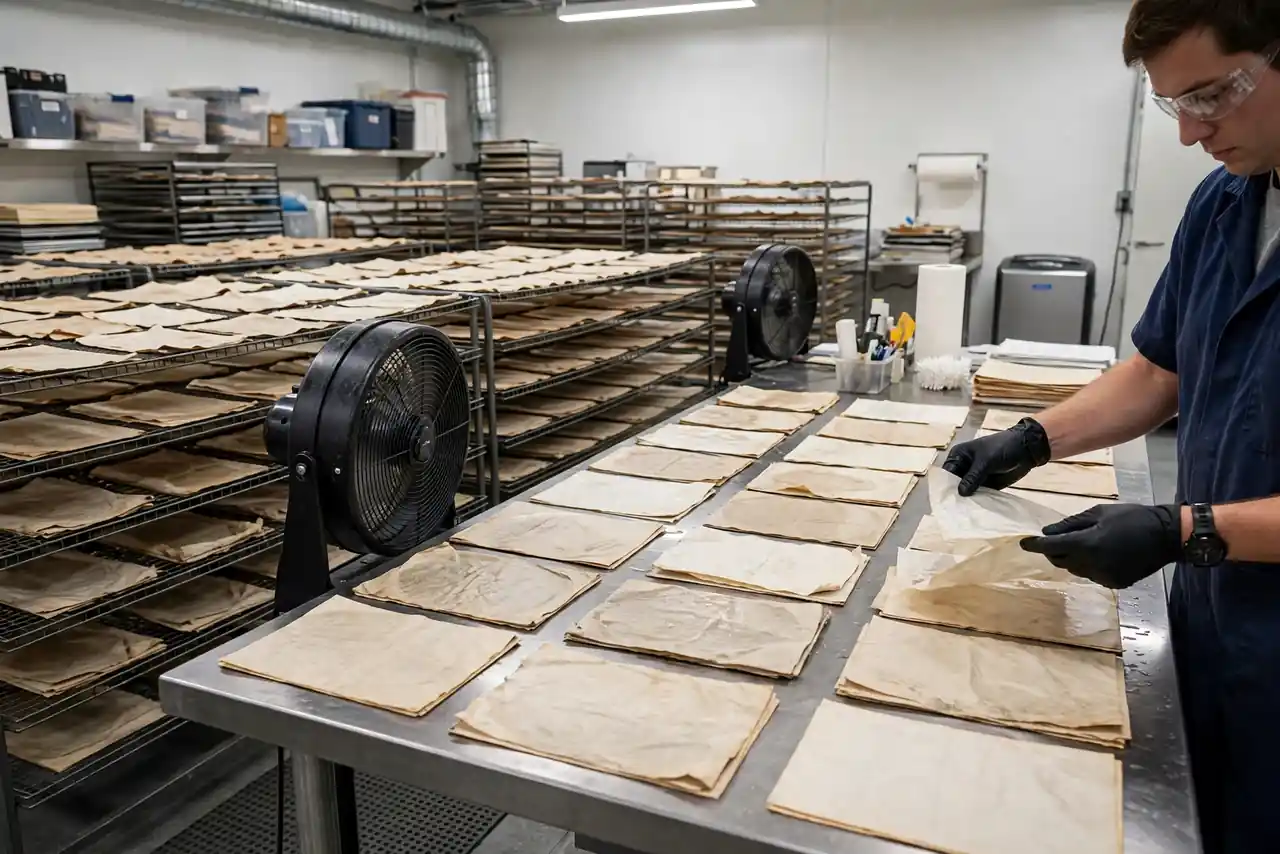
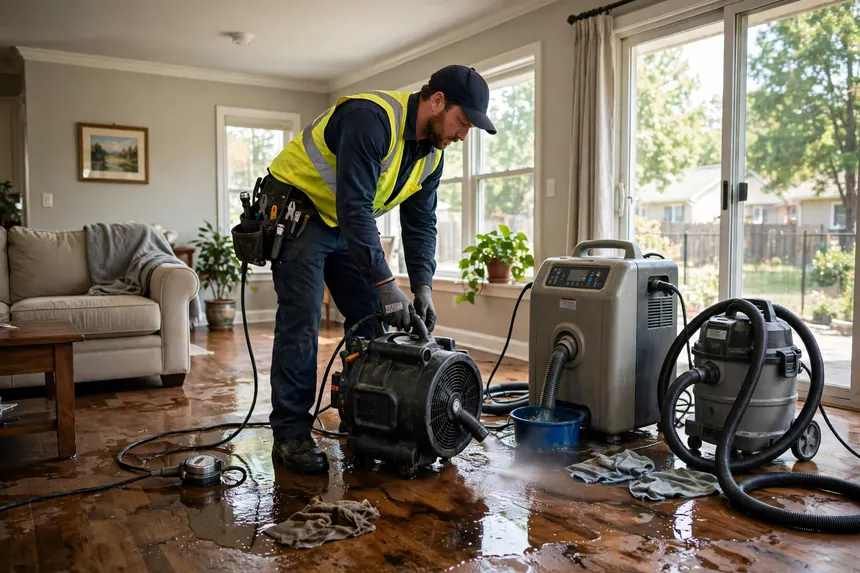
    Hardwood does not forgive standing water: boards cup, gaps open, and the finish lifts, and the damage keeps growing while moisture sits in the subfloor. In Silver Trail, the first hours matter — we extract surface water, then measure the boards and the subfloor to see whether drying can save the floor or whether boards must come up. Fans alone rarely do it; the drying plan has to pull moisture from under the floor, and we re-check with a meter before calling the floor dry.

  • Roof Leaks Stain Ceilings and Wet Insulation

    Roof Leaks Stain Ceilings and Wet Insulation

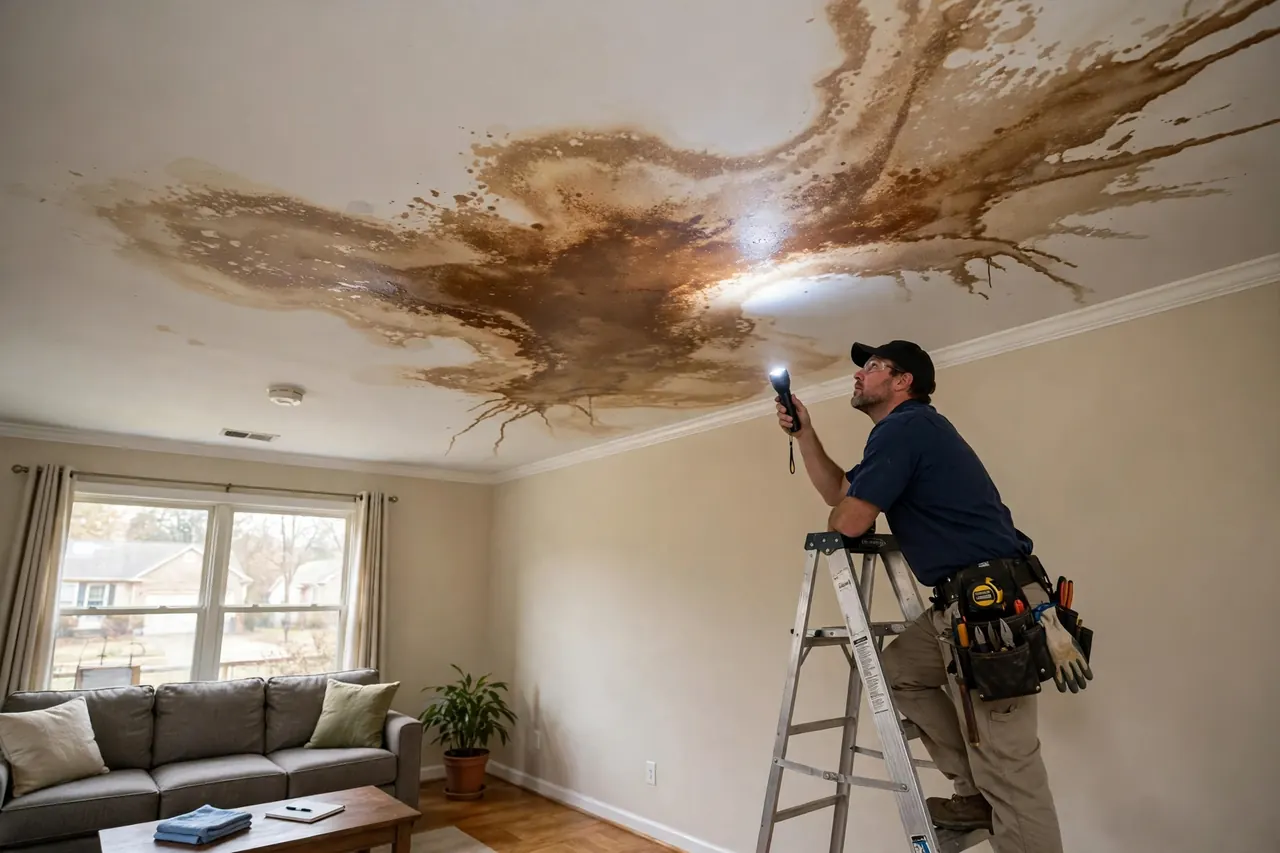
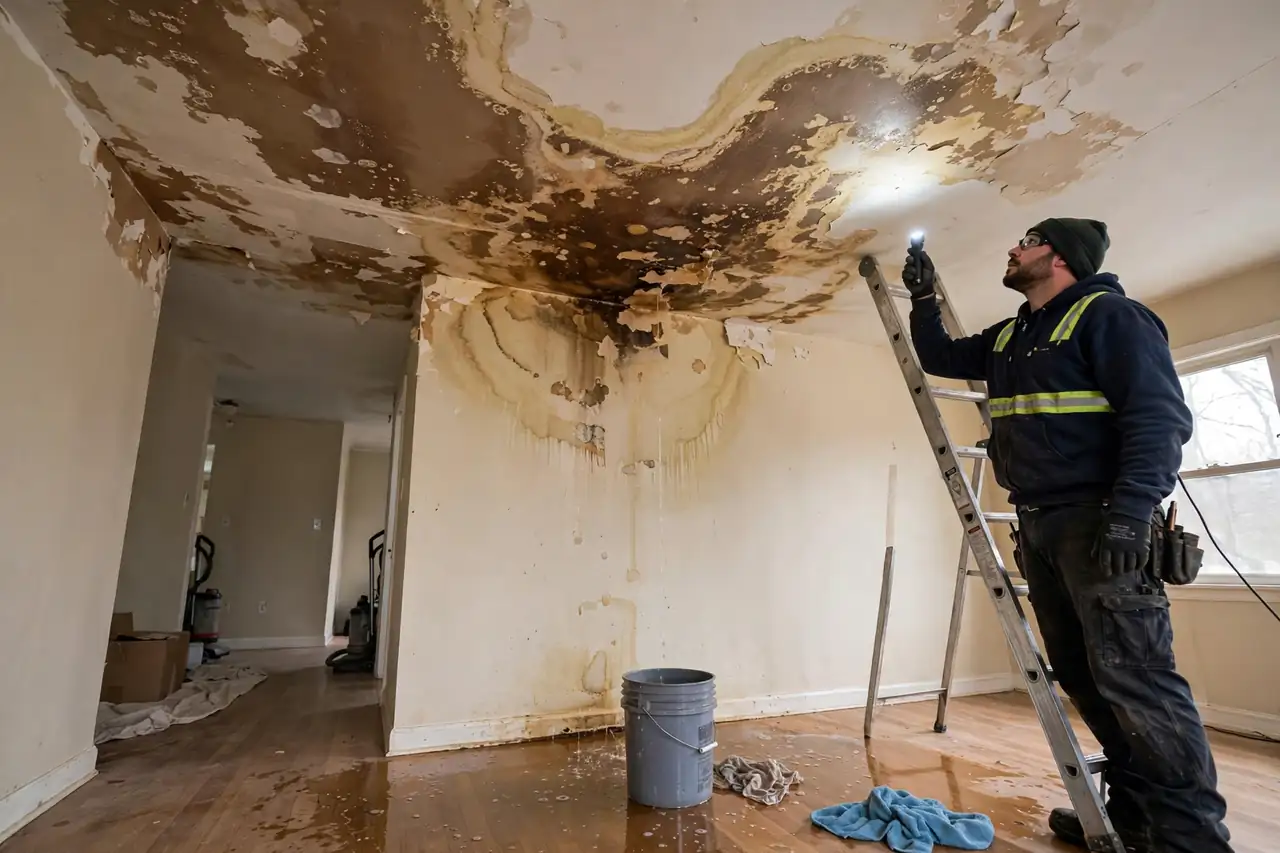
    A roof leak in Silver Trail often announces itself as a ceiling stain that appears days after the rain, because water travels along joists and insulation first. We check the stain, the attic side where it is safe to look, and the walls below it, since a single entry point can wet several rooms. Drying starts only after the roof side is covered or repaired, and we re-check moisture readings before the ceiling is patched, so the repair does not seal in damp insulation.

  • Sewage Backup Needs Controlled Handling

    Sewage Backup Needs Controlled Handling

    A drain backup brings contaminated water into a home, and it cannot be treated like a clean leak: the area needs containment, protective handling, and removal of affected porous materials. In Silver Trail, the first steps are to stop using water in the home, keep people and pets clear, and call for extraction with the right precautions. We document what was affected, remove what cannot be safely cleaned, and dry the structure only after the contaminated material is out.

When to Call for Water Damage Help

Look for spreading stains, damp flooring, musty odors, or water that returns after cleanup.

  • Water keeps appearing after you wipe it

    Recurring water means the source may still be active or water is moving through a concealed path. Check for a running appliance, plumbing connection, or ceiling leak without entering unsafe areas. If the wet area grows, stop nearby water use when possible and call for extraction and source assessment.

  • Ceiling stain grows or starts to sag

    A growing stain can indicate water collecting above the ceiling, and a sagging section may fail under added weight. Keep people and furniture clear of the area. We trace the likely source, protect the room, and assess the affected ceiling cavity before planning removal and drying.

  • Hardwood boards begin to cup or lift

    Cupping, raised edges, or new gaps can signal moisture below the finish, even if the surface feels dry. Delayed drying can worsen the change. We check the floor and nearby wall edges, then use moisture readings to determine whether water remains beneath the boards.

  • Carpet smells damp after a small leak

    A persistent musty smell can come from wet carpet padding or moisture under the carpet, not just a surface spill. Lifted edges and damp baseboards are useful clues. We inspect the affected area and decide whether extraction and drying can save the materials.

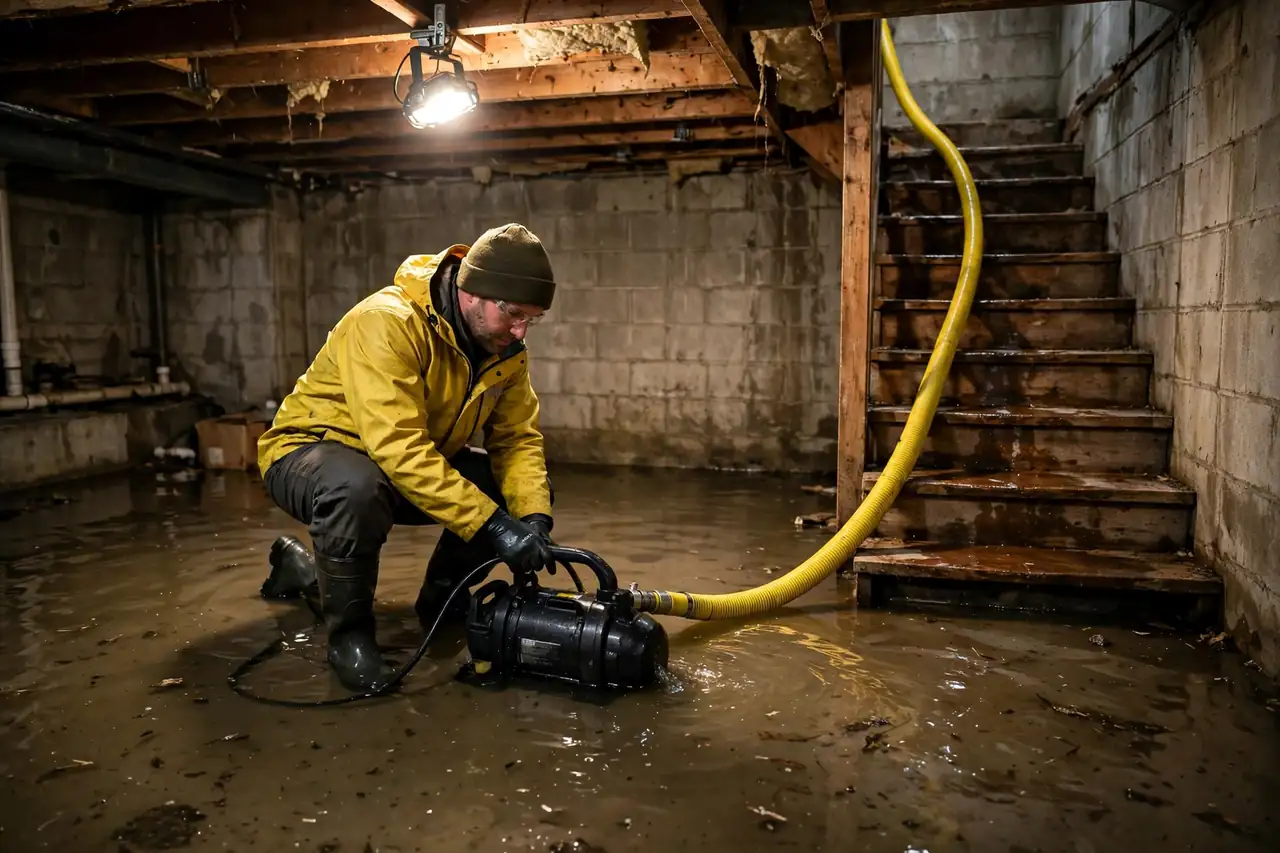
  • Water reaches a lower-level utility space

    Water in a basement or crawl space can reach wiring, stored belongings, insulation, and framing before it is noticed. Do not step into water if electrical hazards are possible. We identify the source, remove standing water, and check the affected structure and equipment area.

How We Handle Silver Trail Water Damage

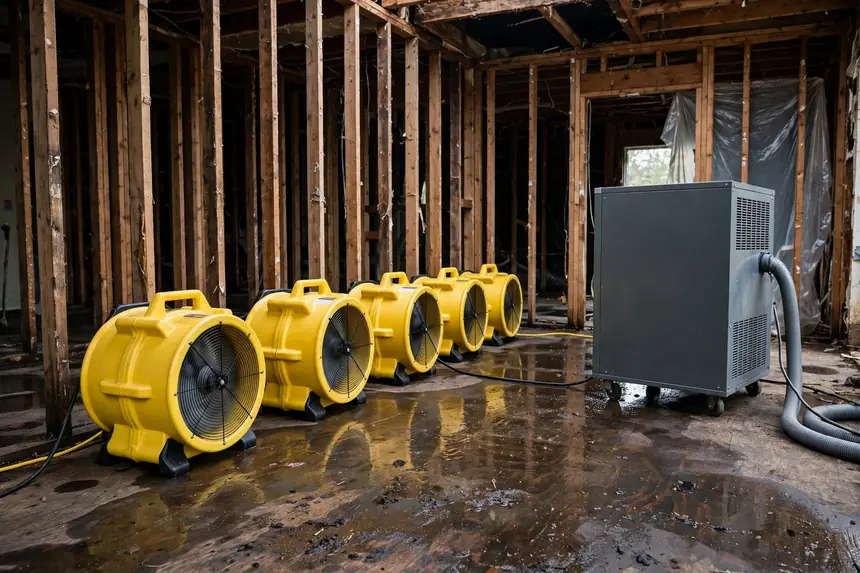
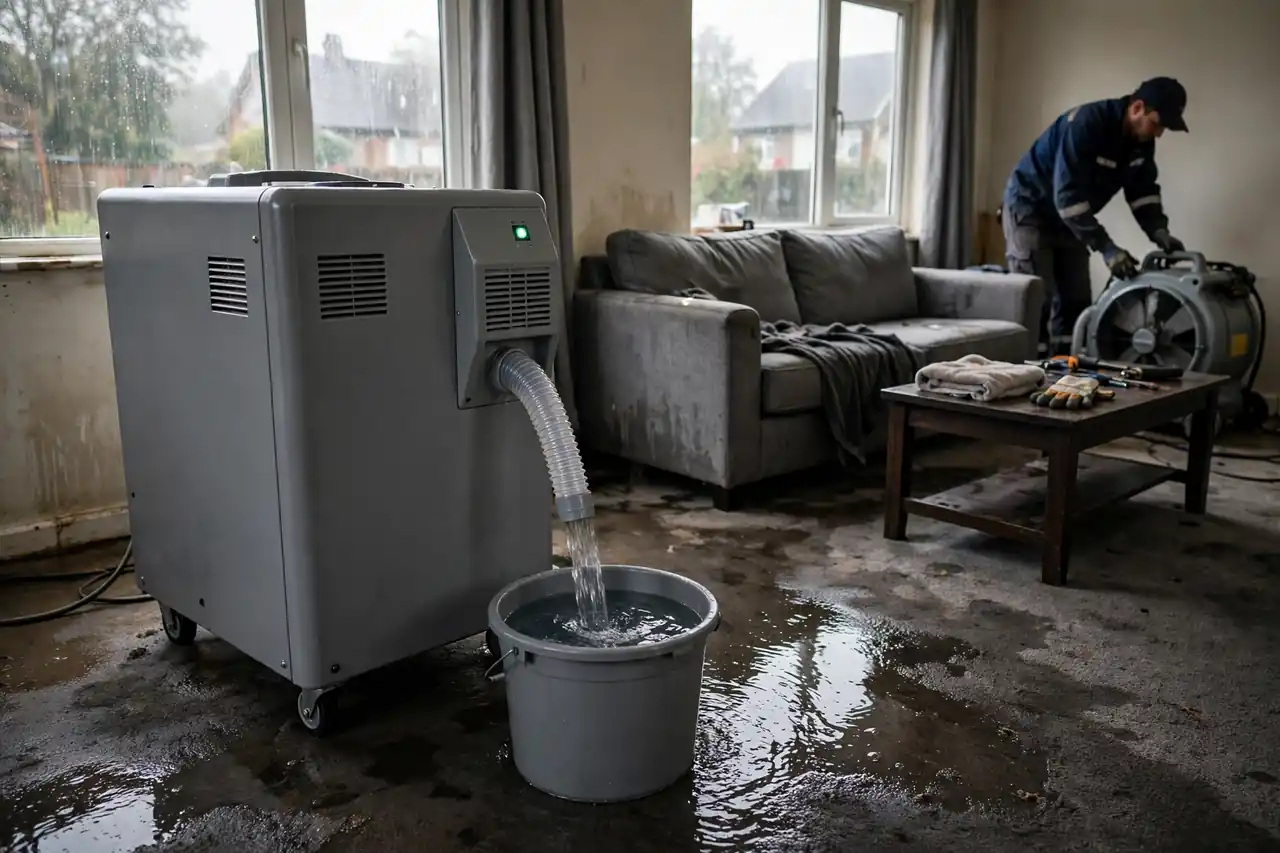
Our emergency water damage repair near Silver Trail begins with a phone check for active electrical hazards, sewage, and whether the water source is still running. Once on site, we isolate the source where possible, extract standing water, and map wet materials with a moisture meter and thermal imaging camera. We place equipment without blocking household exits or safe access through the room.

  • Sprinkler main breaks can send water toward entryways and garages

    A broken sprinkler main may wet exterior-adjacent materials quickly, while water entering at a threshold can spread beneath flooring. We need to identify whether the water has reached indoor cavities and whether the exterior source has been shut off. We confirm the affected zone and source, remove indoor standing water, and inspect the entry, baseboards, and nearby flooring. Moisture readings establish how far the water traveled. We keep equipment and hoses positioned to preserve safe access for residents and responding utility or irrigation personnel.

  • Moderate soil drainage can complicate water near foundations

    Water around a lower wall can come from plumbing, surface runoff, or seepage through the foundation. Treating every damp area as a pipe leak risks missing the actual entry route and leaves the room vulnerable to recurring moisture. We check the interior pattern, inspect accessible plumbing, and compare readings along the floor and wall. If water is entering from outside, we document the location and discuss suitable drainage corrections after extraction and drying. The repair plan follows the evidence at the property.

  • School traffic can limit curb access at busy periods

    The school traffic area near Silver Trail Elementary can make a narrow residential approach slower during pickup and drop-off. Equipment must still reach the affected room without obstructing residents, pedestrians, or emergency access. We confirm the address and best access point by phone, then stage equipment close to the work area without blocking driveways or walkways. If traffic affects the approach, we coordinate a practical unloading point and carry equipment safely to the home.

  • ANSI/IICRC S500 Standard for Professional Water Damage Restoration

    This standard informs inspection, water categorization, extraction, drying, and documentation practices. We use its framework to evaluate affected materials and environmental conditions, then track moisture readings so Silver Trail customers can see why equipment remains in place or when drying is complete.

  • Idaho contractor licensing and applicable building requirements

    Restoration and reconstruction work must follow applicable Idaho requirements and local building rules. We distinguish emergency mitigation from repair work that requires a qualified trade, and coordinate the appropriate next step when plumbing, electrical, or structural repairs are part of the loss.

Silver Trail Landmarks and Access

Silver Trail Park and Silver Trail Elementary are useful orientation points when a caller explains where a property sits within the subdivision. We use the exact street address to route a crew and verify entry details before unloading equipment. Near the school traffic area, vehicle staging needs to leave sidewalks, driveways, and residential access open. Landmarks help narrow the location; they are not substitutes for an address or a diagnosis of the water problem.

  • Silver Trail Park

    Silver Trail Park is a local orientation point for callers describing the surrounding residential area. Providing your street number and nearest intersection along with the park reference helps the crew locate the correct home without relying on the landmark as an address.

  • Silver Trail Elementary

    Silver Trail Elementary provides a recognizable reference for locating nearby Silver Trail streets. The school traffic area can influence vehicle approach at busy times, so an exact address and preferred driveway entry help with safe equipment unloading.

  • Silver Trail East

    Silver Trail East is one of the named neighborhood areas within this service location. It helps distinguish the caller's general position, while the property address remains the information needed to route the crew to a specific home.

  • Kuna Town Center

    Kuna Town Center is a named commercial destination within the broader Kuna service region. It provides a regional reference point for customers and service routing, while Silver Trail calls are dispatched to the residential address where the water loss occurred.

  • Downtown Kuna

    Downtown Kuna is a distinct local business area within the service region. It is useful when describing where a caller is in relation to Silver Trail, but response routing and equipment planning are based on the exact property location.

  • Kuna-Mora Road

    Kuna-Mora Road is a local roadway used to navigate the Kuna area. The crew confirms the property address and the final residential approach rather than estimating arrival from a road reference alone.

  • Meridian Road

    Meridian Road provides a regional north-south route in the Kuna area. From the roadway, the final approach depends on the Silver Trail address and current neighborhood access.

Silver Trail Neighborhood Coverage

We serve Silver Trail East and Silver Trail West, along with the residential streets and home clusters that make up the Silver Trail area in Kuna. Calls are routed using the property address and the safest access point, not just a broad neighborhood label. If water is spreading, tell us which room is affected, whether the source is active, and whether anyone is at risk; that helps us prepare the right extraction and drying equipment before arrival.

  • Silver Trail East
  • Silver Trail West
  • Silver Trail Park area
  • Silver Trail Elementary area

Silver Trail Water Damage Job Examples

  • Silver Trail East

    Before

    A kitchen supply line leak spread beneath flooring and dampened the lower drywall beside the cabinets in a Silver Trail home.

    After

    We stopped the active water source, extracted water from the kitchen floor, and checked the cabinet toe-kick, adjoining room, and wall edge. Moisture readings showed which materials needed controlled drying. We placed air movers and a dehumidifier, documented daily changes, and outlined the repair area after the readings stabilized. Extraction took about 3 hours, followed by 4 days of monitored drying. The homeowner had a mapped affected area and a defined repair sequence.

  • Silver Trail West

    Before

    A winter pipe failure released water into a laundry room and hallway, wetting carpet edges and nearby baseboards.

    After

    We isolated the affected line, removed standing water, and inspected the hallway and adjacent room for hidden spread. Carpet and padding were evaluated separately, and the drying setup kept the household route open. Repeat readings established whether the wall and floor assembly were drying at the expected pace. The water was extracted in 2 hours, with drying checks continuing over 3 days. Wet and unaffected materials were recorded separately.

  • Silver Trail Park area

    Before

    A sump system issue left water in a lower-level utility area after runoff collected near the home.

    After

    We removed standing water, checked the utility area perimeter, and distinguished moisture at the floor edge from any active plumbing leak. The team inspected the pump area and documented the damp materials. Drying equipment was positioned to move air through the affected space without blocking service access. The initial removal took 4 hours. Follow-up readings over 5 days guided equipment adjustments and the next repair steps.

Silver Trail Water Damage by Season

  • Spring

    Spring runoff and rain put the drainage around a home to the test, and the first sign of trouble is often a damp floor edge after a storm. Clear gutters and downspouts, check that water runs away from the foundation, and inspect ceilings for stains that winter moisture left behind. When irrigation resumes, a zone that sprays the wall or pools near a threshold needs shutting off the same day.

  • Summer

    Summer brings the long irrigation season and the hottest days of the year, and a sprinkler zone that runs for hours can push a surprising amount of water against a foundation. Check zones weekly for broken heads and overspray, keep water off thresholds and low vents, and remember that surface water dries fast in the heat while moisture trapped under flooring does not. A damp patch that survives a hot afternoon deserves a meter reading, not a shrug.

  • Fall

    Before the cold arrives, fall work is mostly prevention: gutters cleared, downspouts running clear of the foundation, roof valleys checked, and the irrigation system drained. Know where the water main shut-off is and that it turns freely, and look at the pipes in the garage and crawl space for exposure. The homes that flood in winter are usually the ones where a small fall job was put off.

  • Winter

    Freezing nights are the biggest winter risk for Kuna homes, because a split pipe can release water for hours while everyone is asleep. Heat the rooms with plumbing, keep garage and crawl-space pipes protected, and check the shut-off works before the cold sets in. When a pipe bursts, the order is fixed: stop the water, stay clear of wet electrics and sagging ceilings, then extract and measure before any drying begins.

Questions to Ask Before You Hire

A useful Silver Trail restoration contractor should explain the first steps in plain language: how the water will be stopped, what gets extracted, and how drying will be measured. Ask who will inspect the affected rooms and how the team will document changes. A confident answer includes equipment, safety, and a clear plan for follow-up readings, not a promise that every material can be saved. The details matter when your home needs immediate work and you need to make decisions quickly.

  • How will you find water behind walls or under flooring?

    The answer should describe inspection and measurable checks, not a visual guess. A moisture meter or thermal imaging camera can help identify suspect areas, followed by confirmation with appropriate readings. That process helps prevent both missed moisture and unnecessary removal of dry materials.

  • What happens first if water is still coming in?

    A strong response prioritizes safety and source control before cosmetic repairs. The contractor should explain how the active water will be isolated, when extraction begins, and what you should avoid touching. That sequence limits continued spread and reduces risk around electricity or contaminated water.

  • How often will you check drying progress?

    Drying needs verification, not equipment left without review. Ask how readings are recorded and how the crew decides whether to adjust or remove equipment. A clear answer ties the schedule to actual moisture levels and material conditions in your Silver Trail home.

  • Can you separate clean-water damage from sewage cleanup?

    Water category changes protective measures, cleaning, and which porous materials can remain. A contractor should be able to explain how the source is assessed and how contaminated areas are kept separate. That distinction is essential after a drain or sewage backup.

  • Will you document the work for my insurer?

    Photos, moisture readings, affected-material notes, and equipment records help explain what happened and what work was performed. Ask how those details are organized and shared. Clear documentation does not decide coverage, but it gives you and the insurer a factual record of the loss.

Silver Trail emergency water damage repair FAQs

Still wondering? (833) 546-4116

Local service team

Call for emergency water damage repair in Silver Trail

Water spreading through a Silver Trail home needs a direct response. Call (833) 546-4116 and tell us the source, the rooms affected, and whether the water is still active. We will help you take the next safe step, arrange extraction, and explain how moisture will be checked. Our local Kuna-area team serves Silver Trail and surrounding 83634 addresses.

Contact the Kuna Team

Call (833) 546-4116 when water reaches your home or business in Kuna, Idaho. Tell us whether the source is still active, which rooms are affected, and when the damage began; that helps direct the next steps. Calls are accepted at any hour for emergency inquiries, and service coverage includes Kuna, ID, with ZIP codes 83634 and 83642.

Thanks. Your request is in and the team will follow up shortly.