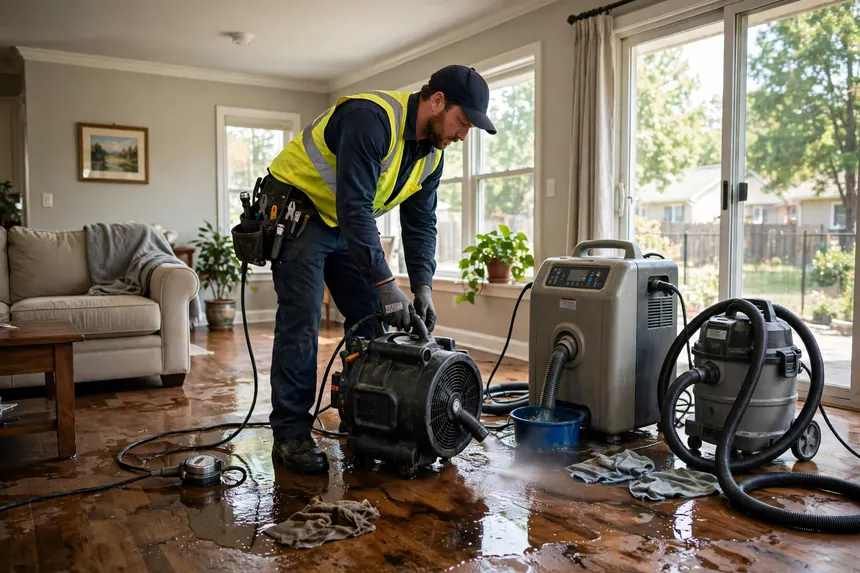
Emergency Water Damage Repair in Arbor Ridge for Homes

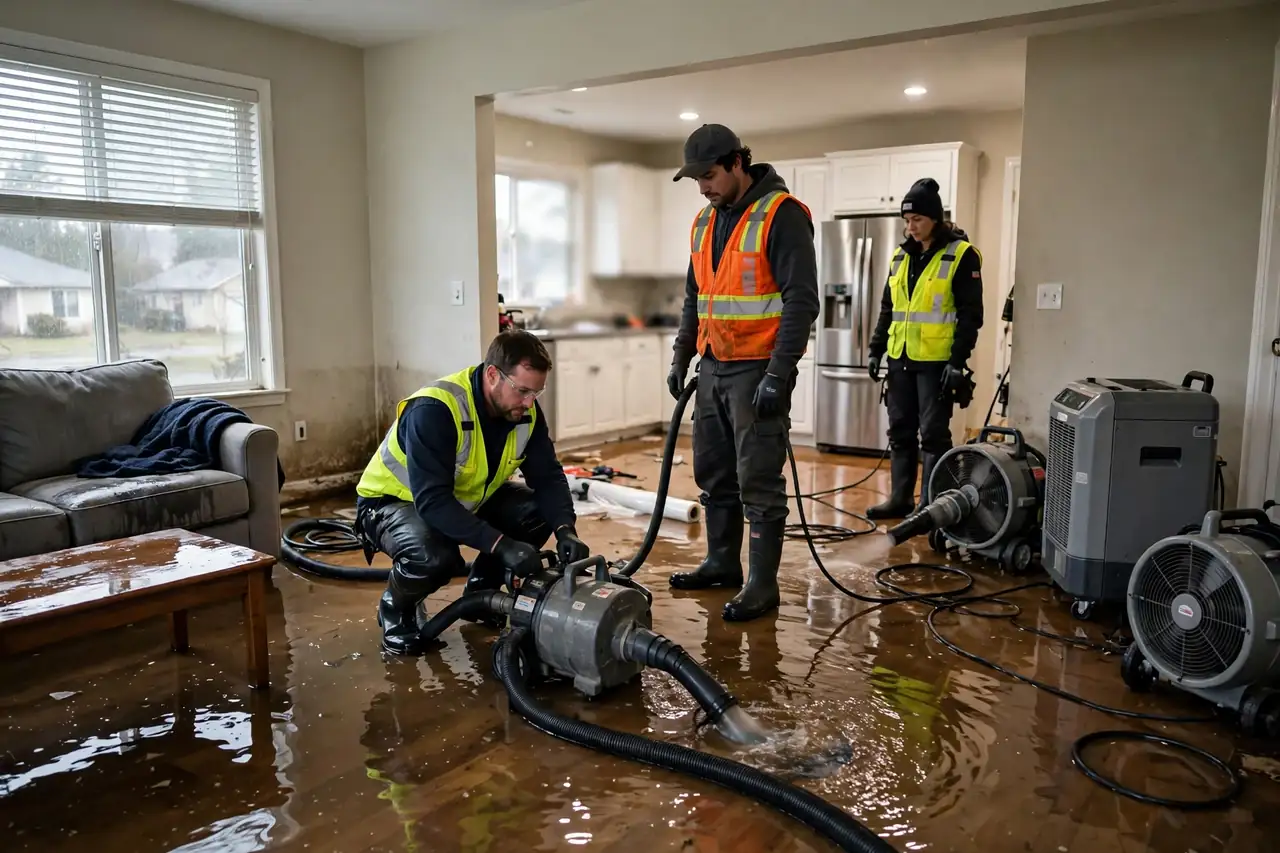
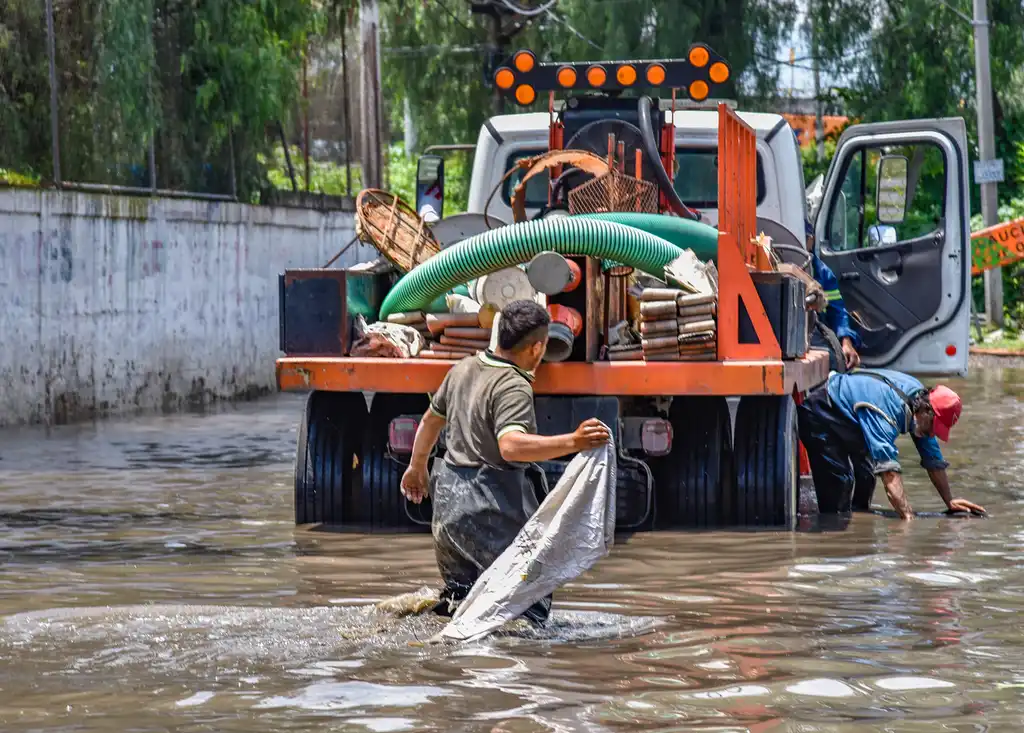
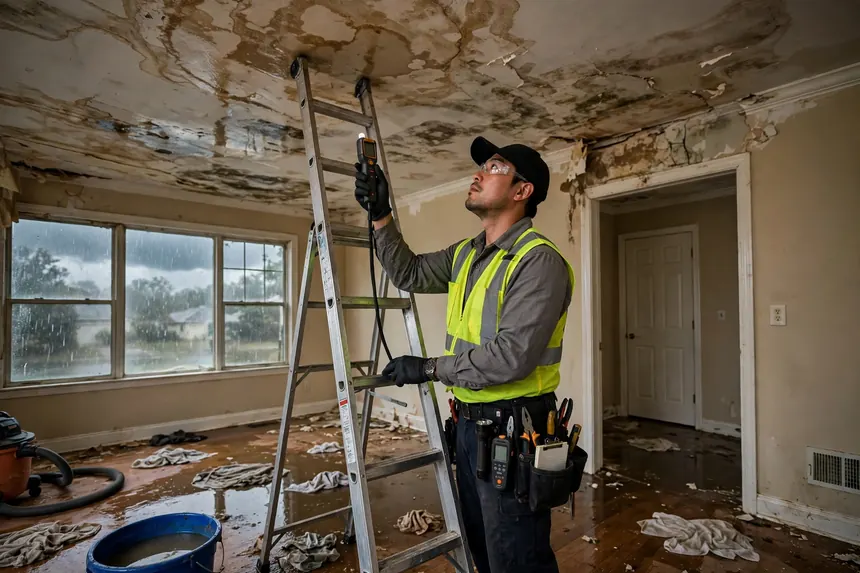
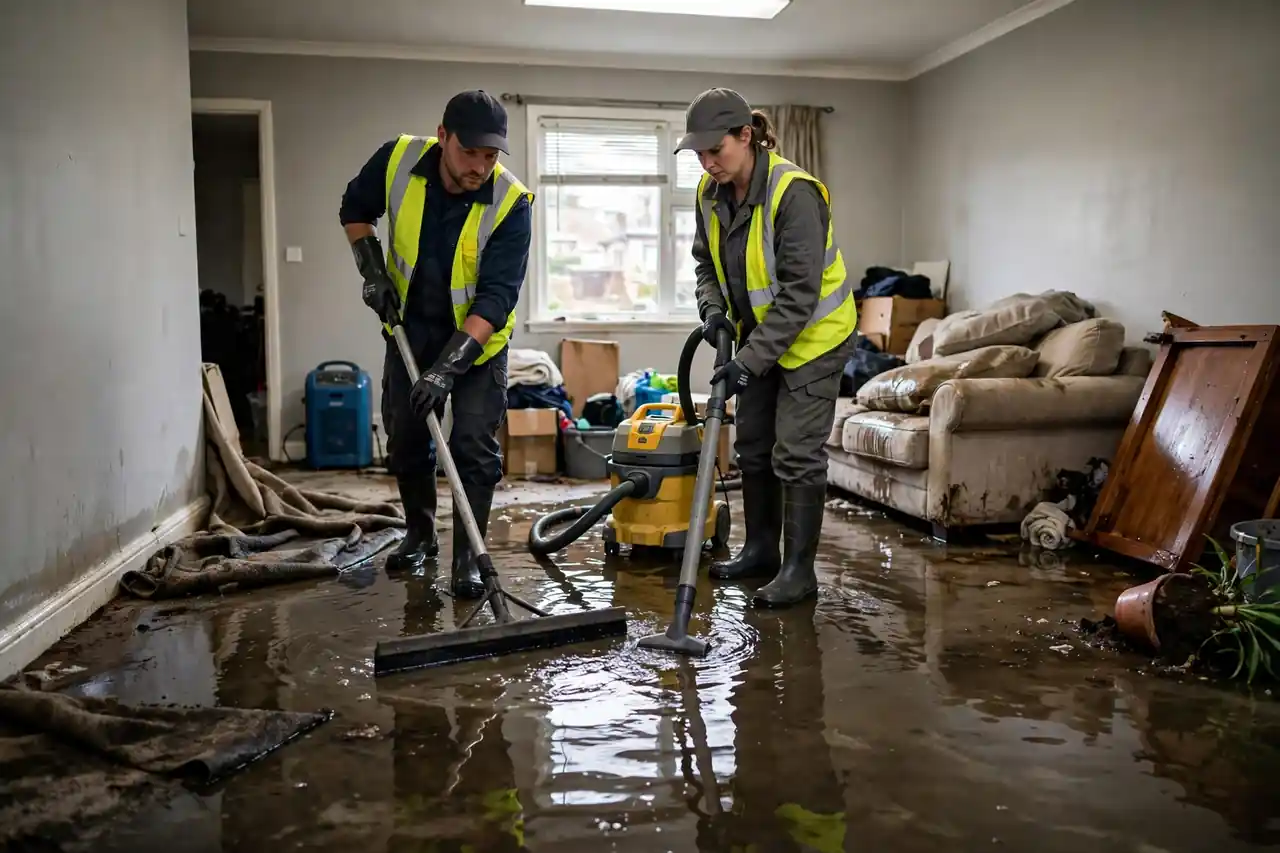
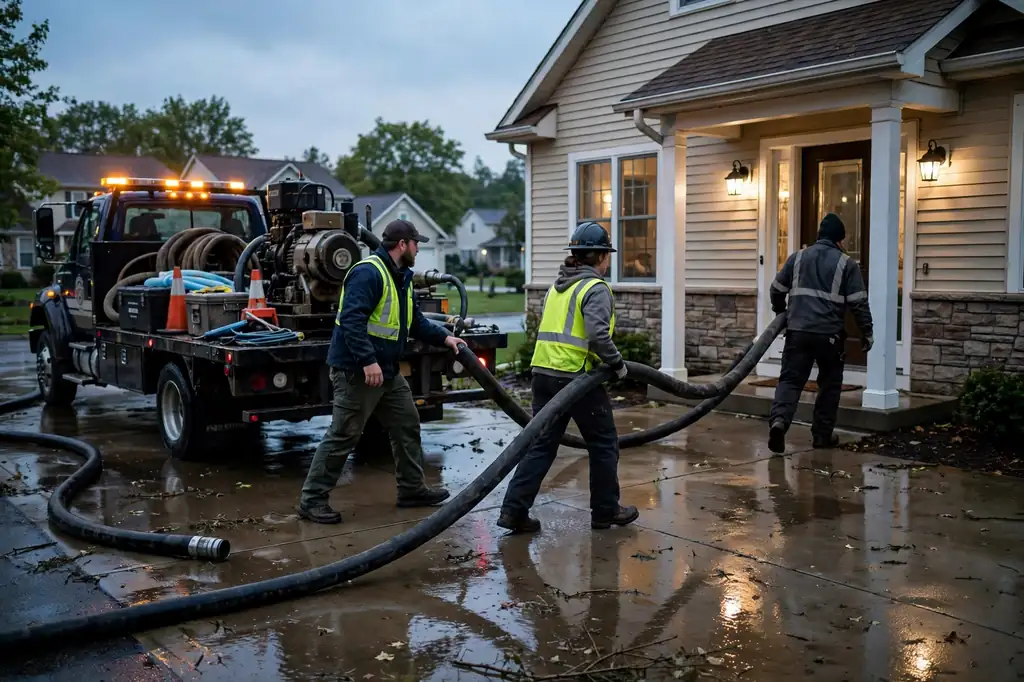
Kuna water damage restoration provides emergency water damage repair in Arbor Ridge when a pipe breaks, a basement floods, or a roof leak soaks a ceiling. Our crew serves Arbor Ridge North, Arbor Ridge South, and Arbor Ridge Estates, including homes in ZIP code 83634. We locate the water, remove it, and set a measured drying plan so you can see what is wet and what happens next.

emergency water damage repair in Arbor Ridge

Serving Arbor Ridge homes

  • Readings RecordedMoisture checks guide drying decisions
  • Work Area ProtectedContents moved away from wet surfaces
  • Steps ExplainedYou hear what happens next
  • Equipment CheckedAirflow placement reviewed during work

Emergency water damage repair in Arbor Ridge

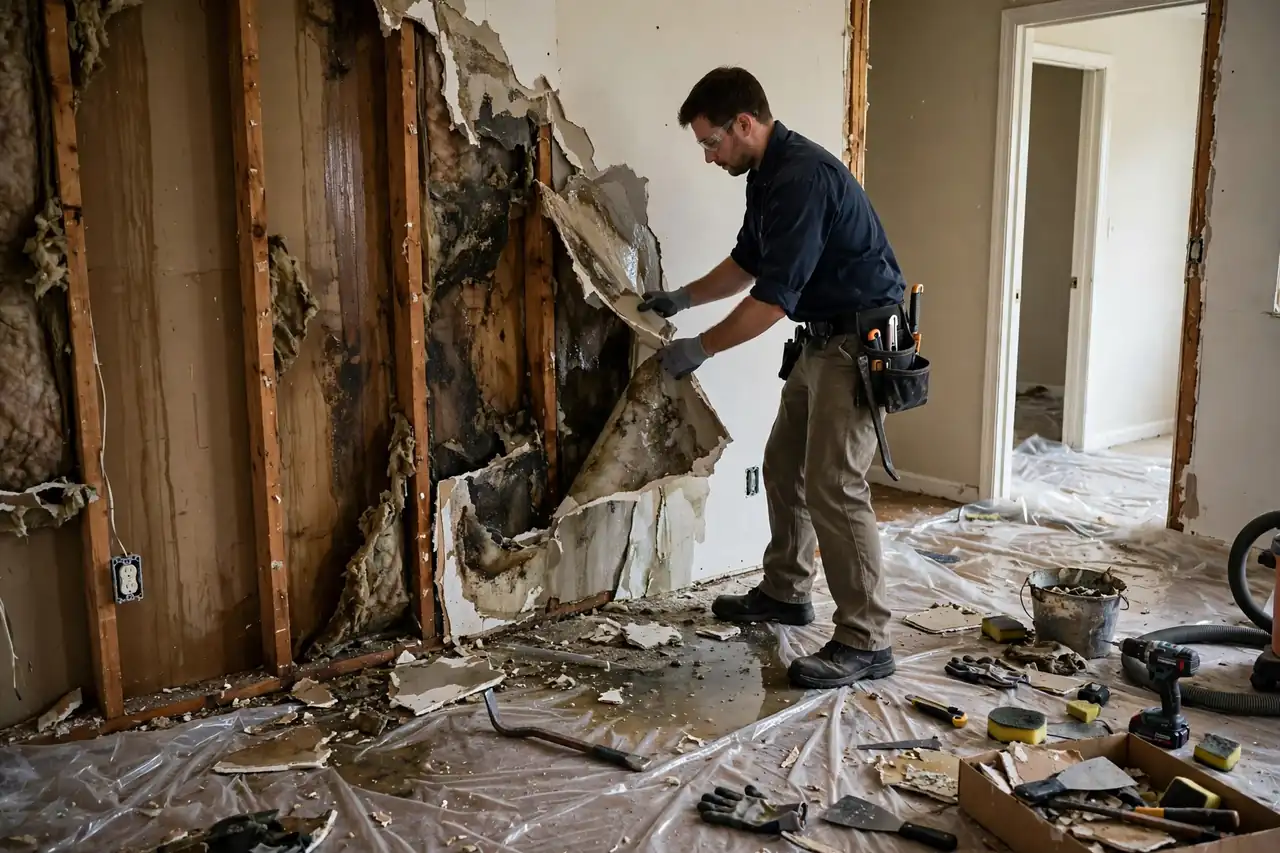
In Arbor Ridge, the losses we see most often start quietly: a supply line that splits on a cold night, or a sump pump that gives up during a wet spell, and the water reaches finished rooms before anyone notices. The homes here are newer subdivisions with finished ground floors, so a leak travels under flooring and into wall bases while the surface still looks dry.

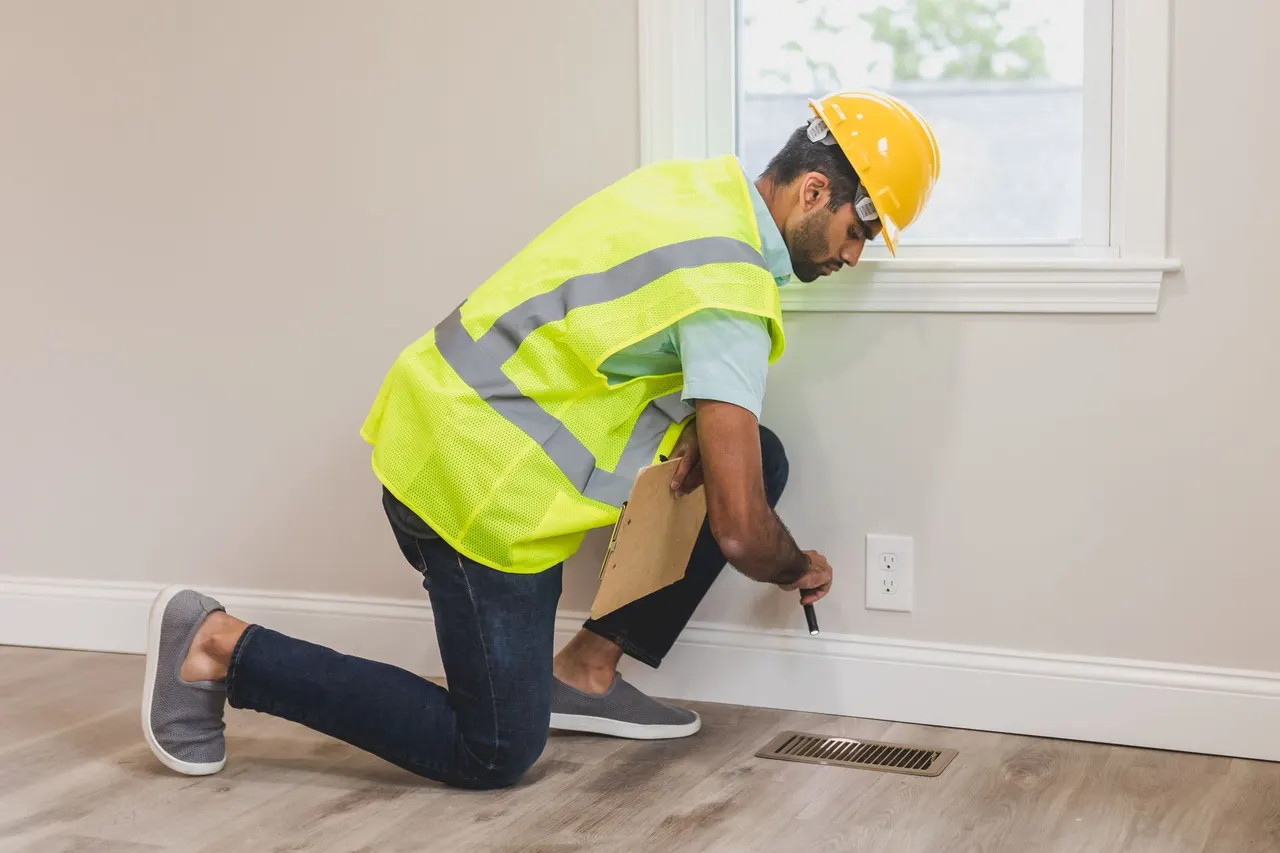
Our first check is the route the water took, not just the puddle: we stop the supply, take moisture readings at baseboards and floor edges, and map the rooms beside the wet one before any equipment is placed. That reading-first approach is what keeps a hidden wet cavity from being left behind to smell musty weeks later.

Arbor Ridge sits in Ada County on the Snake River Plain, where the high-desert climate brings roughly a foot of rain a year. Most water inside a home here comes from plumbing, appliances, or irrigation rather than rainfall, which is why the source check matters more than the weather on the day of the call.
Water Damage Services in Arbor Ridge

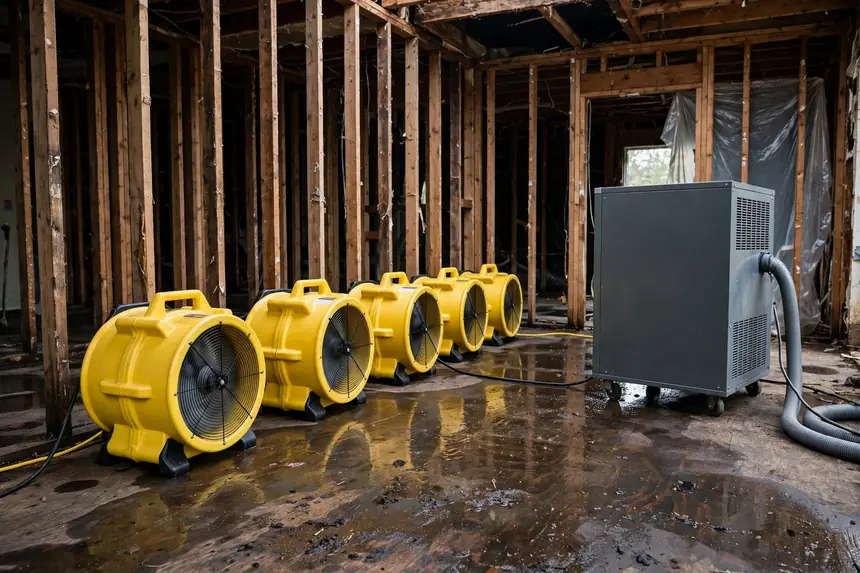
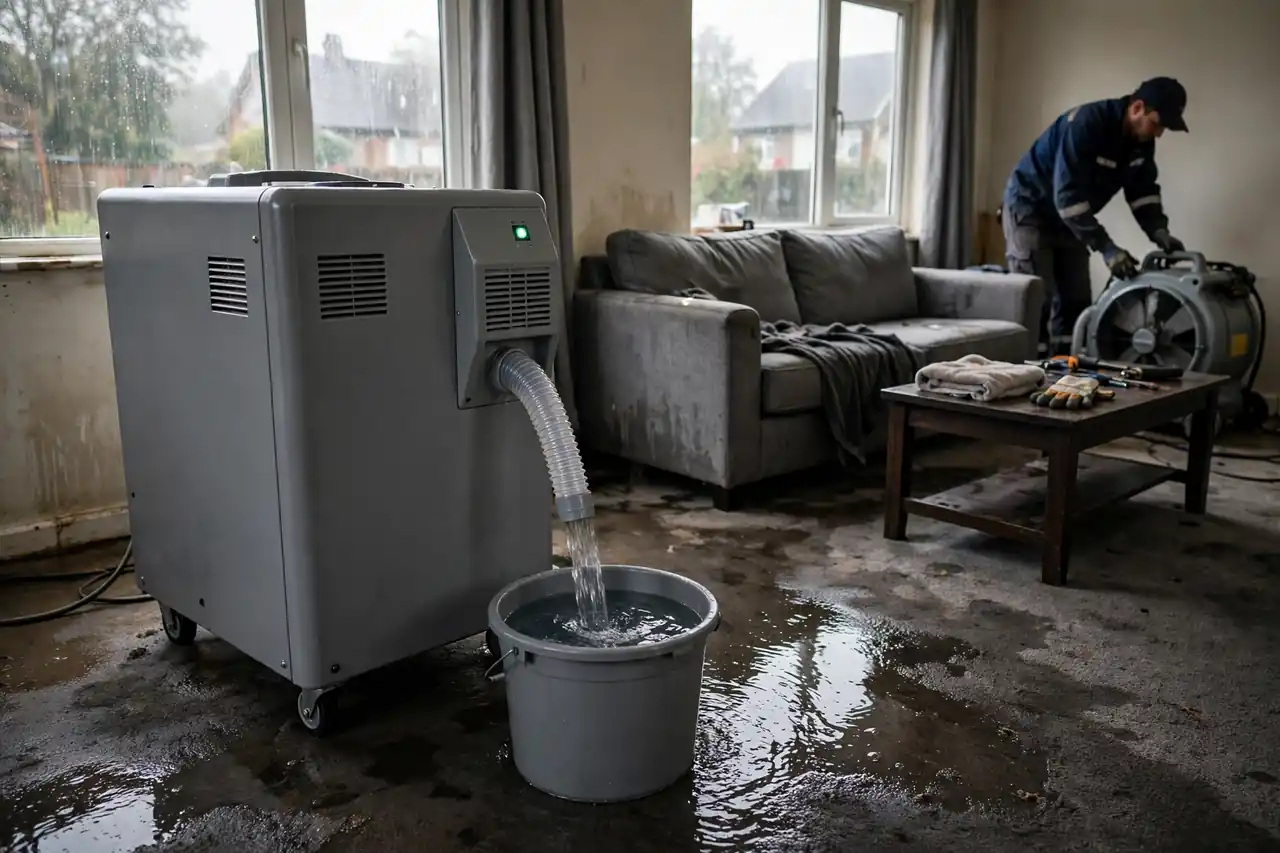
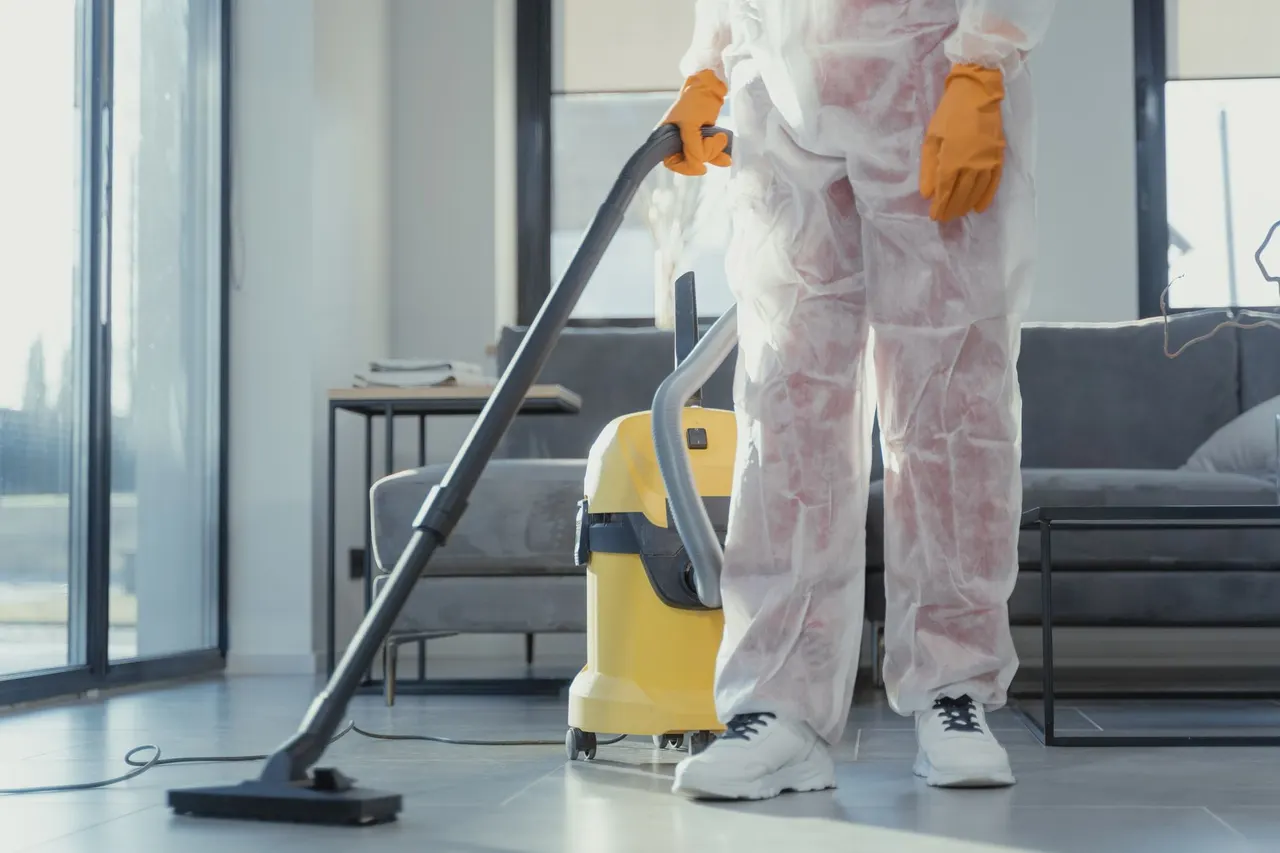
Arbor Ridge water calls range from a few inches of basement water to a leak hidden behind drywall or beneath hardwood flooring. We identify the source, extract standing water, and set drying equipment according to the affected materials and room conditions. For emergency water damage repair in Arbor Ridge ID near me searches, tell us whether the water is clean, contaminated, or still flowing; that changes the safe first steps. We serve homes across the community and coordinate cleanup through inspection, drying, and repair so you are not left guessing what comes next.

Water restoration for Arbor Ridge

Emergency restoration in Arbor Ridge

Emergency restoration in Arbor Ridge

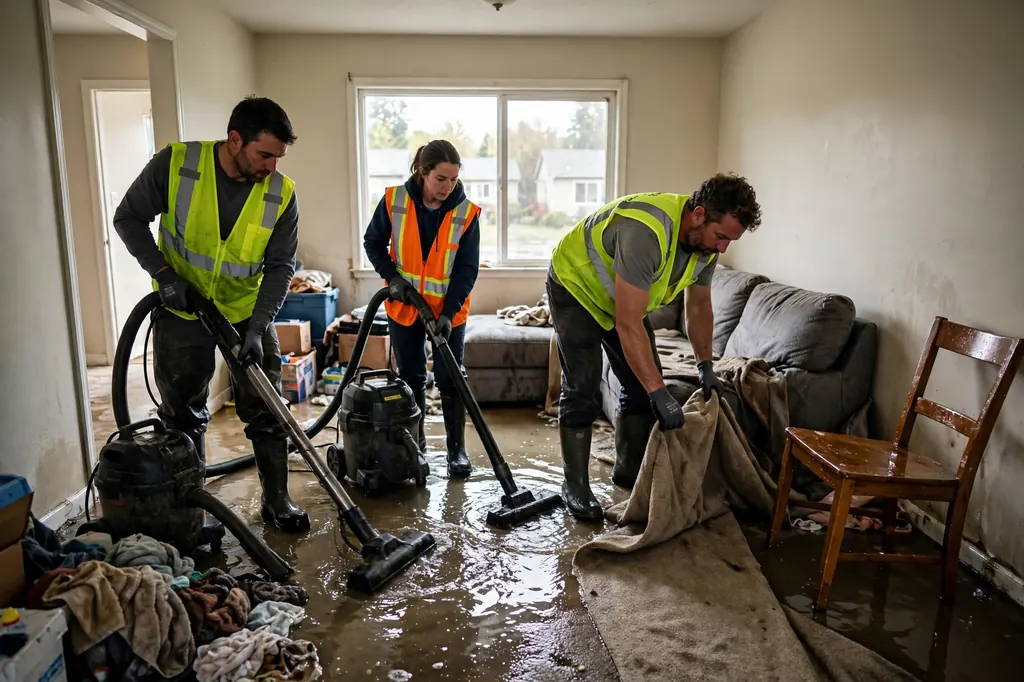
We locate the water source and mark affected rooms before moving equipment into your Arbor Ridge home. Extraction comes first, followed by moisture checks along floors and walls. You get a clear drying sequence suited to your home's layout.

  • Source and room inspection
  • Measured extraction plan
  • Drying progress checks
Arbor Ridge Home Service

Arbor Ridge Home Service

We restore water-affected rooms in Arbor Ridge homes, from finished basements to upstairs bathrooms. Our work follows the water path and the materials that need drying.

  • Homes with finished basements
  • Two-story plumbing leaks
  • Sprinkler-side wall dampness
  • Carpet and hardwood floors
Arbor Ridge Property Service

Arbor Ridge Property Service

We help property owners address water in occupied and shared spaces while keeping access routes clear. The plan reflects the affected rooms, building use, and source of water.

  • Small offices and suites
  • Shared residential entries
  • Community-use rooms
  • Local property service spaces

Common Water Problems in Arbor Ridge

Arbor Ridge homes are finished throughout, so the four problems below are the ones that cost the most when they are found late: a split pipe, a sprinkler line, a failed pump, and a roof leak that stains a ceiling far from where the water entered.

  • Frozen Pipes Split Overnight and Wet Finished Rooms

    Frozen Pipes Split Overnight and Wet Finished Rooms

    A cold night can split a pipe in a garage, crawl space, or exterior wall, and the leak often runs inside a wall or cabinet before anyone sees water. In Arbor Ridge, the first check is the shut-off: stop the supply, then look for the wet path along baseboards and floor edges. We extract what is visible, take moisture readings in the adjoining walls, and set drying only where the readings justify it, so a hidden wet cavity is not left to grow mould.

  • Appliance Hoses and Fittings Leak Under Flooring

    Appliance Hoses and Fittings Leak Under Flooring

    Supply lines to laundry and kitchen appliances are a common slow leak in Arbor Ridge: a hose ages, a fitting loosens, and water seeps under flooring a little at a time. We start by stopping the supply and checking the floor and wall behind the appliance with a moisture meter, then extract and dry from the readings rather than from the puddle alone. If the subfloor reads wet, the drying plan covers it, and we note what the appliance connection needs before it is used again.

  • Ceiling Leaks Need the Source Found First

    Ceiling Leaks Need the Source Found First

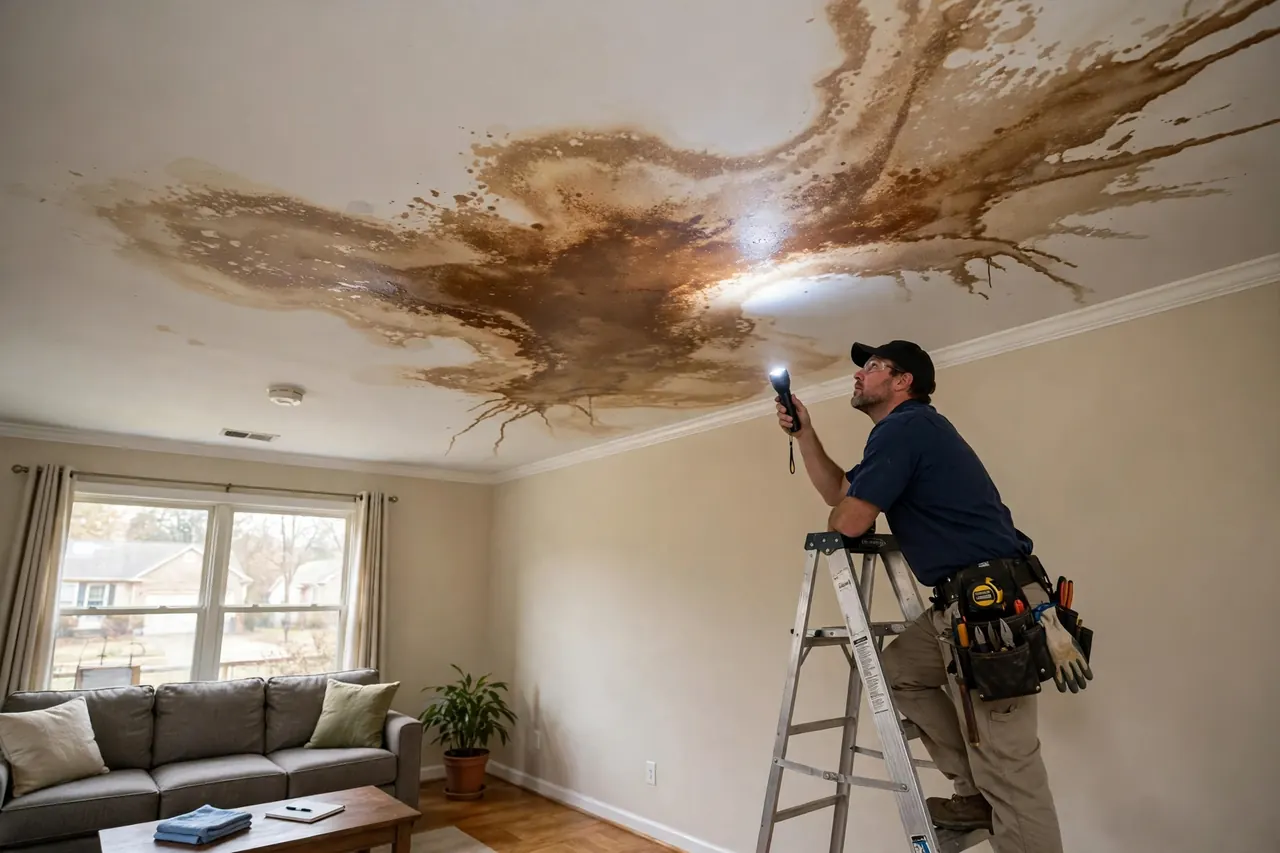
    Water in a ceiling usually started somewhere else — a roof defect, a bathroom fitting, or a pipe above — and patching the stain before finding it only hides the problem. In Arbor Ridge, we check the ceiling, the room above it, and the nearby walls, because water follows framing and can surface well away from the entry. We document the wet area, keep clear of any sagging section, and dry from readings so the ceiling repair happens on dry material.

  • Crawl Space Water and Dampness After Wet Weather

    Crawl Space Water and Dampness After Wet Weather

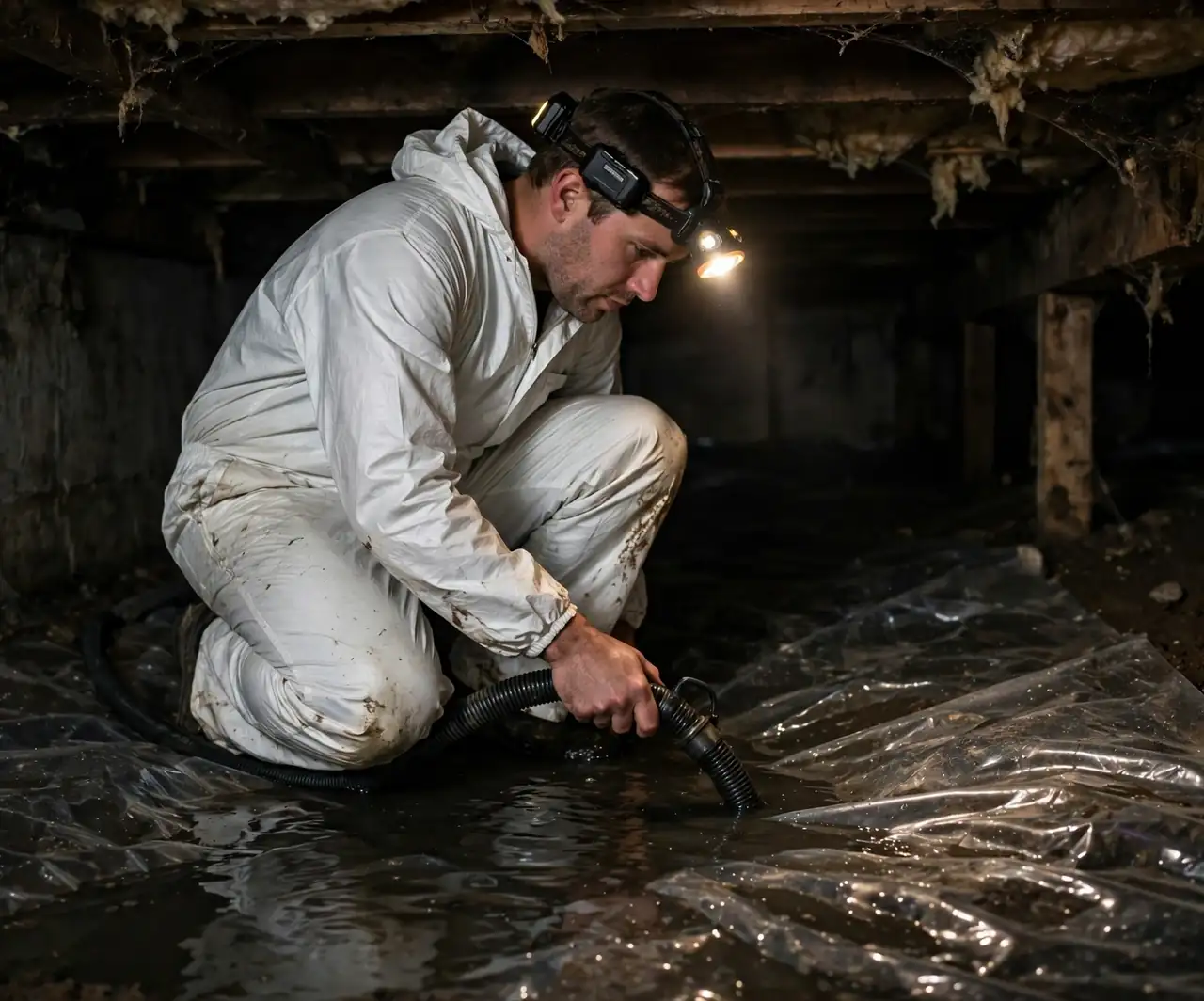
    A crawl space in Arbor Ridge can hold water for weeks after a leak or a wet spell, quietly raising humidity and wetting floor joists from below. We look for the source first — a supply line, a drain, or water running in from outside — then pump out what is standing and measure the wood and insulation. Drying a crawl space is slower than drying a room, so we set equipment from readings and re-check, rather than guessing the space is dry because the surface looks fine.

When to Call for Water Damage Help

Watch for these visible changes and call when water is active or materials stay damp.

  • Water pooling on a basement floor

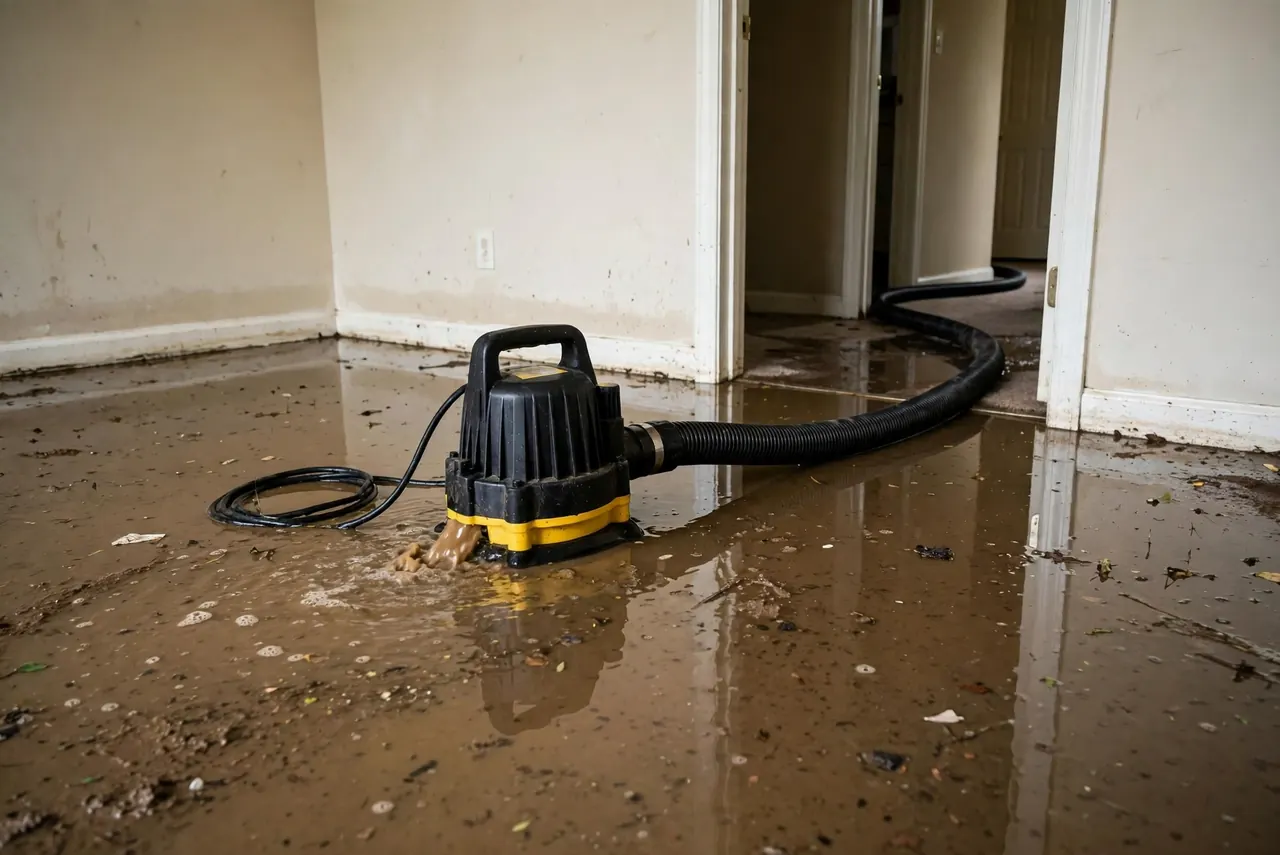
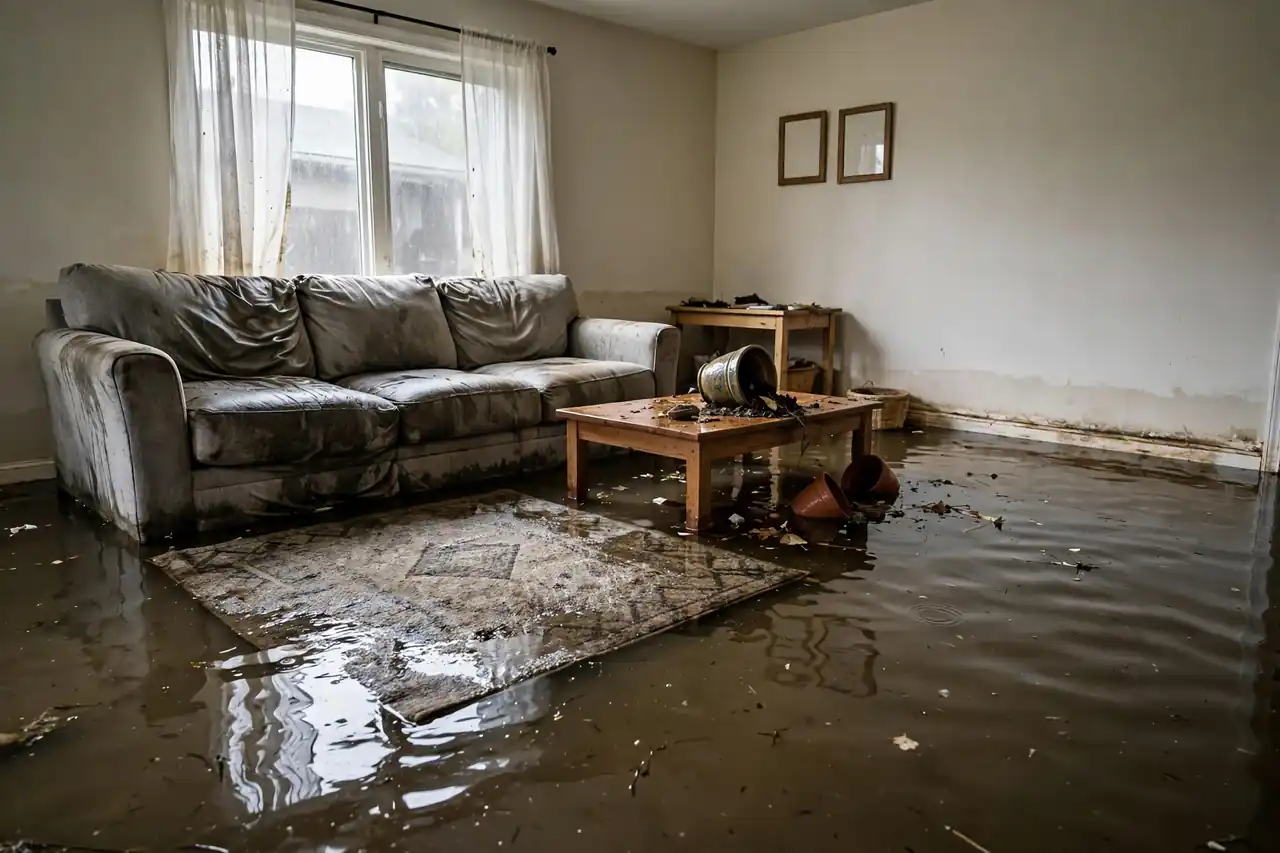
    Standing water can move under stored belongings, carpet, and baseboards before you see the full footprint. If the water is rising or close to electrical equipment, keep out of the area and call for help. We identify a safe route, remove water, and check surrounding materials.

  • A ceiling stain grows after a leak

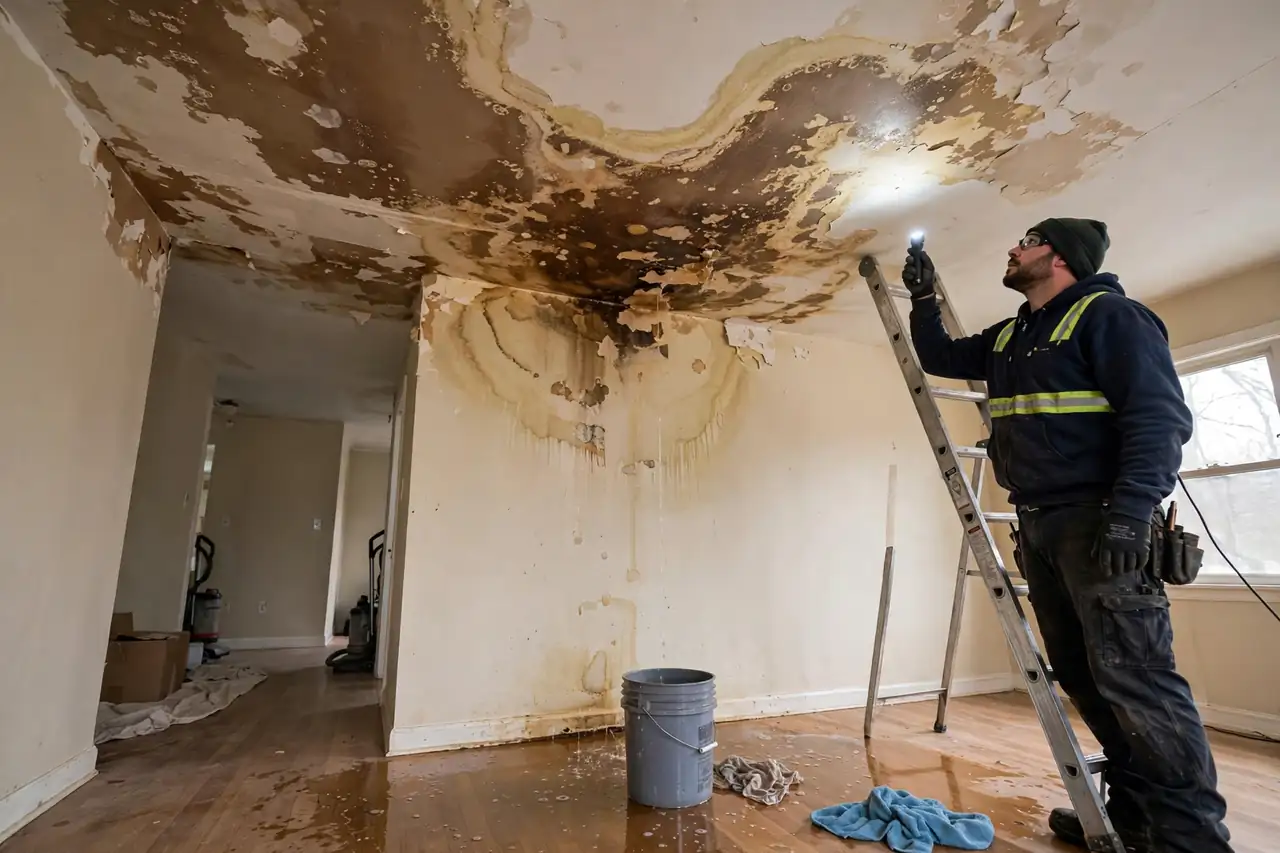
    A spreading stain often means water is still entering or has traveled through a ceiling cavity. Do not puncture a bulging ceiling; trapped water and weakened material can fall. We trace the source, inspect the nearby floor above, and plan extraction and drying.

  • Carpet feels wet beyond the spill

    Water can run under carpet and saturate padding well past the visible spill. A damp edge or cool patch may signal hidden moisture that ordinary towels cannot remove. We check the extent, extract what can be recovered, and assess whether the padding is salvageable.

  • Baseboards swell or pull away

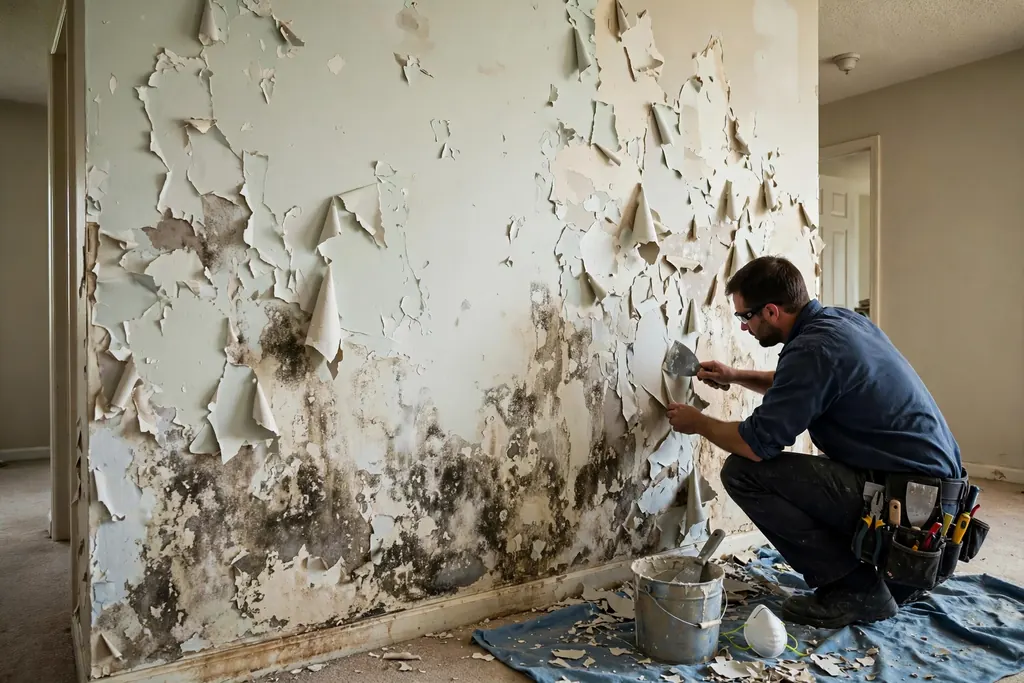
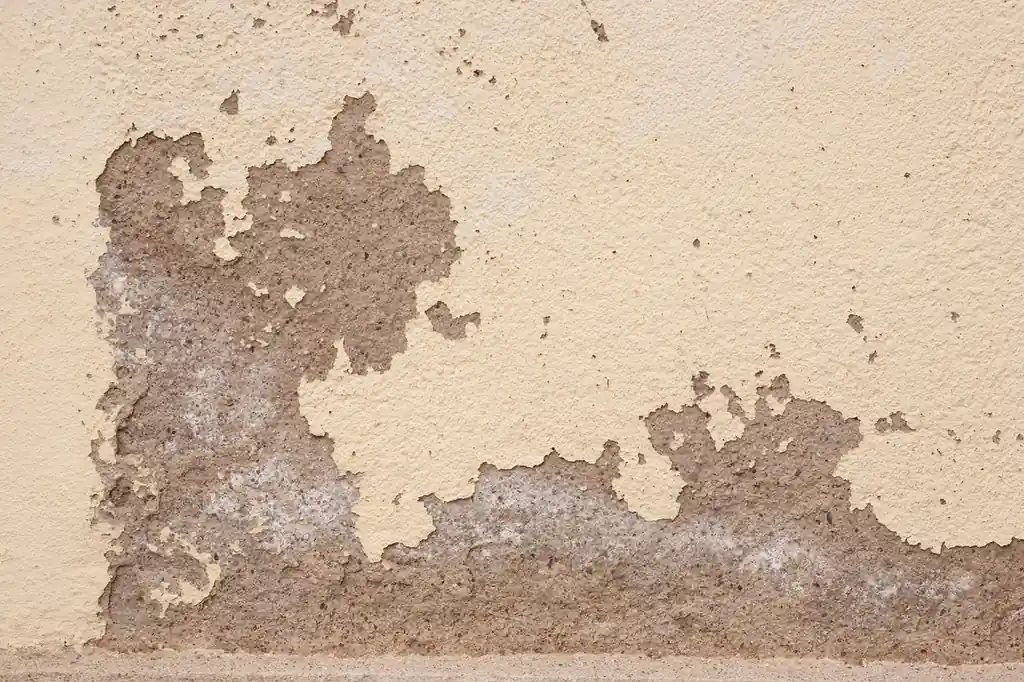
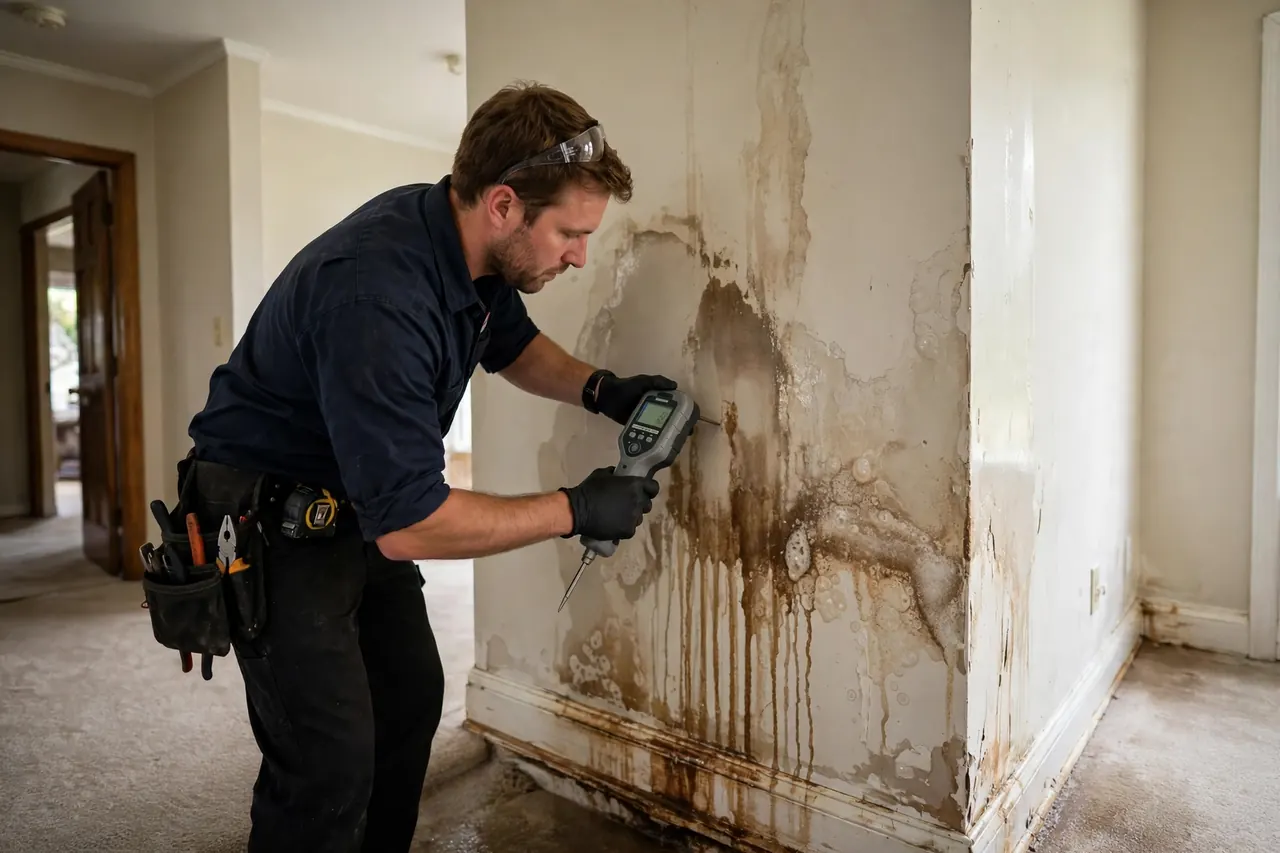
    Swelling, soft paint, or a gap at the baseboard can indicate moisture in drywall or behind the finish. If the area is left closed while wet, damage can extend into the wall cavity. We measure moisture and identify whether drying access or material removal is needed.

  • Musty odor follows a water event

    A persistent musty smell after a leak points to damp material that may not be visible, such as carpet padding, insulation, or a wall cavity. Odor treatment alone will not dry the source. We inspect, locate the moisture, and address affected materials.

How We Handle Water Damage in Arbor Ridge

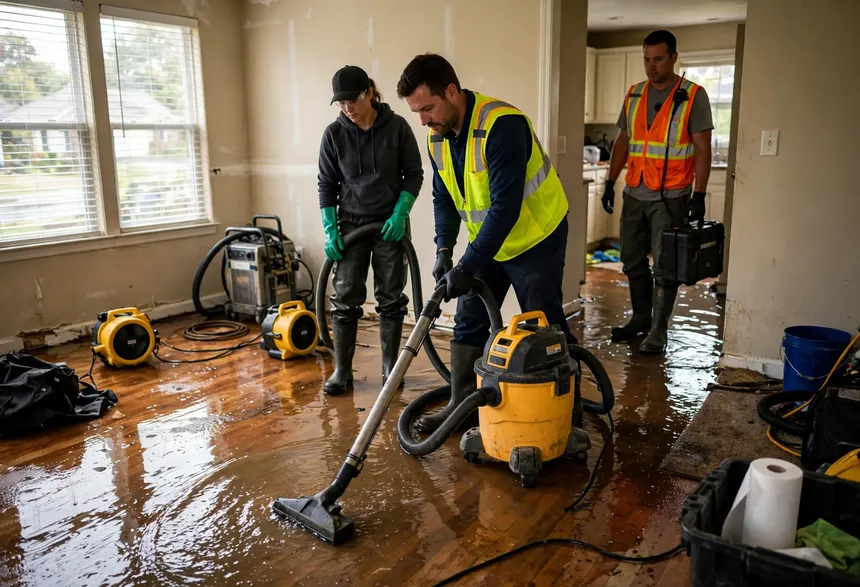
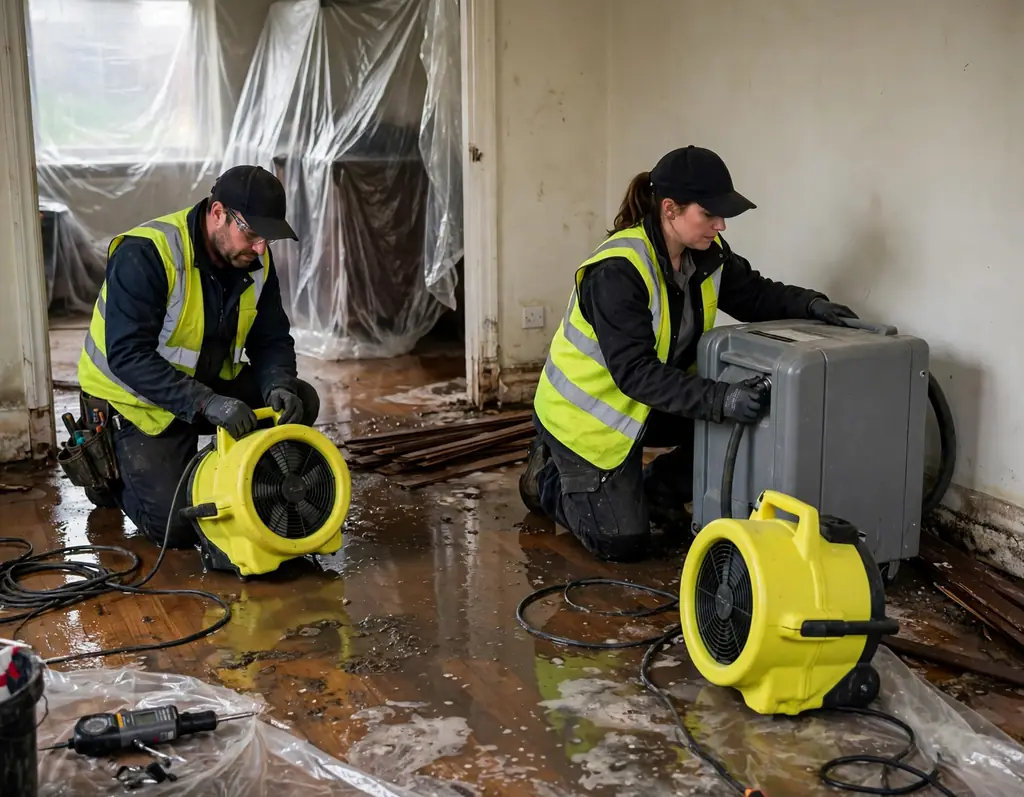
Arbor Ridge emergency water damage repair starts with a source check, safety review, and extraction plan matched to the affected rooms. We ask whether the water is still flowing, whether it came from a plumbing line or outside, and whether any outlets or appliances are exposed. Our crew uses a moisture meter and thermal imaging camera to identify wet areas beyond visible stains, then positions drying equipment where readings show it is needed. For emergency extraction near Arbor Ridge ID, clear access to the basement entry, utility area, and affected rooms helps us move equipment safely. Seasonal freeze-thaw cycles make frozen pipe calls a practical concern as November moves into winter. We record readings, check them again during drying, and explain the next step before moving from cleanup to repairs. Our work follows applicable safety requirements and recognized water restoration practices, including ANSI/IICRC S500 where appropriate. We serve the 83634 area from Kuna and coordinate work around household access, pets, and the need to keep unaffected rooms usable.

  • Basement water reaches stored belongings before the source is obvious

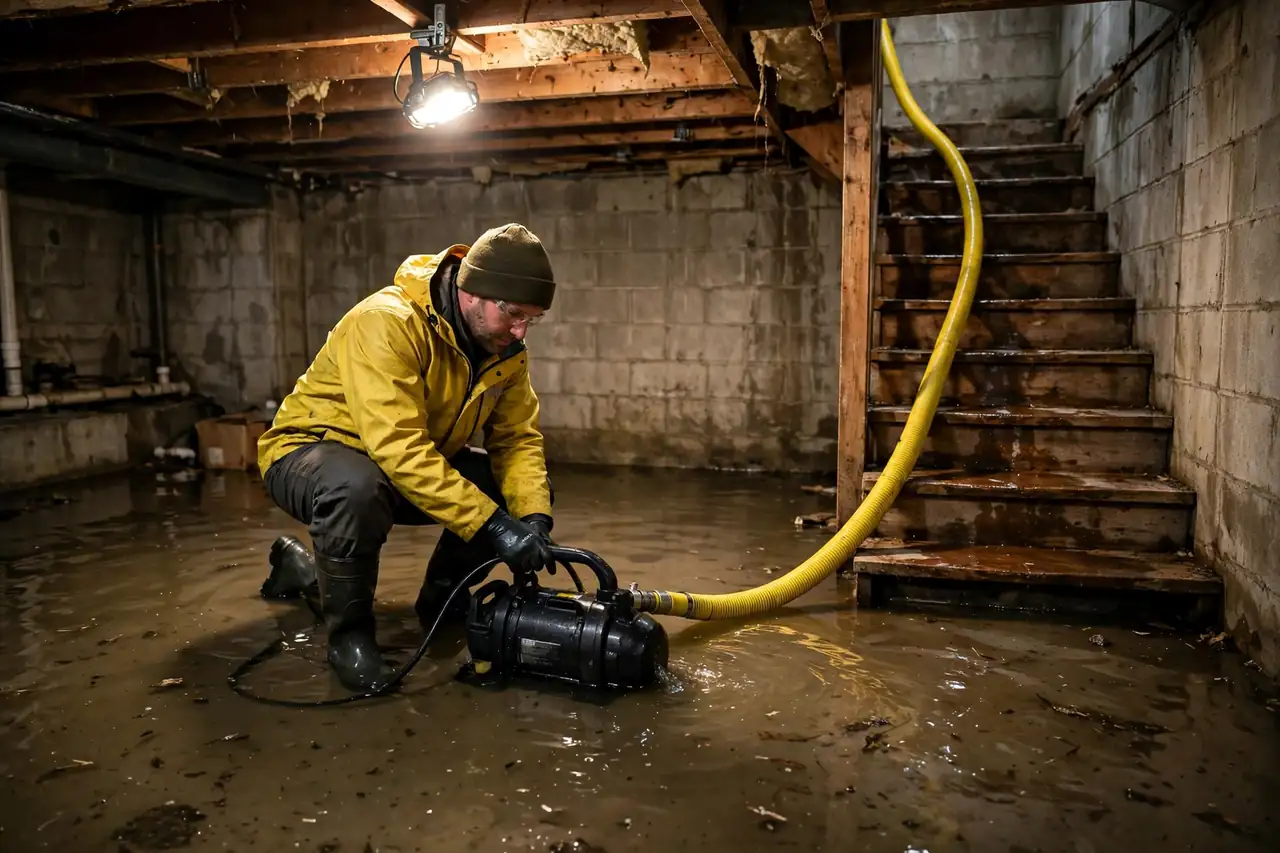
    In Arbor Ridge homes with basements, a small plumbing leak can spread under stored items and along baseboards. Water that sits beneath boxes or shelving can be missed during a quick visual check, leaving damp surfaces after the floor appears clear. We move or protect contents as needed, extract visible water, and inspect floor edges and lower walls. Moisture readings help us decide where air movers and a dehumidifier should go. We keep a clear path through the basement so you can reach essential utilities safely.

  • Freeze-thaw cycles stress exposed plumbing and exterior connections

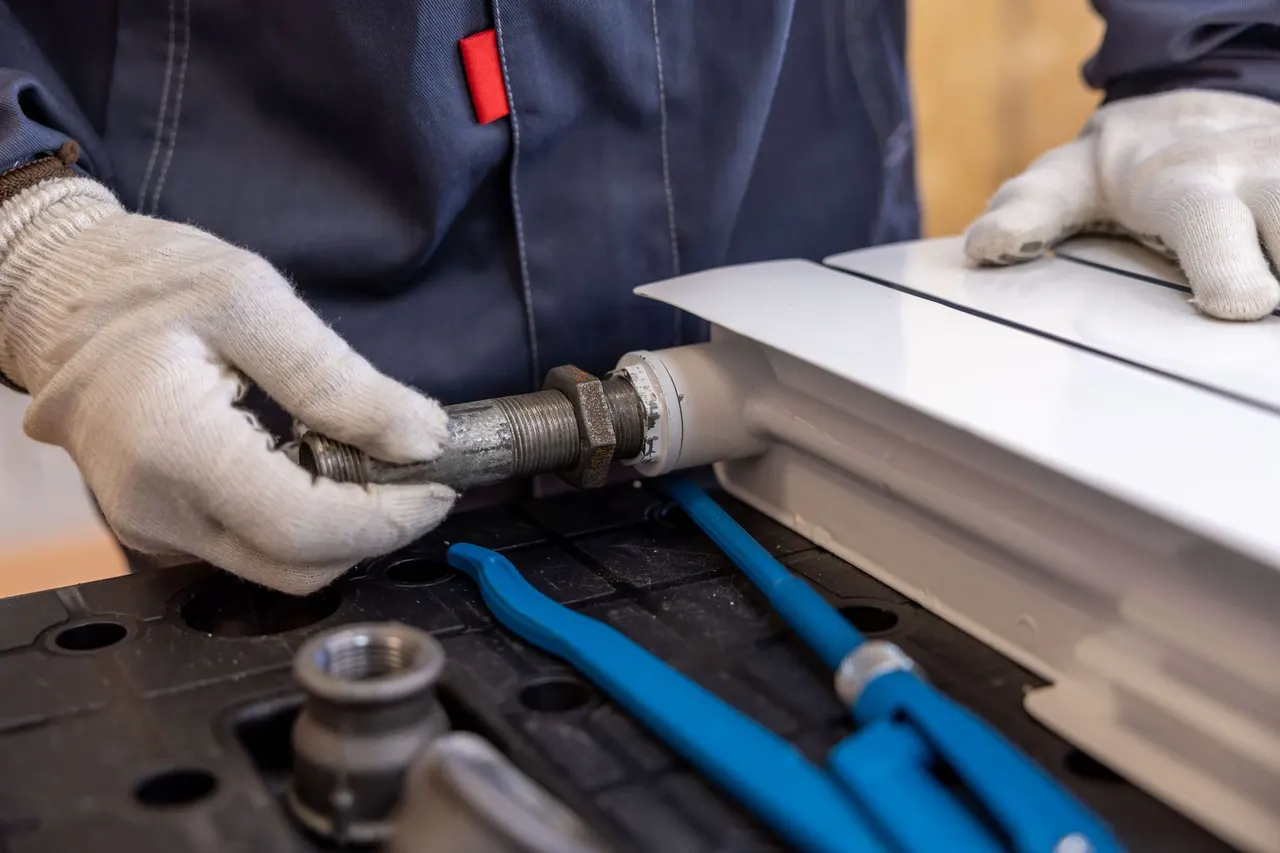
    As temperatures move below and above freezing, vulnerable pipe sections and outdoor connections can experience repeated stress. A leak may appear as a sudden ceiling stain or wet cabinet rather than an obvious burst, especially if water has traveled through a wall cavity. We help you identify the affected area and limit water flow where safe, then inspect surrounding materials for hidden spread. Our team extracts water and records moisture before drying begins. We coordinate with a plumber when the water source needs a repair beyond restoration work.

  • Sprinkler system leaks can soak landscaping-side walls

    A leaking sprinkler line may release water over time and leave dampness near a foundation or lower wall. Because the water can be outside the living area initially, homeowners may notice odor, staining, or soft baseboards only after moisture has moved indoors. We trace the indoor moisture pattern and check the wall and floor area with measurement tools. Once the irrigation source is shut off, we remove affected water and set drying equipment according to the materials involved. We document the readings so you can follow progress.

  • ANSI/IICRC S500 water damage restoration standard

    ANSI/IICRC S500 provides recognized procedures for water damage assessment, extraction, drying, and documentation. We use its principles to organize the restoration process in Arbor Ridge, while adapting equipment placement and material decisions to the actual conditions in your home.

  • Idaho contractor license and applicable building requirements

    Repair work that falls under Idaho contractor licensing or local building requirements must be handled in line with those rules. We distinguish emergency mitigation from repair work and coordinate appropriate licensed trades where plumbing or construction work requires their scope.

Arbor Ridge Landmarks and Access

Arbor Ridge Park and the Arbor Ridge trail system are useful orientation references when you describe where your home sits within the community. They help clarify the general area, but the service address remains the key detail for reaching your door. When you call, tell us which entrance is easiest for carrying extraction equipment and whether a driveway, gate, or basement stairwell affects access. We confirm the destination and arrival instructions before unloading.

  • Arbor Ridge Park

    Arbor Ridge Park is a named local orientation point residents can use when describing the general part of Arbor Ridge they are calling from. We still use the full property address to identify the correct home and select its accessible entrance.

  • Arbor Ridge trail system

    The Arbor Ridge trail system provides another familiar reference for locating the surrounding community. Mentioning the nearest trail access can help clarify a general direction, while the street address and entry instructions guide the final approach.

  • Arbor Ridge Estates

    Arbor Ridge Estates is a neighborhood reference within the service area. It helps us understand which part of Arbor Ridge you mean, but it is not a substitute for the specific address needed to plan arrival and equipment access.

Arbor Ridge Neighborhood Coverage

We serve homes throughout Arbor Ridge, including Arbor Ridge North, Arbor Ridge South, and Arbor Ridge Estates. Each call is routed by the affected address and access needs, not by a broad neighborhood label alone. Tell us where water entered, which level is affected, and whether a basement stairway or narrow side access is involved; that helps us plan equipment movement and protect clear paths through your home.

  • Arbor Ridge North
  • Arbor Ridge South
  • Arbor Ridge Estates
  • Arbor Ridge Park area

Arbor Ridge Water Damage Examples

  • Arbor Ridge South

    Before

    A supply line leak in an Arbor Ridge basement wet carpet, lower drywall, and stored items before the homeowner noticed water at the stair landing.

    After

    We would first isolate the affected zone and confirm the water source was controlled, then extract water from the floor and inspect the carpet padding and wall edges. Contents would be moved away from the wet area, and moisture readings would guide placement of air movers and a dehumidifier. We would record the affected rooms and recheck readings during drying. A measured plan covering the basement floor, lower wall, and contents gives the homeowner a clear sequence for cleanup. Drying completion is based on follow-up readings rather than a fixed calendar promise.

  • Arbor Ridge North

    Before

    A winter pipe failure behind a laundry wall left ceiling water stains in the room below and wet insulation inside the cavity.

    After

    We would map the ceiling and adjoining wall with moisture checks, remove water from affected surfaces, and coordinate source repair with a plumber. After access to the cavity, we would dry framing and remaining materials, then verify readings before finish repairs. The homeowner would receive a record of the water path and the areas requiring restoration. This approach addresses the stain and concealed wet materials together. The repair sequence avoids closing the wall or ceiling before the affected cavity has been checked and dried.

  • Arbor Ridge Estates

    Before

    A sprinkler system leak near an Arbor Ridge foundation left a persistent damp strip along baseboards and carpet edges in a family room.

    After

    We would confirm the irrigation leak had stopped, inspect the wall-floor junction, and extract water from carpet and padding where appropriate. Moisture mapping would show whether water had moved behind baseboards or into drywall. We would then set targeted drying equipment and explain any material removal needed to reach trapped moisture. The homeowner gets a defined affected-area map, extraction, and a follow-up moisture check. Addressing both the irrigation source and indoor materials helps prevent the same wet strip from being treated as a surface-only issue.

Seasonal Water Damage in Arbor Ridge

  • Spring

    Spring rain tests roofs and gutters after winter, and the first heavy rain often reveals a flashing or valley defect that stayed hidden under snow. Check for new ceiling stains and damp baseboards after storms, clear gutters before the rain settles in, and watch where runoff travels beside the foundation. When irrigation starts up, walk the sprinkler zones and shut off any zone that sprays the house.

  • Summer

    In the heat, a broken irrigation line can run for a full cycle before anyone notices, because the water soaks in and the surface dries. Walk the sprinkler zones, look for pooling near the foundation and wet thresholds, and check the laundry and kitchen supply lines, which work hardest in summer. High temperatures dry the surface quickly, so trust a moisture reading over a dry-looking floor.

  • Fall

    Autumn in the Treasure Valley turns fast from dry to freezing, so fall is for closing the gaps: clean the gutters, check the roof before the first snow, and winterise the irrigation lines before the first hard freeze. Test the main shut-off, insulate the exposed pipes you can reach, and watch the first cold nights for the rooms that lose heat fastest. Prevention in fall costs far less than extraction in winter.

  • Winter

    Winter is when small oversights become floods: a hose left connected, a garage door left open in a freeze, a room left unheated over a holiday. Disconnect hoses, keep heat steady, and make sure the main shut-off turns freely. If water appears, shut the supply off at once and keep the wet area clear until the source is confirmed, because every minute of flow adds rooms to the drying job.

Questions Before Hiring a Restoration Crew

Before hiring emergency water damage repair in Arbor Ridge, ask how the crew identifies hidden moisture, what equipment they use, and how they decide when drying is complete. A capable contractor explains the difference between water removal, structural drying, and repair instead of treating them as one step. Ask who handles contaminated water, how readings are recorded, and whether the team works under applicable Idaho requirements. You should be able to understand the plan and the price before work proceeds.

  • How will you find water behind the wall or under flooring?

    The visible stain rarely marks the full wet area. A clear answer should describe inspection and moisture measurement, not guesswork or cutting material without a reason. Ask how readings will be tracked so you can see which areas were checked and whether the drying plan needs adjustment.

  • What equipment will you use in my basement?

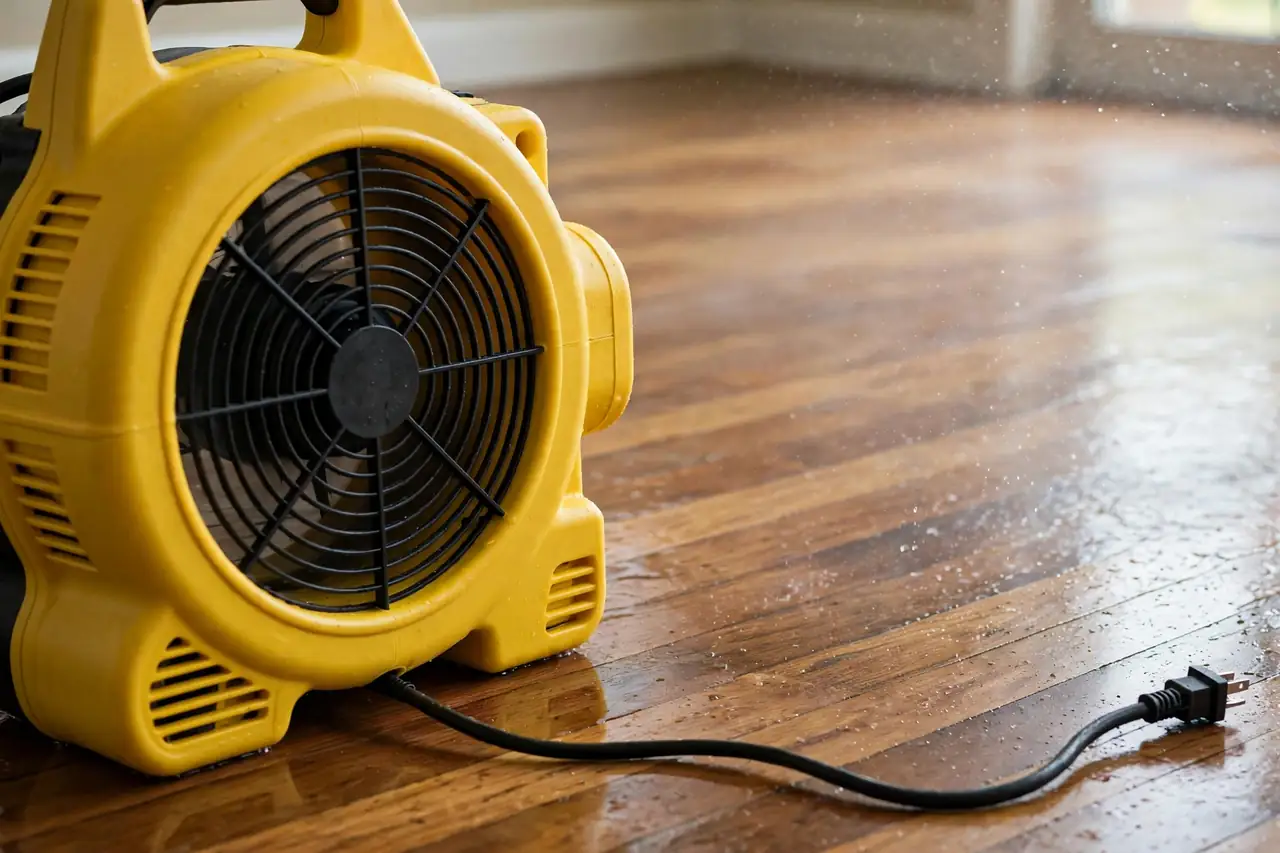
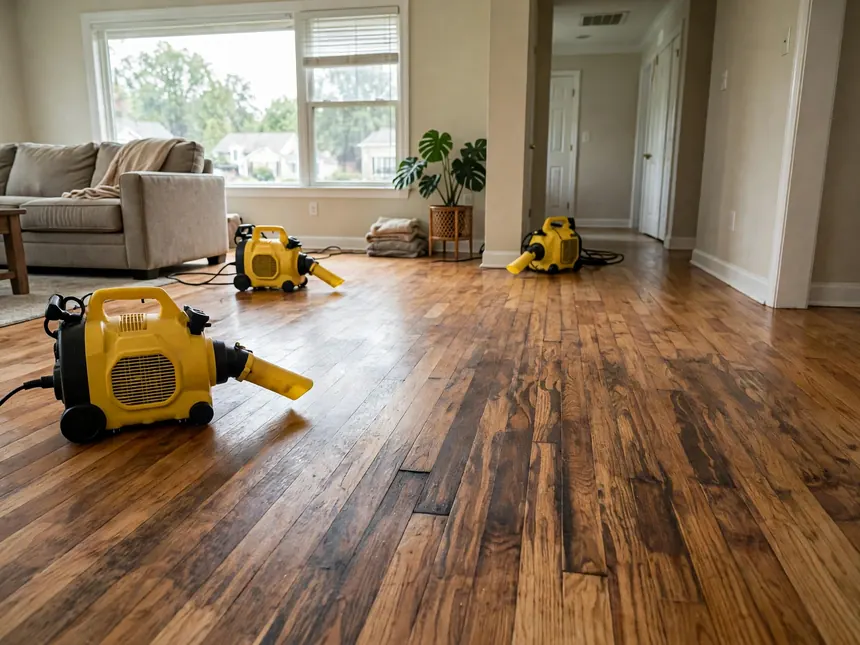
    The right setup depends on water depth, room layout, and material type. The contractor should explain extraction equipment, air movement, and dehumidification in practical terms, including how cords and machines will be placed without blocking essential access or creating a trip hazard.

  • How do you handle sewage or contaminated water?

    Contaminated water requires a different cleanup process from a clean supply-line leak. A good answer covers restricted access, appropriate protective measures, cleaning, and decisions about porous materials. Avoid a crew that treats every water source as ordinary floor drying.

  • How do you document drying progress and completion?

    Dry-looking surfaces can still contain moisture beneath the finish. Ask whether the team records readings and revisits affected materials during the job. Clear measurement-based updates help you understand why equipment stays in place and when restoration can move to repairs.

  • Who handles plumbing repairs and restoration work?

    Mitigation removes water and dries materials, while plumbing repairs stop the source and construction repairs restore finishes. A direct answer explains which work the crew performs and when a qualified trade is involved, so the leak is not left active behind a completed repair.

Arbor Ridge emergency water damage repair FAQs

Still wondering? (833) 546-4116

Local service team

Call for emergency water damage repair in Arbor Ridge

If water is spreading through your Arbor Ridge home, call Kuna water damage restoration at (833) 546-4116. We will ask what happened, where water is showing, and whether anyone faces an electrical or contamination hazard. Our team serves Arbor Ridge, Ada County, and the 83634 area with extraction, inspection, and drying support. Call now to discuss the next practical step.

Contact the Kuna Team

Call (833) 546-4116 when water reaches your home or business in Kuna, Idaho. Tell us whether the source is still active, which rooms are affected, and when the damage began; that helps direct the next steps. Calls are accepted at any hour for emergency inquiries, and service coverage includes Kuna, ID, with ZIP codes 83634 and 83642.

Thanks. Your request is in and the team will follow up shortly.