Emergency Water Damage Repair in Bridgetower Homes

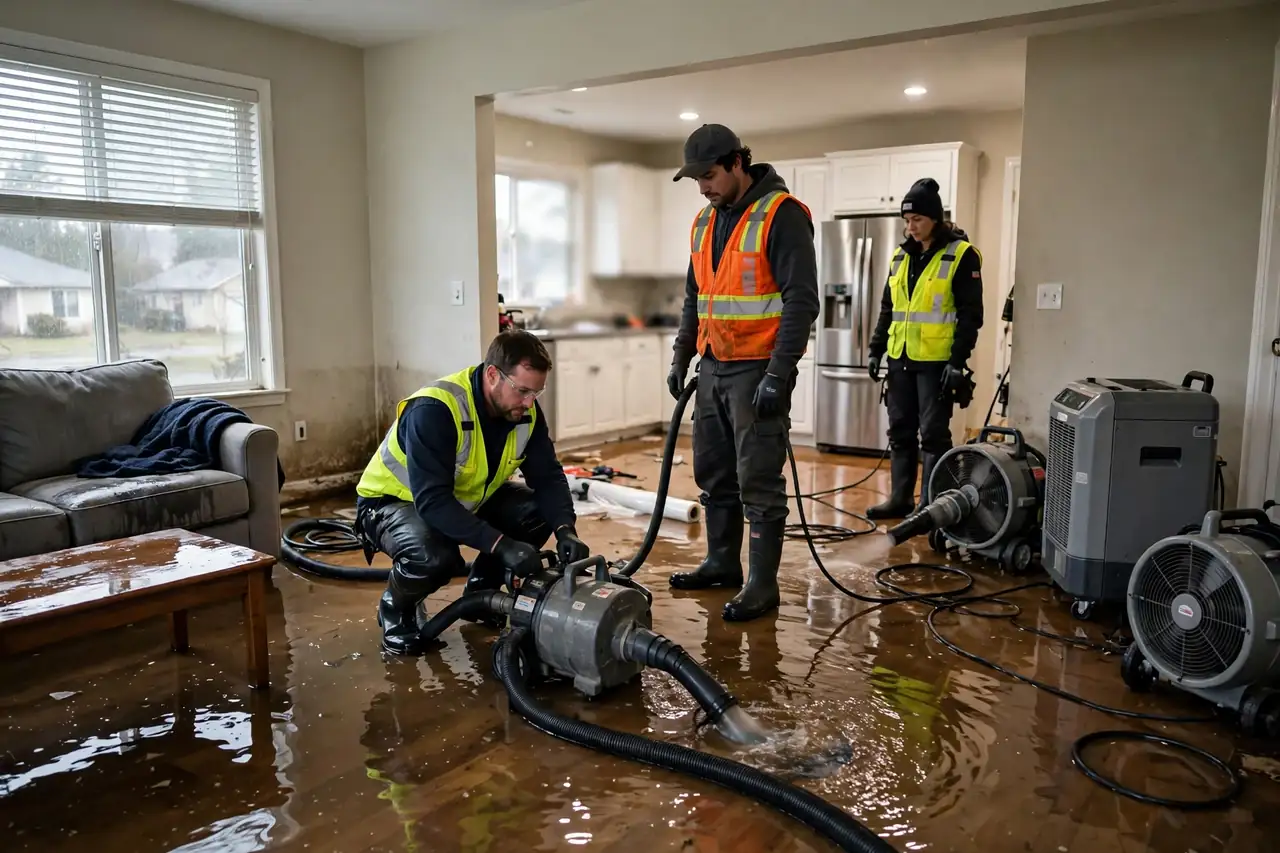
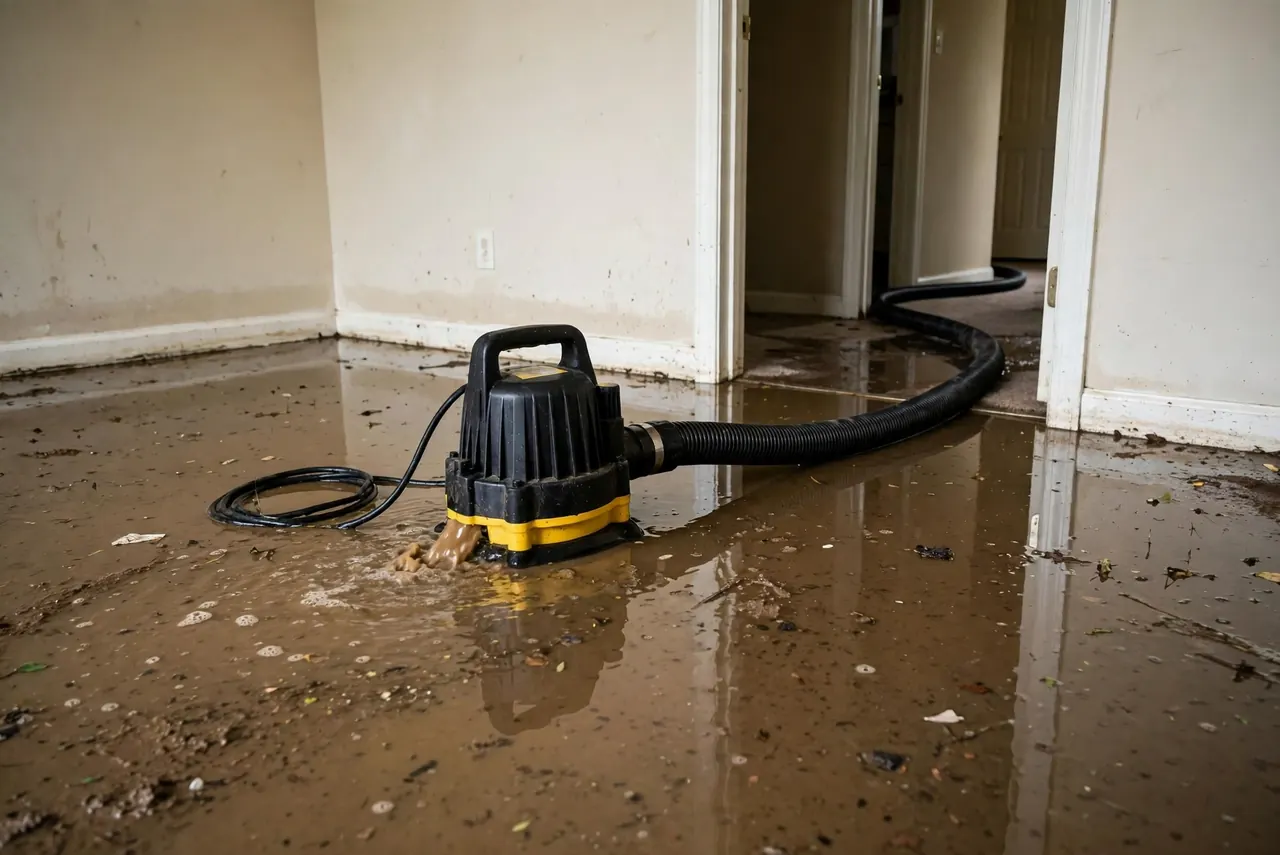
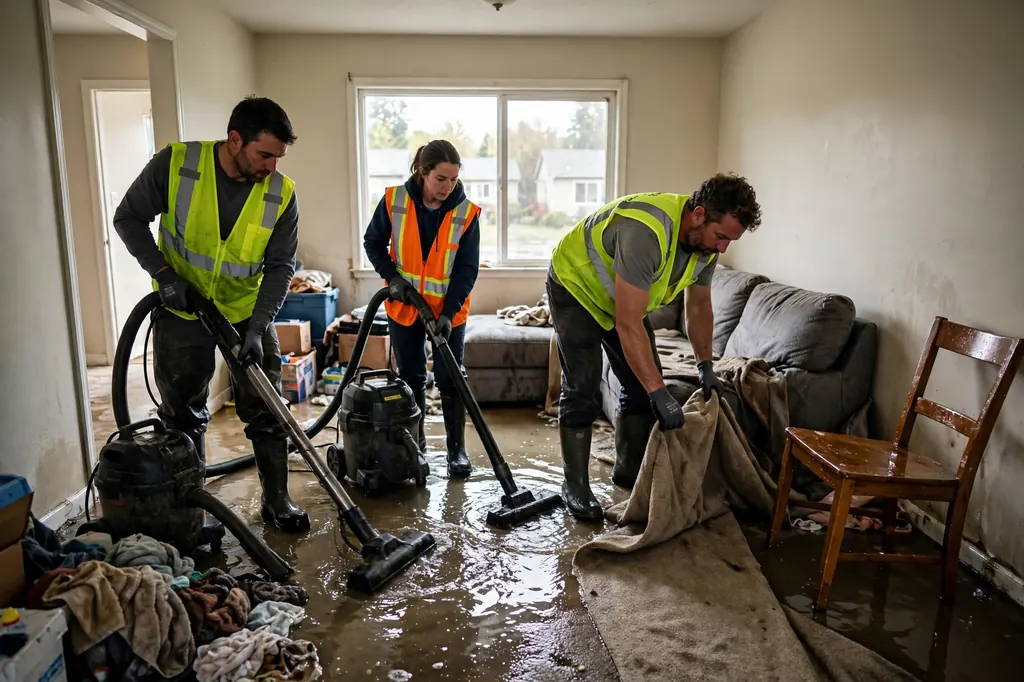
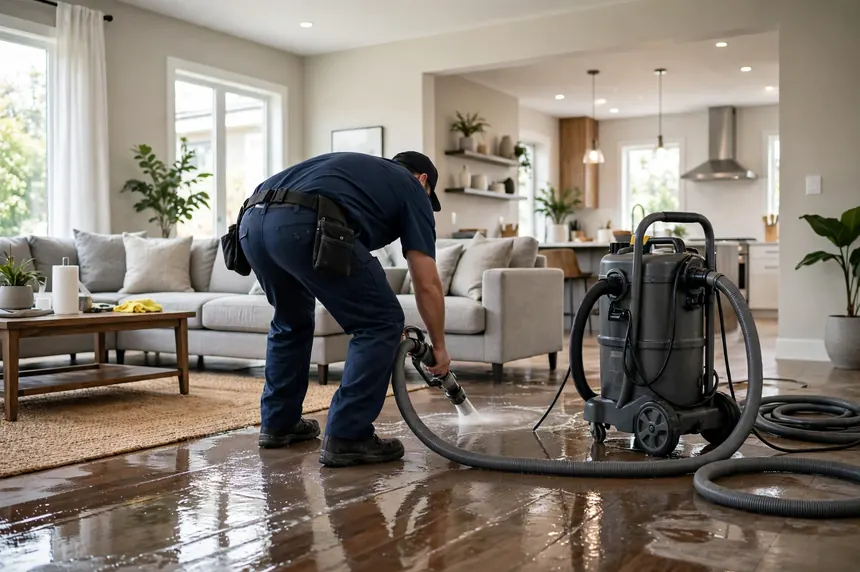
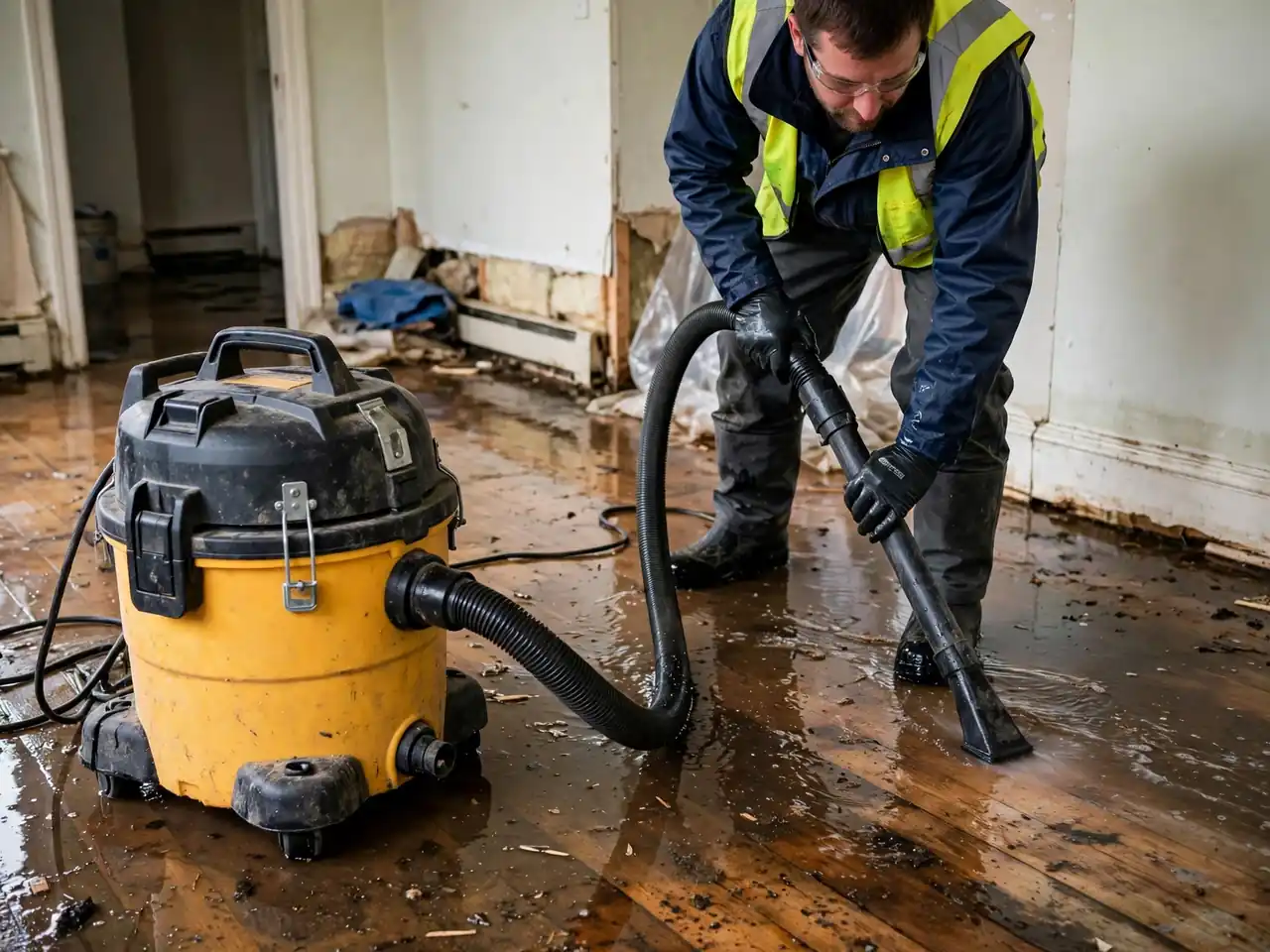
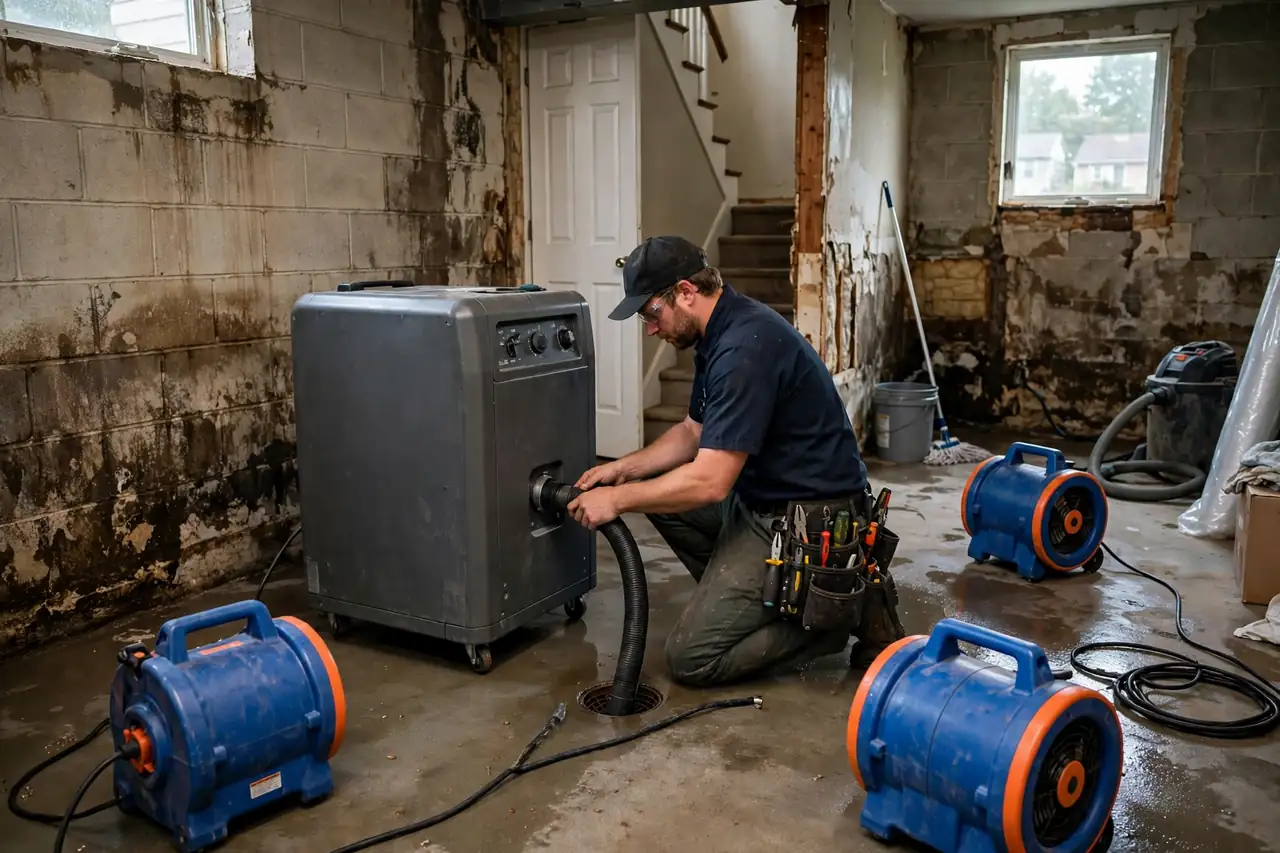
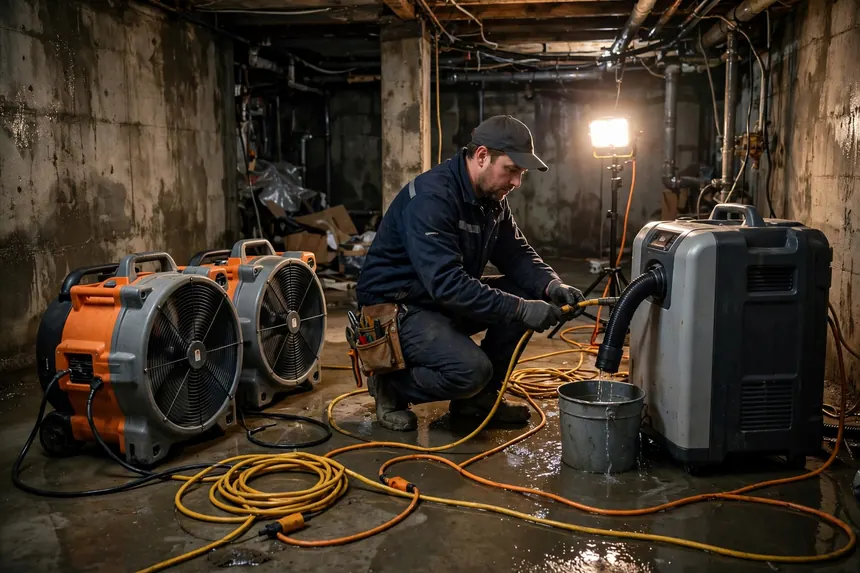
When a pipe bursts or water crosses your floor, emergency water damage repair in Bridgetower starts with stopping the source and removing standing water. Our Kuna water damage restoration team serves Bridgetower Loop and Bridgetower Crossing, including homes in ZIP code 83634. We map moisture before opening walls, protect unaffected rooms, and explain the next step in plain language. Bridgetower emergency water damage repair is available for sudden leaks, storm intrusion, and indoor flooding.

emergency water damage repair in Bridgetower

Serving Bridgetower homes

  • Readings RecordedMoisture checks guide drying decisions
  • Work Area ProtectedContents moved away from wet surfaces
  • Steps ExplainedYou hear what happens next
  • Equipment CheckedAirflow placement reviewed during work

Emergency water damage repair in Bridgetower, Done Right

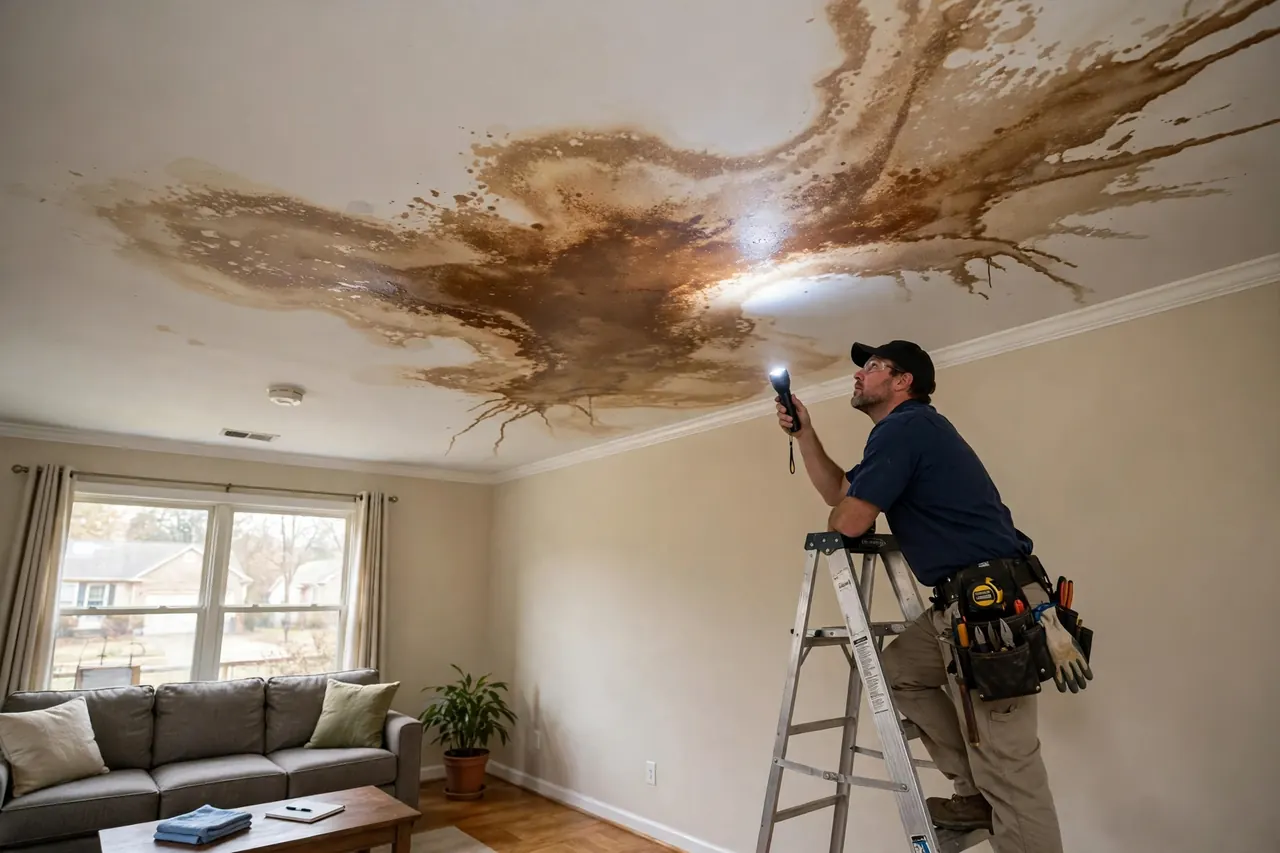
In Bridgetower, the call usually comes from the laundry or from a ceiling: a washing-machine hose that came loose while the house was empty, or a stain that appeared on a ceiling days after a storm. Both are slow to show and quick to spread, because water follows flooring and framing before it reaches a visible surface.

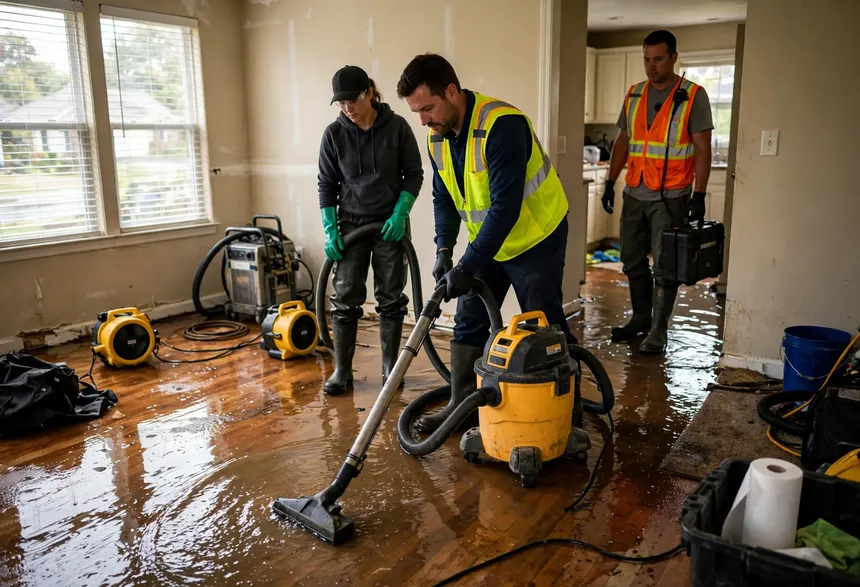
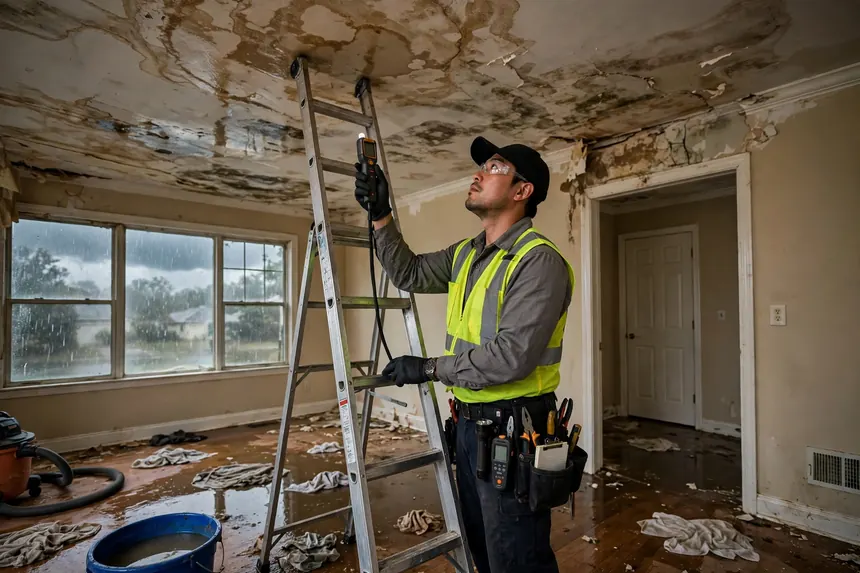
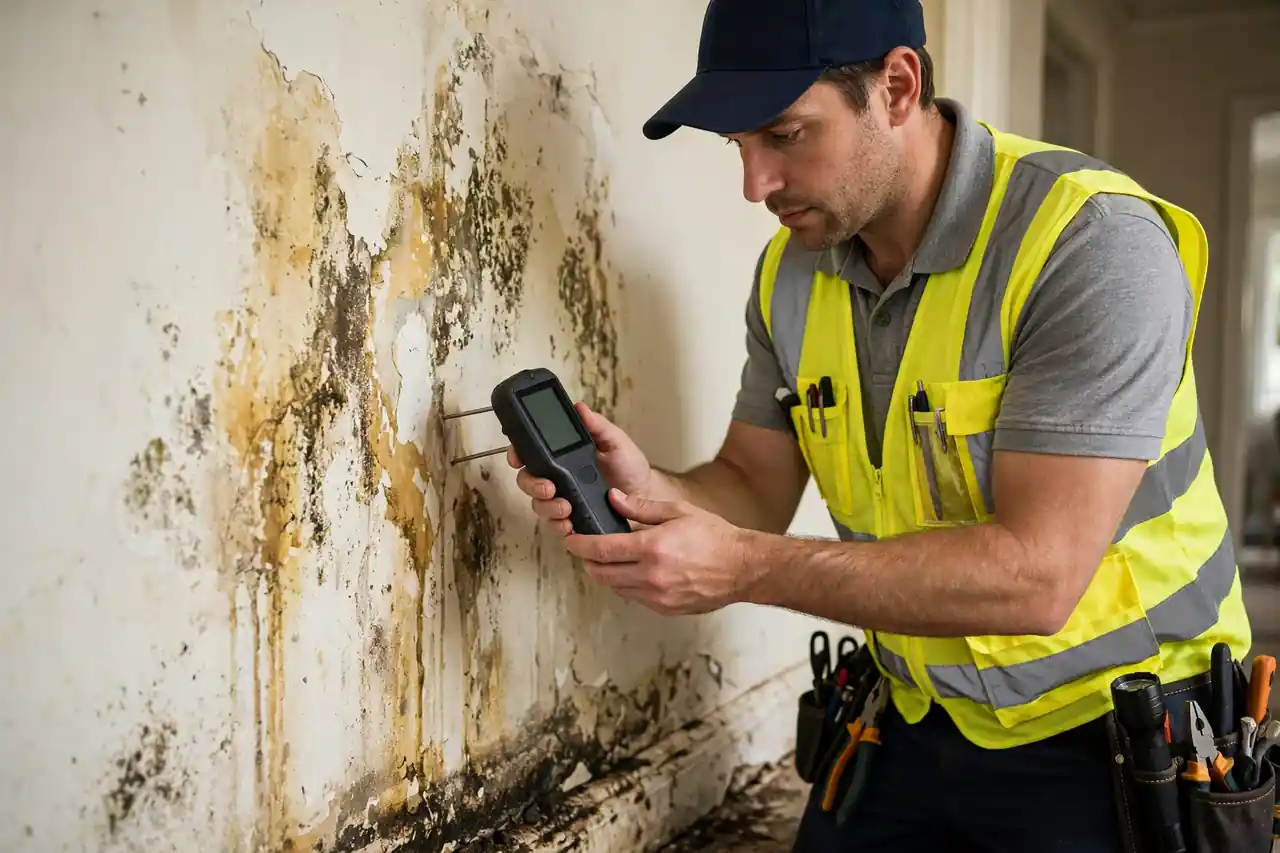
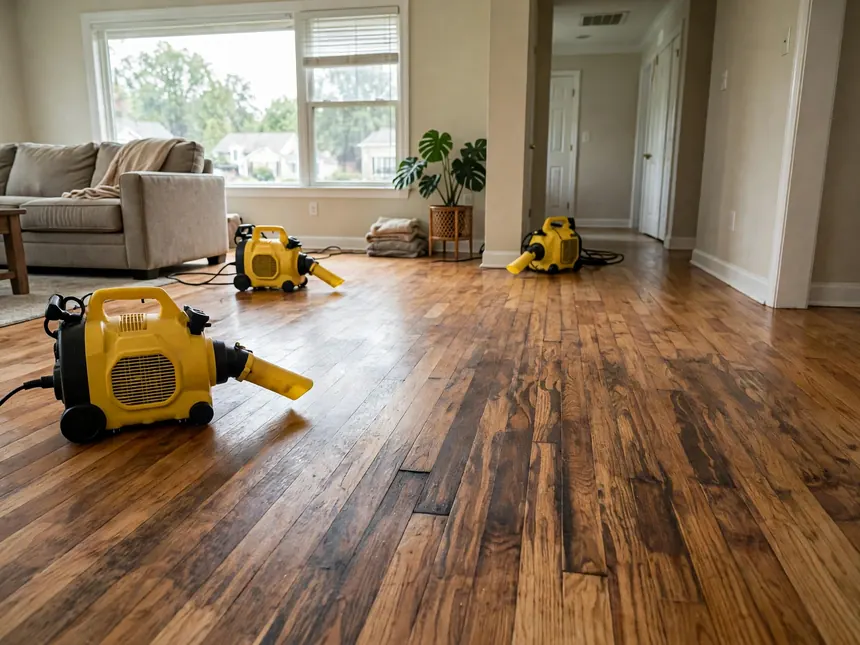
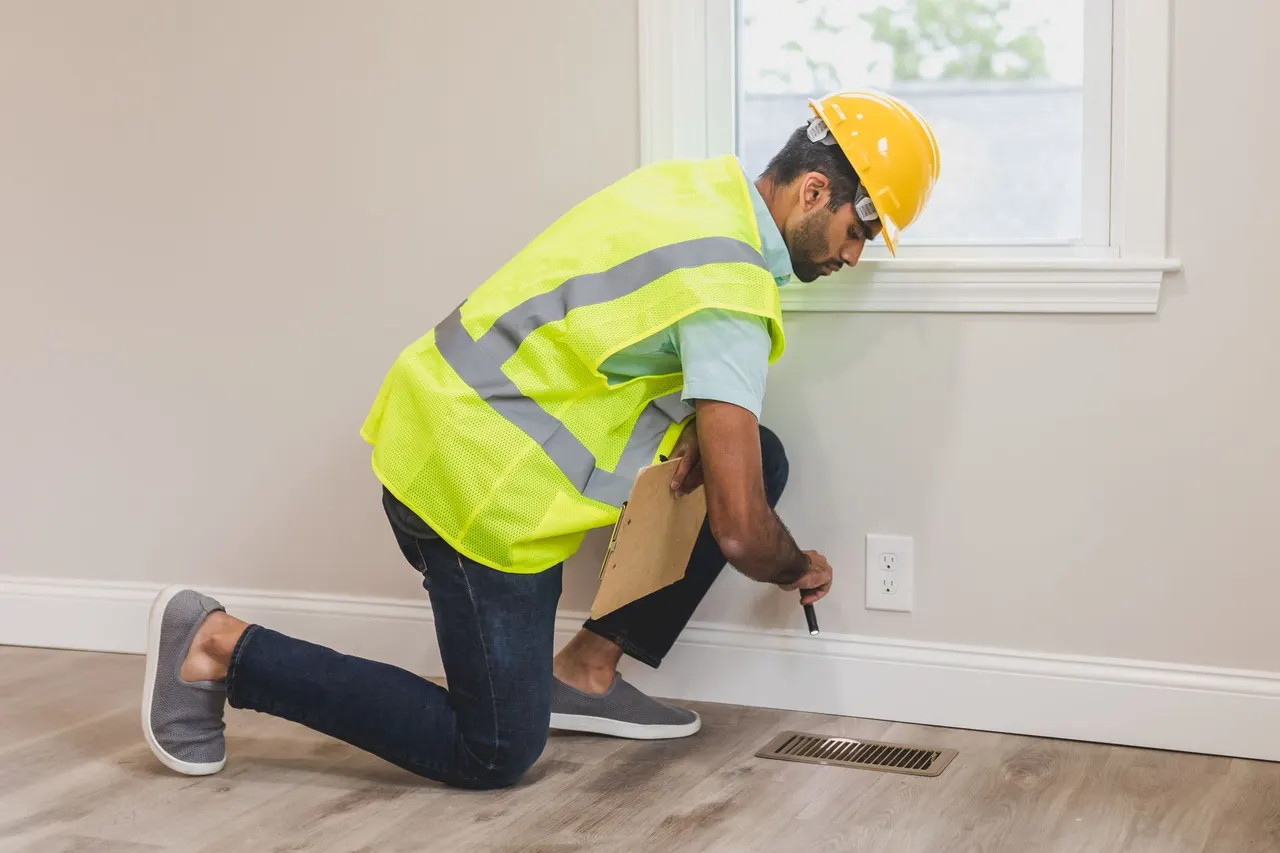
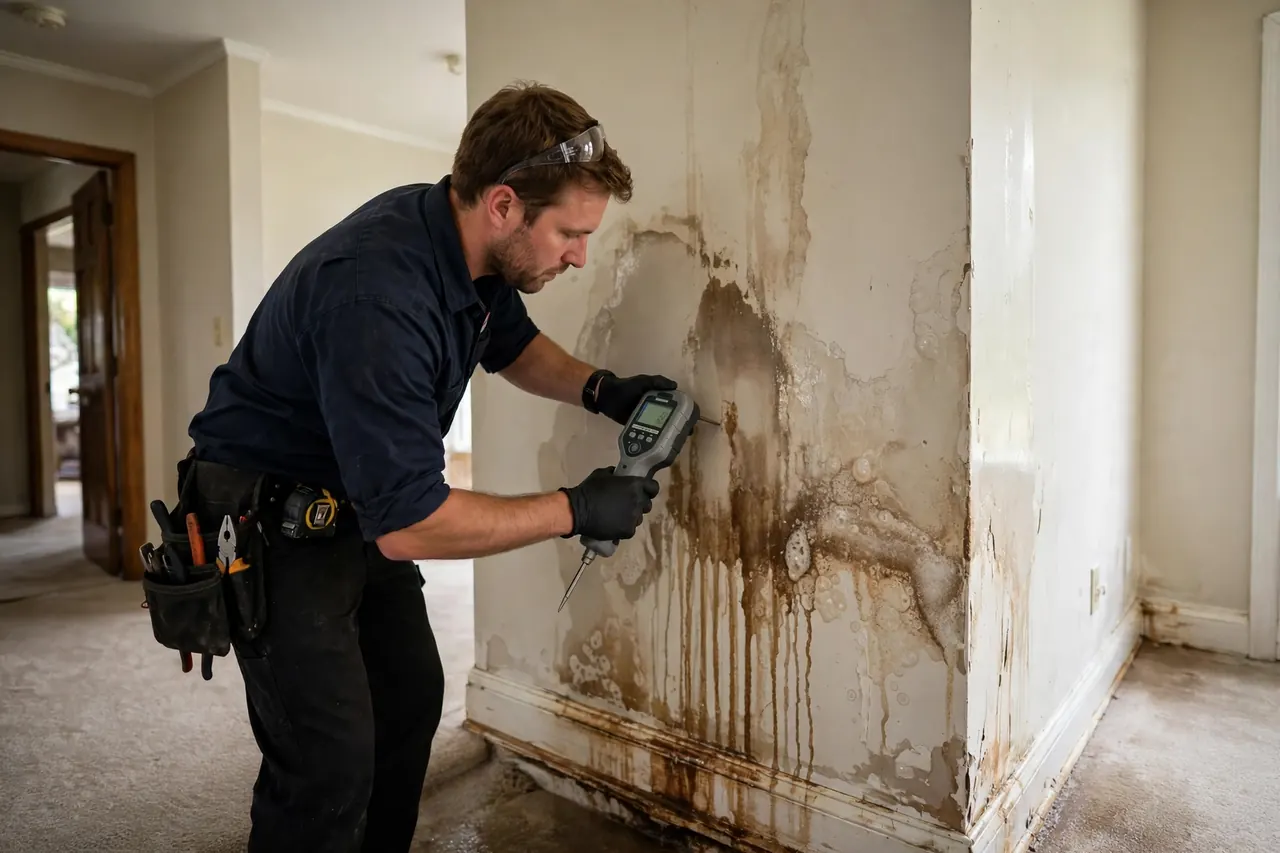
Our first step is to stop the supply and find the route: we check the appliance connections, read the floor and wall behind them, and inspect the space above any ceiling stain as well as the room below it. Equipment is placed from those readings, not from the puddle, so the drying plan covers the subfloor and the wall cavity rather than only the floor you can see.

Most Treasure Valley homes sit on a slab or over a crawl space rather than a full basement, so water in Bridgetower spreads across finished ground-floor rooms and wicks up drywall instead of pooling below. That is why a laundry leak can reach a hallway and a ceiling leak can wet two rooms before either one is obvious.
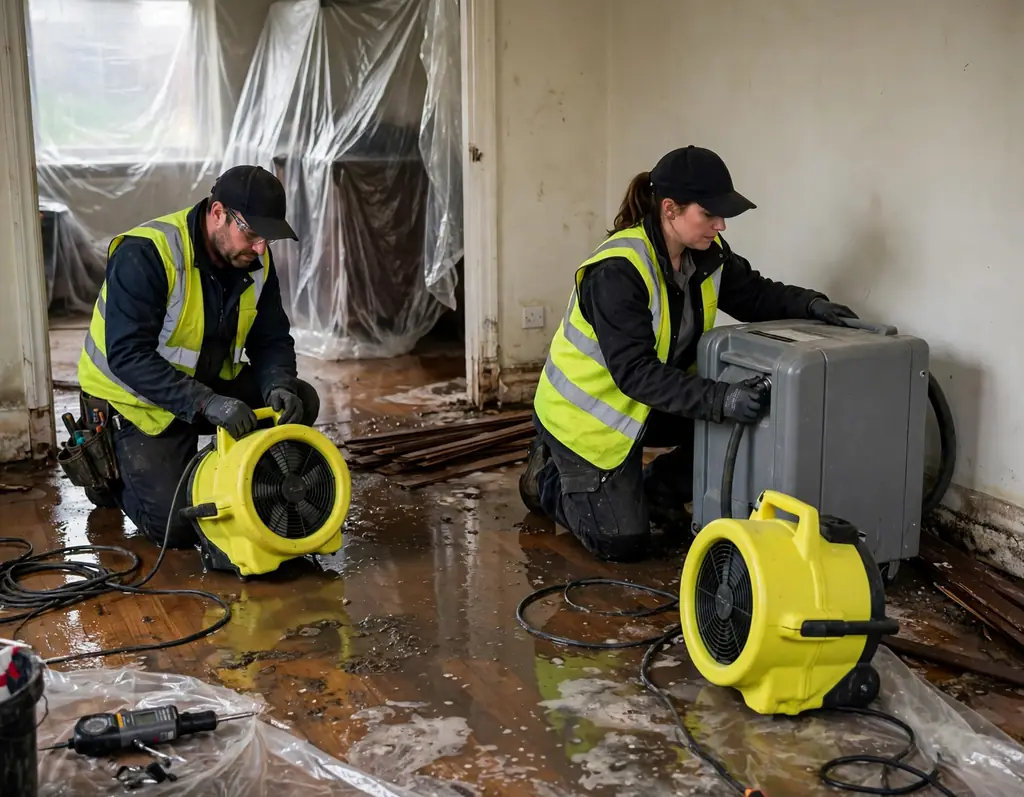
Emergency Water Services in Bridgetower

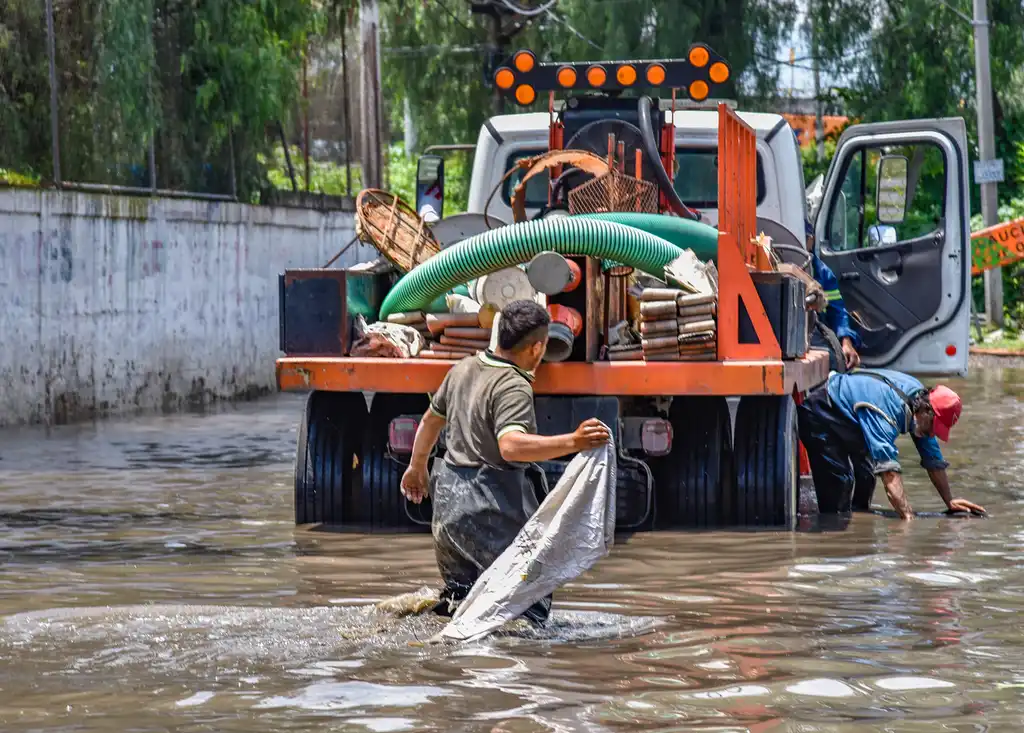
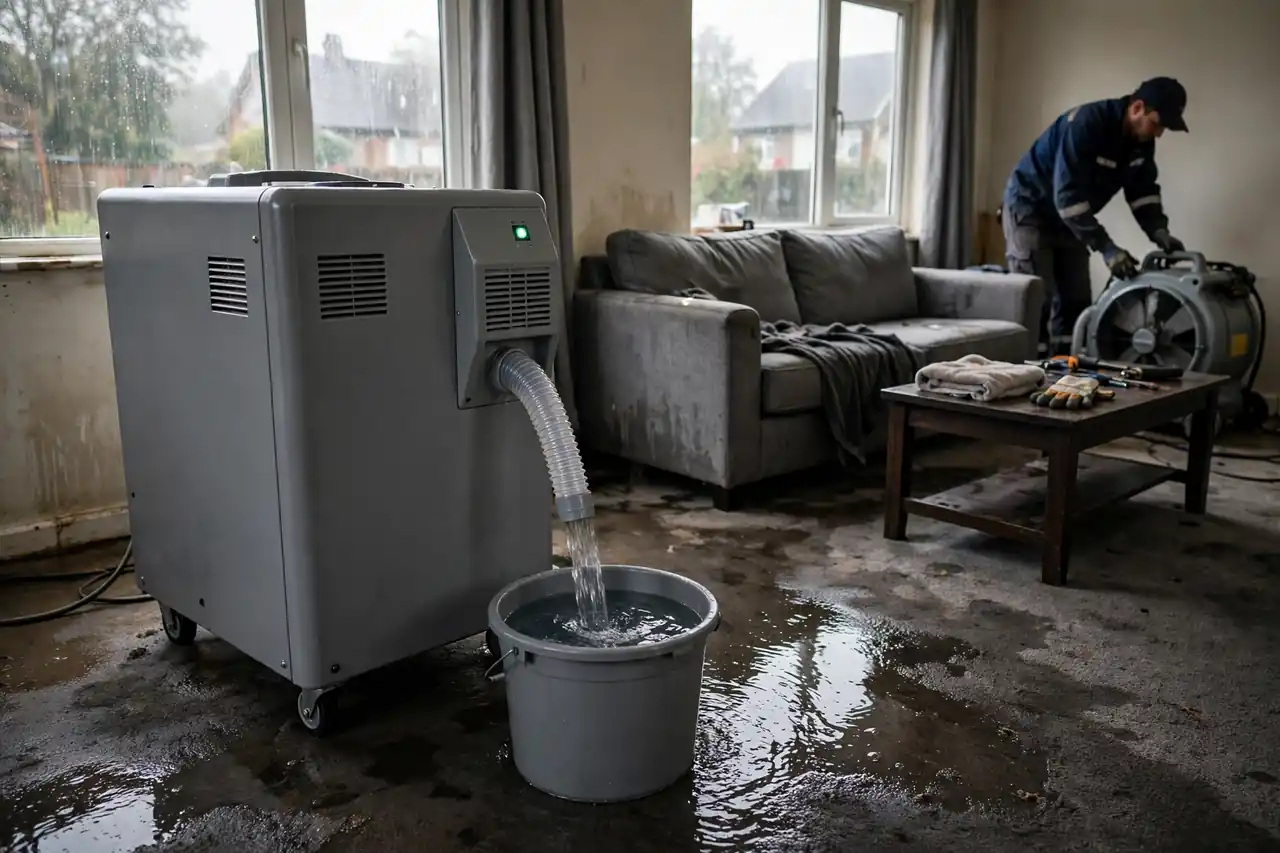
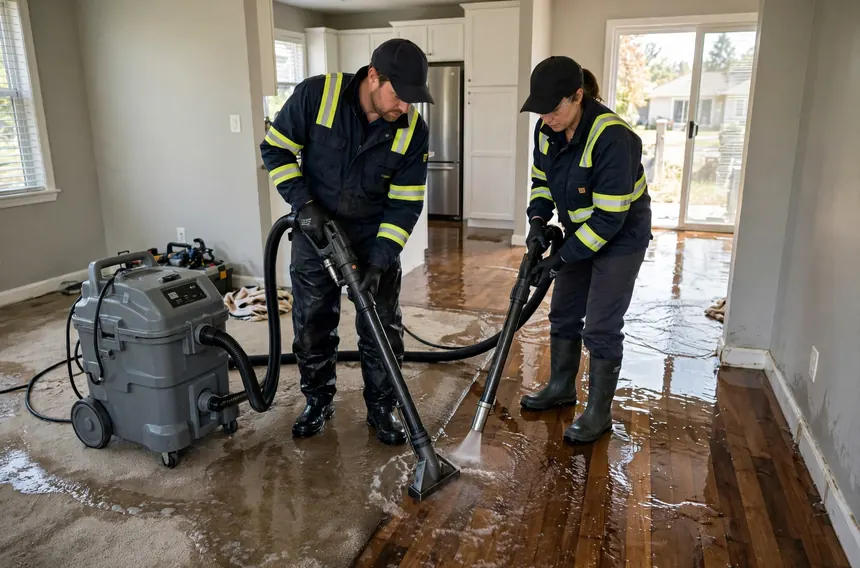
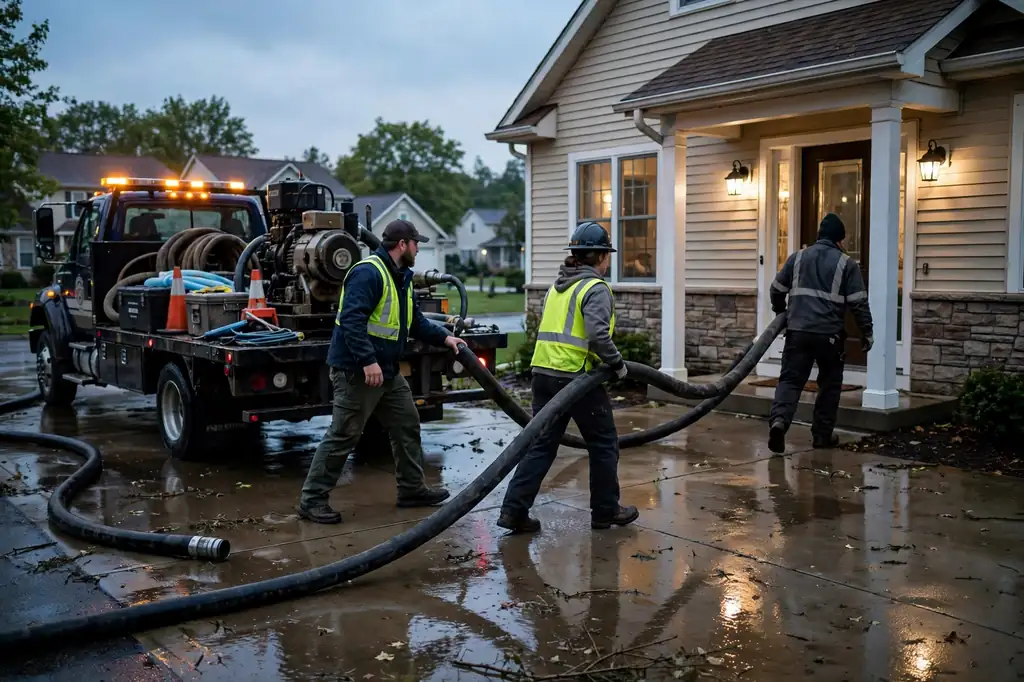
Bridgetower homes need a response that separates clean supply-line water from contaminated or storm-driven water, because the cleanup method changes with the source. Our service starts by stopping or isolating the flow, extracting standing water, and checking adjacent rooms for migration. For a call seeking emergencywaterextraction near Bridgetower ID, we bring equipment sized to the affected area and explain what needs immediate attention. New construction does not prevent leaks; appliance connections, plumbing joints, and roof penetrations still need prompt inspection. We also coordinate drying and repairs so your household knows what happens after the first visit.

Water services around Bridgetower

Emergency restoration in Bridgetower

Emergency restoration in Bridgetower

We locate the water source, protect dry rooms, and check connected spaces in Bridgetower homes. Our crew removes standing water before choosing drying equipment. You see the affected areas and readings that guide each next step.
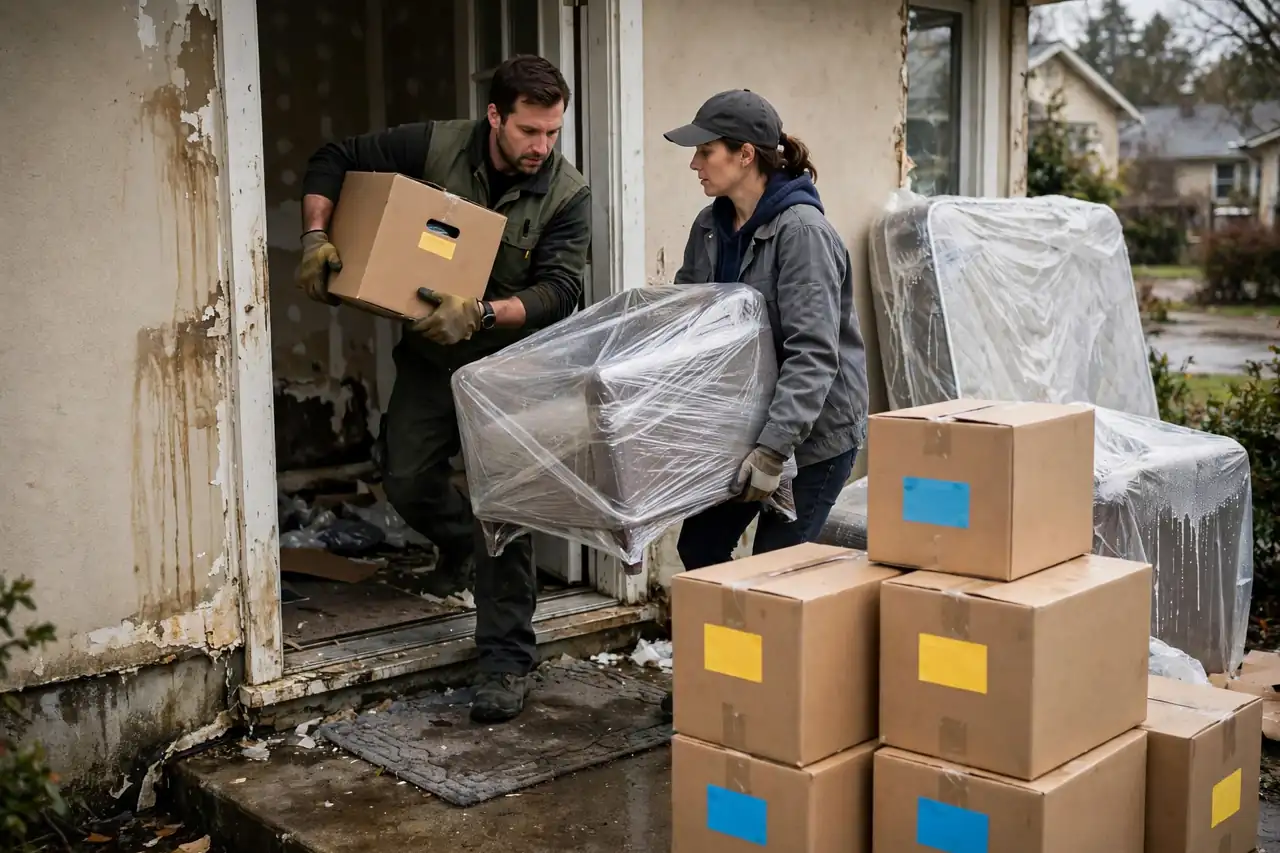
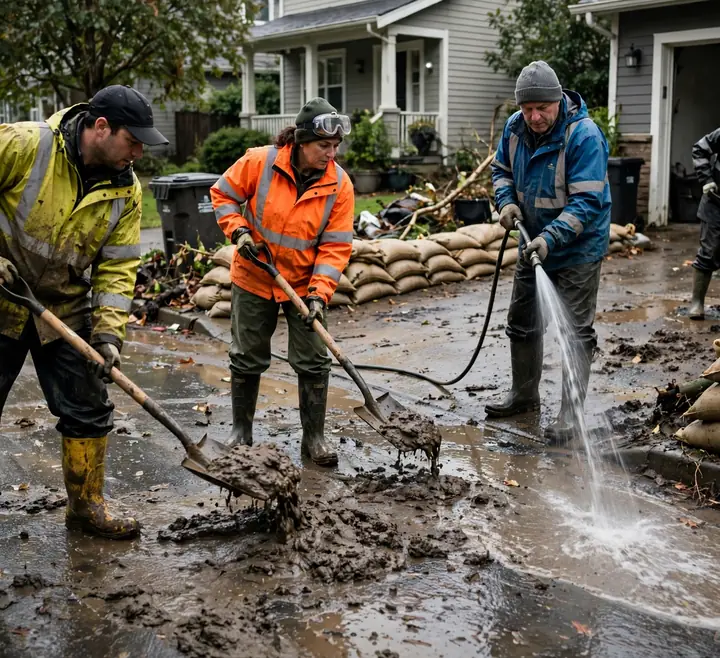
  • Trace the leak source
  • Protect nearby rooms
  • Record moisture readings
For Bridgetower homes

For Bridgetower homes

We help Bridgetower households address leaks, storm intrusion, and water on finished floors. Our checks focus on the source, affected materials, and the safest route through your home.

  • New construction homes
  • Compact family floor plans
  • Finished lower-level rooms
  • Homes near Bridgetower Loop
For nearby businesses

For nearby businesses

We coordinate water cleanup for properties serving the wider Kuna area. We document affected rooms and contents, then plan access to limit interruption while drying proceeds.

  • Small office interiors
  • Retail and service spaces
  • Shared building corridors
  • Storage and records rooms

Common Bridgetower Water Emergencies

Bridgetower losses tend to start at an appliance, a roof, or a pump, so the four problems below are the ones we check first on arrival, in that order.

  • Appliance Hoses and Fittings Leak Under Flooring

    Appliance Hoses and Fittings Leak Under Flooring

    A washing-machine hose, a dishwasher connection, or a refrigerator supply line can fail slowly and wet the subfloor for weeks before the surface shows it. In Bridgetower, the clue is usually a soft spot, a lifted floor edge, or a damp cabinet base near the appliance. We shut the supply, pull the appliance clear where it is safe to do so, and take readings under and around it, because the wet area under an appliance is almost always larger than the visible stain.

  • Condensate and Drain Lines Wet Utility Areas

    Condensate and Drain Lines Wet Utility Areas

    A clogged condensate line in Bridgetower can overflow a drain pan and wet a utility room floor a little at a time, often mistaken for a plumbing leak. We trace the drain path, clear the immediate water, and measure the floor and nearby wall bases to see how far it spread. Drying follows the readings, and we explain which line needs attention, because a drain that is only pumped out without clearing the clog will wet the same floor again.

  • Slow Leaks Leave Dampness That Turns Musty

    Slow Leaks Leave Dampness That Turns Musty

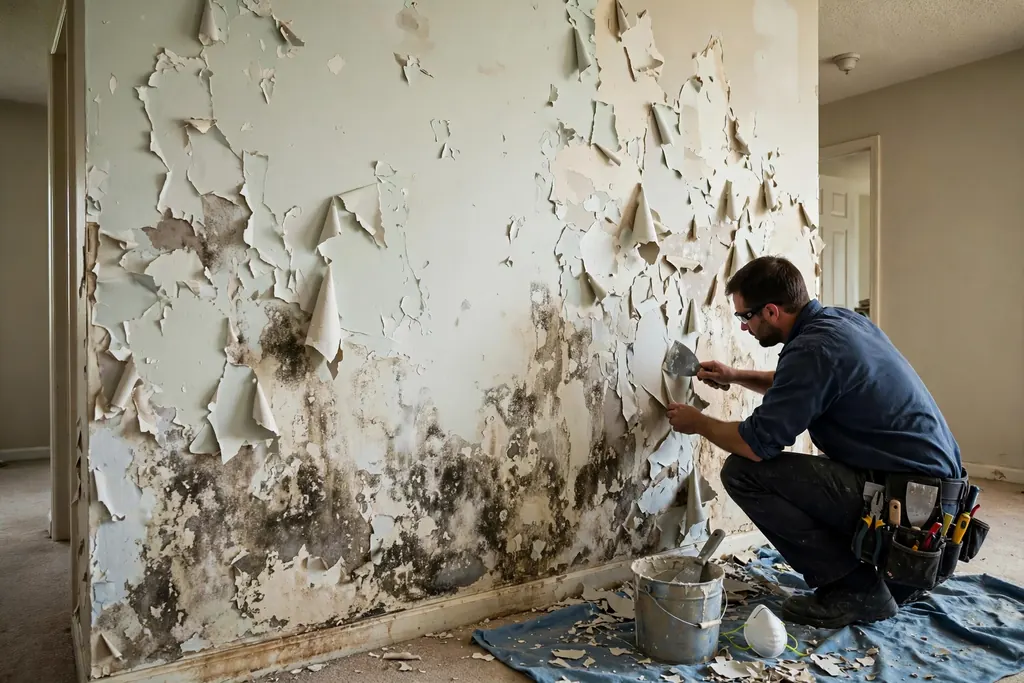
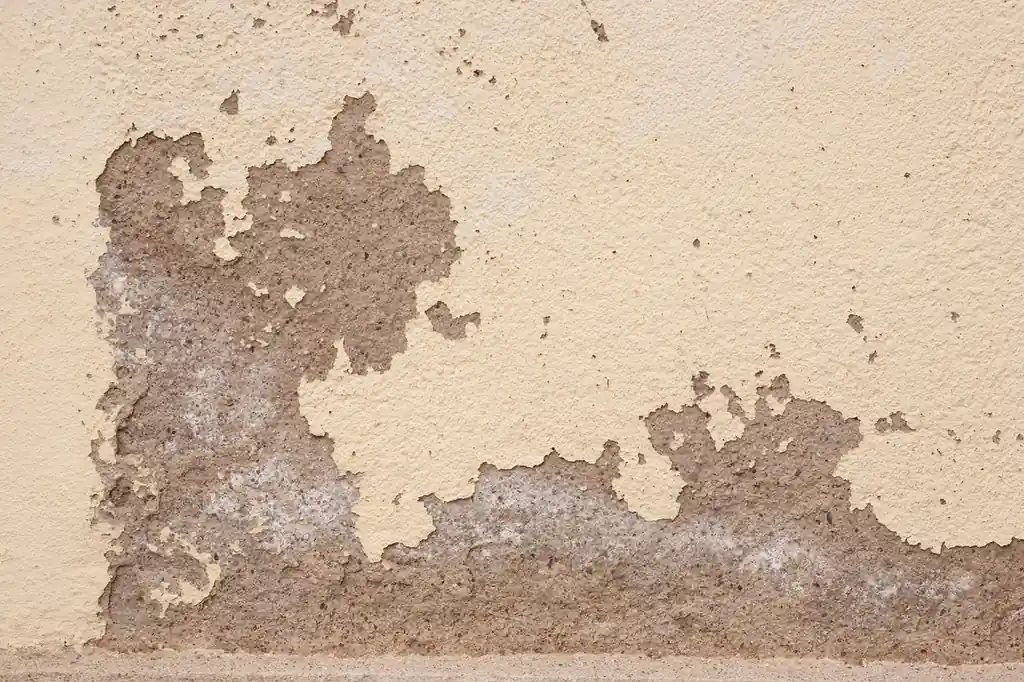
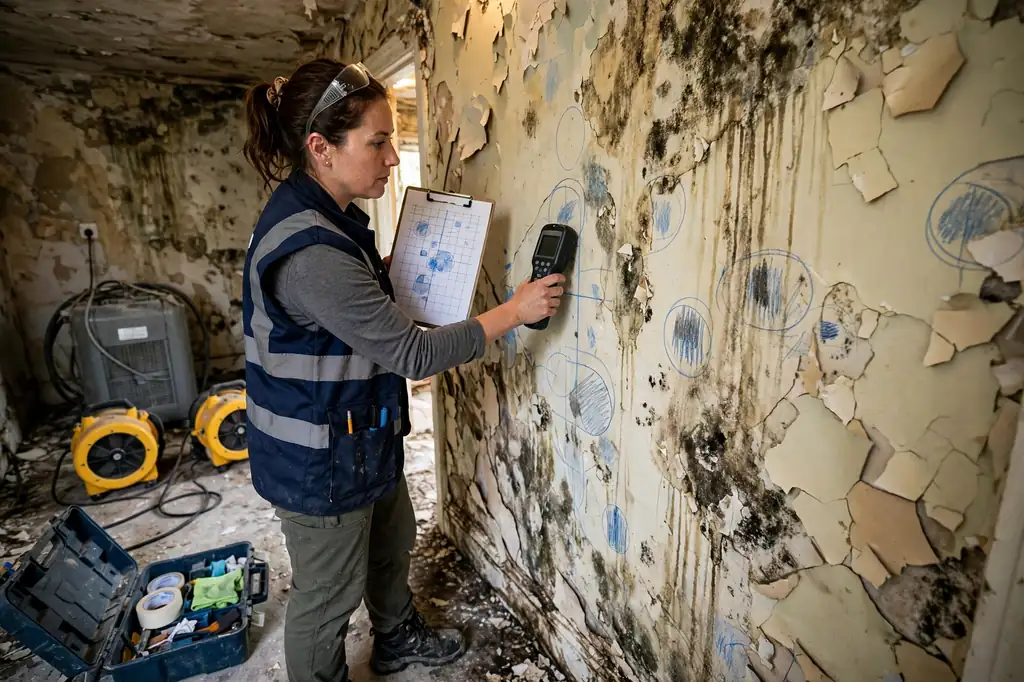
    A leak that stays damp for days will start to smell musty long before anything is visible, and the smell is the warning that moisture is sitting in a wall cavity or under flooring. In Bridgetower, we find the source, extract, and dry from meter readings, and we check the hidden spaces — behind baseboards, inside the cavity, under the floor edge — because surface drying alone leaves the dampness that causes the smell. If growth is visible or the smell persists after drying, we explain what inspection and testing would involve.

  • Supply-Line Fittings Leak Behind Cabinets and Walls

    Supply-Line Fittings Leak Behind Cabinets and Walls

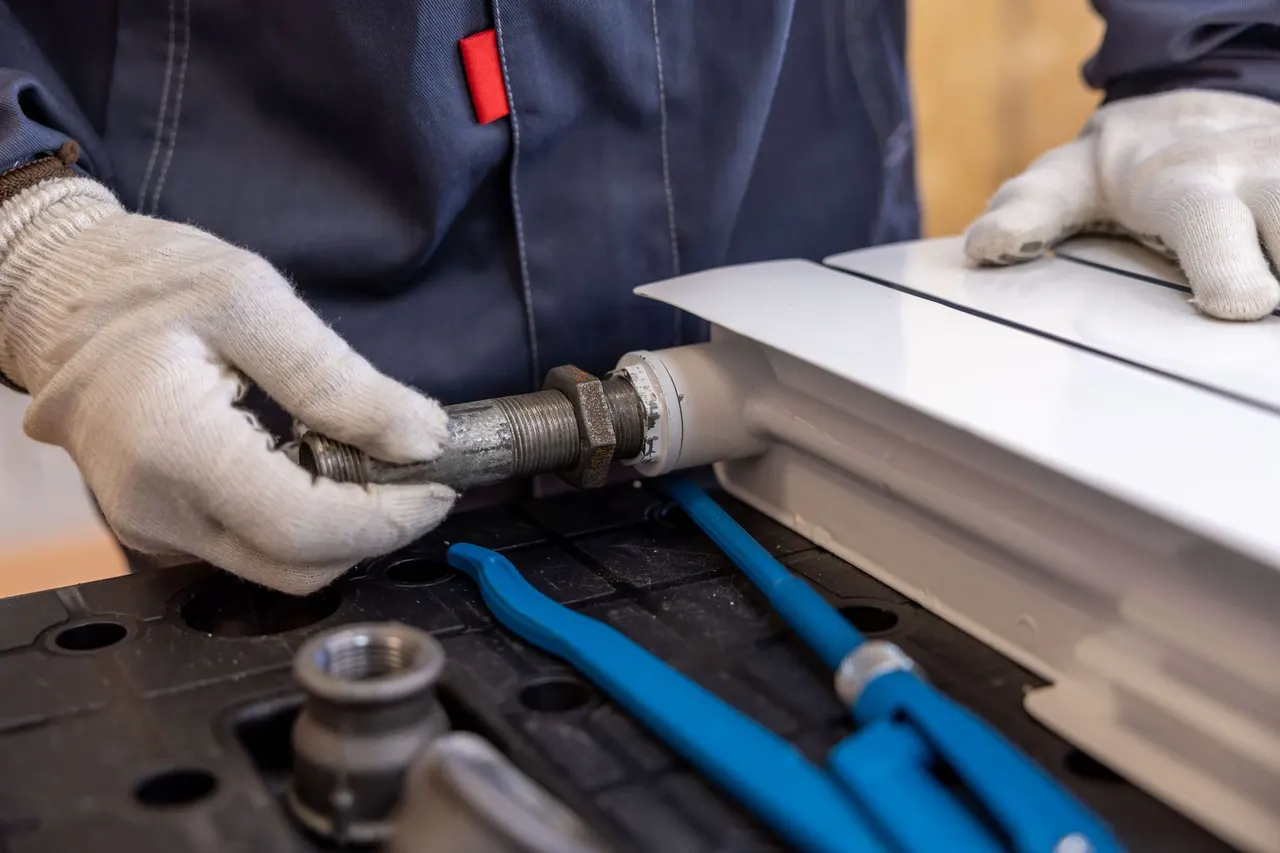
    A fitting that weeps behind a wall in Bridgetower can wet insulation and drywall for days before the surface shows anything. We trace the damp path with a meter rather than opening walls blindly, stop the supply at the nearest shut-off, and dry the cavity from the readings. The repair note names the failed fitting and the rooms it affected, so the plumber and the drying record agree on what happened.

When to Call for Water Damage Repair

Call when water keeps spreading, a ceiling sags, or flooring stays wet after extraction.

  • Water continues flowing after the fixture is off

    A supply line, appliance connection, or hidden pipe may still be feeding the leak. Shut off the nearest safe valve or the main supply, then call for help. If the water is near an outlet, panel, or appliance, do not step into it; have the area assessed before power is restored.

  • Ceiling paint bubbles or begins to sag

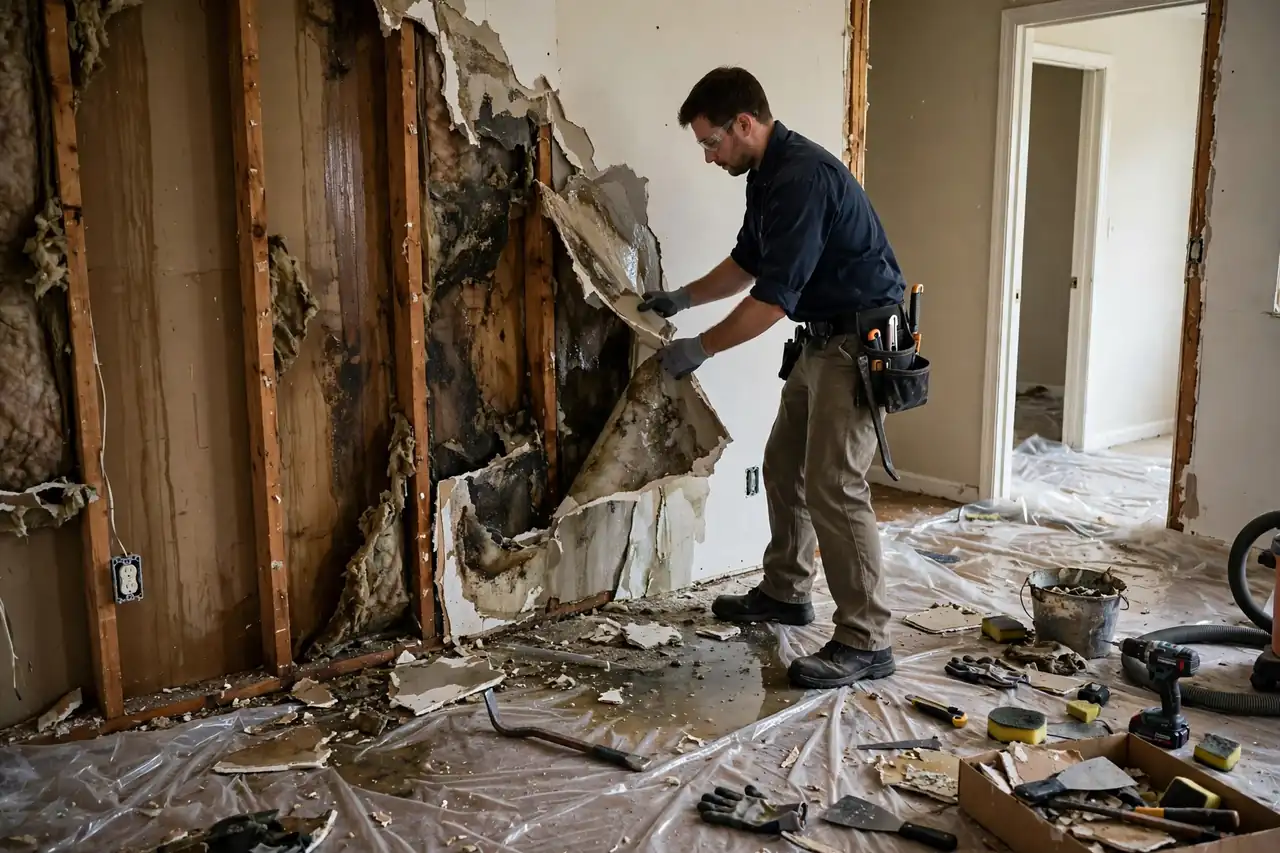
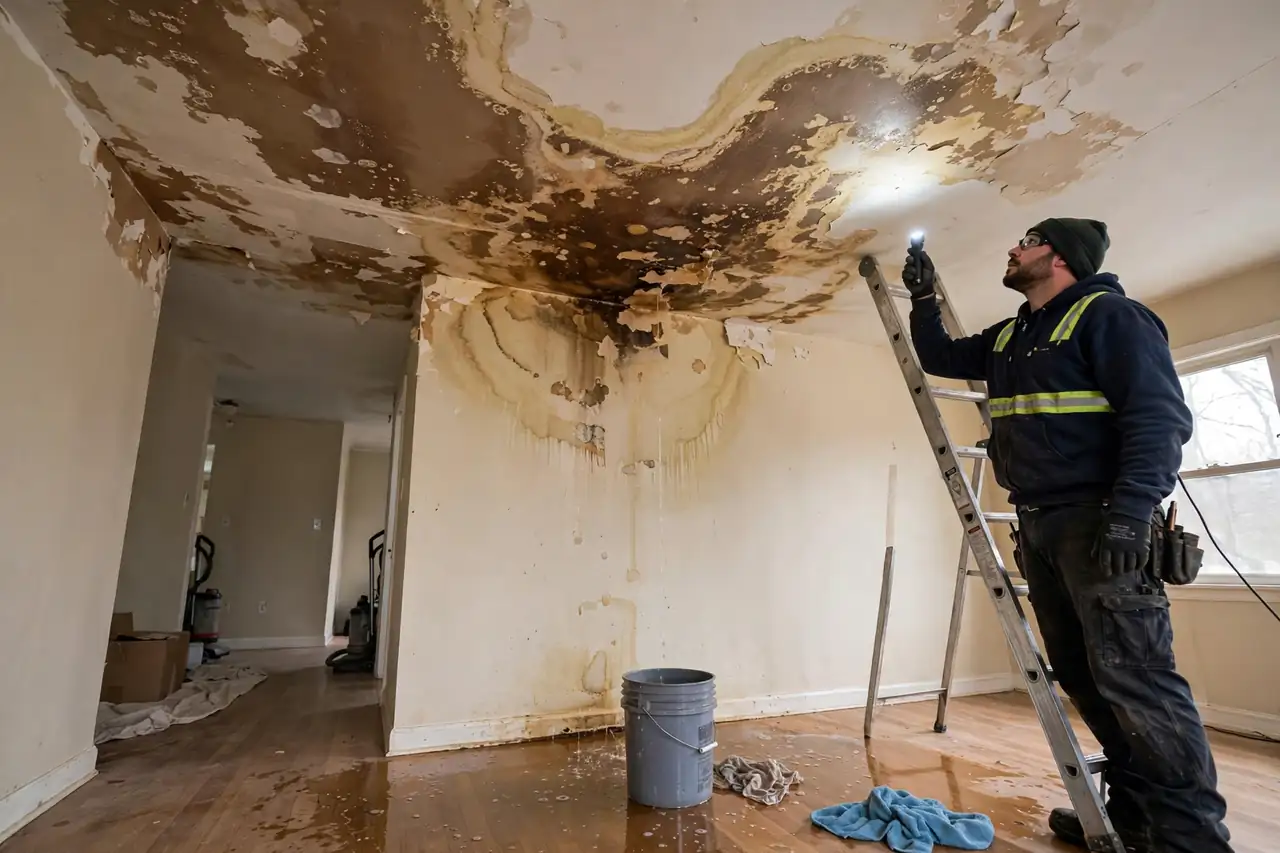
    A bulge can hold water above the ceiling and may release suddenly. Keep people and furniture clear of the area and do not press or puncture it. We trace the source, protect the room below, and determine whether the ceiling assembly needs controlled opening.

  • Floorboards cup or carpet stays wet

    Cupped hardwood or wet carpet edges indicate moisture has moved beyond the visible spill. Carpet padding and wood flooring can hold water after surface extraction. Prompt inspection helps establish how far it traveled and whether targeted drying or material removal is needed.

  • Musty odor follows a leak or backup

    A persistent odor can point to damp porous materials or residue in a concealed area. After sewage backup, avoid contact and keep the affected room closed off. We locate the source, assess the materials, and clean or remove what cannot be safely restored.

  • Water gathers at the foundation or lower level

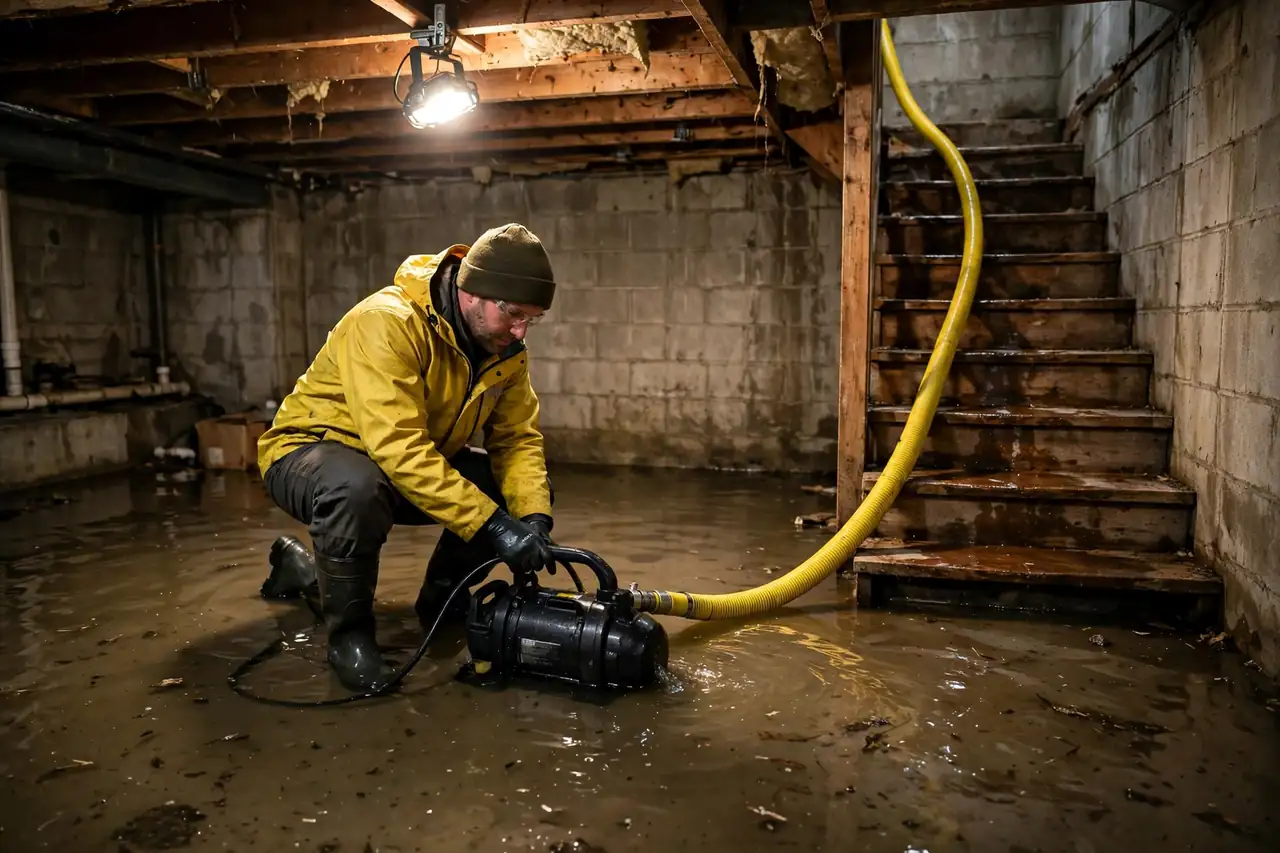
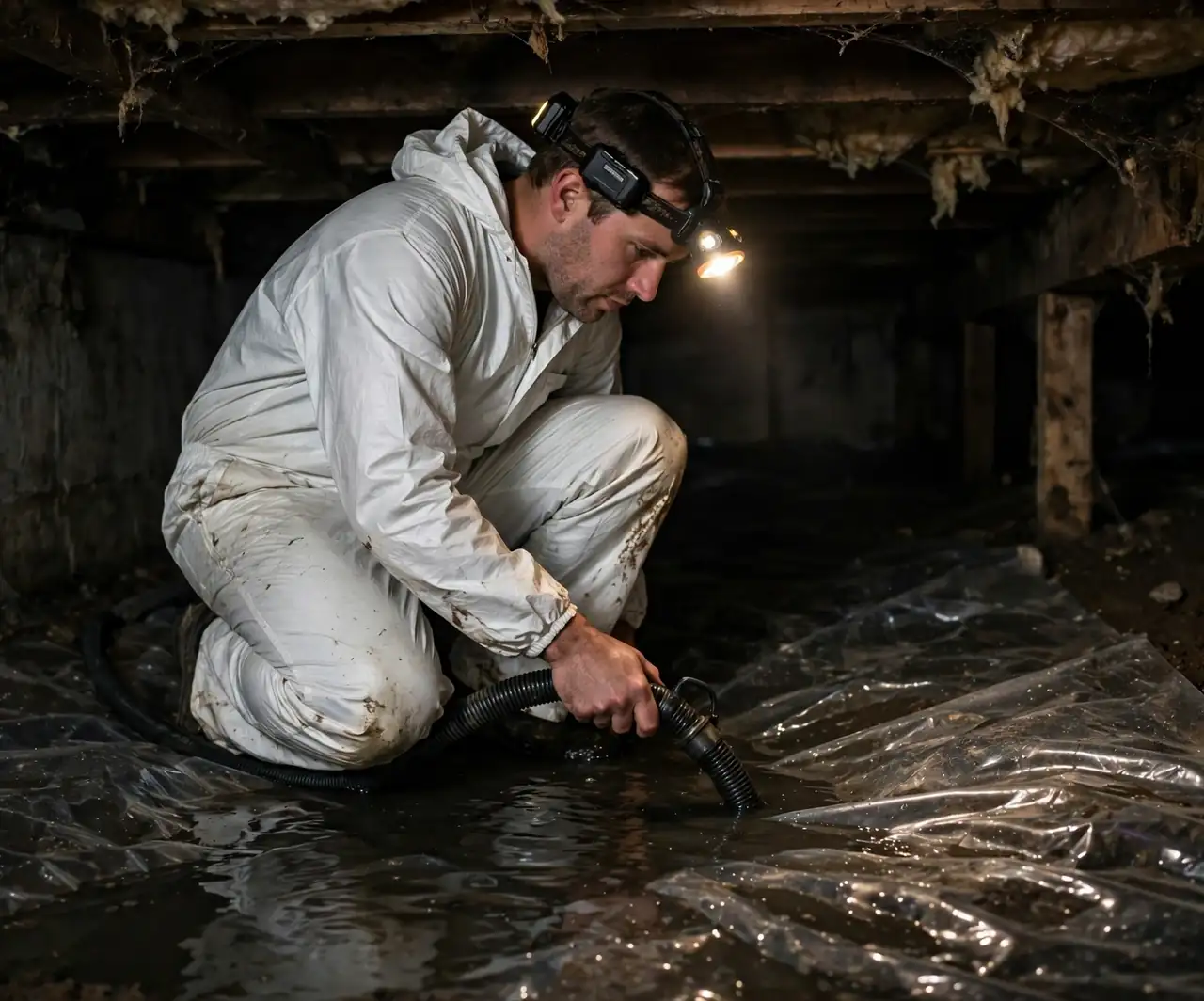
    Pooling near a foundation, crawl space, or basement can signal seepage, runoff, or a failed sump pump. Move valuables out of standing water only if the area is safe. We extract water and inspect drainage and pump conditions before recommending further work.

How We Handle Bridgetower Water Emergencies

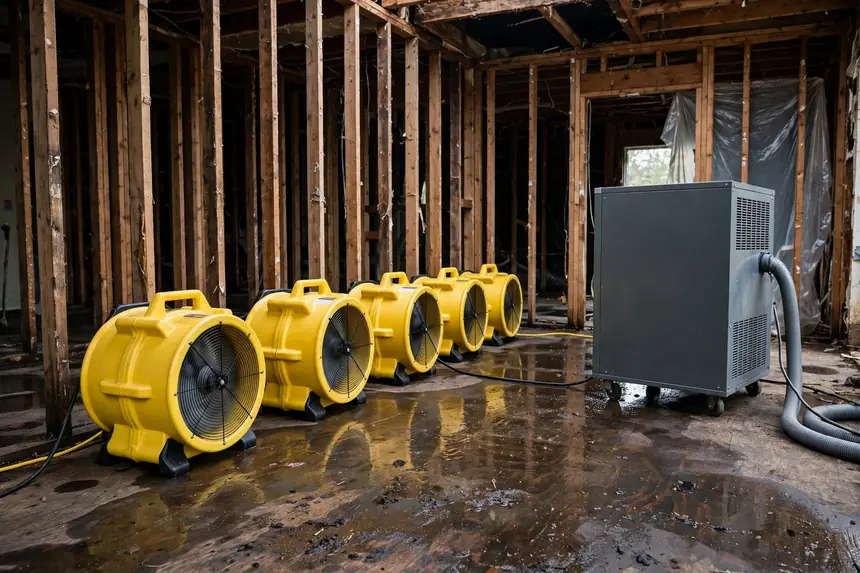
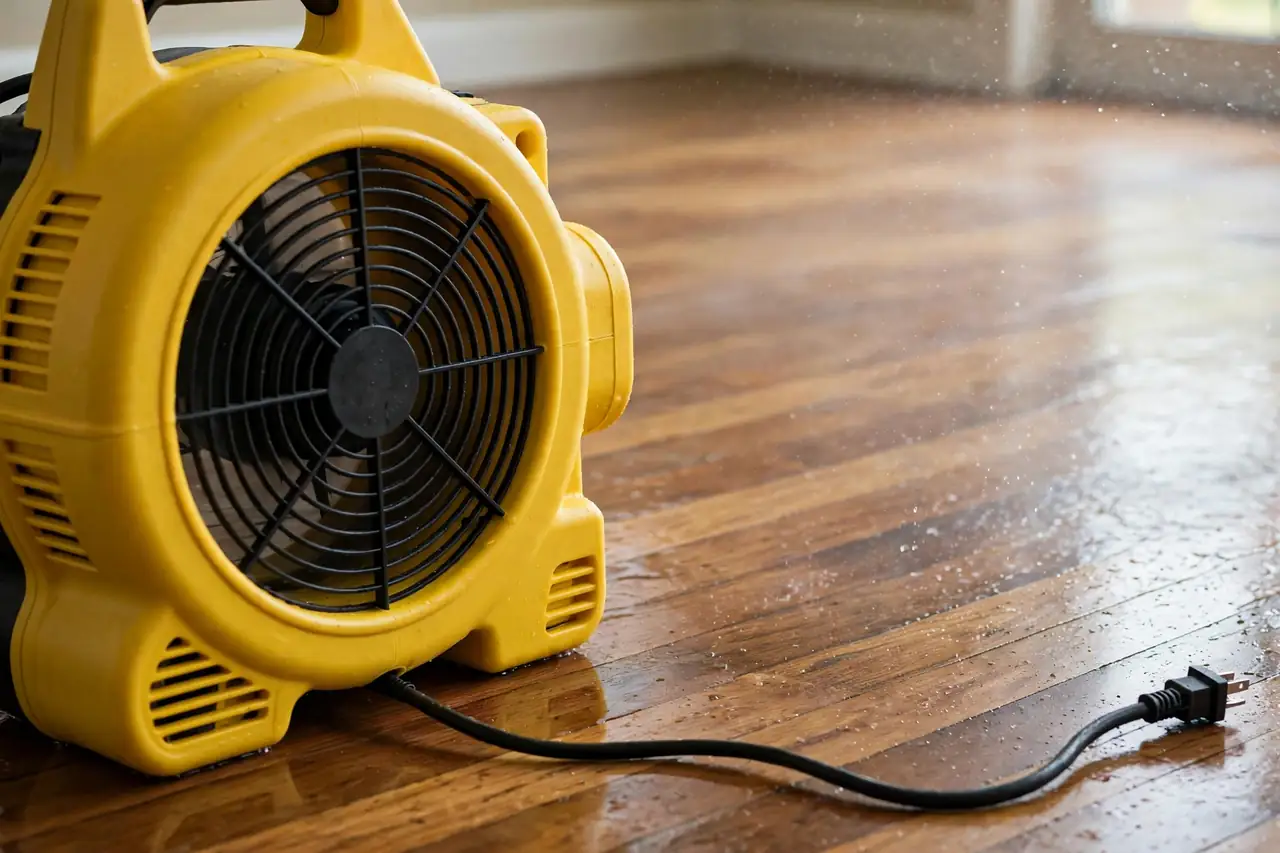
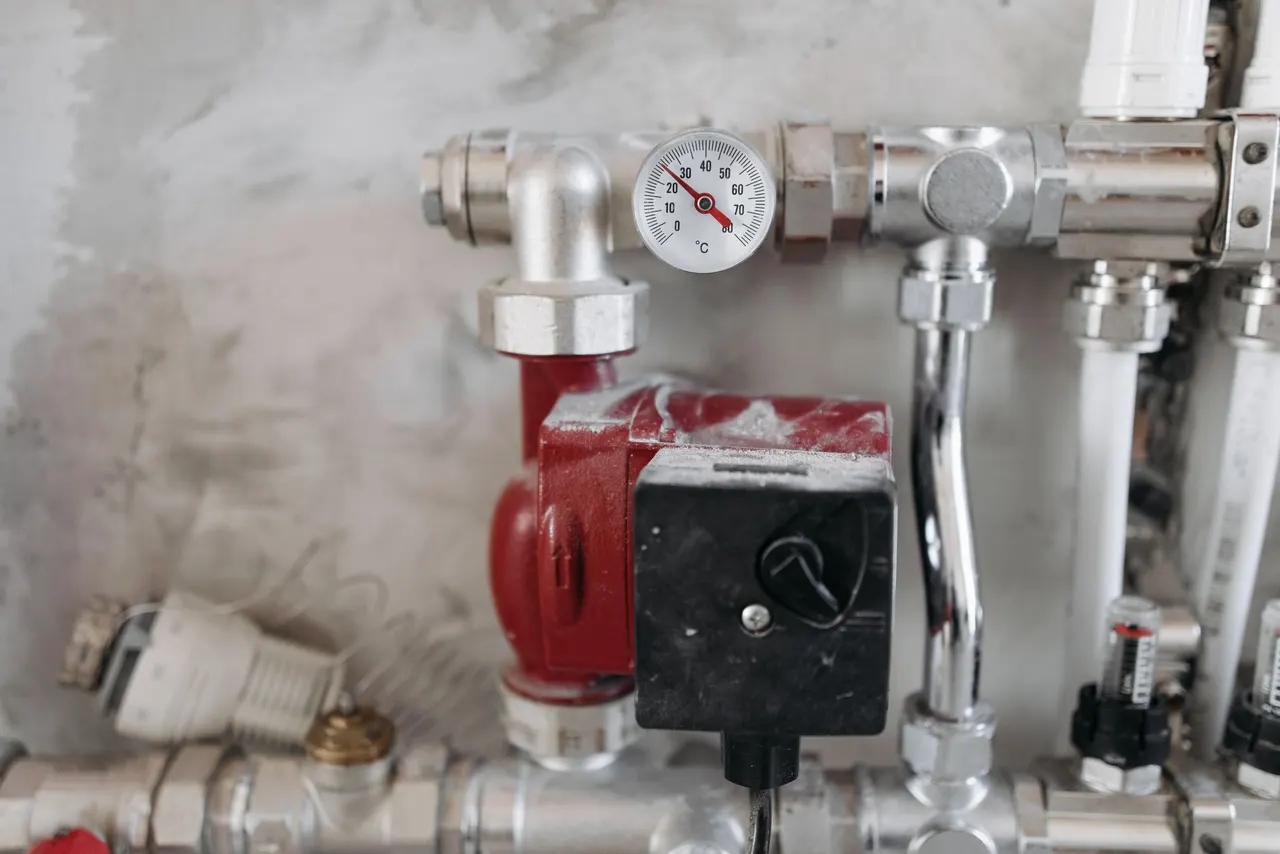
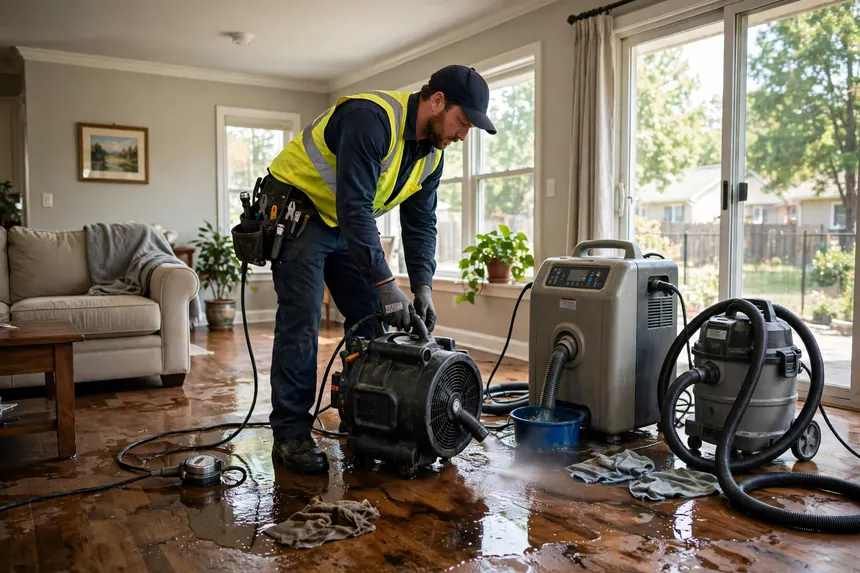
Bridgetower emergency water damage repair begins with a phone check: where water is visible, whether the source is active, and whether power or sewage is involved. We plan access around compact lot sizes and ask which entrance gives the safest route for extraction equipment. At the home, we isolate the source when possible, photograph affected areas, and take baseline moisture readings before moving contents. We use a hygrometer to track room humidity and place air movers and a dehumidifier according to the materials being dried.

  • Compact lot sizes require careful equipment access and staging.

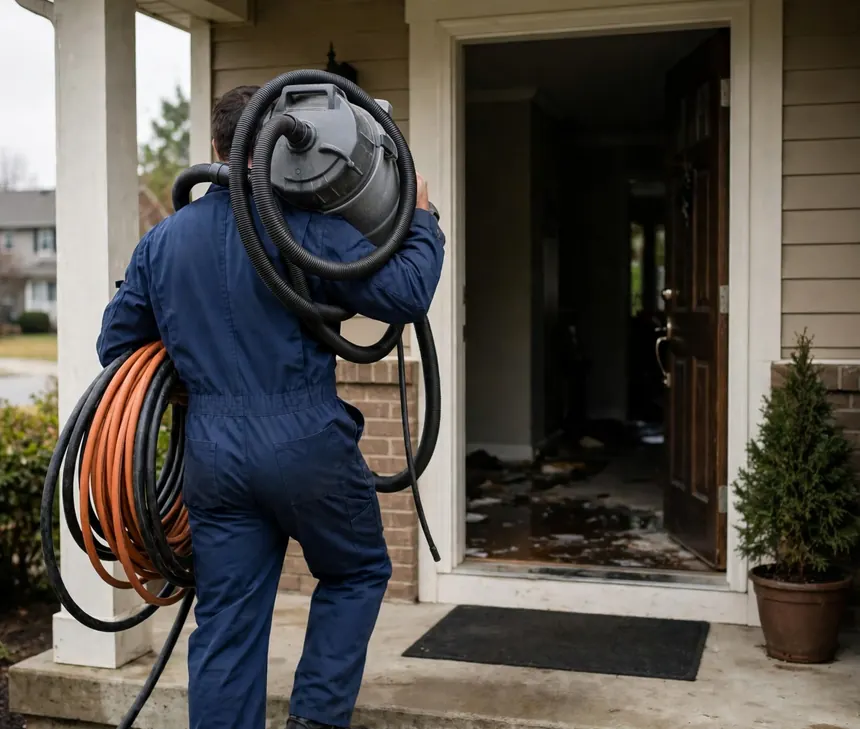
    Closely spaced homes and limited driveway space can make it harder to place extraction equipment without blocking household access. In an emergency, a clear route from the entry to the wet room helps us work efficiently and keeps hoses, cords, and removed materials organized. Before arrival, we ask which entrance is usable and where water is concentrated. We stage only the equipment needed for the first pass, protect traffic paths, and keep the work area controlled. If a vehicle or walkway must remain clear, we plan hose routing and equipment placement around that need.

  • New construction homes still hide moisture behind finished surfaces.

    Newer finishes can look intact while water travels below flooring or into a wall cavity. A small appliance leak can reach insulation or baseboards before a stain appears, and quick cosmetic drying alone may leave moisture behind. We compare moisture readings across the affected room and adjacent dry areas, then use thermal imaging to guide targeted checks. We explain why a material needs monitoring or selective opening before taking that step. The goal is to dry the assembly without removing sound finishes unnecessarily.

  • Irrigation runoff or seasonal storms can collect near foundations.

    Water entering at a low point can wet stored items and lower wall finishes before the household notices. The source may be exterior runoff, plumbing, or a failed pump, so the cleanup plan depends on finding the path rather than treating every event as a simple spill. We remove standing water, inspect the perimeter and sump equipment, and document visible entry points. Where water keeps returning, we discuss drainage corrections such as a suitable french drain pipe or pump repair. Interior drying and source control are handled as connected steps.

  • ANSI/IICRC S500 water damage restoration standard

    The S500 standard informs assessment, water categorization, extraction, and structural drying practices. We use its framework to guide work decisions, record affected materials, and communicate drying progress. The actual plan still depends on the water source and conditions found inside your Bridgetower property.

  • EPA Lead-Safe work practices where applicable

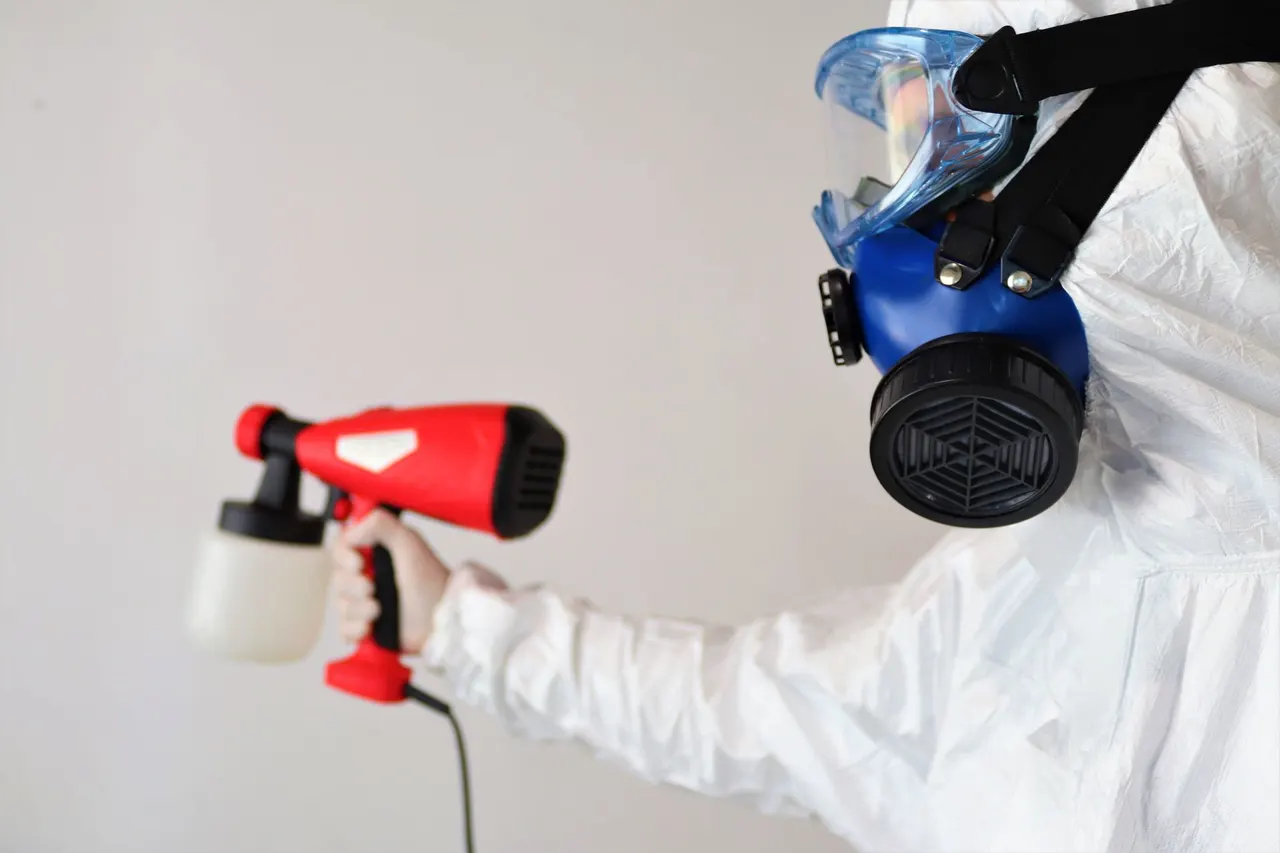
    If repair work disturbs painted surfaces in a building subject to lead-safe requirements, work practices must account for that risk. We identify the need before disruptive repairs and keep mitigation separate from finish work that may require additional controls.

Landmarks That Help Us Navigate

Bridgetower community park and the pedestrian bridge are familiar orientation points when customers describe a home or give directions. We use them to narrow the location, then confirm the street address and best entrance before unloading equipment. Neighborhood references help with navigation only; the water source and damage pattern are determined at the property. Our service area includes Bridgetower addresses in ZIP code 83634, with dispatch coordinated from the broader Kuna area.

  • Bridgetower community park

    The community park is a recognizable local reference for locating nearby Bridgetower streets. A caller can use it to describe general direction, but the full street address remains necessary for accurate routing and service access.

  • Pedestrian bridge

    The pedestrian bridge offers another practical orientation point within the community. It can help distinguish nearby routes during a phone call, while the exact home entrance and affected room guide the work plan.

  • Bridgetower Loop

    Bridgetower Loop is a neighborhood street reference that helps identify the part of the community where a customer needs service. We use the street name for navigation and confirm the address before arriving.

  • Kuna Town Center

    Kuna Town Center is a named local service-area destination outside the Bridgetower residential streets. Its businesses and community services form part of the wider Kuna area our team serves.

  • Downtown Kuna

    Downtown Kuna is a nearby town-center reference in the broader service region. It provides a clear regional point for customers coordinating service between Bridgetower and other Kuna neighborhoods.

  • Meridian Road

    Meridian Road is a useful regional route reference for reaching the Kuna area. We confirm the final neighborhood entrance and address with the customer before traveling to a Bridgetower property.

  • Kuna Road

    Kuna Road connects local trips across the Kuna service area. It helps orient regional access, while internal Bridgetower directions are confirmed directly with the homeowner.

Bridgetower Neighborhood Coverage

We serve homes throughout Bridgetower, including the streets around Bridgetower Loop and Bridgetower Crossing. The community's compact layout makes it useful to know the correct entrance and the affected room before unloading equipment. If you call from ZIP code 83634, tell us whether water is on an upper floor, in a lower level, or near an exterior wall. That detail helps us bring the right extraction and inspection tools.

  • Bridgetower Loop
  • Bridgetower Crossing
  • Bridgetower community park area
  • Pedestrian bridge area

Bridgetower Water Damage Work Examples

  • Bridgetower Loop

    Before

    A supply hose leak left water across a family home's kitchen floor and dampened the adjoining baseboards before the shutoff was reached.

    After

    We isolated the affected area, extracted visible water, and checked the cabinet edges and adjacent flooring with a moisture meter. We moved lightweight contents away from the wet path and set air movers to circulate air across the floor. Follow-up readings guided equipment adjustments rather than relying on a fixed run time. The initial extraction and inspection covered 2 rooms. Drying equipment was checked over 3 visits, and the affected floor readings returned to the dry comparison range before repair planning.

  • Bridgetower Crossing

    Before

    A ceiling stain appeared after rain, with damp drywall near an upper-level roof penetration and water marks on the room below.

    After

    We protected the furniture, checked the ceiling and adjoining wall, and documented moisture before opening any finish. After the roof entry was controlled, we dried the affected assembly and monitored the ceiling and wall readings. The homeowner received a clear sequence for interior repair after drying. Two connected areas were inspected, and moisture checks were recorded at 4 locations. Drying continued until readings stabilized, limiting unnecessary removal of unaffected ceiling material.

  • Bridgetower community park area

    Before

    A sump pump failure allowed water to collect in a lower-level storage area, wetting several boxes and the edge of finished flooring.

    After

    We removed standing water, separated wet contents from dry belongings, and checked the floor perimeter and sump pit. A dehumidifier and directed airflow supported drying while the pump issue was assessed. We recorded which items needed cleaning and which materials required further inspection. Water was extracted from 1 lower-level area, and 3 material groups were assessed: stored contents, flooring, and wall edges. Follow-up checks tracked the drying progress and pump condition.

Bridgetower Water Risks by Season

  • Spring

    As the ground thaws and spring rain arrives, water finds the low spots around a foundation and the gaps in flashing that winter hid. Inspect the roof line and gutters, watch the base of exterior walls after rain, and run the irrigation system zone by zone to catch a cracked line early. A stain that appears in spring usually started months earlier, so trace it before patching it.

  • Summer

    Hot, dry summers make it easy to miss a slow leak, because the surface dries within hours while the subfloor stays wet. Check sprinkler zones for overspray and broken heads, look behind the washing machine and under sinks, and watch for a musty smell in rooms beside the irrigation lines. If a damp patch keeps returning in the heat, the water is still coming from somewhere, and a meter will find it.

  • Fall

    Fall is the time to get ahead of winter: clear gutters before the leaves settle, check the roof flashing before the first freeze, and find the main water shut-off before a pipe ever bursts. Drain and shut down the irrigation system when the season ends, because a line left full of water is the first to split in a cold snap. A dry autumn is the cheapest time to fix the small things that become emergencies in January.

  • Winter

    A hard freeze can split a pipe in an unheated space and the leak may not show until the thaw, when water runs inside a wall or ceiling. Keep the house heated even when you are away, protect exposed pipes, and know where the main shut-off is before you need it. If you find water, stop the supply, keep clear of any ceiling that is sagging, and get extraction started before the water reaches the next room.

Questions to Ask a Bridgetower Restoration Crew

A good water damage crew can explain what happens first, what equipment is needed, and how drying progress will be measured. Ask how the team distinguishes visible damage from moisture behind flooring or drywall. In Bridgetower, also ask whether they will protect walkways in a compact home and document affected rooms for your records. Clear answers matter more than a sales pitch. You should know who is handling extraction, how follow-up checks work, and what event would require changing the plan.

  • How will you find water behind the baseboards?

    The answer should describe moisture readings and a method for checking adjoining areas, not just a visual inspection. A crew that compares affected materials with dry reference points can explain where moisture is present and why a wall or floor needs monitoring.

  • What will you do before placing drying equipment?

    The crew should identify the source, remove standing water, protect contents, and assess the materials first. Equipment placement without those steps can leave the cause active or direct airflow where it will not help. Ask how the team will keep pathways usable.

  • How often will you check moisture readings?

    Drying equipment needs follow-up checks to show whether materials are responding. Ask how readings are recorded and what would cause a change in equipment or removal plan. A clear answer ties the schedule to the affected structure and observed progress.

  • Can you explain what my insurance adjuster will need?

    The contractor should be able to document the water source, affected rooms, visible damage, and work performed. That information helps you discuss the loss with your insurer. Coverage decisions remain policy-specific, but organized photos and records make the conversation more useful.

  • Who handles sewage or contaminated water cleanup?

    Contaminated water requires different protective procedures, cleanup, and disposal than a clean supply-line leak. The answer should show that the crew recognizes the distinction, restricts access, and will not treat sewage as an ordinary drying job.

Bridgetower emergency water damage repair FAQs

Still wondering? (833) 546-4116

Local service team

Call for emergency water damage repair in Bridgetower

If water is spreading through a Bridgetower home, call Kuna water damage restoration at (833) 546-4116. Tell us what failed, where water is visible, and whether you can safely shut off the source. We will guide the first safe step and arrange the response for your address. Our team serves Bridgetower in Ada County and documents moisture conditions as work progresses.

Contact the Kuna Team

Call (833) 546-4116 when water reaches your home or business in Kuna, Idaho. Tell us whether the source is still active, which rooms are affected, and when the damage began; that helps direct the next steps. Calls are accepted at any hour for emergency inquiries, and service coverage includes Kuna, ID, with ZIP codes 83634 and 83642.

Thanks. Your request is in and the team will follow up shortly.