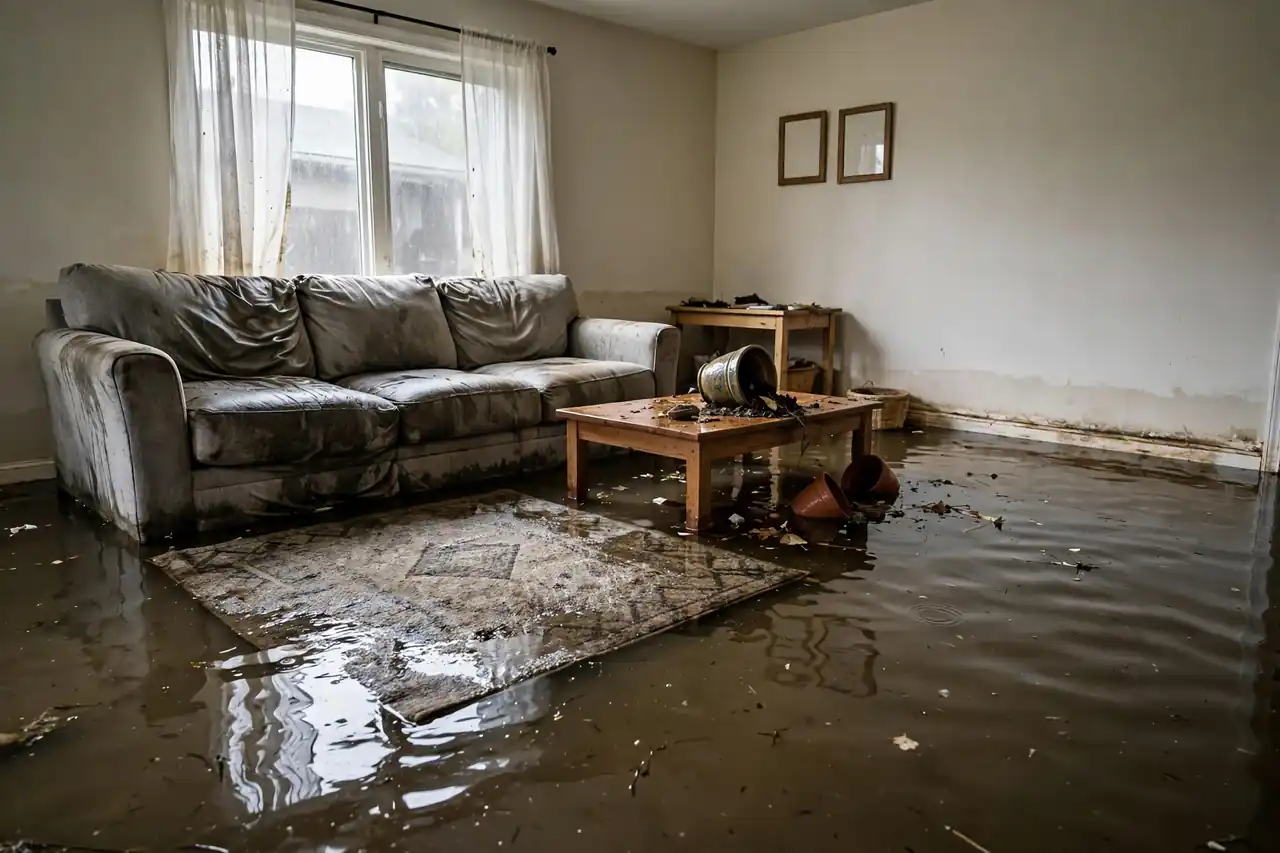
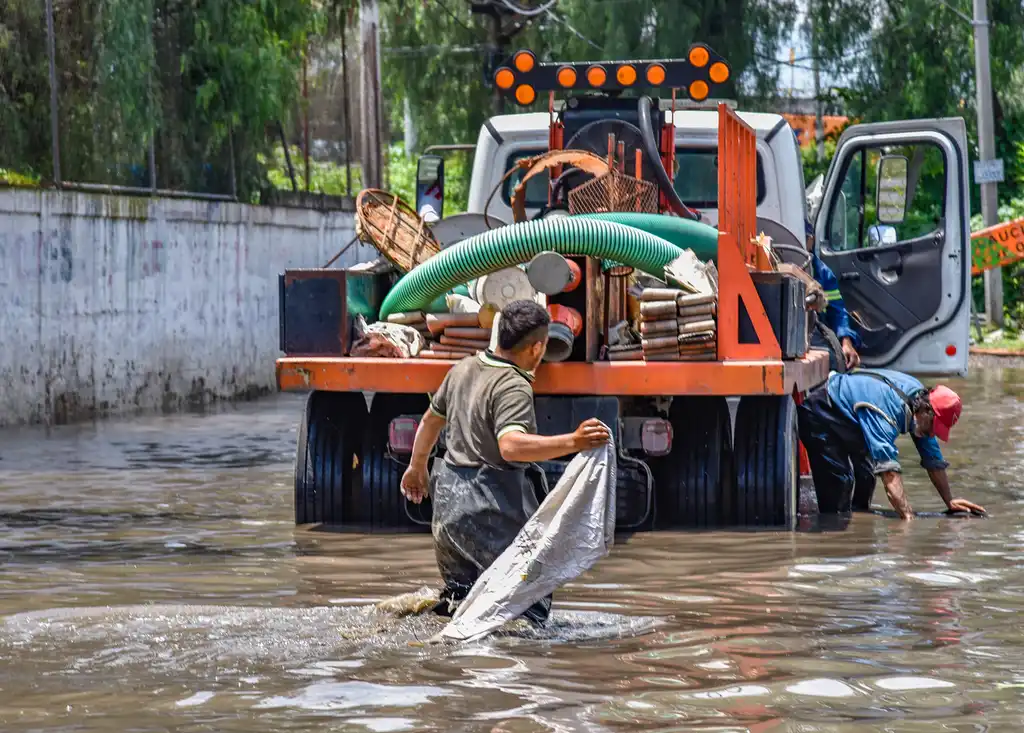
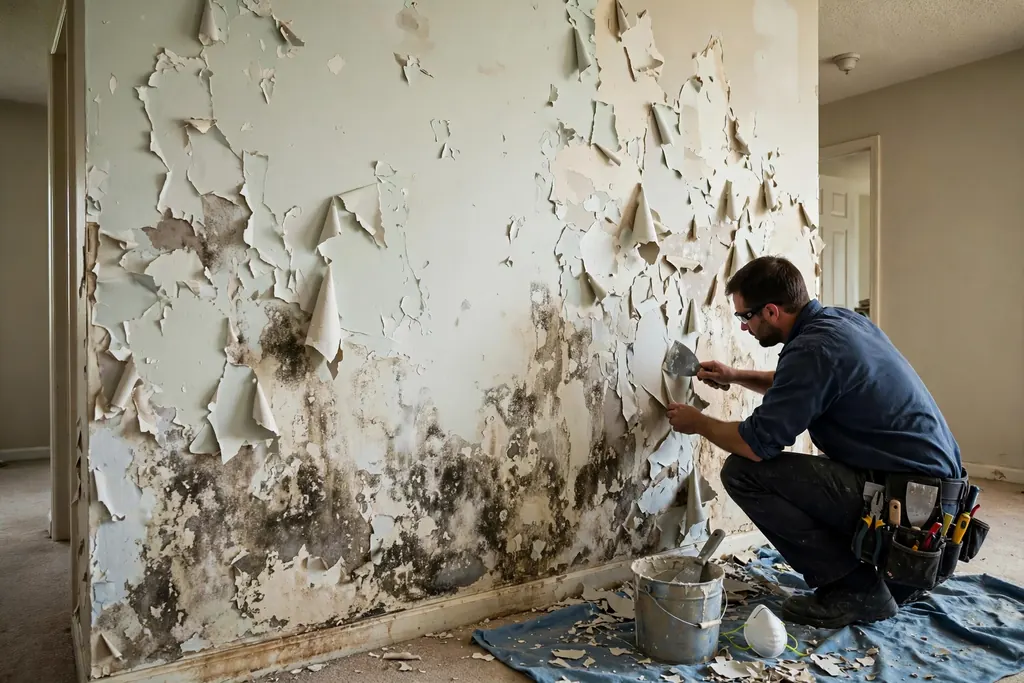
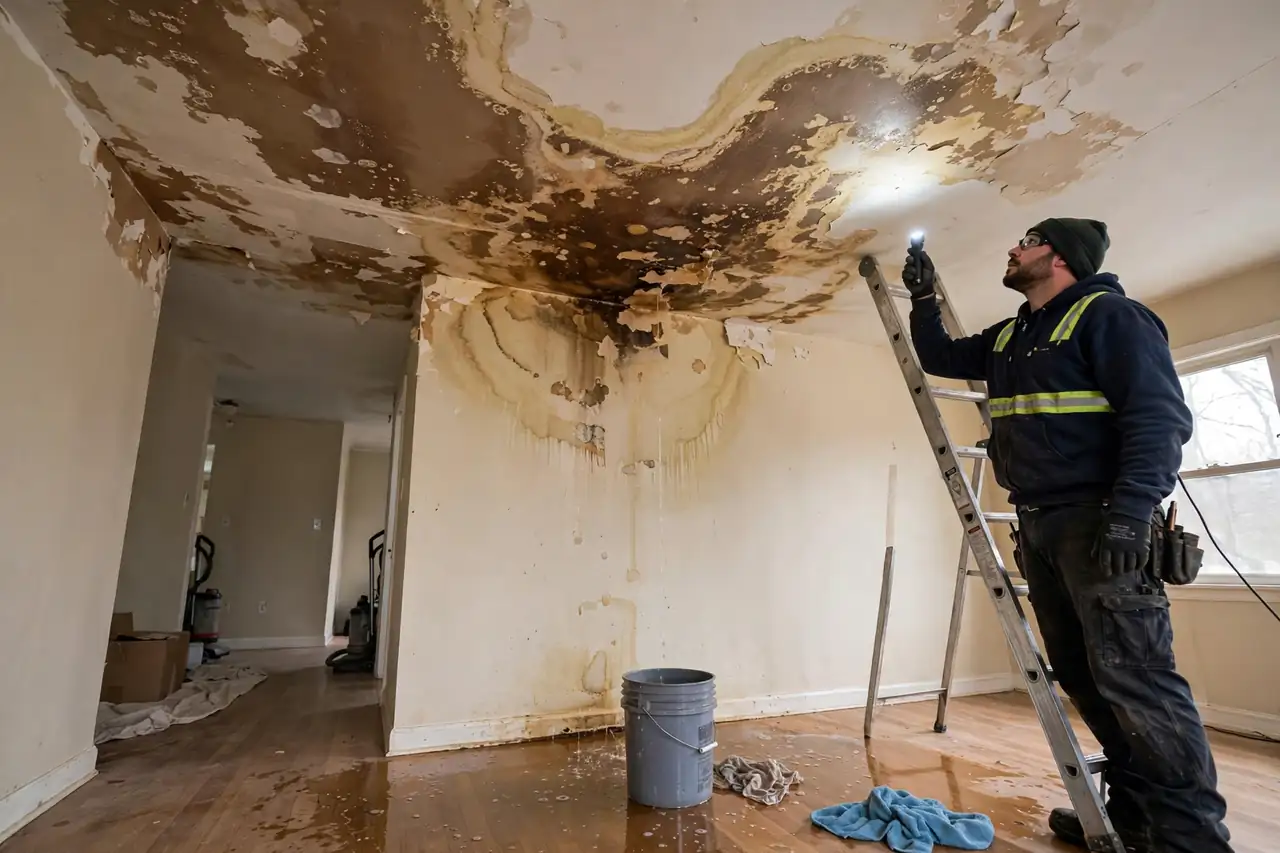
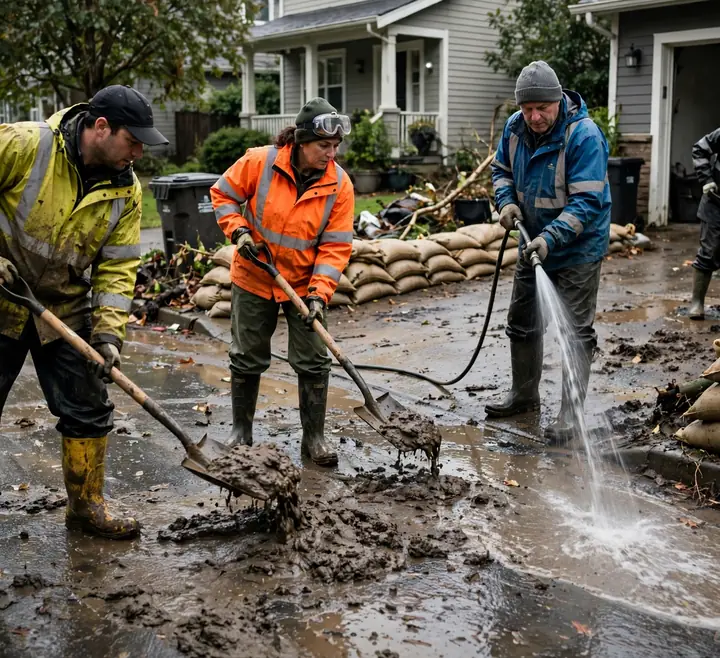
Crimson Point has the soil that defines the Treasure Valley — heavy silt loam and clay that holds water against a foundation instead of draining away. After sustained rain, runoff collects at foundation edges here, and irrigation overspray that hits an exterior wall again and again will wet the floor edge inside before the outside ever looks soaked.
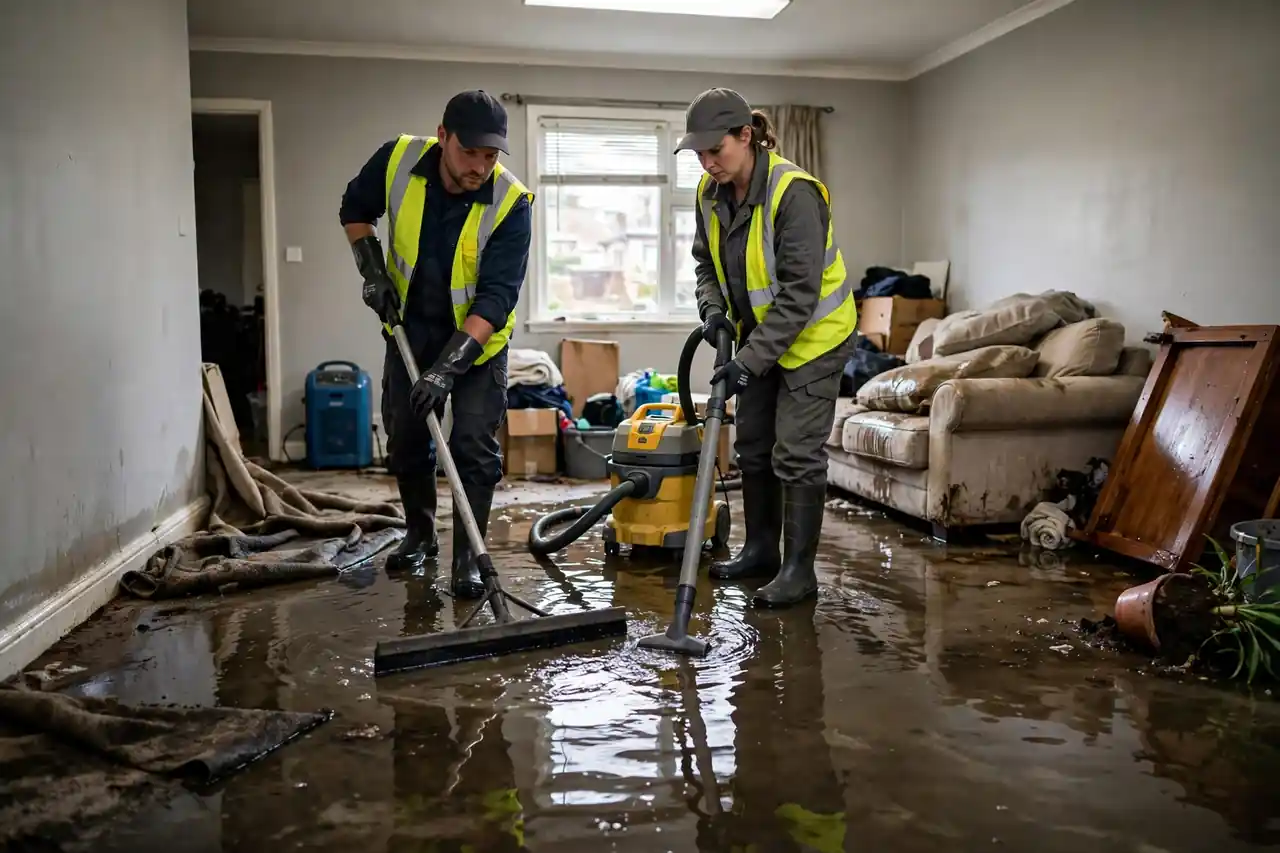
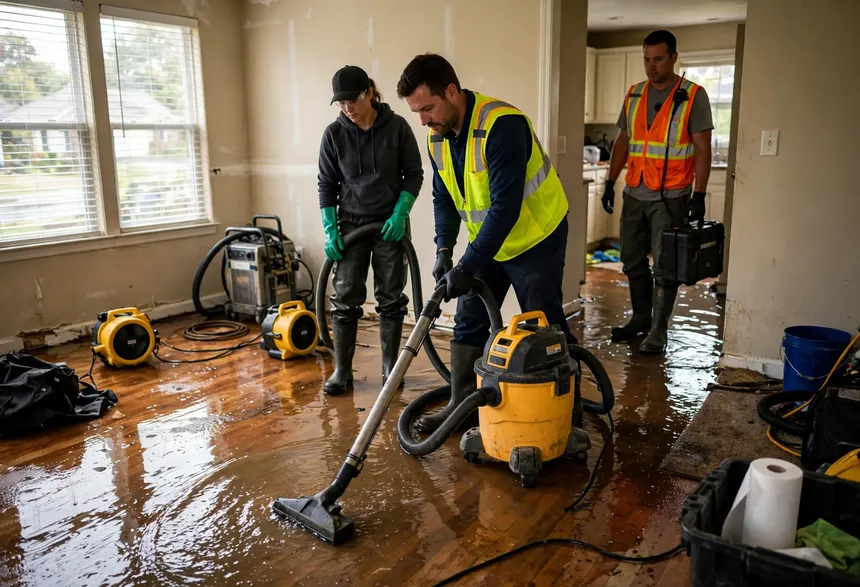
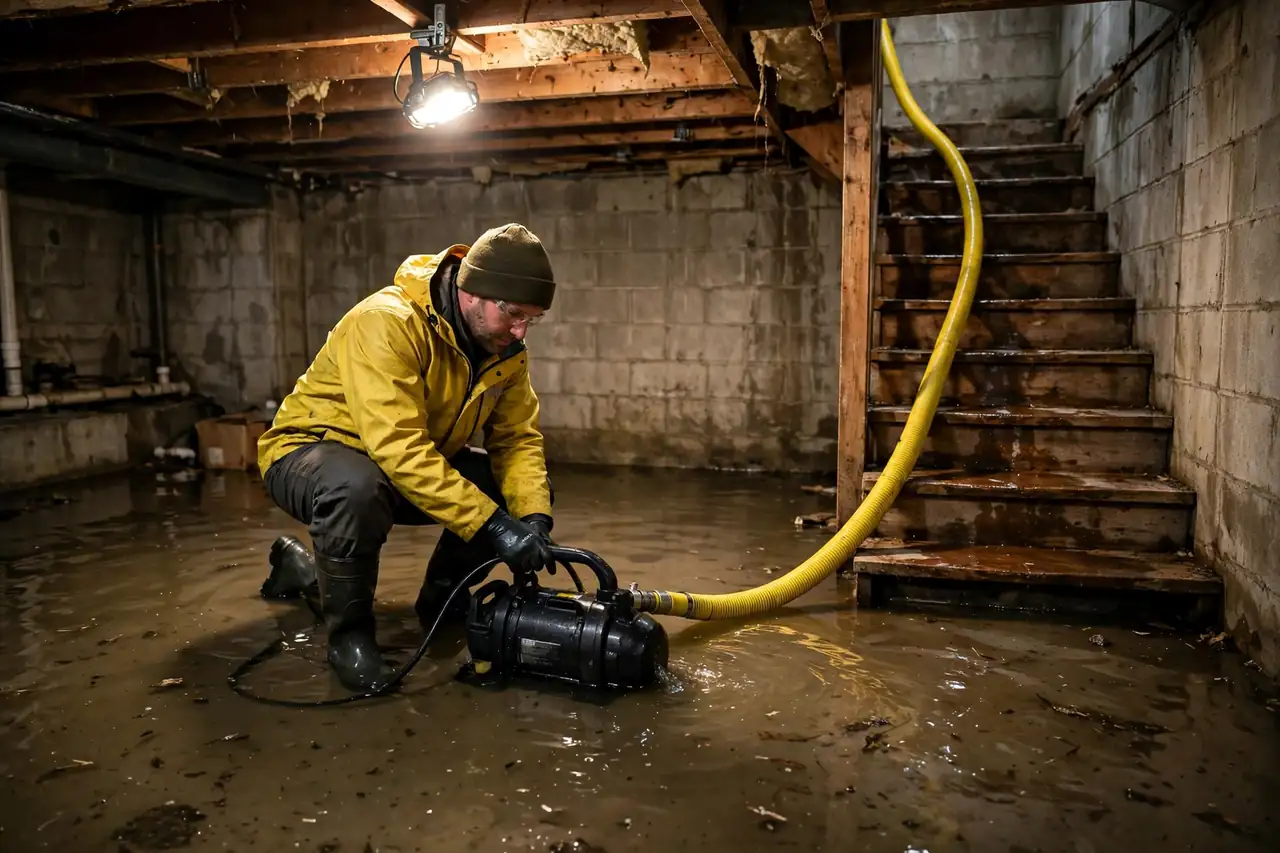
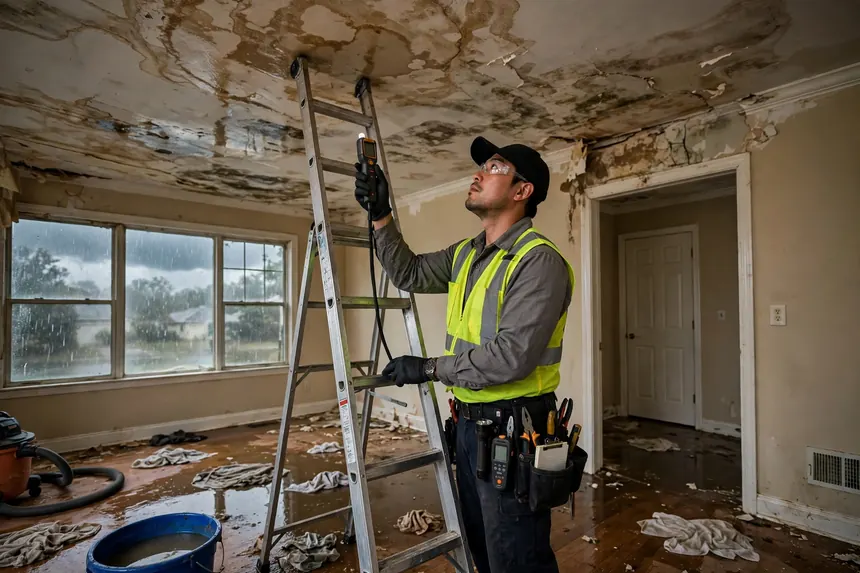
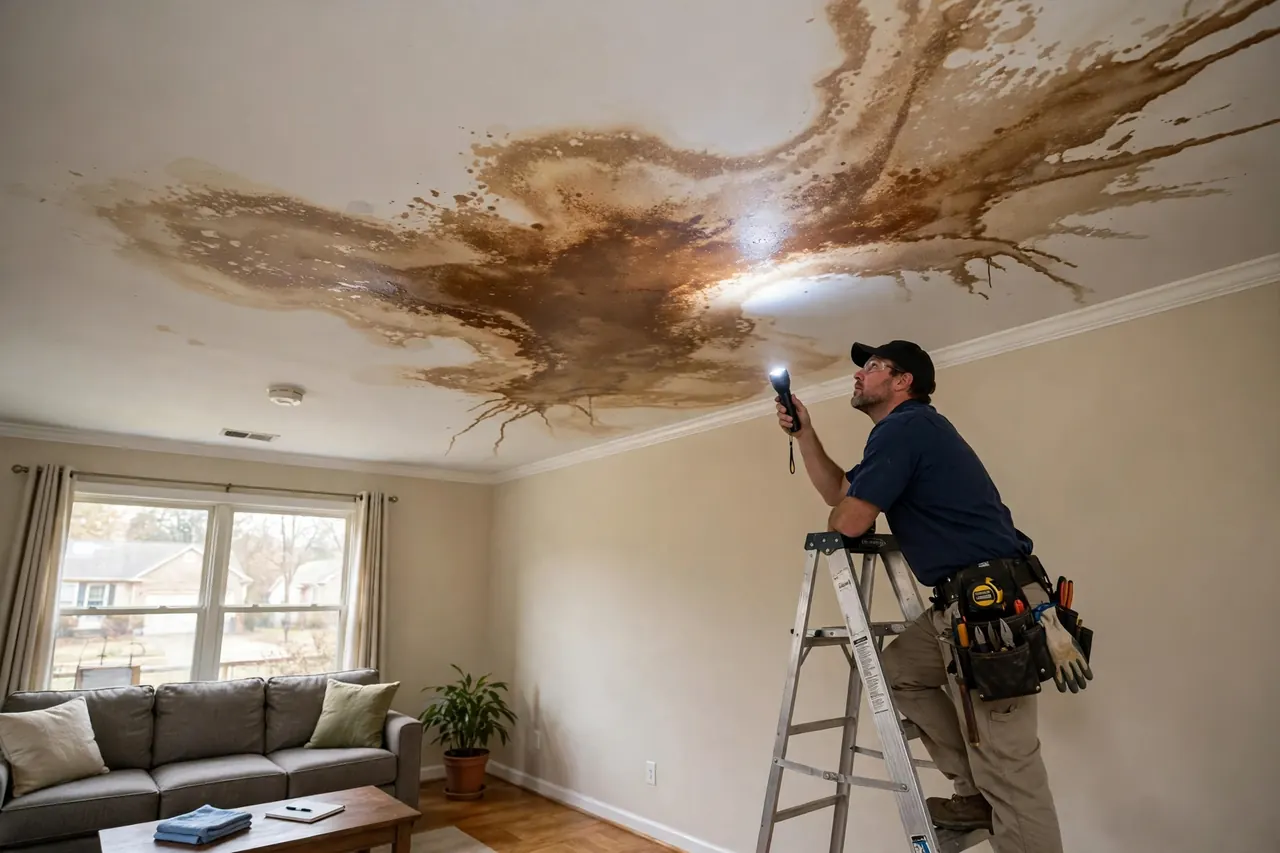
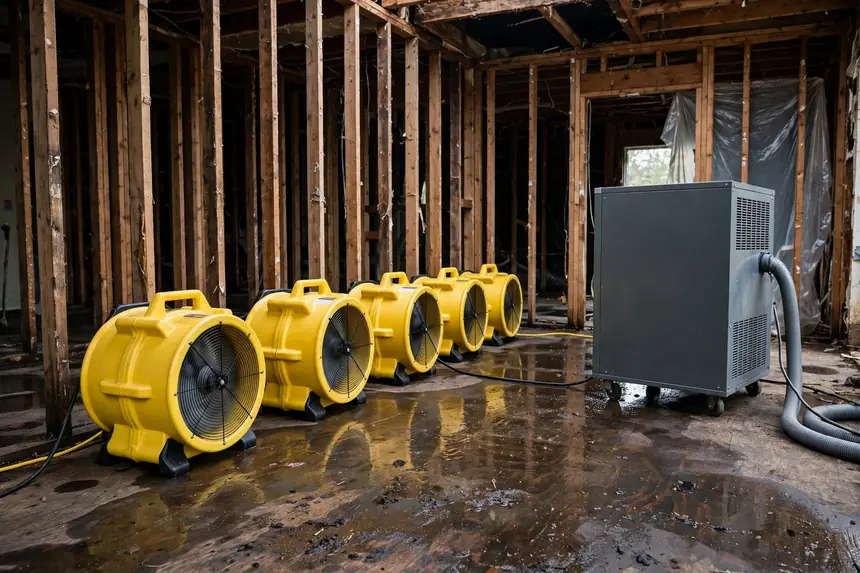
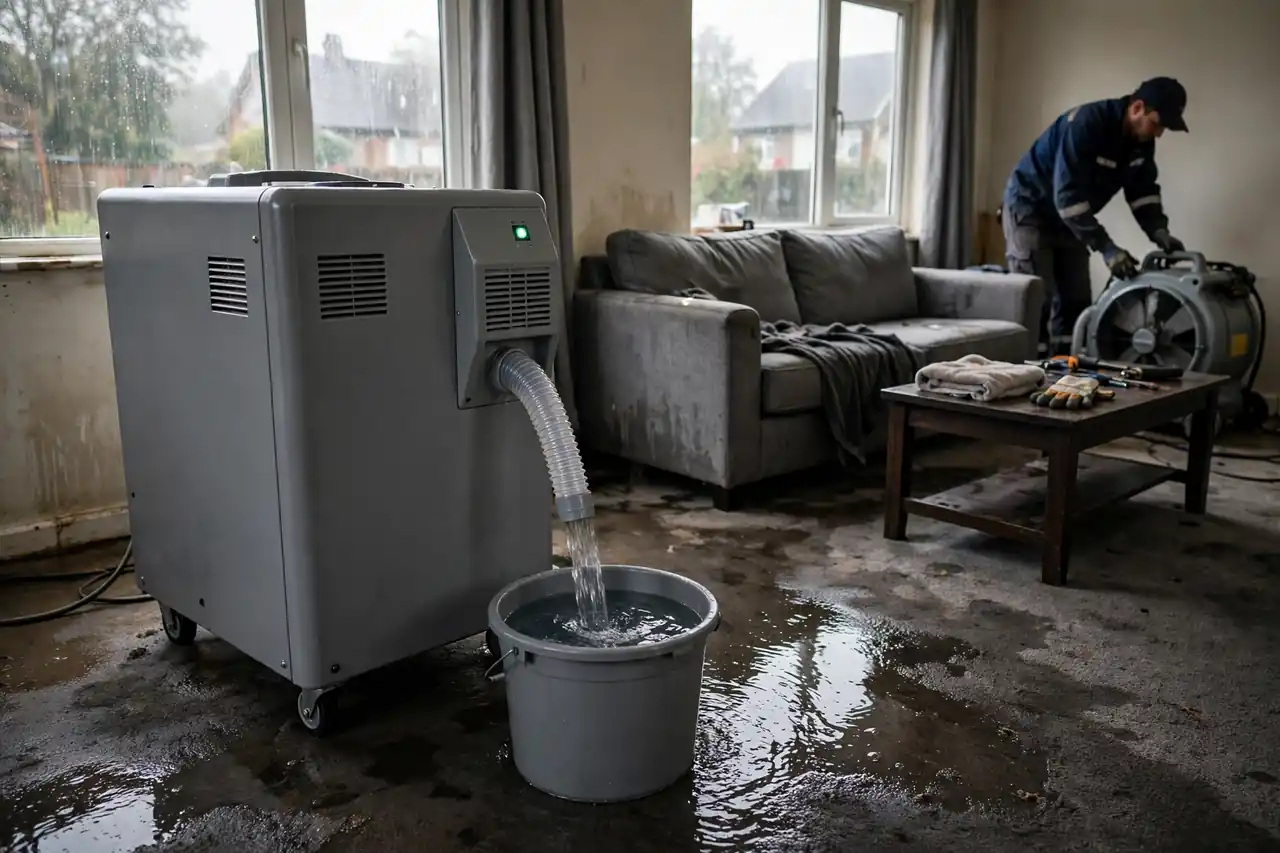
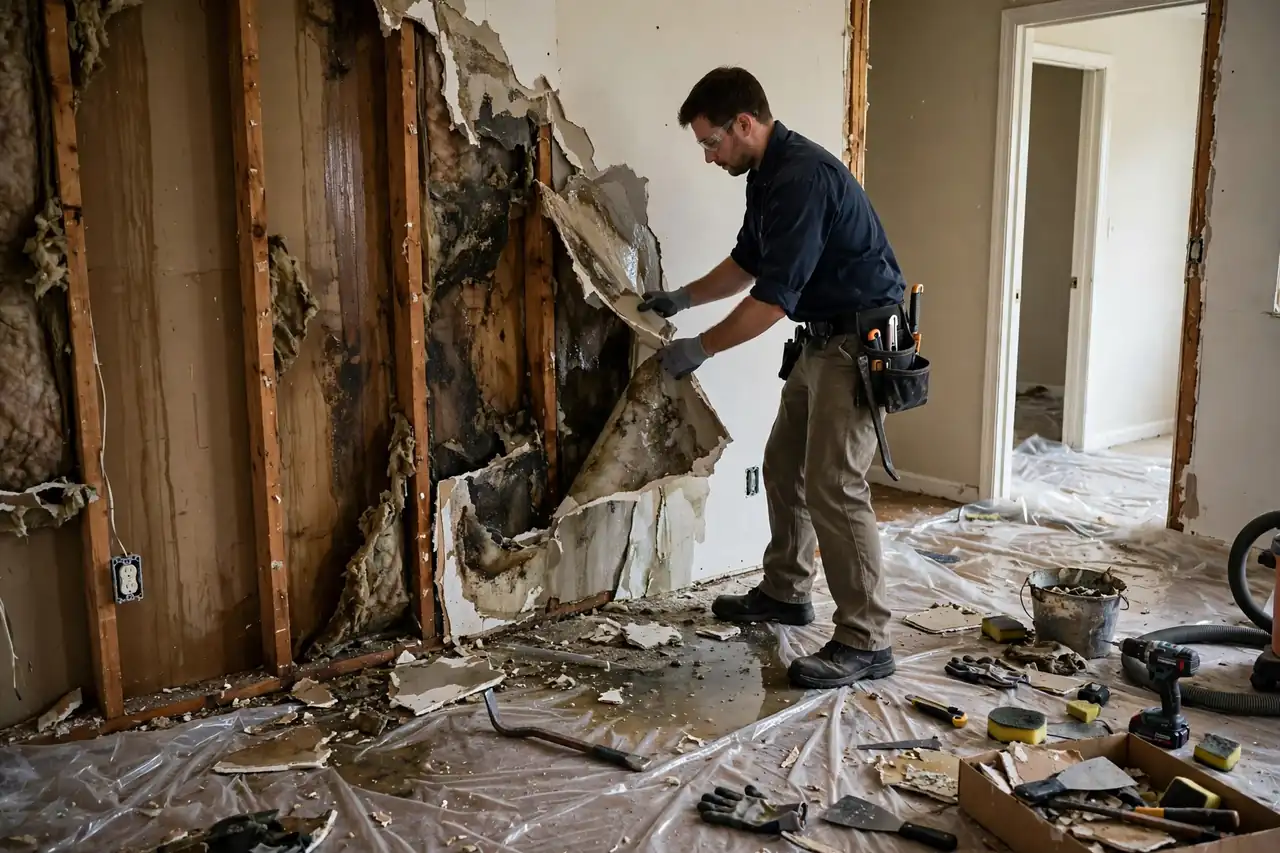
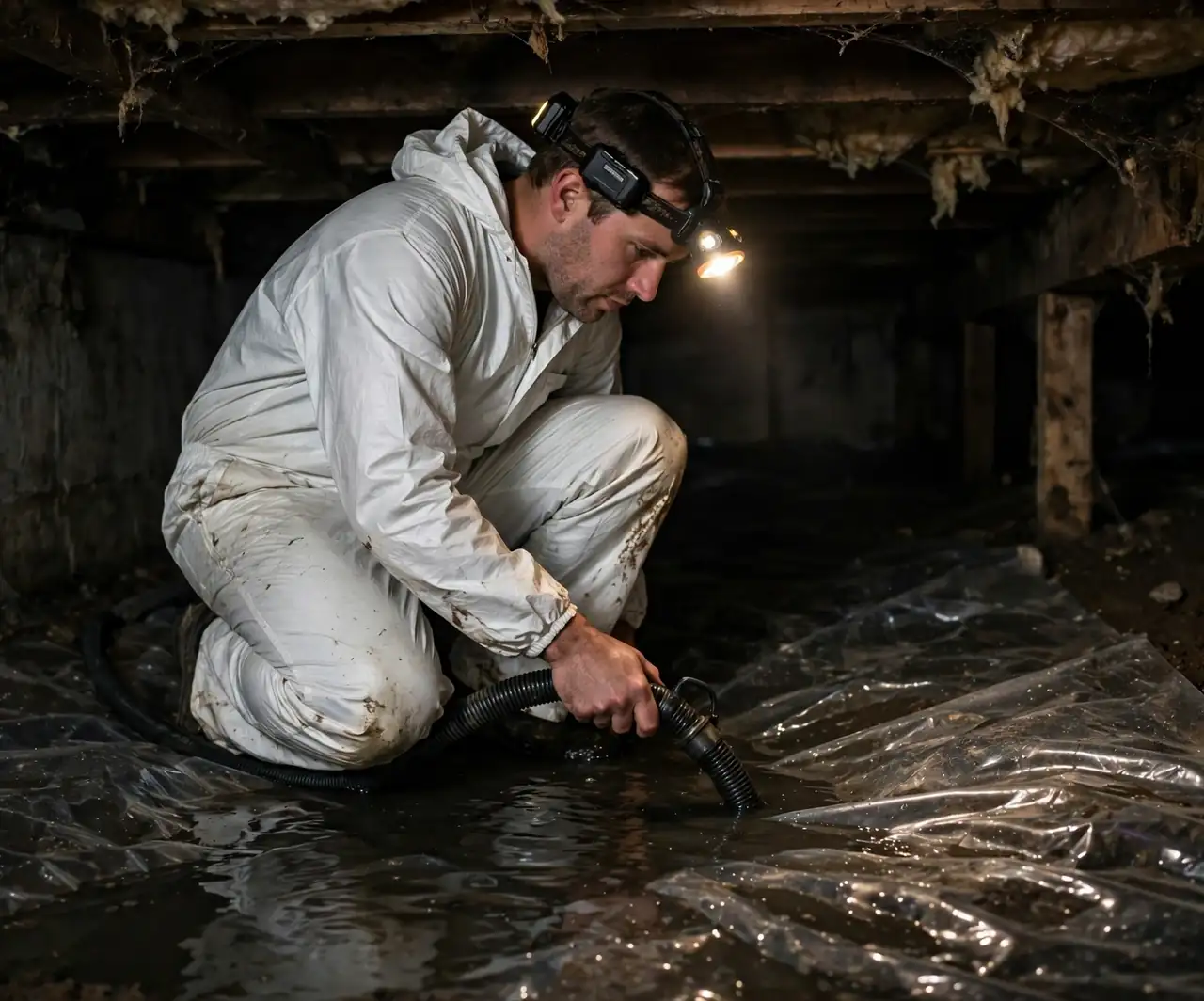
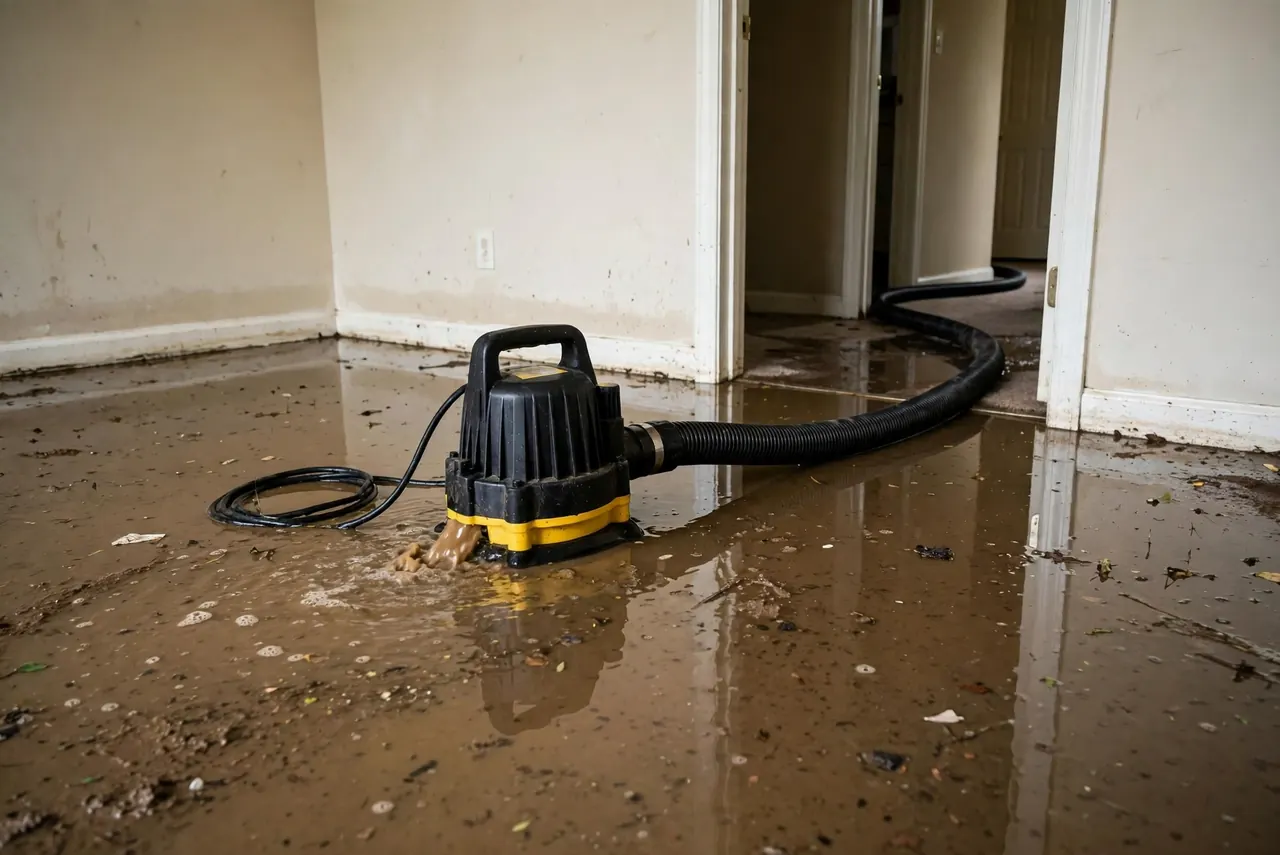
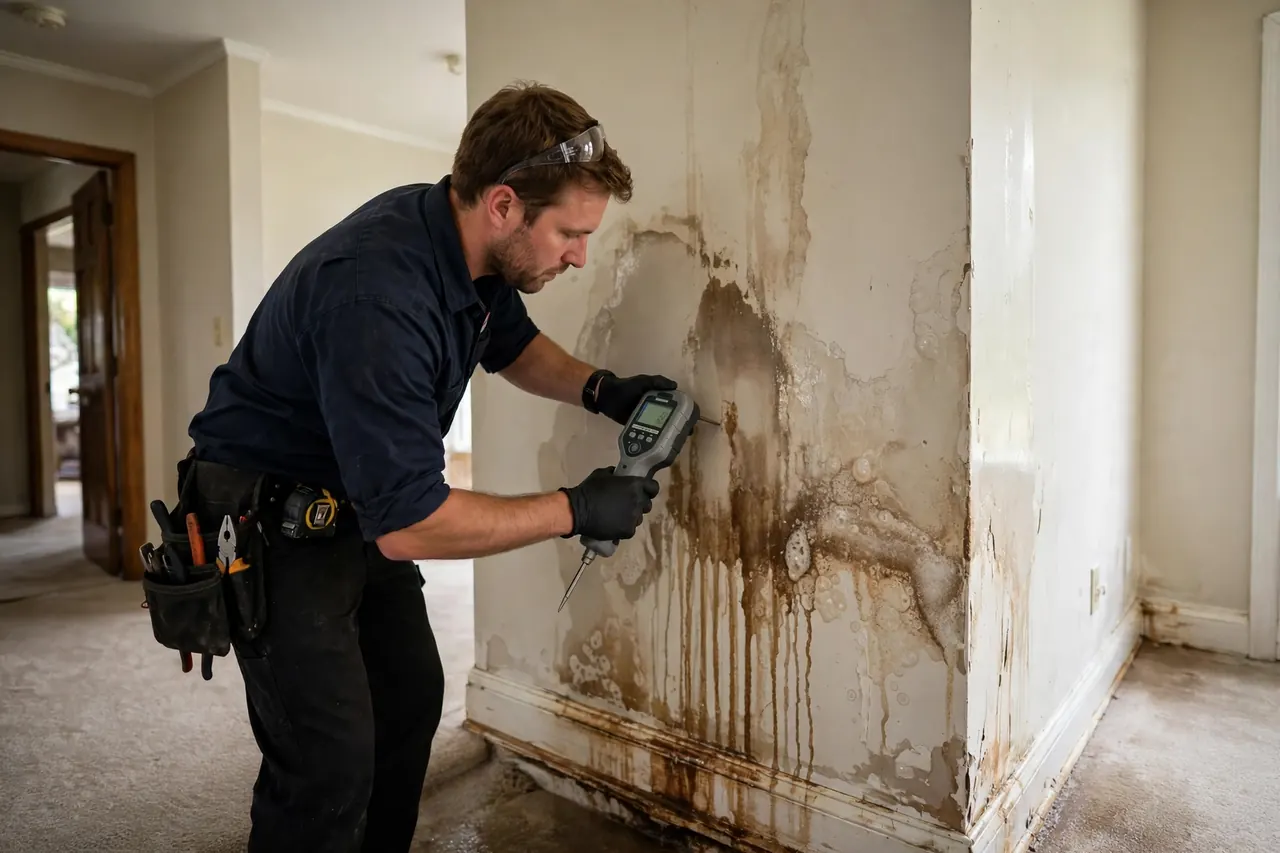
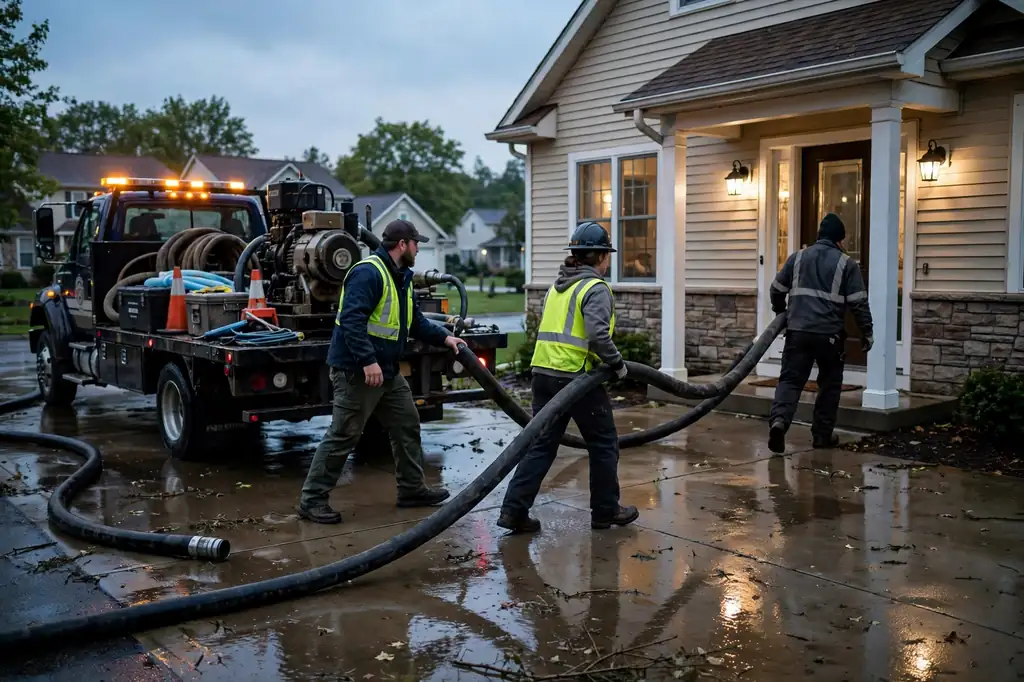
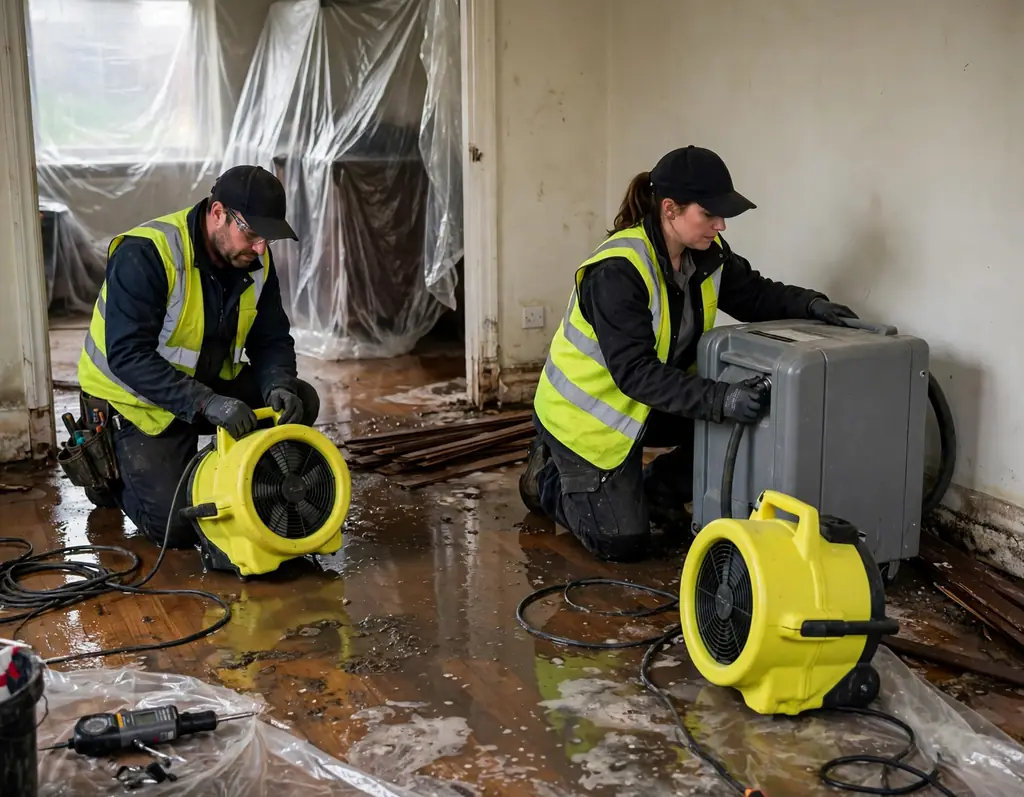
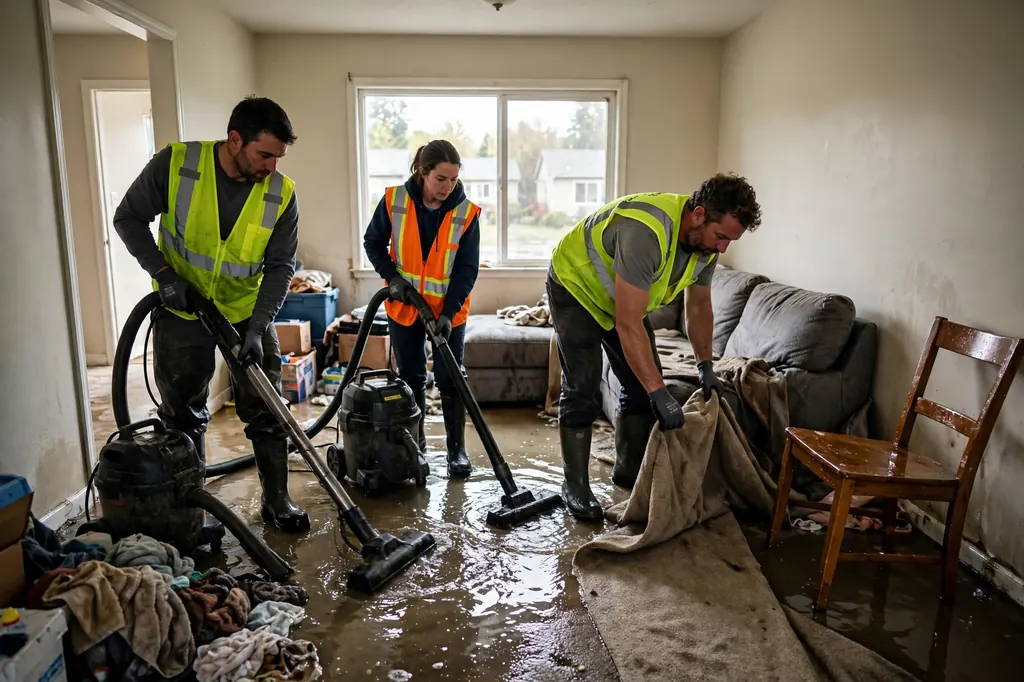
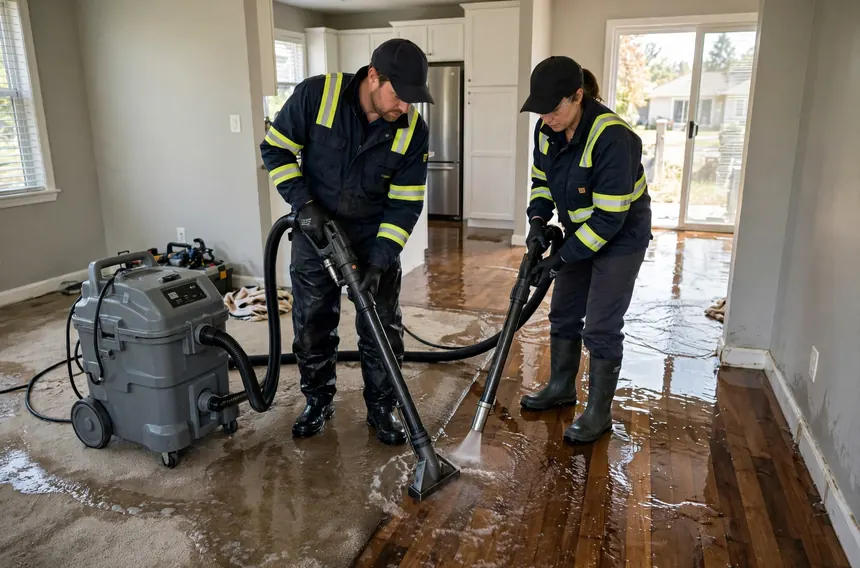
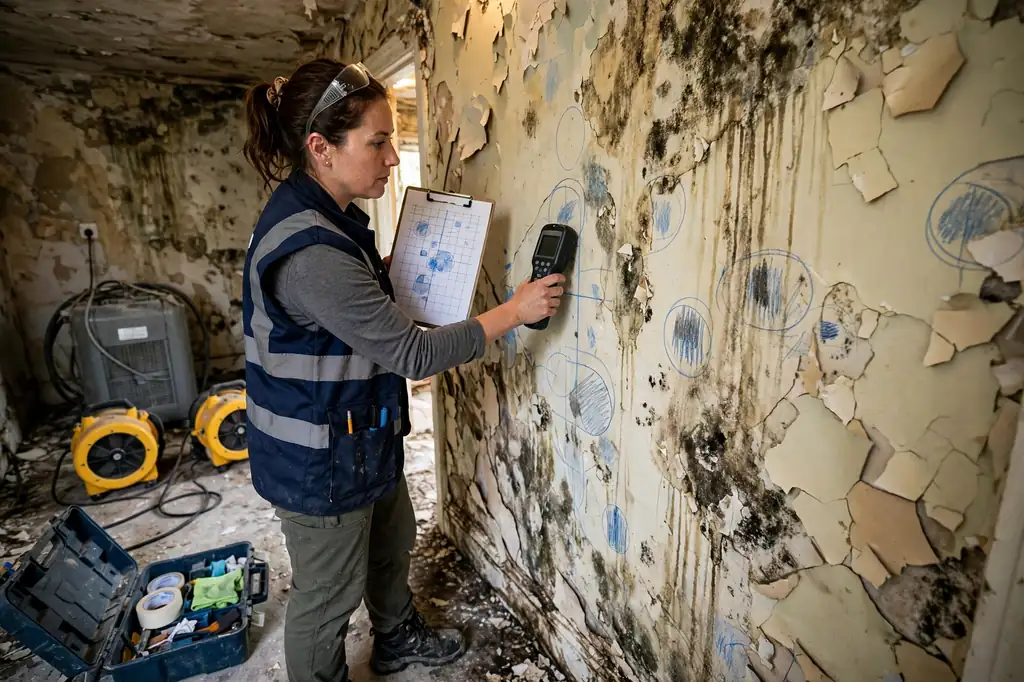
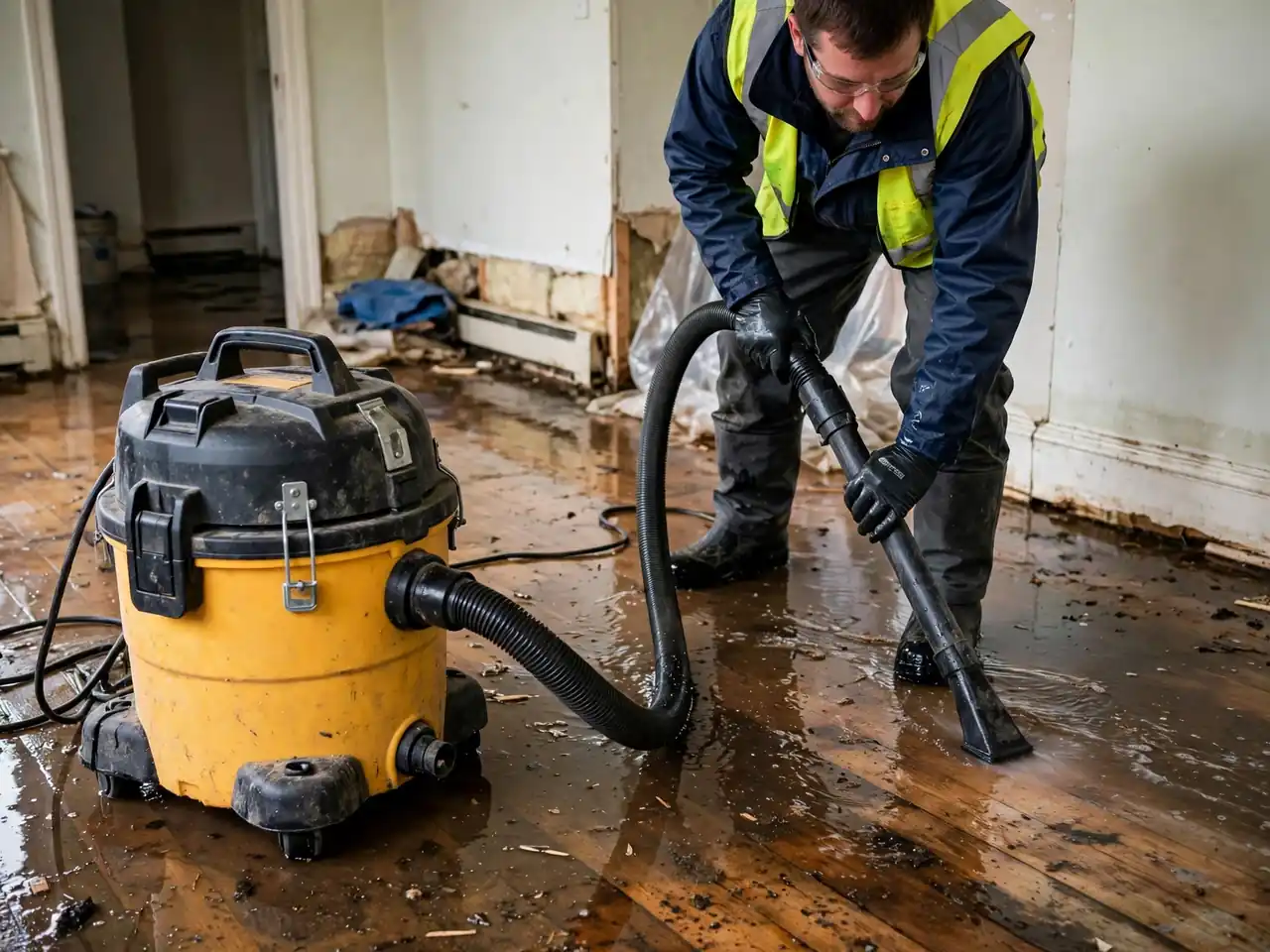
Our first check is the water path: where the runoff collects, where the irrigation sprays, and where the wall base reads wet. We take readings along the foundation edge and the adjoining floor, extract what is standing, and dry from those readings, because the damp patch inside is usually only the end of a longer path outside.
The Treasure Valley's soils are predominantly heavy silt loams and alkaline clays, and that clay holds water against foundations after rain. Kuna gets only about a foot of rain a year, but when it comes it comes in storms, and the ground here does not absorb it quickly — it runs, pools, and seeps.