Emergency Water Damage Repair in Downtown Kuna, Done Right

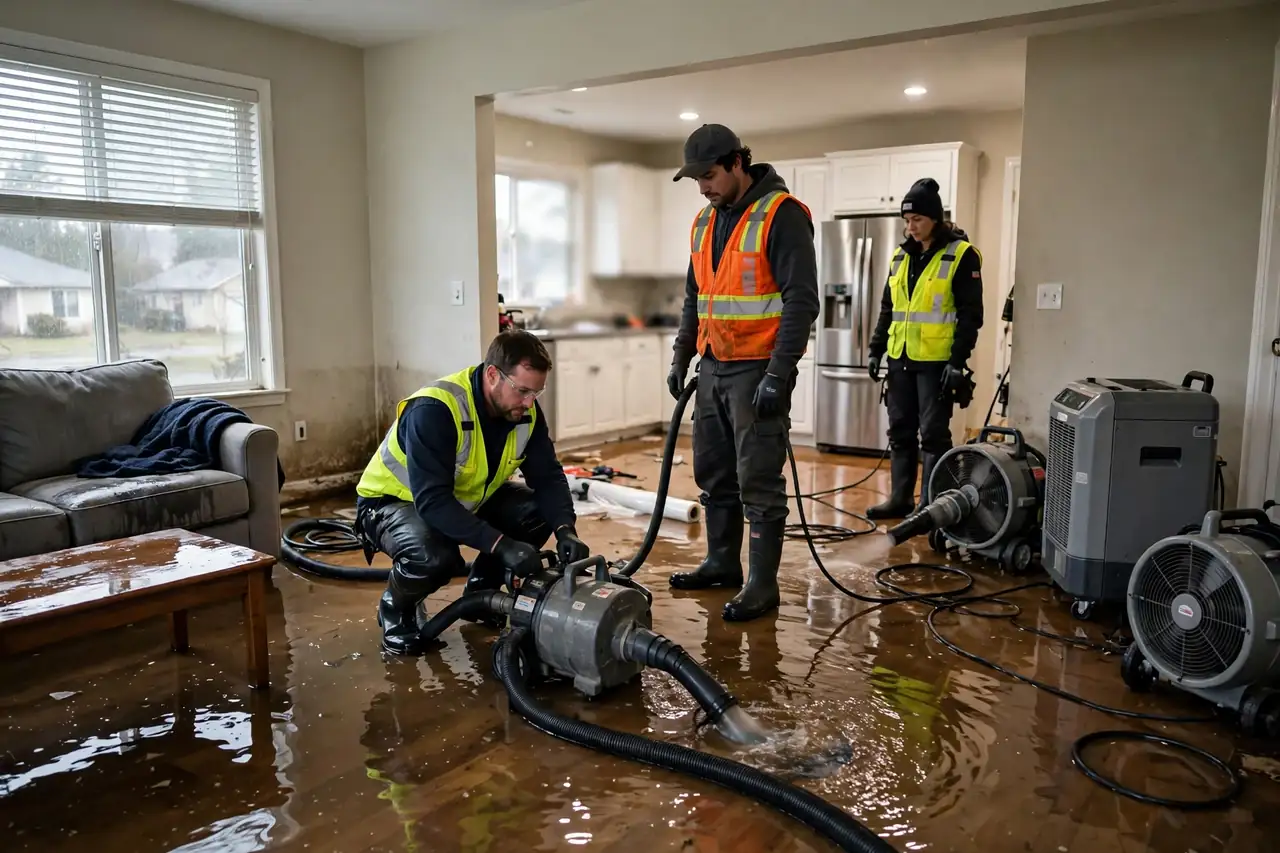
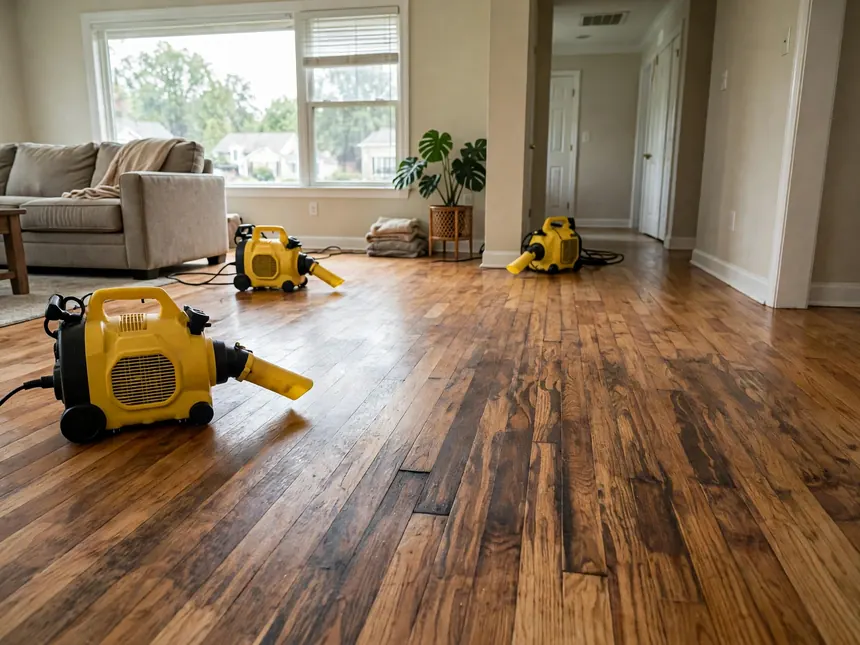
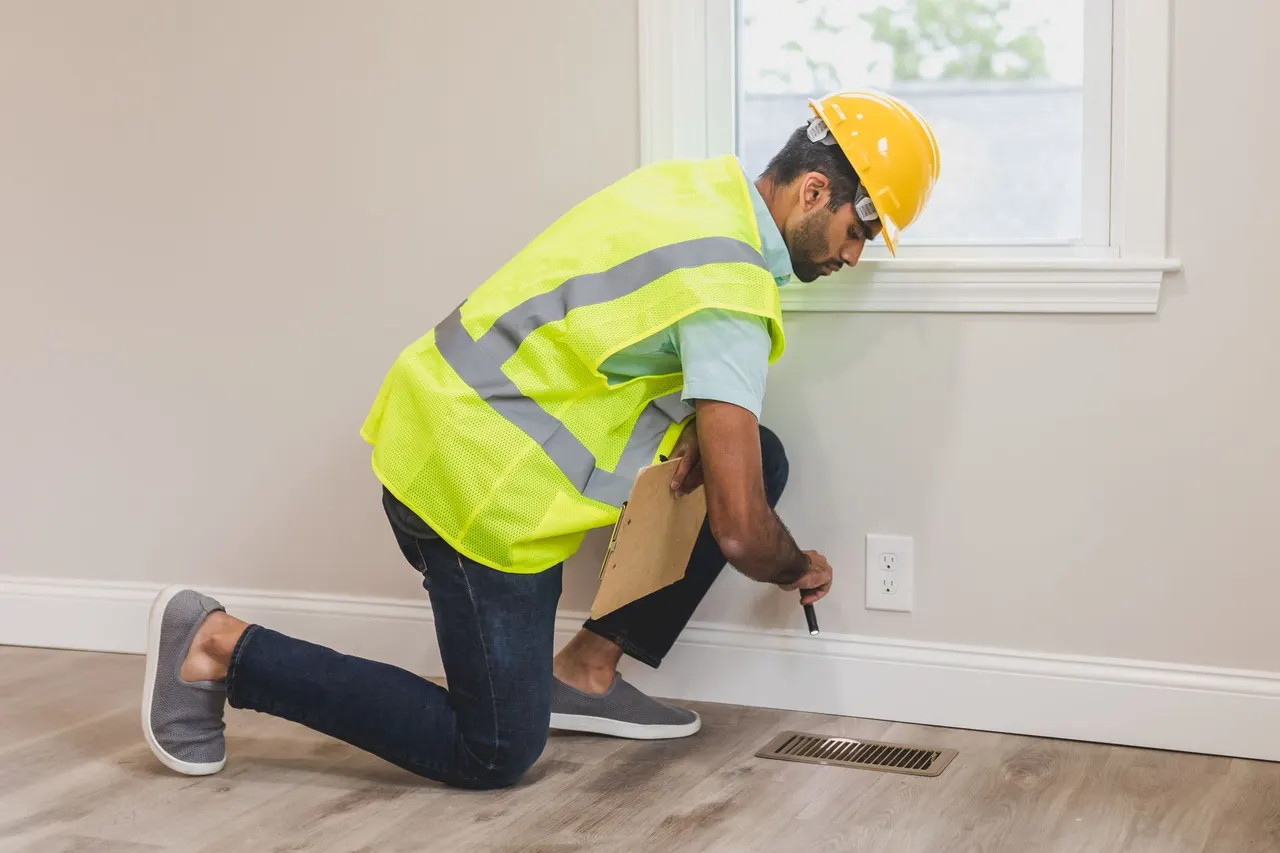
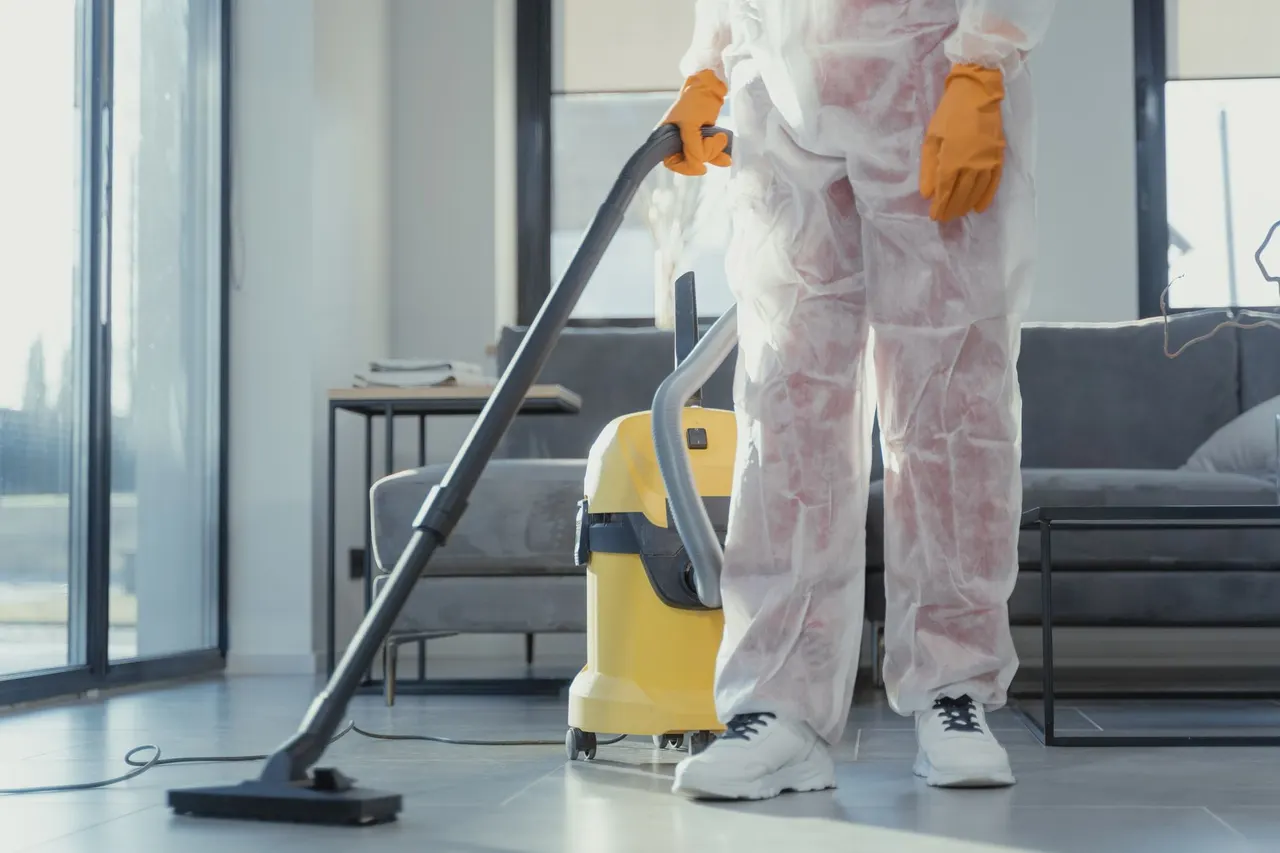
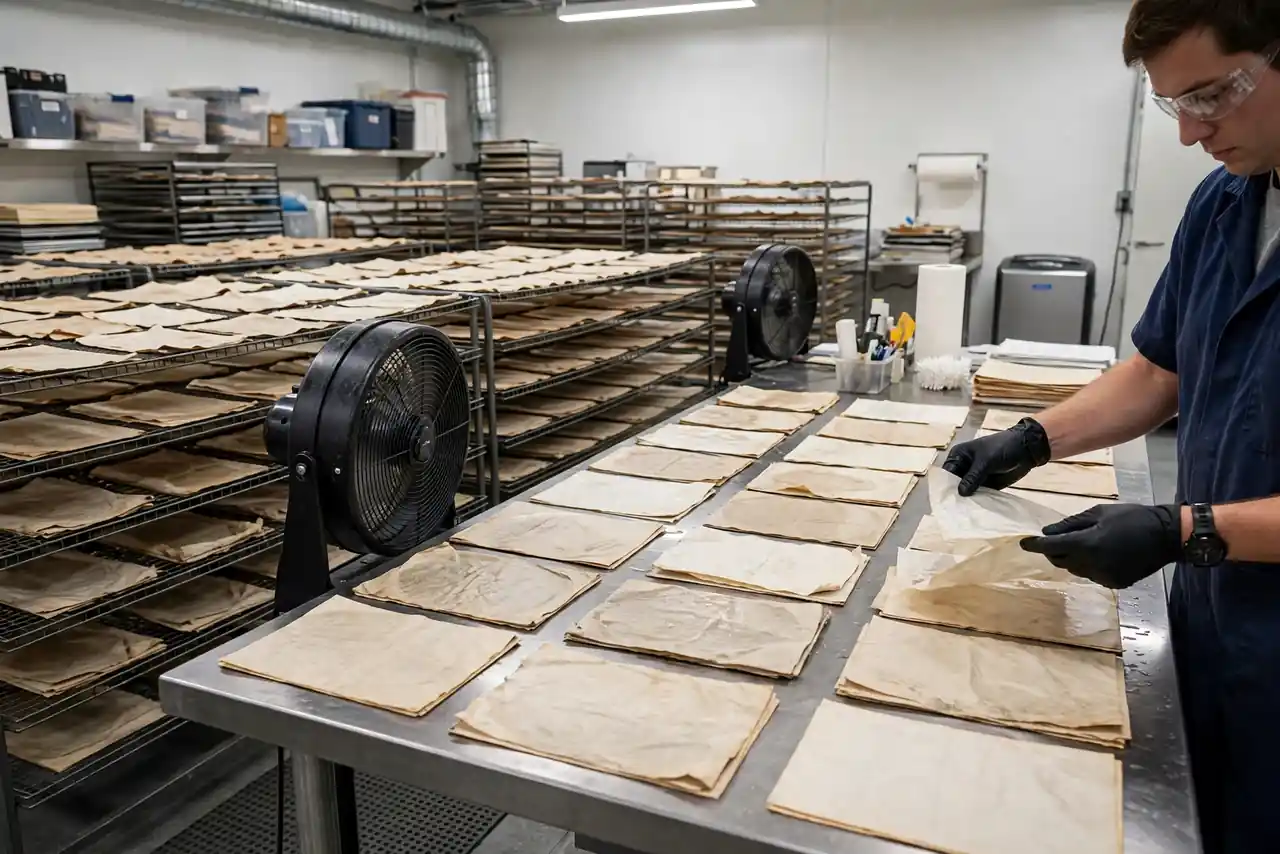
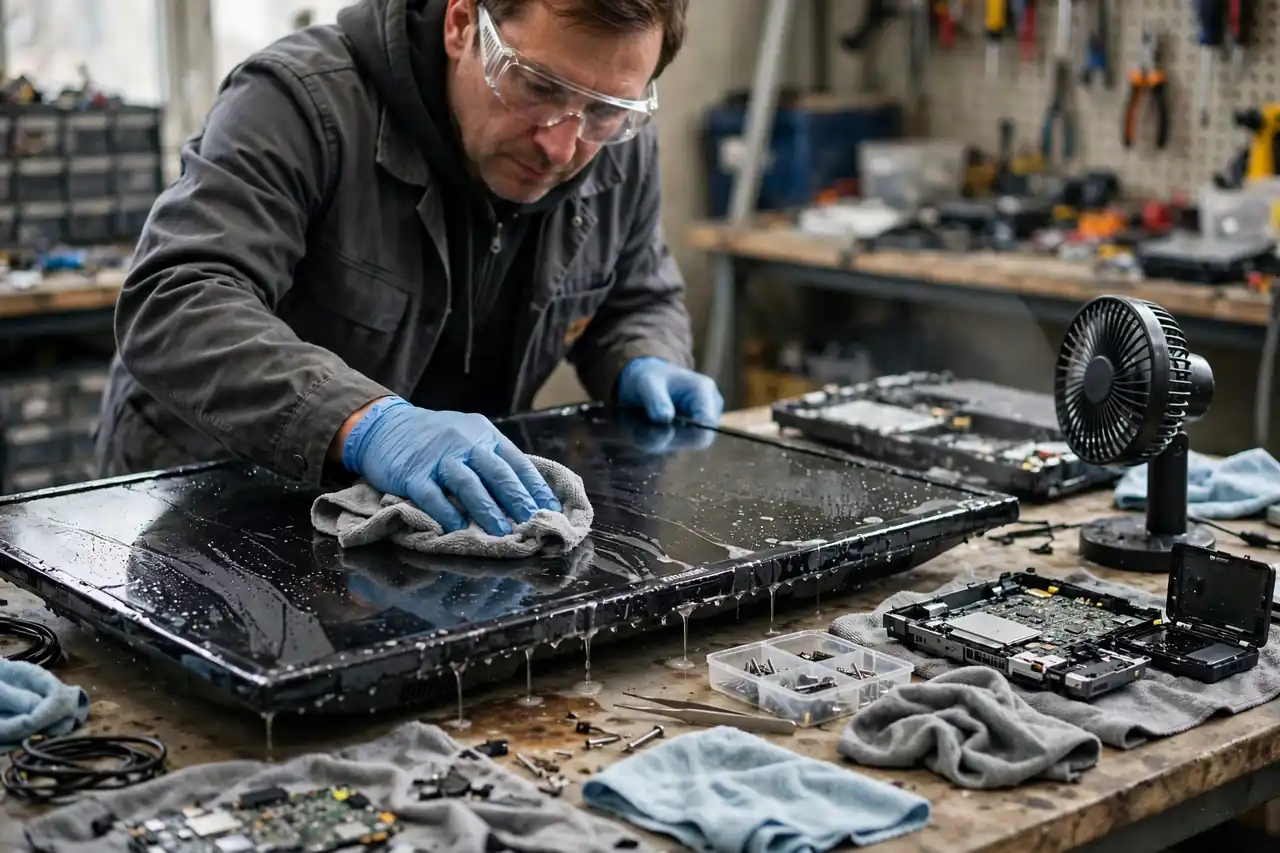
Our emergency water damage repair in Downtown Kuna starts with stopping the water, extracting what is visible, and checking what has traveled behind walls or under floors. We serve the Main Street District, Old Town Kuna, and nearby homes in ZIP code 83634. If a pipe lets go or a storm pushes water indoors, call us so we can assess the damage, explain the next step, and begin drying affected materials.

emergency water damage repair in Downtown Kuna

Downtown Kuna and nearby

  • Readings RecordedMoisture checks guide drying decisions
  • Work Area ProtectedContents moved away from wet surfaces
  • Steps ExplainedYou hear what happens next
  • Equipment CheckedAirflow placement reviewed during work

Emergency water damage repair in Downtown Kuna

Downtown Kuna is the original town grid around Main Street and Avalon Street, and its homes are older than the subdivisions that grew up around them. That age shows in the water losses: supply lines that have been in the wall for decades leak behind plaster and drywall, and a small weep can wet a wall cavity for weeks before a stain appears.

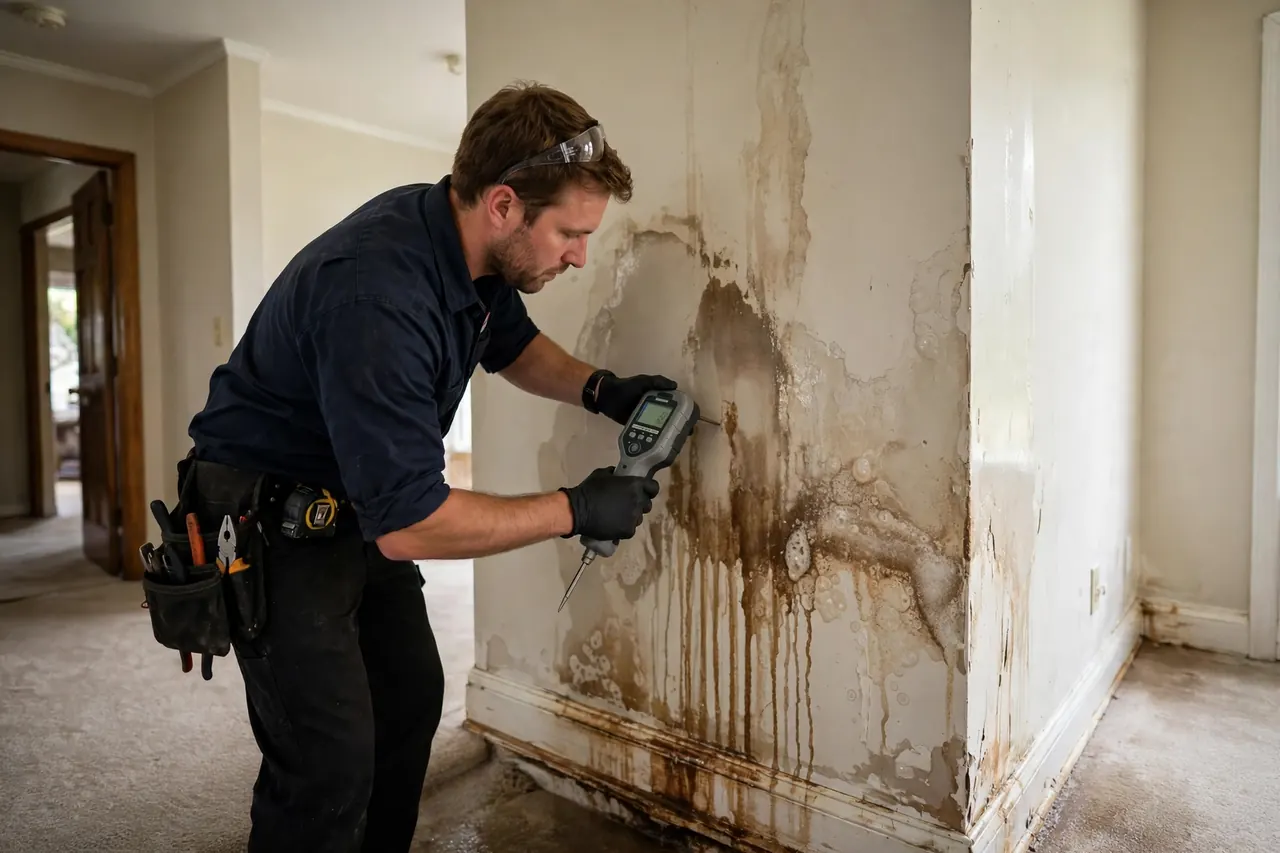
We trace the damp path with a meter rather than opening walls blindly, checking the rooms above and beside the stain as well as the room itself. Older homes also mean mixed materials — plaster, older drywall, and timber that has seen more than one wetting — so the drying plan is set from readings at each material, not from a single surface check.

Kuna grew up as a railroad and farming town on the Snake River Plain, and the downtown grid predates the irrigation-fed subdivisions around it. The Indian Creek Greenbelt threads through the city center nearby, and the creek itself runs through town as part of the irrigation system fed by the New York Canal.
Downtown Kuna Water Damage Services

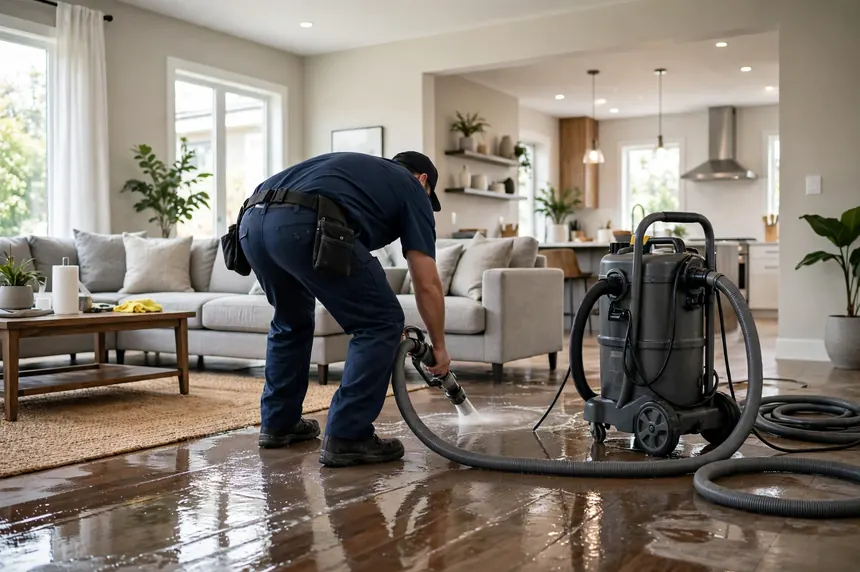
Water emergencies in Downtown Kuna range from a washing-machine hose failure to rain entering through a damaged roof or water backing up into a lower level. Our crew works in homes, storefronts, and mixed-use buildings, adjusting access and equipment to the property rather than using one setup for every call. If you are searching for emergency water damage repair in Downtown Kuna ID near me, tell us where water is visible, when it began, and whether the source is still active. That helps us prepare for extraction and inspection.

Restoration steps for Downtown Kuna

Emergency Restoration in Downtown Kuna

Emergency Restoration in Downtown Kuna

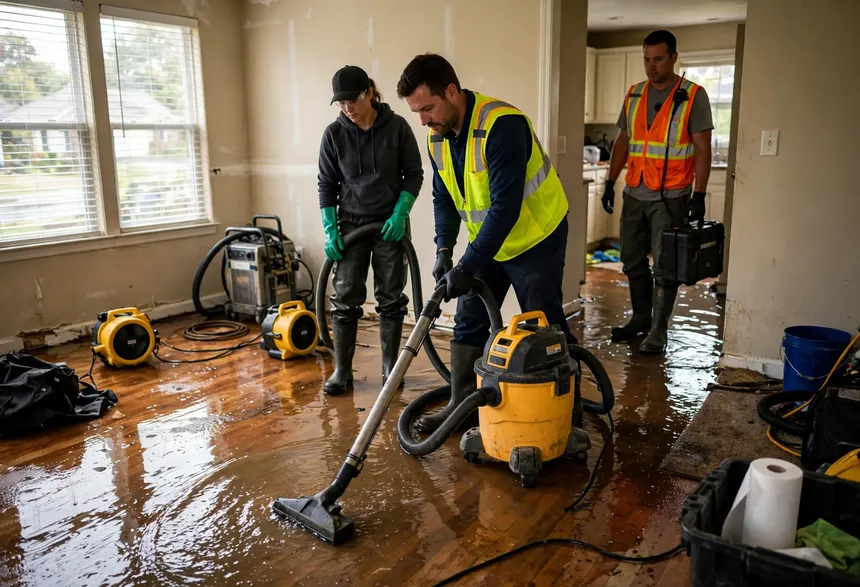
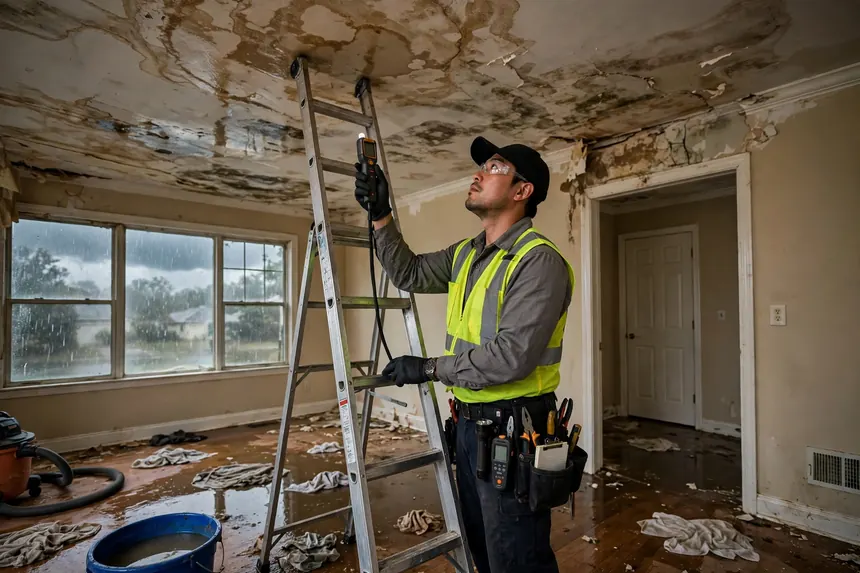
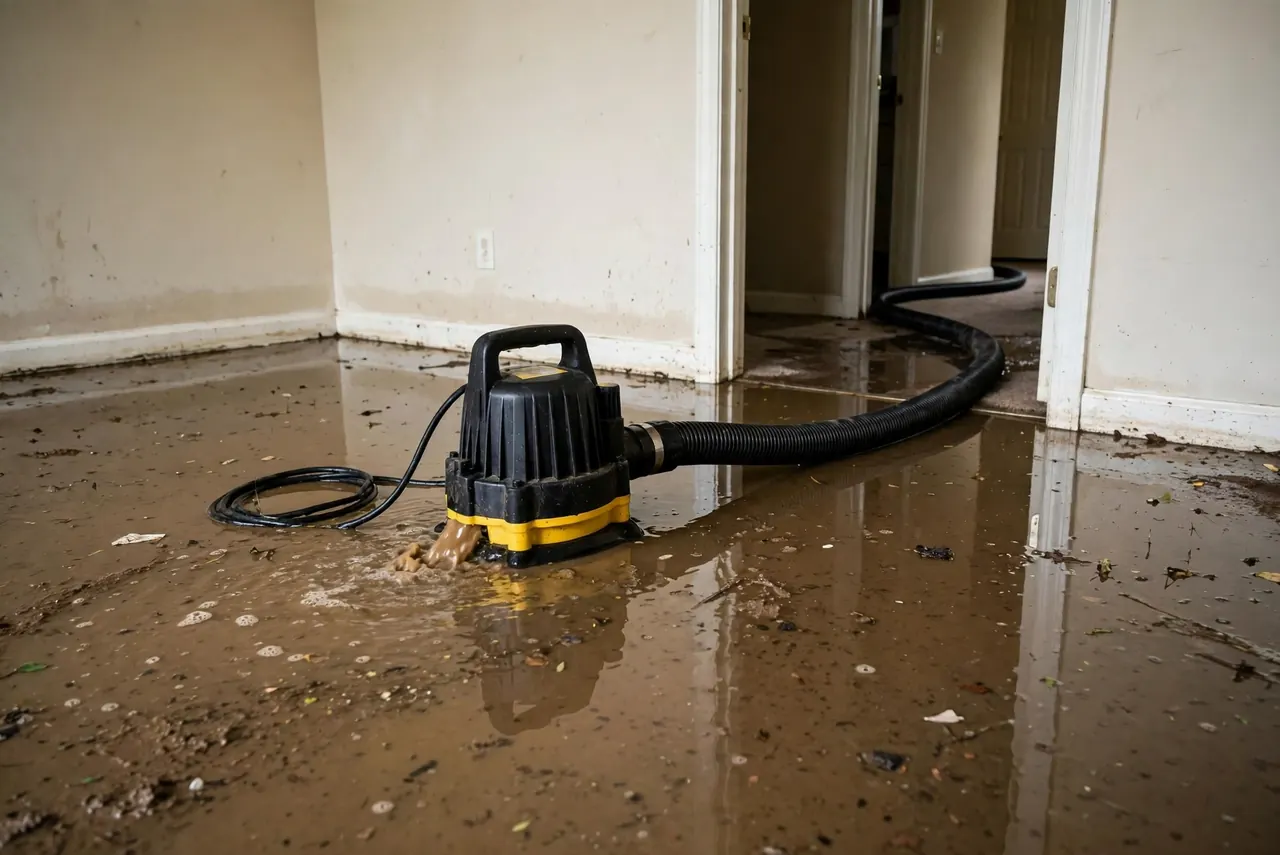
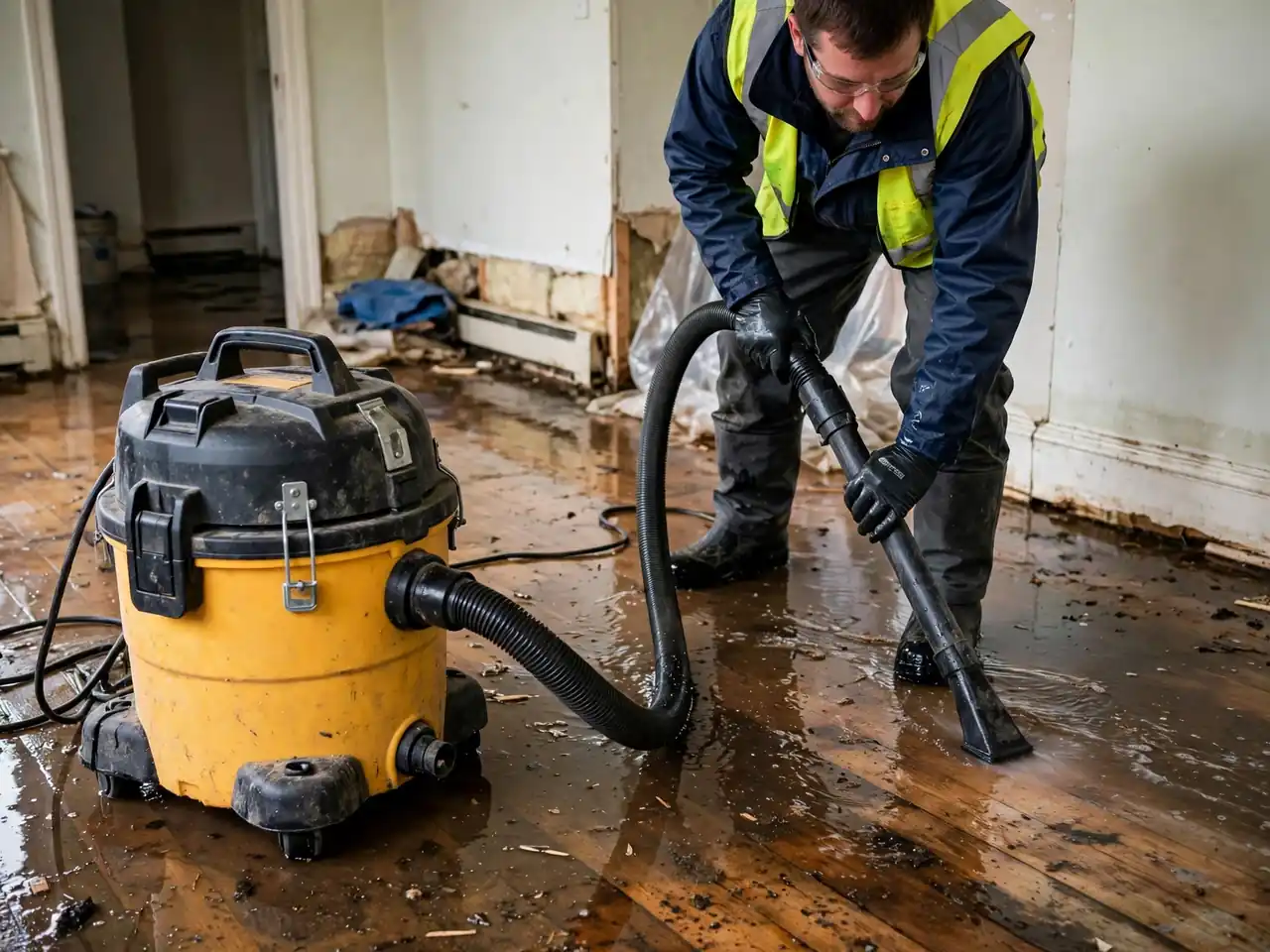
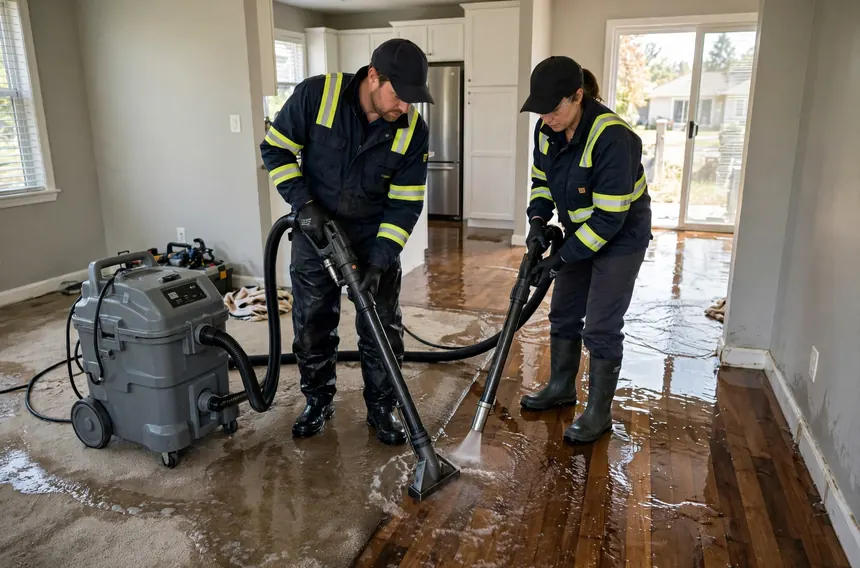
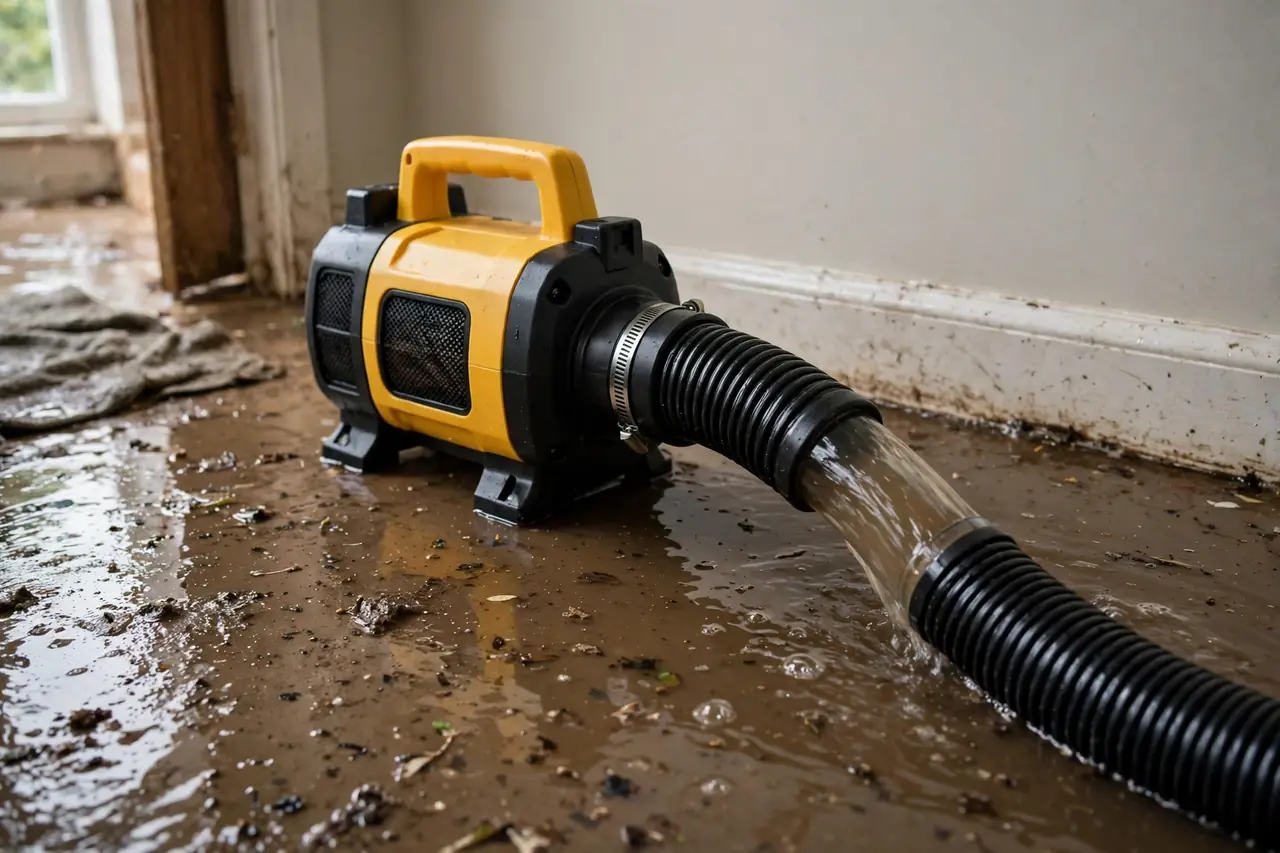
Downtown Kuna homes and Main Street businesses need water removed before it reaches more flooring and wall material. We locate the source, extract standing water, and check baseboards and adjacent rooms. Our readings guide the drying setup and show what needs follow-up.
  • Source and room inspection
  • Standing water extraction
  • Moisture readings recorded
Downtown Kuna Homes

Downtown Kuna Homes

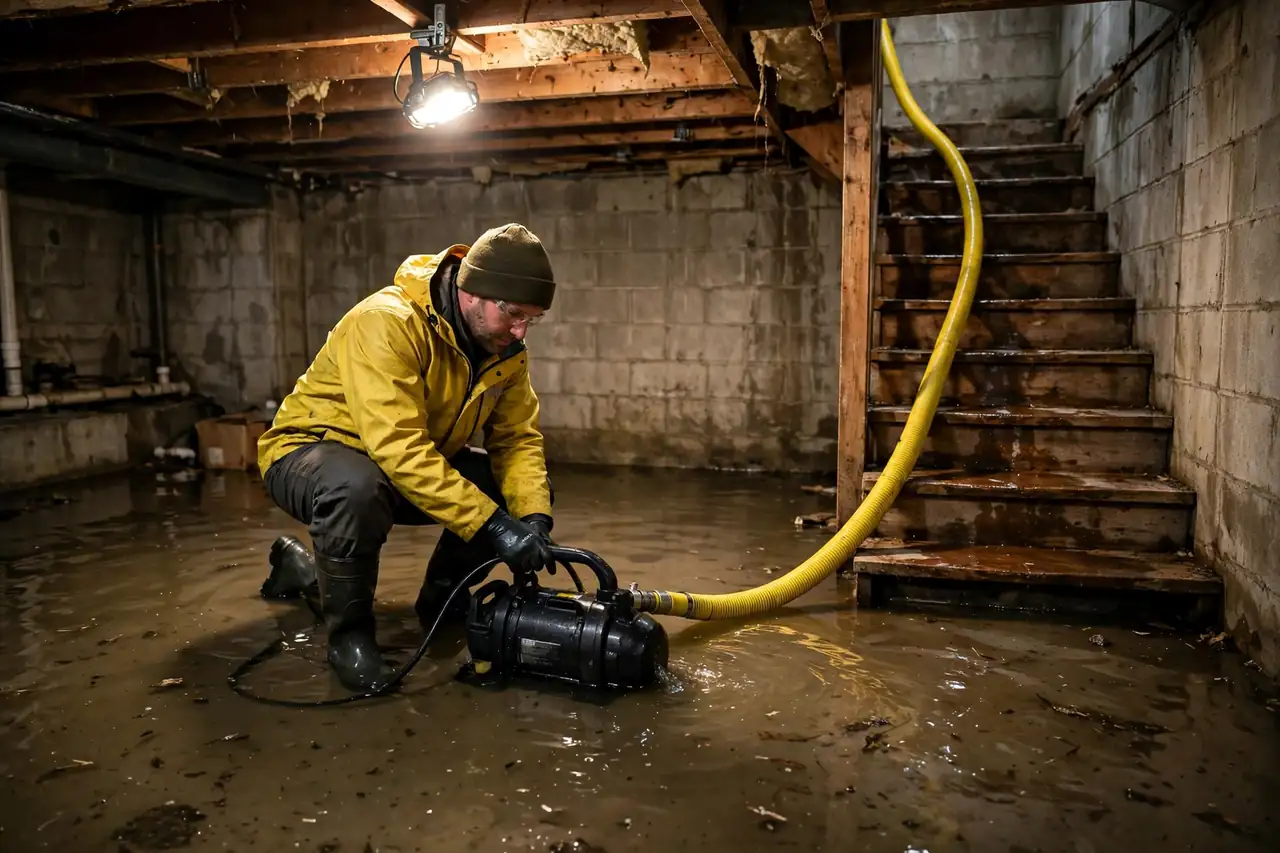
Older homes and finished lower levels need careful checks after a leak. We inspect adjoining rooms and measure materials before setting a drying plan.

  • Older pipe connections
  • Finished basement rooms
  • Carpet and hardwood floors
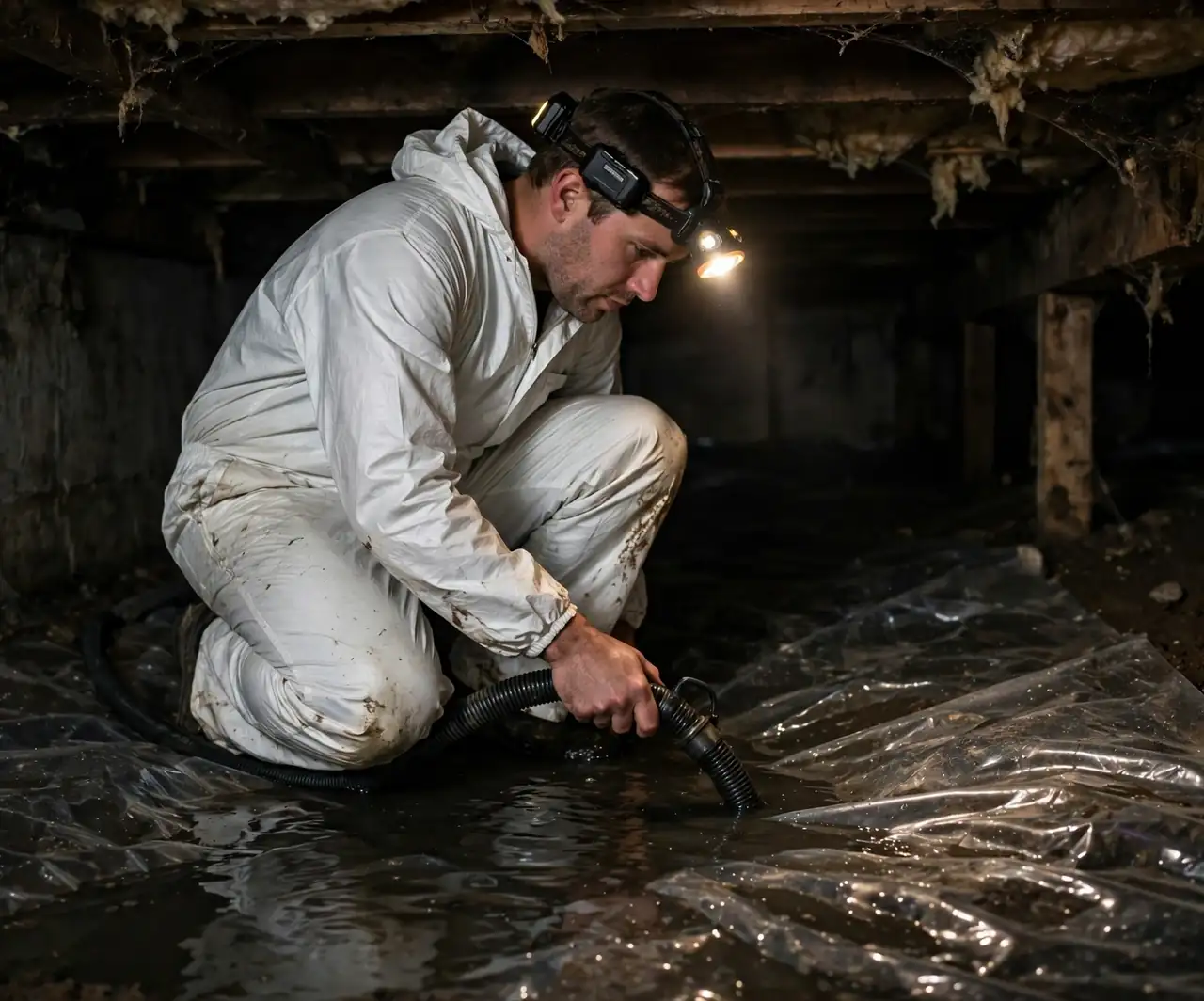
  • Crawl space water entry
Downtown Kuna Businesses

Downtown Kuna Businesses

Main Street properties need clear access while extraction and drying proceed. We plan equipment placement around entrances, work areas, and customer paths.

  • Main Street storefronts
  • Mixed-use properties
  • Customer-facing entrances
  • Small commercial interiors

Common Downtown Kuna Water Emergencies

Downtown's older housing stock makes these four the priority: aging supply lines behind walls, frozen pipes on cold nights, roof leaks above ceilings, and seepage or pump failure in lower rooms.

  • Supply-Line Fittings Leak Behind Cabinets and Walls

    Supply-Line Fittings Leak Behind Cabinets and Walls

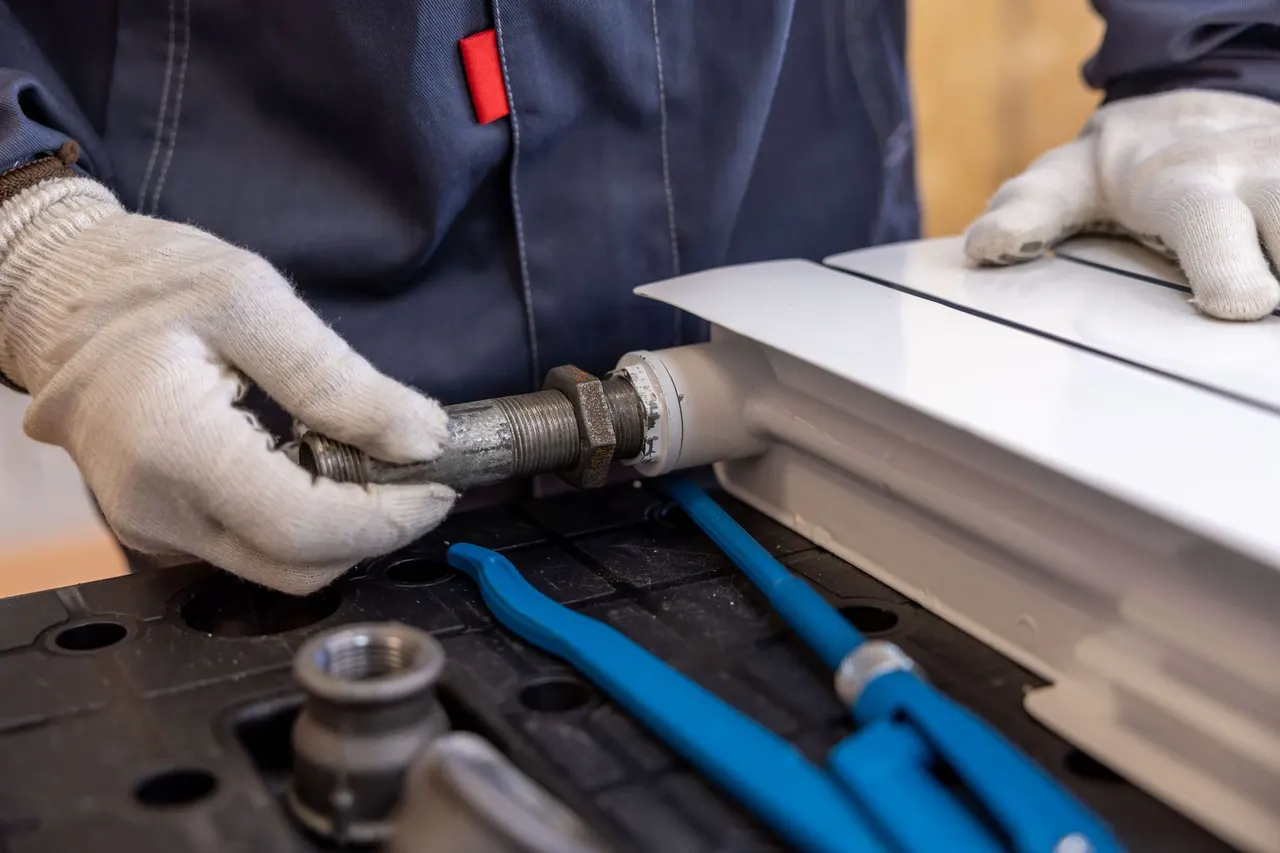
    A fitting that weeps behind a wall in Downtown Kuna can wet insulation and drywall for days before the surface shows anything. We trace the damp path with a meter rather than opening walls blindly, stop the supply at the nearest shut-off, and dry the cavity from the readings. The repair note names the failed fitting and the rooms it affected, so the plumber and the drying record agree on what happened.

  • Roof Leaks Stain Ceilings and Wet Insulation

    Roof Leaks Stain Ceilings and Wet Insulation

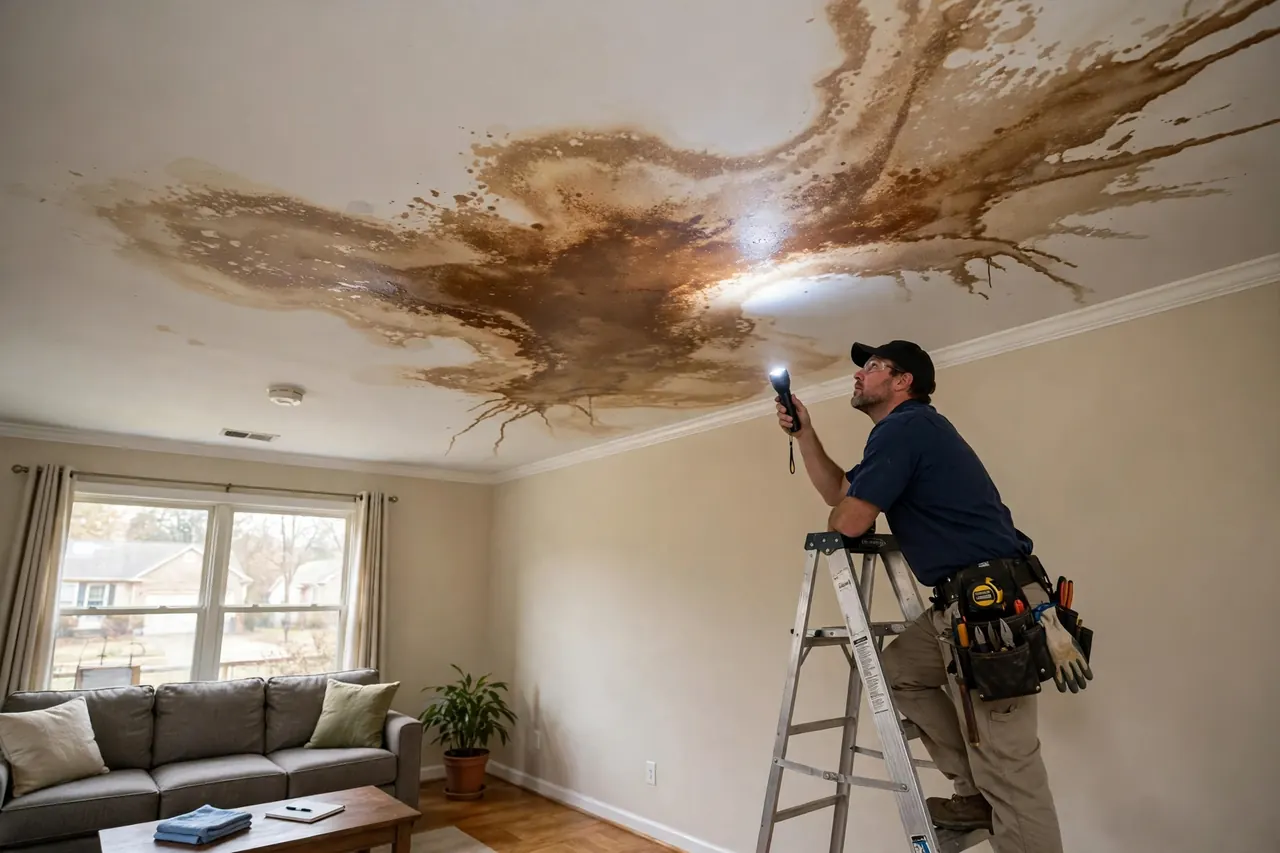
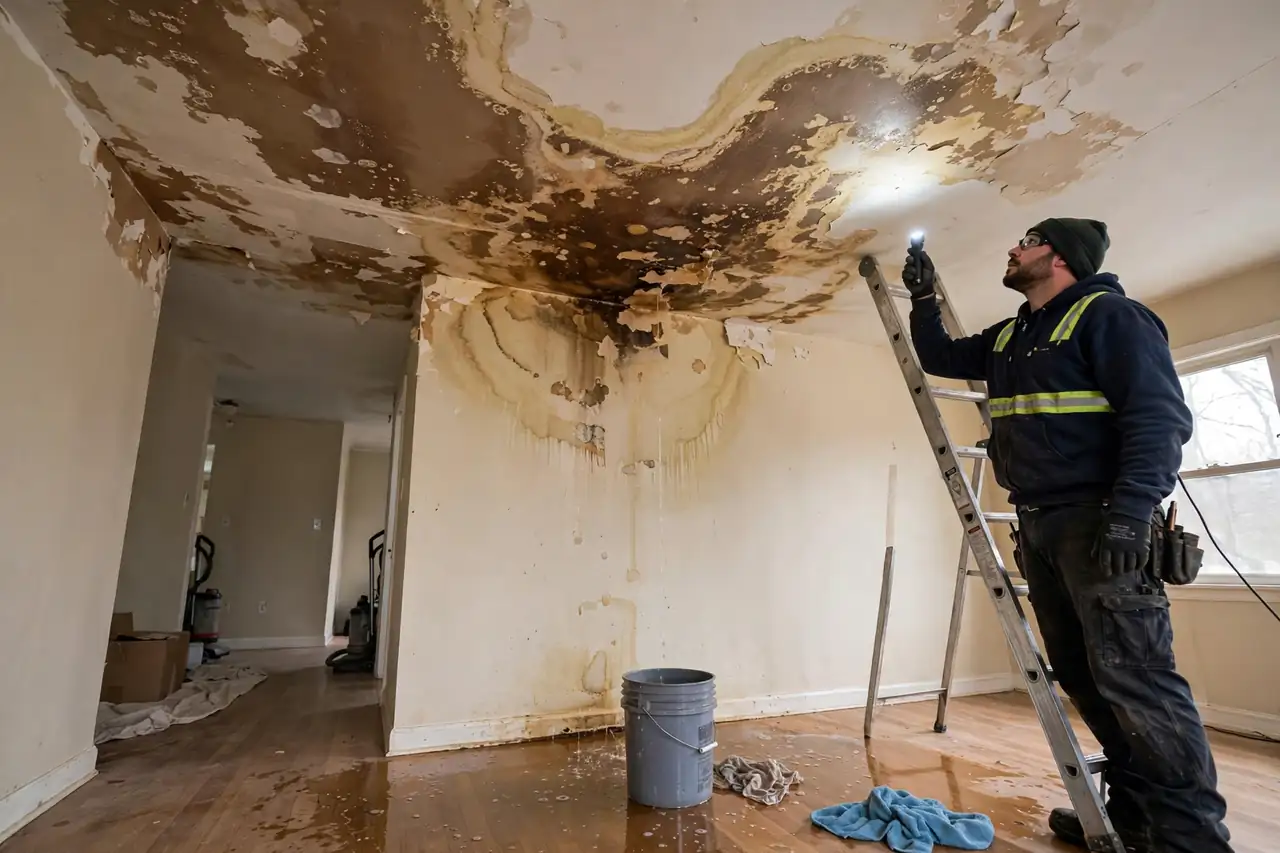
    Wind-driven rain can find a worn flashing, a lifted shingle, or a valley defect and send water into the attic, where it follows framing before it stains a ceiling. In Downtown Kuna, the stain on the ceiling is rarely directly under the entry point, so we inspect the space above the stain as well as the room below. The roof opening has to be controlled before interior drying can hold; otherwise the ceiling keeps re-wetting. We document the wet area and check the surrounding ceiling before any repair begins.

  • Sewage Backup Needs Controlled Handling

    Sewage Backup Needs Controlled Handling

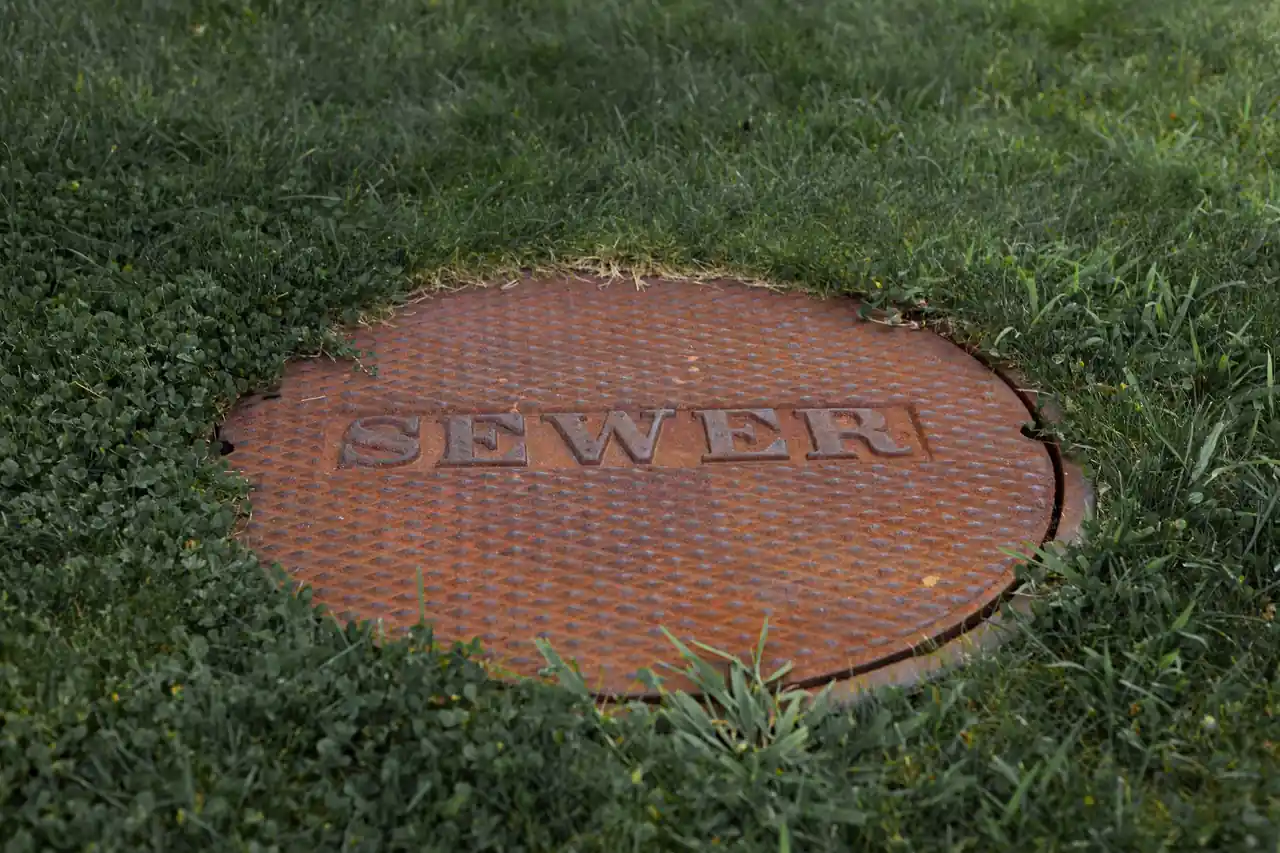
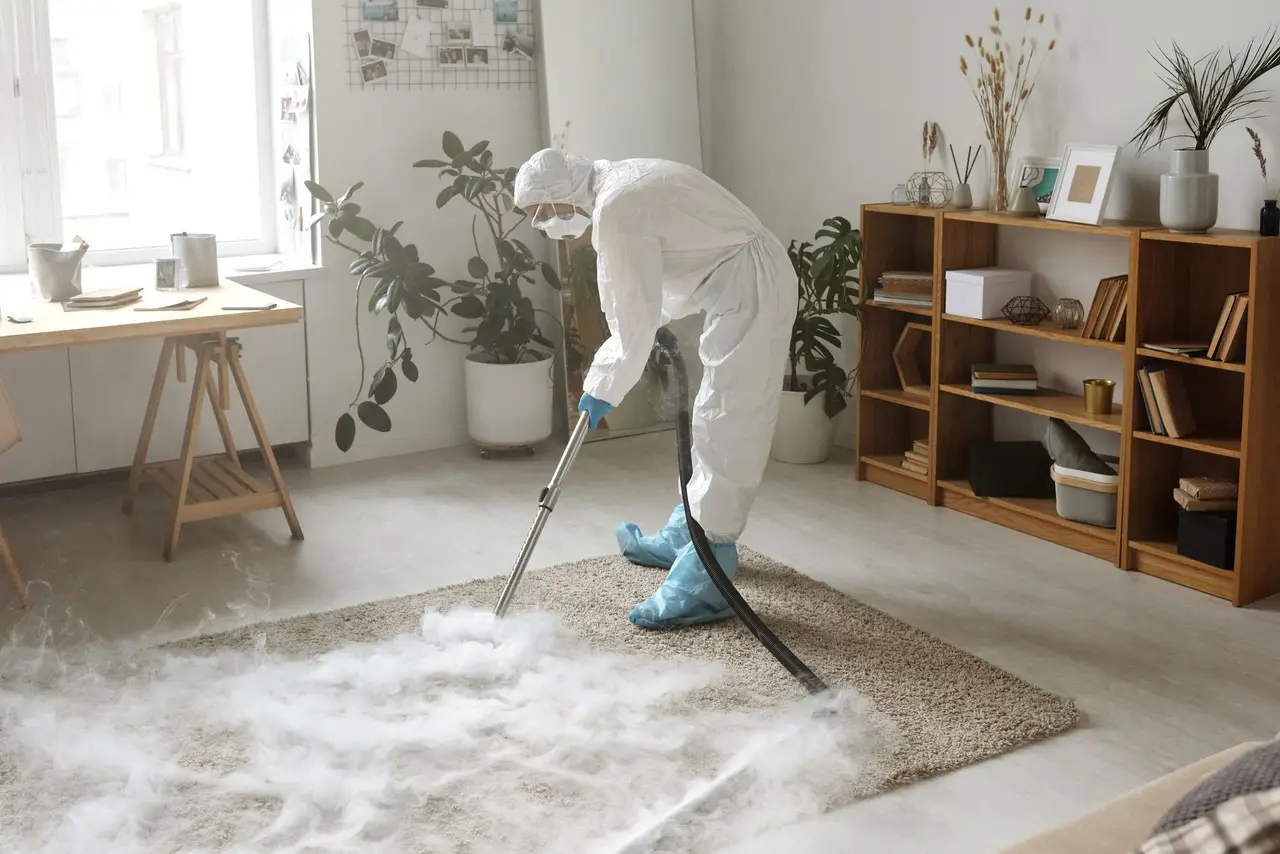
    When a sewer line backs up in Downtown Kuna, the water carries contaminants that make ordinary mopping unsafe and incomplete. We treat the affected rooms as a controlled area, remove standing water with the proper precautions, and take out porous materials that cannot be disinfected. Hard surfaces are cleaned and the structure is dried from moisture readings, and we explain what the drain itself needs — a backup that is only pumped out without fixing the line will usually return.

  • Storm Water Crosses Thresholds and Soaks Ground Floors

    Storm Water Crosses Thresholds and Soaks Ground Floors

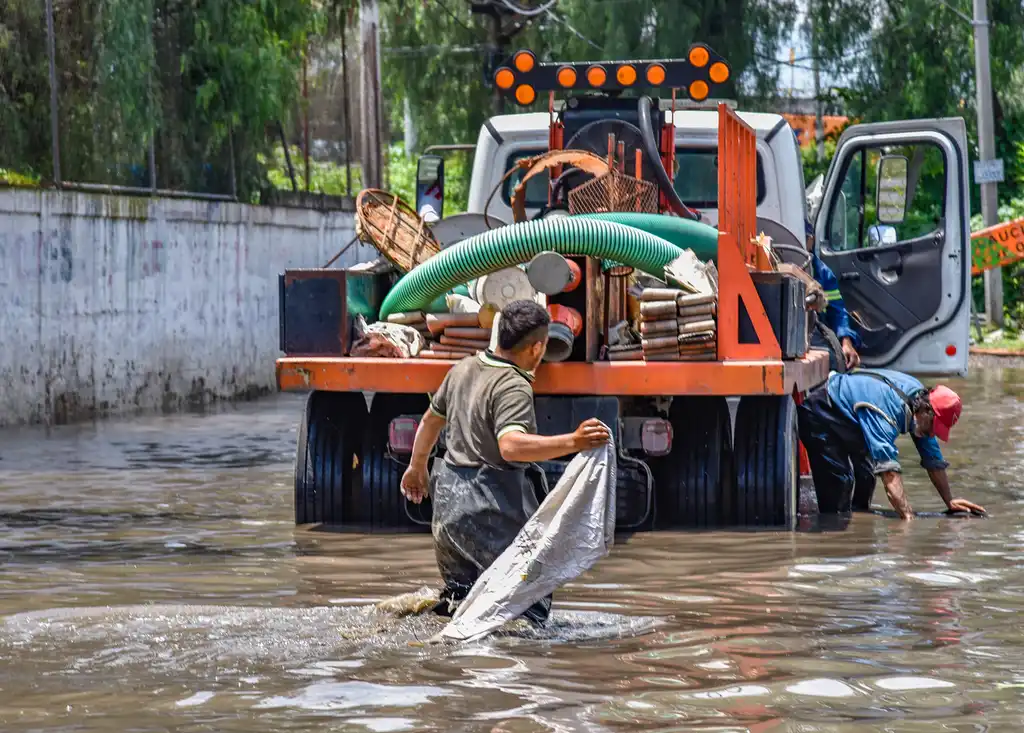
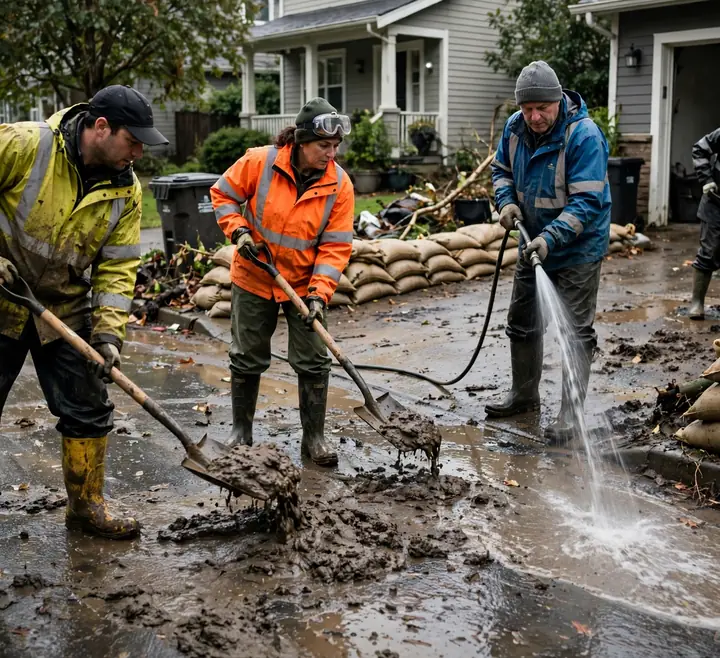
    A hard Treasure Valley storm can push water under doors, through low vents, and across patios faster than it can drain away, and the ground floor takes the hit. In Downtown Kuna, we start by making the entry safe and removing standing water, then check how far it travelled under flooring and into wall bases. Storm water is treated as potentially contaminated, so the handling differs from a clean supply-line leak, and we document the rooms and materials before drying begins.

When to Call for Water Restoration

Notice active leaks, growing ceiling stains, wet carpet edges, sewage odors, or damp lower-level rooms? Call before moisture spreads.

  • Water continues flowing after a fixture is shut off

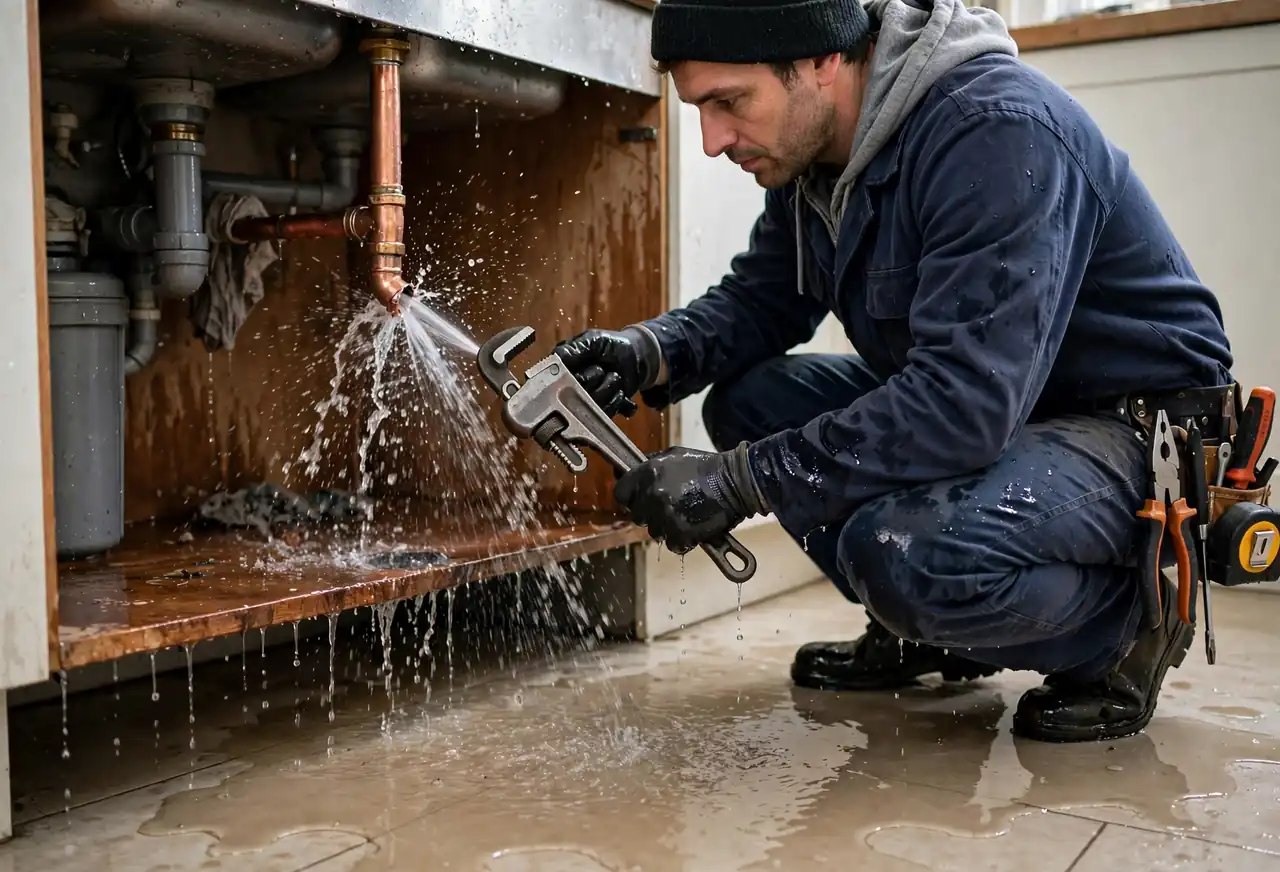
    A line may be broken behind a wall, under a floor, or at an appliance connection. Shut off the closest safe valve or the property's main supply if you can do so without entering standing water. Continued flow increases the wet area and calls for urgent source control and extraction.

  • Ceiling stain grows or begins to sag

    A growing stain or bulge suggests water is collecting above the ceiling surface. Do not puncture it or stand beneath it; wet drywall can become heavy and fail. We trace the source, inspect nearby finishes, and remove or dry materials based on their condition.
  • Carpet feels wet beyond the visible spill

    Water can spread beneath carpet and saturate carpet padding before the surface looks severely damaged. A damp edge or cool, spongy feel is a reason to check the subfloor and nearby baseboards. Prompt extraction reduces the time moisture remains trapped in the assembly.

  • Drain water returns with a sewage odor

    A sewage backup can carry contaminated water into a bathroom, basement, or lower-level room. Keep people and pets out of the affected area and avoid using connected fixtures until the source is controlled. Cleanup requires separation, removal, and appropriate disinfection rather than ordinary drying.

  • Musty odor appears after a leak

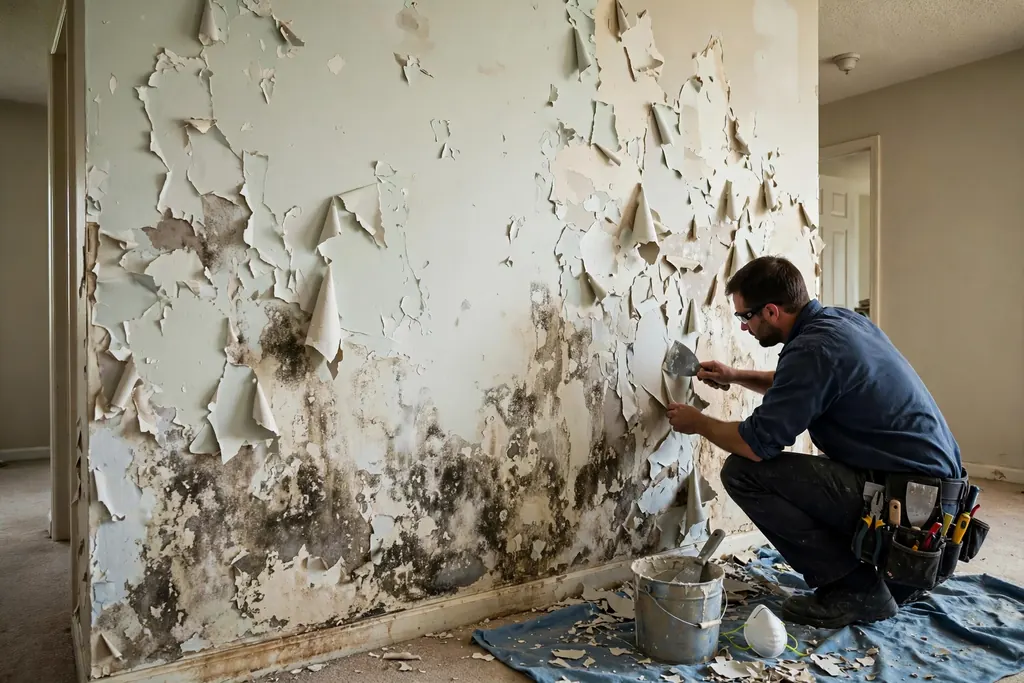
    A persistent musty smell can indicate damp material in a wall cavity, under flooring, or inside a cabinet. The area may look dry while moisture remains concealed. We inspect the likely pathway, measure affected materials, and address the source before recommending odor treatment.

How Downtown Kuna Restoration Gets Done

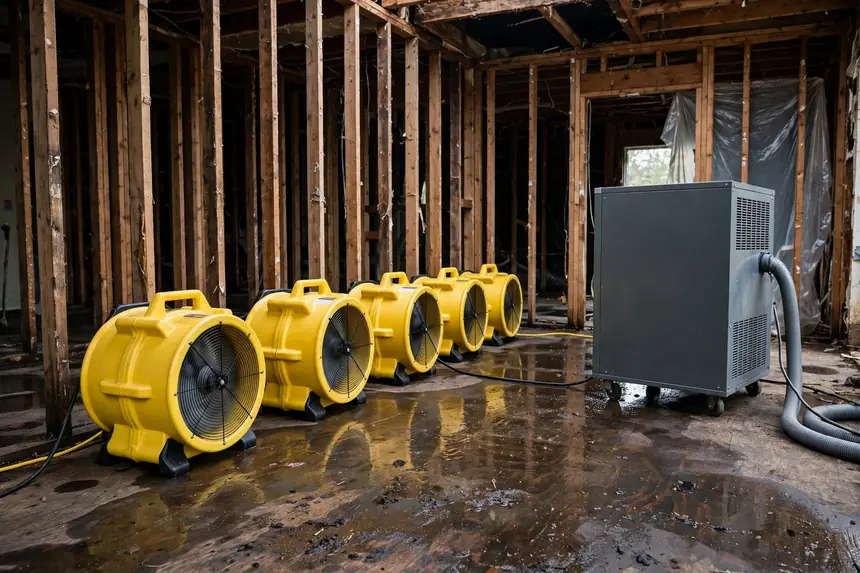
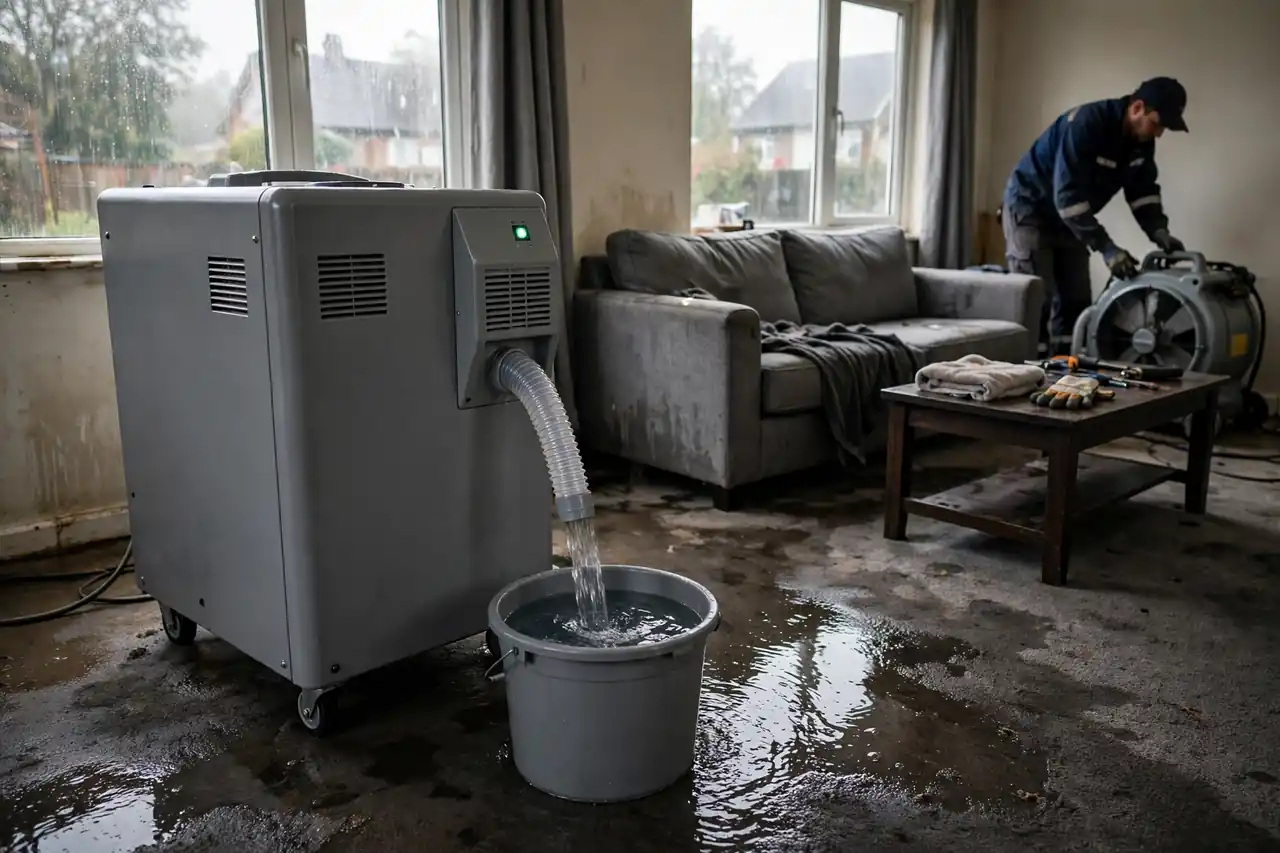
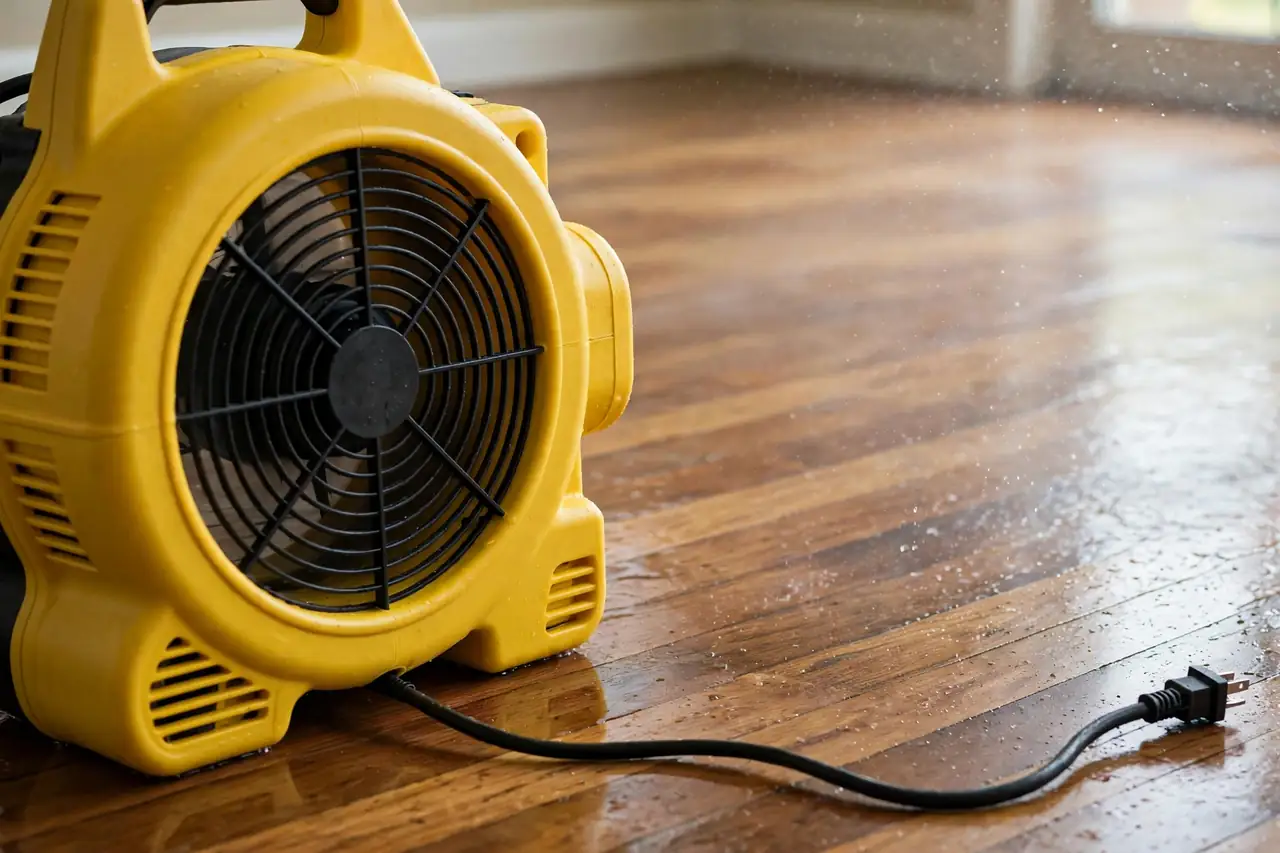
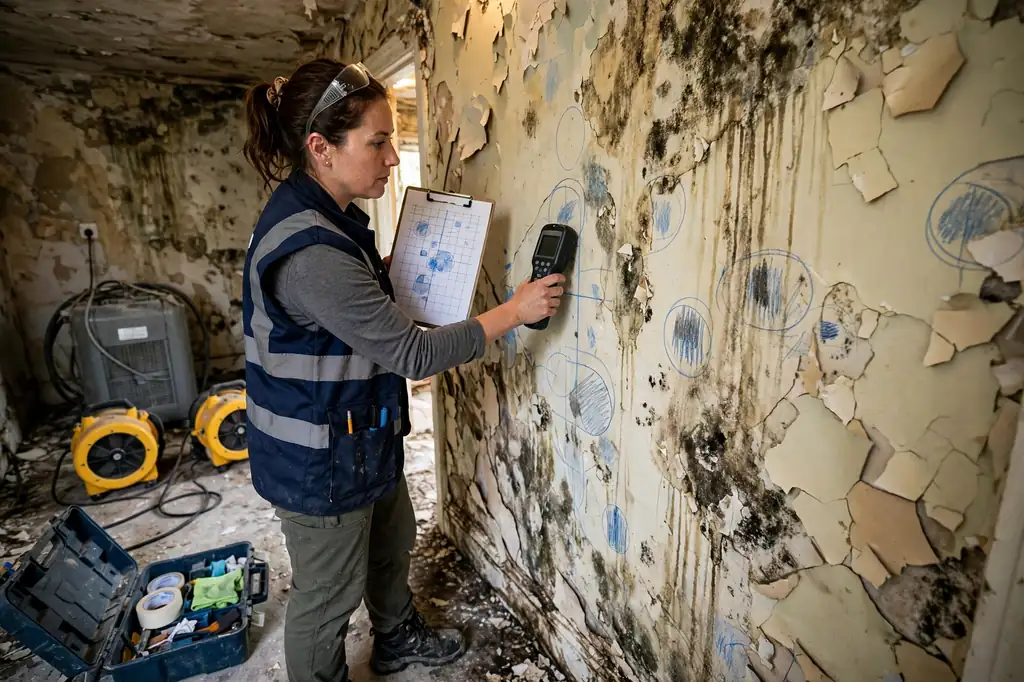
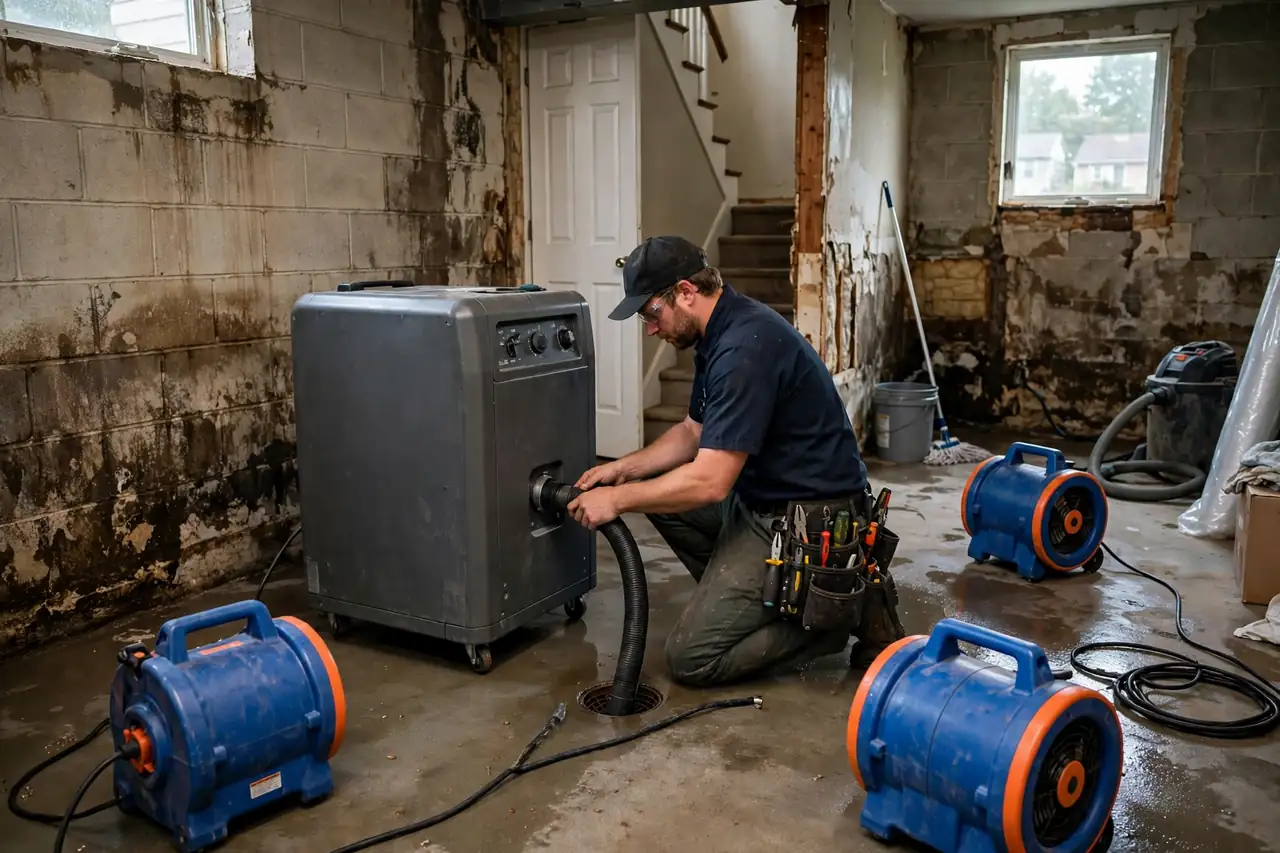
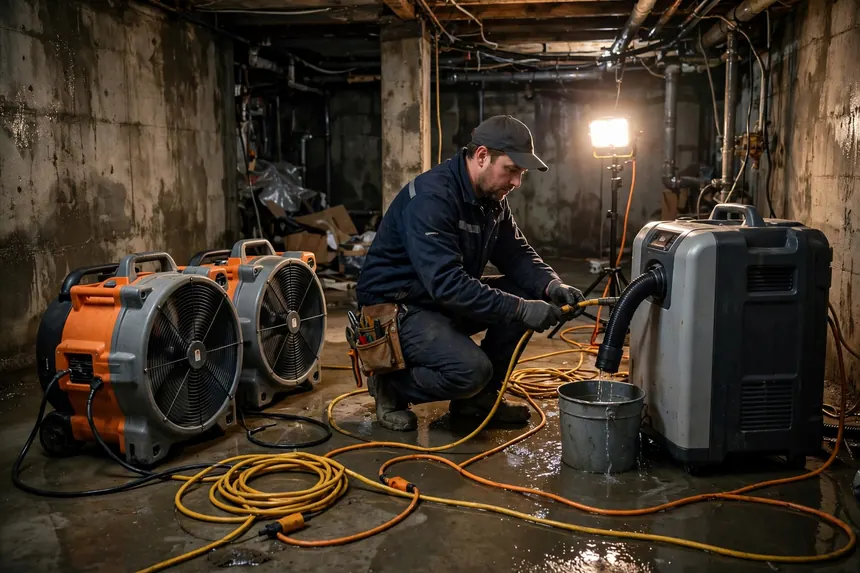
Downtown Kuna emergency water damage repair begins with a safe inspection and a call to stop the source. We check electrical hazards, identify whether the water is clean or contaminated, and extract standing water before placing drying equipment. A hygrometer helps us track indoor humidity; moisture readings guide where air movers and a dehumidifier belong. We record affected rooms and materials so the drying plan can be adjusted from measured conditions.

  • Aging pipes in older Downtown Kuna homes can leak inside finished walls.

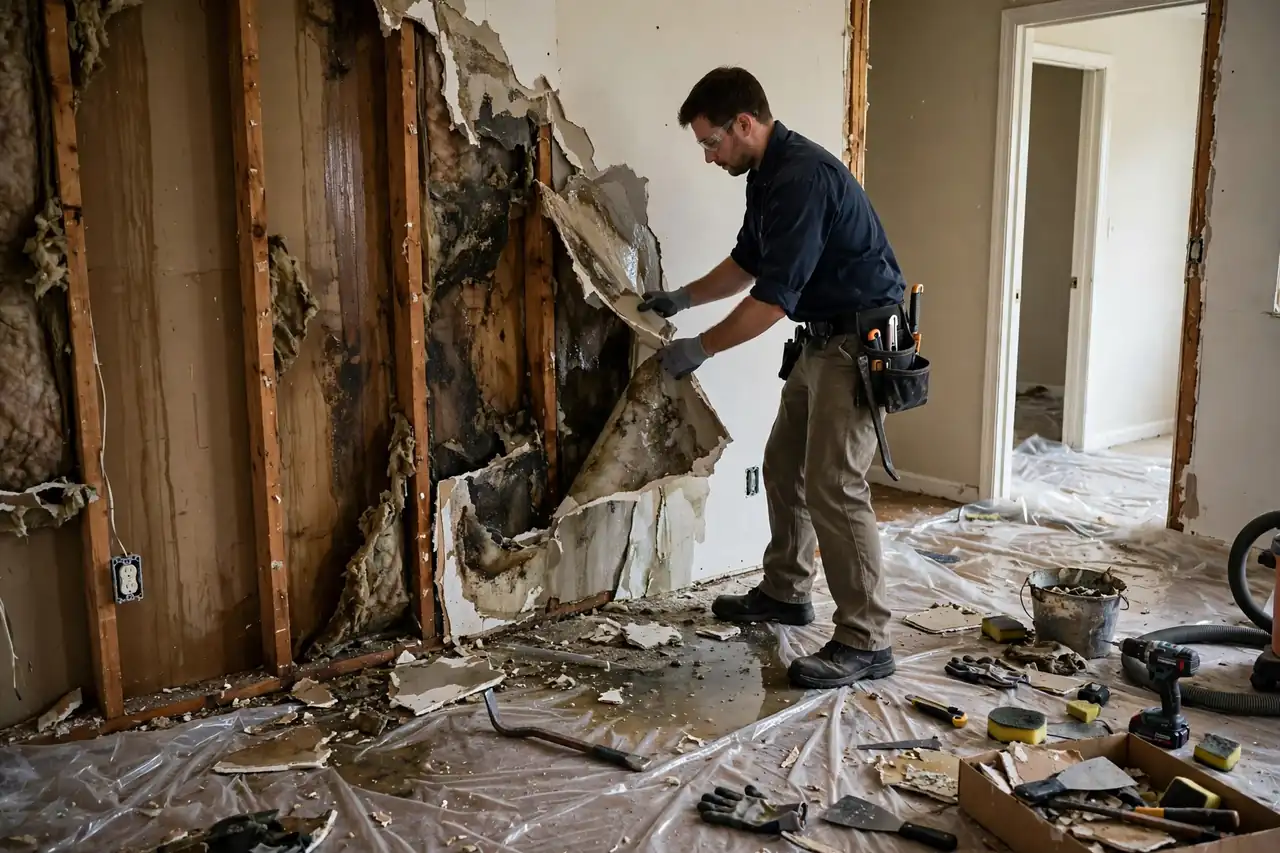
    A small plumbing failure can send water behind cabinets or through wall cavities before a stain appears. By the time you see a ceiling mark or swollen baseboard, insulation and framing may already be wet. We trace the affected area with a moisture meter and inspect likely pathways before opening finishes. After the plumbing source is controlled, we extract water, record readings, and determine whether drywall and insulation can be dried in place or need removal.

  • Mature tree roots can intrude into drainage lines and complicate water entry.

    Root intrusion can contribute to slow or recurring drainage problems, while a backup may bring contaminated water into a lower level. The visible mess does not always reveal where the restriction or entry point lies. We first separate contaminated water from clean-water damage and keep the affected area controlled. Our crew removes water and impacted materials, cleans exposed surfaces, and advises you to have the drainage source assessed so a repeat backup does not undo the cleanup.

  • Busy Main Street access calls for careful equipment and work-area placement.

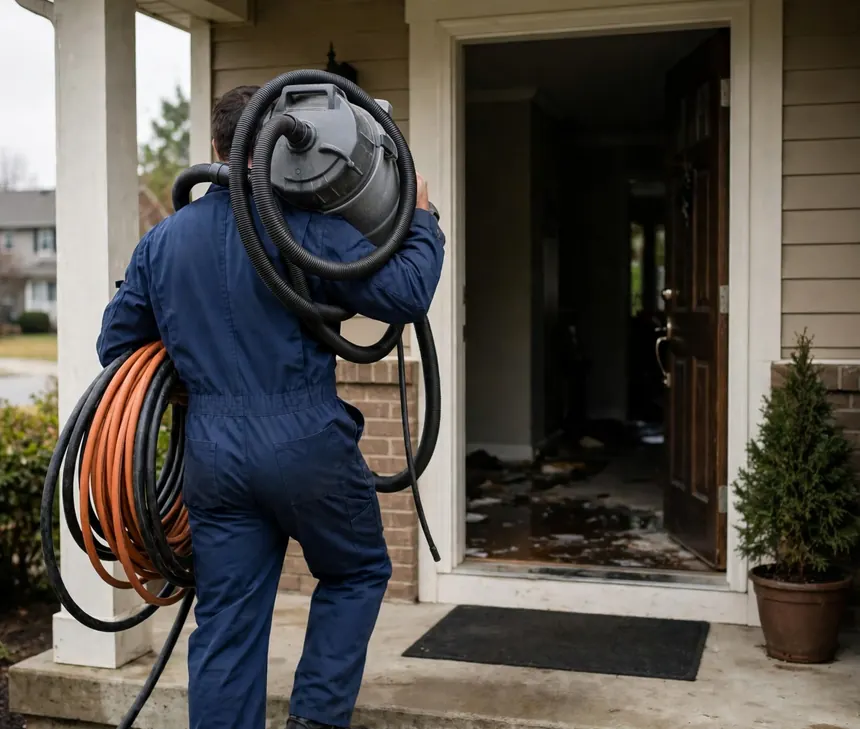
    Storefront doors, sidewalks, and customer paths can be affected when hoses, cords, or drying equipment occupy a work zone. Unplanned placement can interrupt business operations or create a trip hazard. We review entrances and the route from the equipment vehicle before setup. We keep cords and hoses organized, place equipment inside the affected area where practical, and coordinate a safe path with the property contact while extraction and drying continue.

  • ANSI/IICRC S500

    This water restoration standard provides a framework for assessing water damage, selecting extraction and drying procedures, and documenting progress. We use measured conditions rather than appearance alone to guide work in Downtown Kuna homes and businesses.

  • EPA Lead-Safe practices

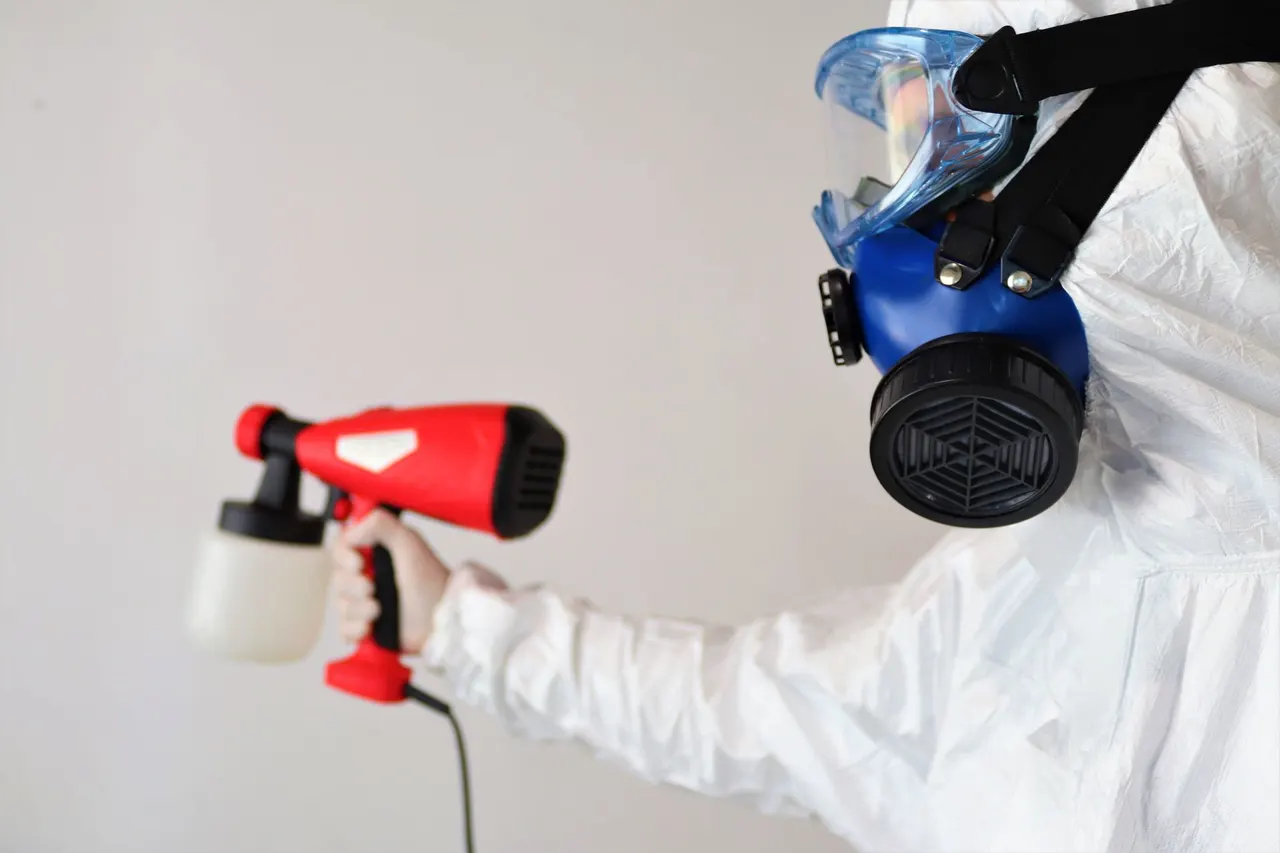
    When work may disturb painted surfaces in older buildings, lead-safe work practices are important. We consider the age and condition of the material before disturbing it and plan appropriate containment and handling for affected finishes.

Landmarks Around Downtown Kuna

Kuna City Hall and Kuna Library are familiar orientation points for locating nearby streets in central Kuna. The Kuna Depot provides another recognizable reference when a caller is describing a property in the Depot area. For a service call, the street address and the best entrance remain essential; landmarks help clarify the route but do not replace the property details. Along Main Street shops, we account for sidewalk access and active entrances when planning equipment delivery.

  • Kuna City Hall

    Kuna City Hall is a recognizable civic reference in central Kuna. A caller can use it to clarify that a property is in the Civic Center area, while the exact street address directs the crew to the correct building entrance.

  • Kuna Library

    Kuna Library is a familiar point of reference for people navigating central Kuna. Mentioning it can help distinguish nearby streets during a call, but the property address and access instructions remain necessary for routing equipment.

  • Kuna Depot

    Kuna Depot helps orient callers who describe a property as being in the Depot area. We use the location as a directional reference alongside the street address, not as a service site or an indicator of a particular water problem.

  • Main Street shops

    Main Street shops form a recognizable local commercial area with storefront entrances and pedestrian activity. For a service visit, callers can identify the business name and entrance so equipment can be brought in without obstructing customer access.

  • Main Street District

    The Main Street District combines commercial activity with nearby residential properties. Store hours, door locations, and the work area affect how a restoration crew enters and stages equipment, so clear site details help the visit run smoothly.

  • Main Street

    Main Street is a practical navigation corridor for reaching central Kuna addresses. Share the nearest cross street and the preferred entrance so the crew can plan equipment access.

  • Kuna Depot area

    The Depot area is a central orientation point rather than a transit schedule reference. Use it with your street address to describe the location and identify the right approach.

Downtown Kuna Areas We Cover

Our Downtown Kuna service area includes the places residents use to describe their part of town, from older residential blocks to the active Main Street corridor. We serve ZIP code 83634 and coordinate access for homes, storefronts, and mixed-use buildings. When you call, give us the nearest named area and the type of property so we can prepare for the right entrance, equipment, and water source.

  • Old Town Kuna
  • Main Street District
  • Kuna Depot area
  • Civic Center area

Downtown Kuna Restoration Work Examples

  • Old Town Kuna

    Before

    A supply line leak in an Old Town Kuna kitchen wet the cabinet toe-kick, nearby drywall, and flooring before the homeowner found the source.

    After

    We helped isolate the leak, extracted water from the floor, and checked the cabinet base and wall edges with a moisture meter. We removed material that could not be dried effectively, positioned air movers and a dehumidifier, and recorded follow-up readings so the owner could see which areas were improving. Extraction and initial setup took about 3 hours. Moisture readings declined over 4 days, and the affected flooring and wall area were documented for repair.

  • Main Street District

    Before

    A roof leak above a Main Street District business left a ceiling stain and dampened a section of wall near the customer entrance.

    After

    We inspected the ceiling and adjoining wall, documented the affected surfaces, and extracted water where it had collected. The crew arranged equipment away from the primary entrance, checked moisture in the wall, and explained which ceiling material required repair after drying. The initial inspection and extraction took roughly 2 hours. Drying checks continued for 3 days, with the entrance kept clear during the work period.

  • Civic Center area

    Before

    A sump pump failure left standing water and wet stored items in a lower-level room near the Civic Center area.

    After

    We removed standing water, separated wet contents from dry belongings, and inspected the sump pump area and lower wall edges. After checking moisture in the floor and baseboards, we placed drying equipment and documented conditions for follow-up and pump repair. Water removal took about 4 hours. The room was monitored for 5 days, and damp contents were sorted before the storage area was returned to use.

Downtown Kuna Water Damage by Season

  • Spring

    Spring runoff and rain put the drainage around a home to the test, and the first sign of trouble is often a damp floor edge after a storm. Clear gutters and downspouts, check that water runs away from the foundation, and inspect ceilings for stains that winter moisture left behind. When irrigation resumes, a zone that sprays the wall or pools near a threshold needs shutting off the same day.

  • Summer

    Summer brings the long irrigation season and the hottest days of the year, and a sprinkler zone that runs for hours can push a surprising amount of water against a foundation. Check zones weekly for broken heads and overspray, keep water off thresholds and low vents, and remember that surface water dries fast in the heat while moisture trapped under flooring does not. A damp patch that survives a hot afternoon deserves a meter reading, not a shrug.

  • Fall

    Before the cold arrives, fall work is mostly prevention: gutters cleared, downspouts running clear of the foundation, roof valleys checked, and the irrigation system drained. Know where the water main shut-off is and that it turns freely, and look at the pipes in the garage and crawl space for exposure. The homes that flood in winter are usually the ones where a small fall job was put off.

  • Winter

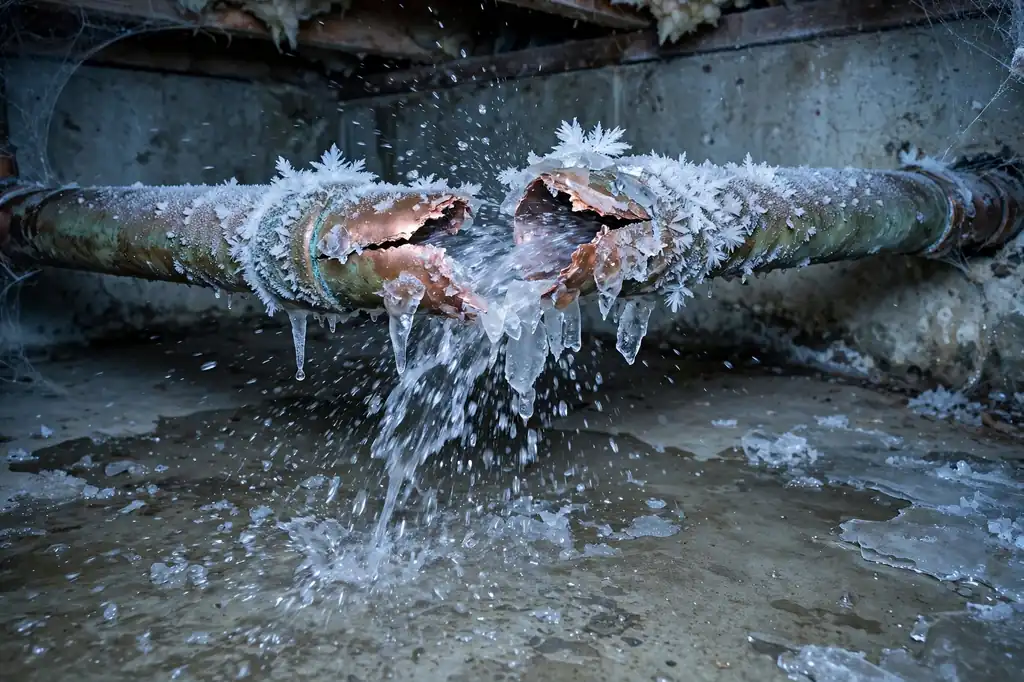
    Freezing nights are the biggest winter risk for Kuna homes, because a split pipe can release water for hours while everyone is asleep. Heat the rooms with plumbing, keep garage and crawl-space pipes protected, and check the shut-off works before the cold sets in. When a pipe bursts, the order is fixed: stop the water, stay clear of wet electrics and sagging ceilings, then extract and measure before any drying begins.

Questions to Ask Before Hiring

A strong water restoration contractor in Downtown Kuna should explain the first steps clearly and show how drying progress will be measured. Ask who is controlling the water source, what materials are affected, and how the crew will protect access in your home or business. You should also know how contaminated water is handled and what documentation you will receive. Direct answers matter more than broad promises; the work plan should match the source, water category, and building materials.

  • How will you find moisture behind the visible damage?

    A surface stain does not show how far water traveled. Ask whether the crew checks adjacent rooms, baseboards, flooring, and wall cavities with appropriate measuring tools. A clear answer should explain how readings are recorded and how those readings guide equipment placement and follow-up.

  • Will you identify and control the water source first?

    Drying cannot keep up with an active leak or recurring backup. The contractor should explain how the source is identified, what immediate steps are needed, and whether a plumber or other trade must address the underlying failure before restoration can be completed.

  • How do you handle sewage or contaminated water?

    Contaminated water requires different controls from a clean supply-line leak. A capable contractor should describe isolation, protective handling, material removal, cleaning, and disposal. The answer should make clear how people and unaffected rooms are kept away from the affected zone.

  • How will you keep my Downtown Kuna storefront accessible?

    A business may need its entrance and customer route kept clear while extraction and drying proceed. Ask how hoses, cords, and equipment will be placed and who will coordinate access. A practical plan recognizes foot traffic and the specific layout of your property.

  • What measurements show that drying is complete?

    Equipment should not be removed only because a room feels dry. Ask what moisture and humidity readings will be checked, how often they will be recorded, and what results indicate that materials have reached an appropriate drying condition. Documentation helps you follow the work.

Downtown Kuna emergency water damage repair FAQs

Still wondering? (833) 546-4116

Local service team

Call for emergency water damage repair in Downtown Kuna

Water spreading through a Downtown Kuna home or shop needs a clear first move: stop the source, remove standing water, and check what is wet beyond the visible area. Call (833) 546-4116 and tell us your address, the water source, and whether the leak is active. Our team will help arrange the next restoration steps. We take emergency calls around the clock.

Contact the Kuna Team

Call (833) 546-4116 when water reaches your home or business in Kuna, Idaho. Tell us whether the source is still active, which rooms are affected, and when the damage began; that helps direct the next steps. Calls are accepted at any hour for emergency inquiries, and service coverage includes Kuna, ID, with ZIP codes 83634 and 83642.

Thanks. Your request is in and the team will follow up shortly.