Emergency Water Damage Repair in Sundial for Wet Homes

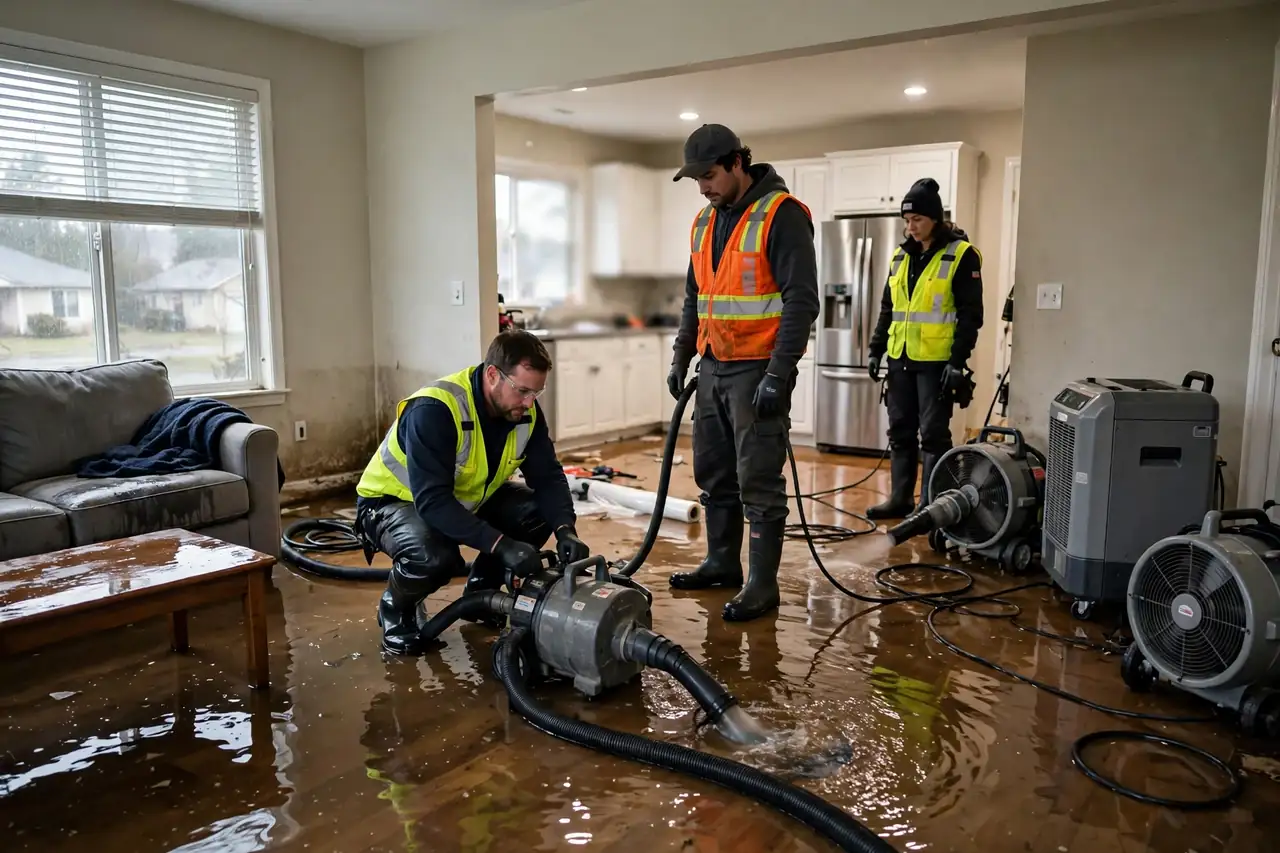
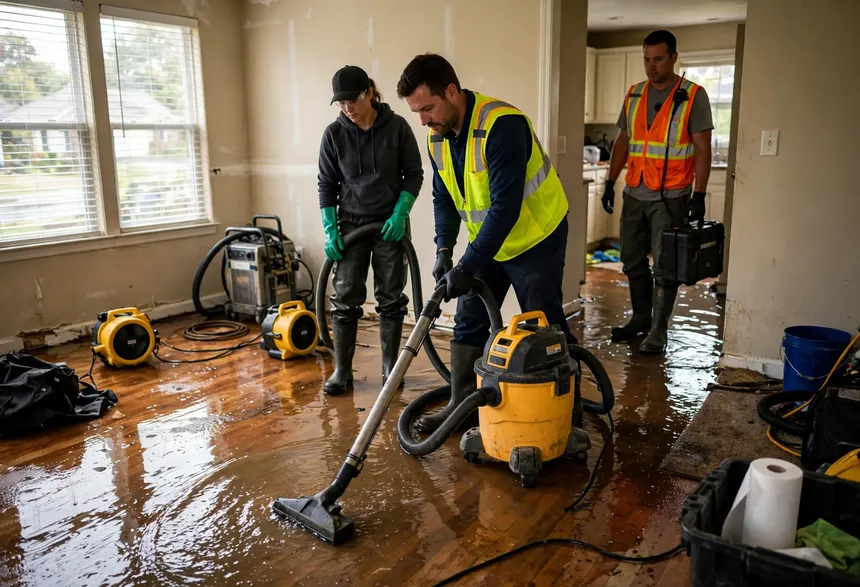
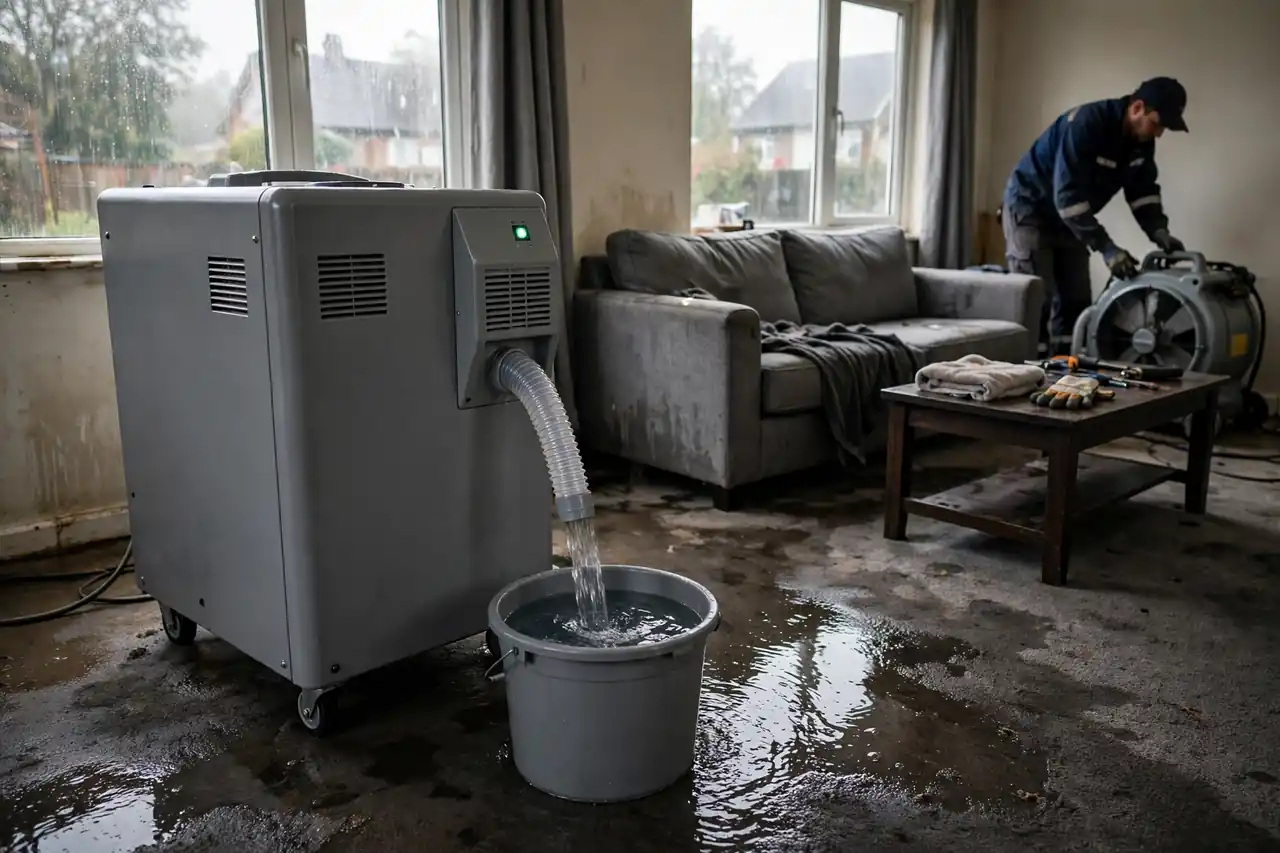
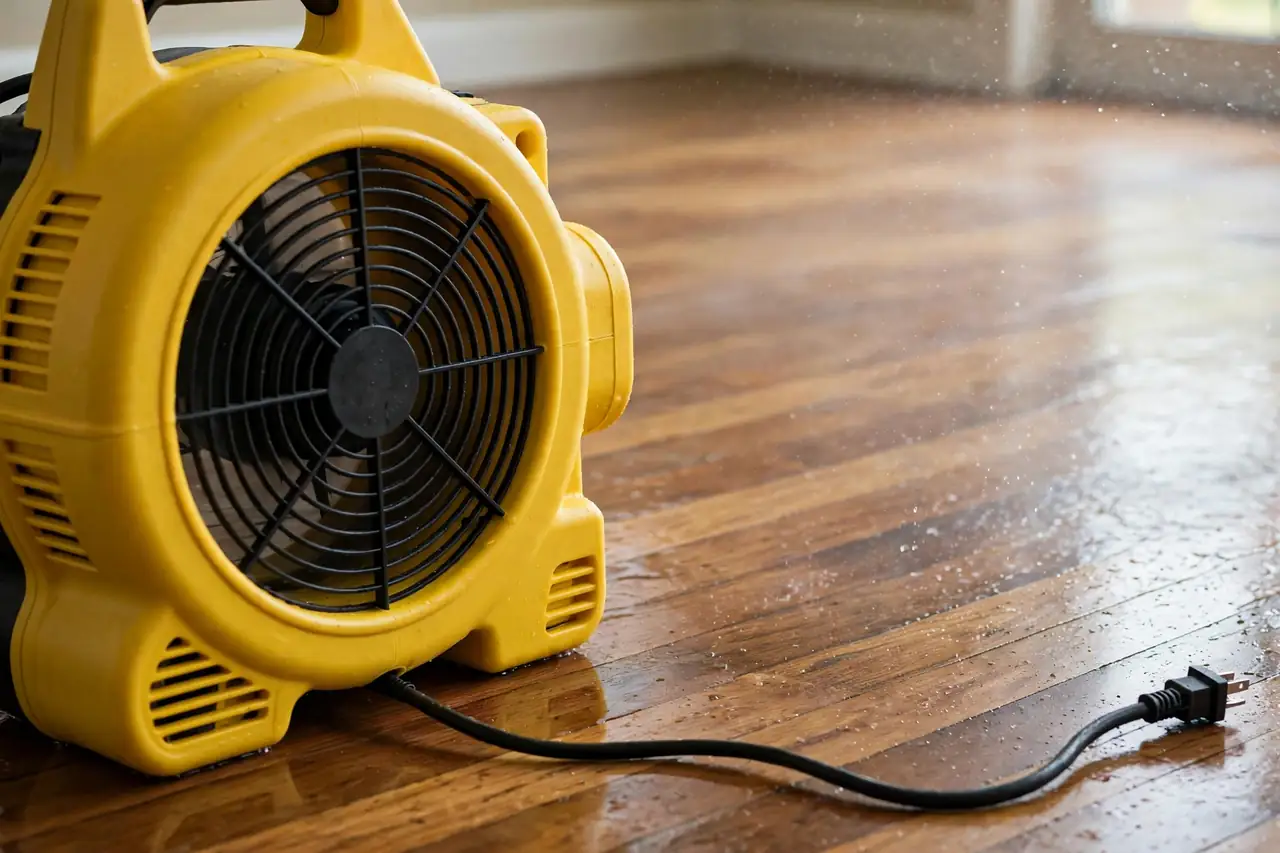
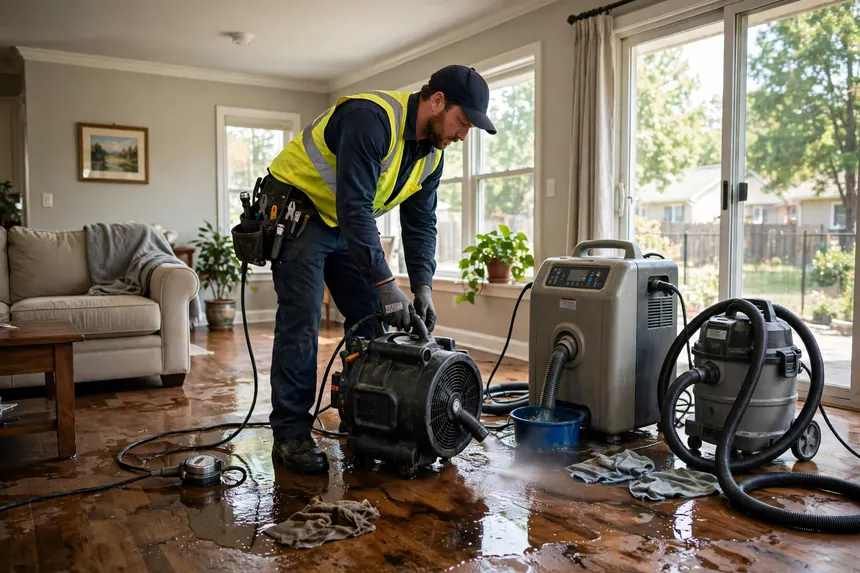
When a pipe breaks or water pushes into your home, emergency water damage repair in Sundial starts with stopping the source and extracting standing water. We serve Sundial Ridge and Sundial Meadows, including homes in ZIP code 83634, with a practical plan for drying floors, walls, and concealed spaces. Sundial emergency water damage repair includes inspection, moisture checks, and clear next steps, so you know what needs attention before wet materials are covered or repaired.

emergency water damage repair in Sundial

Serving Sundial and Kuna

  • Readings RecordedMoisture checks guide drying decisions
  • Work Area ProtectedContents moved away from wet surfaces
  • Steps ExplainedYou hear what happens next
  • Equipment CheckedAirflow placement reviewed during work

Emergency water damage repair in Sundial, Done Locally

Sundial has two features that shape its water losses: modern supply-line fittings that can weep slowly behind cabinets and walls, and low ground where the water table leaves lower-level floors and crawl spaces wet. A fitting that weeps for days and a high water table that keeps a crawl space damp are both slow, quiet problems that are found late.

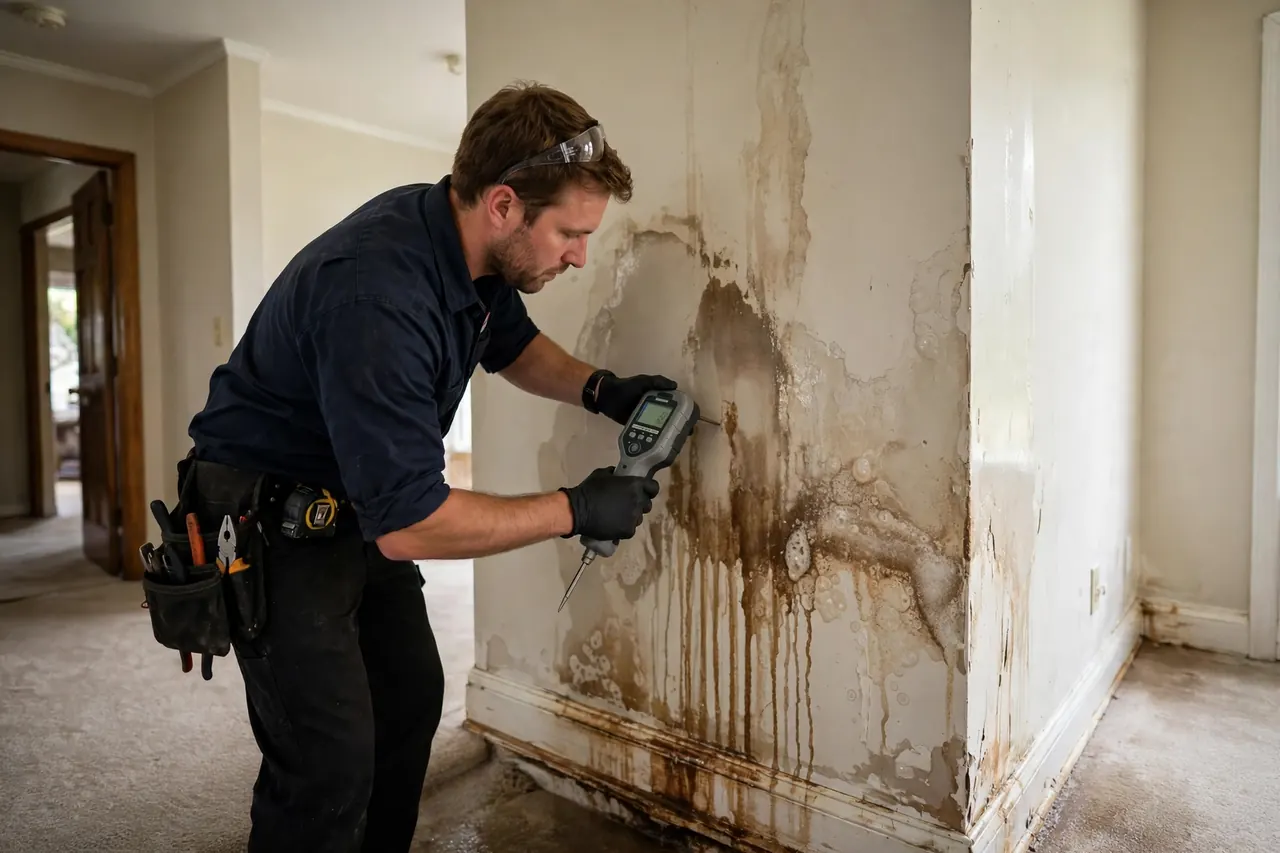
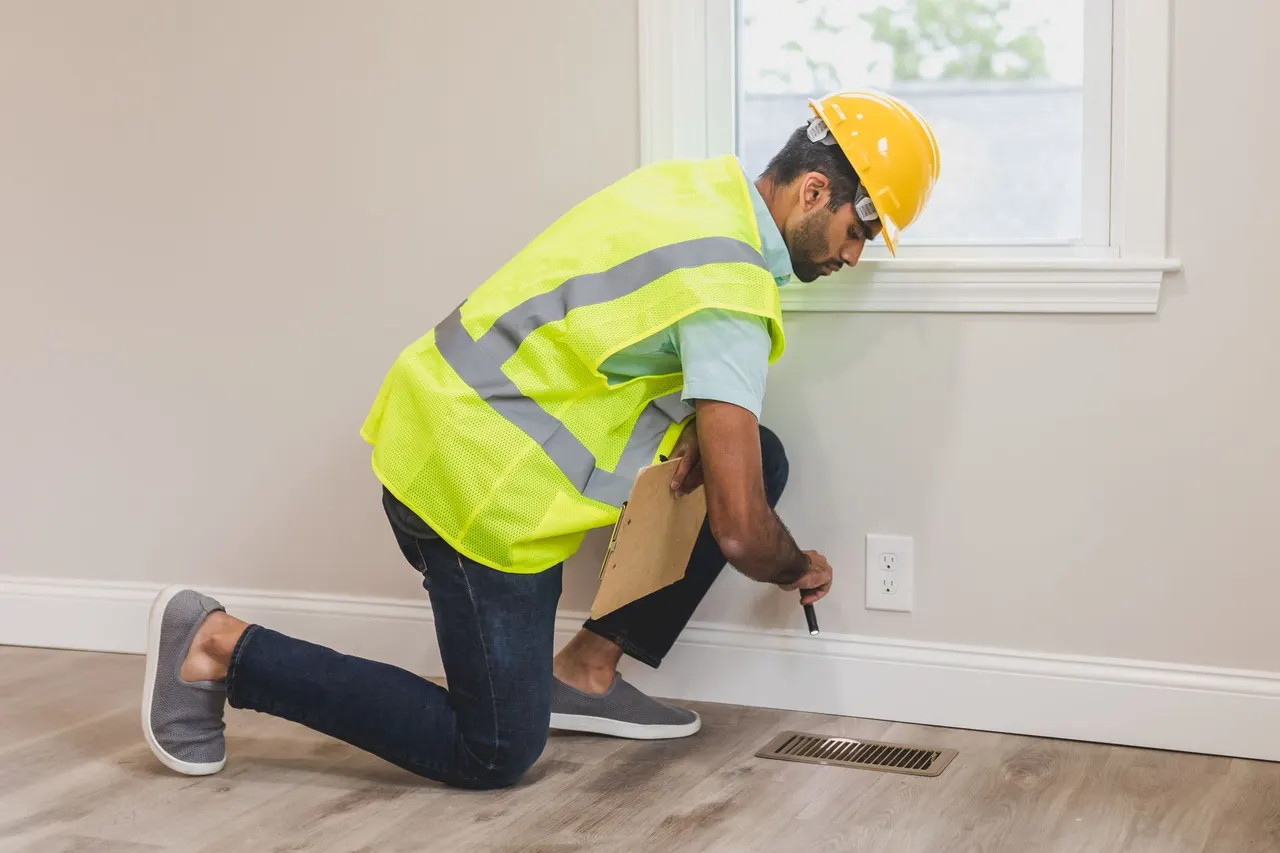
We check the fittings under sinks and behind appliances with a moisture meter, and we read the lower floors and the crawl space in the same visit, because Sundial losses often have both an indoor and a groundwater cause. Drying follows the readings, and we note which fitting failed and how high the water reached, so the plumbing repair and the drying record agree.

Parts of the Treasure Valley sit over a high water table, and in Sundial that shows as lower-level floors and crawl spaces that stay damp after wet weather. Landscaping irrigation adds to it: water that is meant for the lawn can contribute to recurring dampness at a foundation when the grading or the drainage is poor.

Water Damage Services Across Sundial

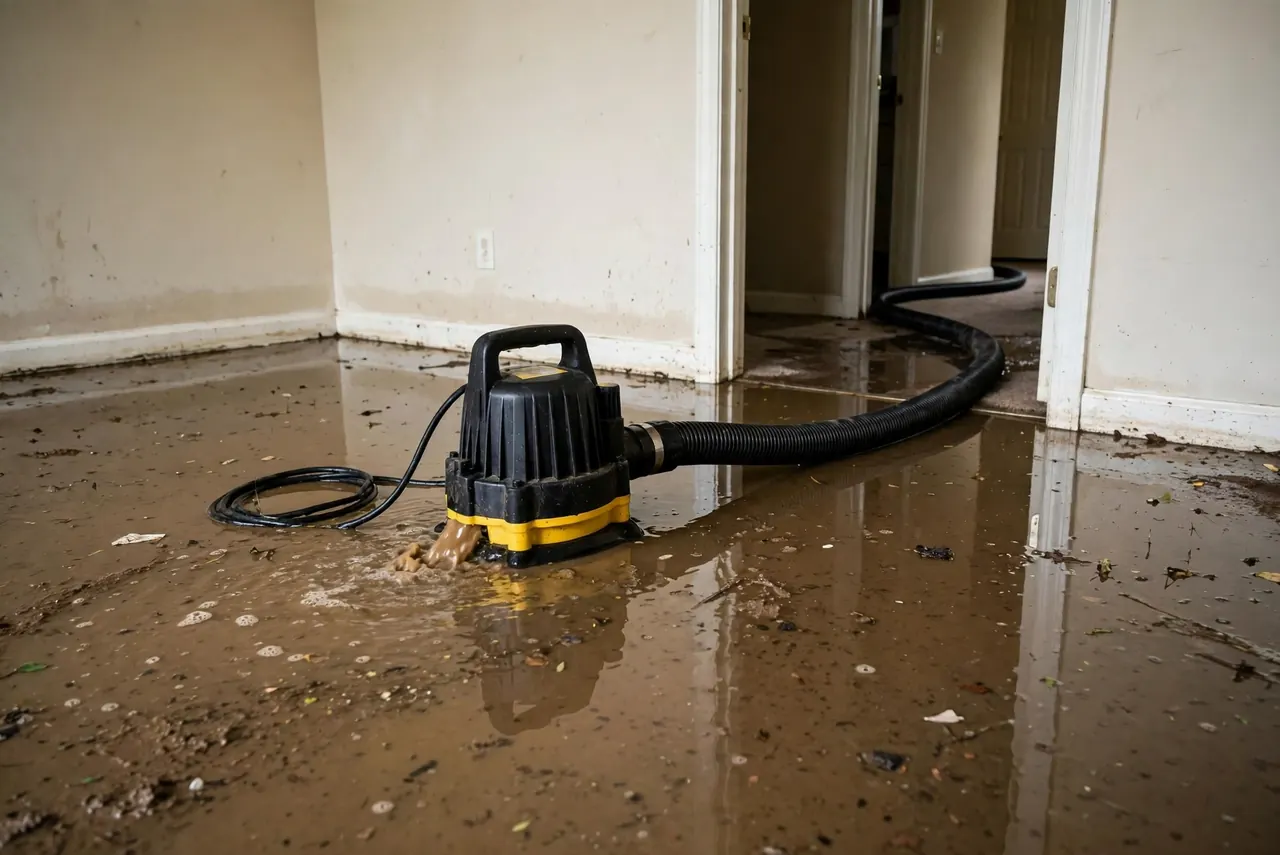
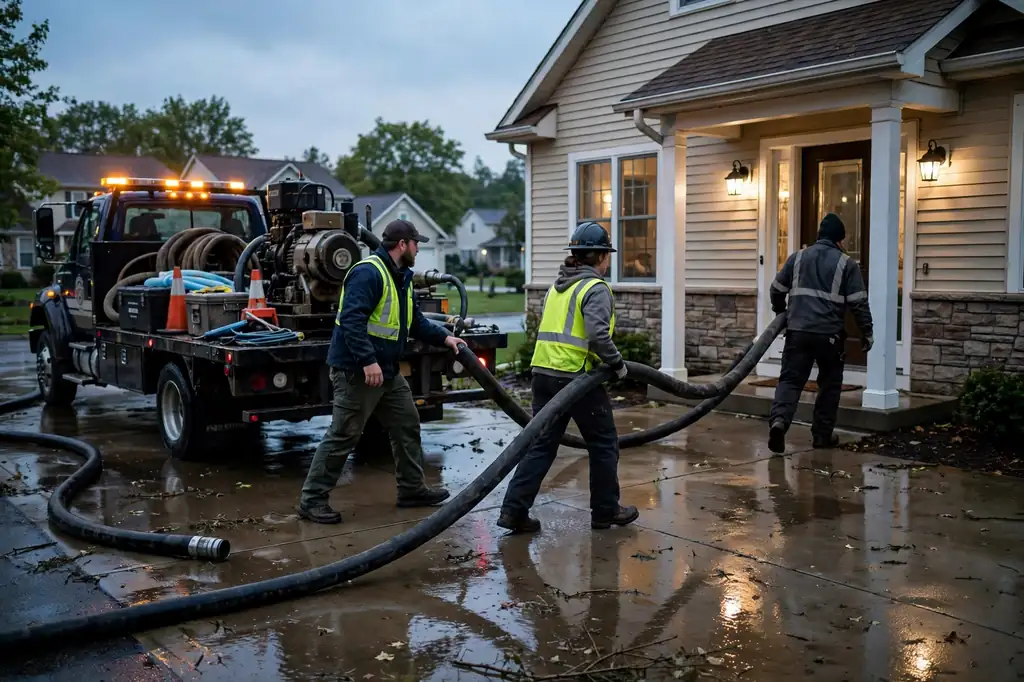
Sundial calls range from a small supply-line leak in a newer home to water spread through several rooms after a failed appliance connection. We begin with the source and the affected materials, then choose extraction and drying methods to match the loss. If water is pooling at the foundation or in a lower level, emergency water extraction near Sundial ID can limit how far moisture travels. We serve homes and properties across Sundial, with attention to the differences between a clean-water pipe leak, storm entry, and contaminated backup.

Water services for Sundial homes

Emergency restoration in Sundial

Emergency restoration in Sundial

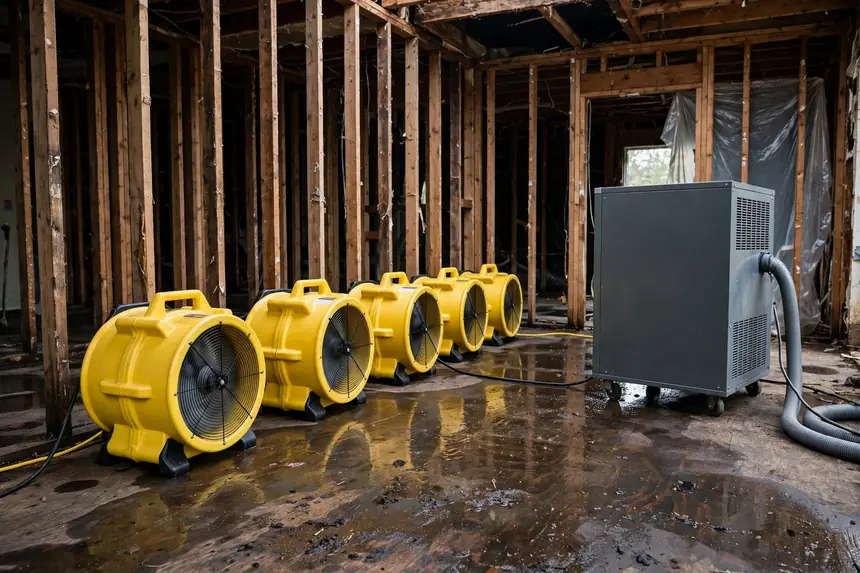
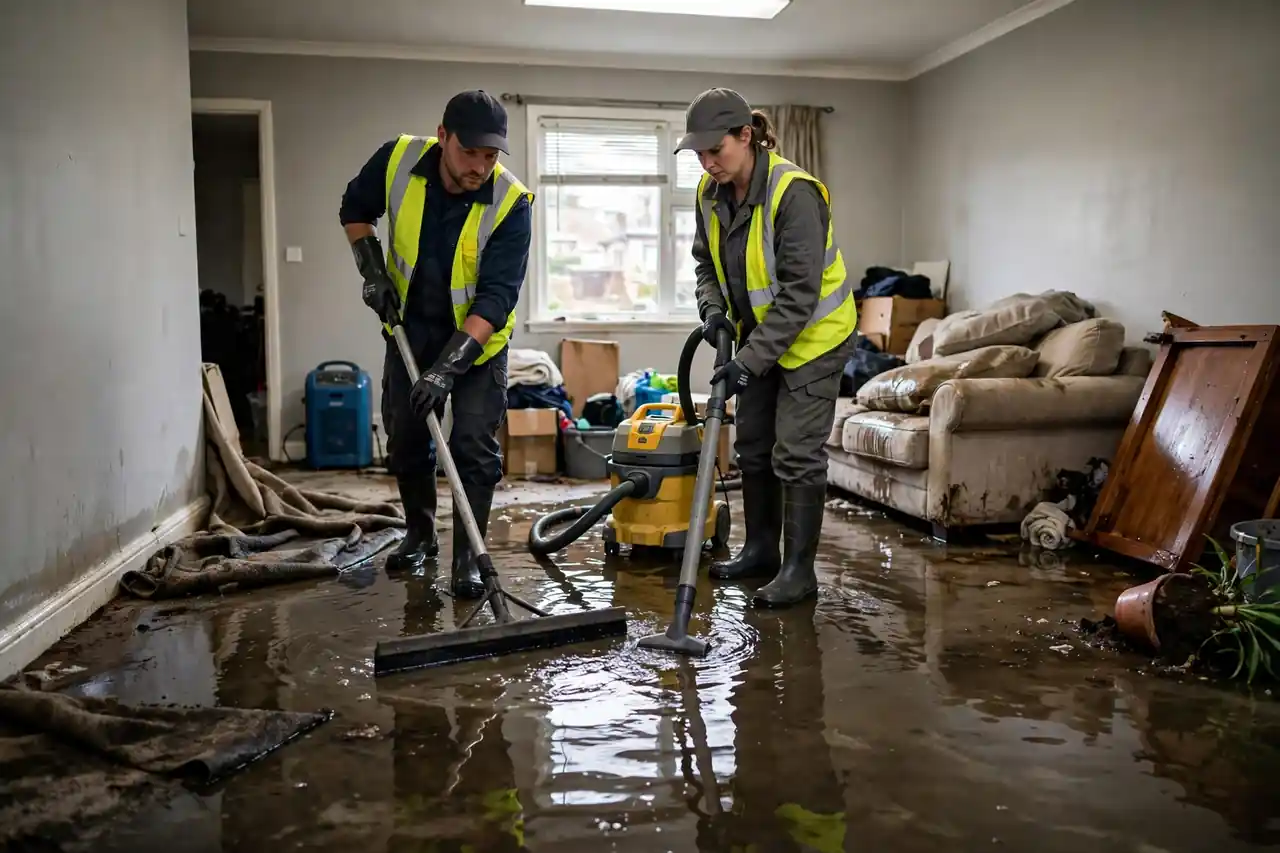
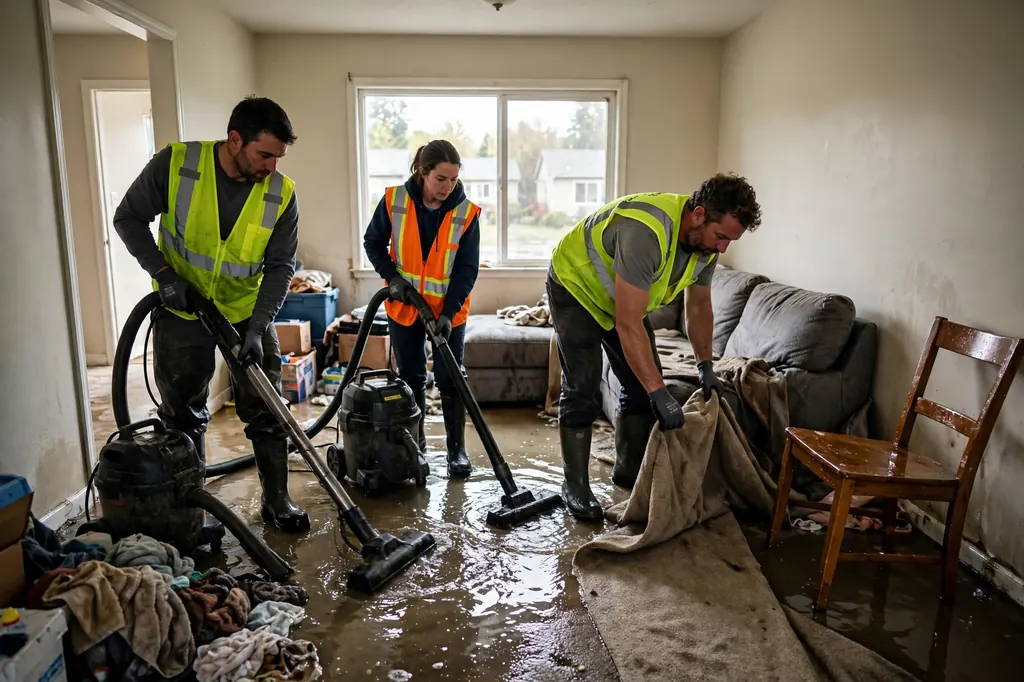
We identify the water source and inspect affected rooms before moving equipment inside. In Sundial homes, we check adjoining spaces and floor edges where water can travel out of sight. Then we extract water and record readings to guide the next drying steps.

  • Source and room inspection
  • Water extraction planning
  • Recorded moisture checks
For Sundial homes

For Sundial homes

We help Sundial homeowners address leaks, wet floors, and lower-level water before damage spreads further. Our first visit focuses on the source, affected materials, and practical drying access.

  • Newer homes with PEX plumbing
  • Laundry and kitchen leaks
  • Sump pump water events
  • Roof leak ceiling stains
For Sundial properties

For Sundial properties

We assess water damage in local business and shared-use spaces with attention to safe access and affected contents. We identify the wet area and organize extraction around the property's operating needs.

  • Community-use rooms
  • Small office interiors
  • Retail floor areas
  • Shared utility spaces

Common Sundial Water Damage Problems

In Sundial, slow fittings and high water are the story, so the four problems below lead: supply-line fitting leaks, wet lower floors and crawl spaces, irrigation dampness at foundations, and winter pipe leaks that wet walls before the room shows damage.

  • Supply-Line Fittings Leak Behind Cabinets and Walls

    Supply-Line Fittings Leak Behind Cabinets and Walls

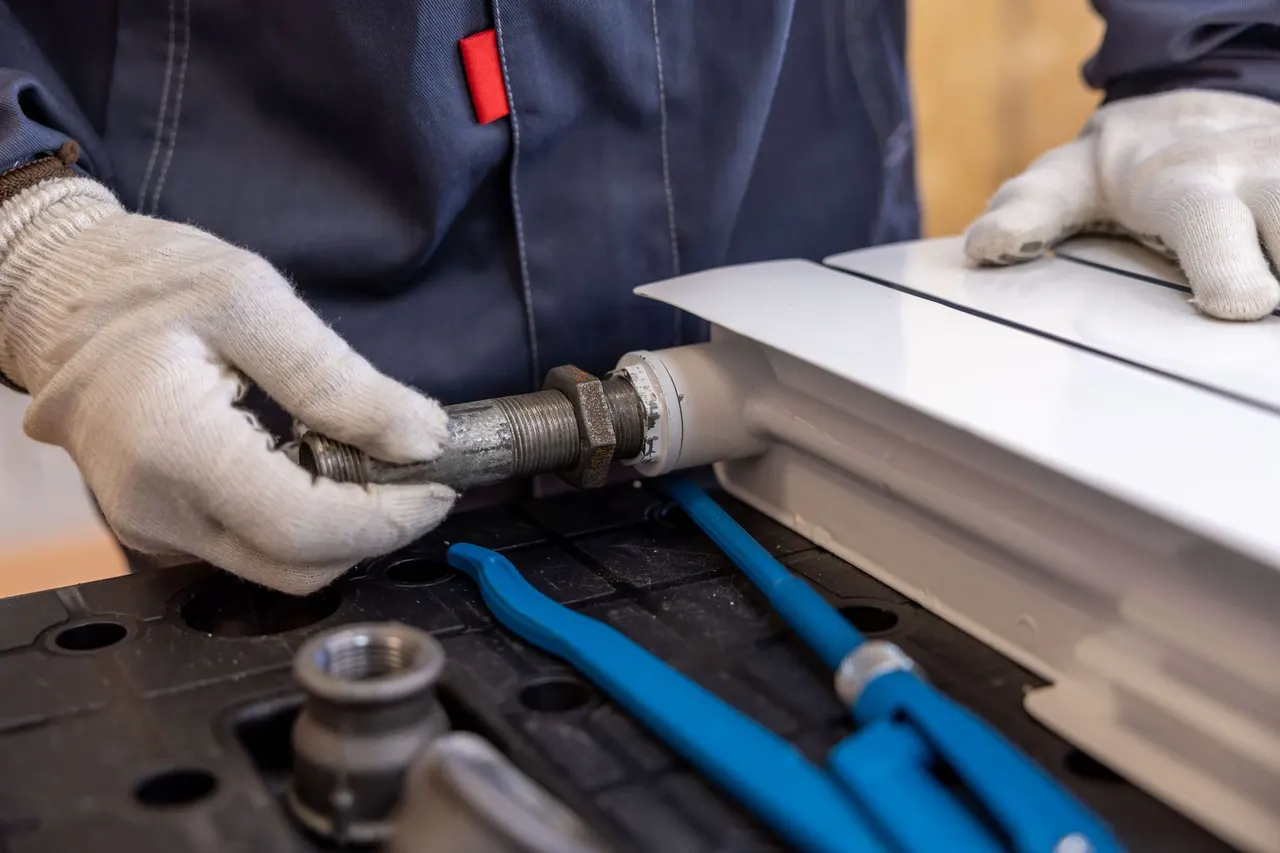
    Modern supply lines and fittings can weep slowly behind a cabinet or inside a wall, and the first sign is a swollen cabinet base or a damp patch that never quite dries. In Sundial, we check the fittings under sinks and behind appliances with a moisture meter, because the wet area is usually wider than the stain. We stop the supply, extract, and dry from readings, and we note exactly which fitting failed so the plumbing repair targets the right connection.

  • Condensate and Drain Lines Wet Utility Areas

    Condensate and Drain Lines Wet Utility Areas

    A clogged condensate line in Sundial can overflow a drain pan and wet a utility room floor a little at a time, often mistaken for a plumbing leak. We trace the drain path, clear the immediate water, and measure the floor and nearby wall bases to see how far it spread. Drying follows the readings, and we explain which line needs attention, because a drain that is only pumped out without clearing the clog will wet the same floor again.

  • Foundation Seepage Wets Lower Walls After Rain

    Foundation Seepage Wets Lower Walls After Rain

    Water that seeps through or under a foundation shows up as a damp line at the base of a wall, a wet floor edge, or a smell that returns after every rain. In Sundial, we check the outside grade, the gutters, and the wall base together, because seepage is a water-path problem as much as a drying problem. We extract, dry from readings, and note the path the water took, so the drying work and any drainage fix address the same cause.

  • Storm Water Crosses Thresholds and Soaks Ground Floors

    Storm Water Crosses Thresholds and Soaks Ground Floors

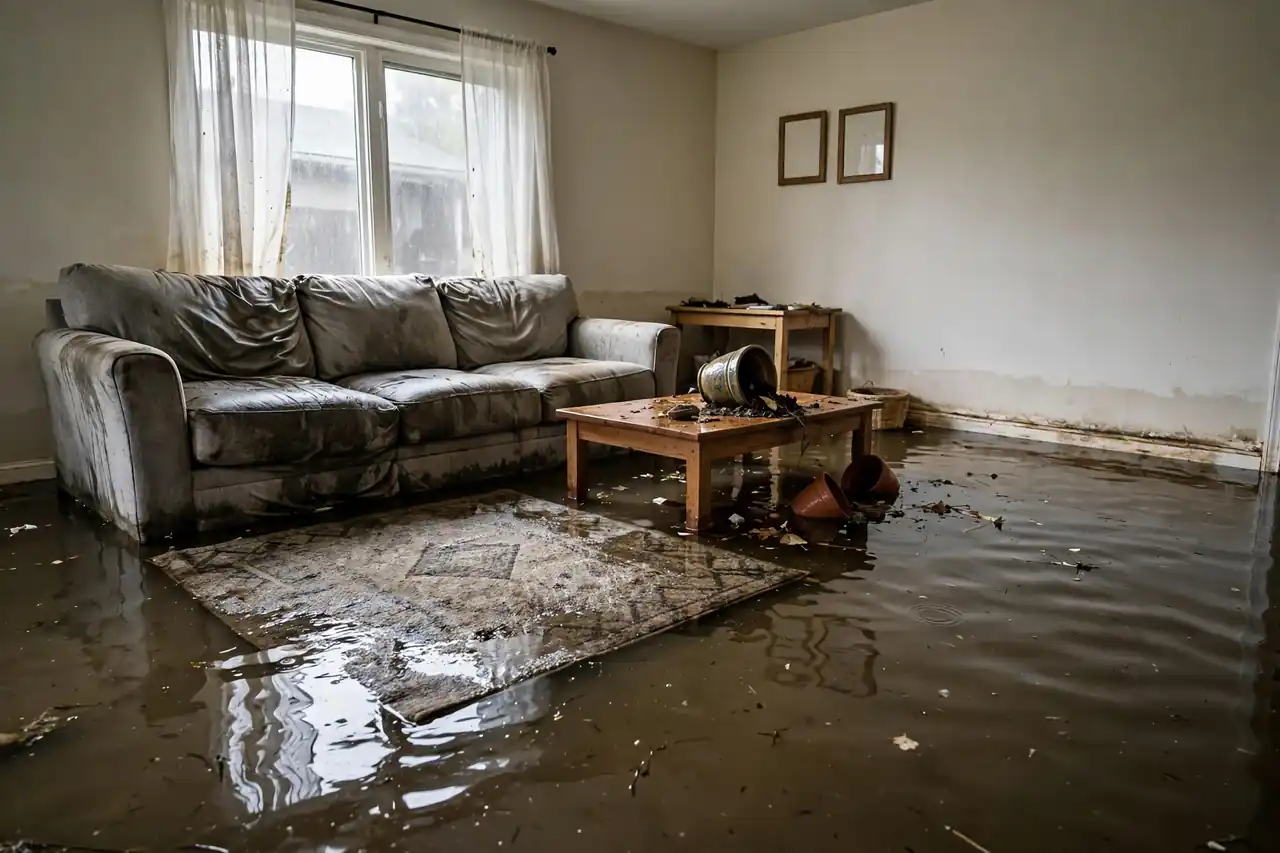
    Wind-driven rain and sudden downpours in Sundial can drive water through thresholds and low openings that never leak in ordinary rain. We clear a safe path, extract the standing water, and map the wet area with a meter, because storm water often runs further under flooring than it looks. The drying setup follows the readings, and we note the entry point and the drainage around it so the homeowner knows what to watch at the next storm.

When to Call for Water Damage Help

Call when water is active, a ceiling stain grows, or flooring stays wet after a leak.

  • A ceiling stain grows after the rain stops

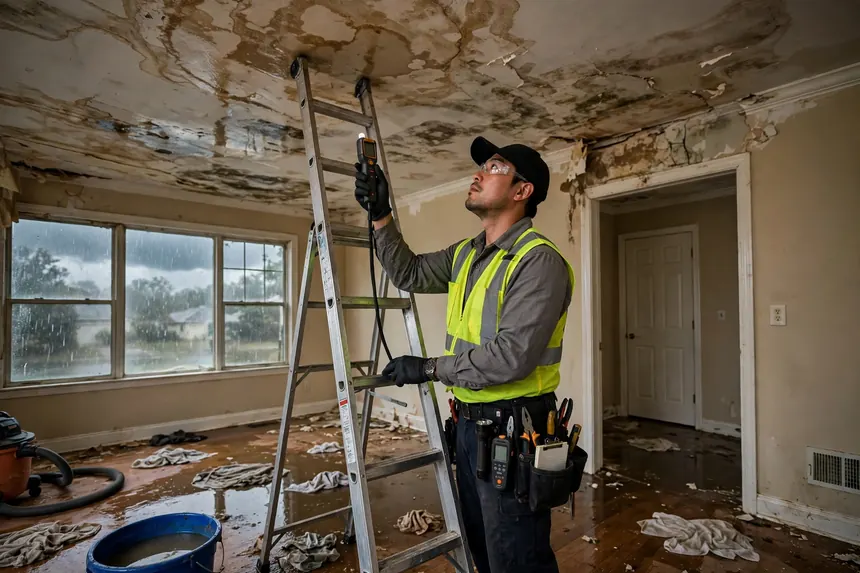
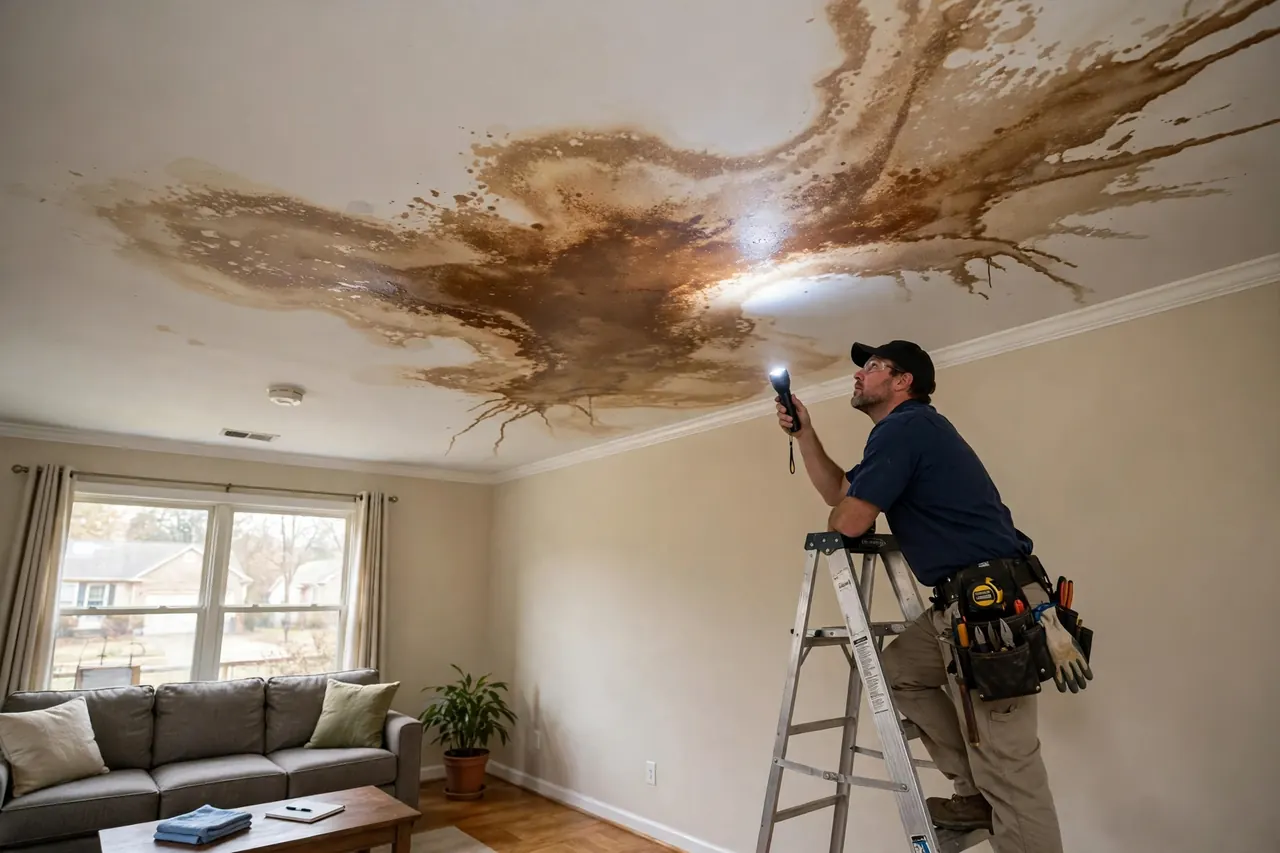
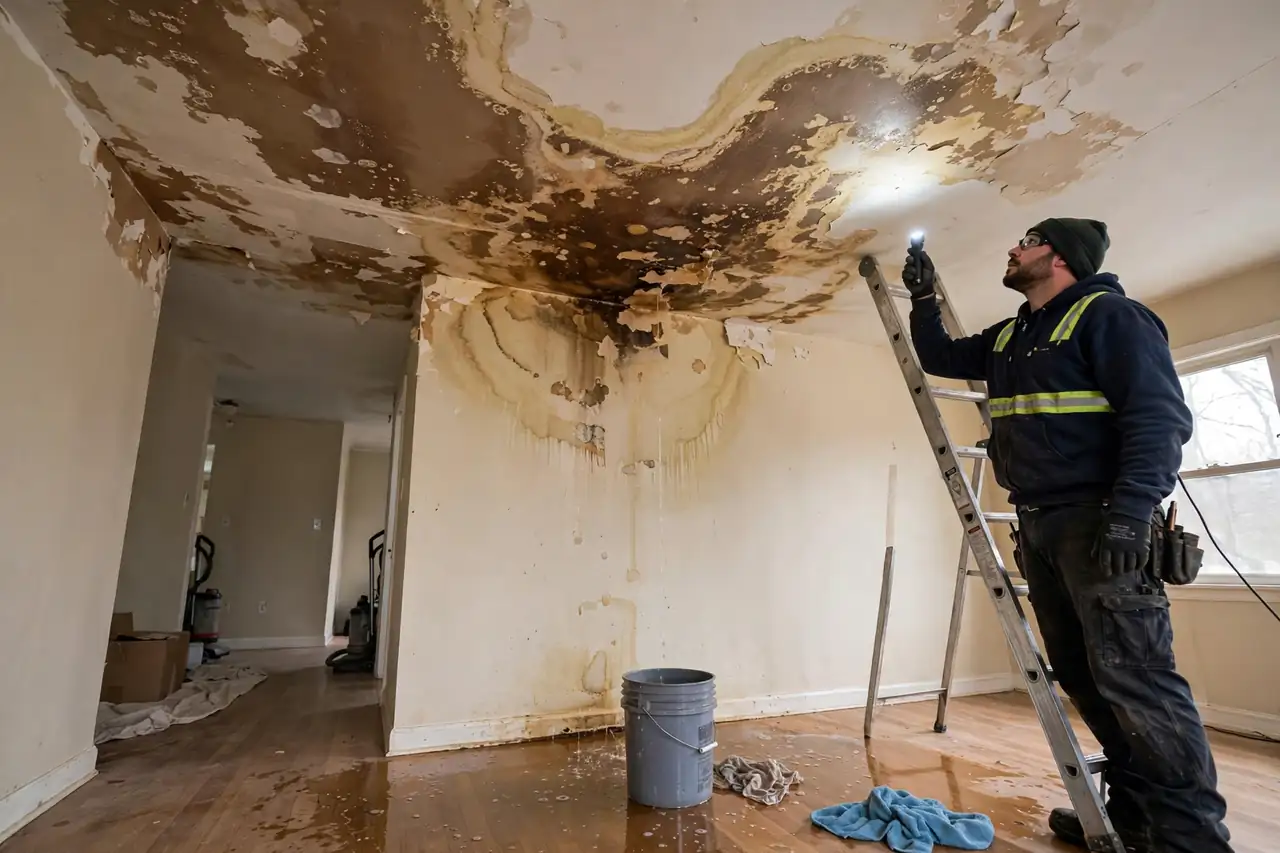
    A growing stain means water may still be trapped above the ceiling or entering through a roof opening. If the area sags or drips, keep people clear and call promptly. We trace the affected ceiling and adjoining wall before drying or repair decisions are made.

  • Floorboards lift or carpet feels wet underneath

    Raised hardwood or damp carpet can indicate water below the finish, not just on the surface. Carpet padding can hold moisture after the carpet feels less wet. Early extraction and checks beneath the flooring help limit damage to the subfloor and nearby trim.

  • A water meter moves with fixtures off

    Unexpected meter movement can point to a concealed leak in a supply line or slab. Shut off the main valve if you can do so safely, then call for inspection. We look for moisture patterns and help identify which area needs focused leak investigation.

  • A musty smell persists in a closed room

    A persistent musty odor can mean damp material remains behind a cabinet, baseboard, or wall. Odor alone does not prove mold, but it is a reason to inspect the area. We measure moisture and look for the source before recommending cleaning or removal.

  • Water collects beside the sump or foundation

    Standing water near a sump pit or foundation wall can point to pump failure, seepage, or a drainage problem. Keep children and pets away from the area and avoid electrical contact. We remove water, assess affected materials, and check the visible pump setup.

How We Handle Sundial Water Emergencies

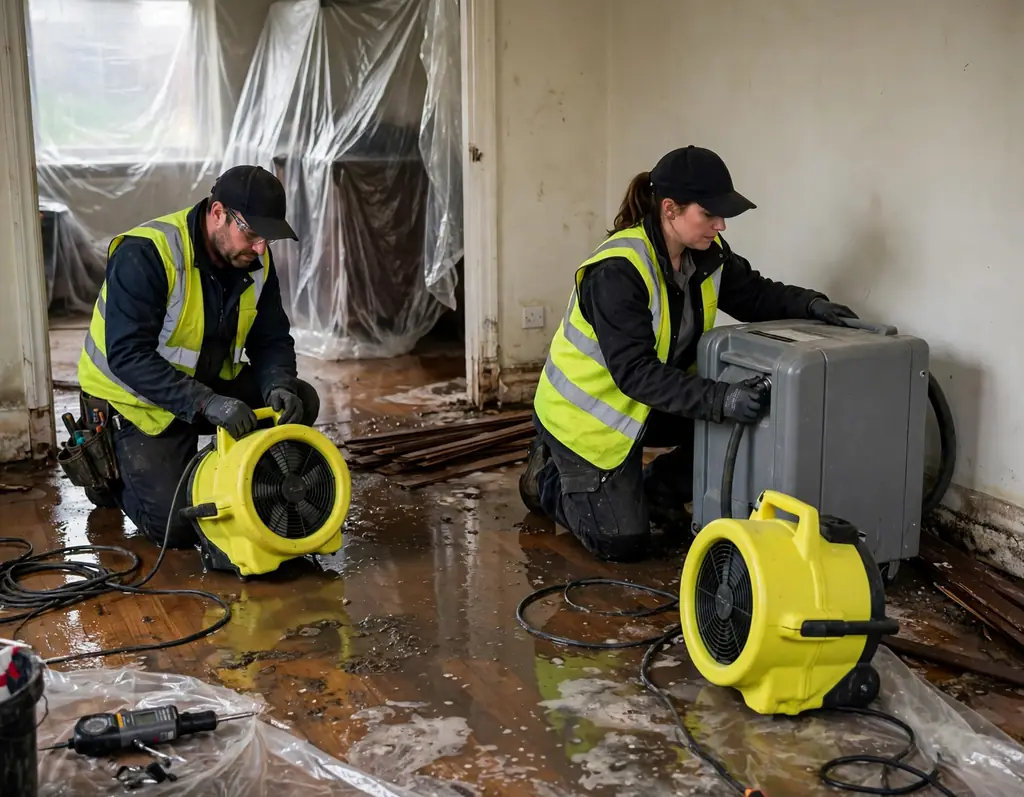
For emergency water damage repair in Sundial, we start by confirming the address, source, and water type, then give immediate steps such as shutting off a fixture supply when safe. Our crew checks access and protects dry rooms before bringing equipment inside. In Sundial Ridge and Sundial Meadows, newer layouts and open living areas can let water travel under flooring before it reaches a doorway, so we inspect adjoining rooms.

  • Landscaping irrigation can obscure the source of exterior dampness

    Water near a foundation may come from a plumbing leak, irrigation overspray, or surface runoff. Treating the stain alone risks leaving the actual entry path active, especially where landscaping sits close to the home. We compare the wet pattern with visible plumbing and irrigation lines, check nearby interior materials, and document moisture readings. If the signs point outside the restoration work, we explain what needs investigation before finishes are repaired.

  • High water table areas can complicate lower-level water removal

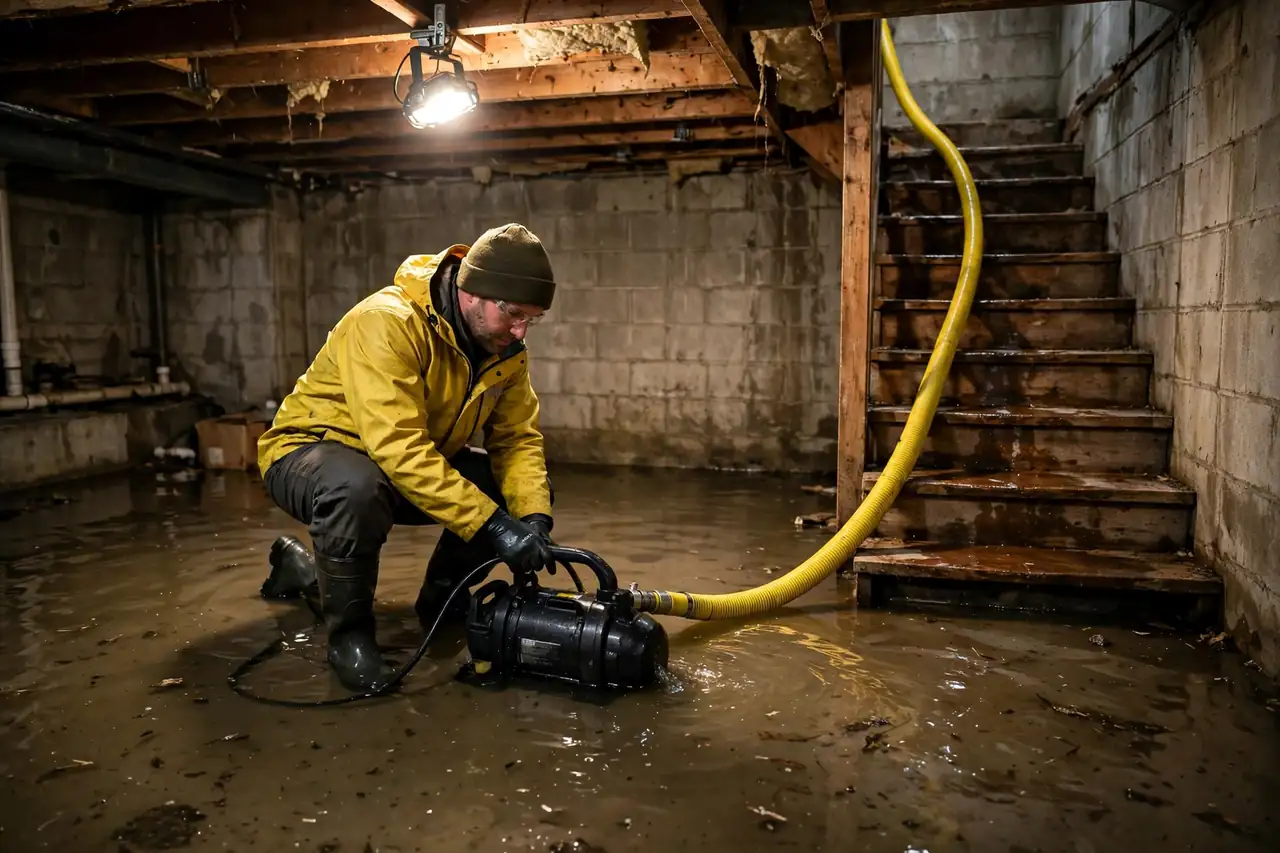
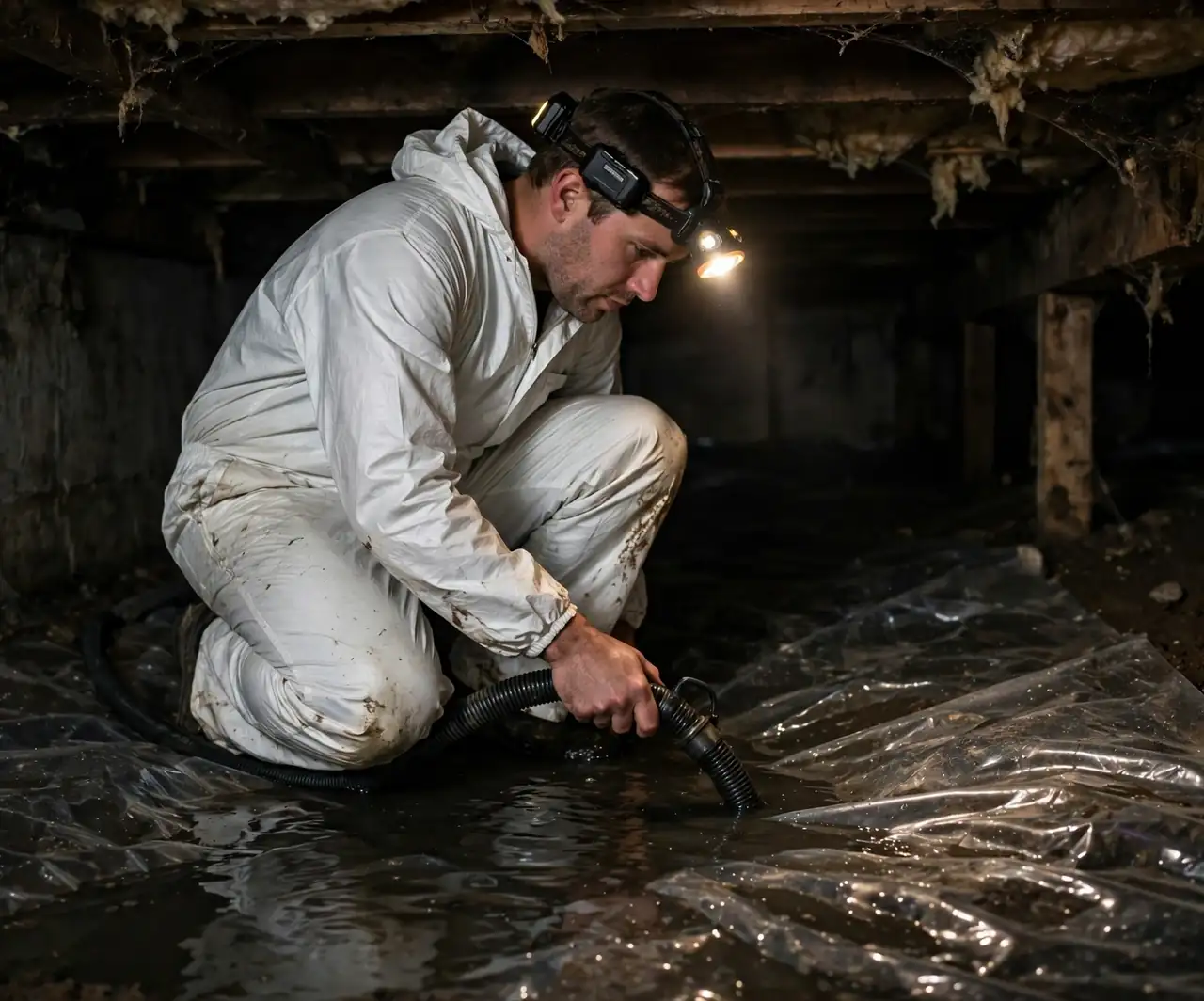
    Water can collect in a basement or crawl space after a pump failure or persistent seepage. A wet floor may be only the visible part of the problem, while insulation, framing, and stored materials remain damp. We remove standing water, inspect the sump pump setup and affected materials, and check moisture after extraction. We distinguish an urgent interior cleanup from drainage work that needs a separate repair plan.

  • Cold snaps can expose vulnerable plumbing connections in winter

    A frozen pipe or failed fitting can release water into cabinets, ceilings, or wall cavities once the line thaws. Water damage can continue after the original freeze ends if the supply is still open. We help you isolate the supply when safe, find the wettest areas, and extract water promptly. We check nearby cavities and flooring instead of assuming the damage ends at the visible leak.

  • ANSI/IICRC S500

    This standard provides professional guidance for water damage restoration, including inspection, water categorization, drying, and documentation. We use its principles to organize the Sundial job and record conditions, while following applicable local requirements for repair work.

  • EPA Lead-Safe work practices

    If repair work disturbs painted surfaces in a pre-1978 structure, applicable lead-safe requirements can affect containment and cleanup. Sundial's newer housing does not remove the need to assess the actual building and materials before disturbance.

Local Sundial Orientation Points

When you call from Sundial, an exact street address is the most useful navigation detail; a nearby landmark can help clarify the area if you are unsure of the neighborhood name. We use Sundial Park and the Sundial community center as orientation references only, then confirm the property entrance and equipment access. For a water emergency, tell us whether a driveway, side gate, or lower-level entry is the best way in. That helps us move extraction equipment safely once we arrive.

  • Sundial Park

    Sundial Park is a named local orientation point residents can use when describing the nearby part of Sundial. Give us the property street and cross street as well, since a park reference alone does not identify a specific home.

  • Sundial community center

    The Sundial community center provides another local reference for confirming which part of the neighborhood a caller means. We use the landmark only for route orientation and still need the service address to locate the property entrance.

Sundial Neighborhoods We Cover

We serve the named Sundial areas with a response plan based on the property address, water source, and access to affected rooms. Sundial Ridge and Sundial Meadows are local neighborhood references we use to confirm location and route the crew. Tell us whether the loss is upstairs, at ground level, or in a crawl space so we arrive prepared for the first inspection.

  • Sundial Ridge
  • Sundial Meadows
  • Sundial near Sundial Park
  • Sundial community center area

Water Damage Work in Sundial

  • Sundial Ridge

    Before

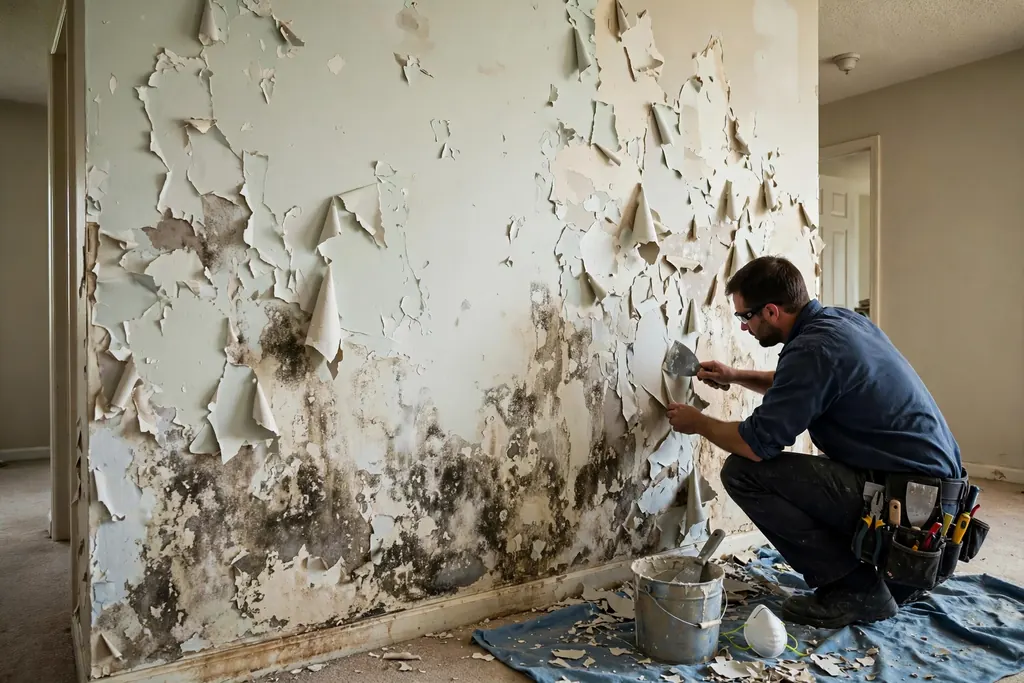
    A laundry supply connection leaked into a Sundial Ridge home's utility area, wetting the floor edge and the base of an adjoining wall.

    After

    We helped isolate the water, extracted the floor, and checked the wall and adjacent room for moisture. We moved contents clear of the work area and placed drying equipment to circulate air across the affected surfaces. Readings were recorded at the start and checked during the drying process. Water was extracted during the first visit, and the affected materials were monitored over 4 days. The homeowner received a room-by-room record before the next repair steps.

  • Sundial Meadows

    Before

    A roof leak left a ceiling stain and damp insulation above a living area in Sundial Meadows after wet weather.

    After

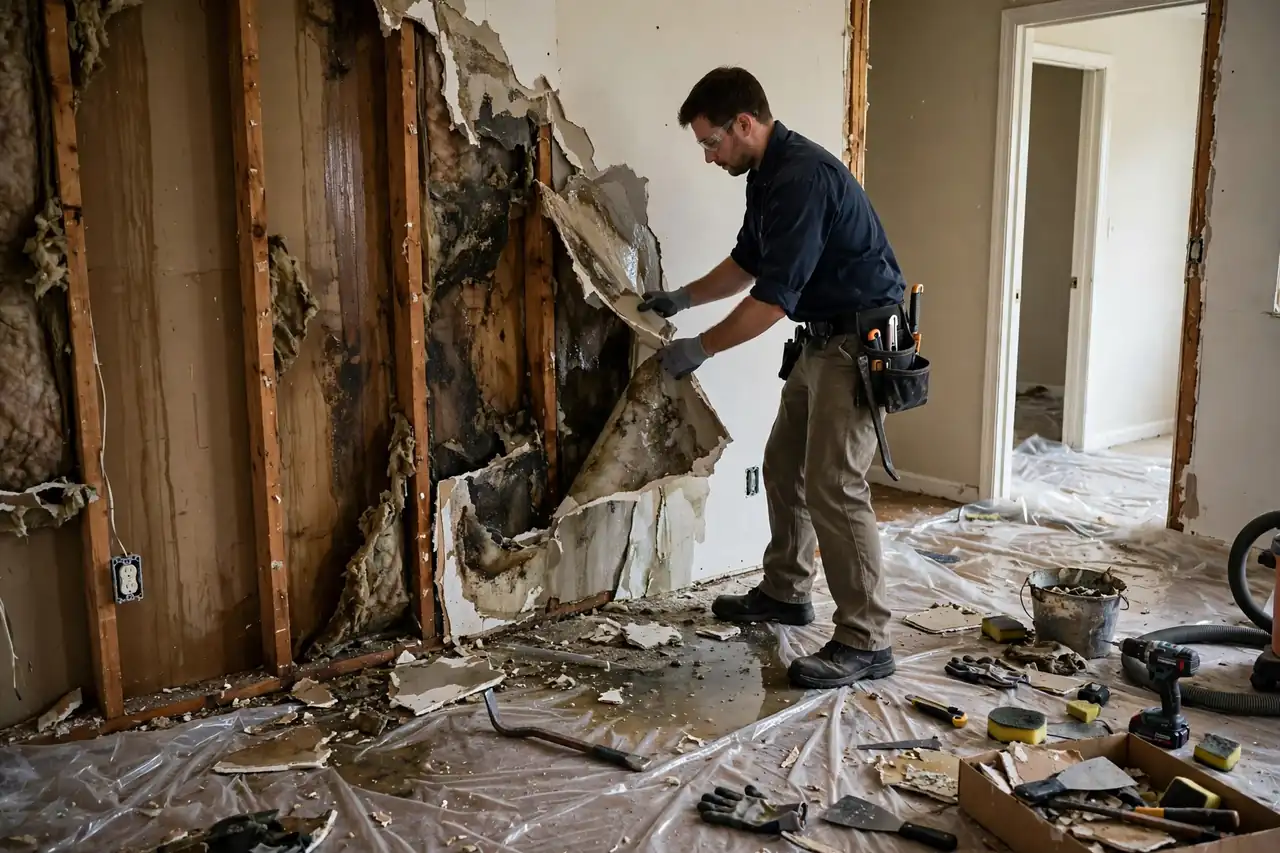
    We traced the interior wet area, checked the ceiling and nearby wall, and documented the moisture before opening the affected assembly as needed. After the roof opening was addressed, we dried the interior materials and checked readings at the ceiling edge and wall junction. The interior drying phase took 3 days of monitored equipment use. The ceiling remained open until readings supported the next repair step.

  • Sundial near Sundial Park

    Before

    A sump pump failure left standing water in a lower-level area and dampened stored items and floor-edge materials.

    After

    We removed standing water, moved affected contents away from the wet area, and inspected the sump setup and surrounding materials. We checked the lower-level floor and wall edges for retained moisture and set drying equipment after extraction. The water source and follow-up needs were explained to the homeowner. The visible water was extracted on the initial service visit. Moisture checks continued for 5 days before equipment was removed.

Sundial Water Risks Through the Seasons

  • Spring

    Spring rain tests roofs and gutters after winter, and the first heavy rain often reveals a flashing or valley defect that stayed hidden under snow. Check for new ceiling stains and damp baseboards after storms, clear gutters before the rain settles in, and watch where runoff travels beside the foundation. When irrigation starts up, walk the sprinkler zones and shut off any zone that sprays the house.

  • Summer

    In the heat, a broken irrigation line can run for a full cycle before anyone notices, because the water soaks in and the surface dries. Walk the sprinkler zones, look for pooling near the foundation and wet thresholds, and check the laundry and kitchen supply lines, which work hardest in summer. High temperatures dry the surface quickly, so trust a moisture reading over a dry-looking floor.

  • Fall

    Autumn in the Treasure Valley turns fast from dry to freezing, so fall is for closing the gaps: clean the gutters, check the roof before the first snow, and winterise the irrigation lines before the first hard freeze. Test the main shut-off, insulate the exposed pipes you can reach, and watch the first cold nights for the rooms that lose heat fastest. Prevention in fall costs far less than extraction in winter.

  • Winter

    Winter is when small oversights become floods: a hose left connected, a garage door left open in a freeze, a room left unheated over a holiday. Disconnect hoses, keep heat steady, and make sure the main shut-off turns freely. If water appears, shut the supply off at once and keep the wet area clear until the source is confirmed, because every minute of flow adds rooms to the drying job.

Questions to Ask a Sundial Restoration Crew

A capable water restoration crew should explain what it will inspect, how water will be removed, and how drying progress will be measured. In Sundial, ask whether the team checks adjoining rooms and concealed edges, especially after a leak in a newer home or a lower-level water event. You should hear a clear sequence: control the source, extract water, assess materials, set equipment, and document readings. Direct answers help you avoid paying for equipment without knowing what it is meant to dry.

  • Will you check the rooms next to the visible water?

    Water can travel under flooring or through a wall before it shows elsewhere. A crew that checks adjoining spaces can identify the actual affected area and avoid leaving concealed moisture behind. Ask how readings will be compared and recorded during the job.

  • How will you decide whether carpet padding can stay?

    Carpet and padding do not always dry at the same rate, and water category matters. The answer should include inspection of the materials beneath the carpet and a reasoned decision based on exposure and moisture, not a blanket promise to save or remove everything.

  • What equipment will you use and where will it go?

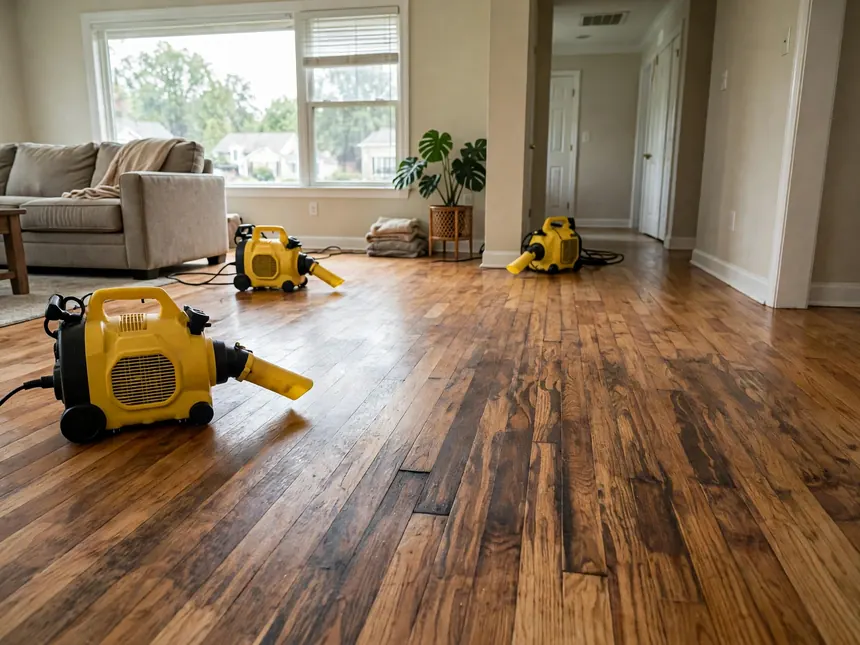
    Air movement and dehumidification must fit the room and affected materials. A clear response explains equipment placement, safe access, and how the setup will be adjusted if readings remain high. It also helps you plan around household movement and noise.

  • How do you document drying progress?

    Recorded moisture readings give you a baseline and show whether materials are moving toward dry conditions. Ask which areas are measured and how often. A technician should be able to explain the readings in plain language and note any material that needs another step.

  • Can you explain the water category before cleanup?

    Clean supply water, outdoor floodwater, and sewage require different handling. The crew should identify the likely source and explain any access limits or material removal tied to contamination. This answer shows whether the cleanup plan is based on the actual water event.

Emergency water damage repair in Sundial FAQs

Still wondering? (833) 546-4116

Local service team

Call for emergency water damage repair in Sundial

Water spreading through your Sundial home needs action now. Call Kuna water damage restoration at (833) 546-4116 and tell us what happened, where the water is, and whether the source is still active. We will help you take the next safe step, then arrange inspection, extraction, and drying for your property. Our phone line accepts emergency calls at any hour.

Contact the Kuna Team

Call (833) 546-4116 when water reaches your home or business in Kuna, Idaho. Tell us whether the source is still active, which rooms are affected, and when the damage began; that helps direct the next steps. Calls are accepted at any hour for emergency inquiries, and service coverage includes Kuna, ID, with ZIP codes 83634 and 83642.

Thanks. Your request is in and the team will follow up shortly.