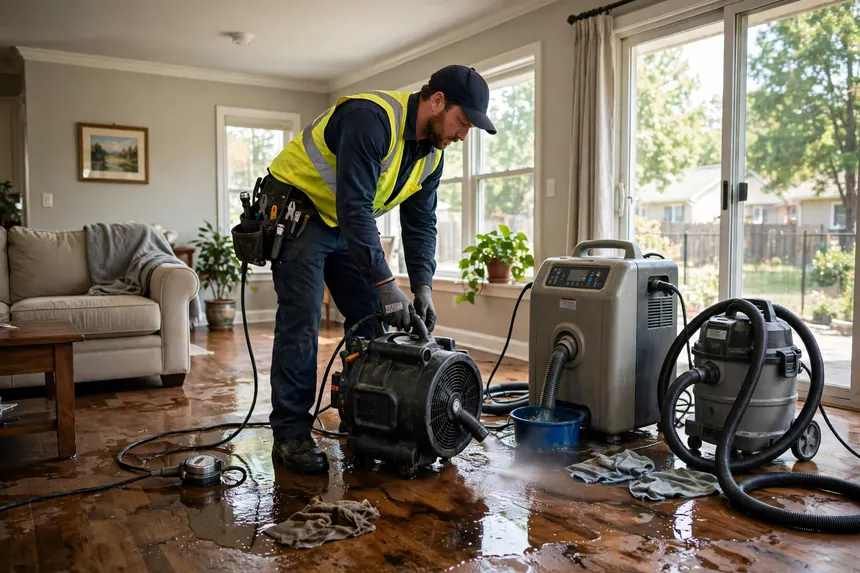
Emergency Water Damage Repair in Kuna Highlands, Idaho

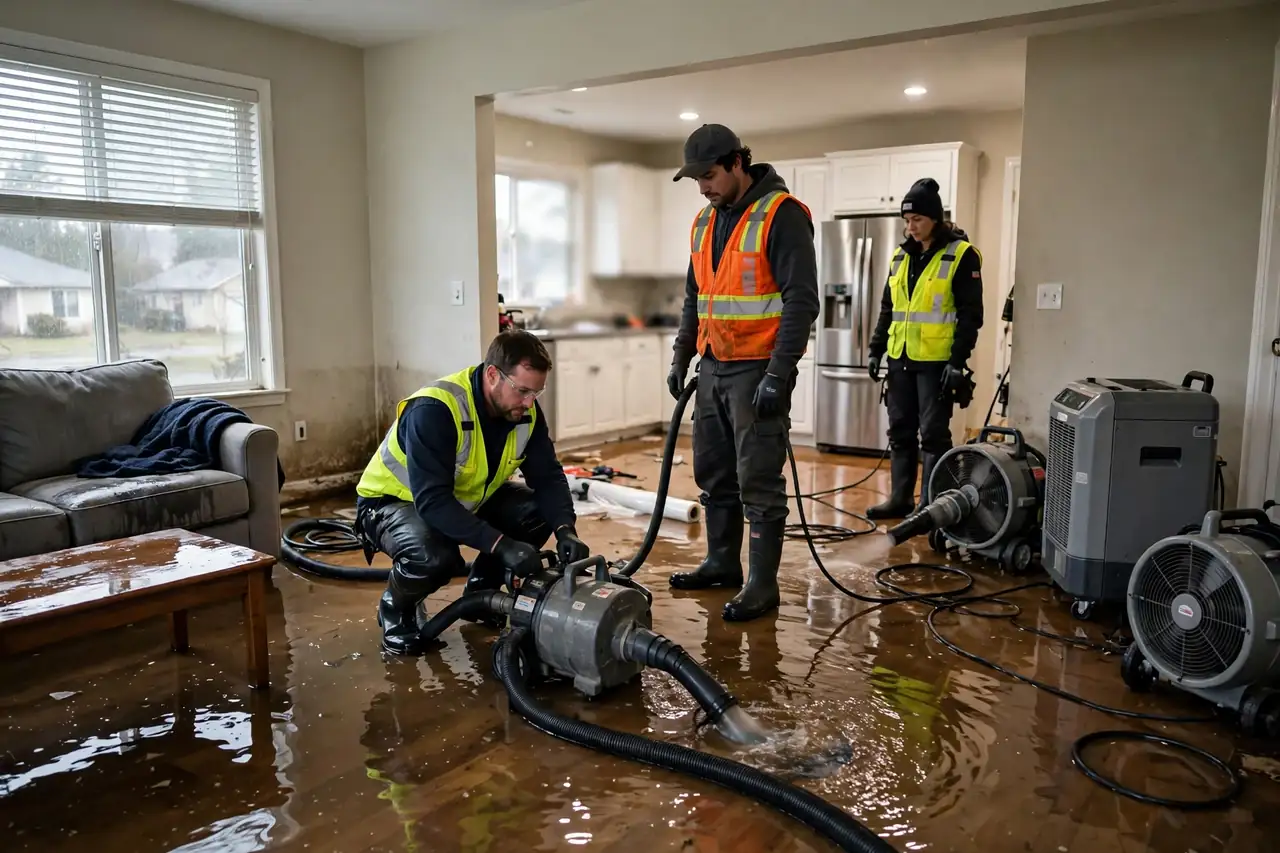
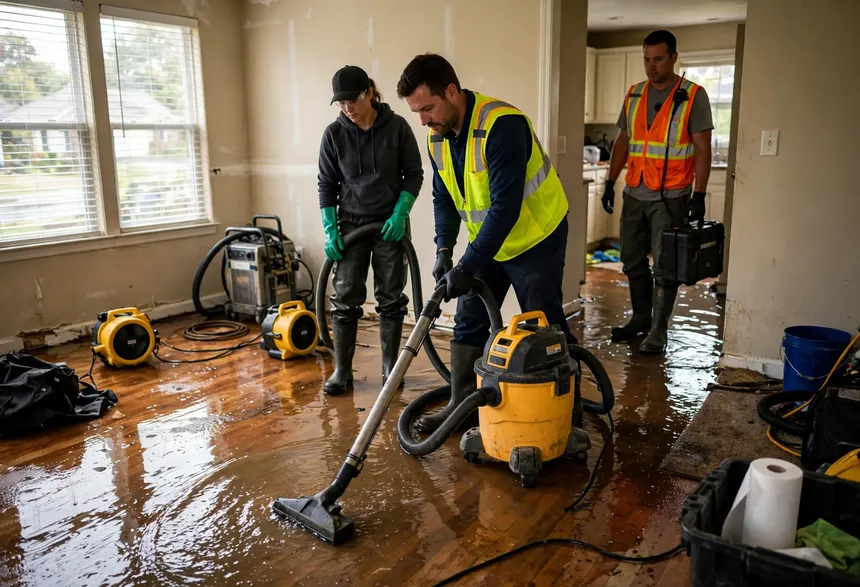
For emergency water damage repair in Kuna Highlands, we locate the water source, remove standing water, and begin drying before damage spreads through walls or floors. Our team serves Kuna Highlands North, Kuna Highlands South, and Highlands Estates, including homes in ZIP code 83634. If a pipe breaks or stormwater reaches your lower level, call us at (833) 546-4116 and tell us what you can see.

emergency water damage repair in Kuna Highlands

Serving Kuna Highlands

  • Readings RecordedMoisture checks guide drying decisions
  • Work Area ProtectedContents moved away from wet surfaces
  • Steps ExplainedYou hear what happens next
  • Equipment CheckedAirflow placement reviewed during work

Local emergency water damage repair in Kuna Highlands

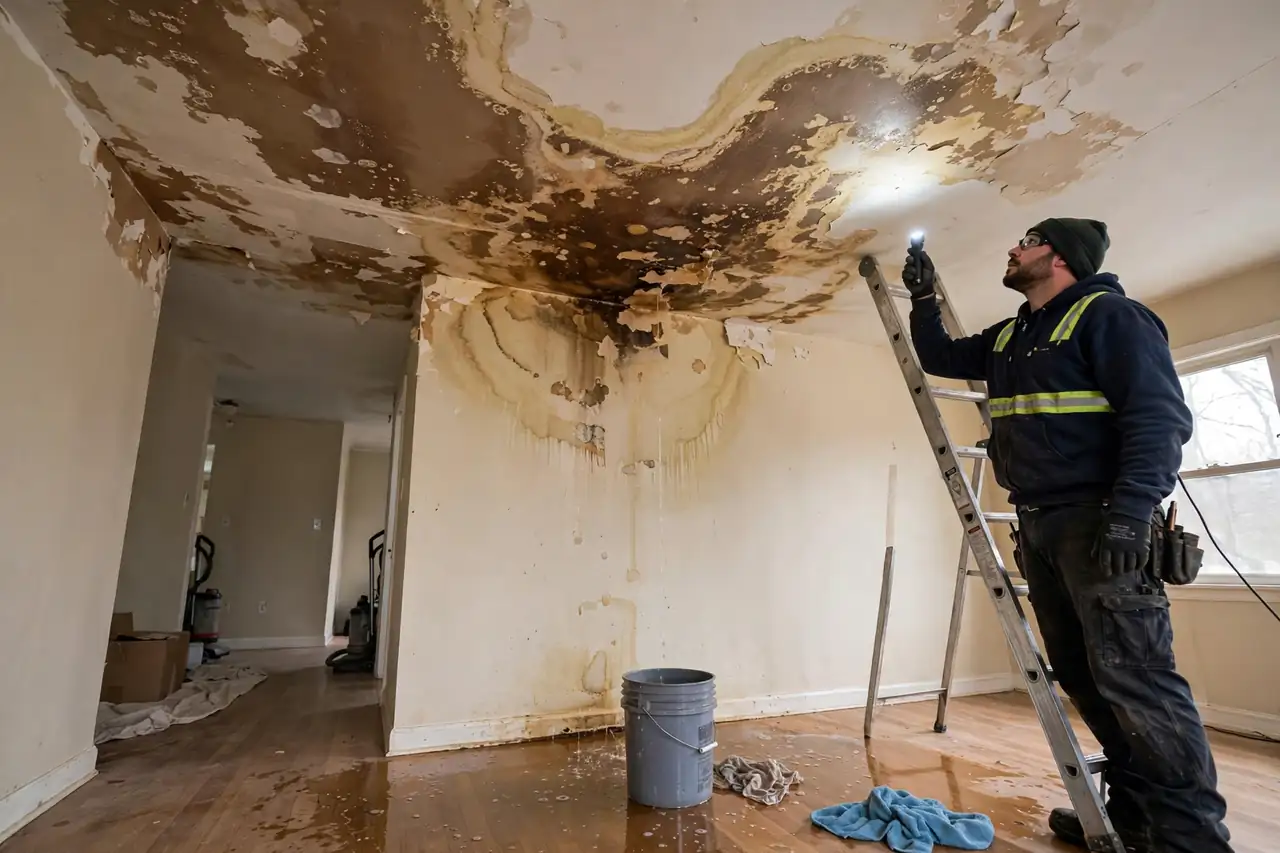
Kuna Highlands sits on the higher ground of the north side of town, and the losses here follow the slope: runoff and seepage reaching lower-level walls after rain, and pipes that split when a sharp cold snap follows a wet spell. A roof leak up here also hides well, staining a ceiling far from where the water entered.

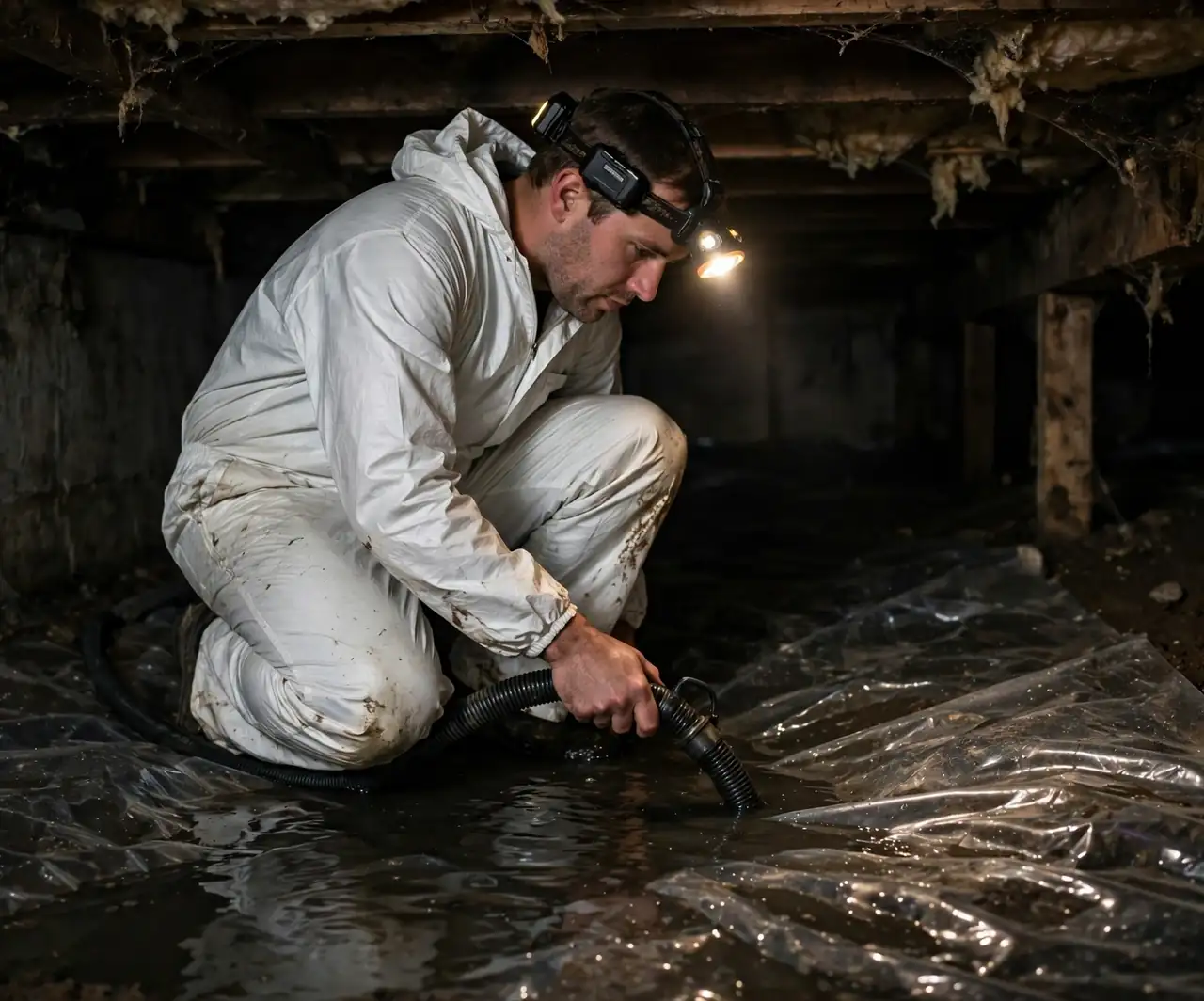
We start at the top and work down: check the roof and the ceiling stain together, then read the lower walls and the crawl space for seepage. Equipment goes where the readings point, and a pump that has failed is tested rather than worked around, because the slope that sends runoff toward the house will send it again at the next storm.

The ground around Kuna rises toward Kuna Butte and the lava country south of town, where the Kuna Caves run as an underground lava tube. The high-desert landscape means rain is scarce but storms are sharp, and the runoff they bring moves fast across the hard, dry ground.
Water restoration services for Kuna Highlands

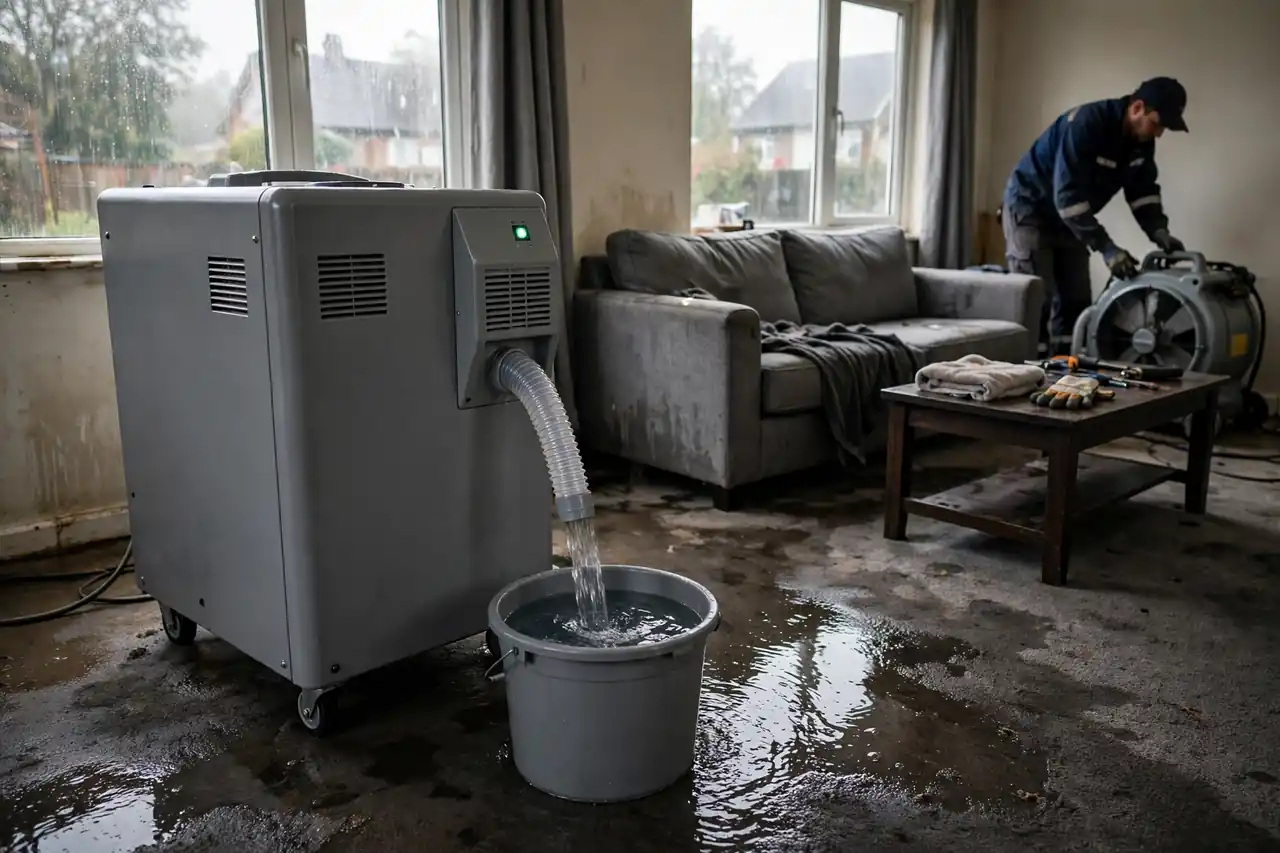
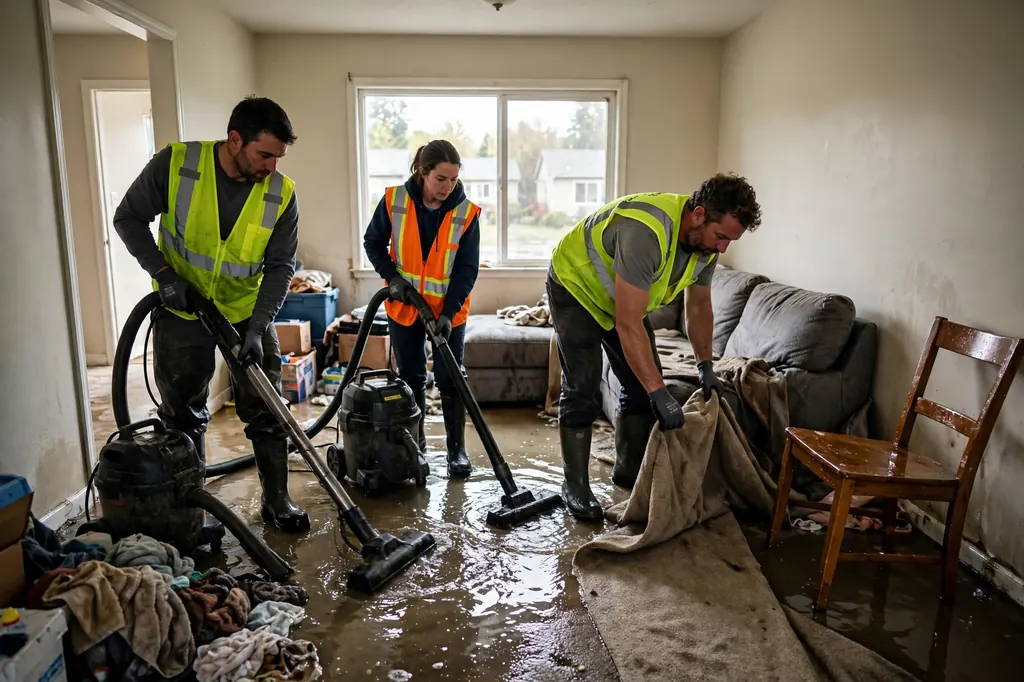
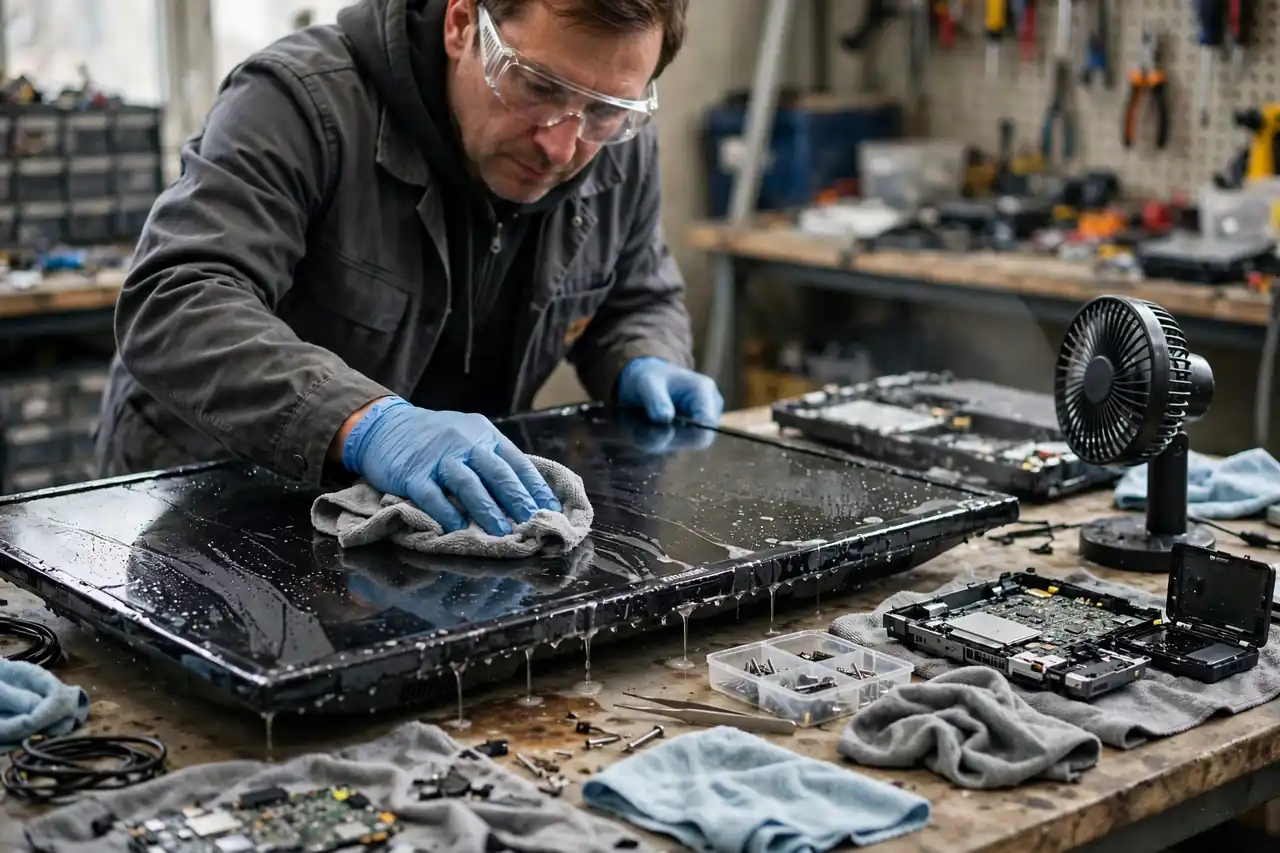
Water damage in Kuna Highlands often starts with a specific failure rather than a large visible flood: a burst pipe, appliance hose, roof leak, or sump pump problem. Our crew checks adjoining rooms and concealed areas, then chooses extraction and drying equipment to match the affected materials. If you need 24/7 water restoration in Kuna Highlands Idaho, call with the source, room count, and whether water is still entering. We handle urgent mitigation through finishing repairs, with the work sequence explained before equipment is placed.

How water restoration works

Emergency restoration in Kuna Highlands

Emergency restoration in Kuna Highlands

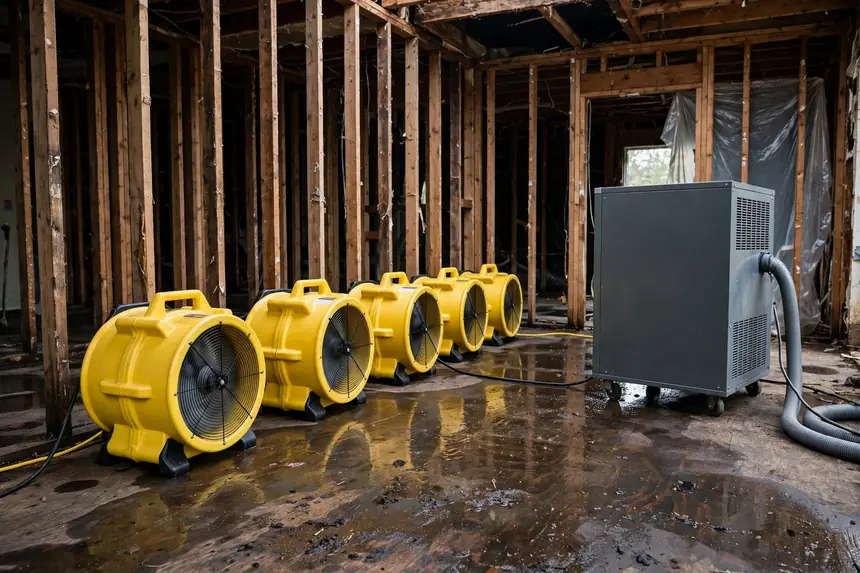
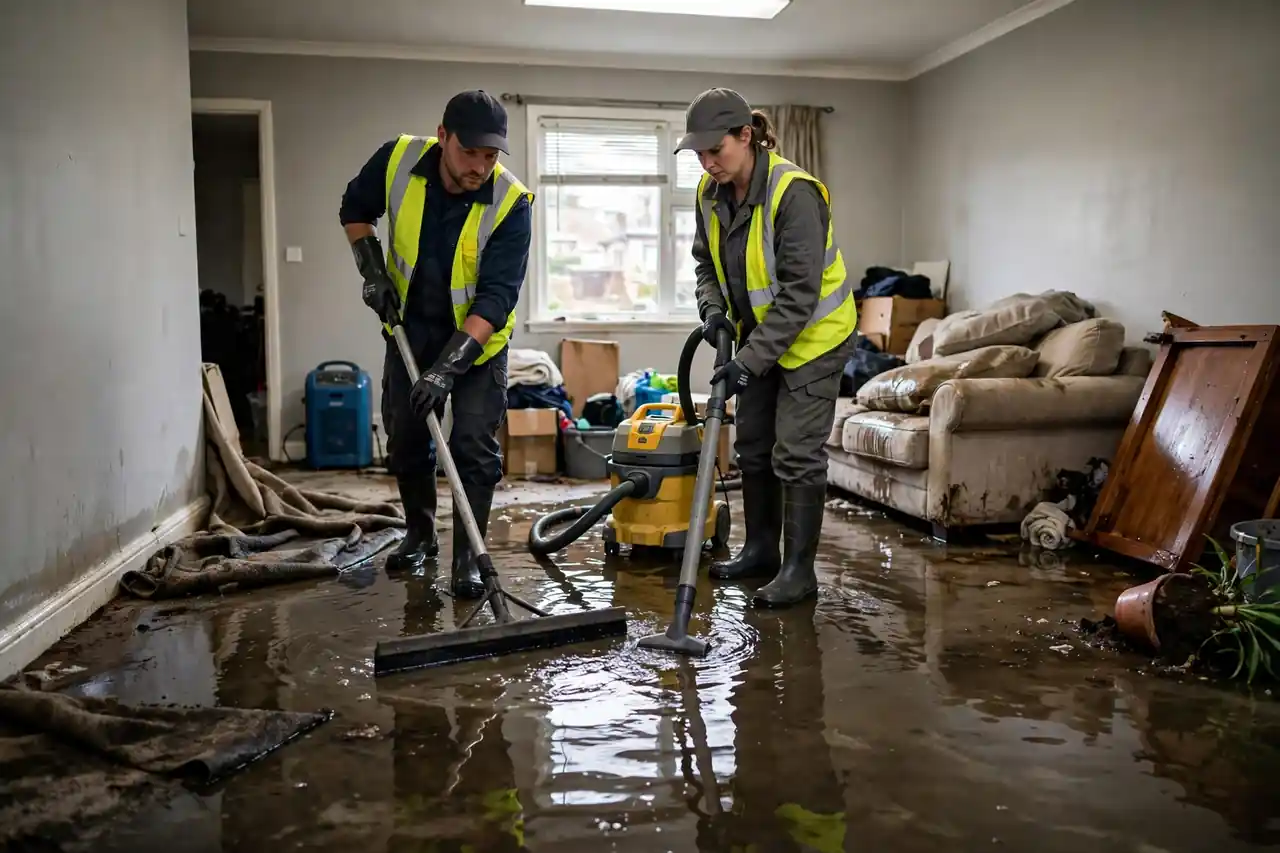
We locate the source, protect dry rooms, and extract standing water before mapping the affected area. In Kuna Highlands homes, we check adjoining floors and cabinet edges because water can travel beyond the first visible mark. We explain the drying sequence and record readings for follow-up.

  • Find and isolate source
  • Map wet materials
  • Plan measured drying
Homes in Kuna Highlands

Homes in Kuna Highlands

We restore water-damaged homes across Kuna Highlands, from a single laundry leak to a wet lower level. Our crew checks the source, affected materials, and safe access before setting equipment.

  • Newer family homes
  • Finished lower levels
  • Laundry and kitchen leaks
  • Roof and pipe damage
Kuna Highlands properties

Kuna Highlands properties

We coordinate water cleanup around property access, contents, and building use. Tell us which rooms must remain available so we can plan extraction and drying around your operations.

  • Small offices
  • Retail interiors
  • Rental properties
  • Shared-use buildings

Common water damage problems in Kuna Highlands

In Kuna Highlands, height does not keep water out, so these four are the priority: frozen or burst pipes, runoff and seepage at lower walls, roof leaks above ceilings, and pump failure or crawl space water.

  • Frozen Pipes Split Overnight and Wet Finished Rooms

    Frozen Pipes Split Overnight and Wet Finished Rooms

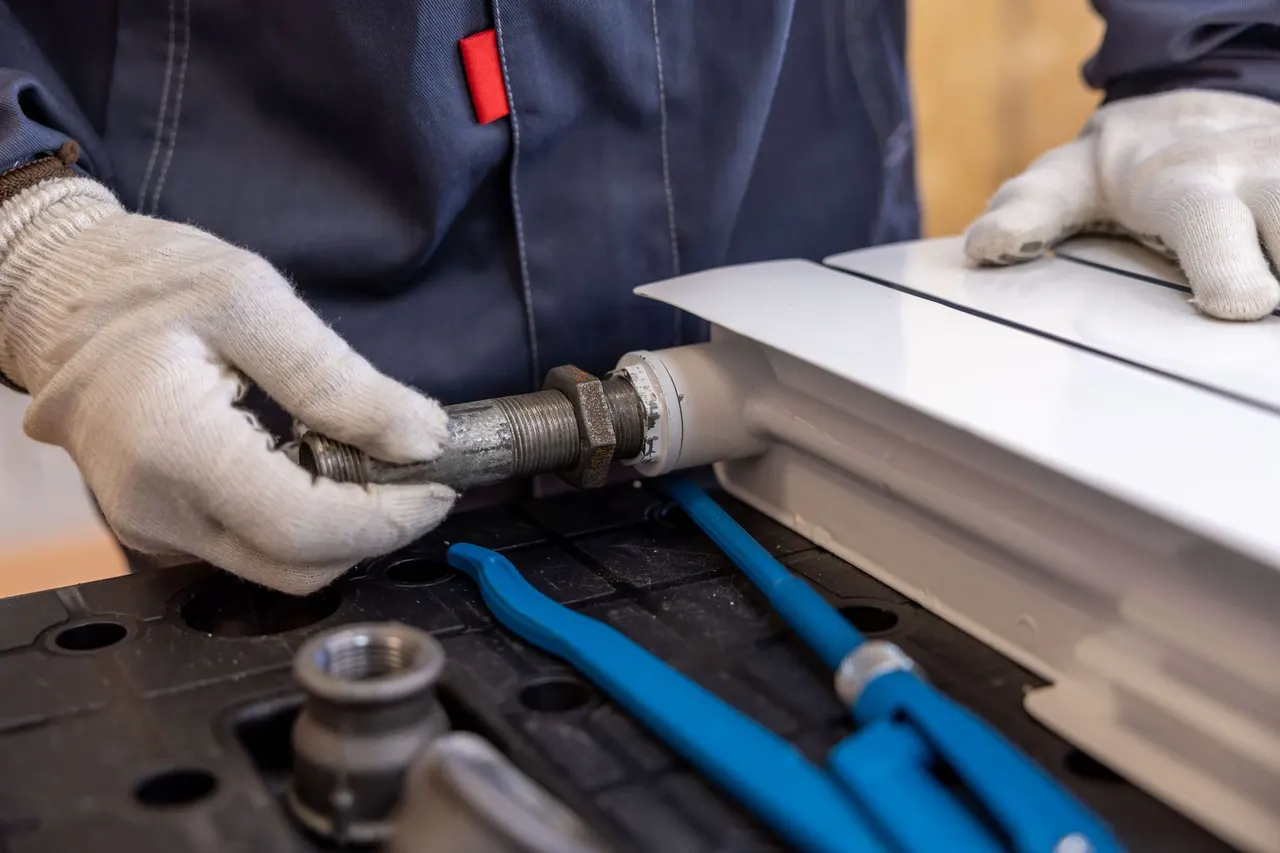
    A cold night can split a pipe in a garage, crawl space, or exterior wall, and the leak often runs inside a wall or cabinet before anyone sees water. In Kuna Highlands, the first check is the shut-off: stop the supply, then look for the wet path along baseboards and floor edges. We extract what is visible, take moisture readings in the adjoining walls, and set drying only where the readings justify it, so a hidden wet cavity is not left to grow mould.

  • Sewage Backup Needs Controlled Handling

    Sewage Backup Needs Controlled Handling

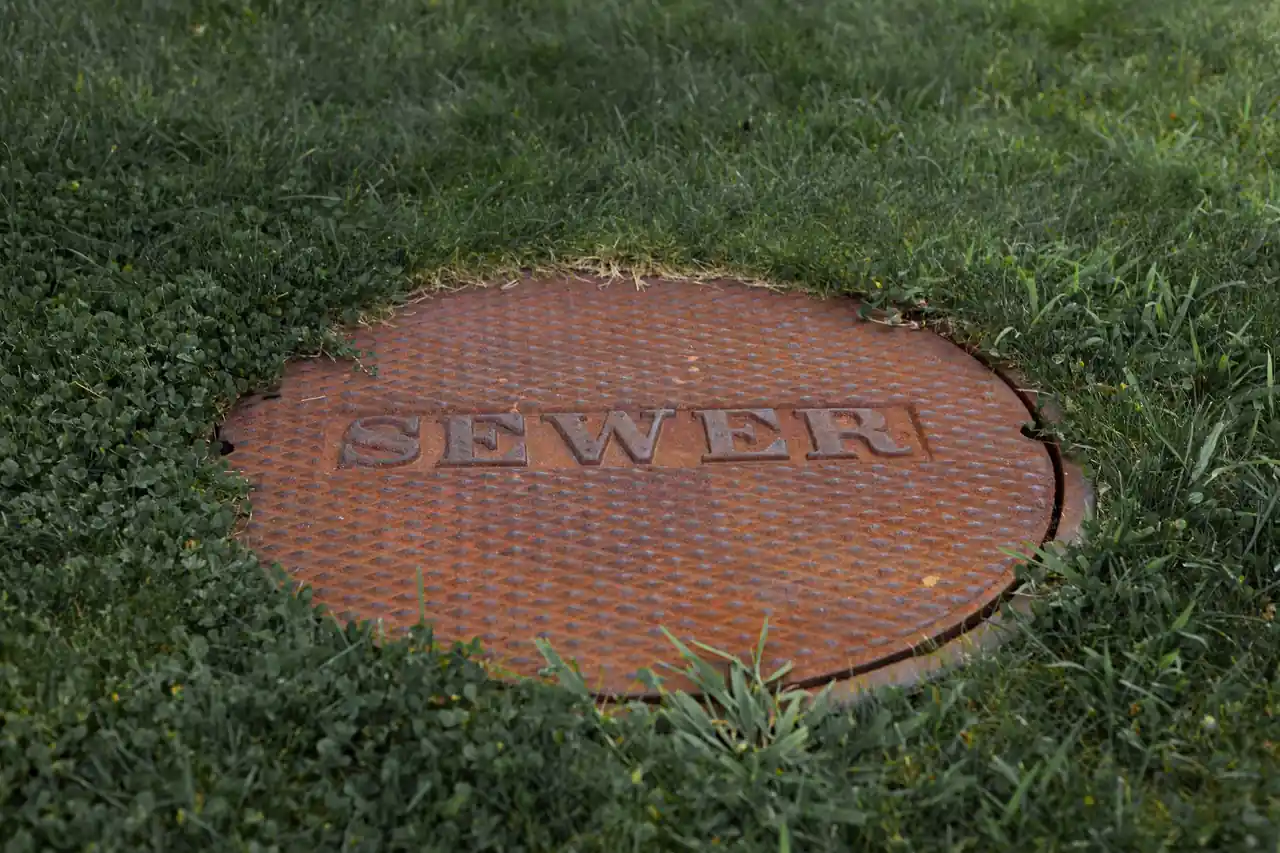
    When a sewer line backs up in Kuna Highlands, the water carries contaminants that make ordinary mopping unsafe and incomplete. We treat the affected rooms as a controlled area, remove standing water with the proper precautions, and take out porous materials that cannot be disinfected. Hard surfaces are cleaned and the structure is dried from moisture readings, and we explain what the drain itself needs — a backup that is only pumped out without fixing the line will usually return.

  • Appliance Hoses and Fittings Leak Under Flooring

    Appliance Hoses and Fittings Leak Under Flooring

    A washing-machine hose, a dishwasher connection, or a refrigerator supply line can fail slowly and wet the subfloor for weeks before the surface shows it. In Kuna Highlands, the clue is usually a soft spot, a lifted floor edge, or a damp cabinet base near the appliance. We shut the supply, pull the appliance clear where it is safe to do so, and take readings under and around it, because the wet area under an appliance is almost always larger than the visible stain.

  • Poor Drainage Sends Runoff Toward the Foundation

    Poor Drainage Sends Runoff Toward the Foundation

    Runoff that pools beside a foundation in Kuna Highlands will find its way in through the smallest gap, especially where the soil is the heavy silt loam common across the Treasure Valley. We check the gutter and downspout lines, the slope of the ground, and the base of the affected walls, then dry the interior from moisture readings. The drying plan and the drainage note go together: one without the other leaves the homeowner with the same problem after the next wet spell.

When to call for water damage repair

Call when water spreads, ceilings sag, flooring lifts, or damp odors remain after a leak.

  • Water keeps spreading after the supply is shut

    Water that continues to appear after a valve is closed may be coming from another line, a drain, or a concealed pocket. Do not keep removing surface water without checking the source. Call promptly so we can trace the wet path and limit damage to adjoining rooms.

  • Ceiling paint bubbles or begins to sag

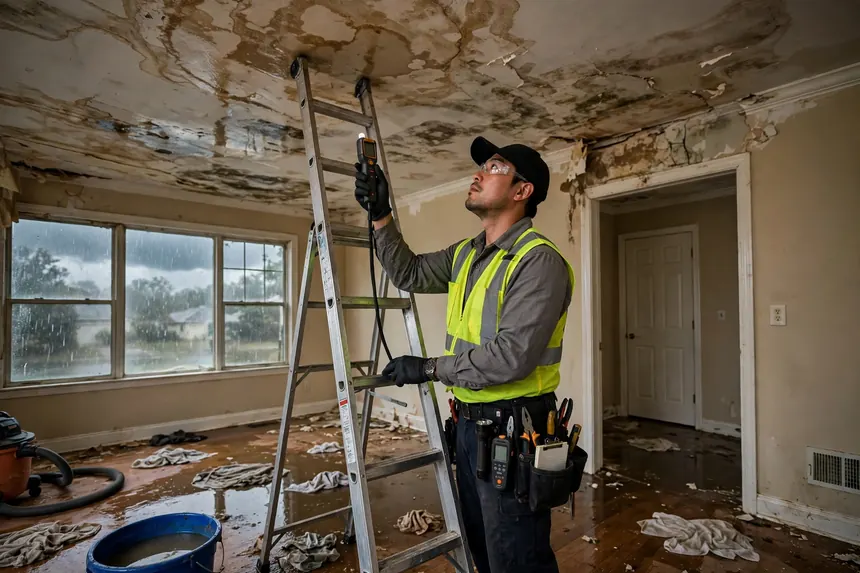
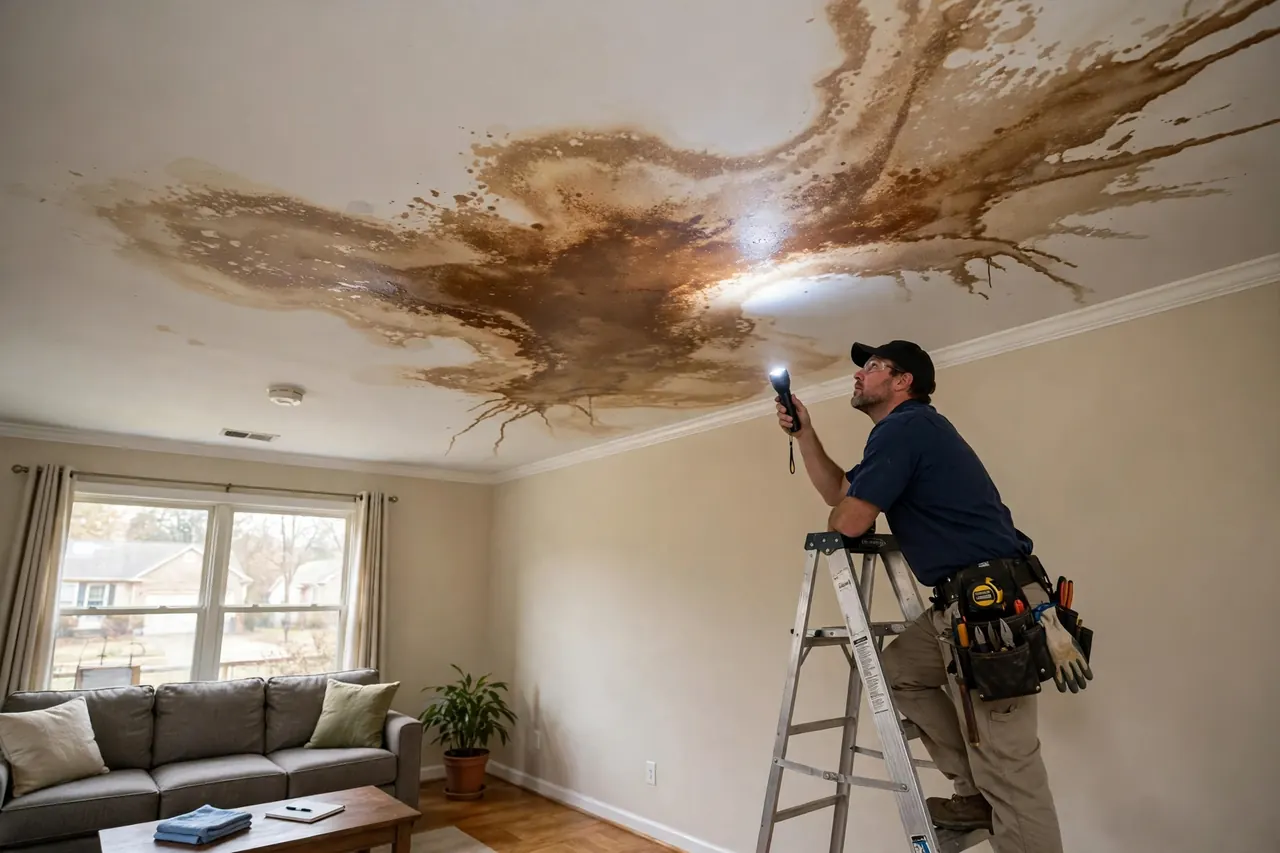
    A bulging ceiling can hold water above the finish and may fail without warning. Keep people and belongings out from beneath it, and do not puncture the surface. We inspect the source and cavity conditions before removing wet material or beginning ceiling repair.

  • Flooring edges lift or hardwood boards cup

    Raised edges or cupped boards indicate moisture has moved into or beneath the flooring. Surface wiping will not dry the subfloor. We measure multiple locations, extract accessible water, and decide whether controlled drying or material removal is appropriate.

  • Musty odor follows a leak or overflow

    A persistent damp smell after a spill can point to wet carpet padding, cabinet bases, insulation, or another concealed material. Odor treatment alone will not solve it. We inspect likely reservoirs and dry or remove materials based on moisture readings.

  • Water appears near a foundation or sump pit

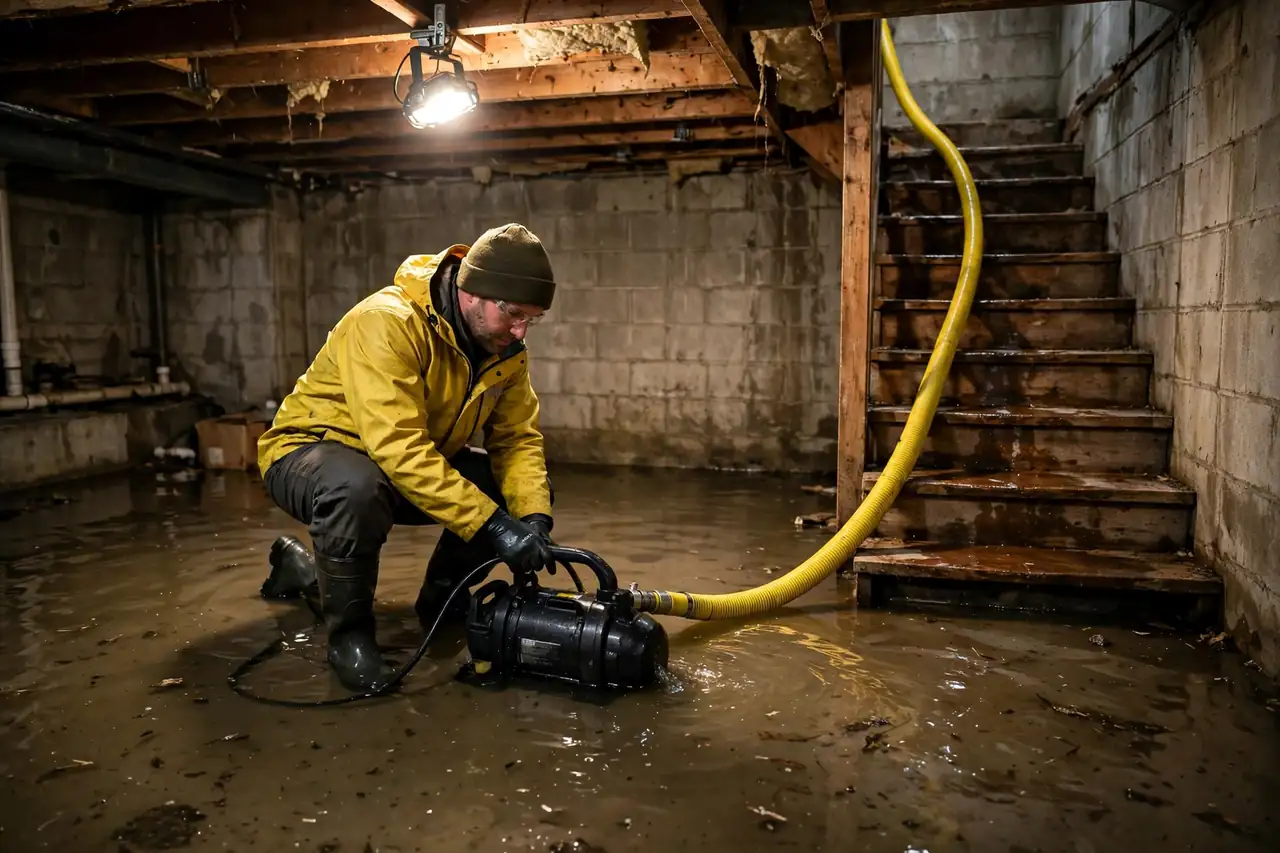
    Water at a lower-level wall, crawl space, or sump pit can reflect a pump failure, plumbing leak, or entry through the building envelope. The source matters. We remove standing water, inspect accessible areas, and check whether drainage or pump service is needed.

How emergency water damage repair works locally

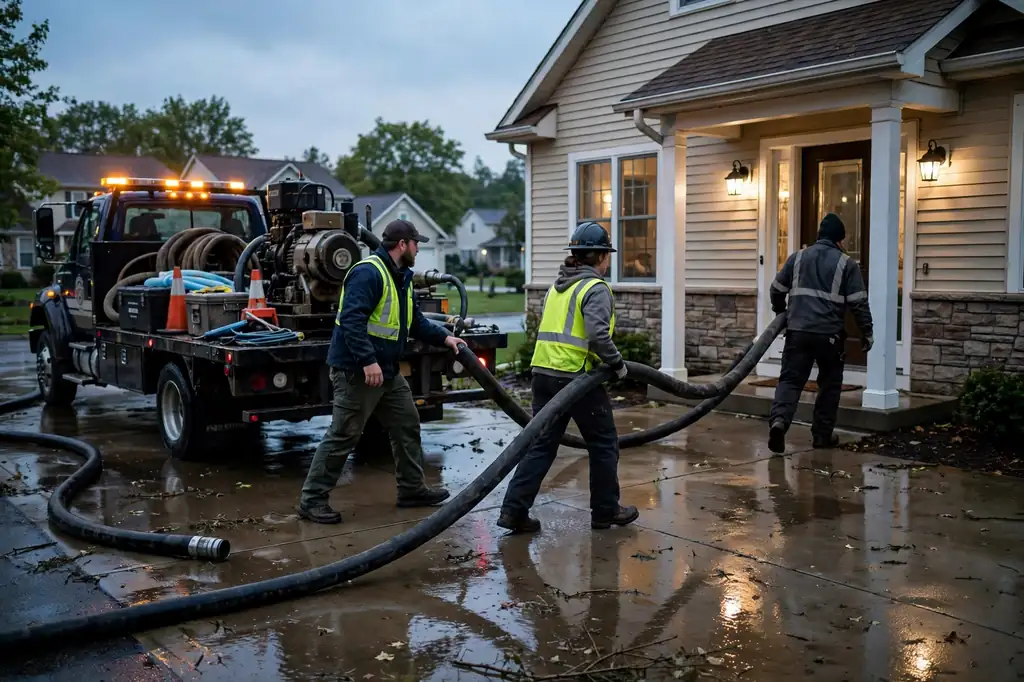
Kuna Highlands emergency water damage repair starts with a call that identifies the source, affected rooms, and immediate safety concerns. Our crew confirms the property location, brings extraction and drying equipment suited to the reported loss, and protects walkways in occupied homes. Newer construction can conceal water beneath finished surfaces, so we check beyond visible stains with moisture readings and, when useful, a thermal imaging camera. Elevated terrain with runoff and stormwater drainage concerns make exterior entry points worth checking after heavy rain, but we do not assume the cause before inspecting. We follow ANSI/IICRC S500 principles for water restoration and use IICRC WRT-trained procedures where applicable. For emergency water extraction near Kuna Highlands ID, tell us whether water is still flowing and whether it is clean or contaminated. We record initial conditions, explain the work sequence, and return to measure drying progress.

  • Runoff on elevated lots can complicate lower-level water entry

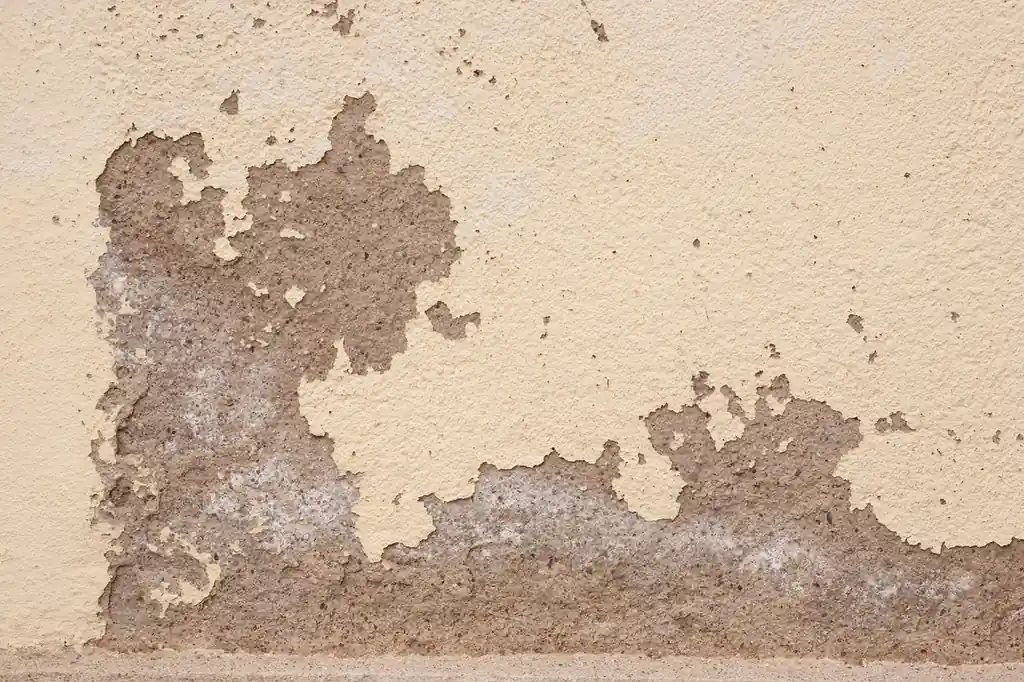
    Water may collect near a foundation or enter at a low opening after runoff moves across the lot. A surface puddle does not show how far moisture has traveled inside, so extraction alone can leave wet edges or concealed cavities. We inspect the interior perimeter and accessible exterior drainage points, then map moisture at floor and wall junctions. We remove standing water, dry affected materials, and identify visible drainage issues for the appropriate repair plan without assuming the landscape caused the loss.

  • Newer home finishes can hide moisture behind intact surfaces

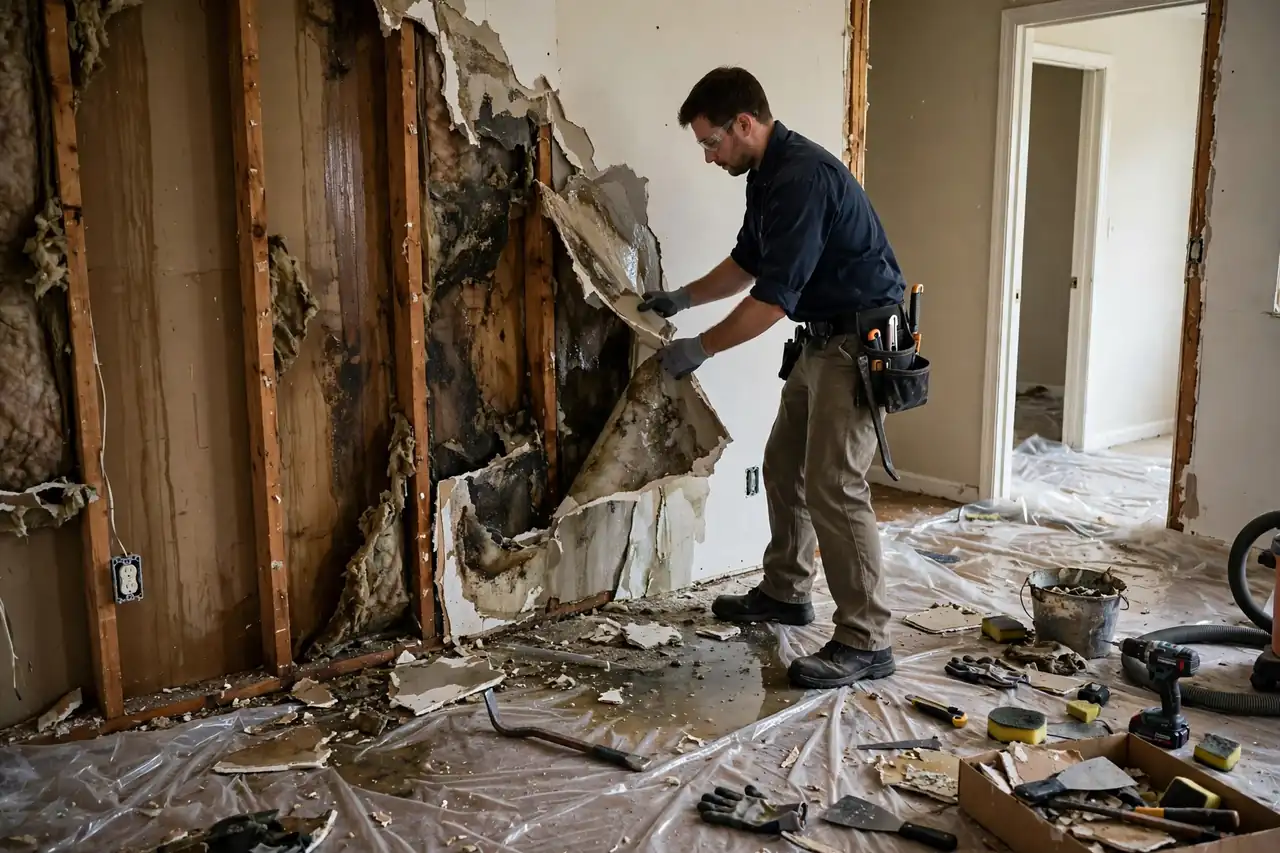
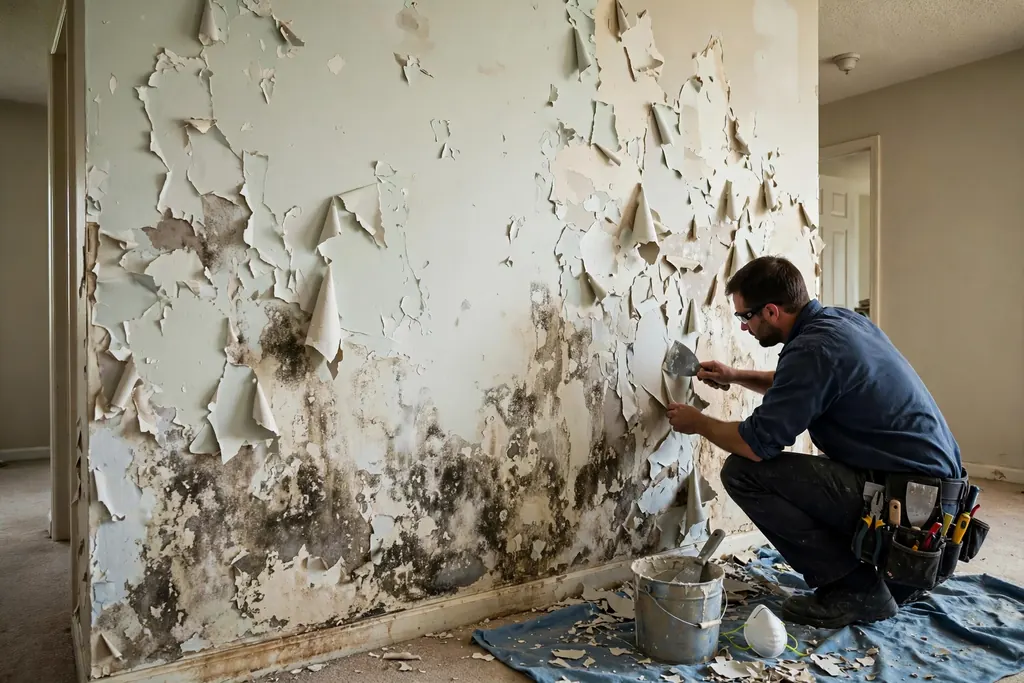
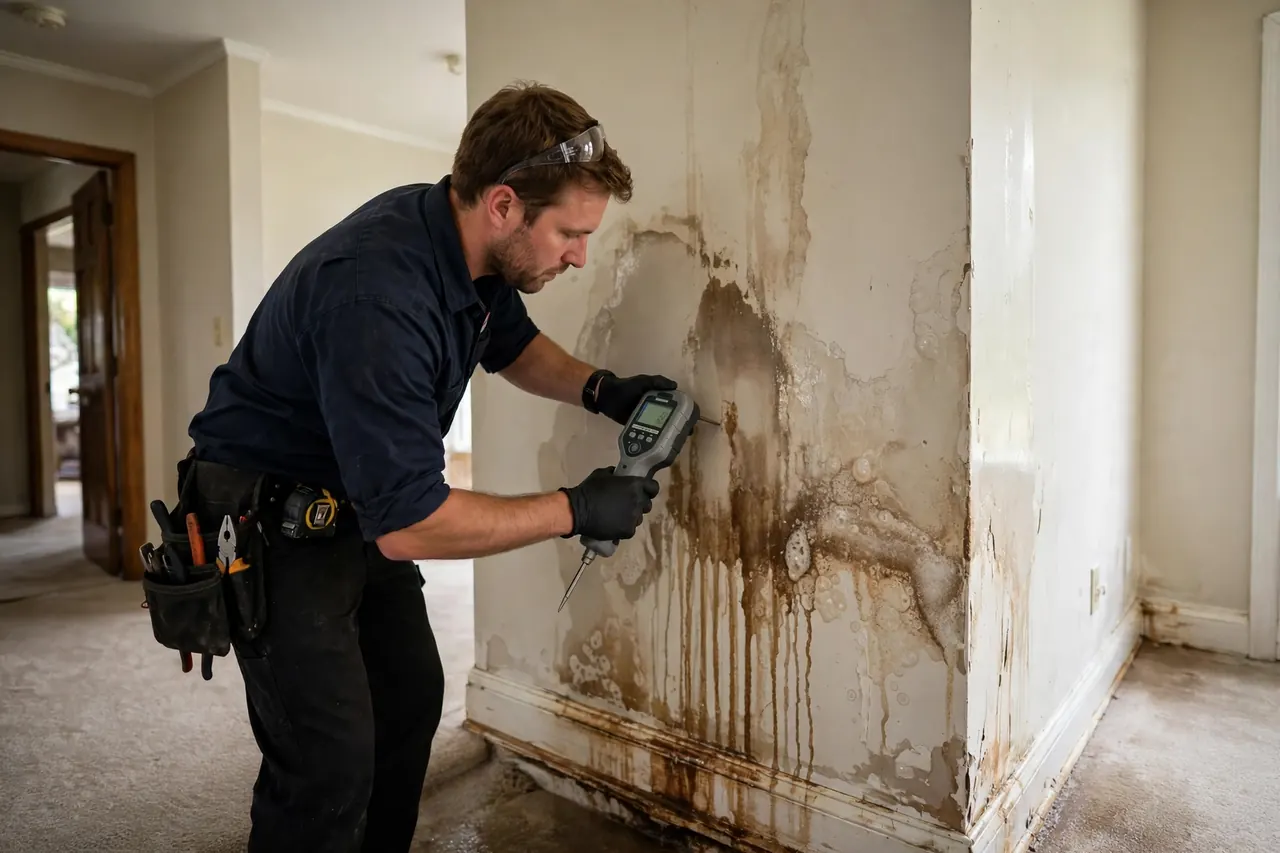
    A clean-looking wall can conceal damp drywall or insulation after a supply-line leak. Delayed discovery increases the chance of persistent odor and material deterioration, particularly when water runs into cabinets or under continuous flooring. We compare moisture readings at the leak area and nearby dry surfaces, then use thermal imaging to guide additional checks. Selective opening is considered only where readings and construction conditions support it; equipment placement follows the mapped wet area.

  • Winter cold raises the chance of frozen plumbing failures

    A frozen pipe can split in an exterior wall or an unheated service area, then release water during a thaw. Water can travel into adjacent rooms before the owner finds the failure, making source control and electrical awareness urgent. We help you isolate the water supply, identify affected rooms, and extract water as soon as conditions are safe. We inspect nearby wall and floor materials, document moisture, and coordinate plumbing repair before closing any opened areas.

  • ANSI/IICRC S500 Standard for Professional Water Damage Restoration

    The standard informs assessment, water categorization, documentation, extraction, and drying decisions. Our Kuna Highlands restoration plan uses measured conditions and affected material type to guide work, with clean-water and contaminated-water losses handled differently.

  • EPA Lead-Safe Renovation, Repair and Painting requirements

    When renovation disturbs paint in a pre-1978 building, EPA Lead-Safe requirements can apply. We consider building age and the planned work before disturbing painted surfaces, and coordinate appropriate lead-safe practices when required.

Kuna Highlands landmarks for orientation

Kuna Highlands Park and the Highlands trailhead provide familiar orientation points when you describe where your home sits within the area. They help distinguish nearby streets and neighborhood access during a dispatch conversation; they are not treated as service locations or explanations for water damage. Tell us your street address, ZIP code, and any gate or driveway details so the crew can locate the property and plan where to unload extraction and drying equipment.

  • Kuna Highlands Park

    This named park is a useful orientation reference for residents describing the surrounding Kuna Highlands area. Provide your street address as well, since a landmark alone does not identify a service entrance or exact property.

  • Highlands trailhead

    The trailhead name can help clarify which part of the Highlands area a caller means. Our route planning still relies on the property address and access notes, not an assumed distance from the trailhead.

  • Kuna Highlands North

    The neighborhood name helps distinguish an address within the broader Kuna Highlands service area. A cross street or ZIP code gives the crew the detail needed to navigate to the correct home.

  • Kuna Town Center

    Kuna Town Center is a named local destination for shops and services in Kuna. It provides a familiar reference when callers explain their general location, while the service address determines the route and equipment access.

  • Downtown Kuna

    Downtown Kuna is a central local area with community and business destinations. Callers can use it as a broad direction reference, then provide the exact property location for restoration service.

  • Meridian Road Corridor

    The Meridian Road Corridor is a useful roadway reference for reaching Kuna-area addresses. Exact routing depends on the service address and current road access.

  • Kuna-Mora Road

    Kuna-Mora Road is a regional road reference for travel around Kuna. We use the address and caller directions to choose the final approach.

Kuna Highlands neighborhoods we serve

Our service area includes the named residential pockets of Kuna Highlands, with access planned around the exact address and the affected rooms. We work in Kuna Highlands North, Kuna Highlands South, and Highlands Estates, and take calls from nearby Kuna homes when a loss needs immediate attention. Give us a cross street or ZIP code so we can confirm the right route and bring equipment suited to the job.

  • Kuna Highlands North
  • Kuna Highlands South
  • Highlands Estates
  • Kuna Highlands

Kuna Highlands restoration work examples

  • Kuna Highlands North

    Before

    A supply line leak wet kitchen flooring and the adjoining cabinet base in a Kuna Highlands North home while the family was away.

    After

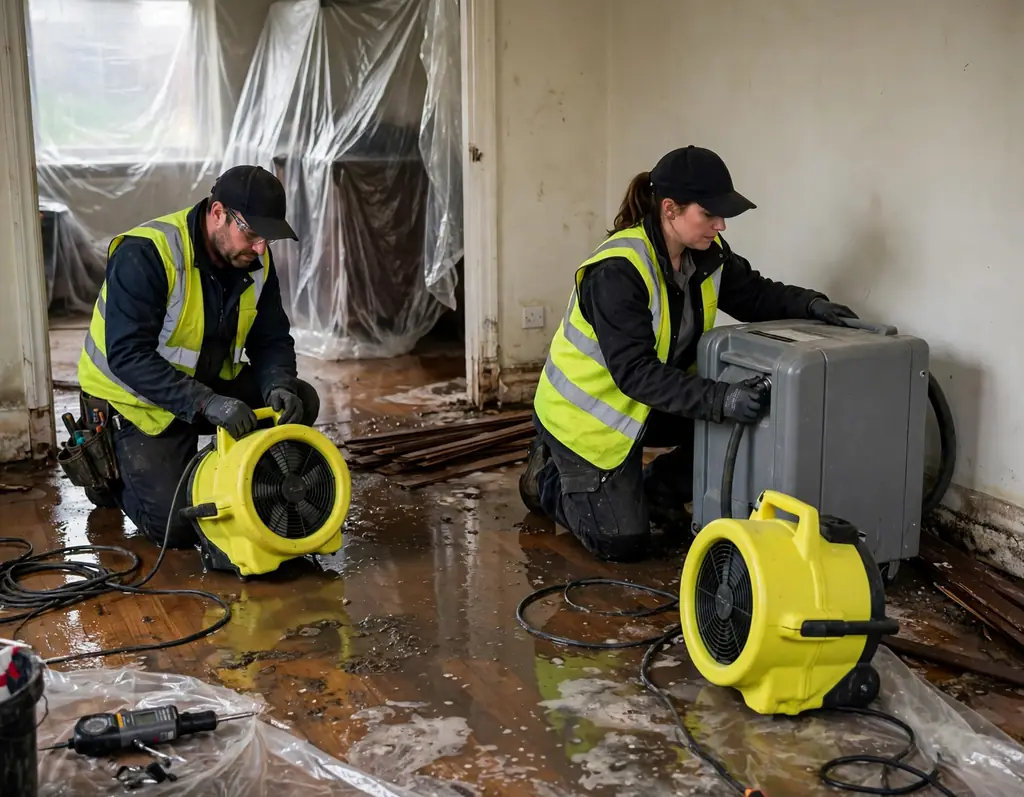
    We shut off the affected supply, extracted surface water, and checked the cabinet toe-kick, floor seams, and adjacent room with a moisture meter. After documenting the wet area, we positioned air movers and a dehumidifier and returned for readings. The homeowner received a room-by-room summary and a repair sequence for the affected finish. Extraction began the same day the loss was reported. Three rooms were checked, and follow-up readings over 4 days guided equipment adjustments and the finish repair decision.

  • Highlands Estates

    Before

    A winter pipe split behind an exterior-wall cabinet, leaving water on the floor and dampening the lower drywall in Highlands Estates.

    After

    We helped isolate the water, removed standing water, and inspected the wall edge and adjoining flooring. The affected drywall was evaluated for controlled removal, and drying equipment was placed to move air across the exposed area. We recorded conditions before and after drying and coordinated the repair sequence after plumbing work. Water was extracted from 2 connected areas, and drying was monitored over 5 days. The owner received readings and a clear record of materials requiring repair.

  • Kuna Highlands South

    Before

    A storm leak left a ceiling stain and wet insulation above a family room in Kuna Highlands South.

    After

    We traced the interior wet area, protected furnishings, and inspected the ceiling cavity before repair. Once the roof entry was addressed, we removed water-damaged material where needed and set drying equipment. The crew checked adjacent wall surfaces to ensure the visible stain was not the full extent of the moisture. The affected ceiling and adjoining wall were mapped during the first visit. Drying checks continued for 3 days before the repair area was finalized.

Seasonal water damage concerns locally

  • Spring

    Spring rain tests roofs and gutters after winter, and the first heavy rain often reveals a flashing or valley defect that stayed hidden under snow. Check for new ceiling stains and damp baseboards after storms, clear gutters before the rain settles in, and watch where runoff travels beside the foundation. When irrigation starts up, walk the sprinkler zones and shut off any zone that sprays the house.

  • Summer

    In the heat, a broken irrigation line can run for a full cycle before anyone notices, because the water soaks in and the surface dries. Walk the sprinkler zones, look for pooling near the foundation and wet thresholds, and check the laundry and kitchen supply lines, which work hardest in summer. High temperatures dry the surface quickly, so trust a moisture reading over a dry-looking floor.

  • Fall

    Autumn in the Treasure Valley turns fast from dry to freezing, so fall is for closing the gaps: clean the gutters, check the roof before the first snow, and winterise the irrigation lines before the first hard freeze. Test the main shut-off, insulate the exposed pipes you can reach, and watch the first cold nights for the rooms that lose heat fastest. Prevention in fall costs far less than extraction in winter.

  • Winter

    Winter is when small oversights become floods: a hose left connected, a garage door left open in a freeze, a room left unheated over a holiday. Disconnect hoses, keep heat steady, and make sure the main shut-off turns freely. If water appears, shut the supply off at once and keep the wet area clear until the source is confirmed, because every minute of flow adds rooms to the drying job.

Questions to ask a restoration contractor

A good Kuna Highlands water restoration contractor should explain the first visit, the drying plan, and how progress will be measured. Ask who will inspect the source, how the crew will protect rooms that are not affected, and what happens if readings show hidden moisture. You should hear specific steps, not a promise that every material can be saved. Clear answers help you compare emergency response based on work quality and documentation.

  • How will you find water behind the visible stain?

    The answer should mention checking adjoining surfaces and taking moisture readings, not simply drying the visible mark. A thermal imaging camera can help guide inspection, but readings and building conditions determine the plan. Ask how the findings will be recorded.

  • What equipment will you use in my Kuna Highlands home?

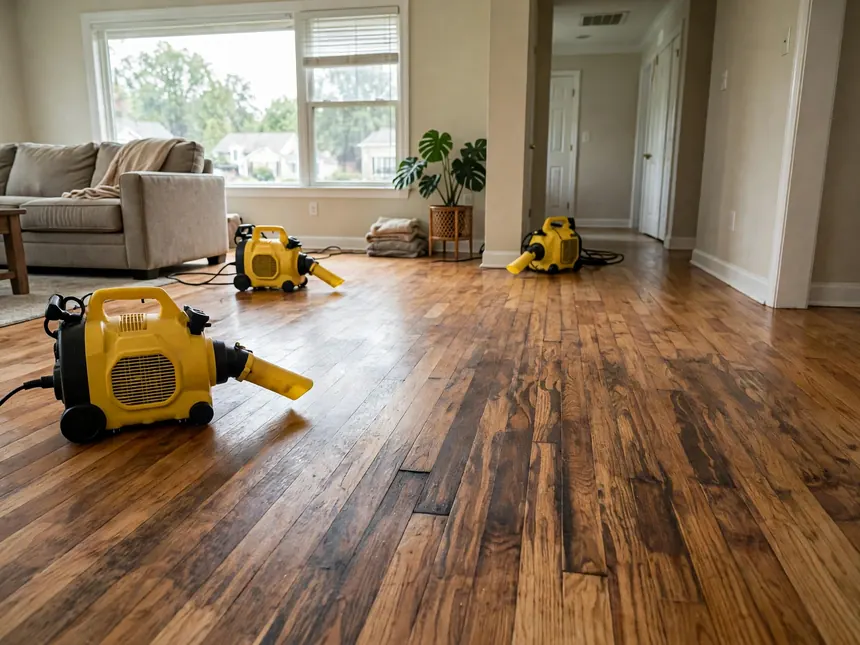
    A useful response connects equipment to the materials and room conditions. Extraction comes before drying, and air movers or dehumidifiers should be placed with occupied-home access in mind. The contractor should explain how equipment will be monitored and adjusted.

  • How will you document drying progress?

    Repeat readings show whether wet materials are moving toward dry conditions. Ask which areas will be checked and how results will be shared. A clear record helps explain why equipment stays, moves, or comes out and supports repair planning.

  • Who handles the plumbing or roof leak source?

    Water restoration does not help if the source continues. The contractor should identify whether a plumber or roofing professional needs to repair the failure and explain how mitigation work will be coordinated so wet materials are not closed prematurely.

  • What is included in the initial pricing discussion?

    You should understand the known work, such as extraction, drying equipment, monitoring, and material removal. Costs change with water category and hidden damage, but a direct explanation makes it easier to understand what the first visit addresses.

FAQs about Kuna Highlands water restoration

Still wondering? (833) 546-4116

Local service team

Call for emergency water damage repair in Kuna Highlands

If water is spreading through your Kuna Highlands home, call (833) 546-4116 and tell us where it started, which rooms are wet, and whether the source is controlled. We will help you identify the next safe step, arrange extraction, and explain how drying will be checked. Our crew serves Kuna Highlands and surrounding Kuna addresses in Ada County, Idaho. Phone support is available 24/7.

Contact the Kuna Team

Call (833) 546-4116 when water reaches your home or business in Kuna, Idaho. Tell us whether the source is still active, which rooms are affected, and when the damage began; that helps direct the next steps. Calls are accepted at any hour for emergency inquiries, and service coverage includes Kuna, ID, with ZIP codes 83634 and 83642.

Thanks. Your request is in and the team will follow up shortly.