Emergency Water Damage Repair in Sagebrush, Done Right

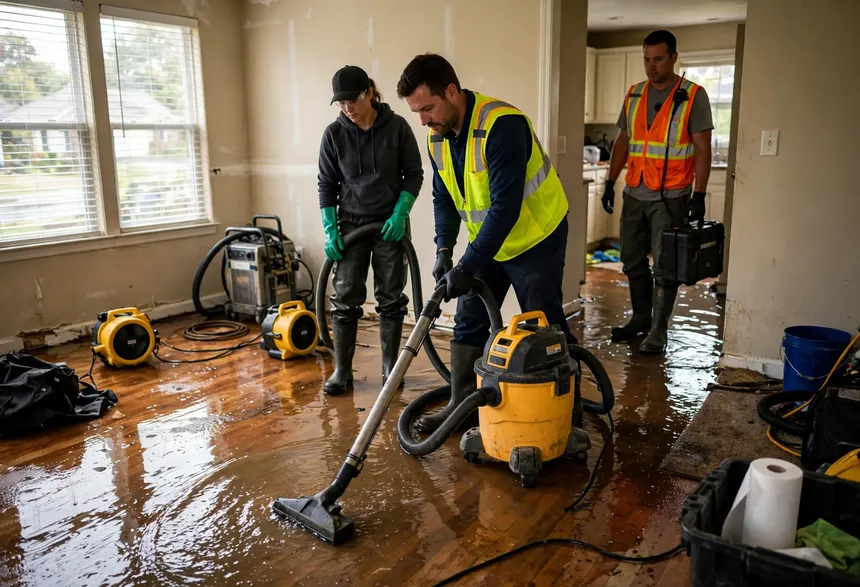
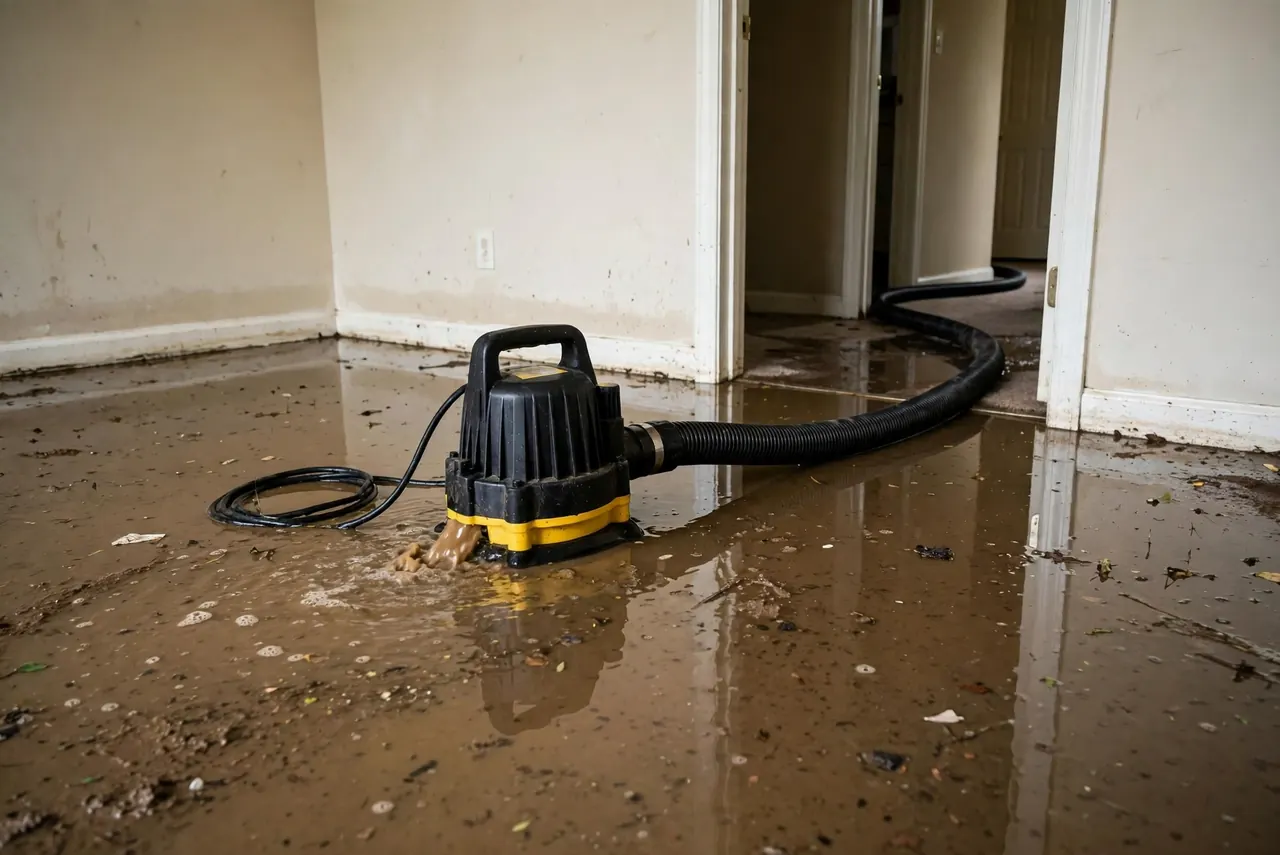
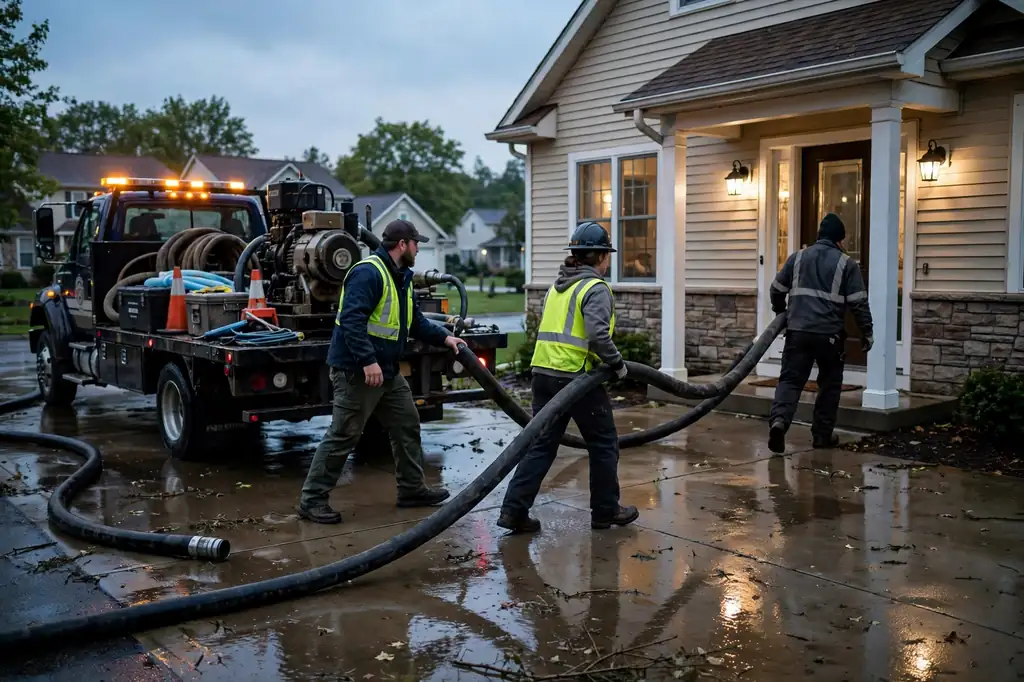
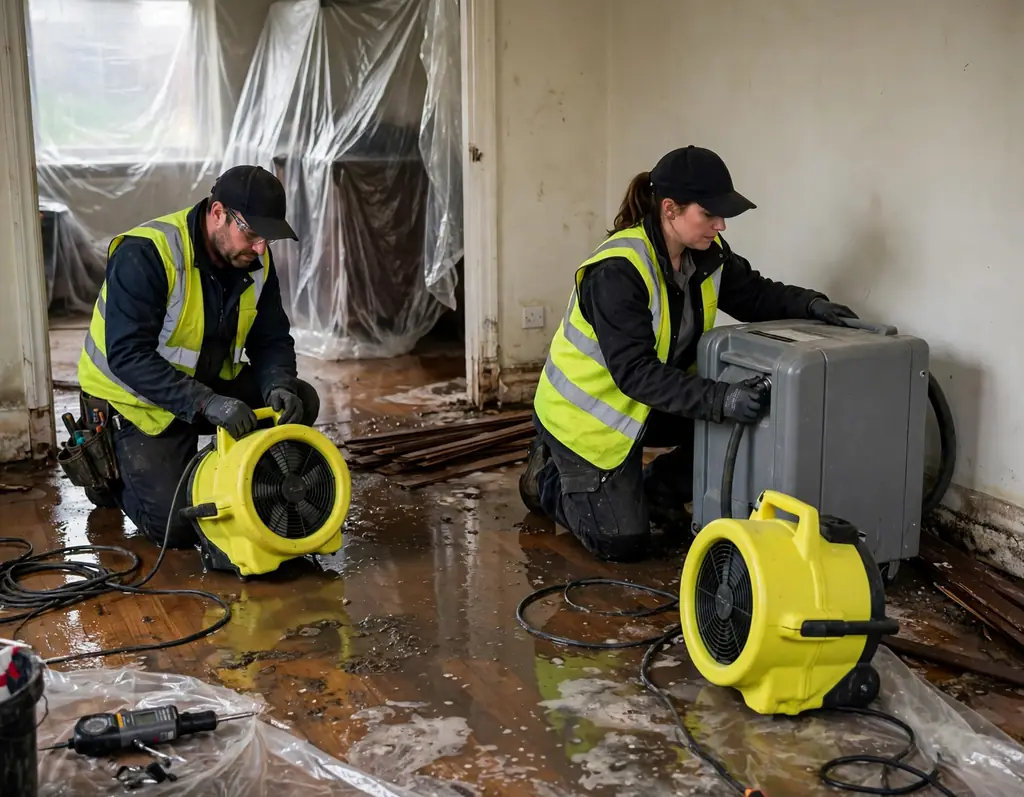
emergency water damage repair in Sagebrush starts with stopping the water and protecting the parts of your home that can still be saved. Our crew serves Sagebrush East and Sagebrush West, including homes near Sagebrush Park, and handles the full job from extraction through drying. For Sagebrush emergency water damage repair, we check hidden moisture as well as visible puddles, then explain the next practical steps.

emergency water damage repair in Sagebrush

Serving Sagebrush and nearby

  • Readings RecordedMoisture checks guide drying decisions
  • Work Area ProtectedContents moved away from wet surfaces
  • Steps ExplainedYou hear what happens next
  • Equipment CheckedAirflow placement reviewed during work

Emergency water damage repair in Sagebrush

Sagebrush is named for the ground Kuna was built on, and its homes sit where garages and utility spaces take the brunt of a freeze: pipes that wet garages and utility rooms, irrigation or exterior seepage that reaches lower-level materials, and roof leaks that stain ceilings after seasonal storms. The garage is the weak point here, because it holds the water heater, the softener, and the laundry connections.

We check the garage and utility spaces first — the water heater base, the softener drain, and the laundry connections — then read the concrete and the adjoining walls, because concrete wicks water further than it appears. Drying follows the readings, and we flag which connection needs a plumber before the space is put back to use.

Before irrigation, the land around Kuna was dry sagebrush steppe, and the name Sagebrush keeps that history. The ground is still high desert: roughly a foot of rain a year, hot summers, and winter nights that drop well below freezing, so the pipes in unheated spaces are the ones that split first.
Water Damage Services in Sagebrush

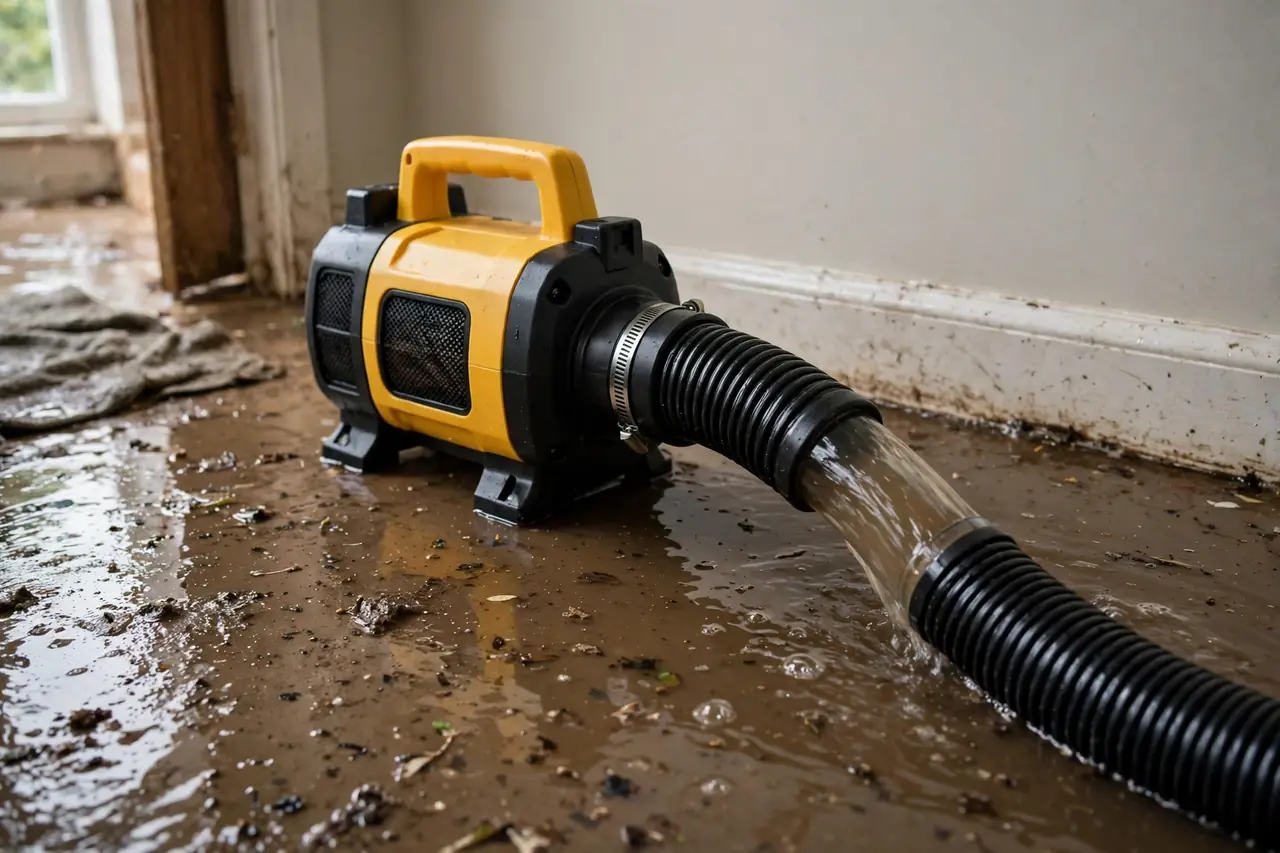
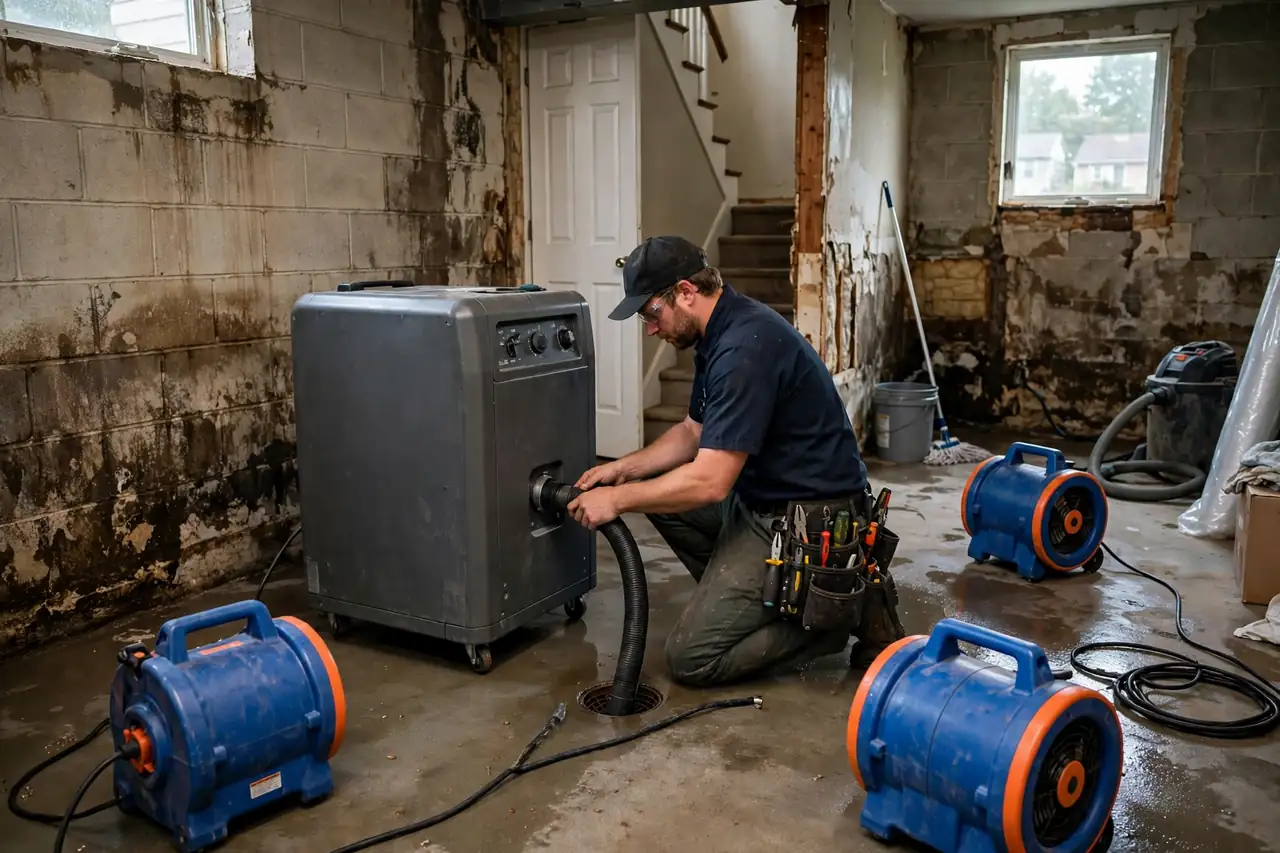
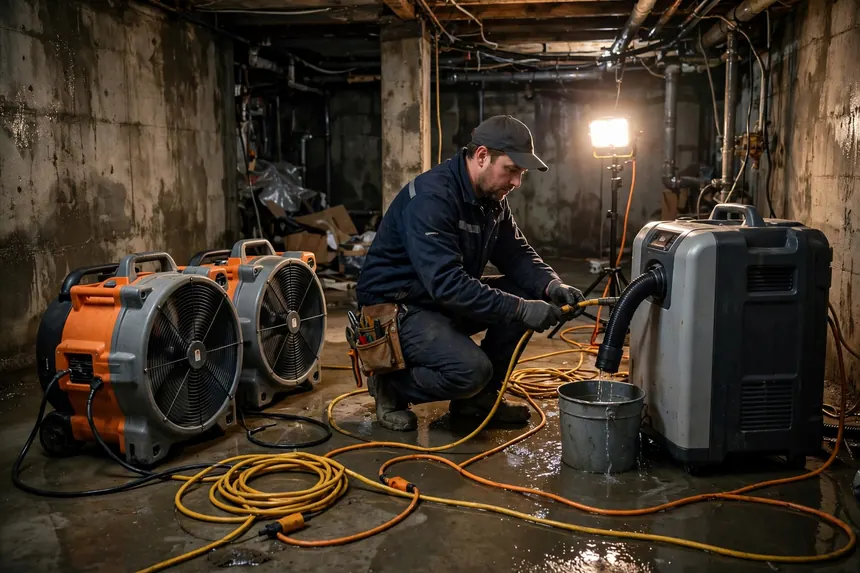
Sagebrush calls range from a small supply-line leak to water across several rooms after a pipe failure. We identify the water source, remove standing water, and dry affected building materials; if the event involves sewage, we use a separate cleanup approach. For emergency water extraction near Sagebrush ID, tell us whether water is still entering and which rooms are affected. That helps our crew plan access and equipment before arrival. We serve Sagebrush East, Sagebrush West, and nearby homes in ZIP code 83634.

Water restoration for Sagebrush homes

Emergency restoration in Sagebrush

Emergency restoration in Sagebrush

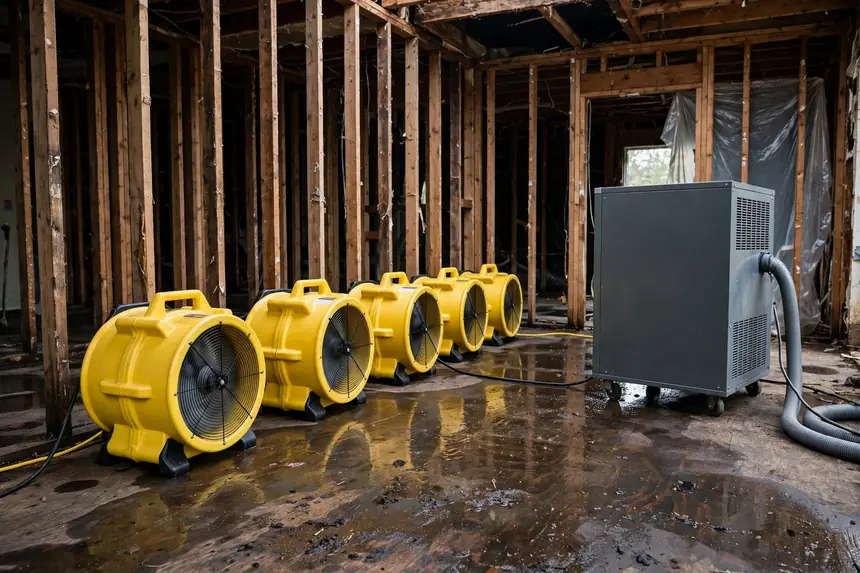
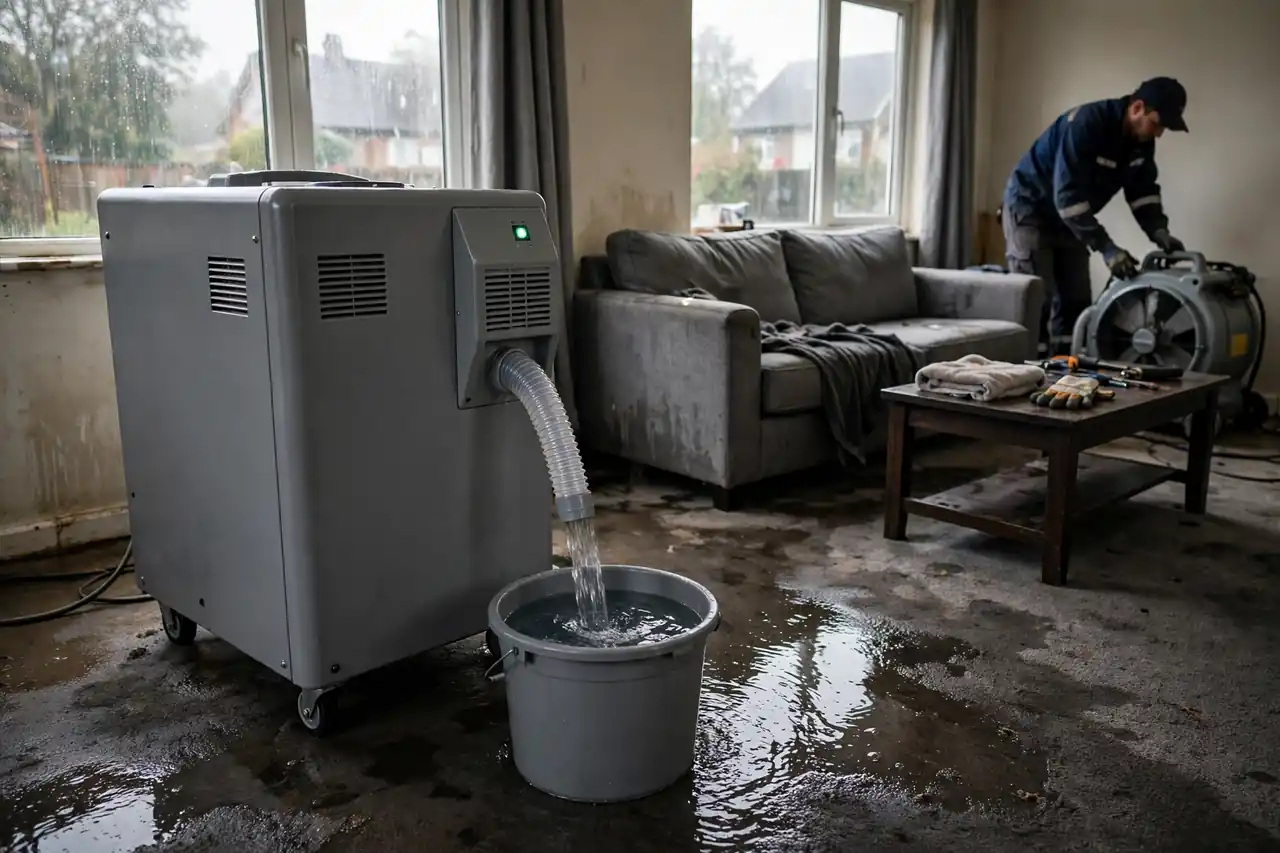
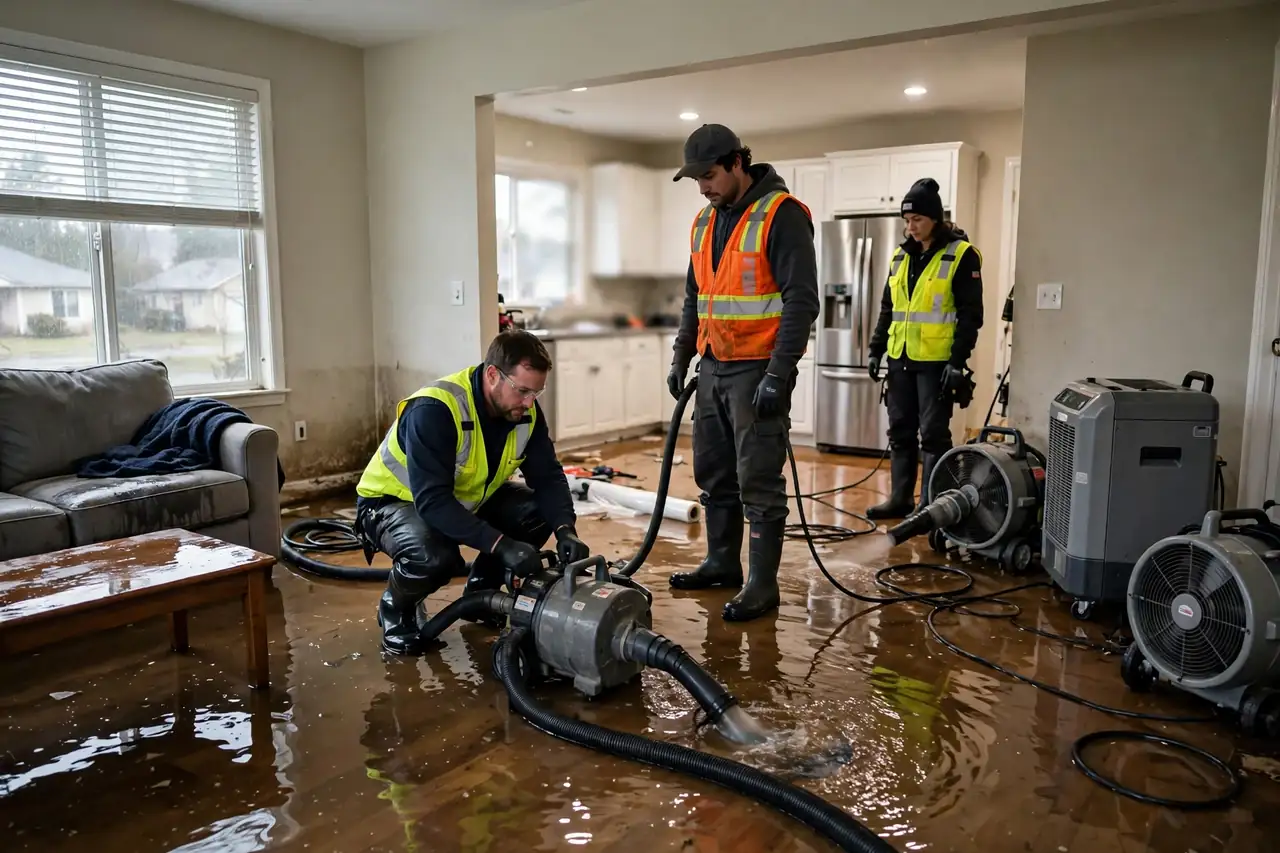
We inspect the affected Sagebrush rooms and trace moisture beyond the visible spill. Extraction and drying are planned around the materials and access in your home. We record readings so you can follow the work.

  • Source and spread checked
  • Affected rooms protected
  • Drying progress measured
Sagebrush home restoration

Sagebrush home restoration

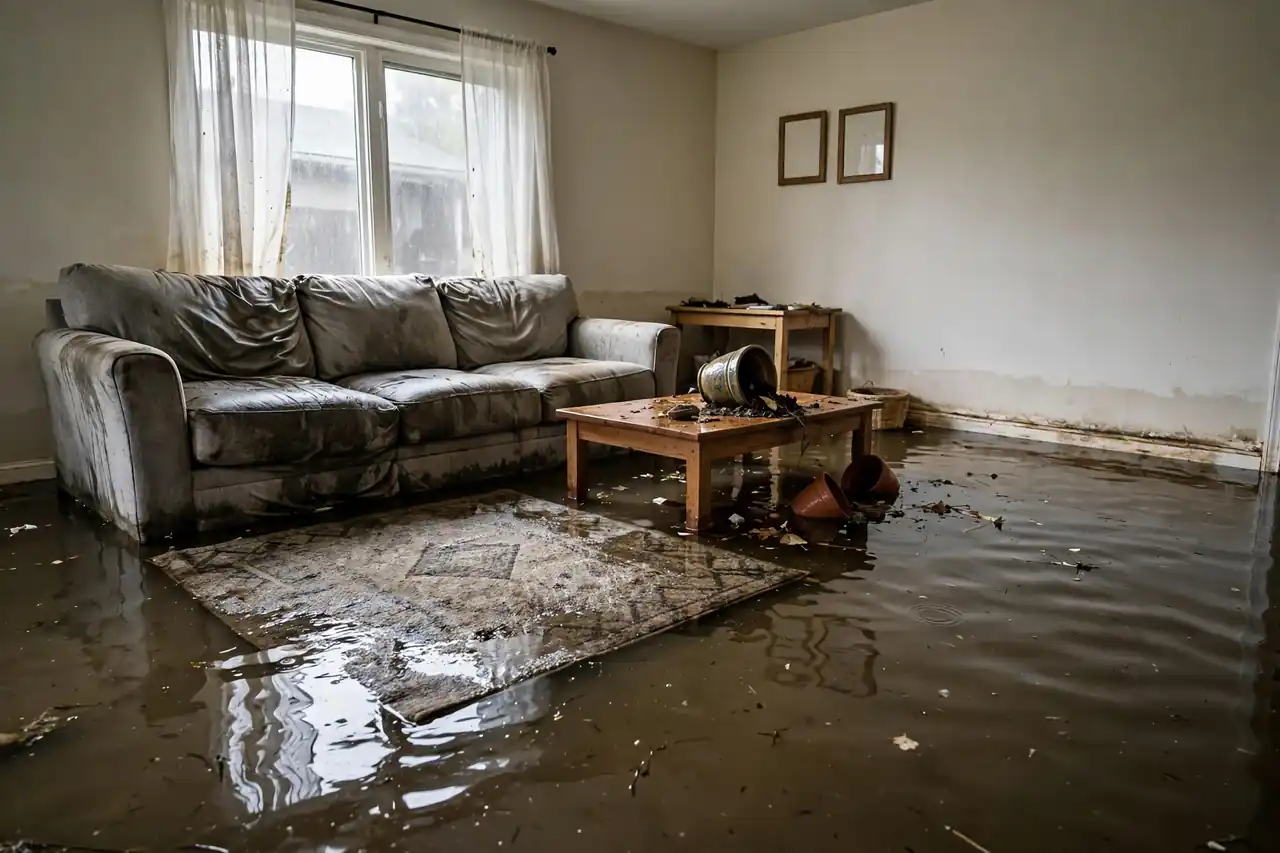
We help Sagebrush homeowners recover from plumbing leaks, storm entry, and water in lower-level spaces. Our inspection considers your flooring, wall finishes, belongings, and safe access.

  • Newer construction homes
  • Garage pipe leaks
  • Wet carpet and padding
  • Lower-level water intrusion
Sagebrush property cleanup

Sagebrush property cleanup

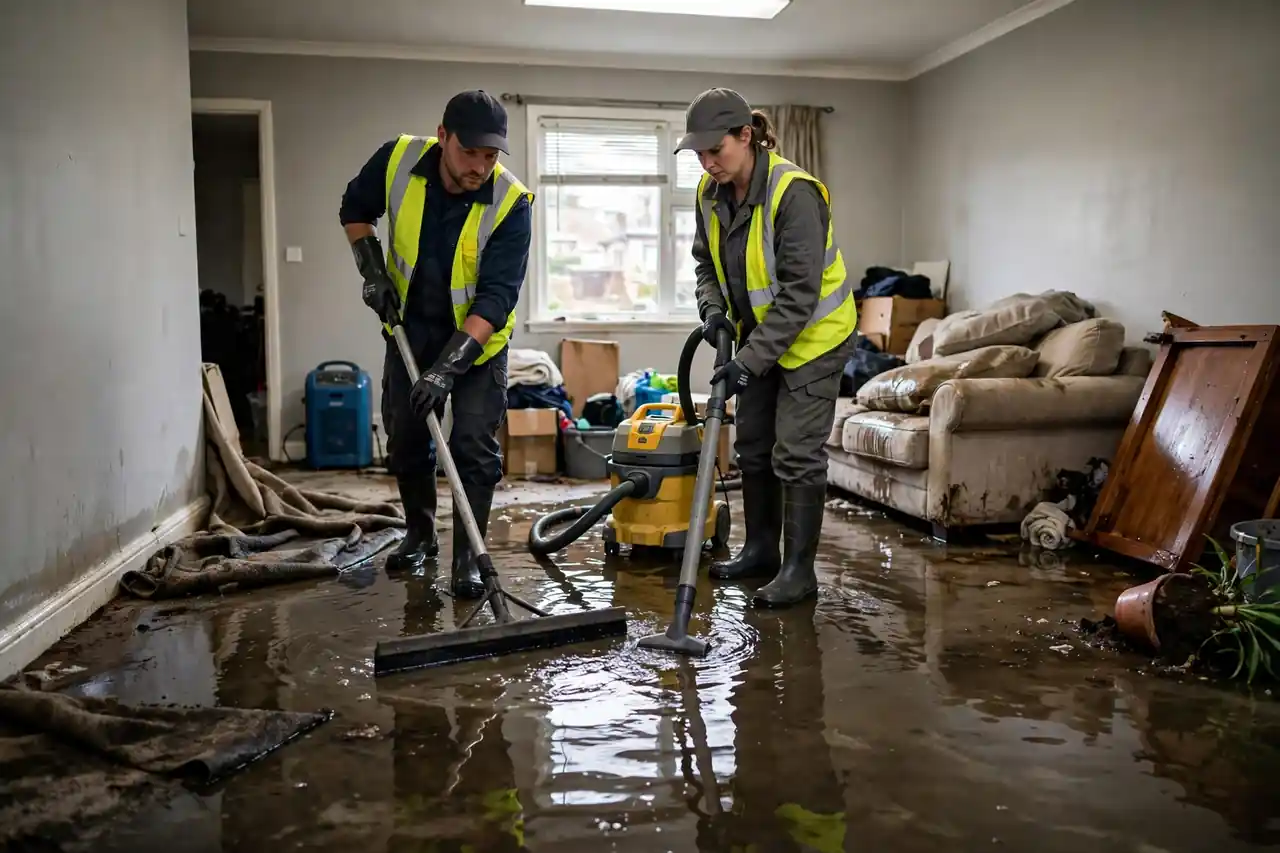
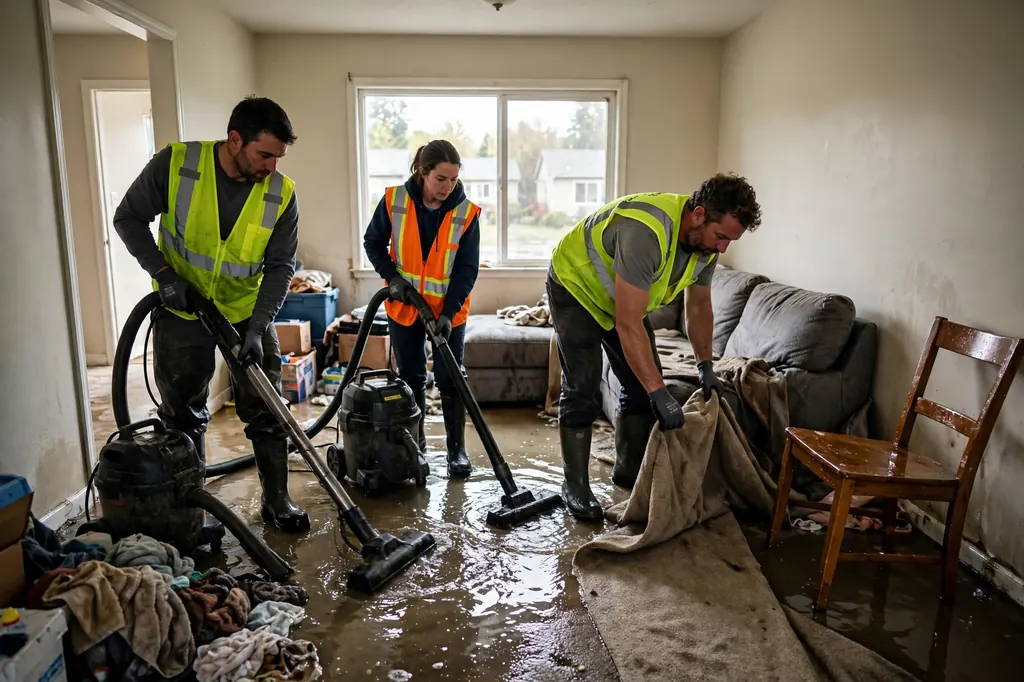
We organize water removal for Sagebrush workspaces and managed properties around access, affected materials, and operating needs. Tell us which areas must remain clear for people or equipment.
  • Small office interiors
  • Community-use spaces
  • Retail and service rooms
  • Managed rental properties

Common Water Damage Problems in Sagebrush

In Sagebrush, the garage and the ground outside it set the risks, so these four lead: frozen pipes in garages and utility spaces, irrigation or exterior seepage, roof leaks after storms, and pump or drainage problems.
  • Garage and Utility Spaces Hide Slow Leaks

    Garage and Utility Spaces Hide Slow Leaks

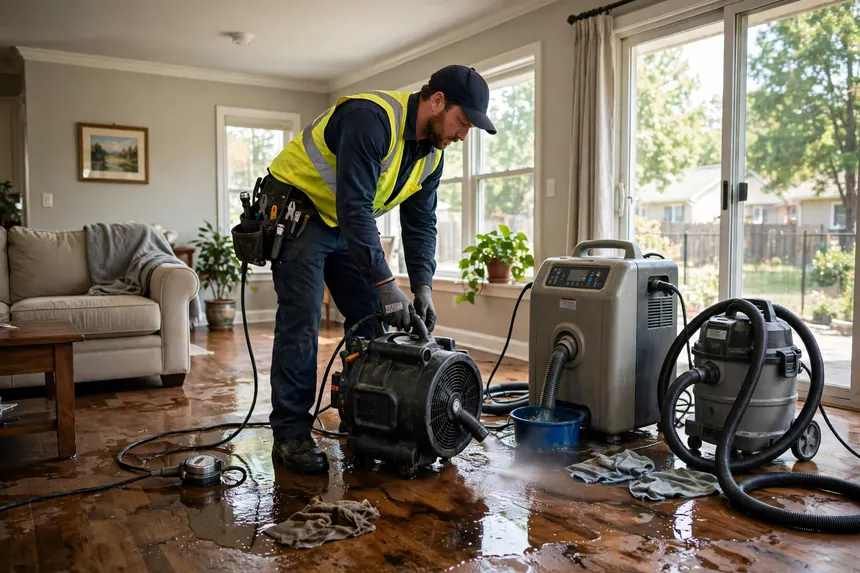
    A garage in Sagebrush is easy to ignore until a water heater, a softener, or a laundry hose fails and the floor stays wet under boxes and tools. We move what can be saved, extract the water, and take readings in the concrete and the wall bases that meet it, since moisture travels through both. Drying a garage takes longer than a living room because of the concrete, so we set equipment from the readings and re-check before the space is loaded up again.

  • Foundation Seepage Wets Lower Walls After Rain

    Foundation Seepage Wets Lower Walls After Rain

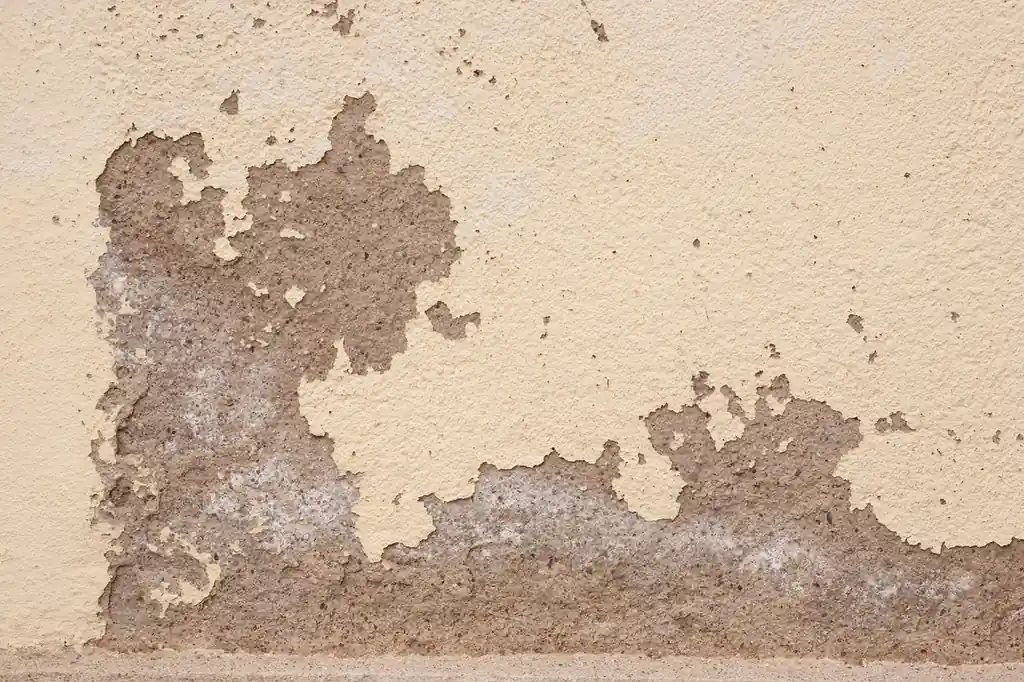
    Water that seeps through or under a foundation shows up as a damp line at the base of a wall, a wet floor edge, or a smell that returns after every rain. In Sagebrush, we check the outside grade, the gutters, and the wall base together, because seepage is a water-path problem as much as a drying problem. We extract, dry from readings, and note the path the water took, so the drying work and any drainage fix address the same cause.

  • Sewage Backup Needs Controlled Handling

    Sewage Backup Needs Controlled Handling

    When a sewer line backs up in Sagebrush, the water carries contaminants that make ordinary mopping unsafe and incomplete. We treat the affected rooms as a controlled area, remove standing water with the proper precautions, and take out porous materials that cannot be disinfected. Hard surfaces are cleaned and the structure is dried from moisture readings, and we explain what the drain itself needs — a backup that is only pumped out without fixing the line will usually return.

  • Sump Pump Failure Leaves Water in Lower Rooms

    Sump Pump Failure Leaves Water in Lower Rooms

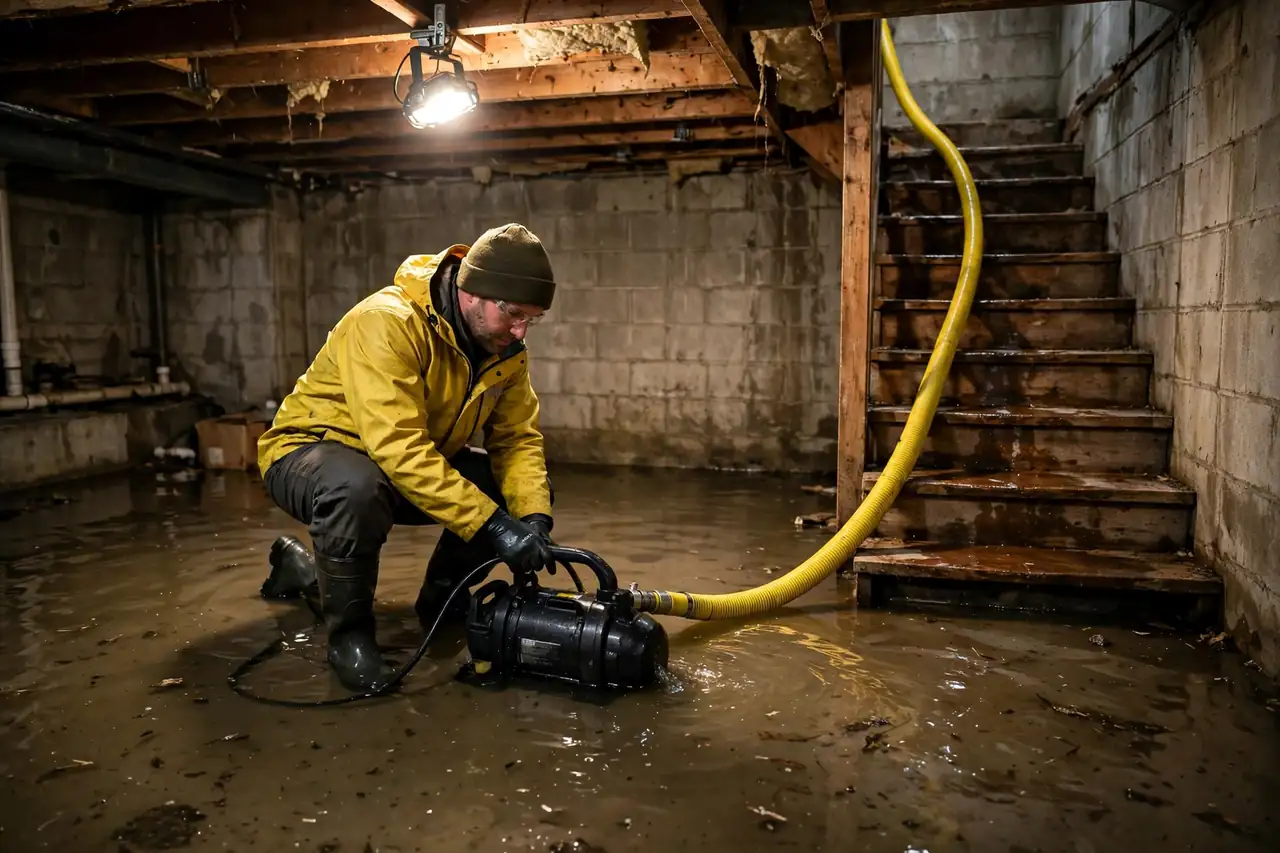
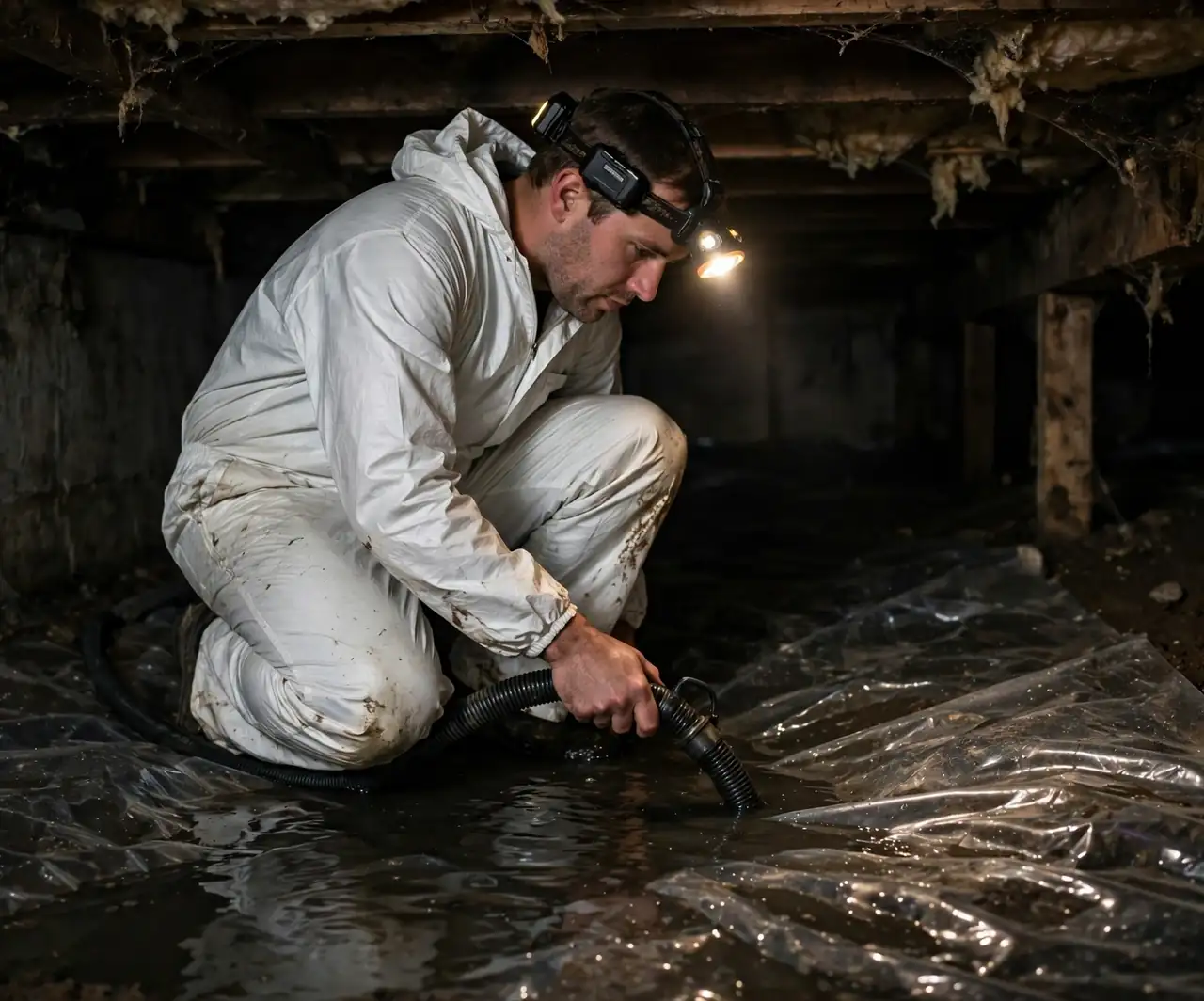
    A pump that loses power, clogs, or fails mechanically lets water collect at the lowest point of a home, and the first sign is often a damp floor edge or a musty smell rather than standing water. In Sagebrush, we check safe access, remove the pooled water, and inspect the pump and its discharge path before drying begins. Lower wall materials and anything stored at floor level get checked too, because a failed pump usually wets more than the floor it stands on.

When to Call for Water Restoration

Call when water keeps spreading, a ceiling sags, flooring stays wet, or a musty odor follows a leak.

  • Water continues flowing after a pipe failure

    An active burst pipe keeps adding water to walls, floors, and cabinets until the supply is stopped. If you can safely reach the shutoff, close it and keep away from electrical hazards. Call promptly so extraction and inspection can begin before water reaches additional rooms.

  • A ceiling stain grows or begins to sag

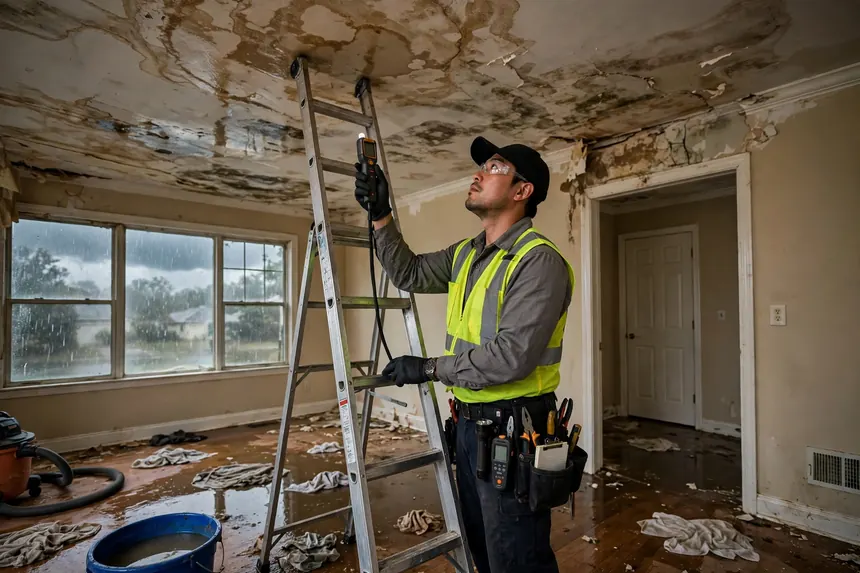
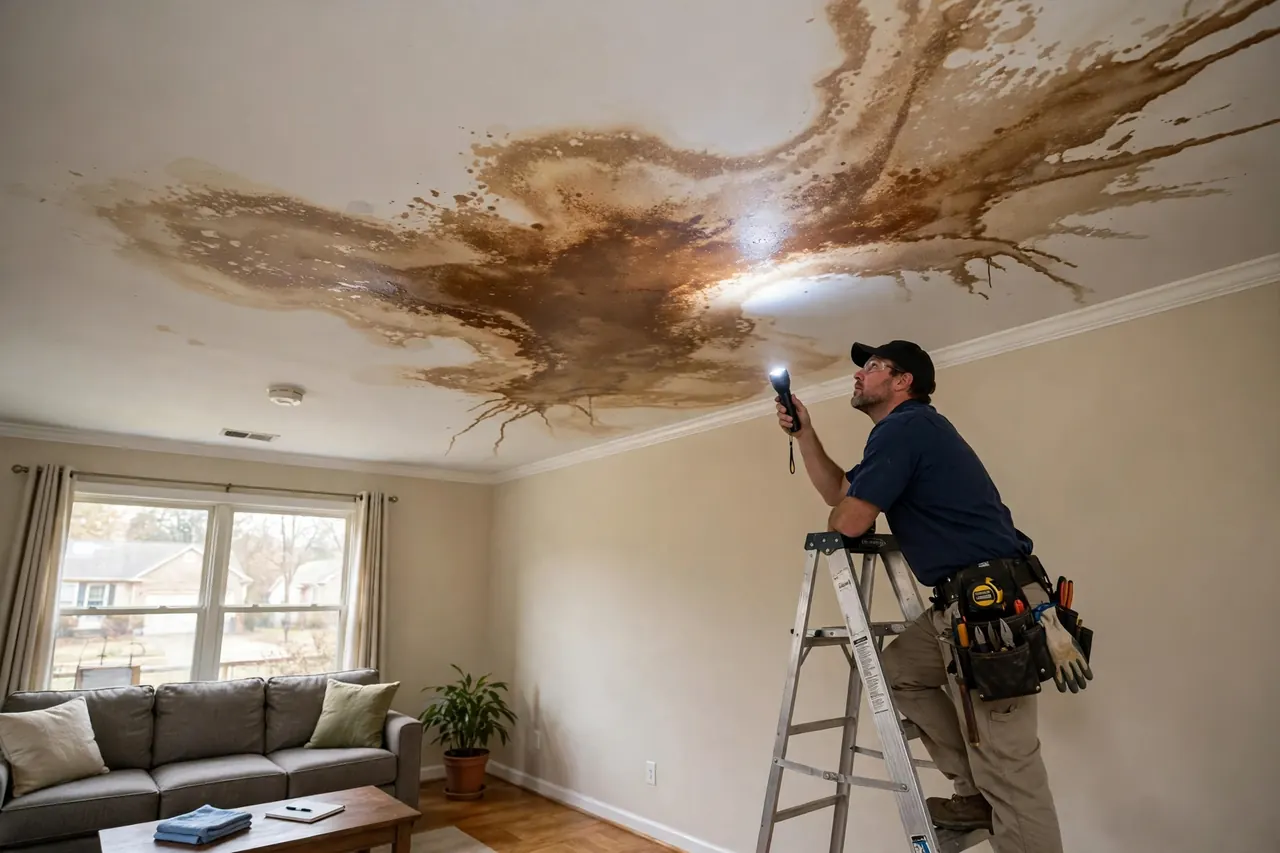
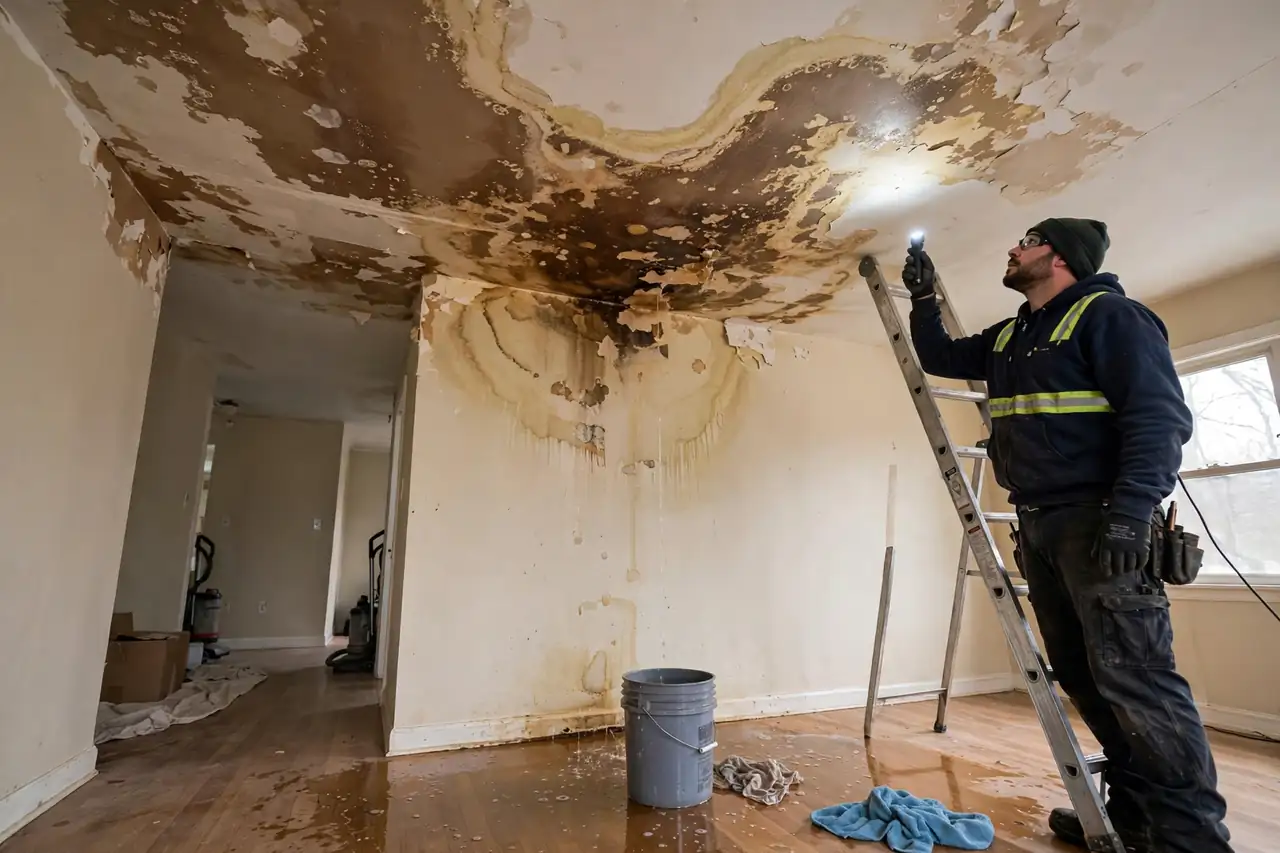
    A spreading ceiling water stain suggests moisture is still entering or trapped above the finish. A bulging area can hold water and may fail without warning. Keep people and belongings clear, avoid puncturing the ceiling, and report whether the leak follows rain or plumbing use.

  • Carpet feels wet after surface water is gone

    Water can remain in carpet padding or beneath the flooring even when the top feels nearly dry. That trapped moisture can damage materials and create an odor. We inspect the carpet assembly and nearby floor edges to determine whether extraction and directed drying are needed.

  • Musty odor follows a leak or spill

    A musty smell can point to damp materials that were missed during initial cleanup. Check around baseboards, cabinets, and the original leak area, but do not rely on smell alone to locate moisture. A moisture inspection helps determine whether drying or additional cleanup is appropriate.

  • Sewage or dirty water enters living space

    Sewage backup or contaminated water requires prompt isolation and specialized cleanup. Keep children and pets away, avoid contact, and do not use ordinary household equipment on the affected area. Tell us what entered the space so we can plan containment and safe removal.

How Sagebrush Water Cleanup Gets Done

Sagebrush emergency water damage repair follows a measured sequence: locate the source, protect unaffected rooms, extract water, map moisture, then dry and recheck. Newer construction can conceal water behind trim or under flooring, so we inspect adjoining surfaces instead of stopping at the visible puddle. Arid outdoor conditions do not remove moisture trapped inside a wall or floor assembly.

  • Irrigation water reaching exterior walls or lower-level spaces

    Sagebrush landscaping and irrigation systems can leave exterior areas wet, but the visible source does not always explain moisture inside. Water may enter at a foundation edge or travel through a concealed route, complicating the first inspection. We trace the interior moisture pattern and ask when irrigation was last running. Our crew checks the foundation perimeter, floor edges, and nearby rooms, then separates active plumbing leaks from exterior seepage. That distinction guides extraction and helps identify whether drainage correction should follow drying.

  • Cold-weather plumbing failures in exposed or poorly heated spaces

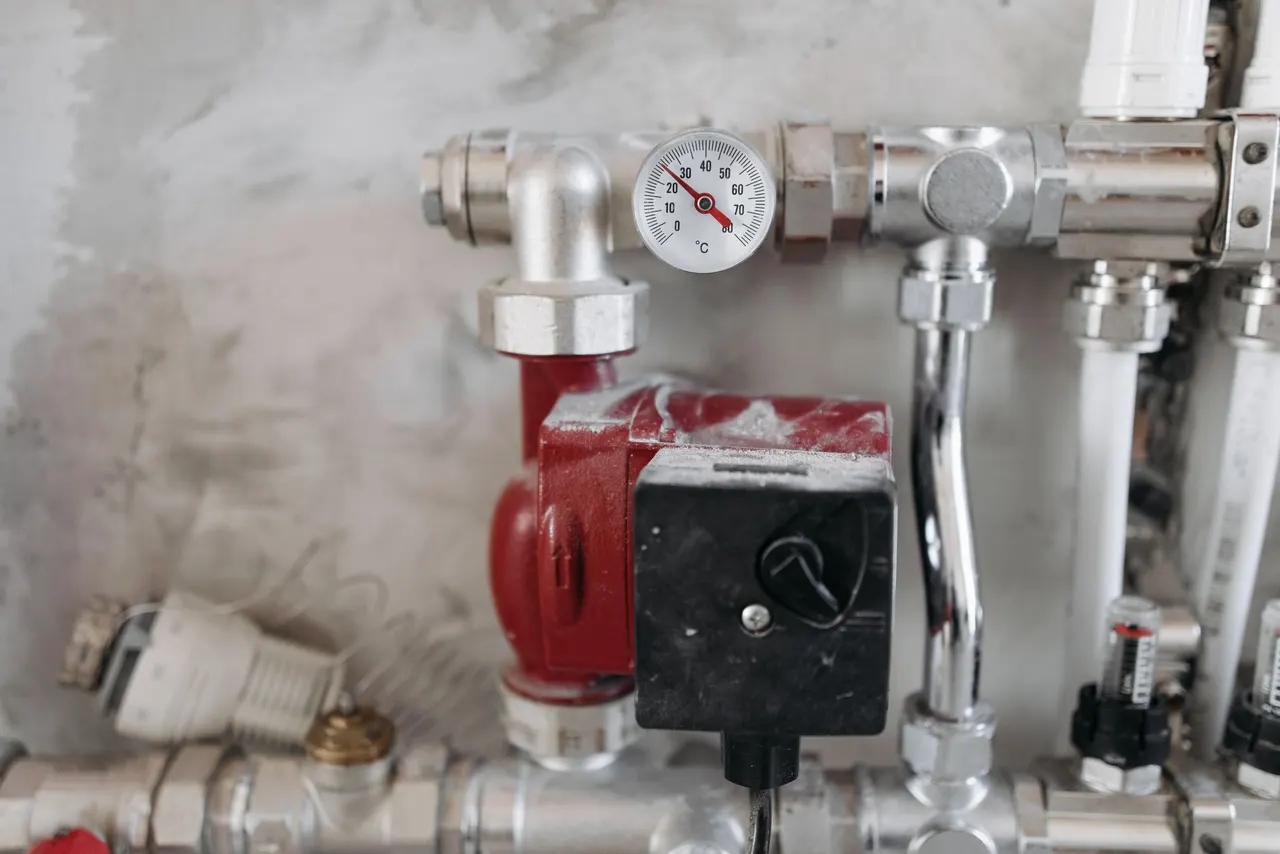
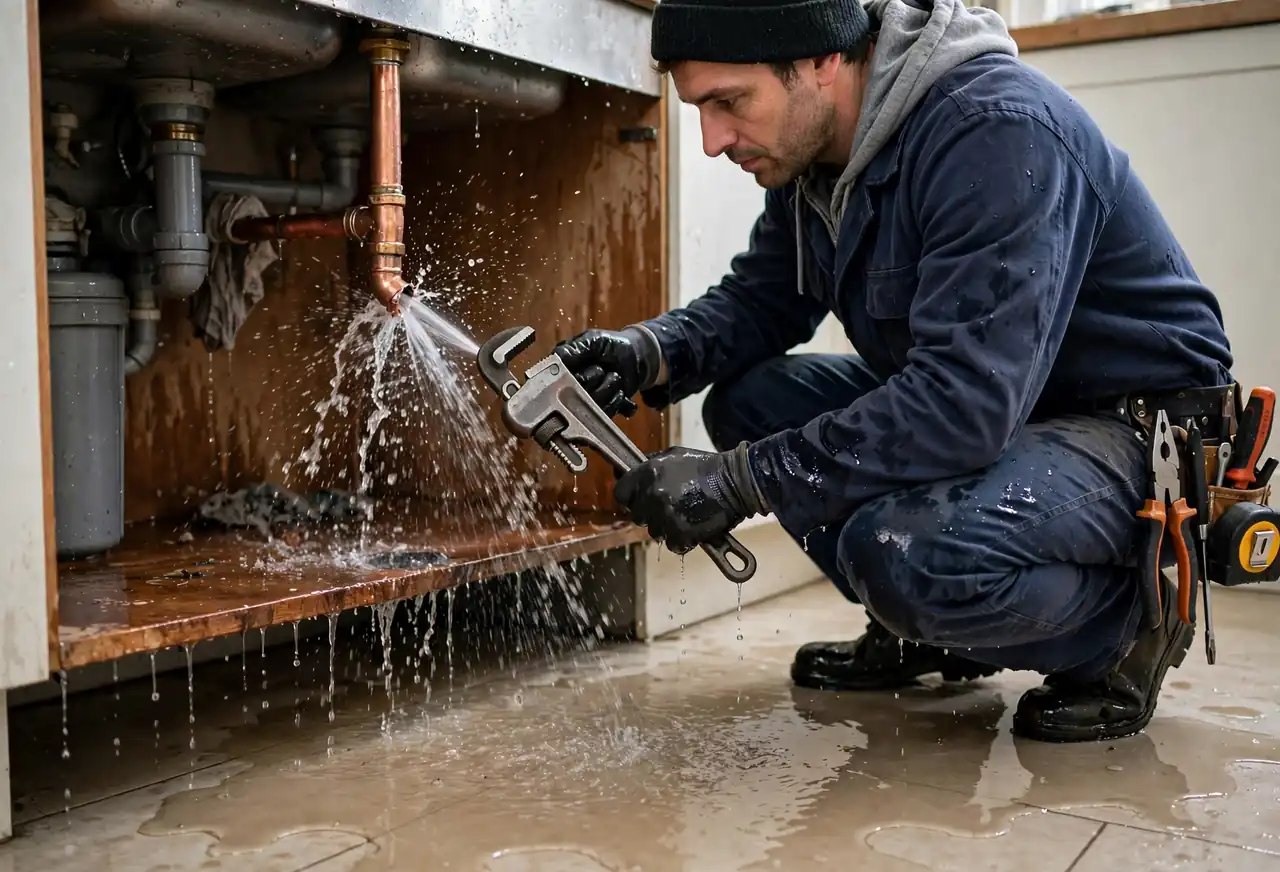
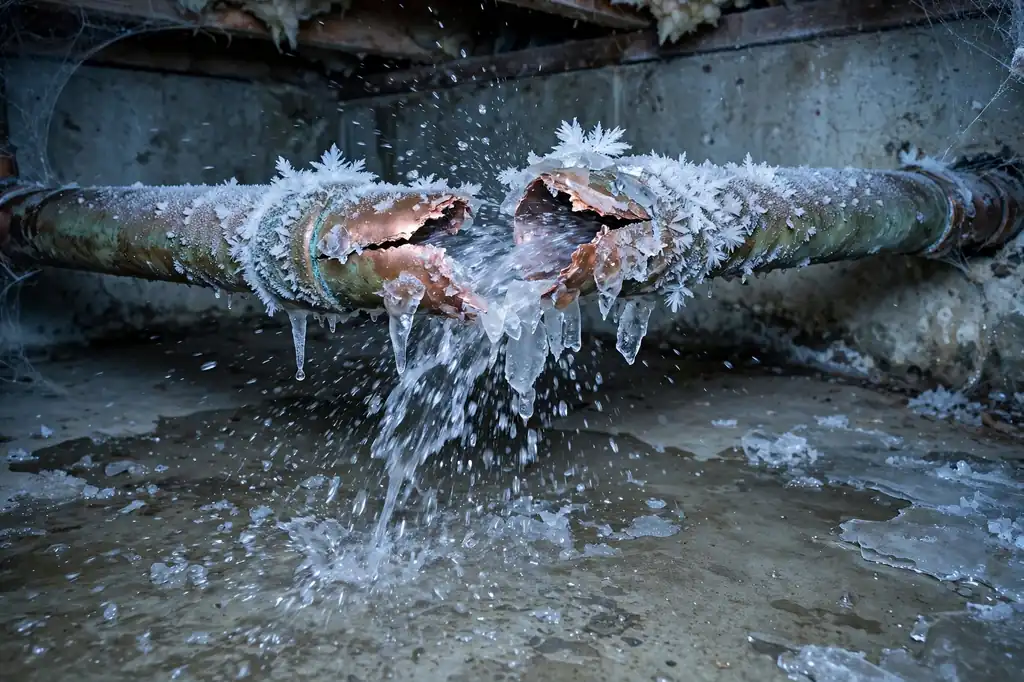
    Freezing nights can stress pipes in garages, utility areas, and other colder parts of a home. Once a frozen pipe opens, water can spread into finishes and adjacent rooms before a resident finds the leak. We first help limit active water flow and make a safe path for inspection. We extract water, check adjoining materials, and map affected areas before setting drying equipment. We coordinate the restoration sequence around the plumbing repair so new water does not undo the drying work.

  • Hidden moisture beneath flooring after a small visible spill

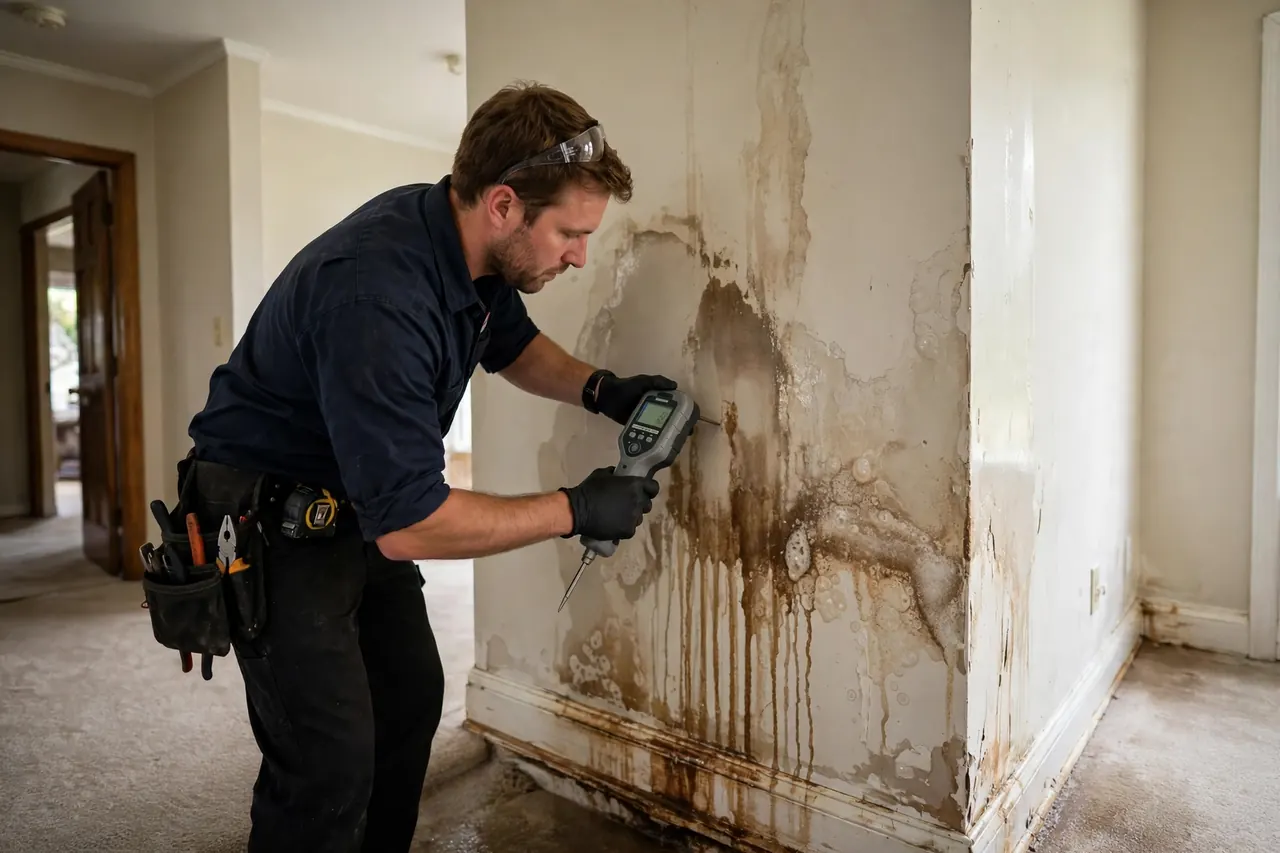
    A modest puddle in a newer Sagebrush home can move beneath flooring or into carpet padding. A dry-looking surface does not confirm that the layer below is dry, and delayed detection can extend the area requiring restoration. We check multiple points across the affected floor and nearby transitions with a moisture meter. If readings indicate moisture below the surface, we adjust extraction and airflow and record the results. Rechecks show where drying is progressing and where additional attention is needed.

  • ANSI/IICRC S500 Standard for Professional Water Damage Restoration

    The S500 standard provides a framework for assessing water damage, selecting restoration procedures, and documenting drying. We use its principles to guide work in Sagebrush, including source identification, moisture monitoring, and decisions about affected materials.

  • Idaho contractor licensing requirements

    Repair tasks that fall within regulated contracting work must be handled in line with applicable Idaho requirements. We distinguish restoration and drying from plumbing or construction repairs that require the appropriate trade professional, and coordinate the work accordingly.

Sagebrush Landmarks for Routing

We use landmarks as orientation aids, not as a substitute for a complete service address. Sagebrush Park and the Sagebrush community area help residents describe their general location, while the street address tells our crew where to unload extraction equipment. If gates, narrow access, or a preferred entrance affect arrival, include those details when you call. For service in Sagebrush, the ZIP code 83634 helps distinguish the neighborhood from other Kuna-area destinations.

  • Sagebrush Park

    Sagebrush Park is a named local orientation point. Referencing it can help explain the general part of Sagebrush where a property is located, but the service address remains necessary for routing.

  • Sagebrush community area

    The Sagebrush community area provides a neighborhood-level reference for residents describing a location. Pair that reference with the street address and any access instructions so the crew can identify the correct property.

  • Sagebrush East

    Sagebrush East is a named section of the service area that helps residents describe their general location. Our crew still uses the exact address to plan entry and equipment unloading.

Sagebrush Areas We Cover

Our Sagebrush service area includes the named neighborhood sections Sagebrush East and Sagebrush West, along with nearby homes addressed through the Sagebrush community area. We use the location details you provide to route the crew and plan equipment access. Share your nearest cross street or recognizable landmark, the ZIP code, and whether water is still flowing when you call.

  • Sagebrush East
  • Sagebrush West
  • Sagebrush community area
  • Sagebrush Park area

How Water Restoration Work Proceeds

  • Sagebrush East

    Before

    A supply-line leak spreads water through a Sagebrush kitchen and into the adjoining room, dampening carpet padding and baseboards.

    After

    We stop the active water source with the appropriate plumbing coordination, extract pooled water, and inspect the kitchen and adjoining floor. We check the baseboards and carpet padding for moisture, then position air movers and dehumidification where readings show a need. Follow-up measurements guide adjustments rather than leaving equipment on a fixed schedule. The affected footprint is mapped room by room, with drying progress tracked through repeat readings. The homeowner receives a clear record of areas checked and the remaining repair steps.

  • Sagebrush West

    Before

    A winter pipe failure in a garage sends water beneath nearby storage and toward an interior wall in a Sagebrush home.

    After

    We help limit additional water, move accessible contents out of the work path, and extract the garage floor. Our inspection follows the water toward the wall and checks adjoining finishes for hidden moisture. We coordinate drying with the plumbing repair and recheck the same marked locations to confirm progress. Water is removed from the accessible floor, and the wall and nearby materials are assessed rather than assumed dry. A documented drying plan identifies what needs continued monitoring.

  • Sagebrush community area

    Before

    A roof leak leaves a ceiling stain and damp insulation after a storm, with water reaching a room below in the Sagebrush community area.

    After

    We protect the room, identify the interior water path, and check the ceiling and surrounding wall for spread. After the roof opening is addressed, we remove affected wet materials as appropriate and dry the surrounding structure. Moisture readings at follow-up help determine when the affected area is ready for repair. The visible stain is connected to a broader inspection of the ceiling assembly. The next repair steps are based on recorded moisture conditions rather than the stain alone.

Sagebrush Water Damage by Season

  • Spring

    Spring is when hidden winter damage surfaces: a pipe that wept slowly in the cold finally shows as a stain, and the first rains find the roof and gutter weak points. Look at ceilings after each storm, check the ground where downspouts discharge, and test sprinkler zones one at a time as irrigation comes back on, so a broken head is caught before it soaks a threshold.

  • Summer

    Summer irrigation is the main water risk in the Treasure Valley: pressurised lines run for months, and one failed valve can wet a foundation edge for hours. Inspect heads and valves when the system cycles, keep spray off the house, and check the rooms beside the irrigation zones for damp baseboards. Heat hides slow leaks by drying the surface, so a recurring damp spot needs measuring, not waiting.

  • Fall

    Fall is short and the freeze comes quickly, so use it to prepare: clear leaves from gutters and drains, check flashing and valleys, and drain the sprinkler system before the first hard night. Find the water shut-off and make sure everyone in the house knows where it is. A pipe that bursts in January usually had a warning in October, and fall is when that warning is cheapest to act on.

  • Winter

    Winter nights in the Treasure Valley drop well below freezing, and the pipes most at risk are the ones in garages, crawl spaces, and exterior walls. Keep heat on in unused rooms, let vulnerable taps drip during a hard freeze, and open cabinet doors where pipes run through exterior walls. If a pipe does split, shut the water off first, then call: the water spreads further in the minutes before the supply stops than in the hours after.

Questions to Ask Before Hiring

A strong restoration contractor in Sagebrush can explain the work sequence without hiding behind jargon. Ask how the crew will find the water source, what they measure, and how they decide when drying is complete. You should also know who handles plumbing or reconstruction work if the job crosses into another trade. A clear answer helps you compare the plan with the damage in your home, not just compare a machine count or a quick verbal promise.

  • How will you check for moisture beyond the visible stain?

    The answer should describe checking nearby materials and recording readings, not simply looking at the surface. Water can move behind baseboards or under flooring. A contractor who can explain how the inspection follows the moisture path is more likely to identify the real work area.

  • What happens first if water is still entering my home?

    You need a practical sequence that prioritizes stopping the source, safety, and extraction. The contractor should ask what is affected and whether electricity is involved. A vague answer can leave you unsure what to do during an active leak.

  • How do you decide when drying is complete?

    Look for repeat moisture checks and comparisons over time rather than a fixed number of days. Materials dry at different rates. A clear monitoring method helps you understand why equipment stays in place and what readings support the next repair step.

  • Who handles plumbing repairs and restoration work?

    Water extraction and structural drying are not the same task as every plumbing repair. A direct answer clarifies how the source will be stopped and how restoration follows. It also helps prevent equipment from drying an area while the leak remains active.

  • Will you explain the price before the work proceeds?

    You should understand the planned work and its cost before restoration begins. Ask what the price covers and how newly discovered damage is handled. Clear communication helps you make decisions about extraction, material removal, and follow-up repairs.

Sagebrush emergency water damage repair FAQs

Still wondering? (833) 546-4116

Local service team

Call for emergency water damage repair in Sagebrush

Water spreading through a Sagebrush home needs action before it reaches more flooring, drywall, or belongings. Call Kuna water damage restoration at (833) 546-4116 and tell us what happened, where the water is, and whether it is still flowing. Our team serves Sagebrush in Ada County, Idaho, and can guide the first steps while planning extraction and moisture checks. Call now to request service.

Contact the Kuna Team

Call (833) 546-4116 when water reaches your home or business in Kuna, Idaho. Tell us whether the source is still active, which rooms are affected, and when the damage began; that helps direct the next steps. Calls are accepted at any hour for emergency inquiries, and service coverage includes Kuna, ID, with ZIP codes 83634 and 83642.

Thanks. Your request is in and the team will follow up shortly.