Emergency Water Damage Repair in Prairie Creek, Idaho

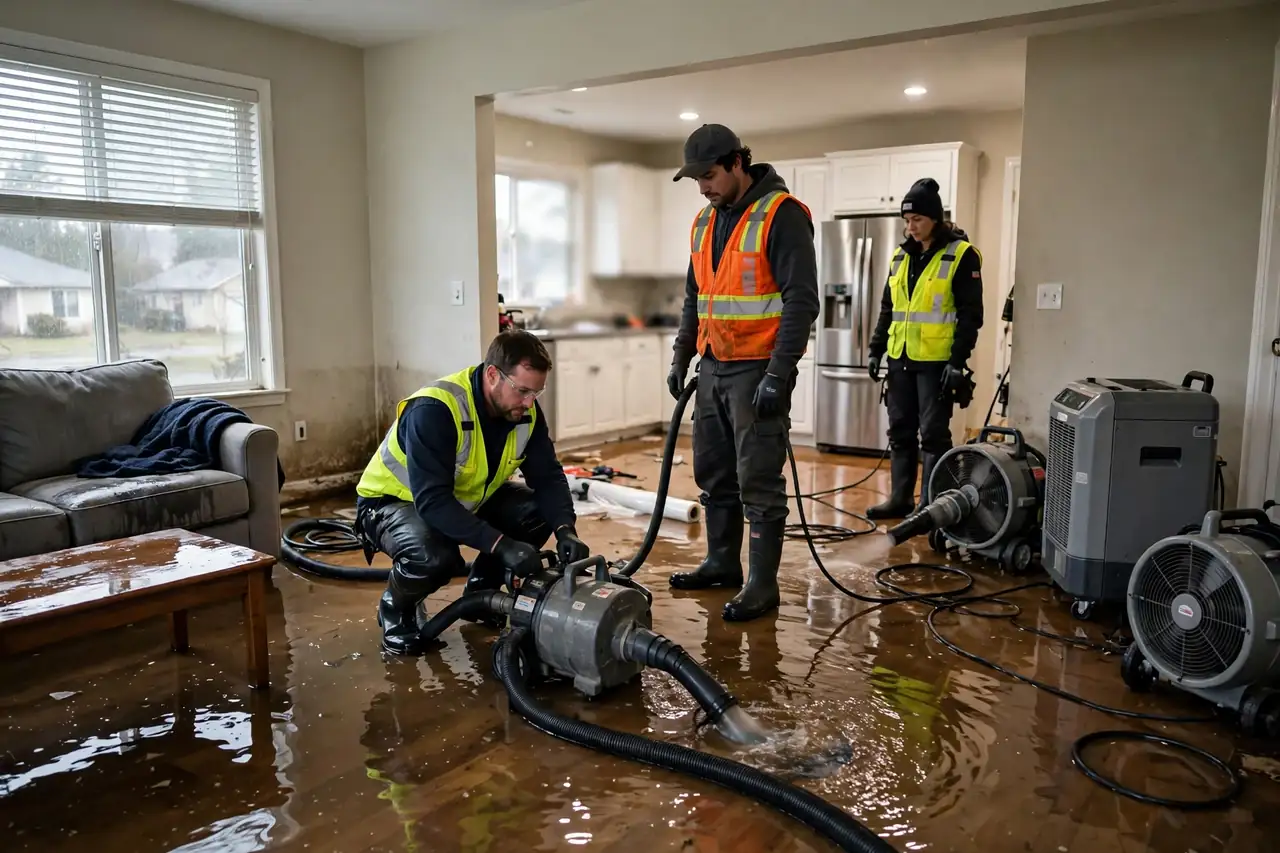
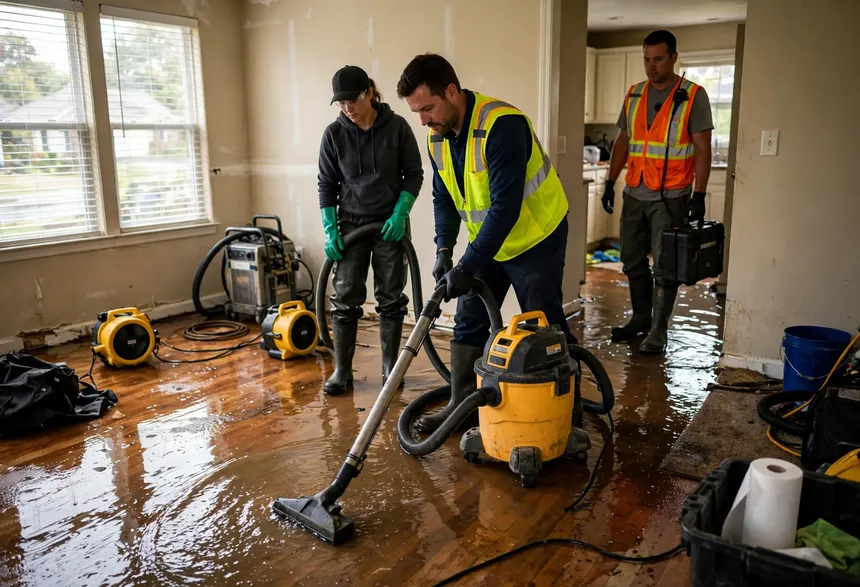
Kuna water damage restoration provides emergency water damage repair in Prairie Creek when a burst pipe, roof leak, or rising water threatens your home. Our crew identifies the source, extracts standing water, and checks affected materials before setting drying equipment. From Prairie Creek East to Prairie Creek West, Prairie Creek emergency water damage repair starts with clear next steps and practical protection for your floors, walls, and belongings.

emergency water damage repair in Prairie Creek

Serving Prairie Creek, 83634

  • Readings RecordedMoisture checks guide drying decisions
  • Work Area ProtectedContents moved away from wet surfaces
  • Steps ExplainedYou hear what happens next
  • Equipment CheckedAirflow placement reviewed during work

Emergency water damage repair in Prairie Creek

Prairie Creek is open ground where the wind finds a roof and the cold finds a pipe: strong rain or wind that stains a ceiling, frozen supply pipes on cold winter nights, and seepage or crawl space flooding after wet weather. The homes here are exposed to the weather in a way that sheltered subdivisions are not, and the losses show it.

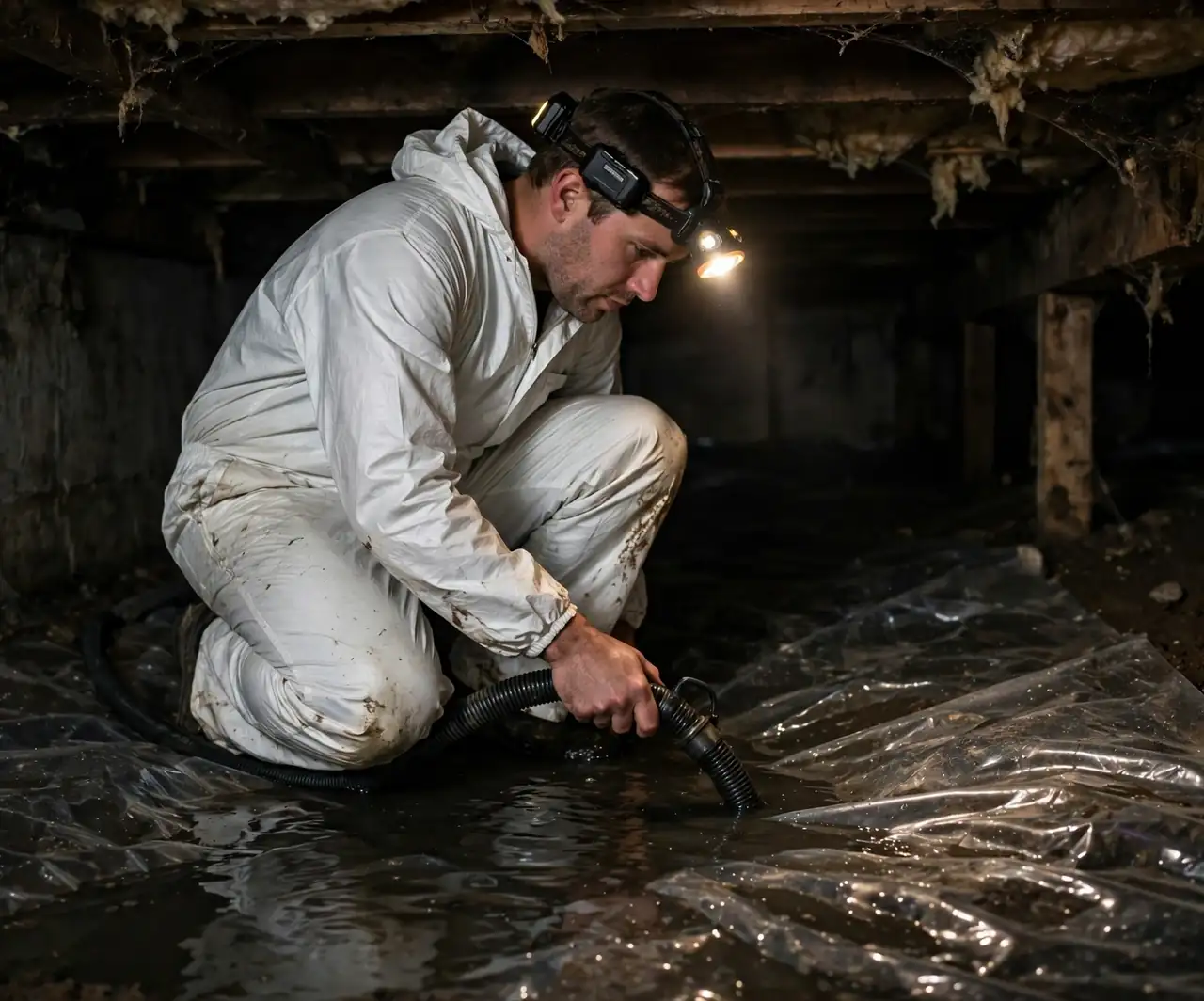
We check the roof and the ceiling together, then the wall bases and the crawl space, because a Prairie Creek loss often has two causes at once — a roof defect and a drainage path. Readings at each point set the drying plan, and we re-check before any repair, so the work does not seal in moisture that the next storm will push back out.

The Treasure Valley is high desert, and the open prairie around Kuna still behaves like it: dry for months, then a sharp storm that moves water fast across hard ground. A home on open ground takes the wind and the runoff directly, which is why the roof and the drainage around the foundation matter more here than in a sheltered street.
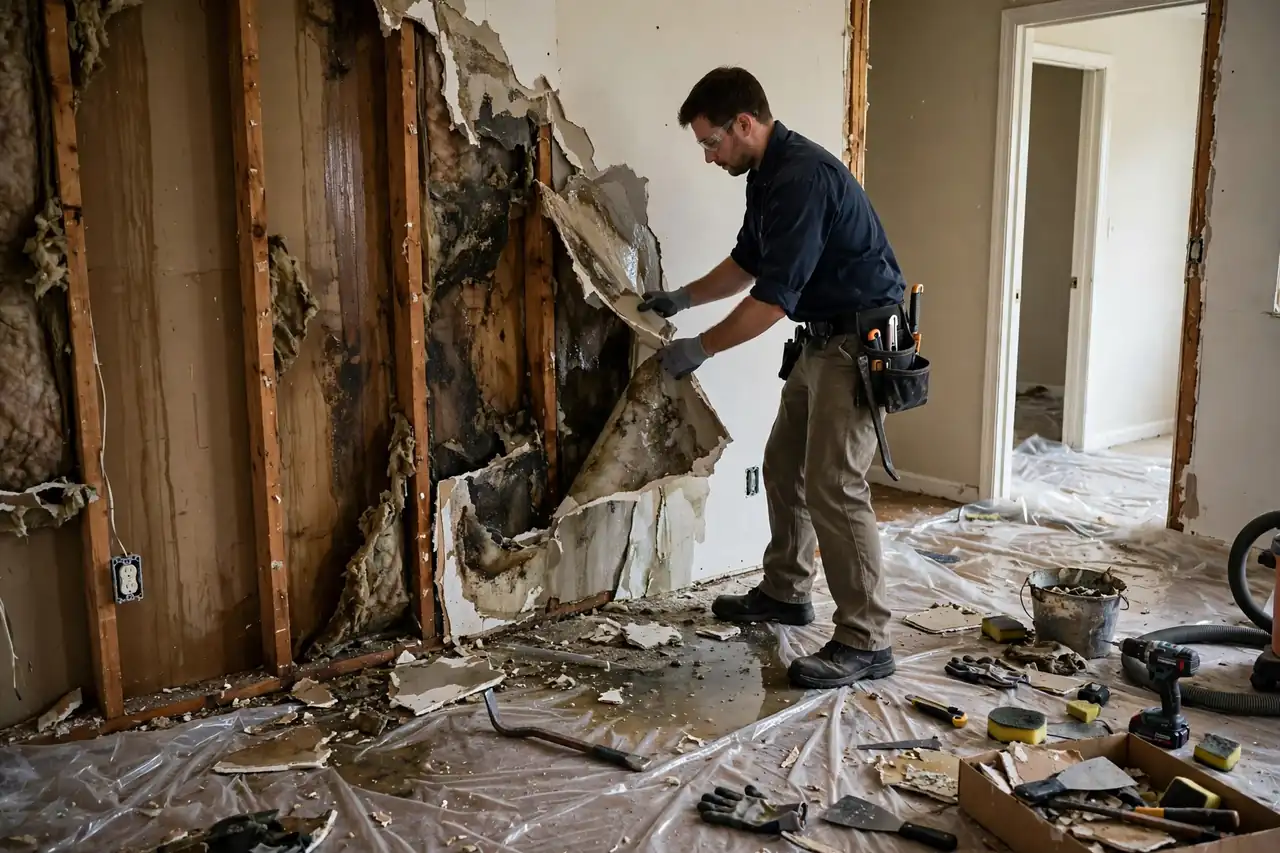
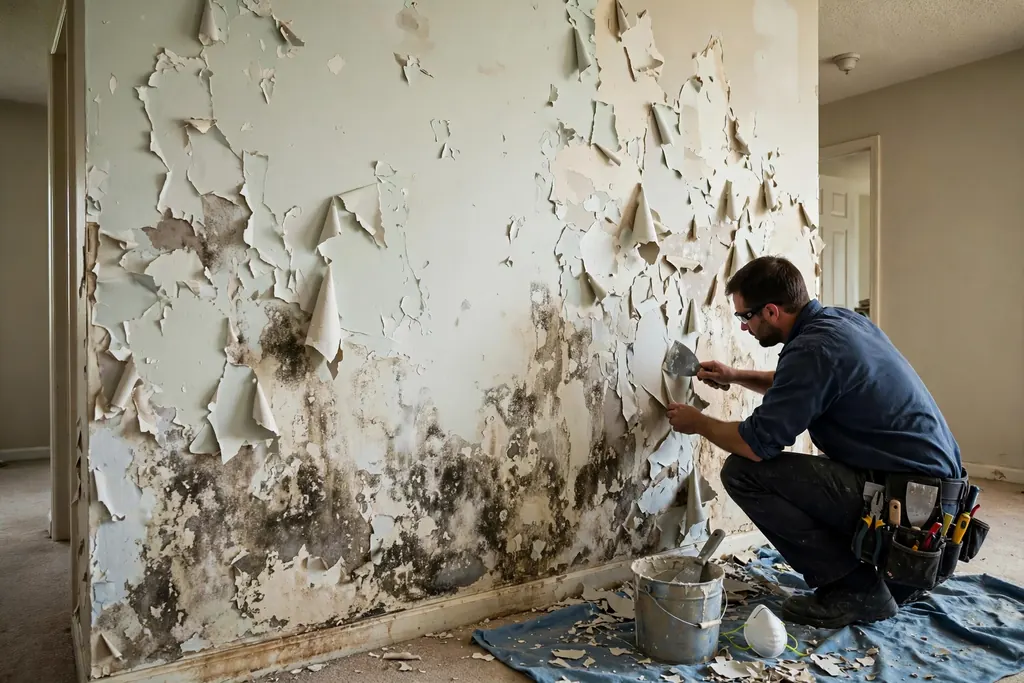
Prairie Creek emergency water services

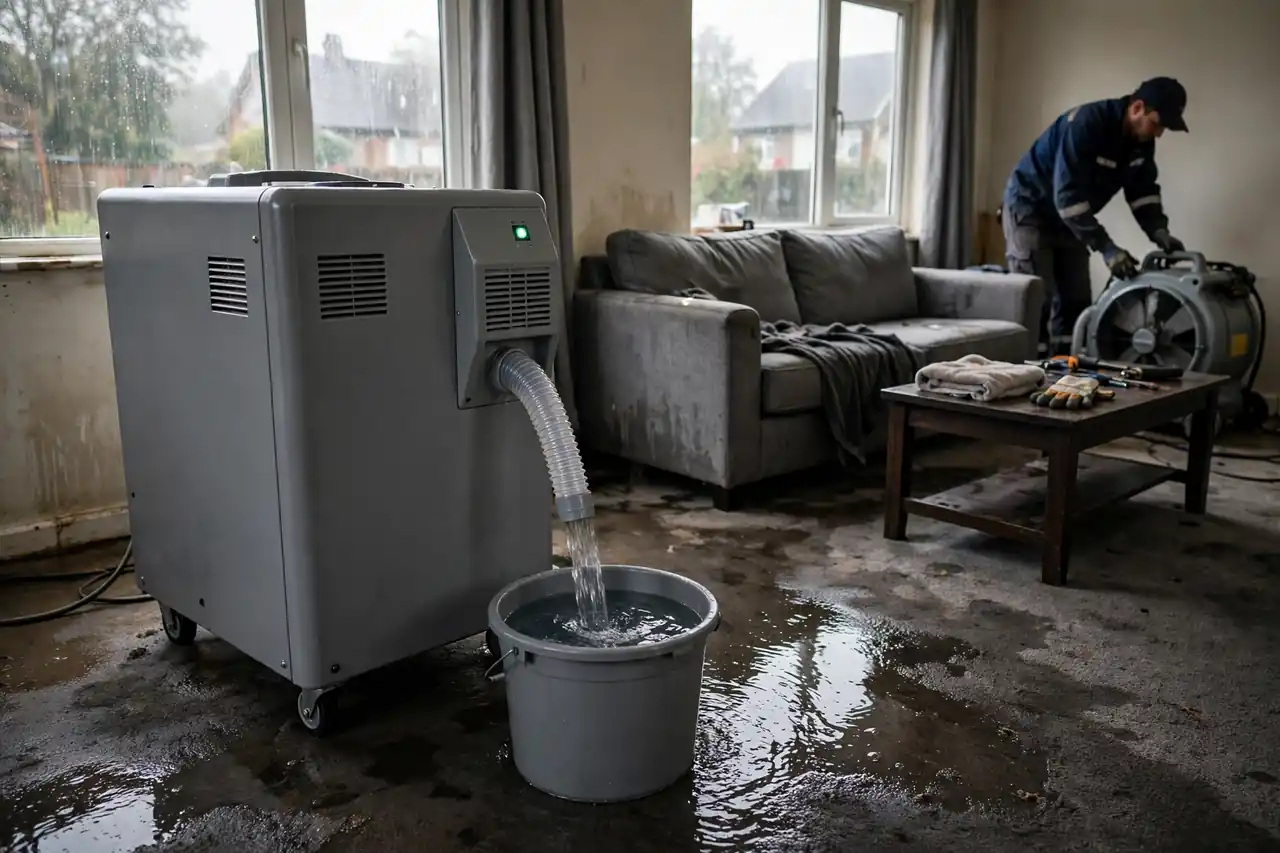
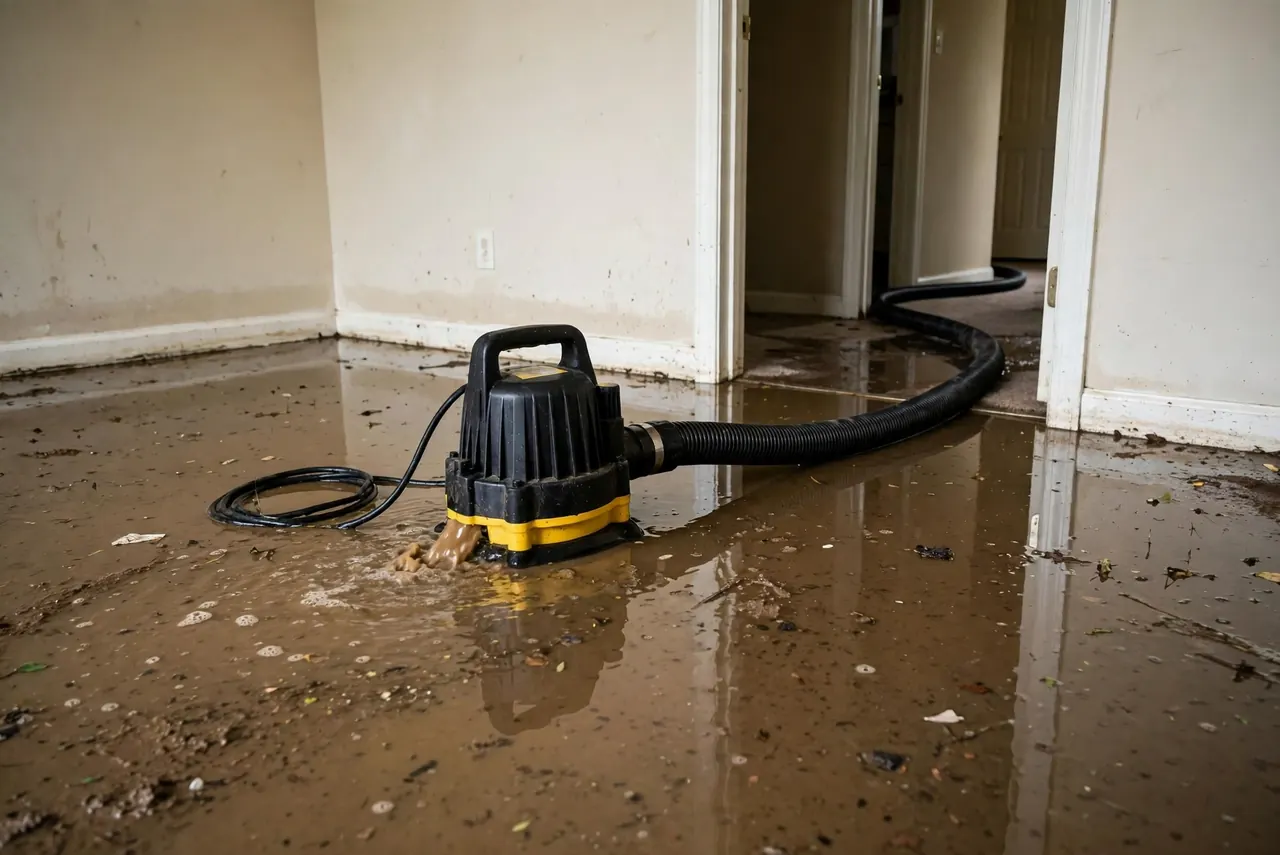
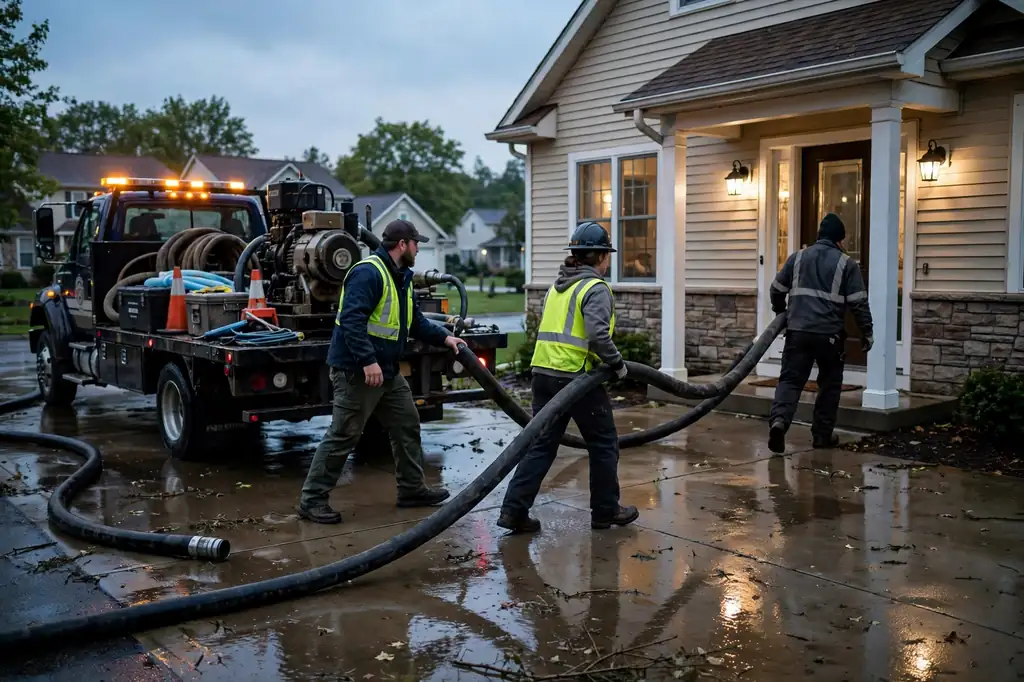
Prairie Creek properties need different responses depending on where water entered and how long it has been there. A small supply-line leak calls for source control and targeted drying; stormwater or a sewage backup requires a wider cleanup plan. When you need emergency water extraction near Prairie Creek ID, we assess the water category, remove standing water, and map moisture in connected rooms. We then set drying equipment according to the materials and readings, not by a one-size-fits-all schedule.

Water restoration for Prairie Creek

Restoration in Prairie Creek

Restoration in Prairie Creek

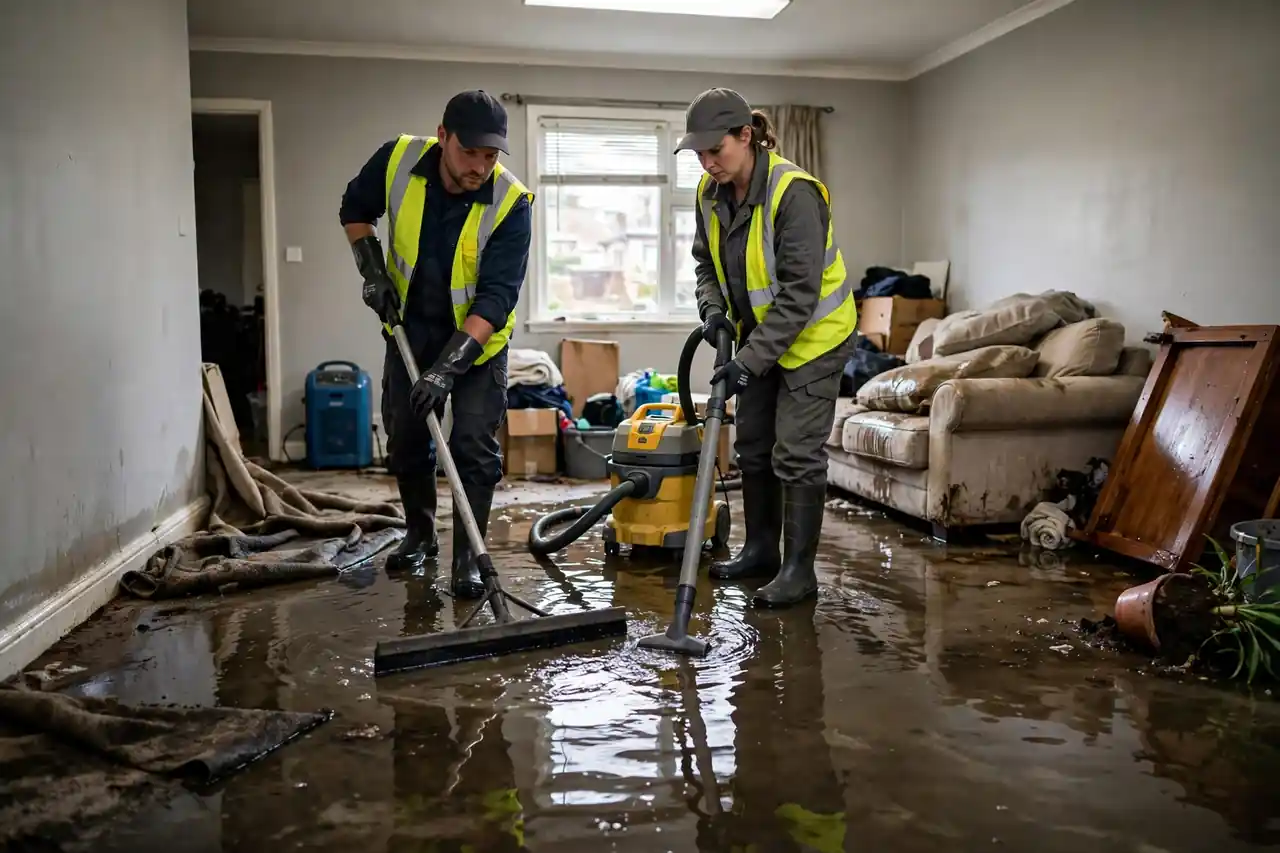
We inspect the source and mark wet rooms before moving equipment into your Prairie Creek home. Readings guide extraction, material removal, and drying. We protect clear paths through the house while keeping unaffected areas separate from active work.

  • Source and room assessment
  • Measured drying plan
  • Protected walkways
For Prairie Creek homes

For Prairie Creek homes

We help Prairie Creek homeowners recover from leaks, storm entry, and lower-level water. Our first steps protect belongings, remove water, and identify wet materials.

  • Newer construction homes
  • Lower-level living spaces
  • Carpeted family rooms
  • Homes near creek areas
For Prairie Creek properties

For Prairie Creek properties

We organize cleanup around safe access and the affected rooms in Prairie Creek properties. Clear moisture checks help plan drying while keeping unaffected areas usable.

  • Small office spaces
  • Community service buildings
  • Rental properties
  • Ground-floor businesses

Common Prairie Creek water damage problems

Prairie Creek losses are weather-led, so these four lead: frozen supply pipes, roof leaks after strong rain or wind, seepage or crawl space flooding, and a failed sump pump.

  • Frozen Pipes Split Overnight and Wet Finished Rooms

    Frozen Pipes Split Overnight and Wet Finished Rooms

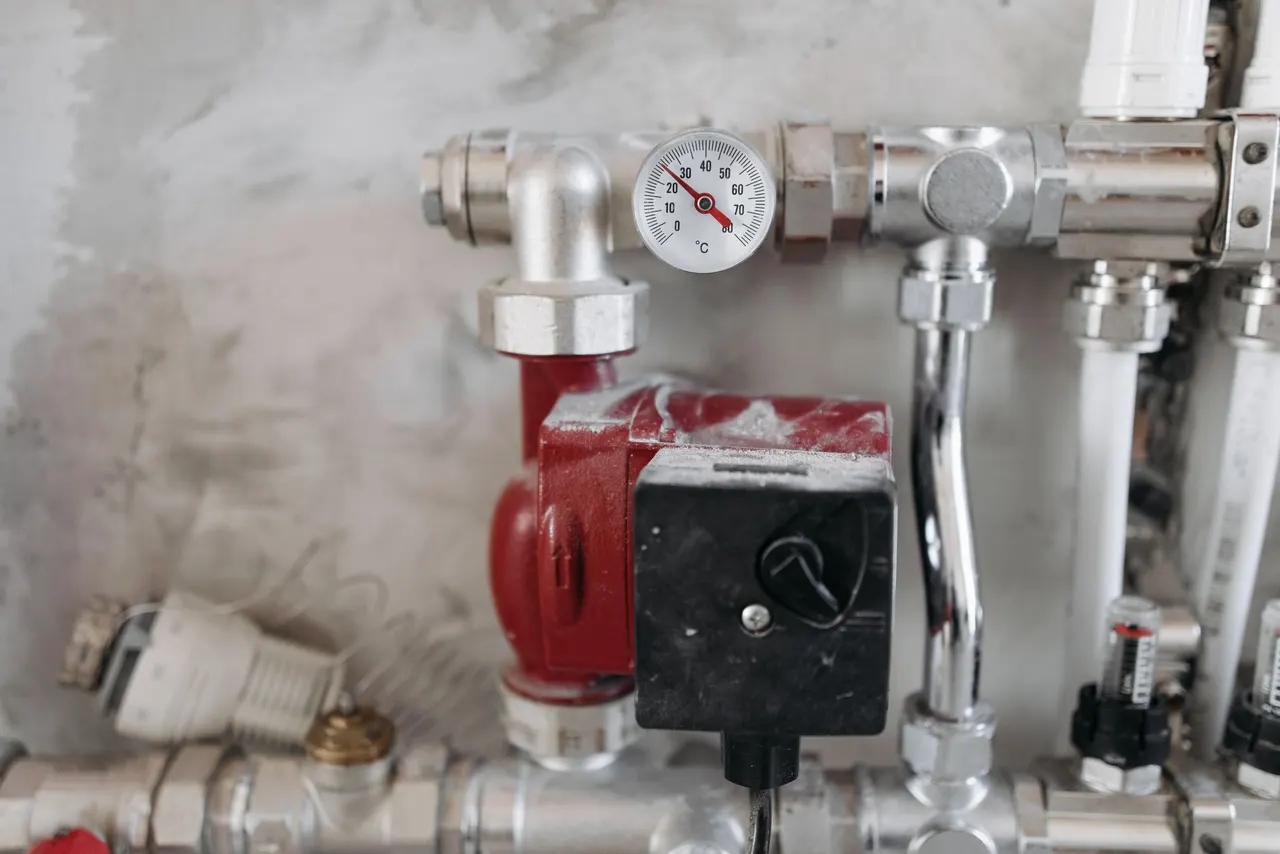
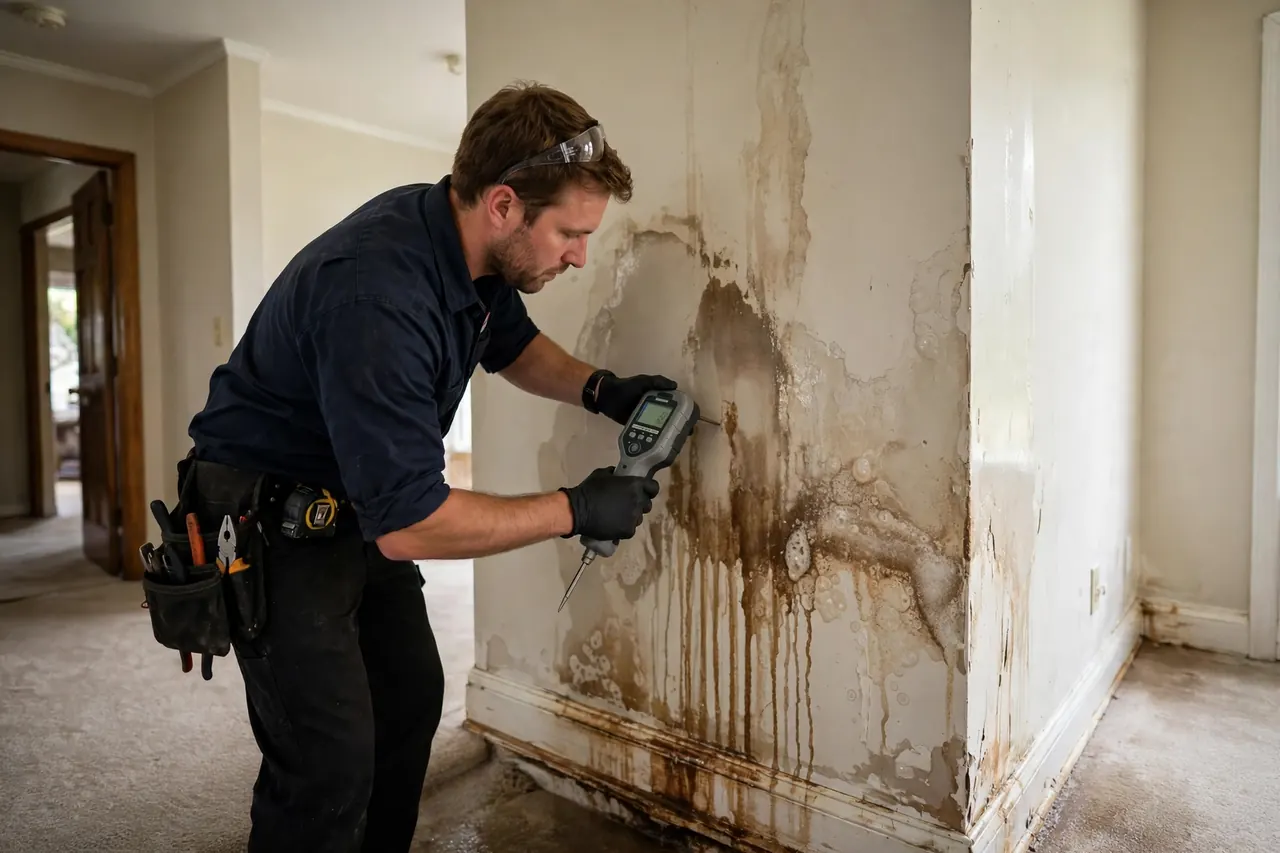
    When the temperature drops hard overnight, a pipe in an unheated space can freeze, split, and then release water as it thaws. The damage in Prairie Creek usually shows up away from the break — a damp baseboard, a swollen cabinet bottom, a stain on a lower wall. We trace the route with a moisture meter before placing equipment, because drying the puddle while the wall cavity stays wet only delays the repair.

  • Garage and Utility Spaces Hide Slow Leaks

    Garage and Utility Spaces Hide Slow Leaks

    Garages and utility rooms hold water heaters, softeners, and laundry connections, and a slow leak there can run under stored items for weeks unnoticed. In Prairie Creek, we check the water heater base, the softener drain, and the laundry connections first, then read the concrete and the adjoining walls, because concrete wicks water further than it appears. Extraction and drying follow the readings, and we flag which connection needs a plumber before the space is put back to use.

  • Condensate and Drain Lines Wet Utility Areas

    Condensate and Drain Lines Wet Utility Areas

    A clogged condensate line in Prairie Creek can overflow a drain pan and wet a utility room floor a little at a time, often mistaken for a plumbing leak. We trace the drain path, clear the immediate water, and measure the floor and nearby wall bases to see how far it spread. Drying follows the readings, and we explain which line needs attention, because a drain that is only pumped out without clearing the clog will wet the same floor again.

  • Slow Leaks Leave Dampness That Turns Musty

    Slow Leaks Leave Dampness That Turns Musty

    A leak that stays damp for days will start to smell musty long before anything is visible, and the smell is the warning that moisture is sitting in a wall cavity or under flooring. In Prairie Creek, we find the source, extract, and dry from meter readings, and we check the hidden spaces — behind baseboards, inside the cavity, under the floor edge — because surface drying alone leaves the dampness that causes the smell. If growth is visible or the smell persists after drying, we explain what inspection and testing would involve.

When to call Prairie Creek water restoration

Growing stains, wet flooring, or standing water call for a source check and measured cleanup.

  • Water continues spreading from a pipe

    A burst pipe or failed appliance line can keep feeding water into cabinets, walls, and flooring. Shut off the nearest safe valve or main supply, then call for extraction. If water is near outlets or a panel, do not enter the wet area until power has been addressed safely.

  • Ceiling stain grows after rain

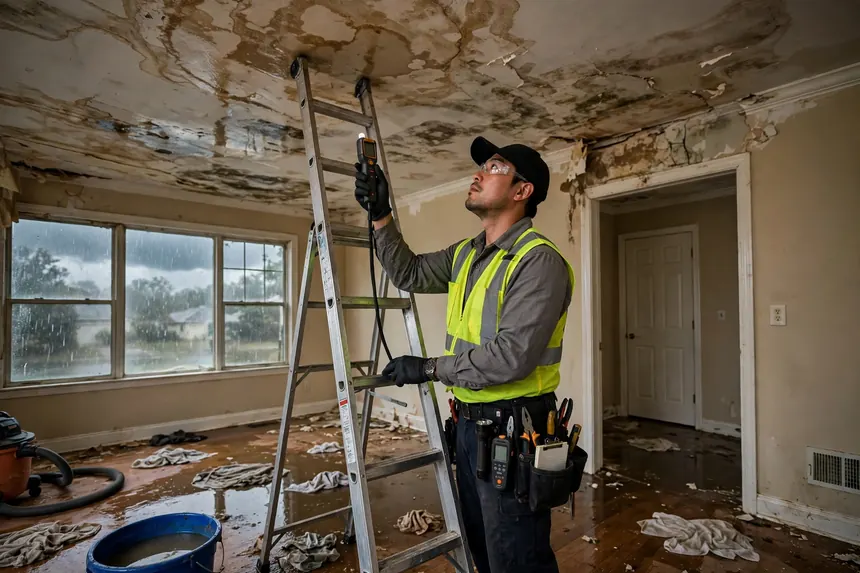
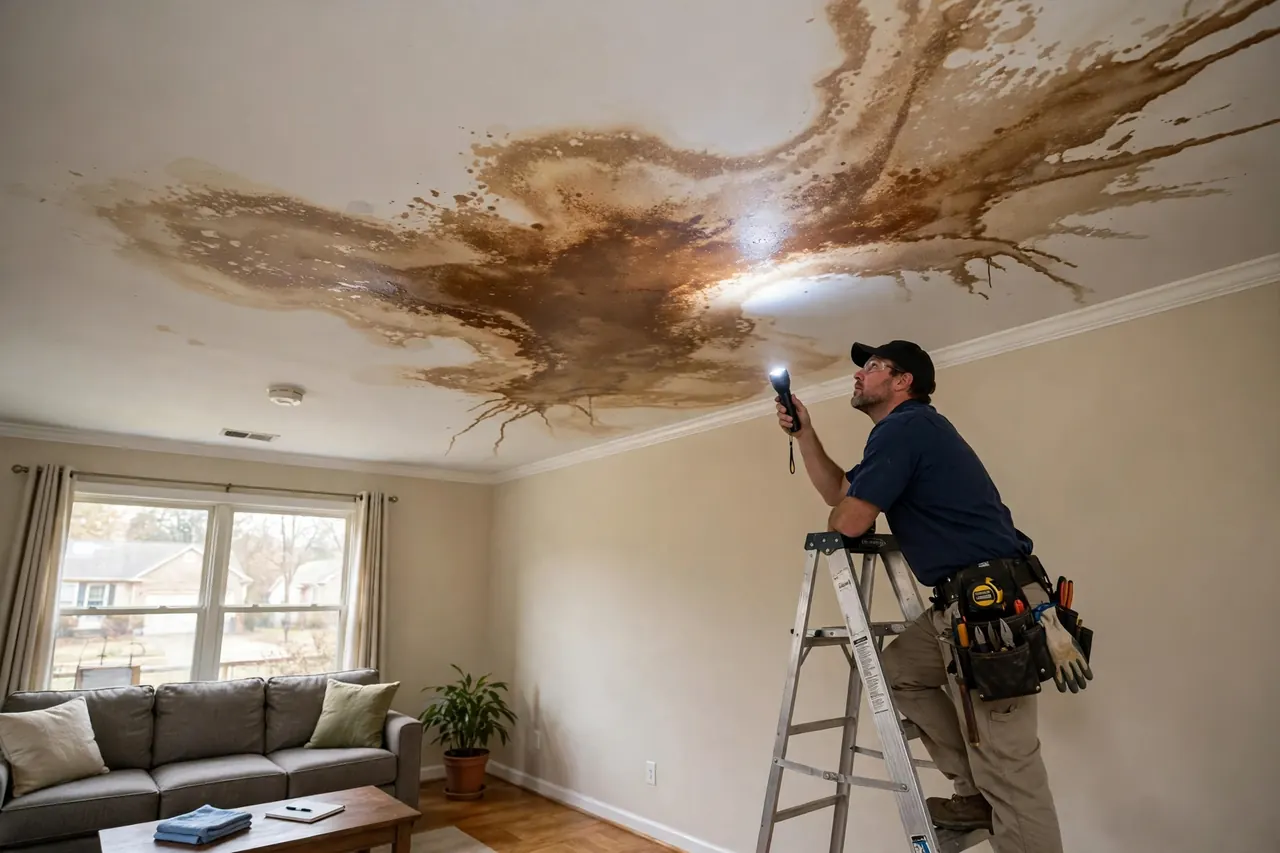
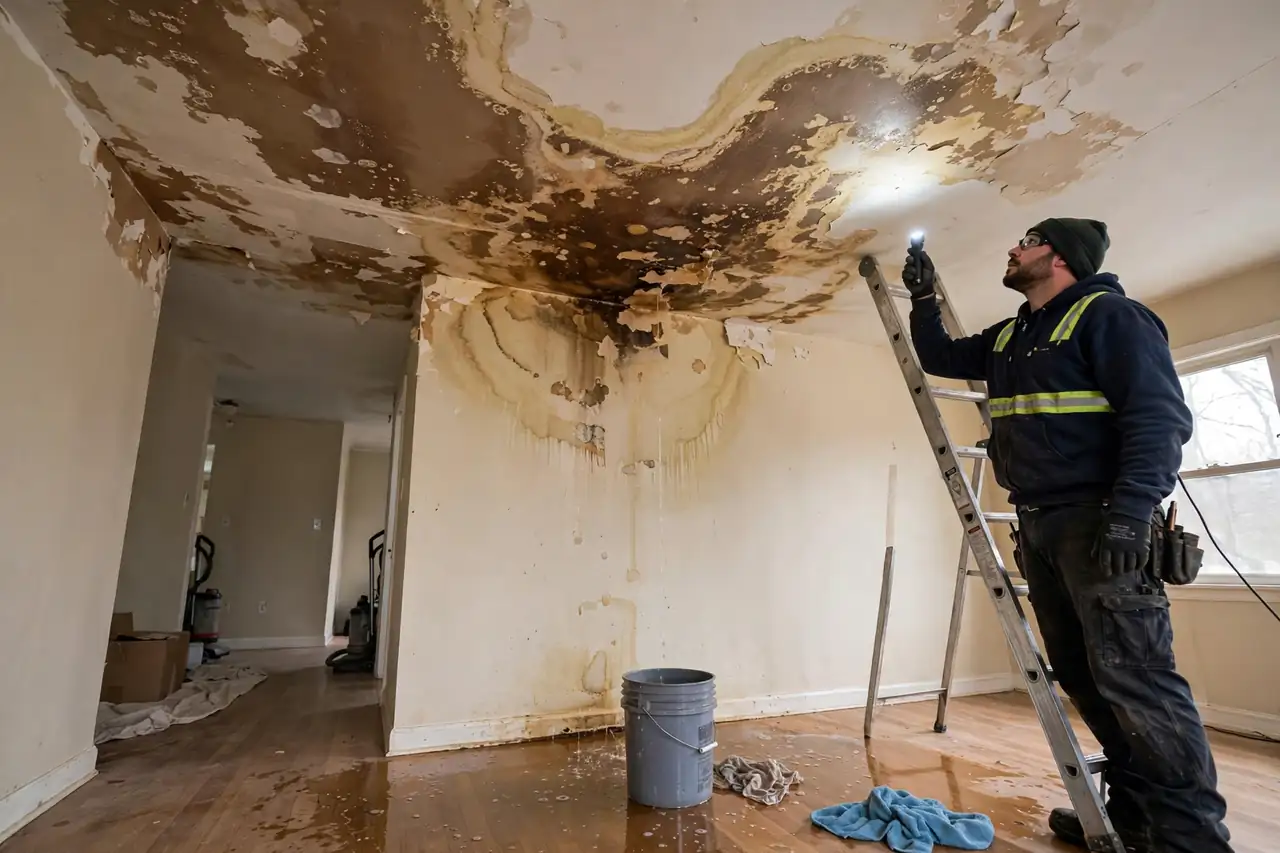
    A spreading stain can mean a roof leak is still wetting insulation or ceiling drywall. Move belongings out of the drip area and catch water only if it is safe. We trace the affected area and address drying after further entry is controlled.

  • Floorboards cup or lift at seams

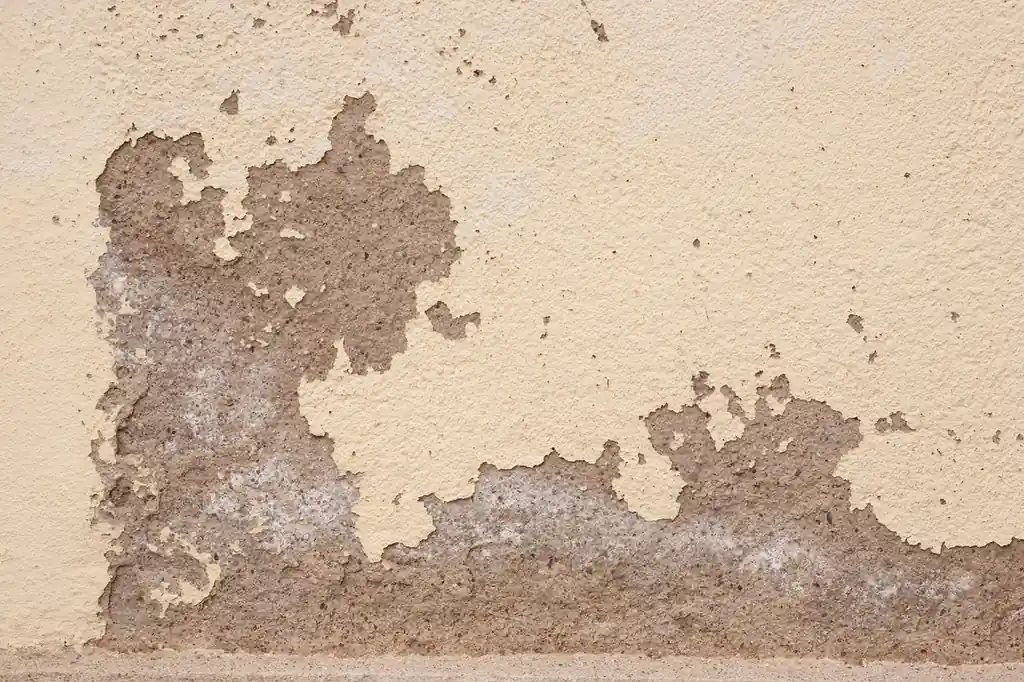
    Raised edges or cupping can indicate moisture beneath hardwood flooring, even when the surface feels dry. Water can remain below boards and affect the subfloor. Avoid sanding or sealing the floor before readings establish whether the material is still wet.

  • Musty odor follows a hidden leak

    A persistent musty smell after a leak can point to damp drywall, carpet padding, or insulation that was not fully dried. The odor itself does not locate the source. An inspection and moisture map help find concealed wet materials before repair decisions are made.

  • Lower-level water returns after pumping

    If water returns after a sump pump runs or a space is cleared, the entry source has not been resolved. Repeated water can damage stored items and lower wall materials. We remove the water, check the pump and surrounding area, and assess the structure for retained moisture.

How we handle Prairie Creek water damage

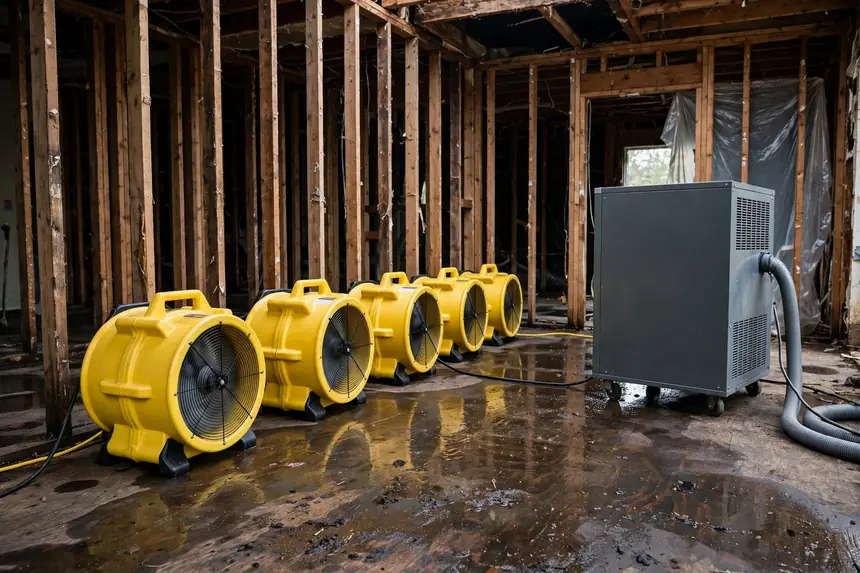
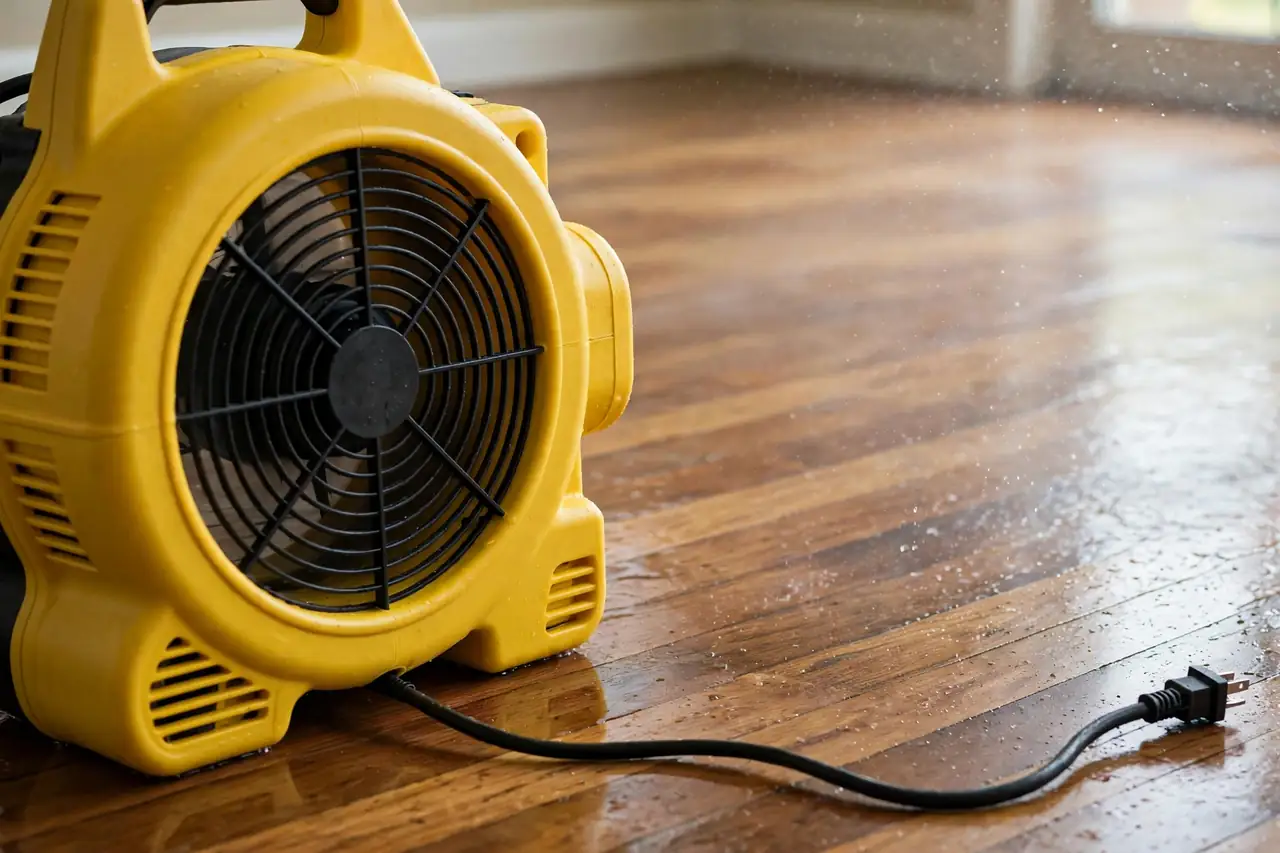
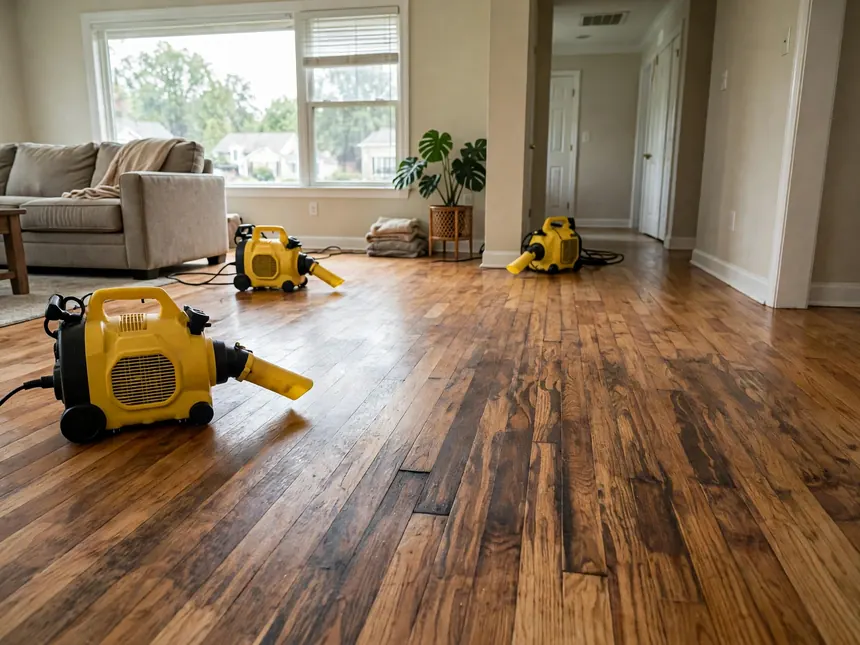
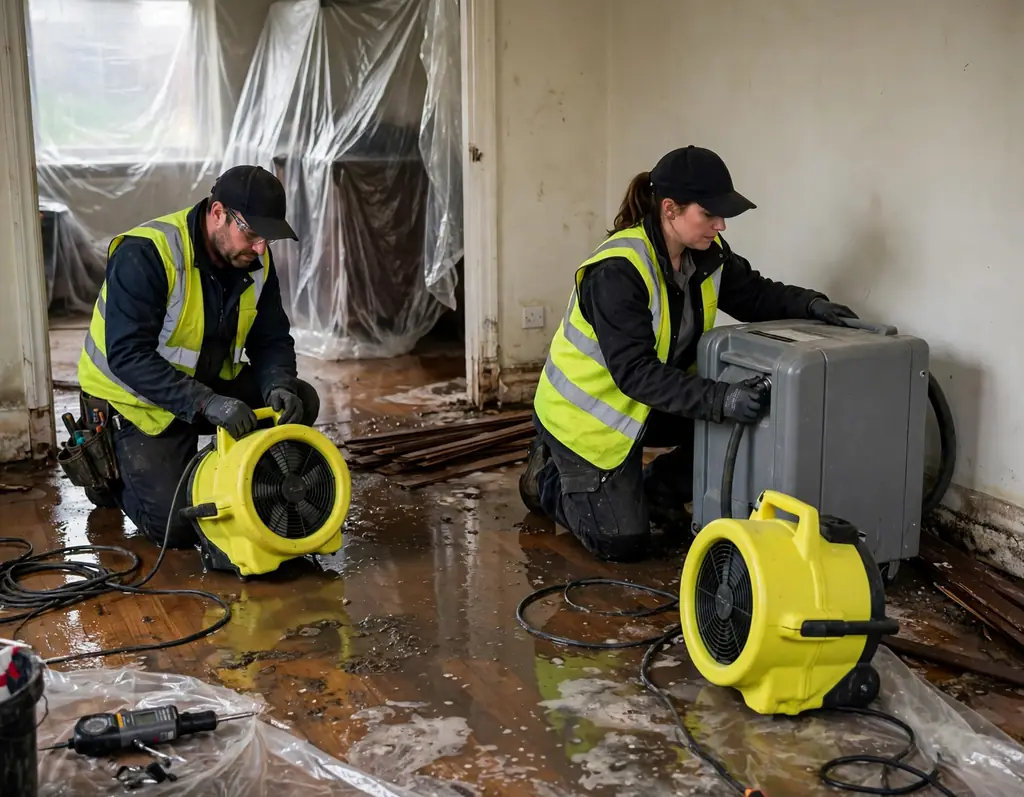
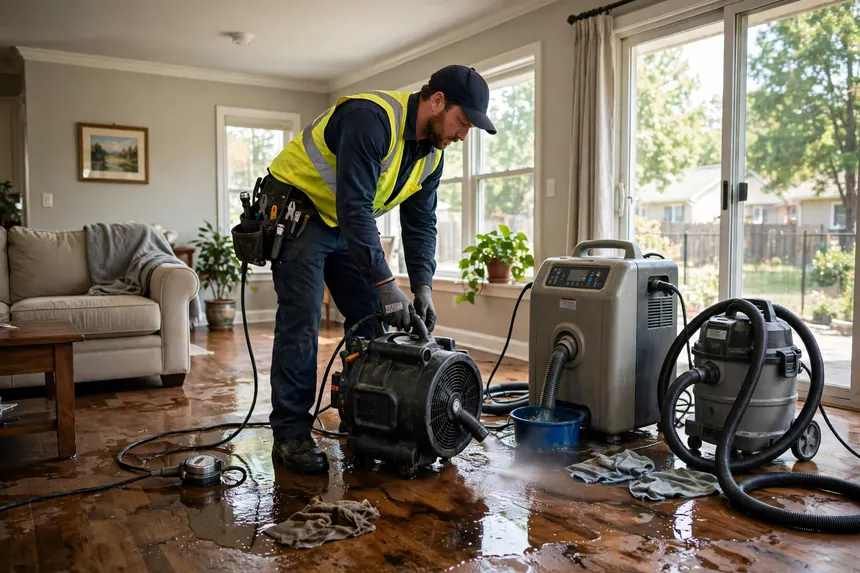
Prairie Creek emergency water damage repair starts with stopping active water and protecting safe access through the affected rooms. We ask whether power is exposed, whether the water is still flowing, and whether the source is clean water or a drain. Next, we extract standing water and use a moisture meter to map wet materials, including flooring edges and wall cavities. A hygrometer helps track indoor conditions while air movers and a dehumidifier support controlled drying.

  • Water entering lower levels during drainage or groundwater events

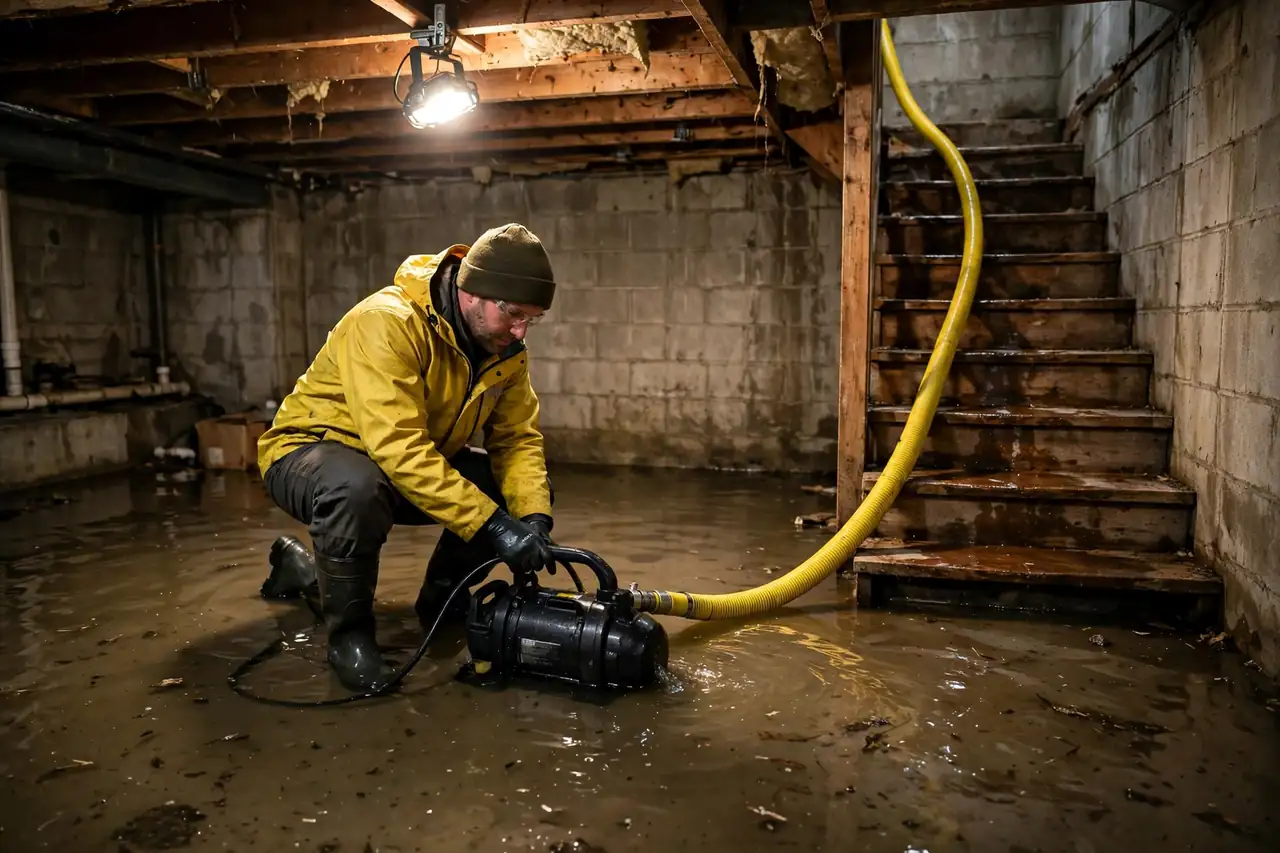
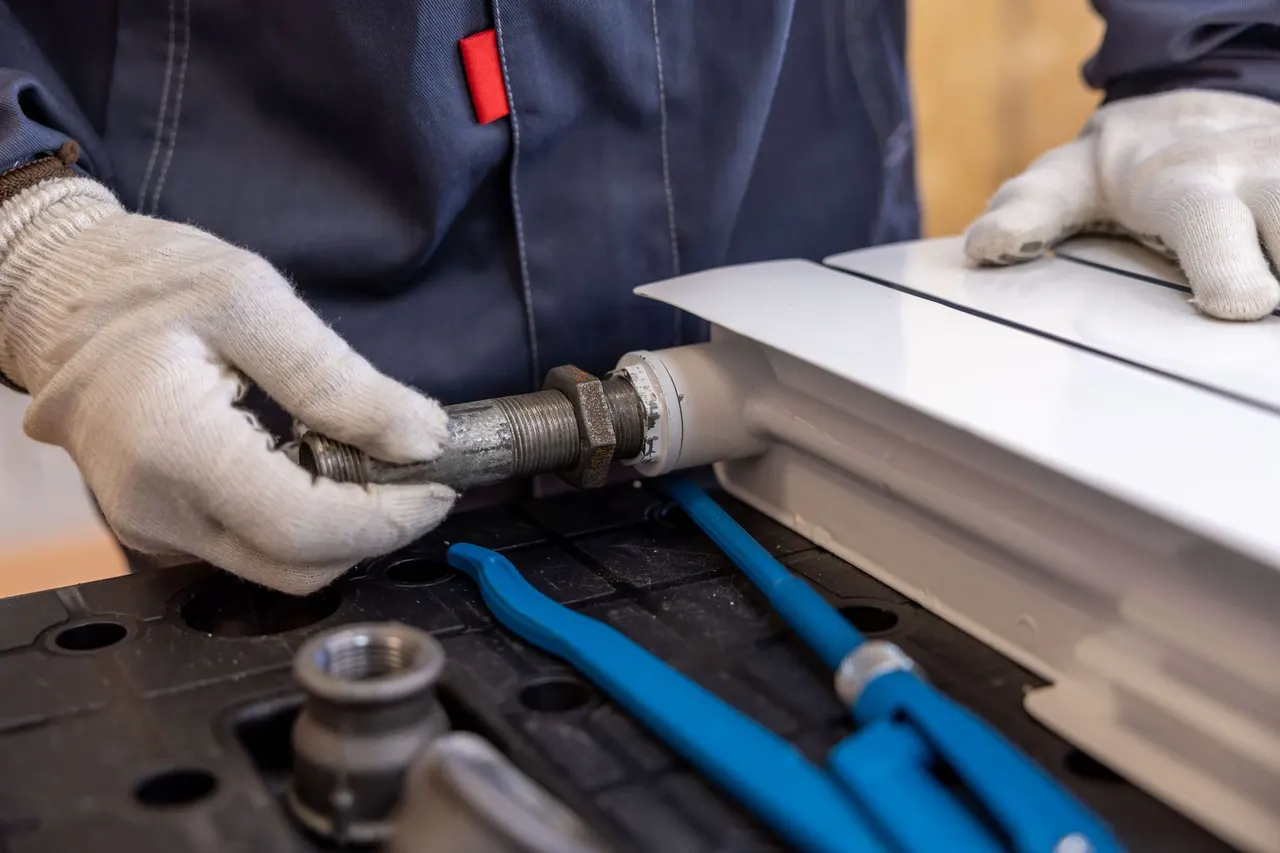
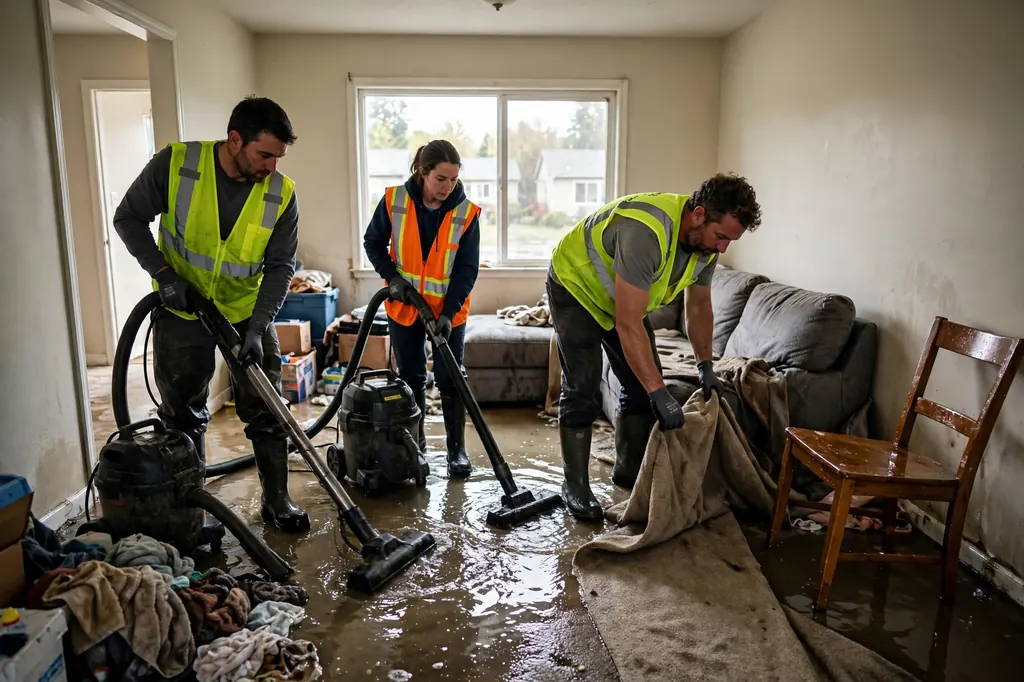
    Prairie Creek properties with lower-level spaces need checks at the floor-wall joint, utility penetrations, and any sump area. Water can spread beneath stored items or finishes, so a quick surface pickup alone may leave damp material behind. We remove accessible water, move items away from affected surfaces, and map moisture across the lower level. We inspect the sump equipment and note visible drainage conditions, then use drying equipment where readings show retained moisture. You get a clear separation between cleanup work and longer-term drainage corrections.

  • Newer finishes hiding water behind flooring and wall assemblies

    A clean-looking surface in newer construction does not show whether water has moved beneath flooring, behind baseboards, or into insulation. Delayed discovery can leave a damp cavity after the visible puddle has disappeared. We compare readings on affected and unaffected surfaces, inspect edges and openings, and use targeted access when needed. Our team records the moisture map and rechecks the same locations during drying. That approach helps preserve materials that can dry while identifying those that need removal.

  • Stormwater moving across property toward foundation openings

    During wet weather, runoff can collect near a foundation or enter through a vulnerable opening. Prairie Creek addresses vary, so the direction of water flow and the building's drainage details need an on-site look rather than a blanket diagnosis. We first protect the interior and remove water, then inspect likely entry points and affected finishes. We discuss practical follow-up such as gutter repair, a sump pump check, or drainage work when site conditions support it. Interior drying continues while the source-control plan is arranged.

  • ANSI/IICRC S500

    The water restoration standard provides guidance for inspection, water extraction, drying, and documentation. We use its principles to organize the work, identify affected materials, and track drying progress in Prairie Creek properties rather than relying on a visual check alone.

  • Idaho contractor license and applicable local building requirements

    Water mitigation and regulated repair work are distinct tasks. When a Prairie Creek project involves construction alterations or plumbing work, the applicable Idaho and local requirements govern who performs that portion and how it is completed. We coordinate the restoration sequence around those requirements.

Prairie Creek landmarks for orientation

When you call from Prairie Creek, give us your street address first and a nearby landmark second. Prairie Creek Park and the Prairie Creek trail can help establish the general area, while your driveway, building entrance, and any access restriction determine where equipment can be unloaded. We use those references for navigation only; they do not indicate a water problem at a particular property. Once on site, we confirm the affected rooms and choose an equipment route that keeps walkways usable.

  • Prairie Creek Park

    Prairie Creek Park is a useful named orientation point for callers describing the nearby part of the community. Pair it with the property's street address and entrance instructions so a crew can distinguish the landmark from the actual service location.

  • Prairie Creek trail

    The Prairie Creek trail gives residents another local reference when explaining where a home or building sits. A trail access point can help clarify direction, but the complete property address remains necessary for accurate routing and arrival.

  • Prairie Creek

    The Prairie Creek area name helps identify the service destination within the wider Kuna region. When calling, include your ZIP code, 83634, and any gate or access details so the crew can reach the affected property directly.

  • Prairie Creek neighborhood properties

    Prairie Creek includes residential properties where household plumbing, roof, and drainage systems are part of the built environment. For a service call, the property address and building access details matter more than a broad neighborhood label.

  • Kuna service-area connections

    Prairie Creek is served from the Kuna area, connecting local homes and small properties with the wider regional service network. We coordinate the work at the specific address and keep extraction, drying, and repair tasks organized.

  • Kuna area road access

    Prairie Creek calls are routed from the Kuna service area using local road access. Provide your full address and any restricted entrance or parking instructions when requesting service.

  • Prairie Creek trail access

    Trail access can serve as a directional reference, but it is not a vehicle drop-off instruction. Give us the nearest street entrance and the property's exact address for equipment delivery.

Prairie Creek neighborhoods we serve

We take water-loss calls across Prairie Creek East and Prairie Creek West, including residential properties in ZIP code 83634. Each address gets an assessment based on the source, the affected materials, and the route water took through the building. Share a nearby cross street or the side of Prairie Creek you are on when you call; it helps us orient the response and plan equipment access.

  • Prairie Creek East
  • Prairie Creek West
  • Prairie Creek Park area
  • Prairie Creek trail area

Prairie Creek water-loss work examples

  • Prairie Creek East

    Before

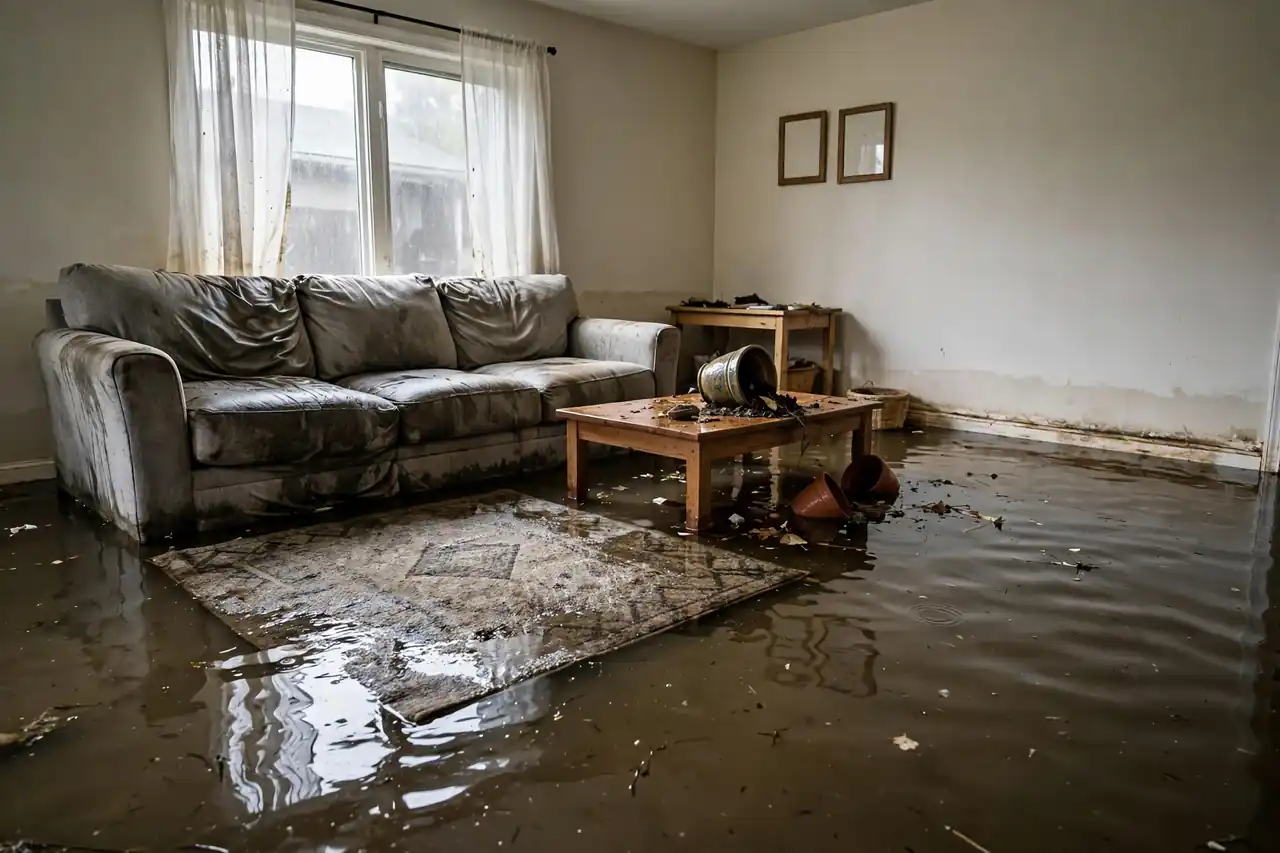
    A supply-line failure soaked carpet and baseboards in a Prairie Creek home, with water reaching the edge of an adjoining room.

    After

    We stopped the active flow with the plumbing issue addressed, extracted pooled water from the carpet, and checked the padding and wall edges. We moved furniture clear of the wet area, mapped moisture beyond the visible footprint, and set air movers with a dehumidifier. Follow-up readings guided what could dry in place and what needed removal. Water was removed from the affected rooms, and readings were recorded at the initial visit and follow-up. The homeowner received a defined repair area rather than a whole-room removal recommendation.

  • Prairie Creek West

    Before

    After a storm, a Prairie Creek West ceiling developed a spreading stain and damp drywall beneath a roof entry point.

    After

    We protected the room and furnishings, traced the damp ceiling area, and checked adjacent wall surfaces for moisture. Once further water entry was controlled, we removed unsalvageable material and dried the exposed assembly. The work plan separated temporary source protection from interior restoration. The affected ceiling area was documented, wet material was removed selectively, and the remaining assembly was checked during drying. The owner had a clear repair boundary and next-step sequence.

  • Prairie Creek Park area

    Before

    A sump pump failure left standing water and damp stored items in a lower-level Prairie Creek space.

    After

    We removed standing water, separated contents from wet surfaces, and checked the floor-wall junction and sump area. Moisture readings helped identify where drying equipment was needed. We also reviewed the visible pump condition and discussed the separate equipment work needed to address the failed system. Standing water was extracted, affected contents were sorted, and the wet area was placed on a monitored drying plan. The owner received findings on both the interior damage and pump concern.

Prairie Creek seasonal water risks

  • Spring

    Spring runoff and rain put the drainage around a home to the test, and the first sign of trouble is often a damp floor edge after a storm. Clear gutters and downspouts, check that water runs away from the foundation, and inspect ceilings for stains that winter moisture left behind. When irrigation resumes, a zone that sprays the wall or pools near a threshold needs shutting off the same day.

  • Summer

    Summer brings the long irrigation season and the hottest days of the year, and a sprinkler zone that runs for hours can push a surprising amount of water against a foundation. Check zones weekly for broken heads and overspray, keep water off thresholds and low vents, and remember that surface water dries fast in the heat while moisture trapped under flooring does not. A damp patch that survives a hot afternoon deserves a meter reading, not a shrug.

  • Fall

    Before the cold arrives, fall work is mostly prevention: gutters cleared, downspouts running clear of the foundation, roof valleys checked, and the irrigation system drained. Know where the water main shut-off is and that it turns freely, and look at the pipes in the garage and crawl space for exposure. The homes that flood in winter are usually the ones where a small fall job was put off.

  • Winter

    Freezing nights are the biggest winter risk for Kuna homes, because a split pipe can release water for hours while everyone is asleep. Heat the rooms with plumbing, keep garage and crawl-space pipes protected, and check the shut-off works before the cold sets in. When a pipe bursts, the order is fixed: stop the water, stay clear of wet electrics and sagging ceilings, then extract and measure before any drying begins.

Questions to ask before hiring

A Prairie Creek water-loss contractor should explain the source assessment, extraction plan, and how drying will be measured. Ask what the crew will check beyond the visible damage and how they will protect clean areas if the water is contaminated. A useful answer names the steps and equipment, not just a broad promise to dry everything. You should also know who handles plumbing or construction work when the restoration exposes a separate repair need.

  • How will you find moisture behind the visible stain?

    A good answer describes checking nearby surfaces and comparing readings, not simply cutting out the stained section. Ask how the crew will map the affected area and what would prompt additional access. That process helps prevent hidden wet material from being overlooked.

  • What is the source and water category?

    Clean supply water, runoff, and sewage require different handling and cleaning controls. The contractor should explain how the source affects removal, material decisions, and room protection. If the source is unknown, the next inspection step should be clear.

  • How will you track drying progress?

    Drying should be based on measurements over time, not a fixed number of days or a surface that feels dry. Ask which materials will be checked and how follow-up readings guide equipment changes. This gives you a practical way to see whether the assembly is drying.

  • Who handles plumbing or roof repairs?

    Water extraction does not fix a broken supply line or an active roof leak. Confirm how the source repair will be coordinated and when interior drying can proceed. Clear responsibility prevents a completed cleanup from being followed by another water release.

  • How will you protect unaffected rooms and belongings?

    The crew should explain how they will route equipment, isolate contaminated areas, and move contents without spreading water or debris. In a lived-in Prairie Creek home, those details affect access and day-to-day use while restoration is underway.

Prairie Creek emergency water FAQs

Still wondering? (833) 546-4116

Local service team

Call for emergency water damage repair in Prairie Creek

If water is spreading in your Prairie Creek home, call Kuna water damage restoration at (833) 546-4116. Tell us the source, affected rooms, and whether anyone is at risk near electricity. We will talk through the immediate steps and coordinate an on-site assessment for extraction and drying. Our team serves Prairie Creek and the Kuna area, including ZIP code 83634.

Contact the Kuna Team

Call (833) 546-4116 when water reaches your home or business in Kuna, Idaho. Tell us whether the source is still active, which rooms are affected, and when the damage began; that helps direct the next steps. Calls are accepted at any hour for emergency inquiries, and service coverage includes Kuna, ID, with ZIP codes 83634 and 83642.

Thanks. Your request is in and the team will follow up shortly.