Emergency Water Damage Repair in Owyhee, Done Right

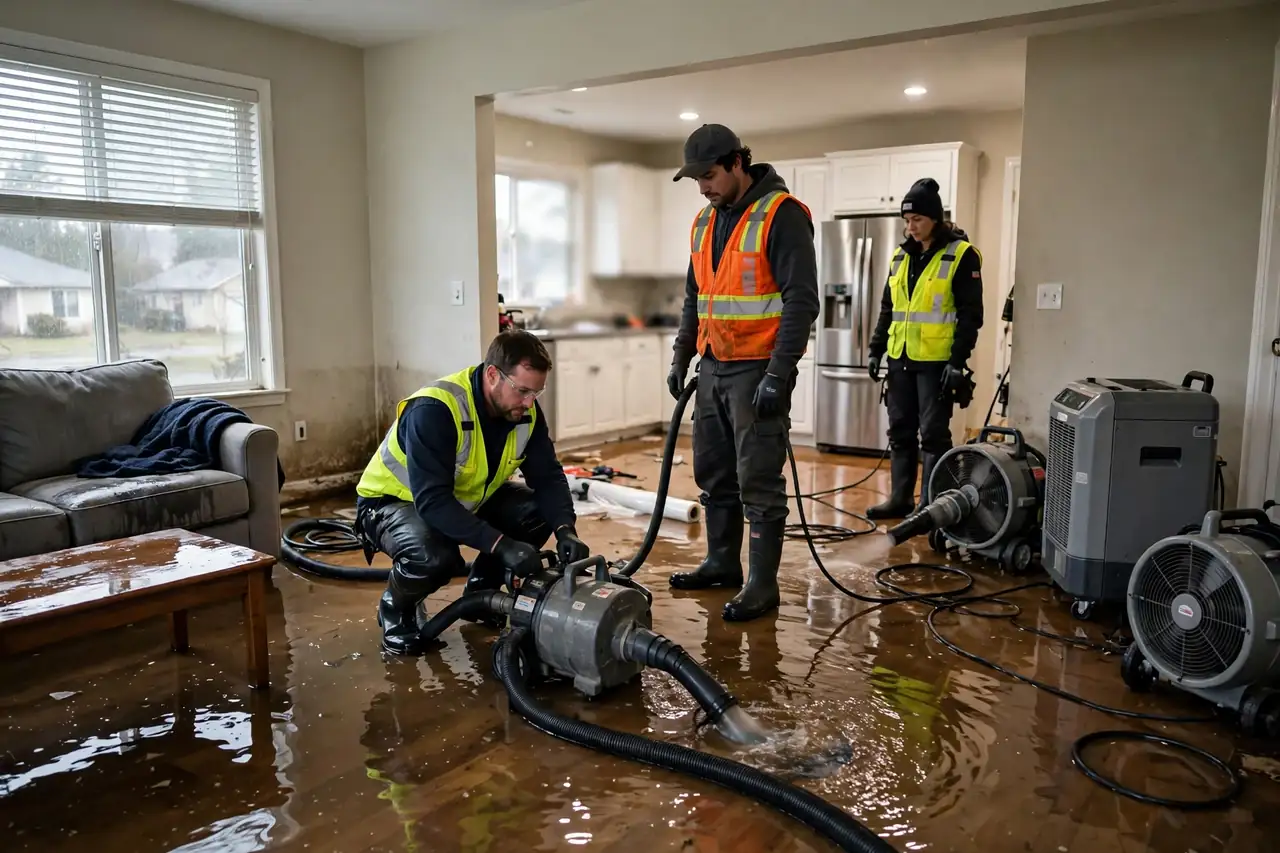
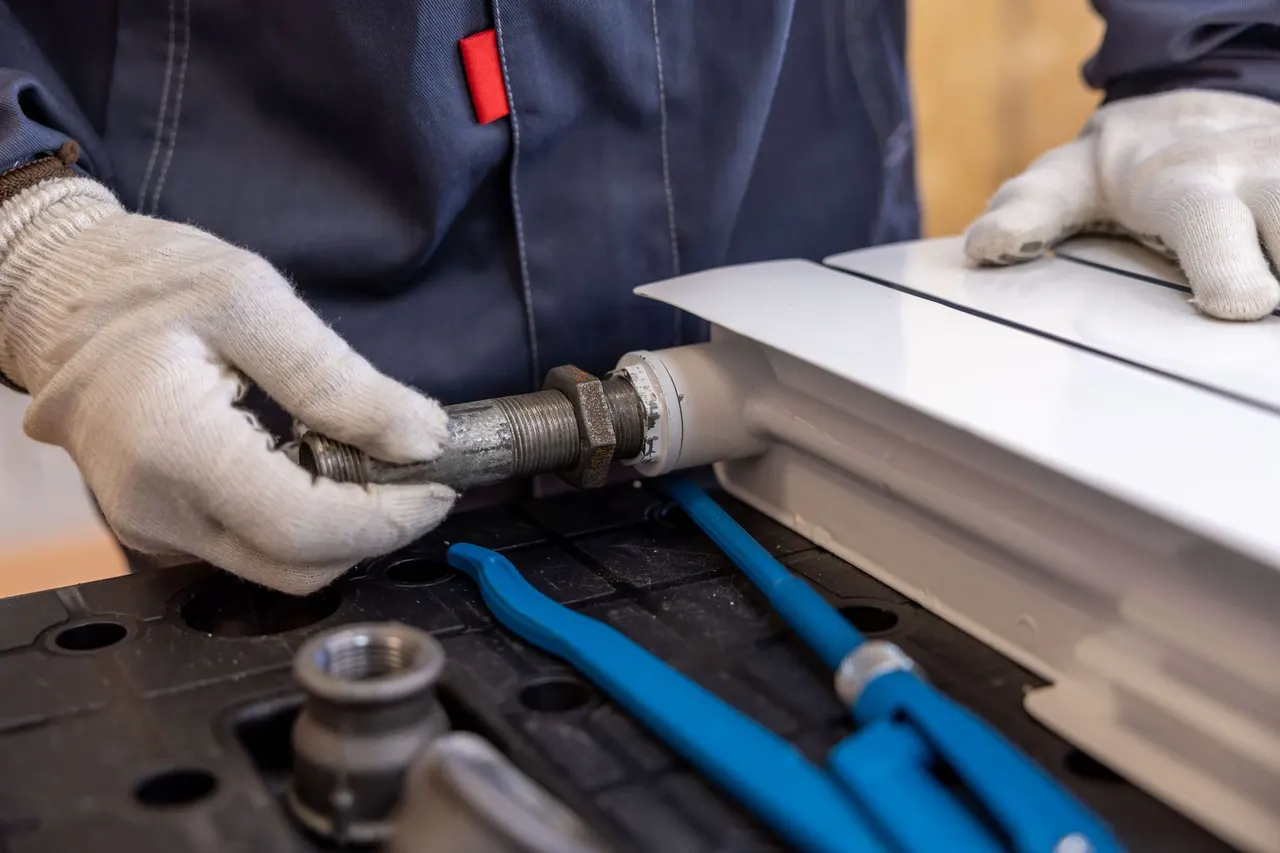
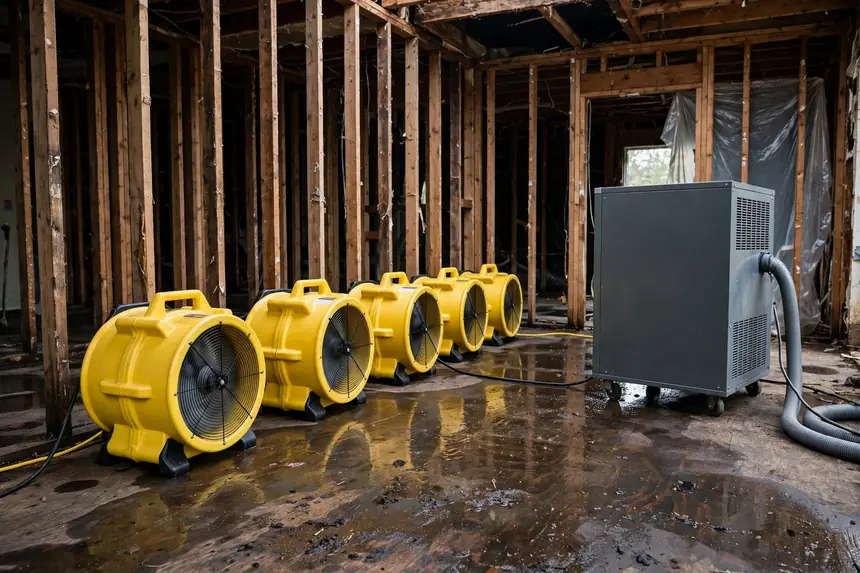
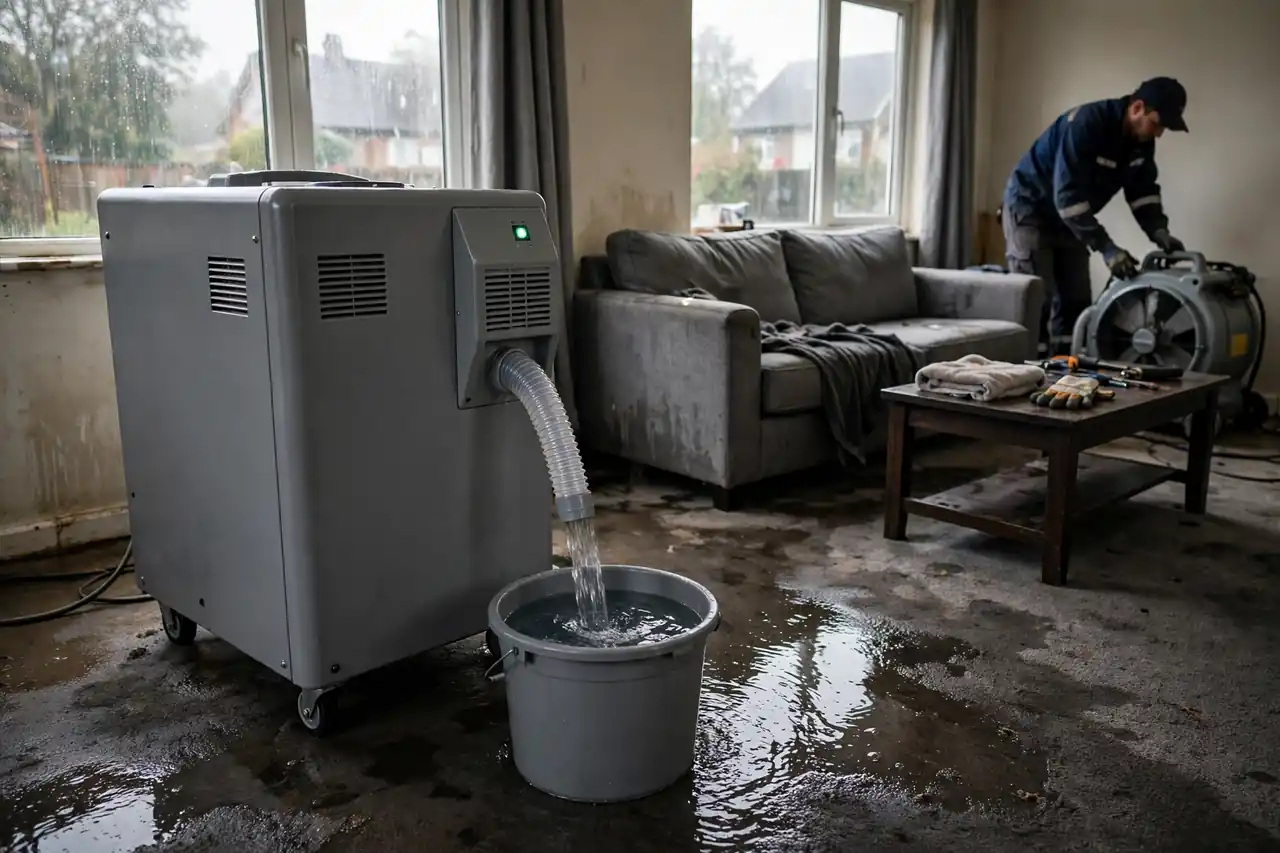
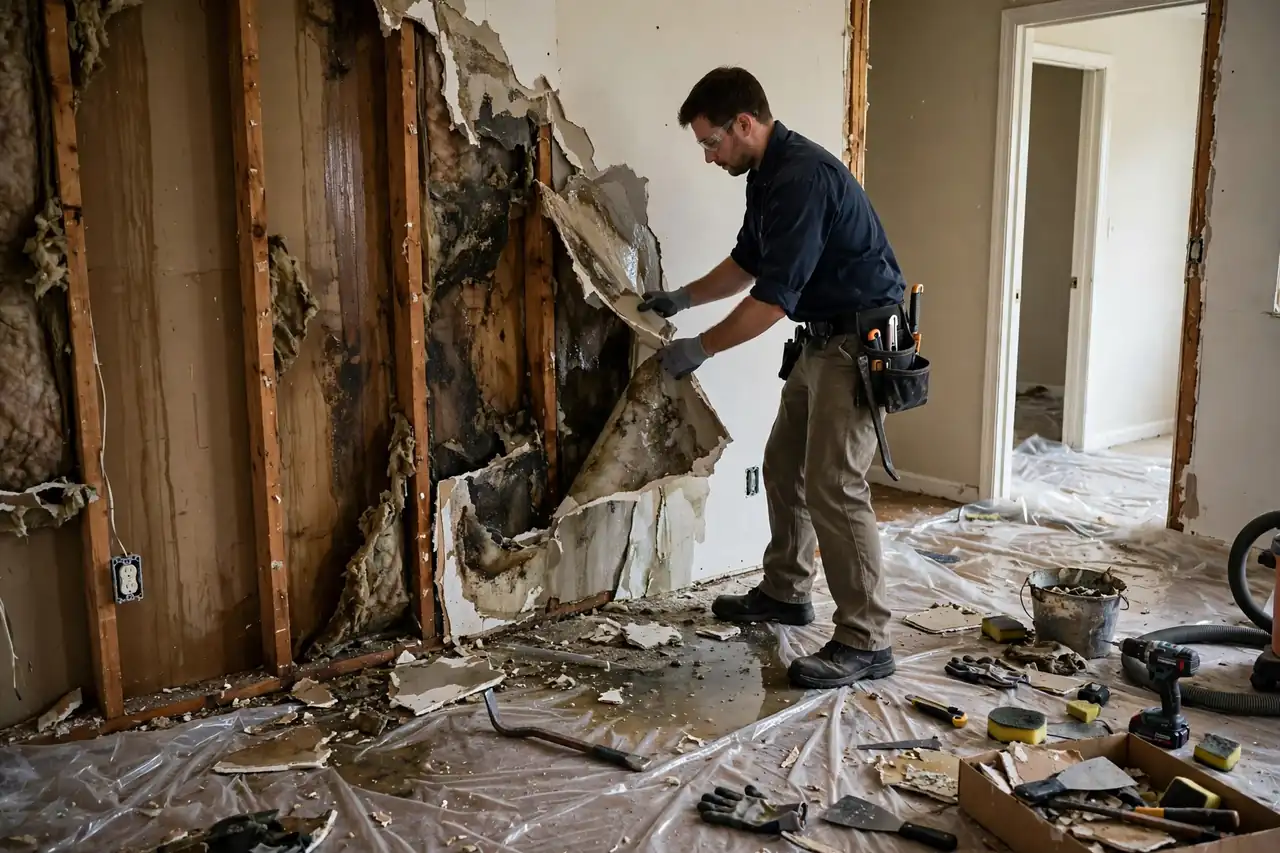
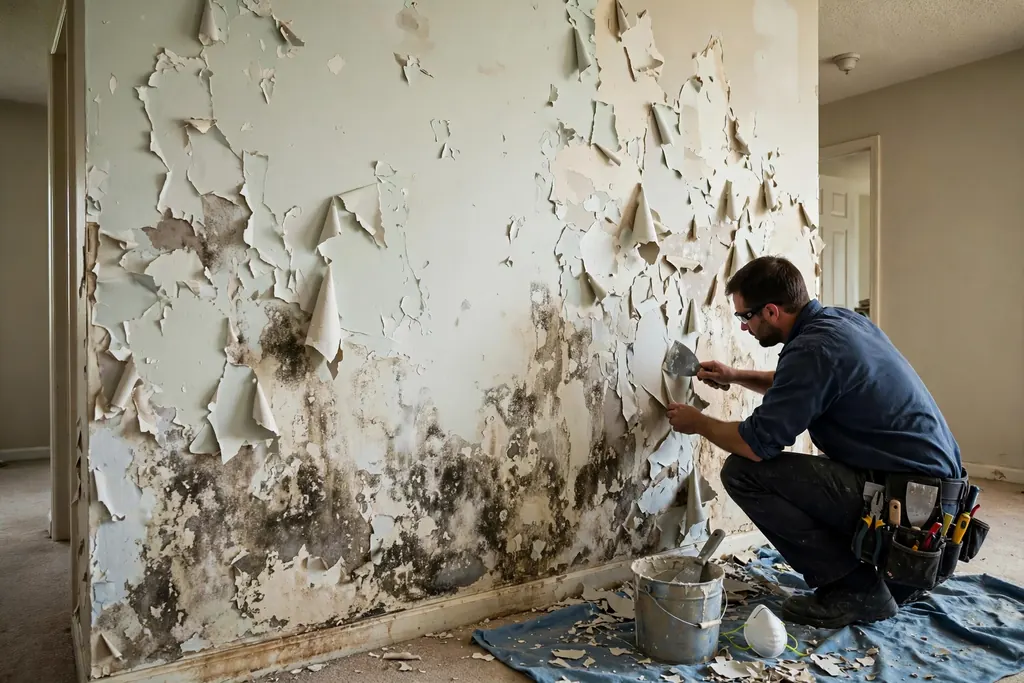
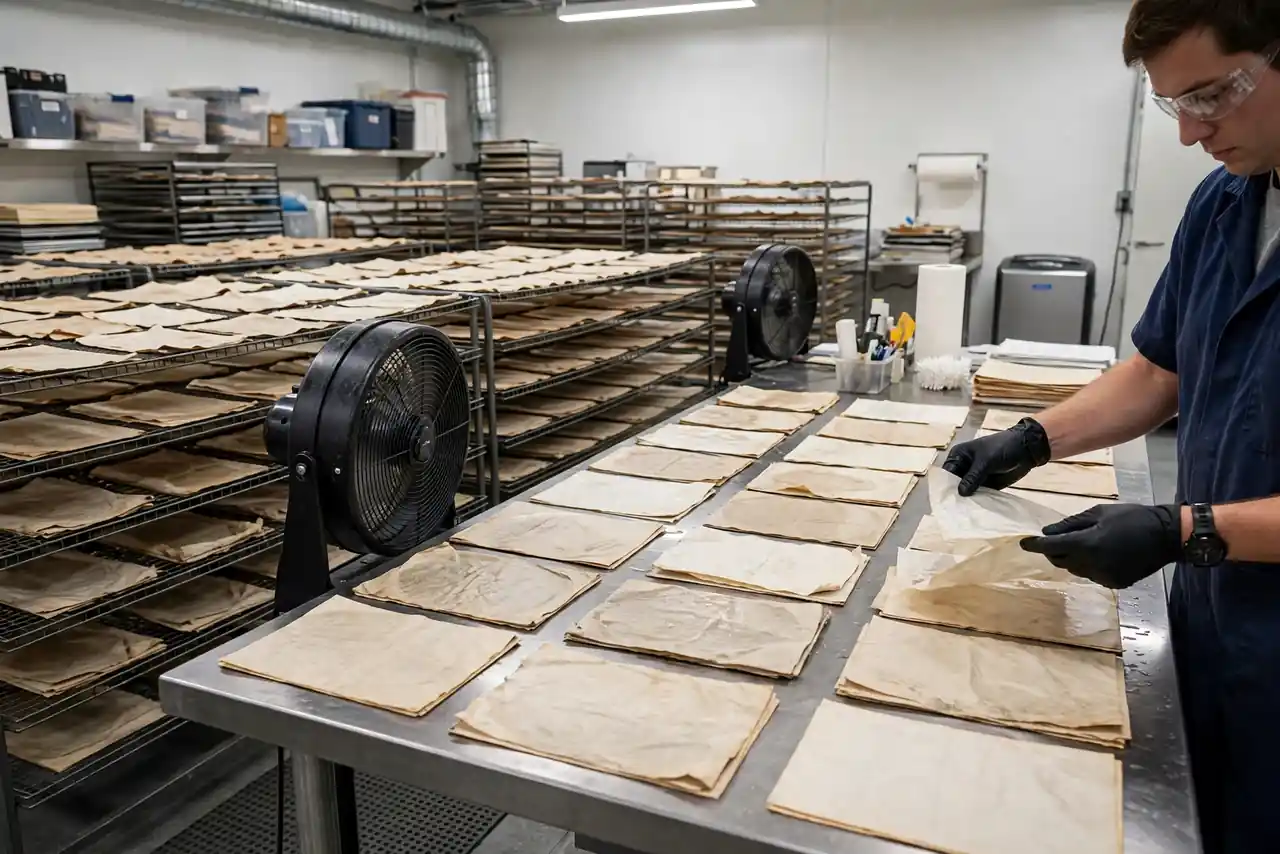
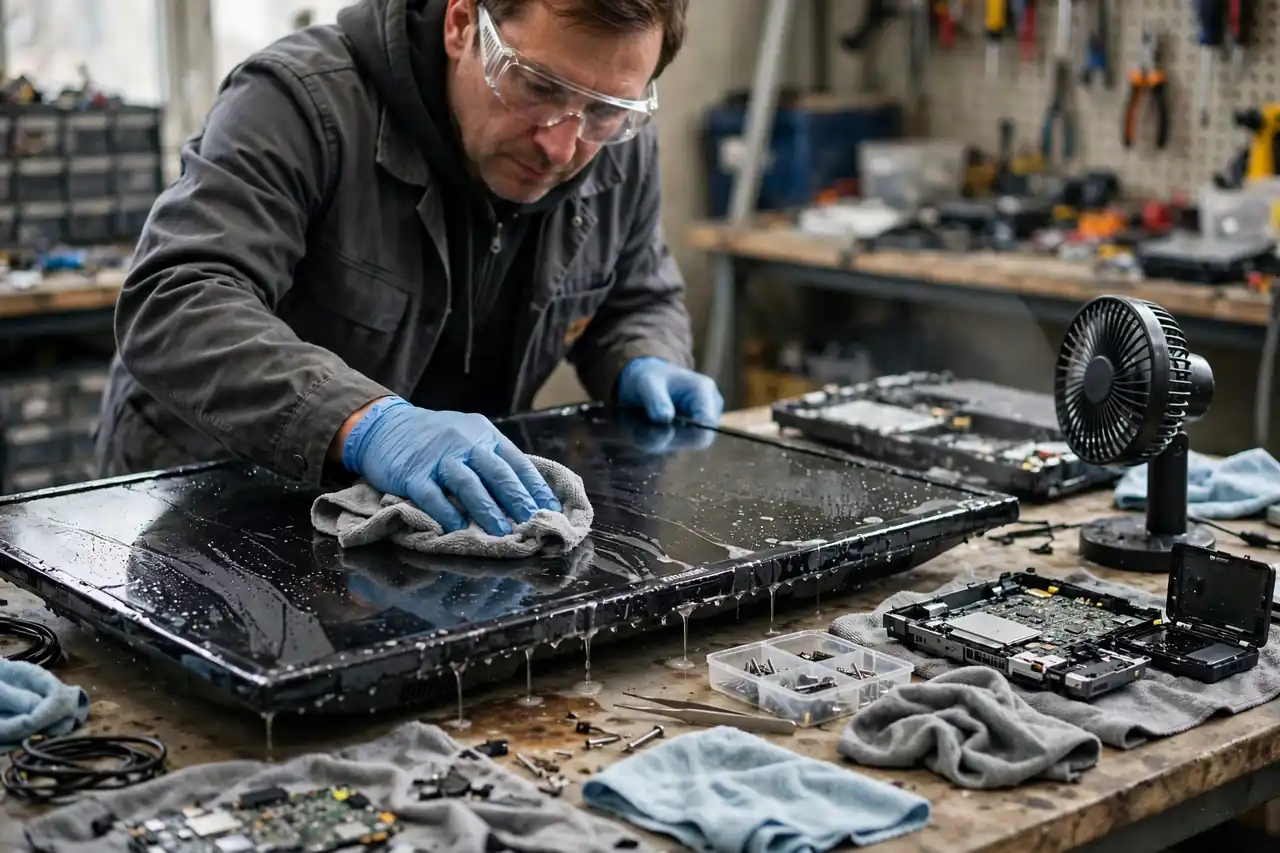
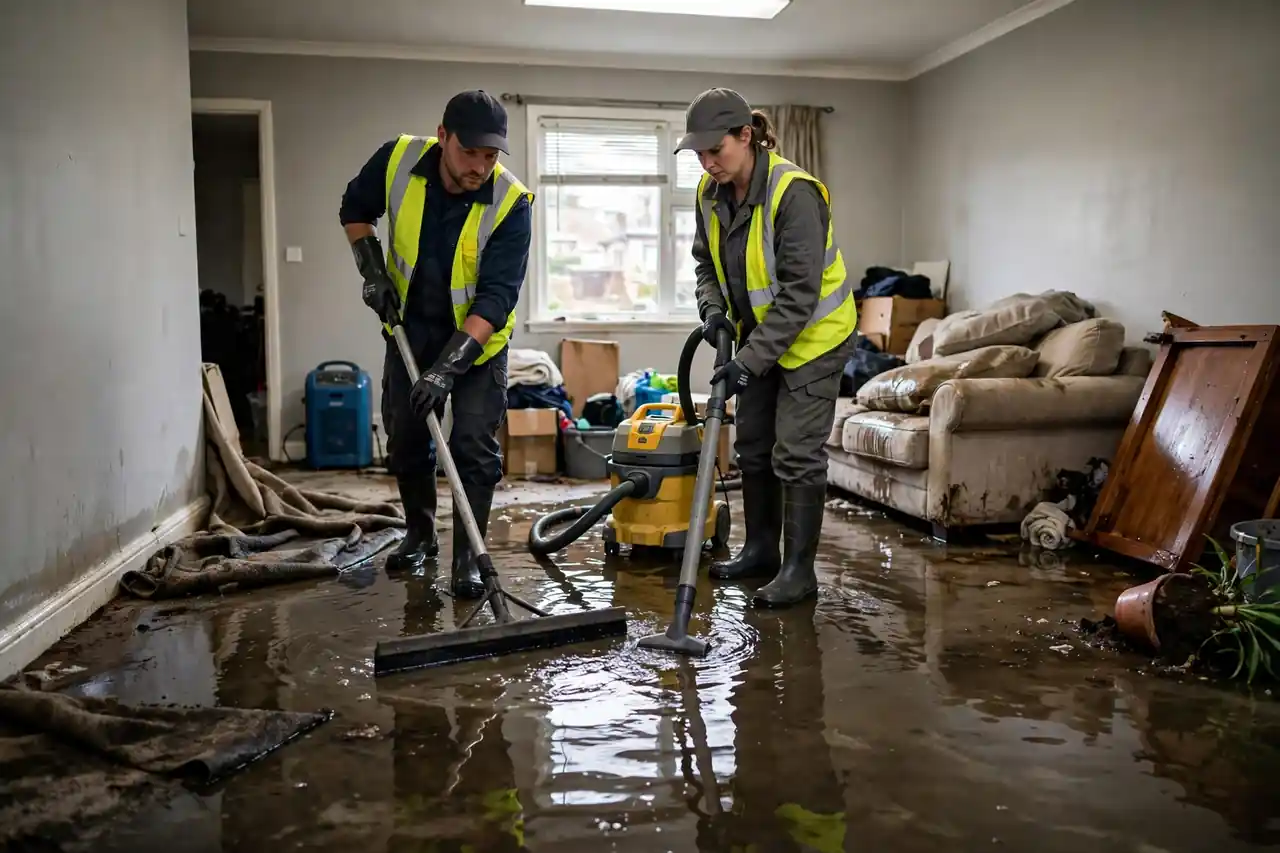
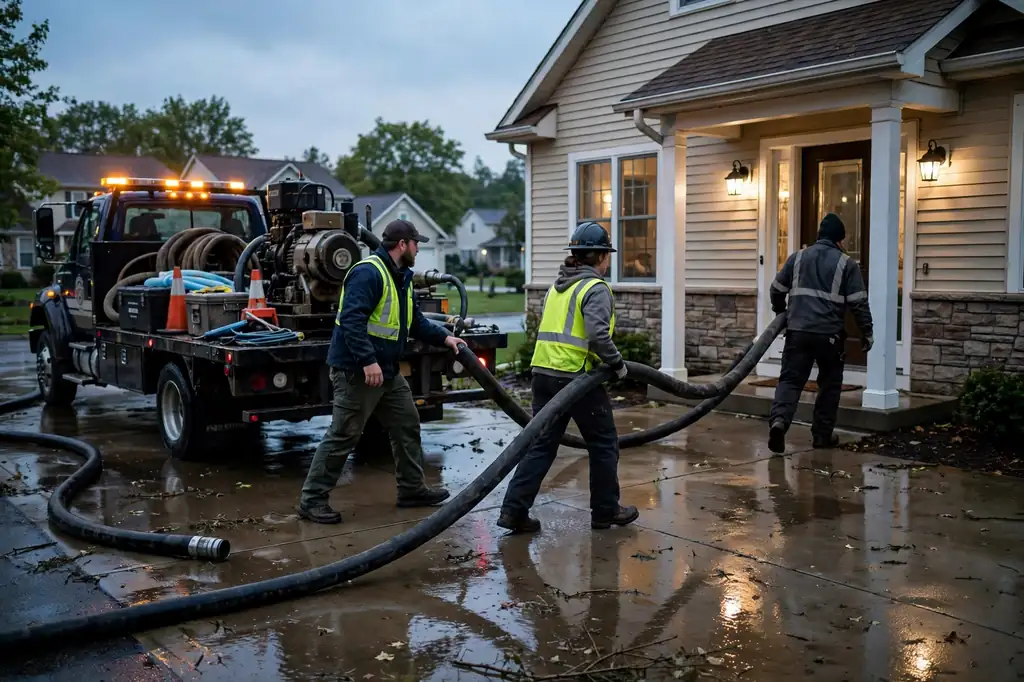
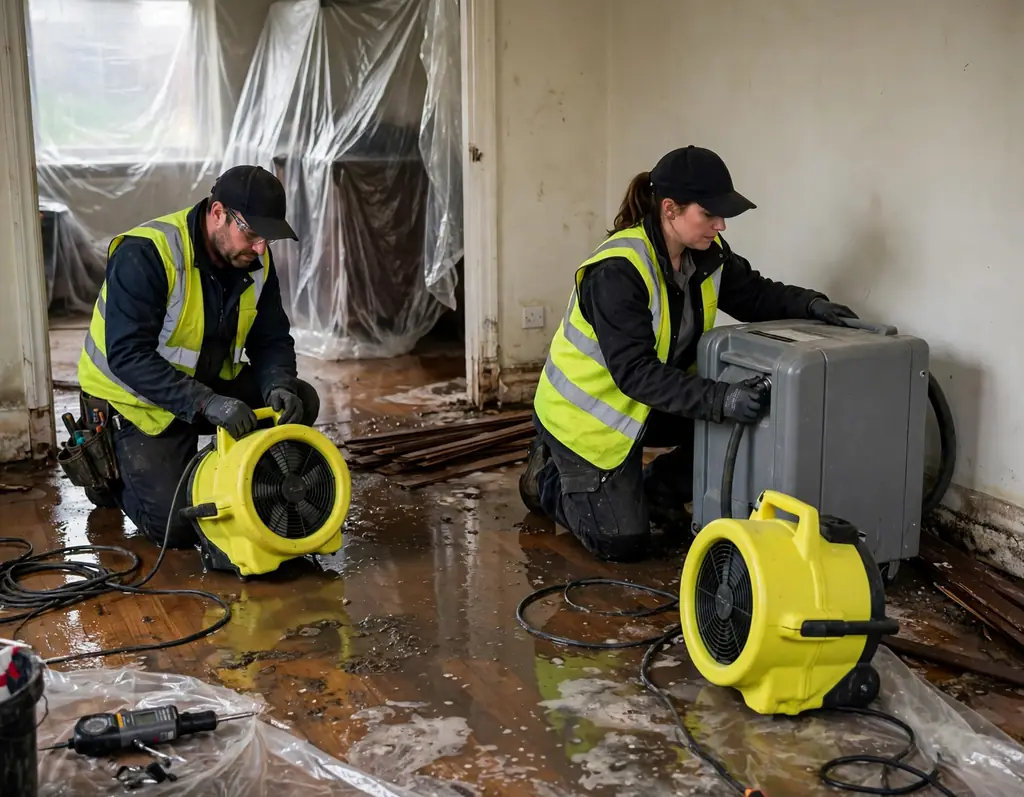
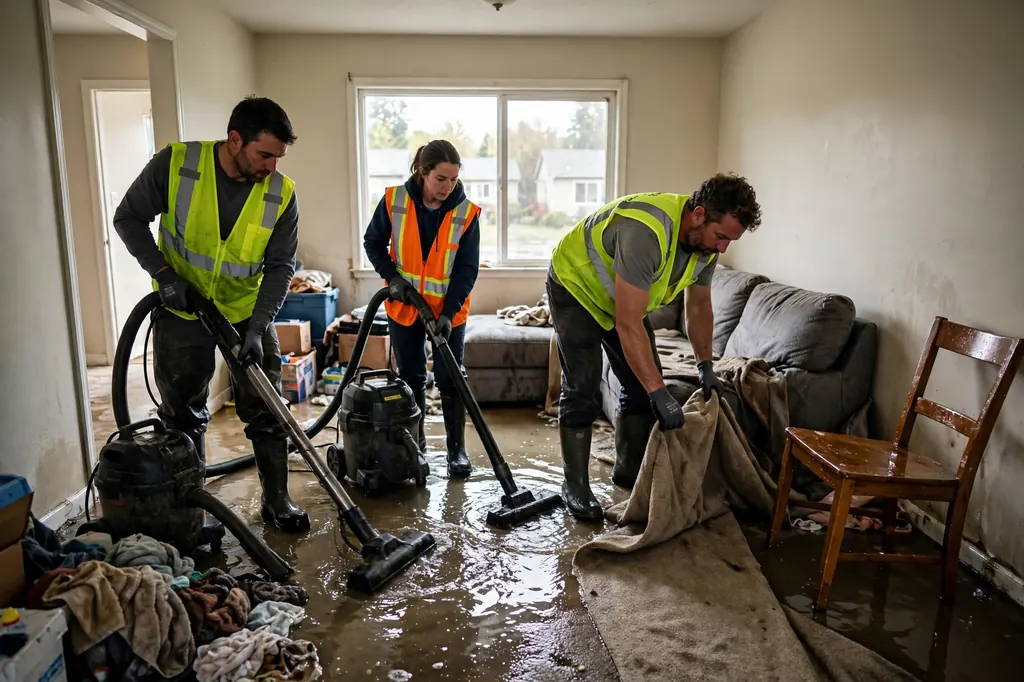
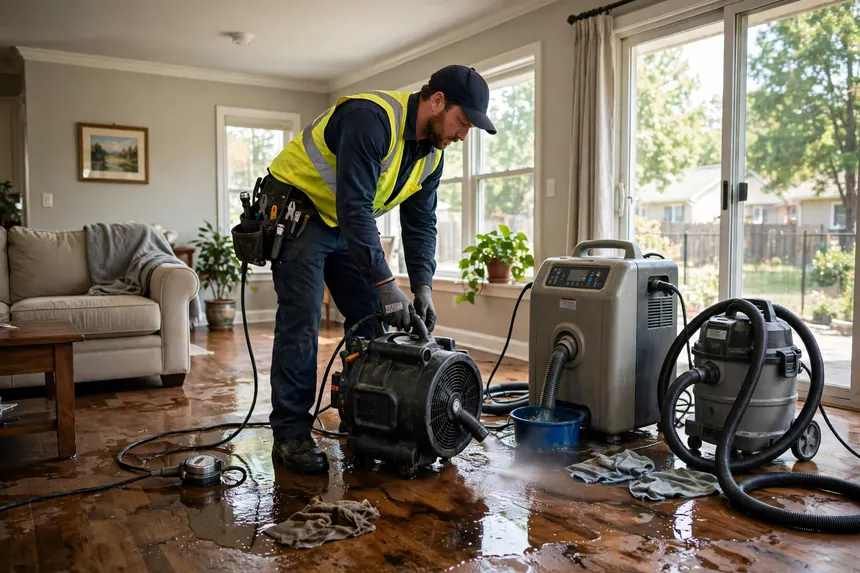
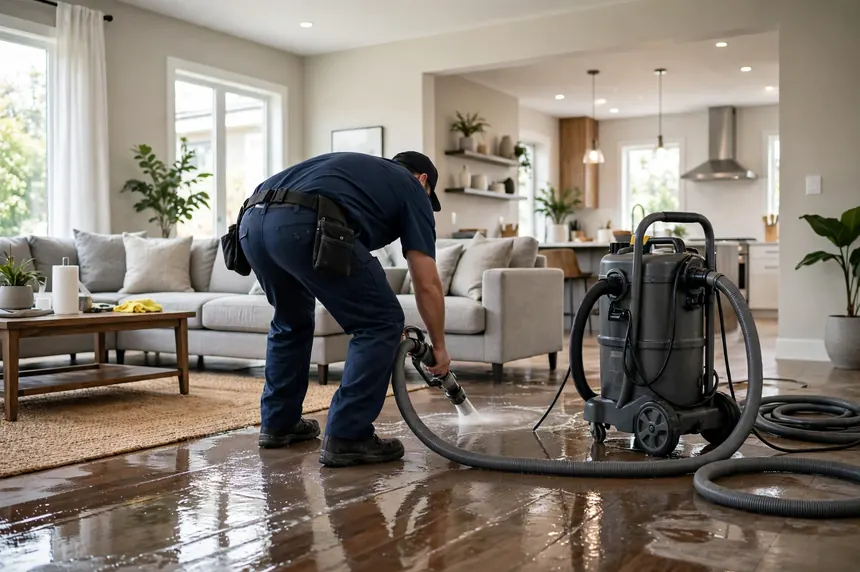
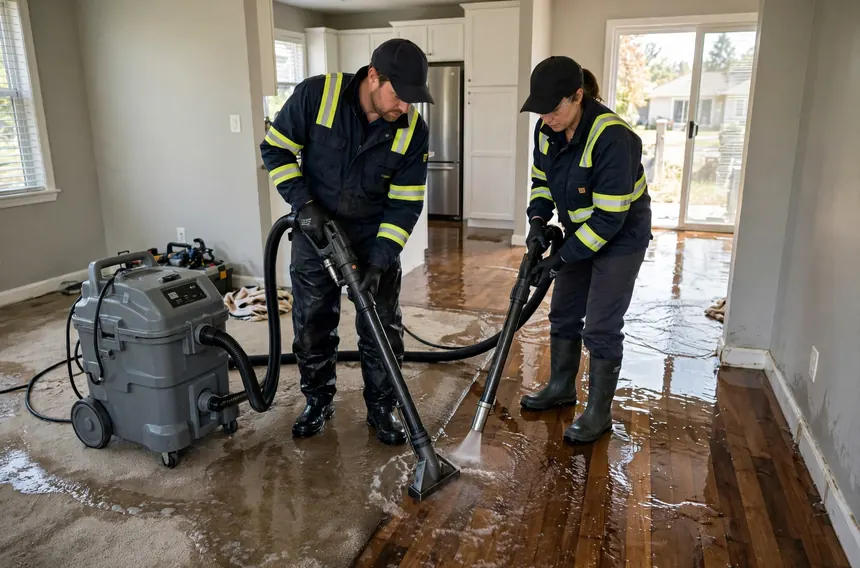
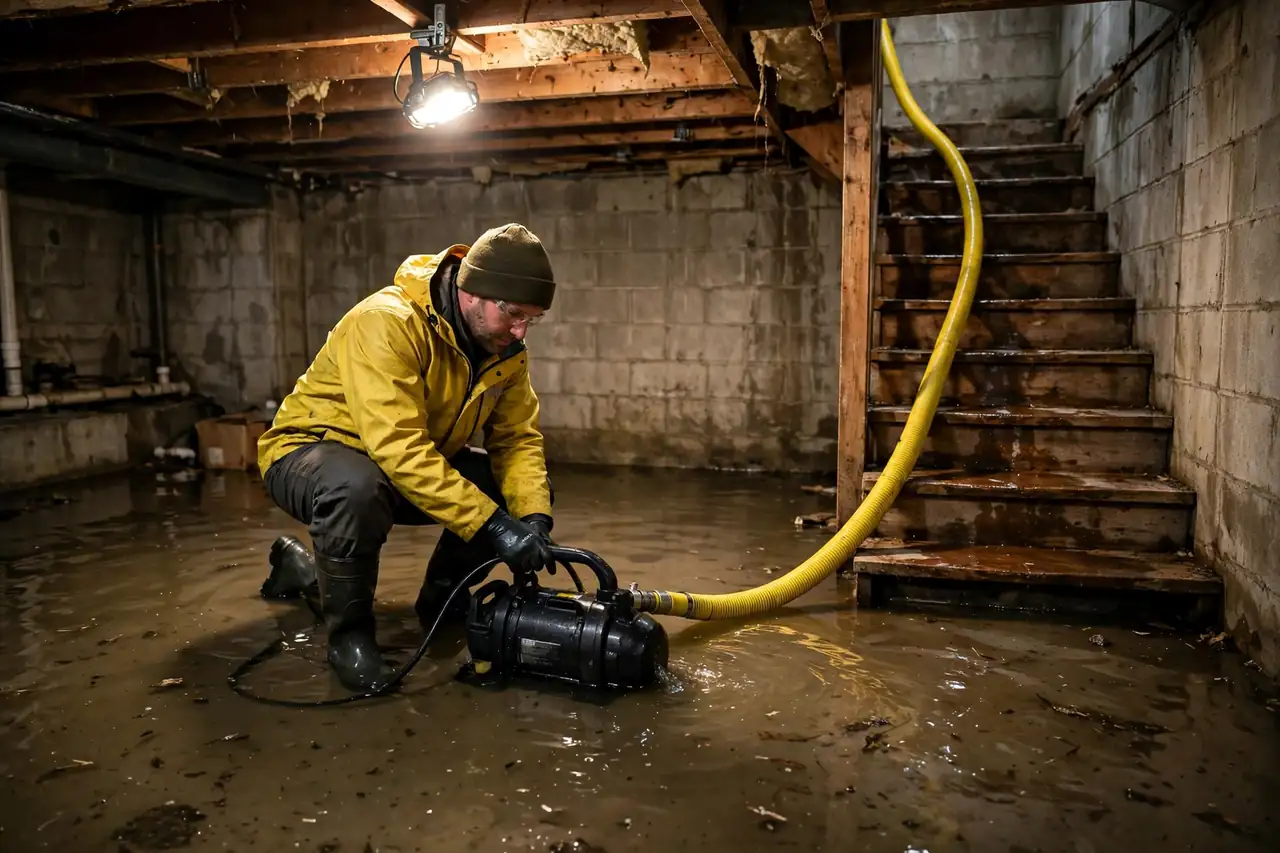
When a pipe breaks or runoff reaches your floor, emergency water damage repair in Owyhee starts with stopping the source and removing water before materials deteriorate. We serve Owyhee North and Owyhee South, including rural-adjacent properties with larger lots and well water systems. Our team maps moisture, extracts standing water, and sets drying equipment based on the materials affected, not guesswork.

emergency water damage repair in Owyhee

Serving Owyhee and Kuna

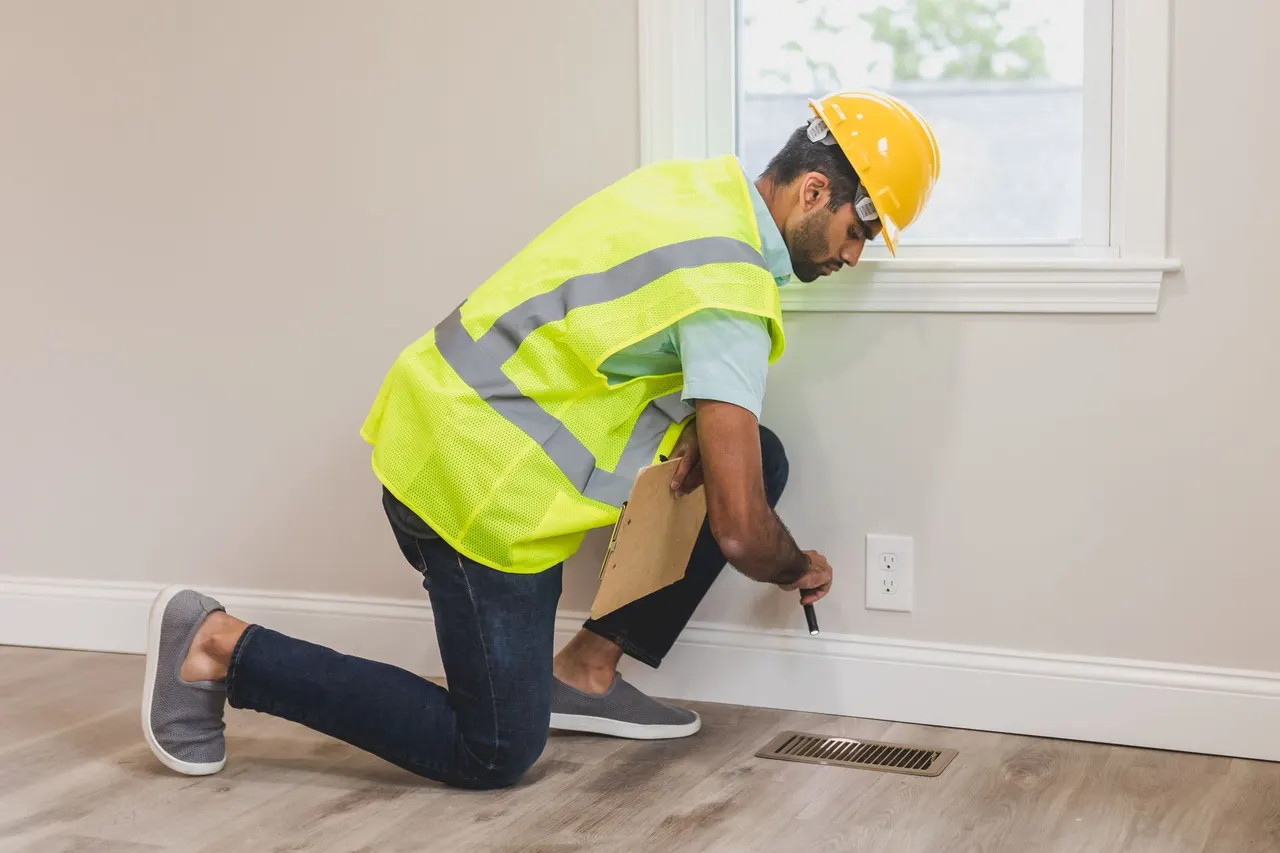
  • Readings RecordedMoisture checks guide drying decisions
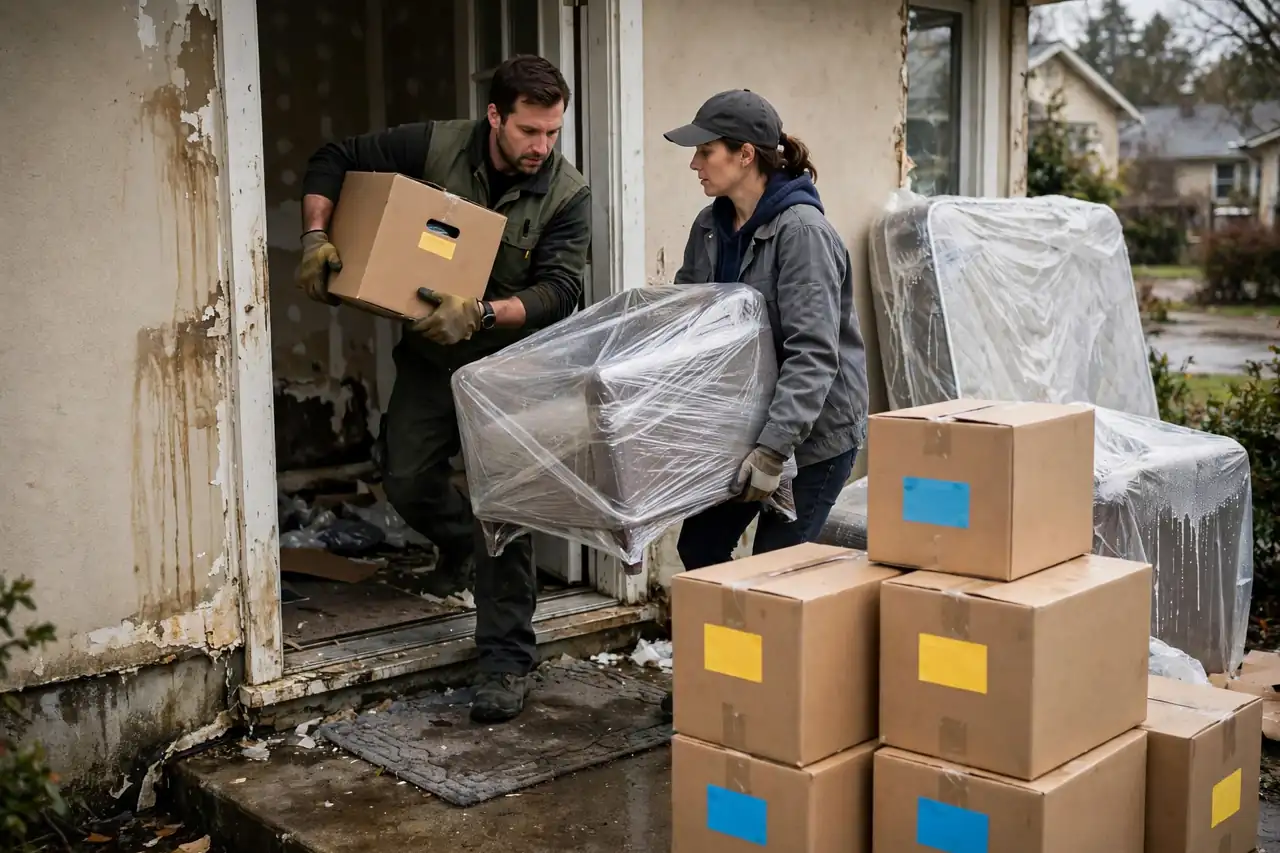
  • Work Area ProtectedContents moved away from wet surfaces
  • Steps ExplainedYou hear what happens next
  • Equipment CheckedAirflow placement reviewed during work

Emergency water damage repair in Owyhee Starts Here

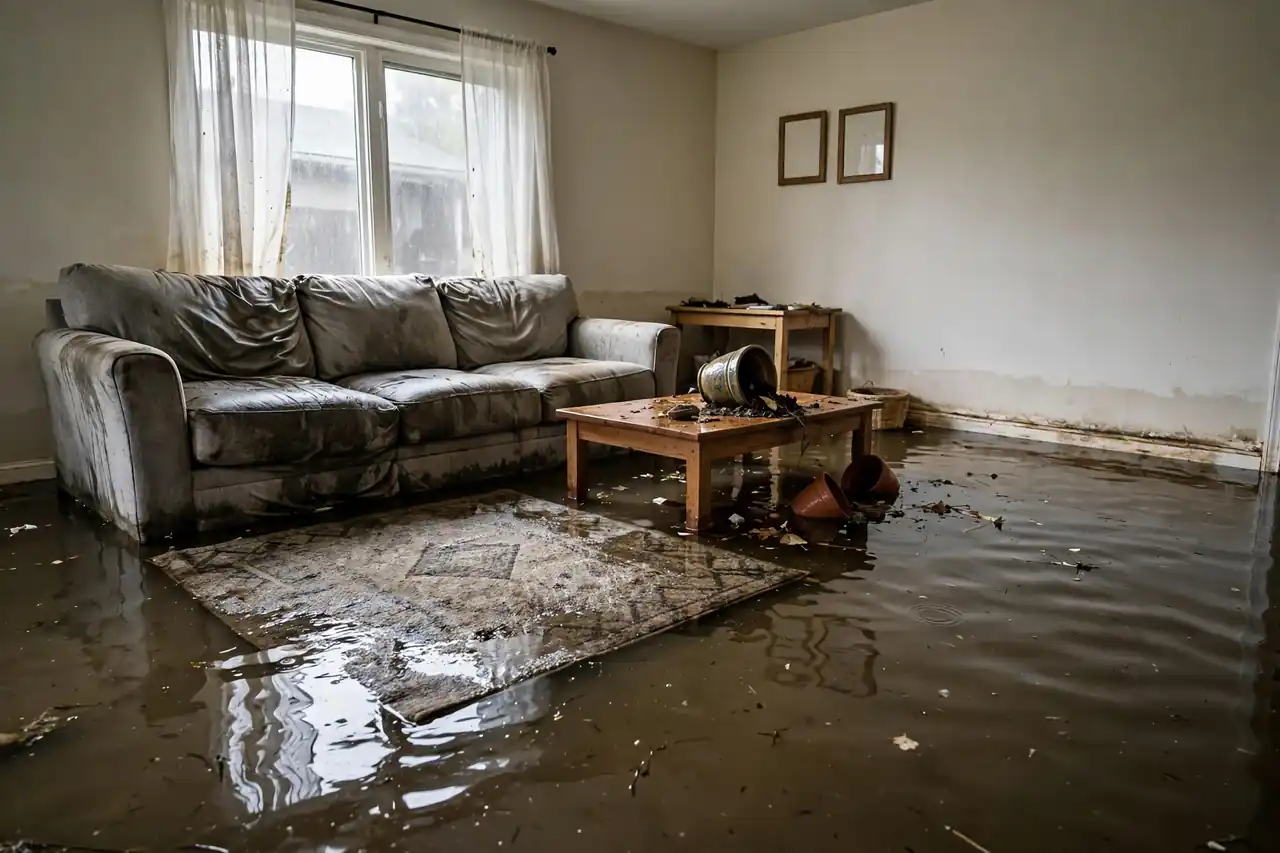
Owyhee takes its name from the high desert country south of Kuna, and the water pattern here follows the seasons: runoff that enters low foundations and crawl spaces after sustained rain, pipes that fail after prolonged winter cold, and a sump pump that gives up during a rising-water event. Each one arrives slowly and is found late.

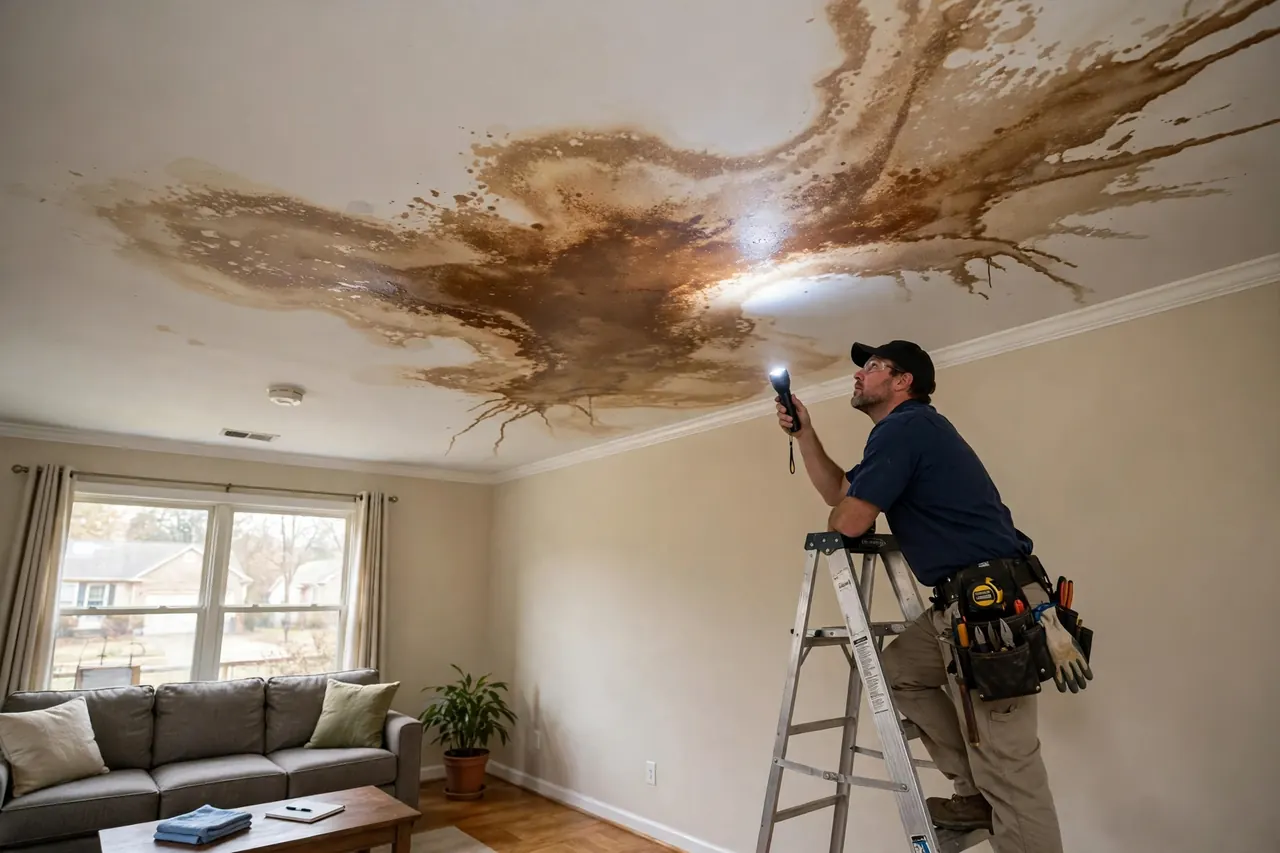
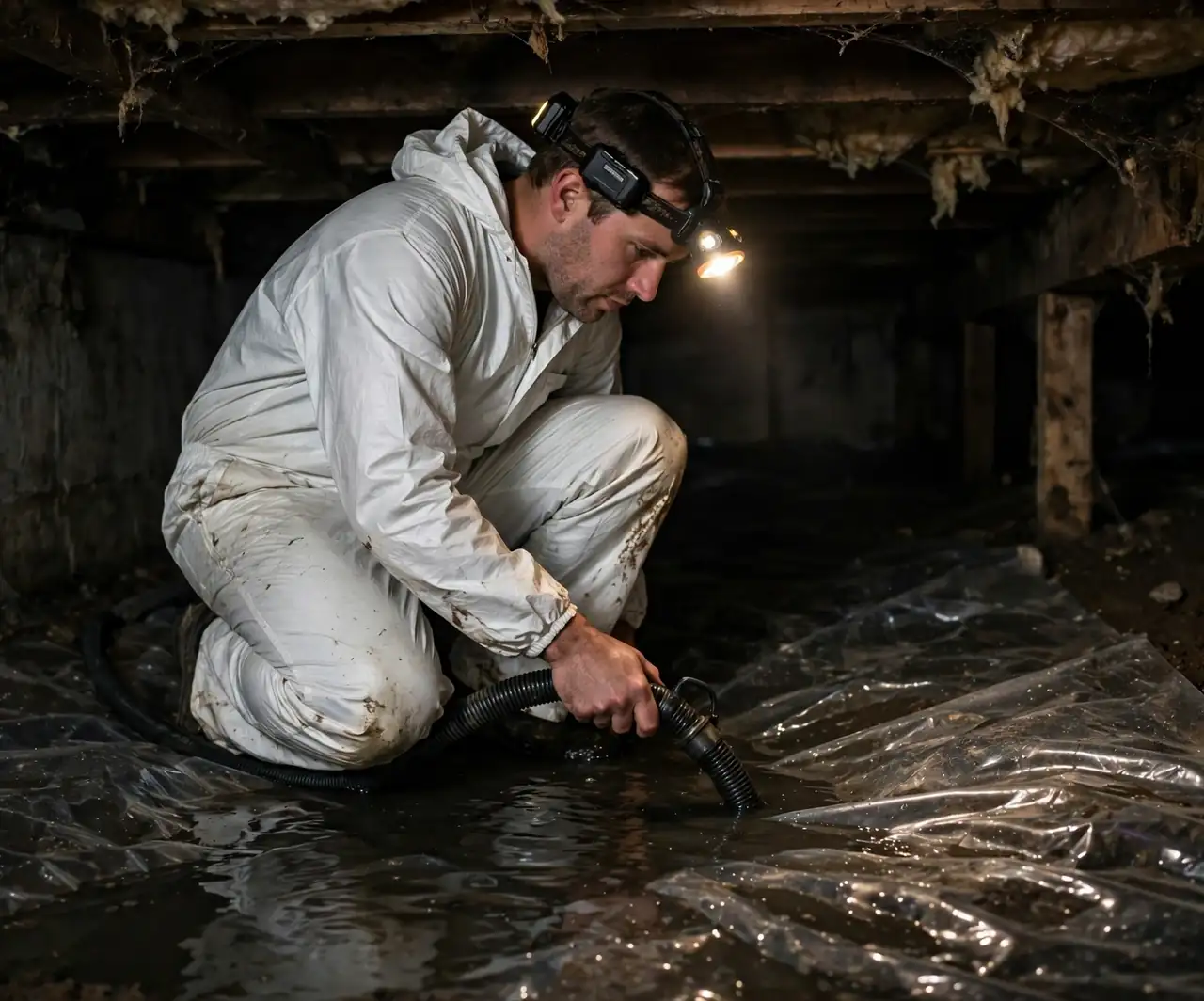
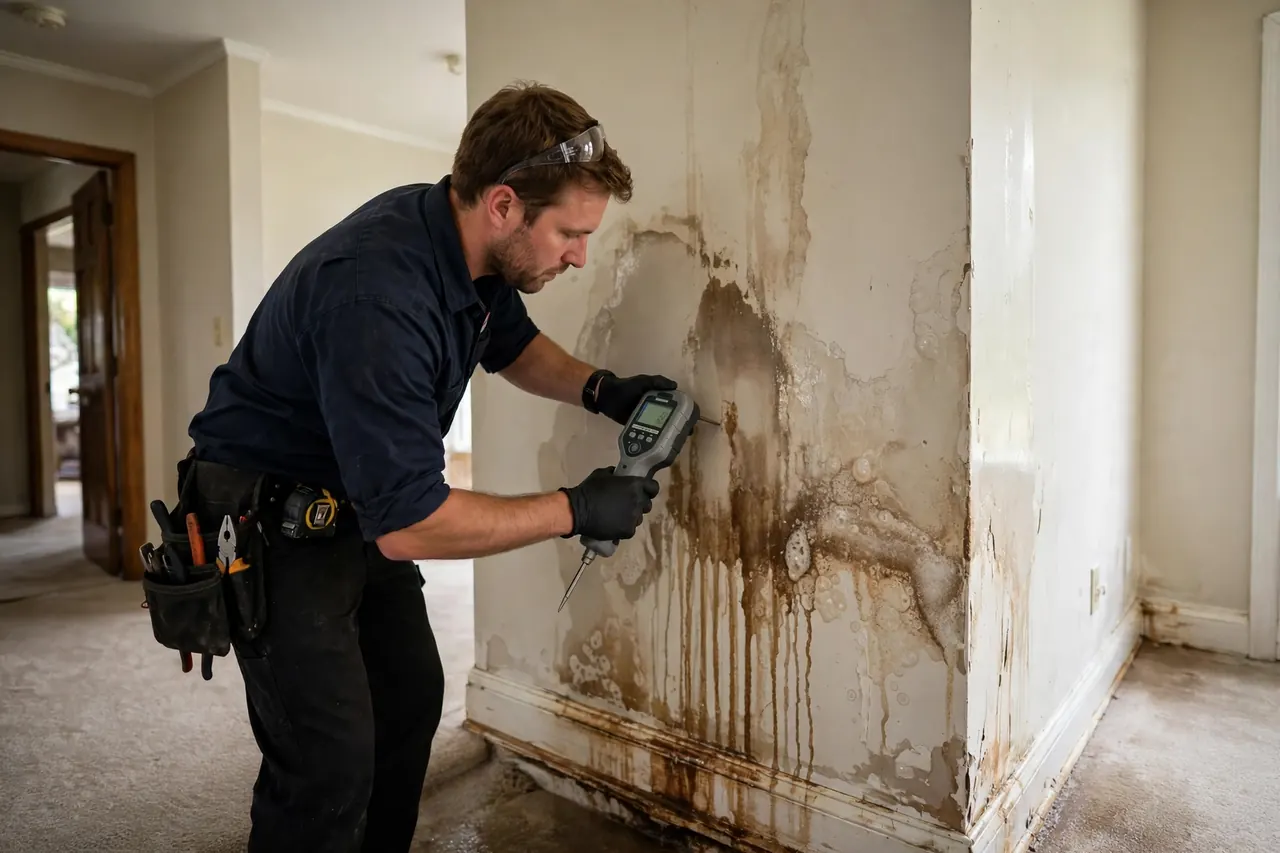
We check the low ground first — the foundation edges, the crawl space, and the pump — then trace any ceiling stain to the roof or the room above. Readings along the wall bases and in the crawl space set the drying plan, and a failed pump is tested rather than worked around, because the runoff that filled the space will return.

South of Kuna, the Snake River Canyon lies a short drive away and the Morley Nelson Snake River Birds of Prey National Conservation Area begins, part of the high-desert landscape that gives Owyhee its name. The ground here is dry most of the year, which is exactly why a wet spell catches homes unprepared.
Water Damage Services Across Owyhee

Water emergencies in Owyhee range from a split supply line in a home to runoff collecting near a foundation on a larger lot. We match the response to the source, affected materials, and safe access, then explain what needs extraction, cleaning, and drying. If you are searching for emergency water damage repair in Owyhee ID near me, call with the address area, water depth, and whether the leak is still active. That lets us prepare for the actual conditions rather than arrive with a one-size setup.

Water services across Owyhee

Emergency restoration in Owyhee

Emergency restoration in Owyhee

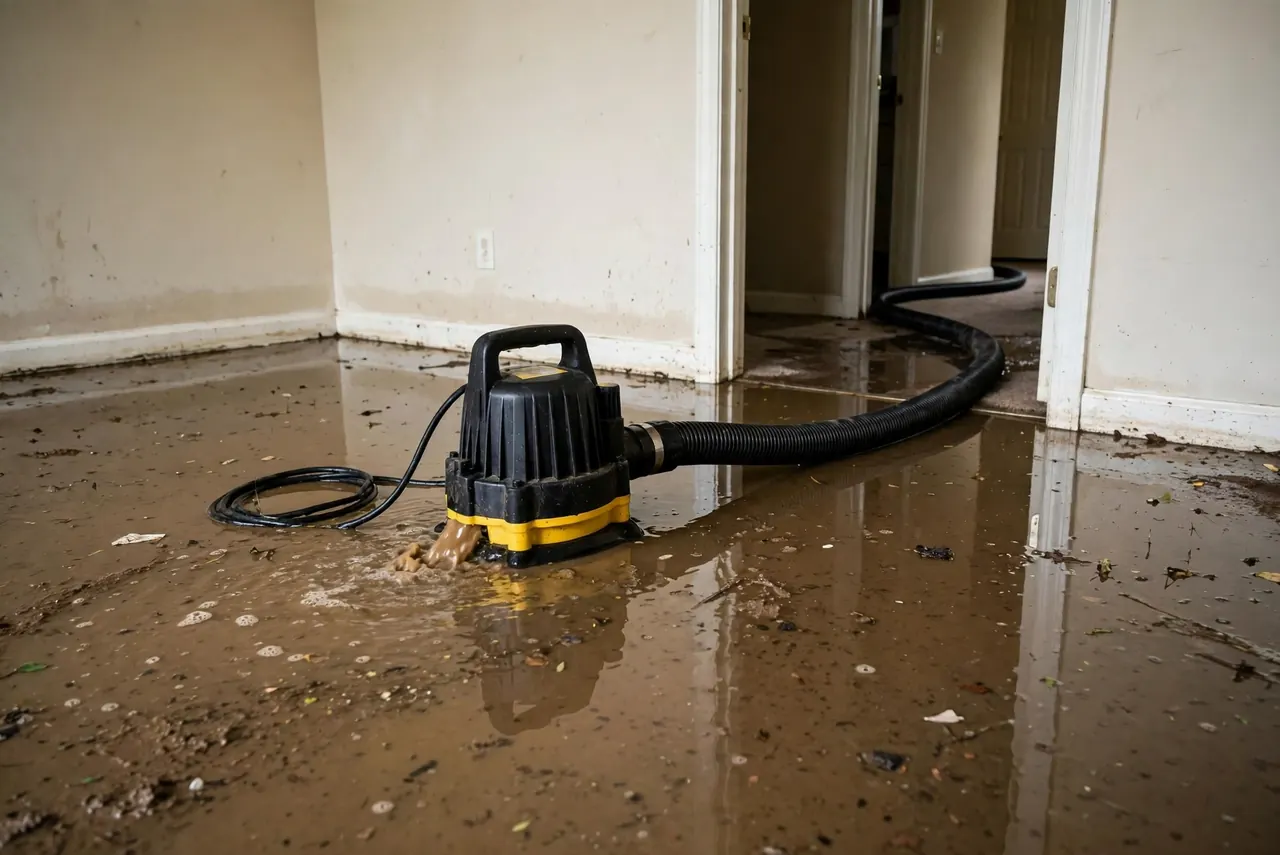
We locate the water source and protect dry rooms before removing standing water. In Owyhee, larger lots and rural-adjacent access can affect equipment staging, so we confirm gates and driveway details. We track moisture in floors and wall bases as drying proceeds.

  • Source control first
  • Protect unaffected rooms
  • Track drying readings
Owyhee homes

Owyhee homes

We restore homes affected by leaks, runoff, and plumbing failures across Owyhee. We adapt access, extraction, and drying to the rooms and materials involved.
  • Rural-adjacent homes
  • Homes with crawl spaces
  • Basement utility rooms
  • Well-system properties
Owyhee businesses

Owyhee businesses

We help Owyhee property operators manage water intrusion while keeping safe routes available. We identify affected rooms, protect contents, and plan drying around building use.

  • Small commercial buildings
  • Service and utility rooms
  • Storage areas
  • Mixed-use properties

Common Owyhee Water Damage Problems

In Owyhee, the seasons drive the losses, so the four problems below are the ones to know: frozen plumbing after prolonged cold, seasonal runoff at low foundations, pump failure in a rising-water event, and roof leaks in concealed cavities.

  • Frozen Pipes Split Overnight and Wet Finished Rooms

    Frozen Pipes Split Overnight and Wet Finished Rooms

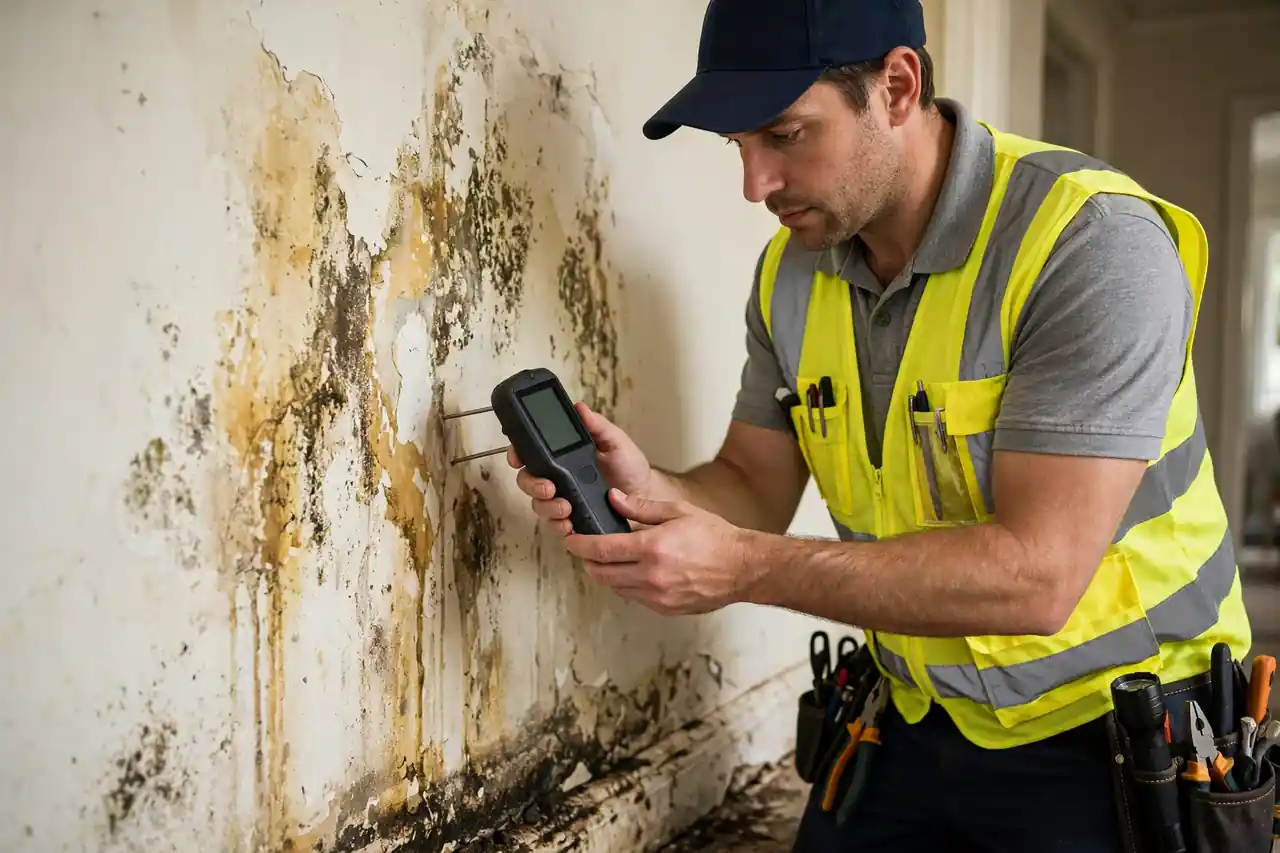
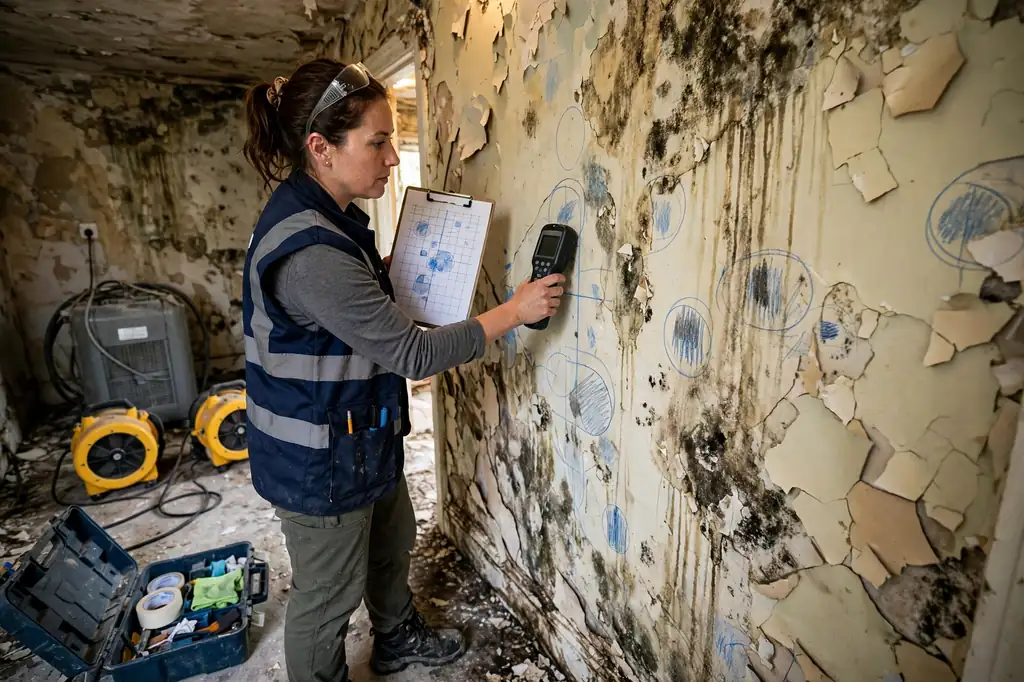
    A cold night can split a pipe in a garage, crawl space, or exterior wall, and the leak often runs inside a wall or cabinet before anyone sees water. In Owyhee, the first check is the shut-off: stop the supply, then look for the wet path along baseboards and floor edges. We extract what is visible, take moisture readings in the adjoining walls, and set drying only where the readings justify it, so a hidden wet cavity is not left to grow mould.
  • Poor Drainage Sends Runoff Toward the Foundation

    Poor Drainage Sends Runoff Toward the Foundation

    Runoff that pools beside a foundation in Owyhee will find its way in through the smallest gap, especially where the soil is the heavy silt loam common across the Treasure Valley. We check the gutter and downspout lines, the slope of the ground, and the base of the affected walls, then dry the interior from moisture readings. The drying plan and the drainage note go together: one without the other leaves the homeowner with the same problem after the next wet spell.
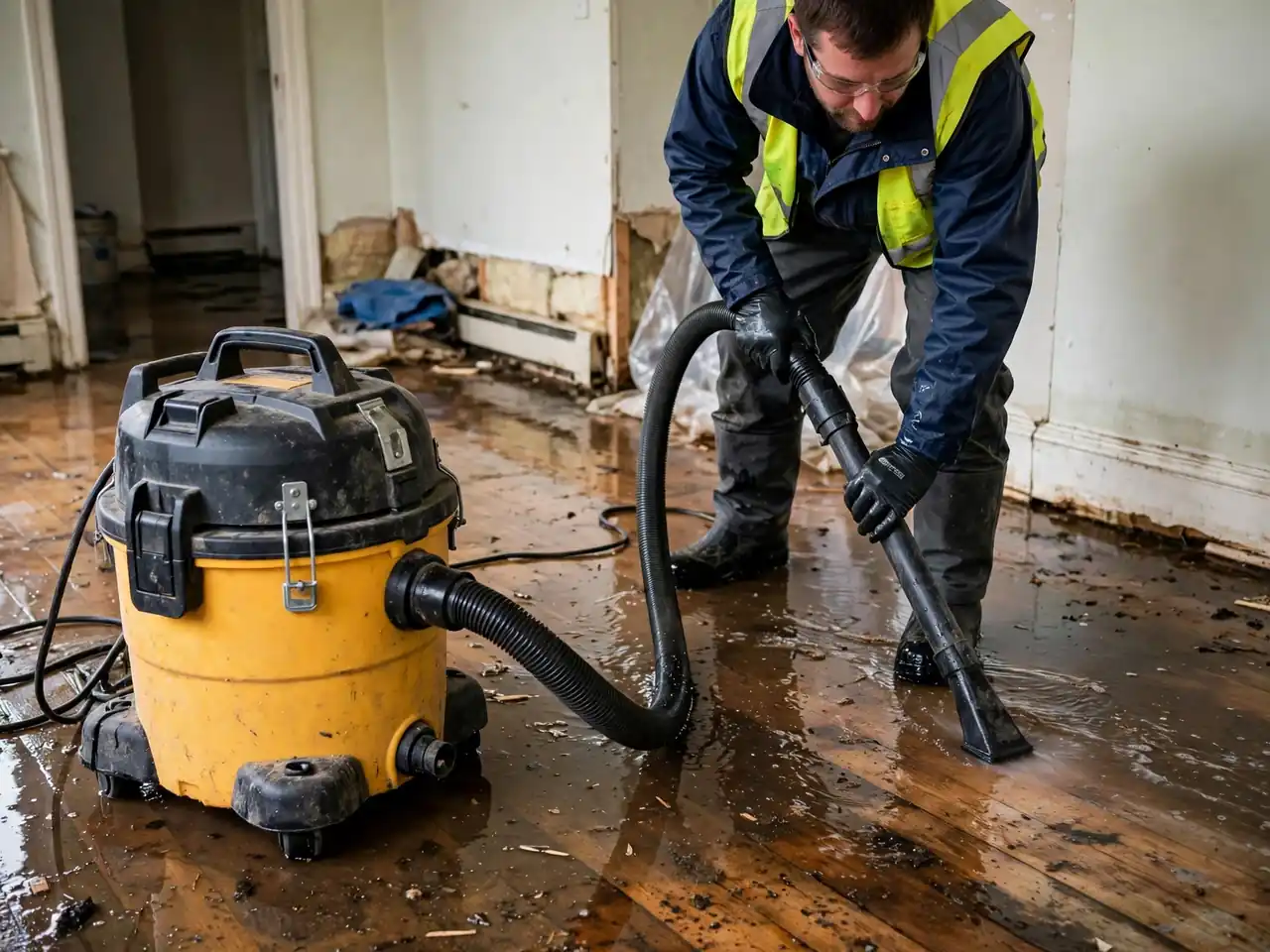
  • Hardwood Floors Cup and Buckle After Water Exposure

    Hardwood Floors Cup and Buckle After Water Exposure

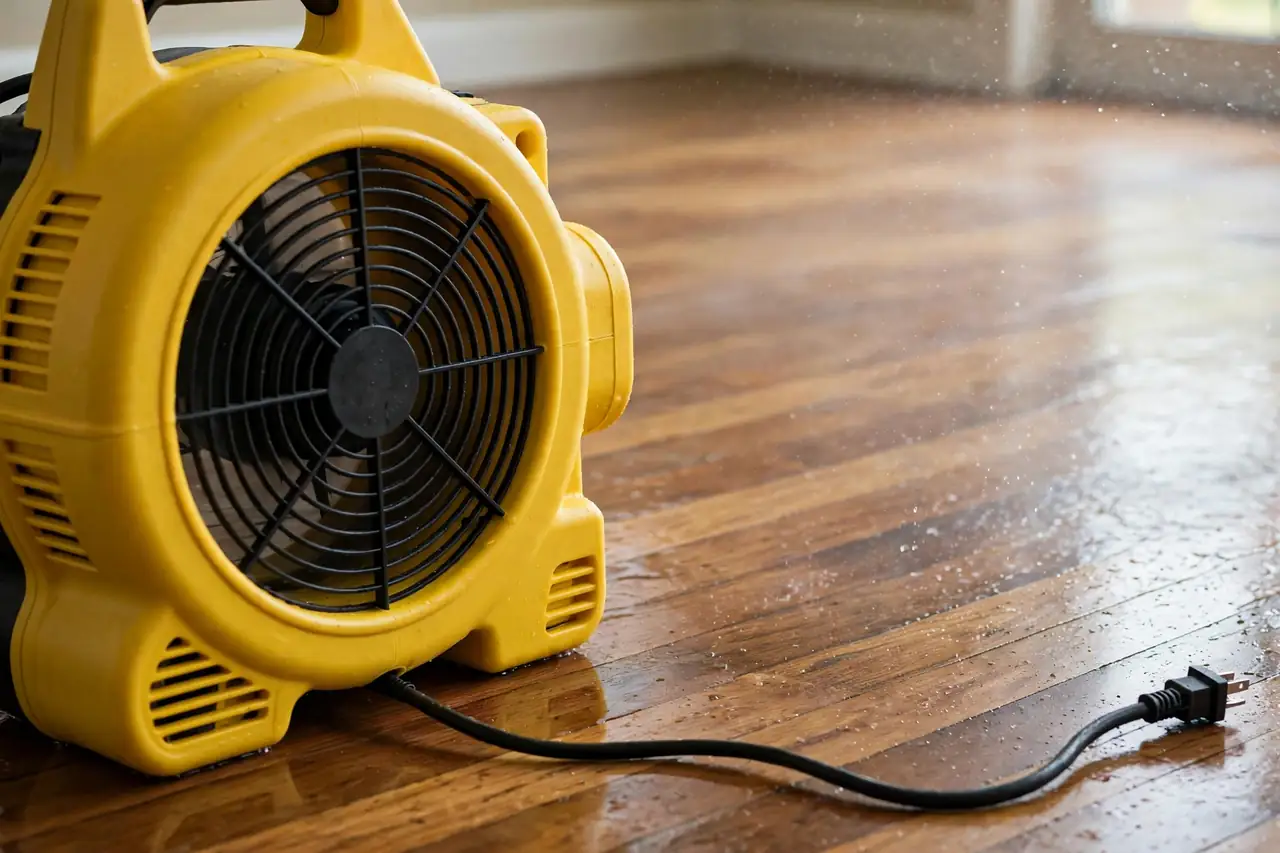
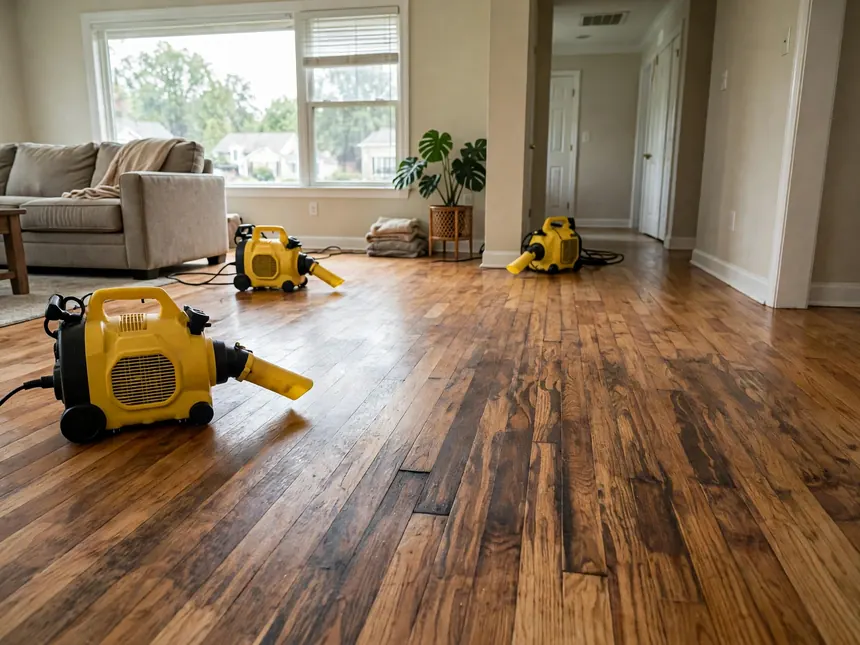
    Hardwood does not forgive standing water: boards cup, gaps open, and the finish lifts, and the damage keeps growing while moisture sits in the subfloor. In Owyhee, the first hours matter — we extract surface water, then measure the boards and the subfloor to see whether drying can save the floor or whether boards must come up. Fans alone rarely do it; the drying plan has to pull moisture from under the floor, and we re-check with a meter before calling the floor dry.

  • Supply-Line Fittings Leak Behind Cabinets and Walls

    Supply-Line Fittings Leak Behind Cabinets and Walls

    A fitting that weeps behind a wall in Owyhee can wet insulation and drywall for days before the surface shows anything. We trace the damp path with a meter rather than opening walls blindly, stop the supply at the nearest shut-off, and dry the cavity from the readings. The repair note names the failed fitting and the rooms it affected, so the plumber and the drying record agree on what happened.

When to Call for Owyhee Water Repair

Water spreading, ceiling stains, damp carpet, or a musty crawl space calls for a prompt inspection.

  • Water keeps spreading after the fixture is off

    A shutoff may not control a failed line, appliance connection, or hidden leak. If water continues moving across a floor or appears in another room, isolate the source only when safe and call for extraction. Delayed removal lets moisture travel under flooring and into wall bases.

  • Ceiling paint bubbles or begins to sag

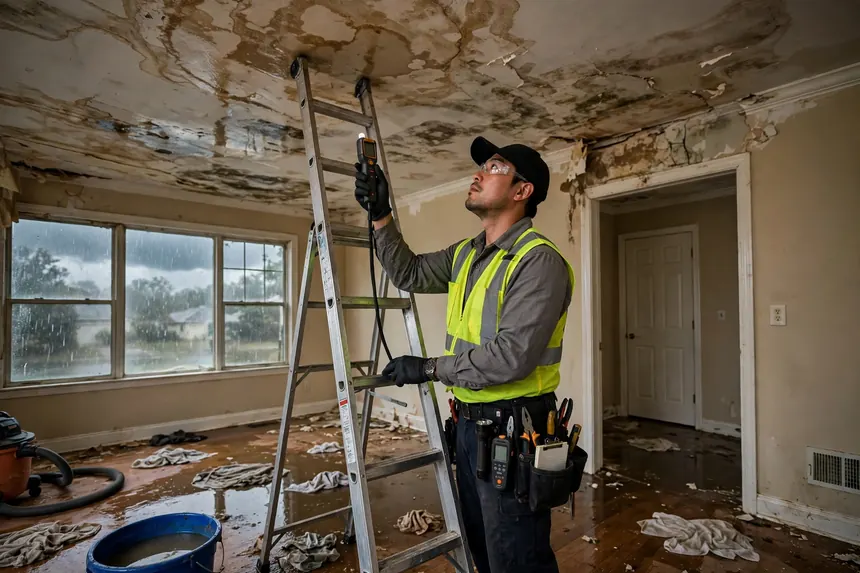
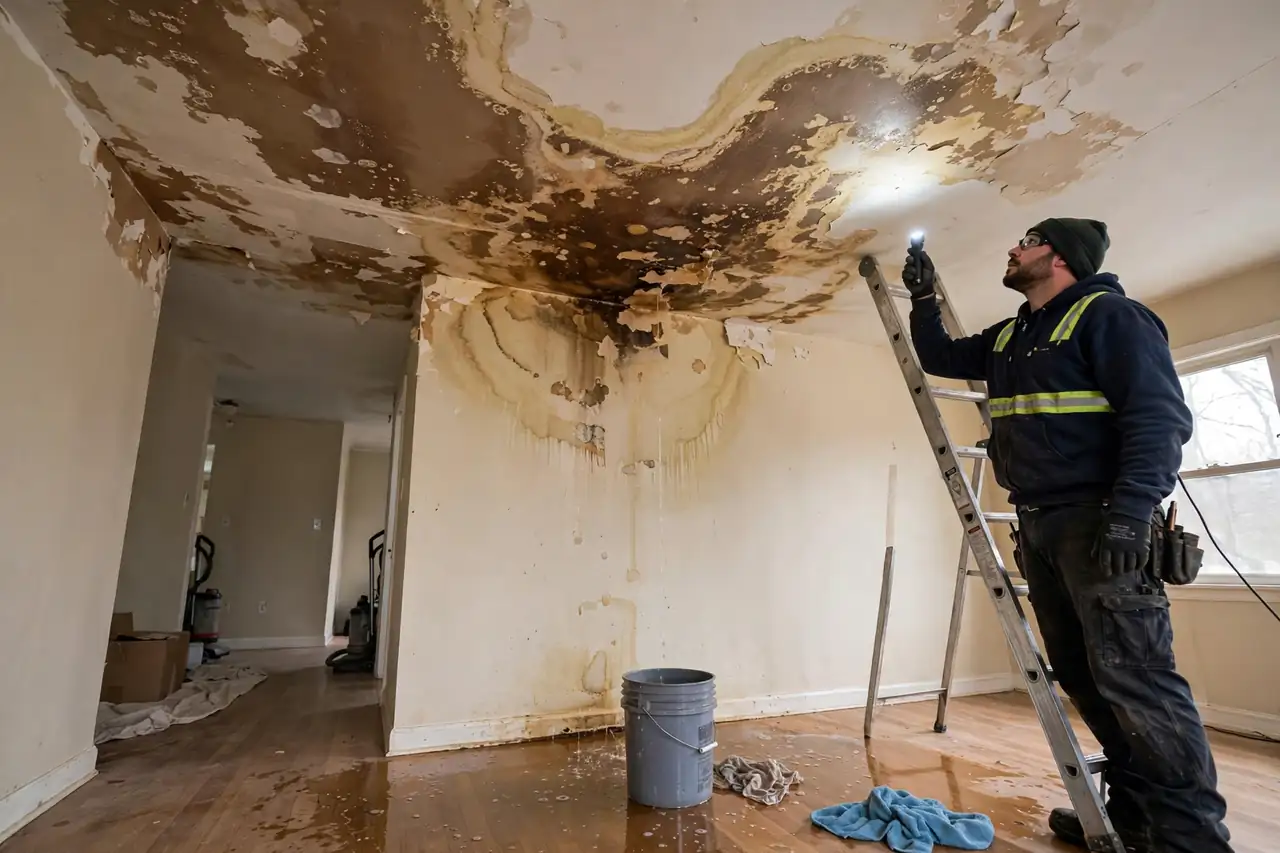
    A soft or bulging ceiling can hold trapped water and may fail without warning. Keep people out from beneath it and do not puncture the surface. We inspect the likely leak path, protect the room, and address the water before repairing the finish.

  • Carpet stays wet after surface drying

    Carpet padding can retain water after the pile feels less damp. Persistent moisture can affect the subfloor and produce odor. We check carpet edges, padding, and nearby baseboards to determine whether extraction and drying are enough or the pad needs removal.

  • Musty odor appears in a crawl space

    A musty smell can indicate damp framing, insulation, or a vapor barrier after crawl space flooding. Do not crawl into standing water or a confined area without proper safety measures. We inspect access, remove water, and measure materials to plan drying.

  • Water appears near outlets or appliances

    Water near energized equipment creates an immediate electrical hazard. Do not touch appliances, cords, or a wet breaker area. Keep people away and call for help; once the area is safe, we can extract water and check the affected floor and wall materials.

How Owyhee Water Cleanup Gets Done

For Owyhee emergency water damage repair, our first visit is organized around safety, source control, and measured water removal. We ask whether water is clean, contaminated, or still entering; then we check electrical hazards and access across the property. In rural-adjacent areas, a long driveway or gate can affect where equipment is staged, so tell us the best entrance and any restrictions when you call.

  • Seasonal runoff reaching low foundation areas

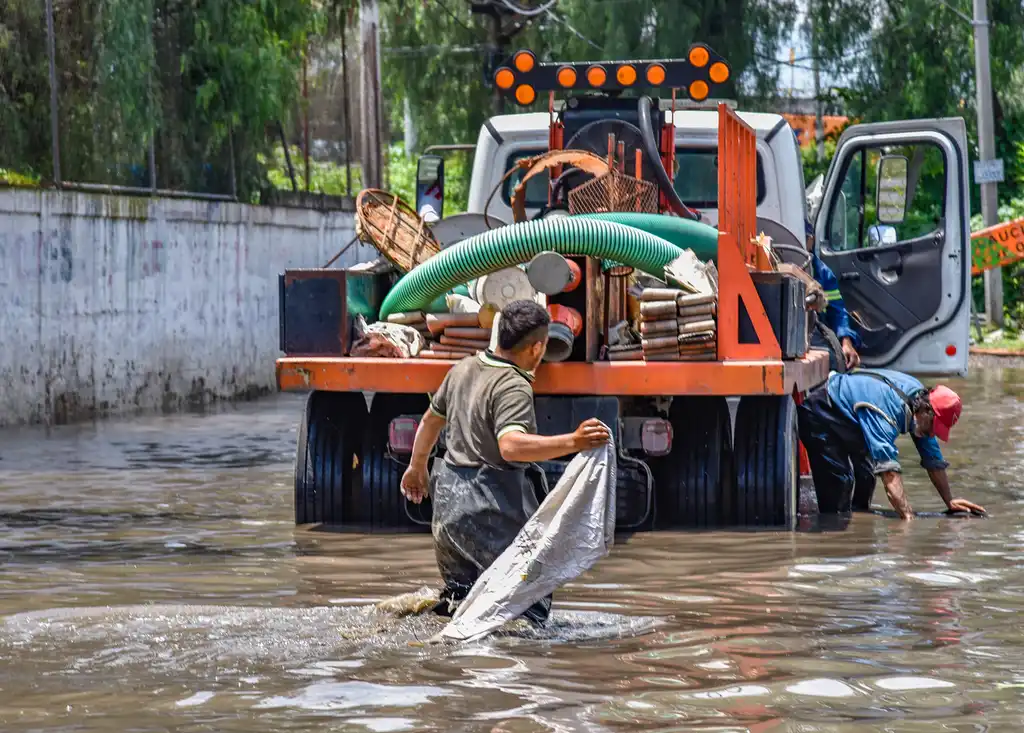
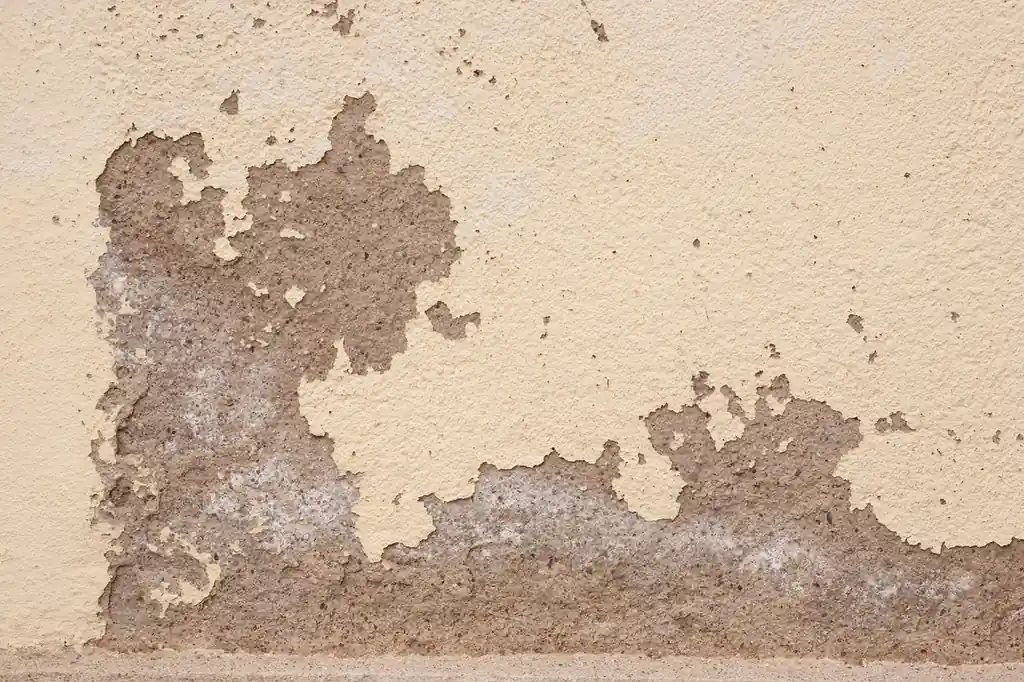
    Runoff can collect at low points around a larger property and enter through a foundation joint or crawl space opening. Interior extraction alone will not explain where the water traveled, so the inspection must include floor edges and the affected exterior approach. We remove interior water, map damp materials, and inspect accessible entry points and drainage paths. Our notes distinguish active leakage from residual moisture. Once the structure is dry, we can discuss drainage corrections such as gutter discharge changes or a French drain assessment.

  • Long rural-adjacent driveways and equipment access

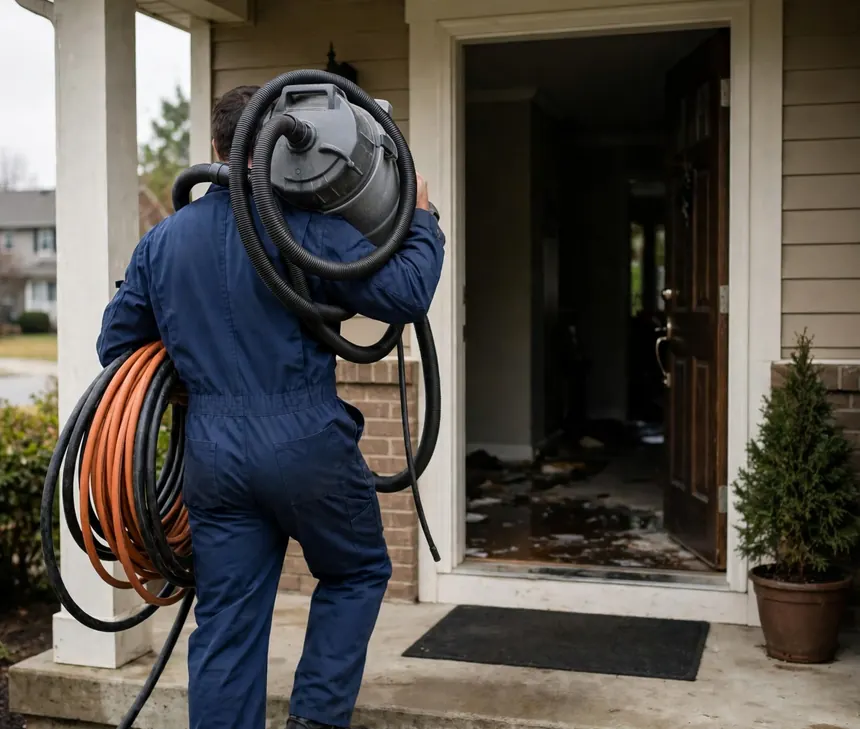
    Some Owyhee properties have long approaches, gates, or limited places to unload equipment. Poor staging can slow extraction setup or obstruct household access, especially when the affected room is far from the driveway. We ask for gate and parking details before arrival and identify the closest practical equipment route. We carry equipment to the work zone in an organized sequence, protect floors along the path, and keep exits clear while hoses and cords are in use.

  • Well water systems near affected utility spaces

    A leak near a well system can make the source less obvious than a visible fixture failure. Water lines, pressure equipment, and stored items may occupy the same utility area, so source control and access need to be coordinated. We identify the wettest area, inspect visible connections, and document water movement without disturbing equipment unnecessarily. We isolate the damaged area where safe, extract standing water, and keep the utility route accessible while drying proceeds.

  • ANSI/IICRC S500

    ANSI/IICRC S500 provides professional guidance for water damage restoration, including inspection, water removal, drying, and documentation. We use its principles to guide the work sequence and explain why moisture readings and equipment adjustments matter in an Owyhee property.

  • EPA Lead-Safe Renovation, Repair and Painting Rule

    When repair work disturbs painted surfaces in covered pre-1978 housing, lead-safe requirements may apply. We consider material age and the scope of disturbance before removal work, and coordinate regulated renovation steps where required rather than treating every wall as ordinary debris.

Owyhee Landmarks and Local Routes

We use Owyhee Park and the Owyhee community area as orientation references when confirming directions, then rely on your address and access instructions to reach the property. Owyhee is rural-adjacent, so clear directions matter more than assuming a dense street grid. For a water emergency, tell us where to turn, whether a gate is present, and where a vehicle can be parked without blocking the household entrance.

  • Owyhee Park

    Owyhee Park is a local orientation point that can help callers describe their general area. It provides a reference for directions only; a service address and access details are still needed to locate a particular property.

  • Owyhee community area

    The Owyhee community area helps establish a local reference when callers explain where a property sits. We use the description to clarify the route and confirm a driveway, gate, or other property-specific access point.

  • Owyhee North

    Owyhee North is a named neighborhood reference for narrowing down a service location. Giving the neighborhood along with the property address helps distinguish local access directions during a call.

  • Kuna Town Center

    Kuna Town Center is a named commercial area within the broader Kuna service region. It can serve as a regional reference point for customers moving between Kuna and Owyhee, but it is not a substitute for a service address.

  • Downtown Kuna

    Downtown Kuna is a local business district and a recognizable point within the service region. We use it as a general geographic reference when discussing routes from Kuna toward Owyhee.

  • Idaho State Highway 69

    Highway 69 is a key road connection through Kuna and can help orient travel toward nearby service areas. The route to an Owyhee property depends on its exact address and driveway access.

  • Kuna-Mora Road

    Kuna-Mora Road is a local roadway reference for travel in the Kuna area. Callers can use it to describe general direction, then provide the final property turn and access instructions.

Owyhee Neighborhoods We Serve

We cover Owyhee North and Owyhee South as well as properties near the Owyhee community area. Conditions vary from compact residential access to rural-adjacent lots with outbuildings and longer equipment routes. Give us a nearby landmark, gate detail, and the affected room when you call; a clear location description helps us plan the first trip and bring suitable extraction gear.

  • Owyhee North
  • Owyhee South
  • Owyhee community area
  • Owyhee Park area

Owyhee Water Damage Work Examples

  • Owyhee North

    Before

    A supply line failed in a home in Owyhee North, wetting a utility-room floor and the adjoining carpet edge before the leak was isolated.

    After

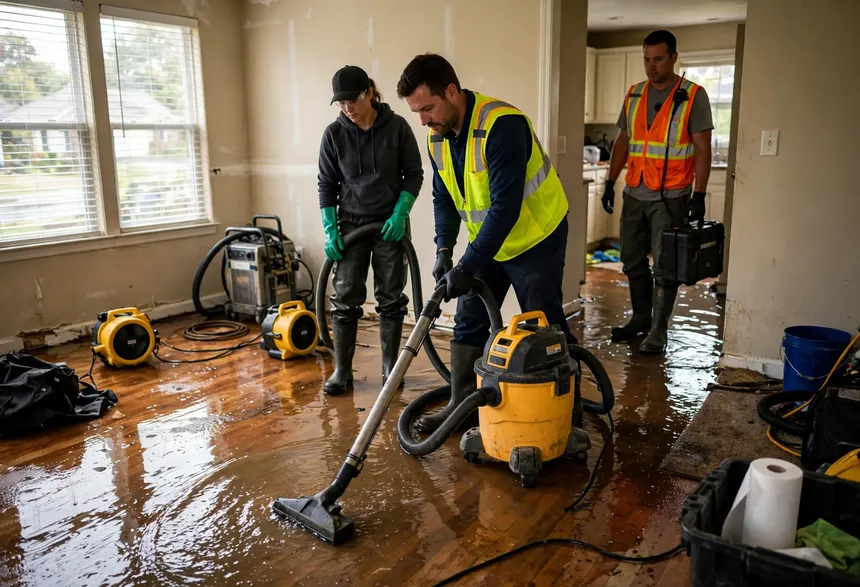
    We helped stop the water source, extracted pooled water, and checked the carpet edge, baseboards, and wall base for hidden moisture. We moved contents away from the wet route, set air movers and a dehumidifier, then recorded readings during follow-up checks. The homeowner received a clear explanation of the remaining drying work. Standing water was removed during the initial visit, and monitored materials returned to dry-range readings over the next several days. The affected route was kept clear for household access.

  • Owyhee South

    Before

    Seasonal runoff entered a low crawl space near an Owyhee South property, dampening insulation and sections of the vapor barrier.

    After

    We assessed safe access, removed standing water, and checked framing and insulation for moisture. After documenting the affected area, we used controlled airflow and dehumidification, then checked readings again rather than closing the space based on appearance. We also identified exterior drainage observations for the property owner. Water was extracted from the accessible low area, and the drying plan tracked the crawl space materials through follow-up measurements. The owner had a documented basis for addressing the drainage route.

  • Owyhee community area

    Before

    A roof leak left ceiling water stains and damp drywall in a home near the Owyhee community area after a storm.

    After

    We traced the visible moisture pattern, protected the room contents, and checked the ceiling and adjacent wall. We removed water from affected surfaces where present, documented readings, and coordinated interior drying with roof-source repair. The inspection also checked nearby framing for moisture travel beyond the stain. The affected ceiling zone was mapped and dried with monitored equipment over several days. The homeowner received a record of the inspected area and the materials requiring repair.

Owyhee Water Damage Through the Seasons

  • Spring

    As the ground thaws and spring rain arrives, water finds the low spots around a foundation and the gaps in flashing that winter hid. Inspect the roof line and gutters, watch the base of exterior walls after rain, and run the irrigation system zone by zone to catch a cracked line early. A stain that appears in spring usually started months earlier, so trace it before patching it.

  • Summer

    Hot, dry summers make it easy to miss a slow leak, because the surface dries within hours while the subfloor stays wet. Check sprinkler zones for overspray and broken heads, look behind the washing machine and under sinks, and watch for a musty smell in rooms beside the irrigation lines. If a damp patch keeps returning in the heat, the water is still coming from somewhere, and a meter will find it.

  • Fall

    Fall is the time to get ahead of winter: clear gutters before the leaves settle, check the roof flashing before the first freeze, and find the main water shut-off before a pipe ever bursts. Drain and shut down the irrigation system when the season ends, because a line left full of water is the first to split in a cold snap. A dry autumn is the cheapest time to fix the small things that become emergencies in January.

  • Winter

    A hard freeze can split a pipe in an unheated space and the leak may not show until the thaw, when water runs inside a wall or ceiling. Keep the house heated even when you are away, protect exposed pipes, and know where the main shut-off is before you need it. If you find water, stop the supply, keep clear of any ceiling that is sagging, and get extraction started before the water reaches the next room.

Questions Before Hiring in Owyhee

A good water restoration contractor should explain what is wet, how it will be measured, and what happens after extraction. In Owyhee, ask how the crew will handle driveway access, well-system areas, or a crawl space before equipment is unloaded. Get a direct explanation of source control, protection, drying checks, and cleanup. You are hiring for a sequence of work, not just a pump or a fan, so answers should name the steps and the materials being checked.

  • How will you find water behind the wall or under the floor?

    The answer should include inspection and moisture measurement, not a guess based on the visible stain. Ask which rooms and materials will be checked and how readings will be recorded. A mapped wet area helps keep demolition limited to materials that actually need attention.

  • What happens after you extract the standing water?

    Extraction is only the first phase. A complete answer explains drying equipment, follow-up measurements, and how the crew decides when materials have reached an appropriate dry condition. Ask how your household can keep equipment areas accessible and safe.

  • How will you protect unaffected rooms and belongings?

    Containment and a clear equipment route reduce disruption while work proceeds. The contractor should describe how contents will be moved or covered, where cords and hoses will run, and how clean areas will be separated from contaminated water zones.

  • Can you explain the price before approved work starts?

    A direct pricing explanation should connect charges to water volume, affected materials, labor, and drying time. Ask which urgent tasks address active damage and which repairs occur later. Clear answers make it easier to understand the immediate work.

  • How will you handle access to my Owyhee property?

    Long driveways, gates, and utility areas affect equipment staging. A practical response confirms the address, parking route, entry instructions, and any hazards before arrival. That preparation helps the crew bring suitable equipment and avoid blocking household access.

Owyhee emergency water damage repair FAQs

Still wondering? (833) 546-4116

Local service team

Call for emergency water damage repair in Owyhee

Active water does not wait for a convenient hour. Call (833) 546-4116 and tell us where water is entering, what rooms are wet, and how to reach your Owyhee property. We will talk through the immediate hazard, arrange the response, and explain the first work steps. Our team serves Owyhee and nearby Kuna communities; keep away from electrical hazards until the area is safe.

Contact the Kuna Team

Call (833) 546-4116 when water reaches your home or business in Kuna, Idaho. Tell us whether the source is still active, which rooms are affected, and when the damage began; that helps direct the next steps. Calls are accepted at any hour for emergency inquiries, and service coverage includes Kuna, ID, with ZIP codes 83634 and 83642.

Thanks. Your request is in and the team will follow up shortly.