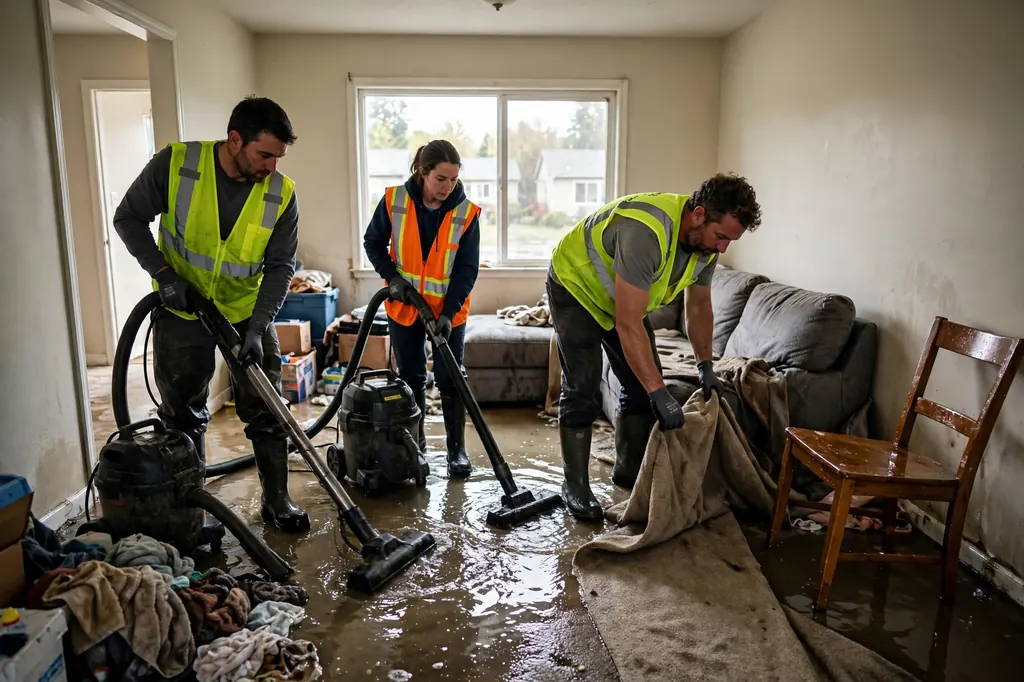
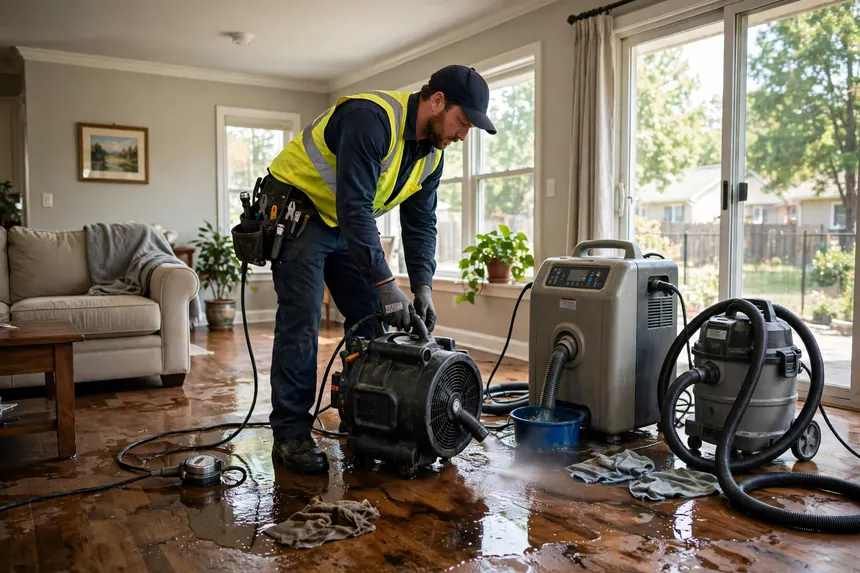
Emergency Water Damage Repair in Meridian Road Corridor

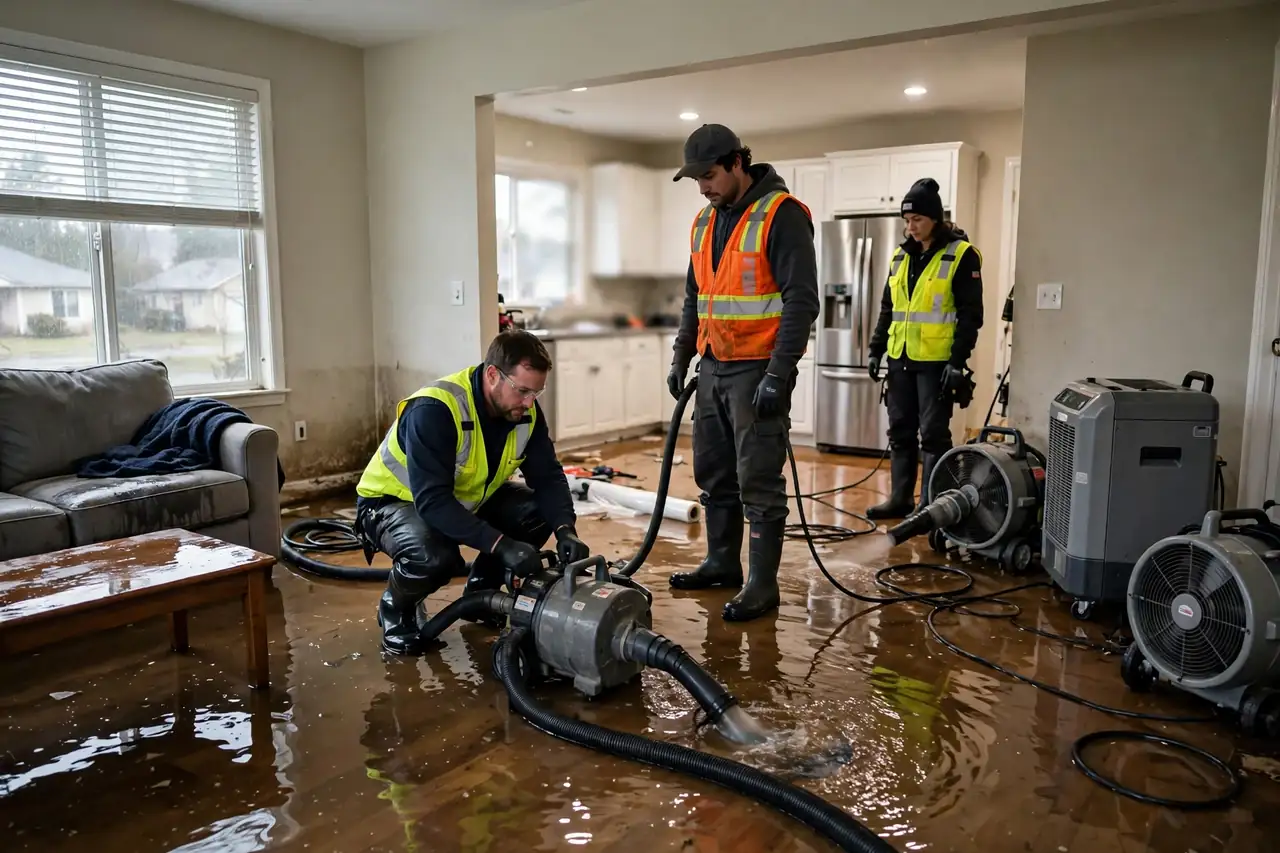
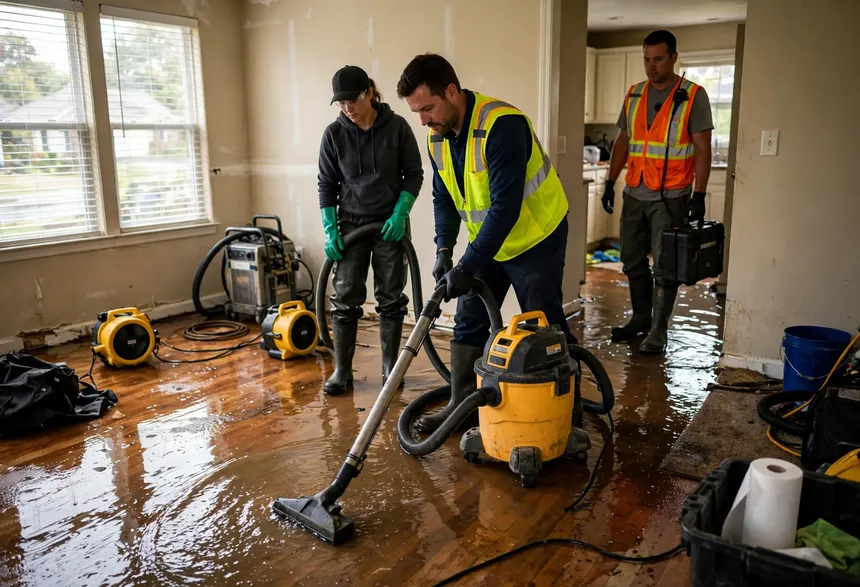
When a pipe bursts or stormwater enters your property, emergency water damage repair in Meridian Road Corridor starts with stopping the water and protecting what can be saved. We serve the busy commuter corridor, from Meridian Road North to Meridian Road South, including homes and commercial spaces near the Kuna Meridian border. Our crew maps wet materials, removes standing water, and sets a drying plan for your property in Kuna, Idaho.

emergency water damage repair in Meridian Road Corridor

Serving Meridian Road Corridor

  • Readings RecordedMoisture checks guide drying decisions
  • Work Area ProtectedContents moved away from wet surfaces
  • Steps ExplainedYou hear what happens next
  • Equipment CheckedAirflow placement reviewed during work

Emergency water damage repair in Meridian Road Corridor

The Meridian Road Corridor follows SH-69, the busy commuter artery between Kuna and Meridian, and the properties along it take the weather head-on: wind-driven rain that finds a roof defect, stormwater that runs off the road and hard surfaces toward lower rooms and crawl spaces, and supply leaks that spread beneath hard flooring before anyone sees them.

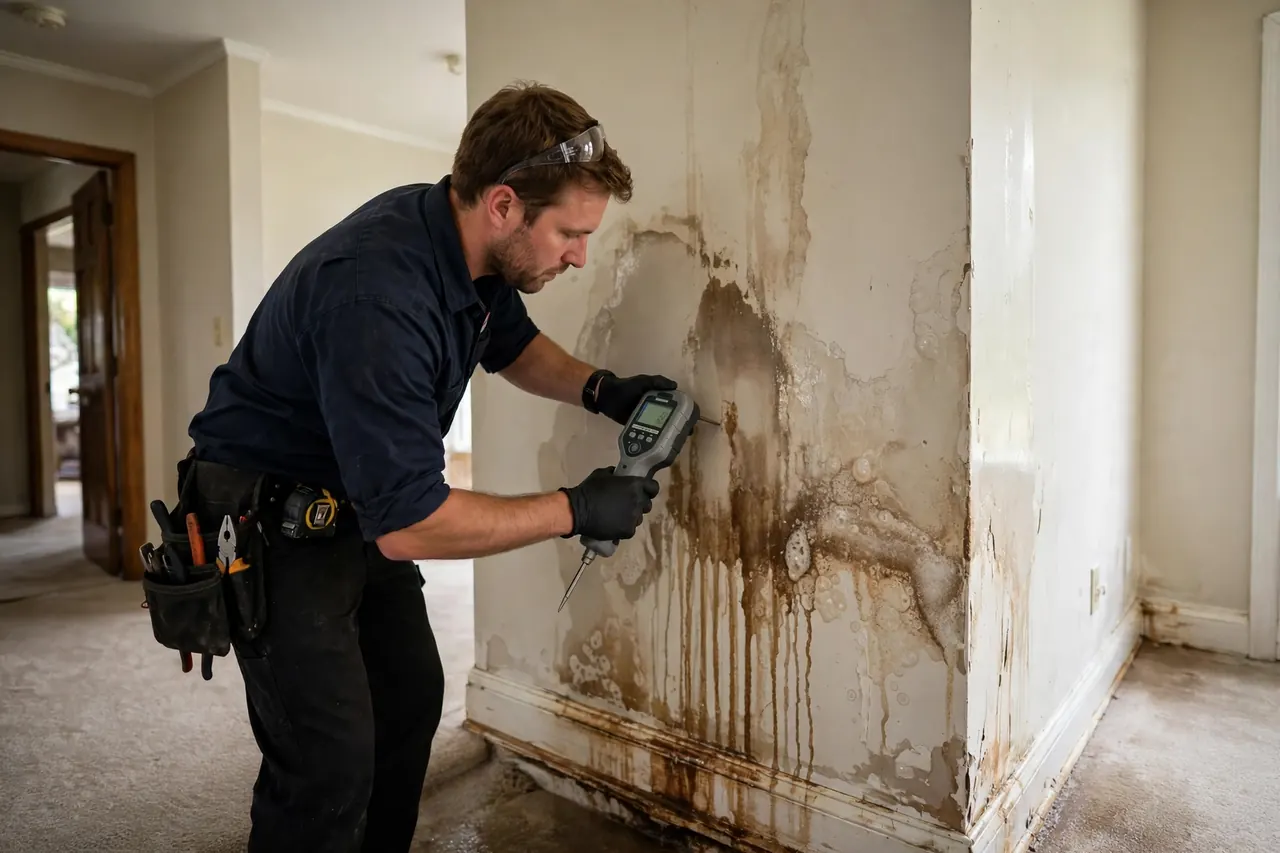
We start with the storm path and the supply in the same visit — where the water entered, whether it is still entering, and how far it travelled under the hard floor. Readings at the thresholds, the wall bases, and the crawl space set the drying plan, because storm water is treated as potentially contaminated and the handling differs from a clean supply-line leak.

SH-69, Meridian Road, is Kuna's main north-south artery and the route to Meridian and Interstate 84, about eight miles north of town. The corridor's homes sit along the road that carries the whole city's commute, and the same road carries stormwater off its hard surfaces toward the properties beside it.

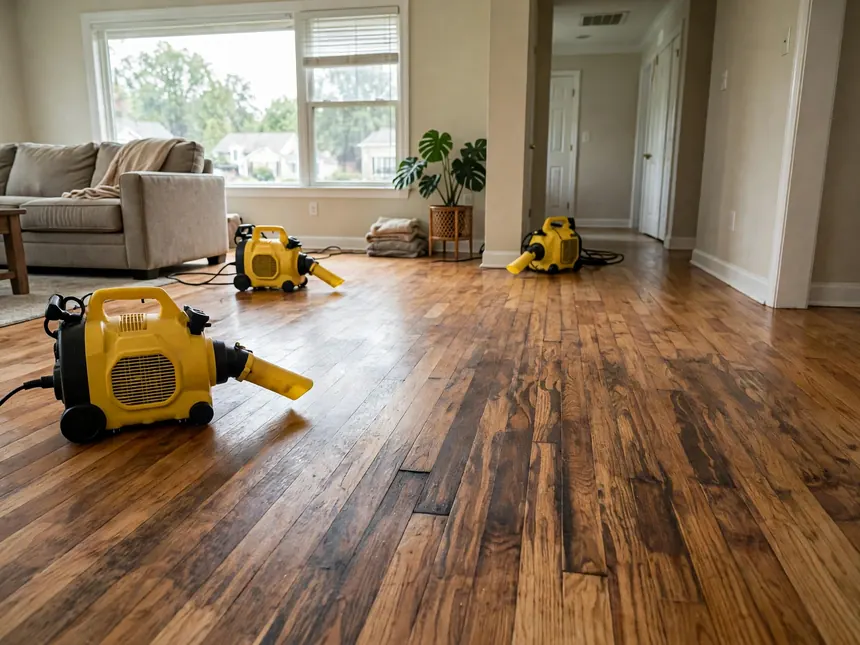
Emergency Water Damage Services in Meridian Road Corridor

In Meridian Road Corridor, a small supply-line leak can wet a kitchen floor, while a failed sump pump can leave standing water in a lower level. We identify the water source, extract what is accessible, and check adjacent rooms before setting drying equipment. If you are searching for emergency water damage repair in Meridian Road Corridor ID near me, call with your address, water type, and whether power is safe to use. We serve residential and commercial properties across the corridor and tailor the work area to how your building is occupied.

How Corridor Water Restoration Works

Emergency Restoration in Meridian Road Corridor

Emergency Restoration in Meridian Road Corridor

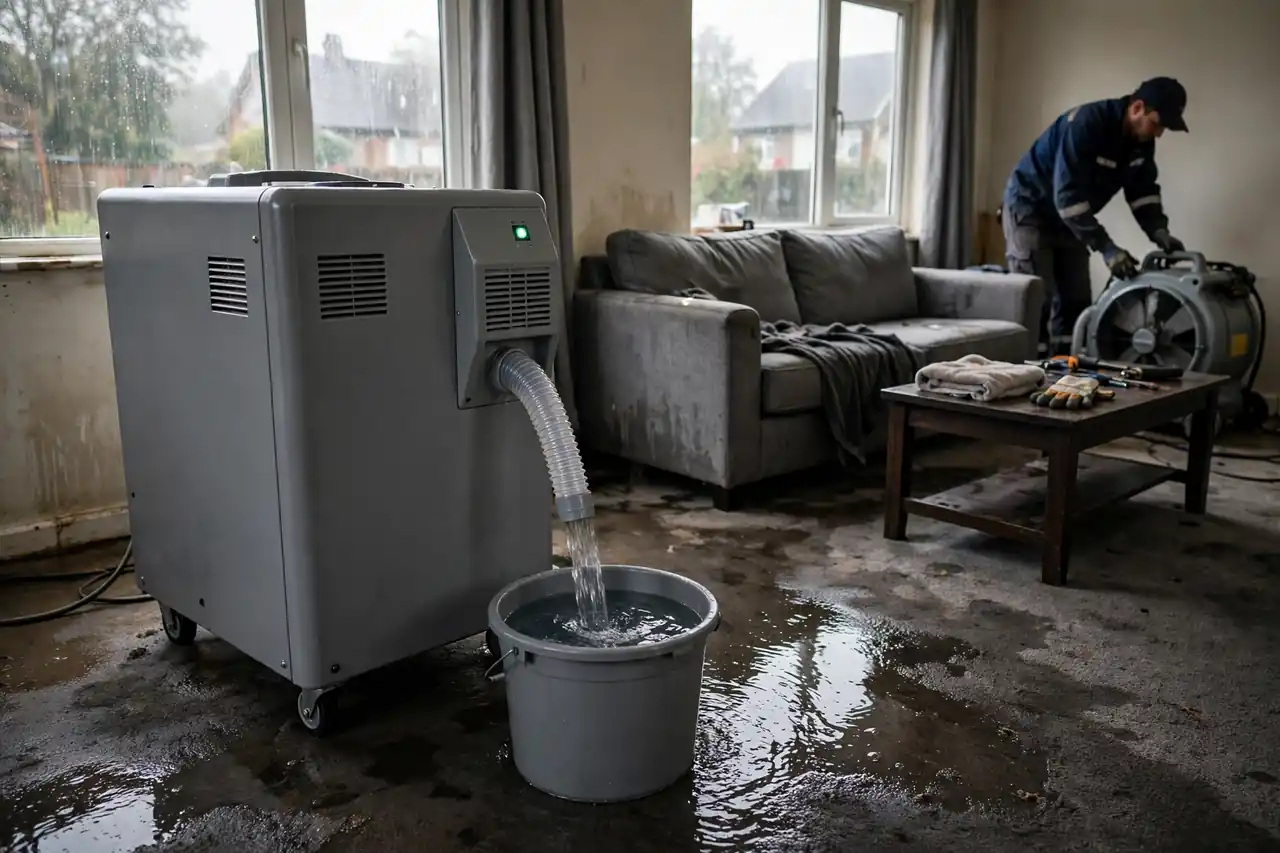
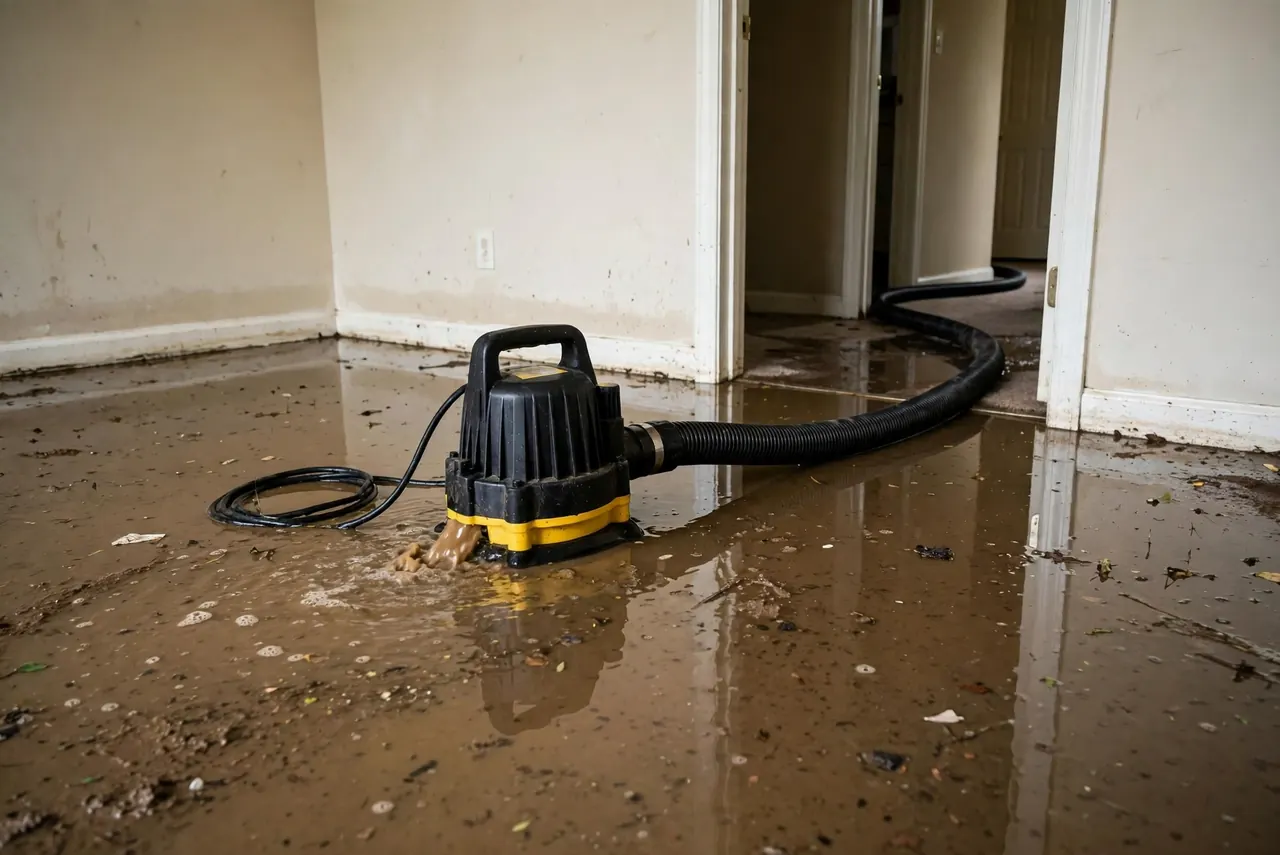
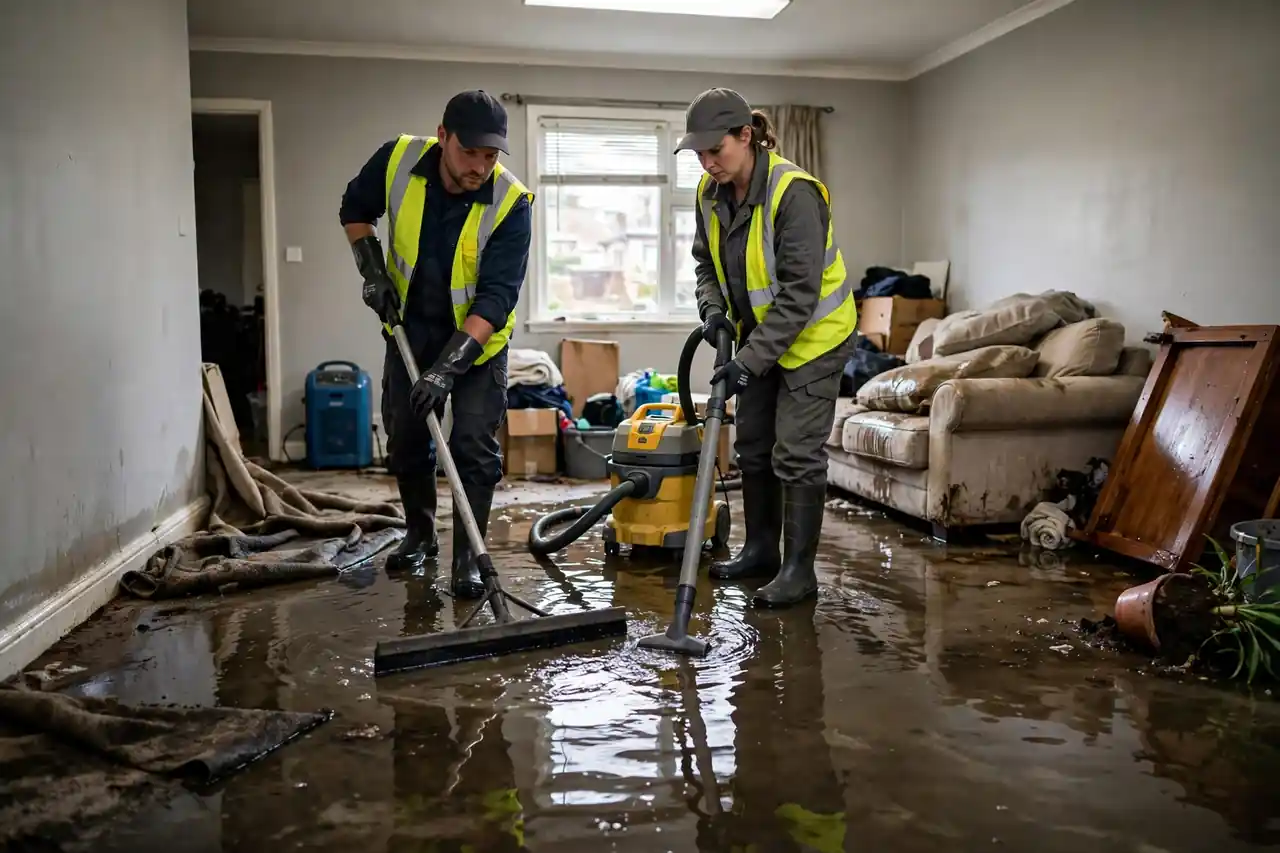
We identify the water source and protect the route through your Meridian Road Corridor property before extracting standing water. Our crew checks nearby rooms and flooring edges, then records moisture readings to set the drying plan. We explain the affected materials and next inspection point before equipment is placed.

  • Source and safety check
  • Room-by-room moisture map
  • Clear equipment access
For Corridor Homes

For Corridor Homes

Homes along Meridian Road may have finished living areas, utility rooms, and attached garages with different drying needs. We check the affected room and neighboring surfaces before choosing equipment or repair steps.

  • Finished lower levels
  • Kitchen and laundry leaks
  • Hardwood and carpet floors
  • Crawl space water entry
For Corridor Businesses

For Corridor Businesses

Meridian Road Corridor businesses need a safe route for staff and customers while water is removed. We coordinate equipment placement around entrances, shared parking, and the specific affected work area.

  • Customer-facing storefronts
  • Small commercial units
  • Shared-entry properties
  • Stock and document areas

Common Water Damage Problems Along Meridian Road

Along Meridian Road, wind, road runoff, and hard floors set the risks, so these four lead: frozen pipes, stormwater in lower rooms, roof leaks after wind-driven rain, and supply leaks under hard flooring.

  • Storm Water Crosses Thresholds and Soaks Ground Floors

    Storm Water Crosses Thresholds and Soaks Ground Floors

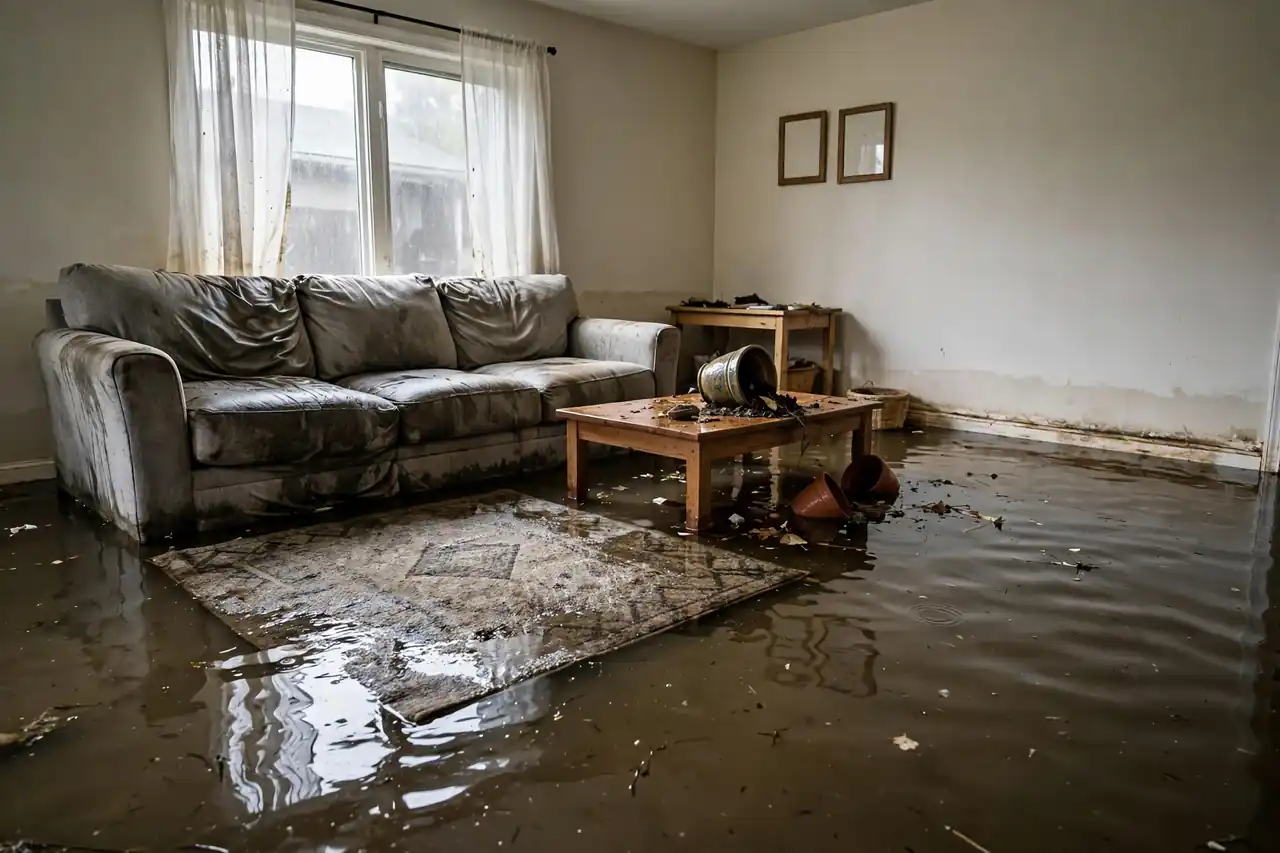
    Wind-driven rain and sudden downpours in Meridian Road Corridor can drive water through thresholds and low openings that never leak in ordinary rain. We clear a safe path, extract the standing water, and map the wet area with a meter, because storm water often runs further under flooring than it looks. The drying setup follows the readings, and we note the entry point and the drainage around it so the homeowner knows what to watch at the next storm.

  • Sewage Backup Needs Controlled Handling

    Sewage Backup Needs Controlled Handling

    A drain backup brings contaminated water into a home, and it cannot be treated like a clean leak: the area needs containment, protective handling, and removal of affected porous materials. In Meridian Road Corridor, the first steps are to stop using water in the home, keep people and pets clear, and call for extraction with the right precautions. We document what was affected, remove what cannot be safely cleaned, and dry the structure only after the contaminated material is out.

  • Ceiling Leaks Need the Source Found First

    Ceiling Leaks Need the Source Found First

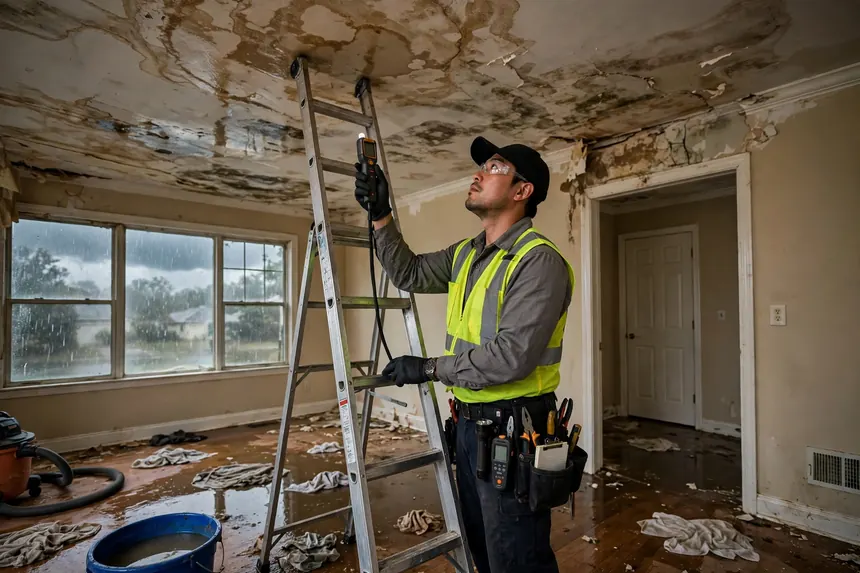
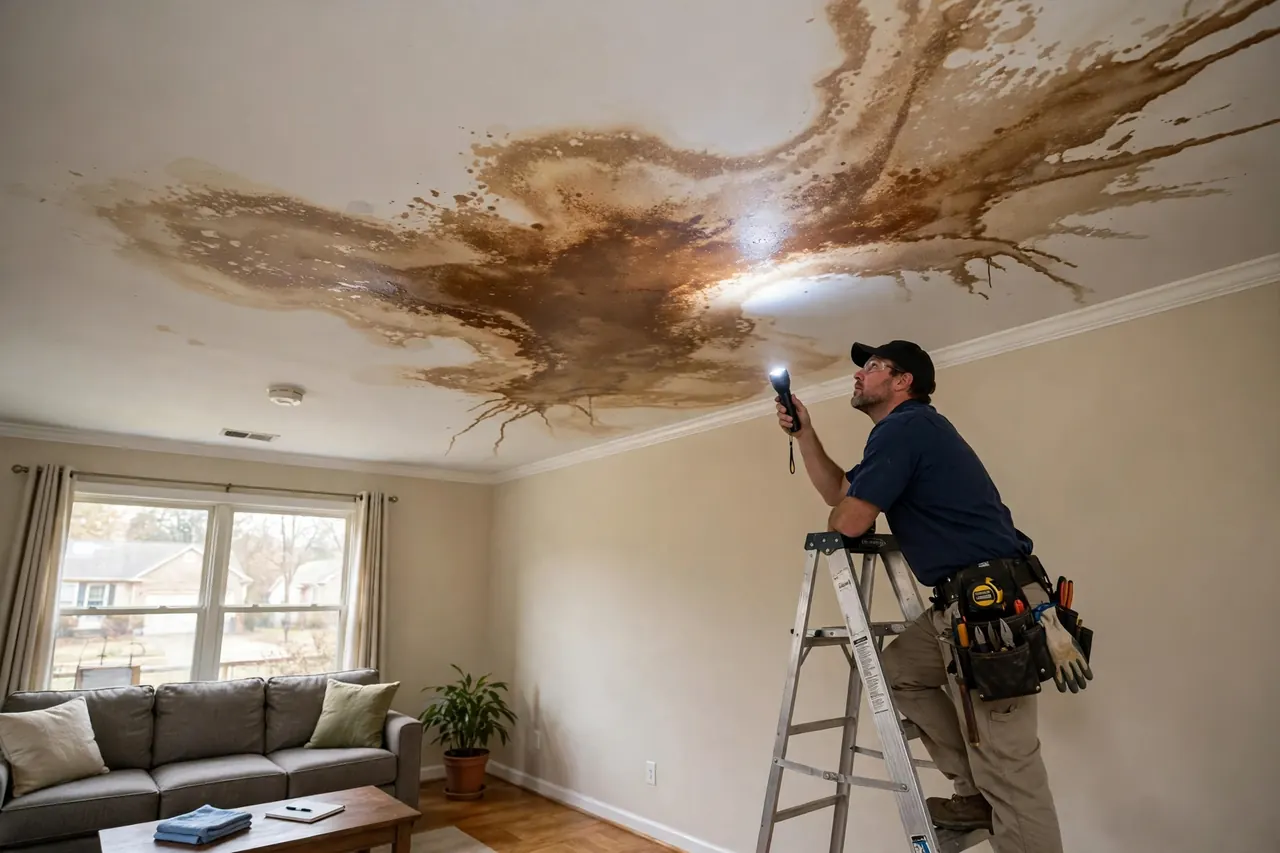
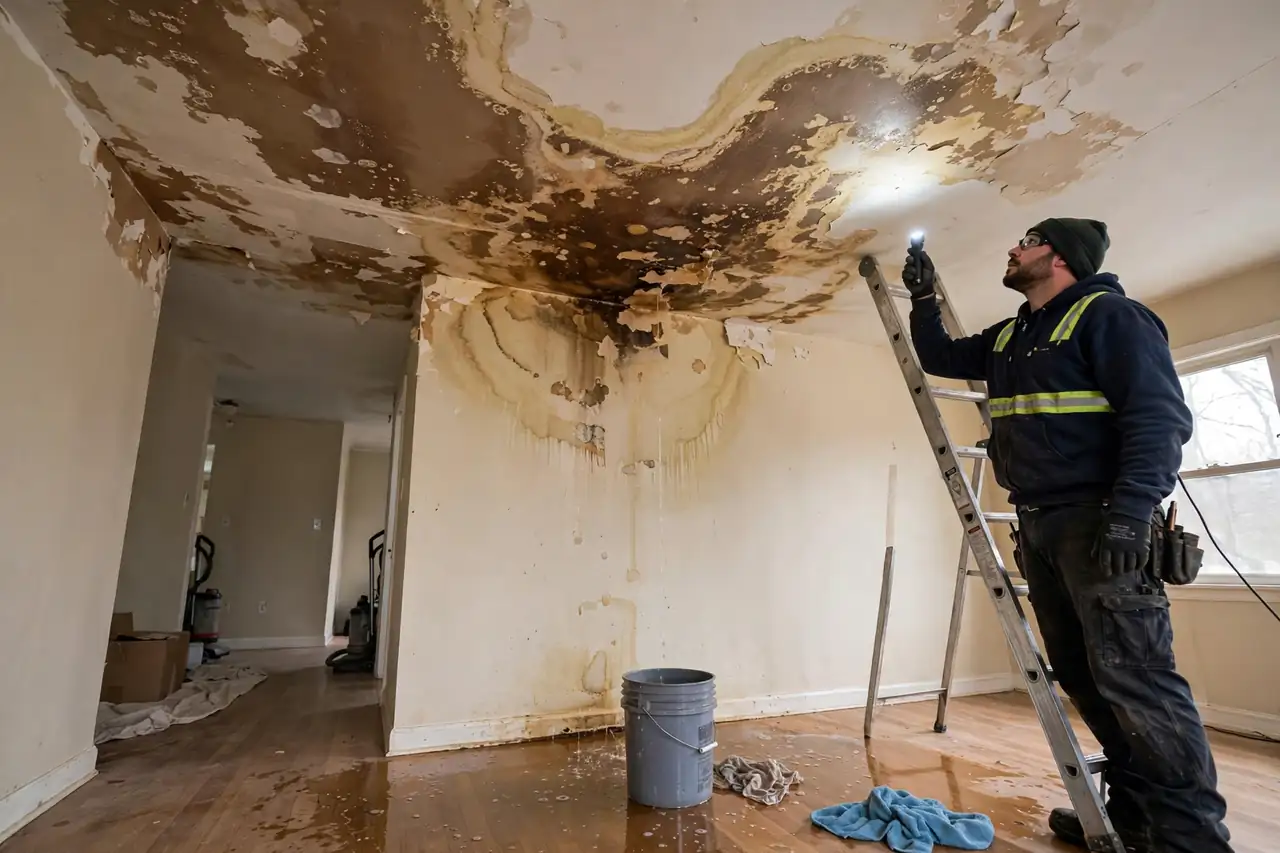
    A stained or dripping ceiling in Meridian Road Corridor is a symptom, not the problem: the water entered above and travelled before it showed. We inspect the ceiling and whatever sits above it, take readings across the stain and the surrounding drywall, and make sure the source is controlled before any drying starts. If the ceiling is sagging or the water is near a light fitting, we keep the area clear and deal with safety first, then plan the drying and the repair in that order.

  • Crawl Space Water and Dampness After Wet Weather

    Crawl Space Water and Dampness After Wet Weather

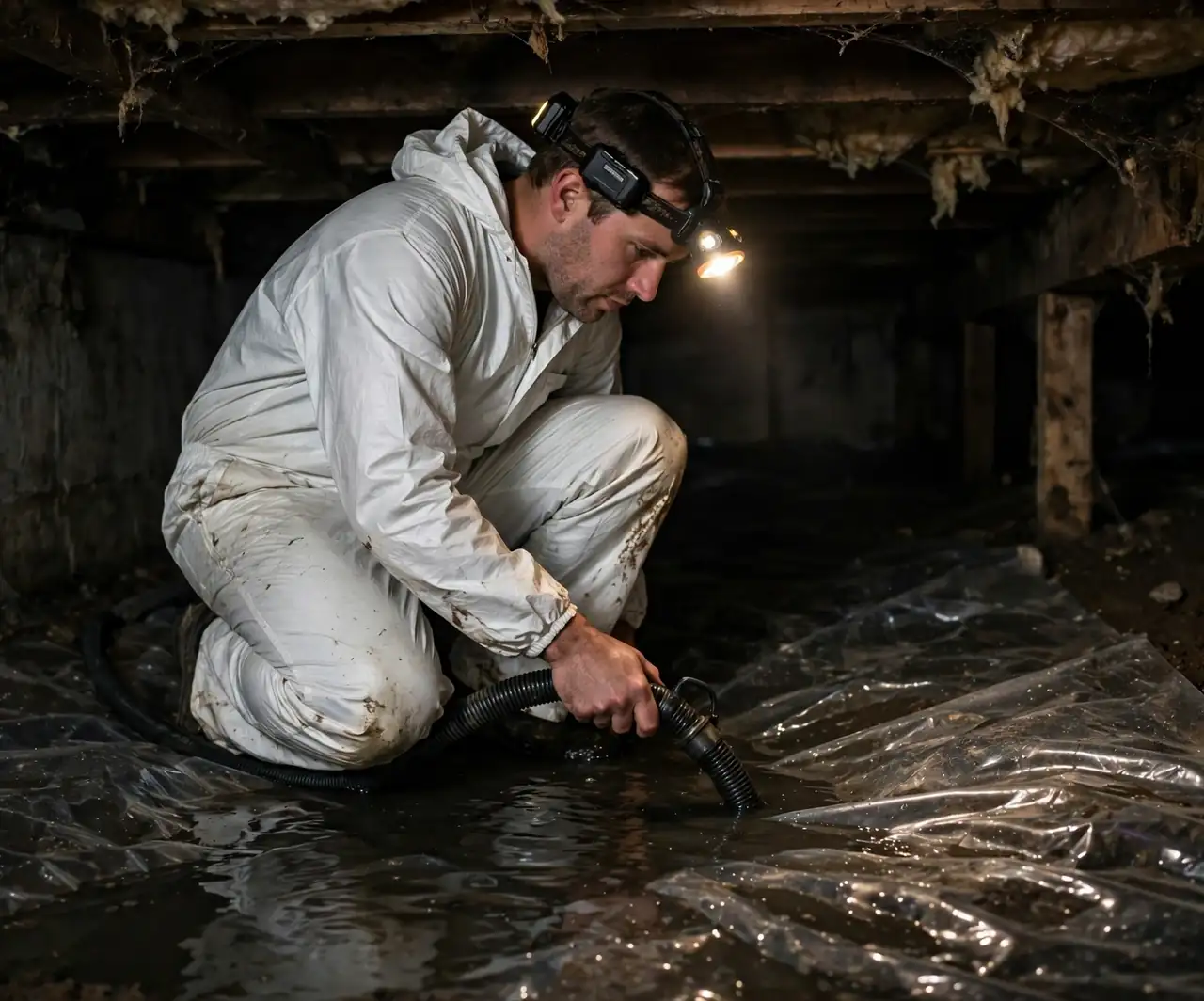
    Many Treasure Valley homes sit over a crawl space, and water can collect there from a plumbing leak, poor drainage, or runoff without ever showing inside a living room. In Meridian Road Corridor, the signs are a musty smell, damp floors, or moisture readings that stay high after a storm. We inspect safe access, remove standing water, and check the soil, joists, and insulation for wetness before setting drying, because a wet crawl space keeps feeding moisture into the rooms above it.

When to Call for Water Damage Repair

Call when water spreads, ceilings sag, floors soften, or a sump pump stops during water entry.

  • Water keeps spreading after shutoff

    Water appearing after you have closed a fixture or valve may signal a damaged line, hidden leak, or continuing backup. Shut off the nearest safe supply if you can, move people away from the wet area, and call for extraction. A few minutes of uncontrolled flow can push water beneath flooring and into lower wall materials.

  • Ceiling stain grows or begins to sag

    A spreading stain often means water is still reaching the ceiling cavity from a roof or plumbing source. A soft or sagging section can fail under added weight. Keep people and belongings clear, avoid puncturing the ceiling, and arrange an inspection that checks the space above and nearby wall surfaces.

  • Carpet feels wet beyond the spill

    Water can move through carpet into carpet padding and across a subfloor, even when the visible spill is small. Blotting the surface does not remove trapped moisture. Extraction and moisture checks help determine whether the pad can be dried or needs removal before odor or mold growth develops.

  • Musty odor follows a plumbing leak

    A persistent damp smell can mean moisture remains behind a baseboard, under flooring, or in insulation. The odor source should be located rather than covered with fragrance. We inspect the affected rooms, measure materials, and address the wet source before cleaning or air treatment.

  • Sump pump stops during water entry

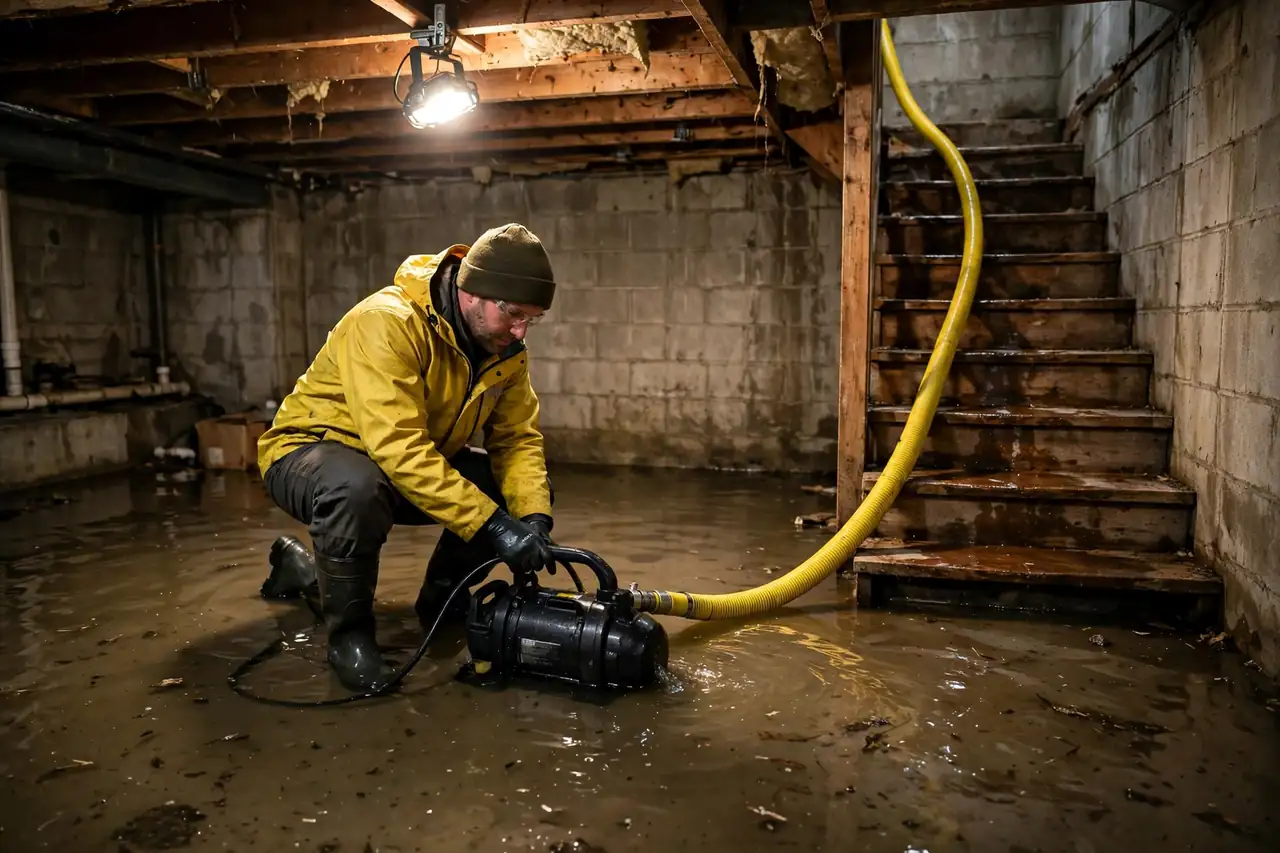
    A failed pump can allow water to collect rapidly in a basement or crawl space. Do not enter deep water if electrical equipment is present. Call for safe water removal and pump inspection; once the water is controlled, the floor perimeter and lower walls need moisture checks.

How Meridian Road Corridor Restoration Works

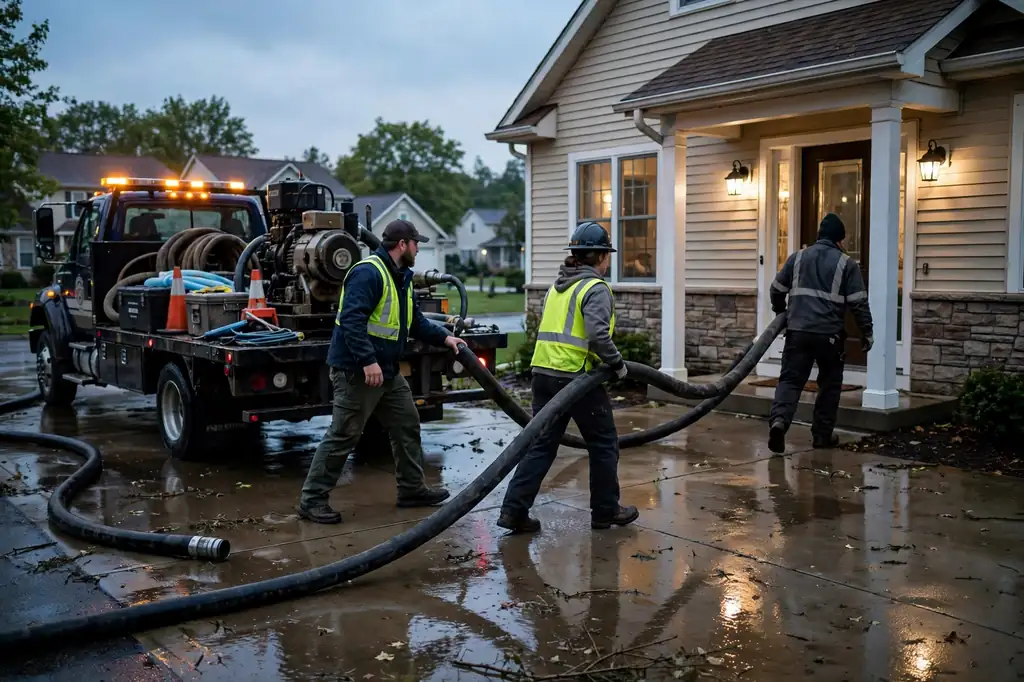
Meridian Road Corridor emergency water damage repair starts with safe access, a source check, and a room-by-room moisture map. The corridor's commuter traffic and commercial and residential mix can affect unloading, so we confirm the property entrance and keep hoses and cords out of walkways. After extraction, our crew checks drywall, baseboards, flooring edges, and adjacent rooms. For emergency water extraction near Meridian Road Corridor ID, we bring equipment sized to the standing water and floor area, then track drying readings rather than relying on a fixed run time. We follow ANSI/IICRC S500 principles for water restoration and use IICRC WRT-trained practices where applicable. Cold snaps can freeze exposed plumbing; wet-season stormwater runoff can test drainage around foundations. We explain what we find and document progress before moving from drying to repair. If sewage is involved, we isolate the area and use appropriate cleaning controls. Your technician will also note power hazards, access limits, and any materials that should not be disturbed until inspected.

  • Commuter traffic complicates safe equipment unloading near Meridian Road.

    A narrow or busy frontage can make it difficult to unload extraction equipment without obstructing customers, residents, or passing traffic. Delayed access also matters while water is actively spreading into nearby rooms. We confirm the correct entrance and practical unloading point before arrival. Our crew stages hoses and equipment within the property boundary where possible, keeps exits clear, and works in sequence so extraction starts without blocking normal access.

  • Stormwater runoff can collect beside foundations during wet weather.

    Water against a foundation can enter lower-level spaces or crawl areas, especially where grading or drainage is not carrying runoff away. The visible puddle may be smaller than the damp area behind stored items or along a wall edge. We remove accessible water, inspect the perimeter, and take moisture readings at lower walls and flooring. We identify whether the source appears to be runoff, a plumbing leak, or a failed sump system, then explain immediate drying and longer-term drainage options.

  • Cold snaps can freeze vulnerable plumbing in exposed locations.

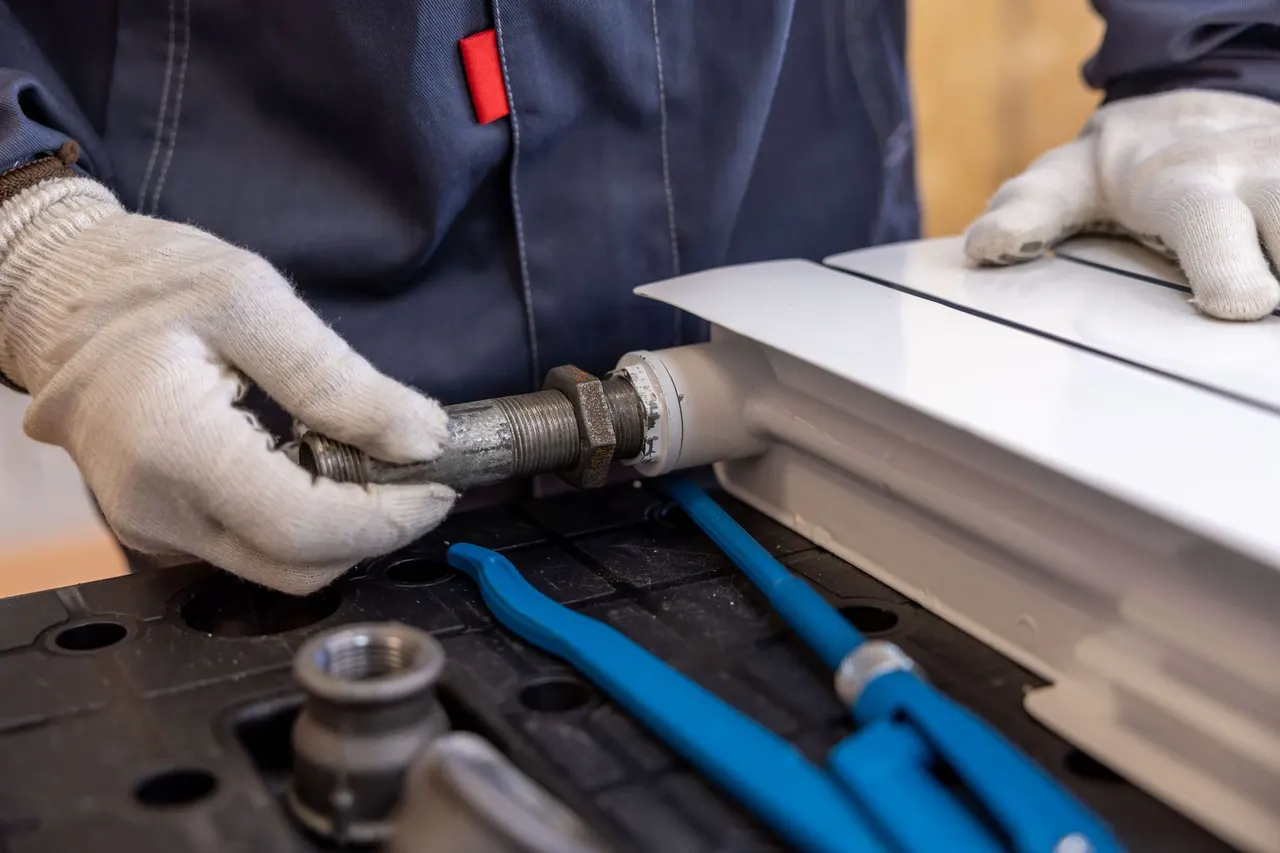
    A frozen pipe can split and release water after temperatures rise, wetting cabinets, insulation, drywall, or ceilings. Water may continue flowing until the supply is shut off, so the first priority is stopping the leak and protecting electrical safety. We help you identify the affected supply and coordinate water shutoff, then extract water and map damp materials. After the source is controlled, we check adjoining surfaces and set drying equipment. We do not conceal wet material behind a repair before readings support it.

  • ANSI/IICRC S500 Standard for Professional Water Damage Restoration

    ANSI/IICRC S500 provides recognized procedures for assessing water damage, extracting water, drying materials, and documenting the work. We use its principles to guide the restoration sequence and explain why equipment placement and repeated moisture checks matter.

  • Idaho contractor license and applicable local building requirements

    Restoration and reconstruction activities can involve different licensing and permit requirements. We keep emergency mitigation focused on water removal and drying, and coordinate repair work according to applicable Idaho contractor licensing and local building requirements.

Meridian Road Corridor Navigation

Meridian Road is the primary orientation route for locating properties in this service area. The Kuna Meridian border is another useful reference when an address falls close to the edge of the corridor. Because business entrances may sit behind a frontage or beside shared parking, tell us the suite, entrance, and nearest cross-street when calling. We use the street address for routing and do not rely on a landmark alone to identify a property.

  • Meridian Road

    Meridian Road is the central roadway named in this service area and provides a practical route reference. A full street address and nearest cross-street remain necessary to locate an individual home or business.

  • Kuna Meridian border

    The boundary is a useful orientation cue for callers describing properties near the edge of the corridor. Providing the exact address prevents confusion between nearby routes and helps the crew reach the correct entrance.

  • Meridian Road North

    Meridian Road North is a location label used to distinguish the northern portion of this corridor. Pairing it with a street number or business entrance gives a more precise destination for navigation.

  • Meridian Road business frontage

    The corridor includes commercial properties alongside residential uses. Storefronts and service spaces can have customer entrances, shared parking, or separate delivery access, so the exact site entrance is useful for navigation.

  • Meridian Road South commercial-residential stretch

    This portion reflects the stated commercial and residential mix of the corridor. Property types and access arrangements vary by address; a suite number or on-site contact helps identify the right entry.

  • Meridian Road

    Meridian Road is the main route reference for reaching the corridor. We use the customer's complete address and cross-street to plan the final approach and avoid relying on a general area label.

  • Kuna Meridian border

    The border is an orientation reference rather than a transportation station. Callers near it should provide the exact street address so the crew reaches the correct side and property entrance.

Meridian Road Corridor Areas We Serve

Our coverage follows the Meridian Road Corridor through Meridian Road North and Meridian Road South, including residential streets and nearby business properties. Because addresses can sit close to the Kuna Meridian border, giving us the building name, entrance, and nearest cross-street helps us locate you accurately. The ZIP code 83634 is part of this service area; we confirm the exact address when you call.

  • Meridian Road North
  • Meridian Road South
  • Kuna Meridian border
  • Meridian Road business frontage

Meridian Road Corridor Job Examples

  • Meridian Road North

    Before

    A supply line leaked overnight in a Meridian Road North home, soaking kitchen flooring and wetting the lower edge of adjacent drywall.

    After

    We helped stop the water, extracted the pooled water, and checked the kitchen and adjoining room for moisture migration. We used direct readings to mark the affected flooring and wall area, then placed drying equipment to move air across the wet surfaces while keeping the route through the home clear. The example work plan began with extraction and a documented moisture map, followed by daily readings until materials met the selected drying targets. The repair boundary was based on measured conditions, not the visible stain alone.

  • Meridian Road South

    Before

    Stormwater entered a lower-level utility room near Meridian Road South after runoff collected beside the foundation during wet weather.

    After

    We removed standing water, checked the lower wall and floor perimeter, and inspected the sump equipment. After identifying the affected materials, we used controlled drying and documented readings. We also explained drainage observations separately from the immediate cleanup so the owner could distinguish mitigation from future prevention work. The illustrative response separated water removal from drainage recommendations, recorded readings in three affected zones, and checked the utility room again during drying before closing the mitigation phase.

  • Kuna Meridian border

    Before

    A small commercial unit near the Kuna Meridian border developed ceiling water stains after a roof leak during a storm.

    After

    We protected the area below the stain, traced the wet path, and extracted water from affected materials where accessible. We documented the ceiling and nearby wall conditions, then arranged drying while maintaining a clear customer route. The source was addressed before finish repairs were planned. The work sequence contained the affected area, tracked moisture in two adjoining surfaces, and kept the entrance route usable during scheduled drying checks. Repair planning followed source control and recorded conditions.

Seasonal Water Damage Risks in Meridian Road Corridor

  • Spring

    Spring is when hidden winter damage surfaces: a pipe that wept slowly in the cold finally shows as a stain, and the first rains find the roof and gutter weak points. Look at ceilings after each storm, check the ground where downspouts discharge, and test sprinkler zones one at a time as irrigation comes back on, so a broken head is caught before it soaks a threshold.

  • Summer

    Summer irrigation is the main water risk in the Treasure Valley: pressurised lines run for months, and one failed valve can wet a foundation edge for hours. Inspect heads and valves when the system cycles, keep spray off the house, and check the rooms beside the irrigation zones for damp baseboards. Heat hides slow leaks by drying the surface, so a recurring damp spot needs measuring, not waiting.

  • Fall

    Fall is short and the freeze comes quickly, so use it to prepare: clear leaves from gutters and drains, check flashing and valleys, and drain the sprinkler system before the first hard night. Find the water shut-off and make sure everyone in the house knows where it is. A pipe that bursts in January usually had a warning in October, and fall is when that warning is cheapest to act on.

  • Winter

    Winter nights in the Treasure Valley drop well below freezing, and the pipes most at risk are the ones in garages, crawl spaces, and exterior walls. Keep heat on in unused rooms, let vulnerable taps drip during a hard freeze, and open cabinet doors where pipes run through exterior walls. If a pipe does split, shut the water off first, then call: the water spreads further in the minutes before the supply stops than in the hours after.

Questions to Ask a Water Damage Contractor

A good Meridian Road Corridor restoration contractor should explain what is wet, what equipment will do, and how progress will be measured. Ask about the water source, material removal, safety controls, and documentation before work begins. A clear answer should name the affected rooms and the next check, not rely on a general promise. If your building is occupied, ask how the crew will keep exits, customer paths, and essential rooms usable during extraction and drying.

  • How will you find water behind the wall or under the floor?

    The answer should describe inspection and moisture measurement, not just a visual walk-through. Ask whether the technician will check adjacent rooms and flooring edges. A clear map helps prevent both missed wet material and unnecessary demolition.

  • What equipment will you use, and where will it go?

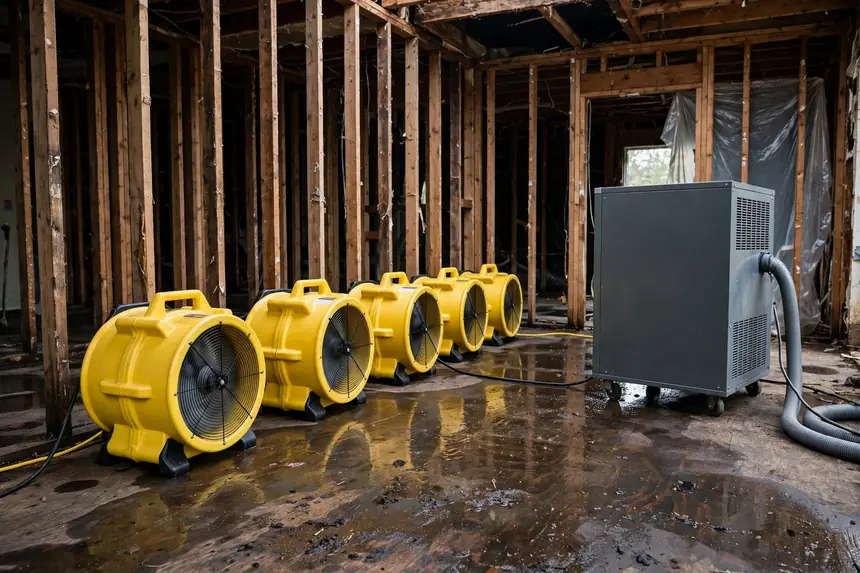
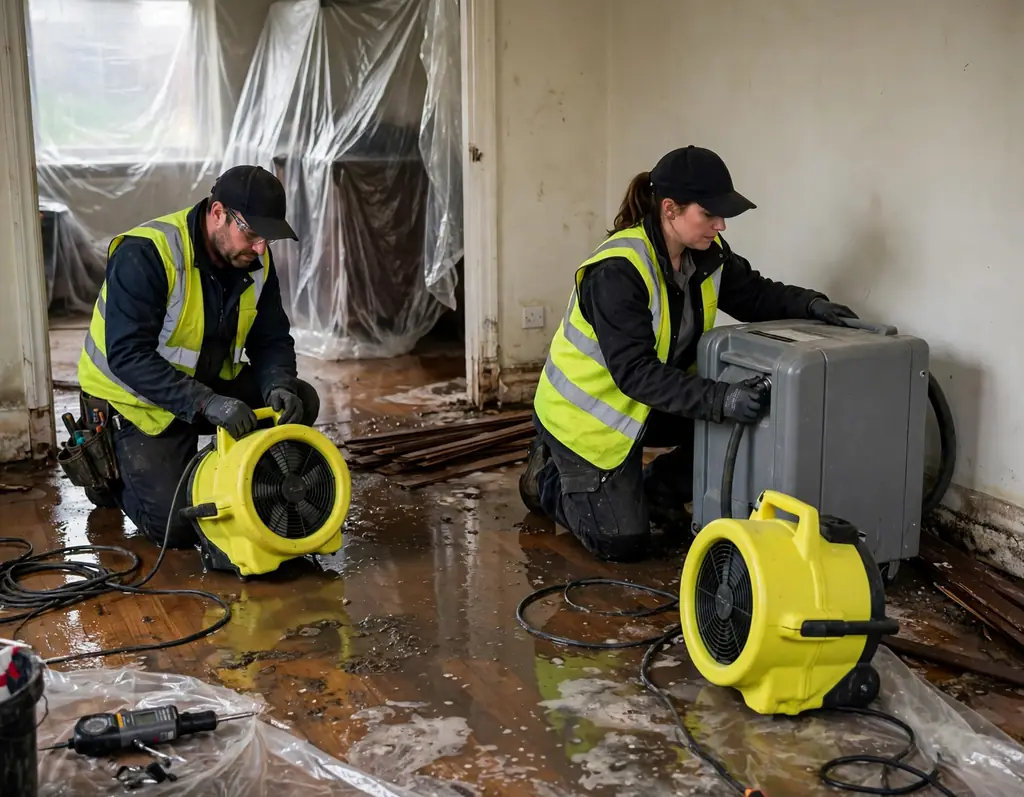
    The contractor should connect equipment to the affected materials and room layout. Air movers and dehumidifiers need appropriate placement and clear walking routes. You should understand what will run, what it treats, and when readings will be checked again.

  • How do you handle sewage or stormwater contamination?

    Contaminated water requires different work-area controls and cleaning steps from a clean supply leak. A direct answer should cover isolation, removal of affected porous materials when needed, and appropriate antimicrobial cleaning rather than treating every loss alike.

  • What readings will you document during drying?

    Recorded moisture readings provide a way to track whether materials are drying over time. Ask which surfaces will be checked and how often progress is reviewed. That detail helps you understand why equipment remains in place or when the drying phase is complete.

  • Can you work around our customers or household schedule?

    Meridian Road Corridor includes occupied homes and businesses, so access matters. A capable crew should discuss entry, unloading, safe cords and hoses, and how it will keep a usable path. That plan reduces disruption without skipping necessary extraction or inspection.

FAQs About emergency water damage repair in Meridian Road Corridor

Still wondering? (833) 546-4116

Local service team

Call for emergency water damage repair in Meridian Road Corridor

If water is spreading through your Meridian Road Corridor property, call Kuna water damage restoration at (833) 546-4116. Tell us what failed, which rooms are wet, and whether the water is clean or contaminated. We will help you take the next safe step, arrange an assessment, and explain extraction and drying. Our local service covers Meridian Road North, Meridian Road South, and nearby properties in Ada County.

Contact the Kuna Team

Call (833) 546-4116 when water reaches your home or business in Kuna, Idaho. Tell us whether the source is still active, which rooms are affected, and when the damage began; that helps direct the next steps. Calls are accepted at any hour for emergency inquiries, and service coverage includes Kuna, ID, with ZIP codes 83634 and 83642.

Thanks. Your request is in and the team will follow up shortly.