Emergency Water Damage Repair in Meadow View, Idaho

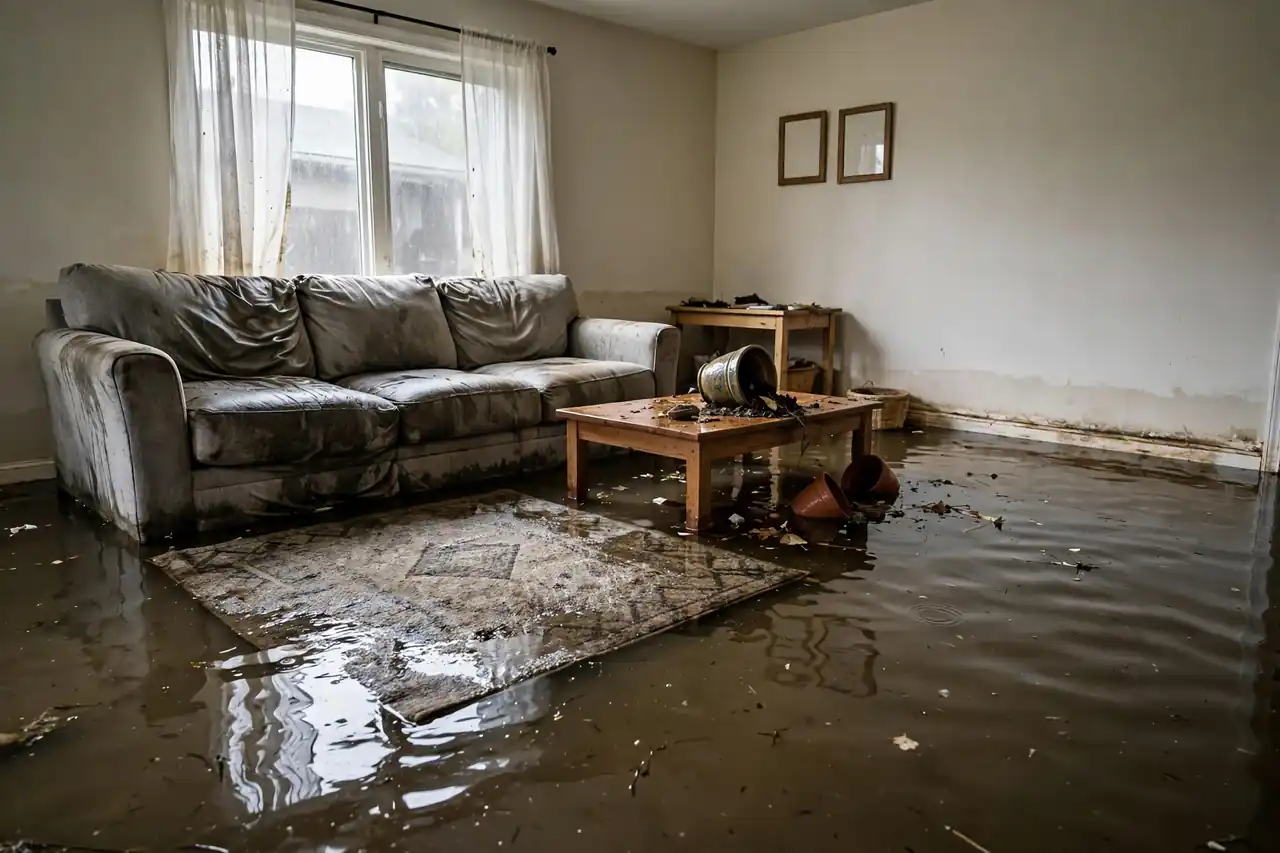
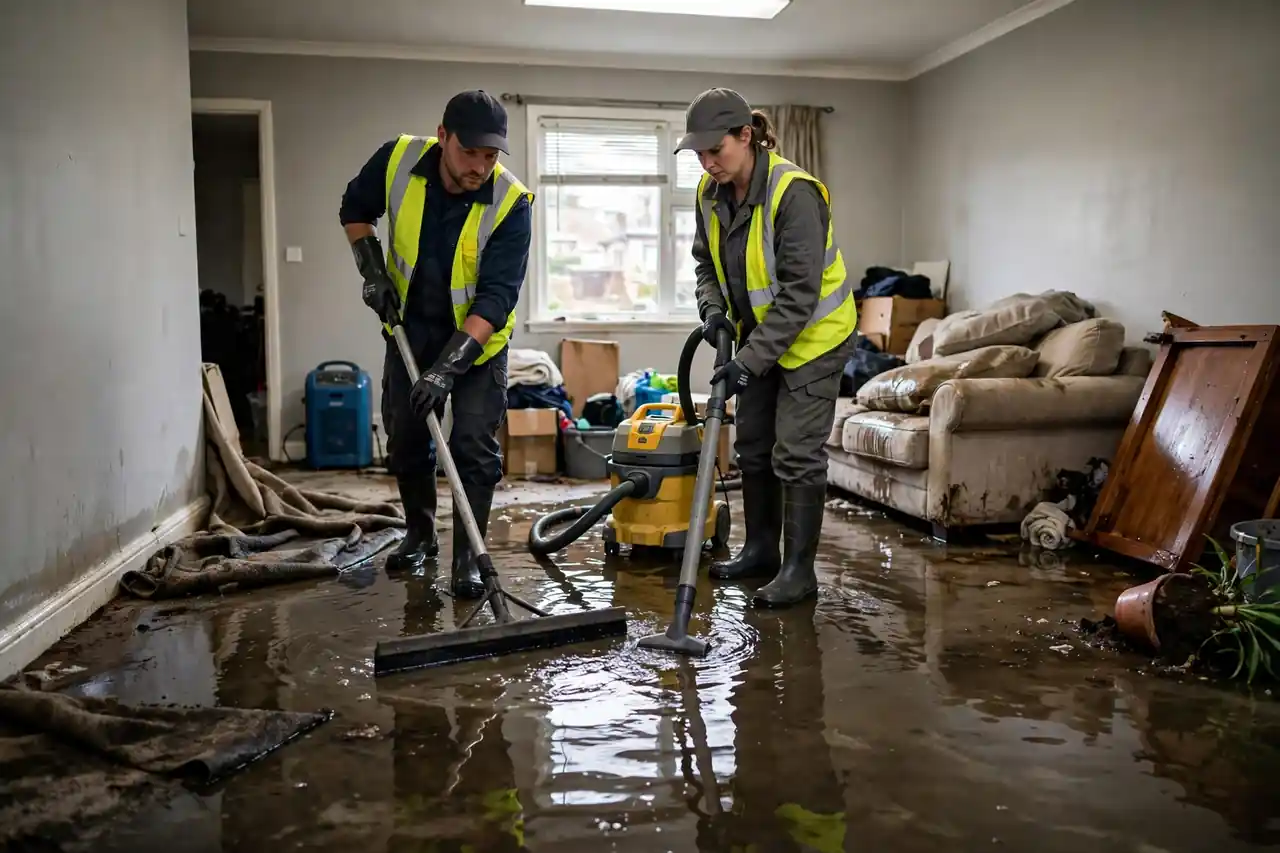
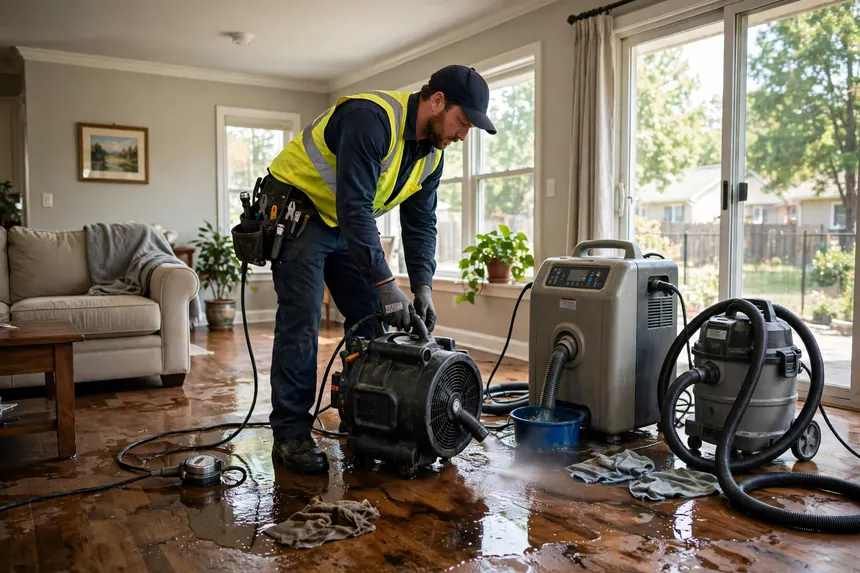
When a pipe breaks or water pushes across a floor, emergency water damage repair in Meadow View starts with stopping the source and removing standing water. Kuna water damage restoration serves Meadow View North and Meadow View South, including homes in ZIP code 83634. Our crew maps wet materials, protects unaffected rooms, and sets drying equipment based on measured moisture, not guesswork. Call us to describe what happened and where water has spread.

emergency water damage repair in Meadow View

Serving Meadow View and Kuna

  • Readings RecordedMoisture checks guide drying decisions
  • Work Area ProtectedContents moved away from wet surfaces
  • Steps ExplainedYou hear what happens next
  • Equipment CheckedAirflow placement reviewed during work

Emergency water damage repair in Meadow View homes

Meadow View is a family subdivision where the water calls come from every direction at once: a pipe that splits on a cold night, a roof leak that hides moisture in ceiling insulation, a sump that fails after a drainage problem, and an appliance leak that spreads beneath cabinets and carpet. The common thread is that each one hides in a finished home until the damage is already wide.

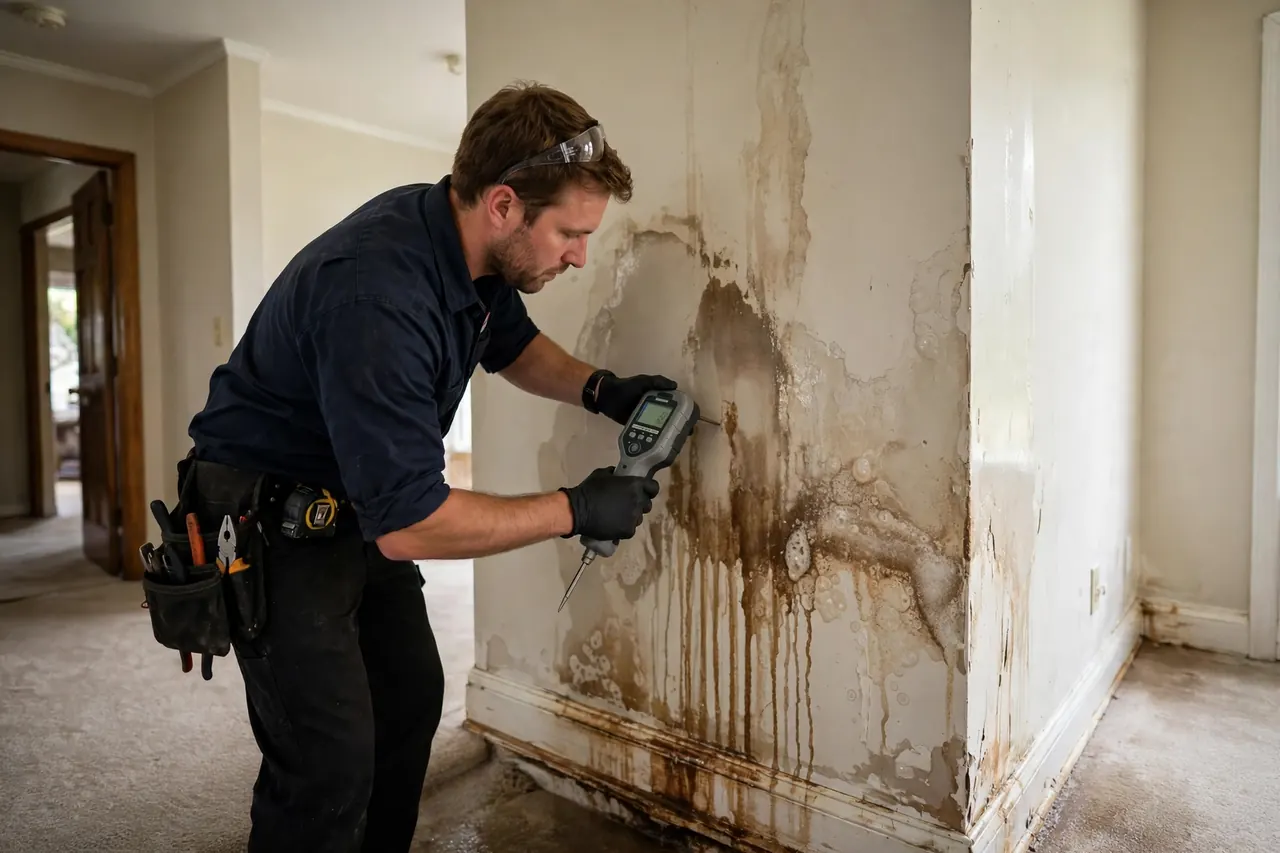
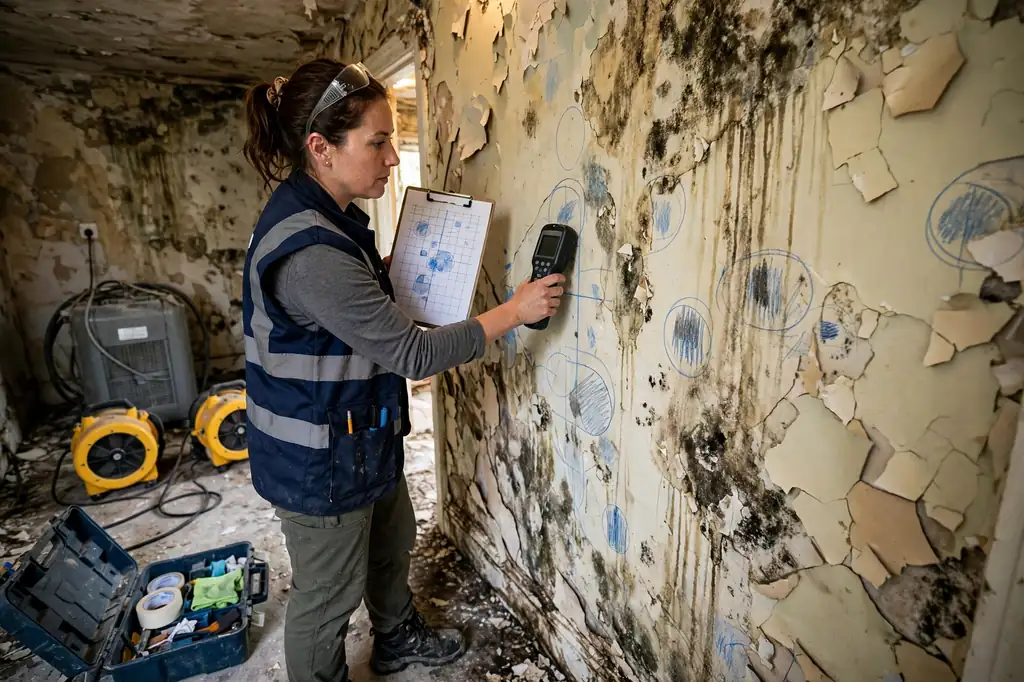
We check the rooms beside the wet one as well as the wet one itself, because water in a finished home follows flooring and framing before it shows. Readings at floor edges, wall bases, and behind the appliance set the drying plan, and we re-check before any repair, so a patch does not seal in a damp cavity.

Kuna's subdivisions are young and family-heavy, and most homes have three or four bedrooms with finished ground floors. In Meadow View, that means a single leak can cross a hallway and two rooms before it is noticed, which is why the first check is always the route, not just the puddle.
Water damage services for Meadow View

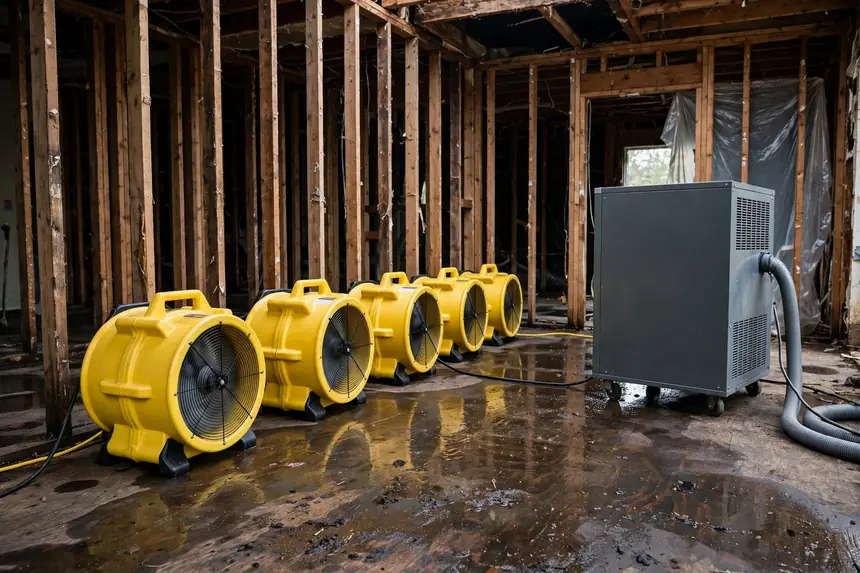
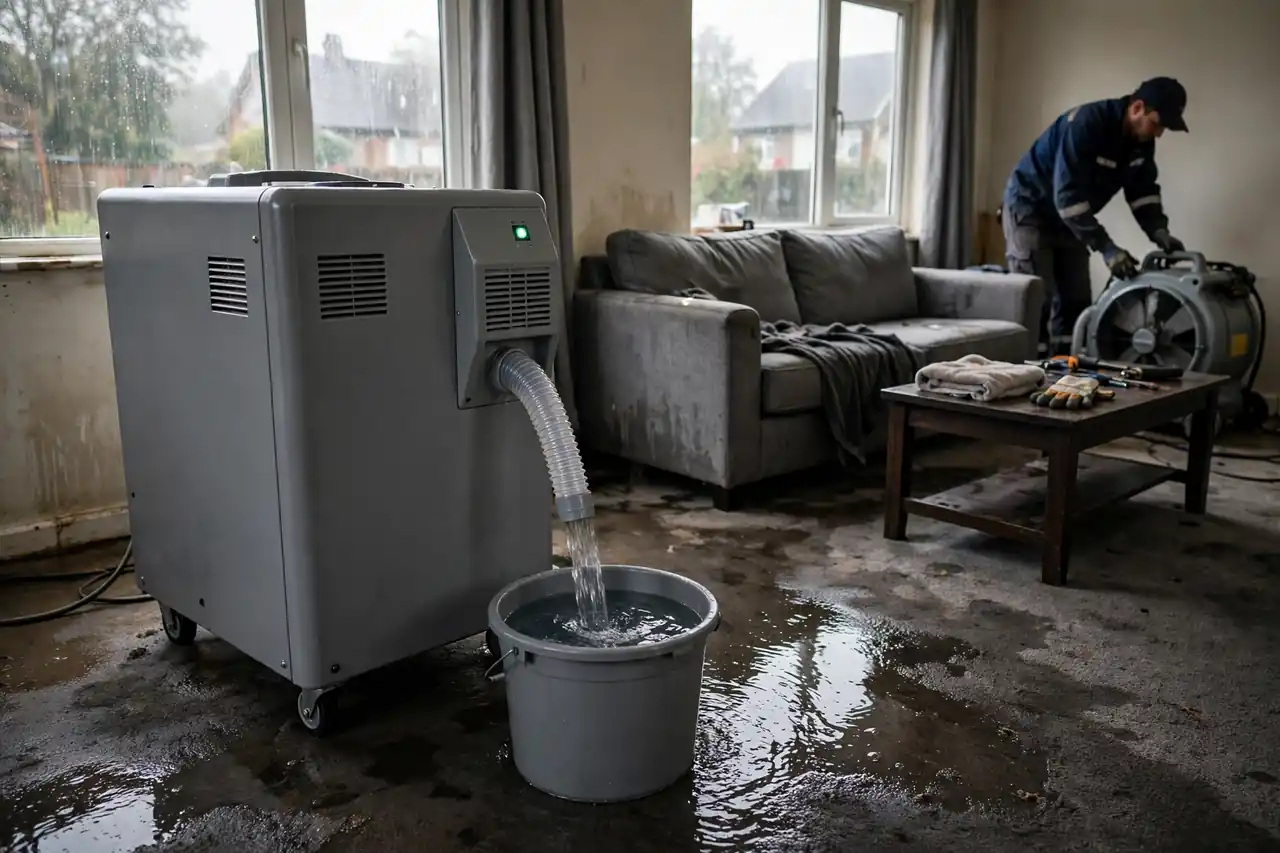
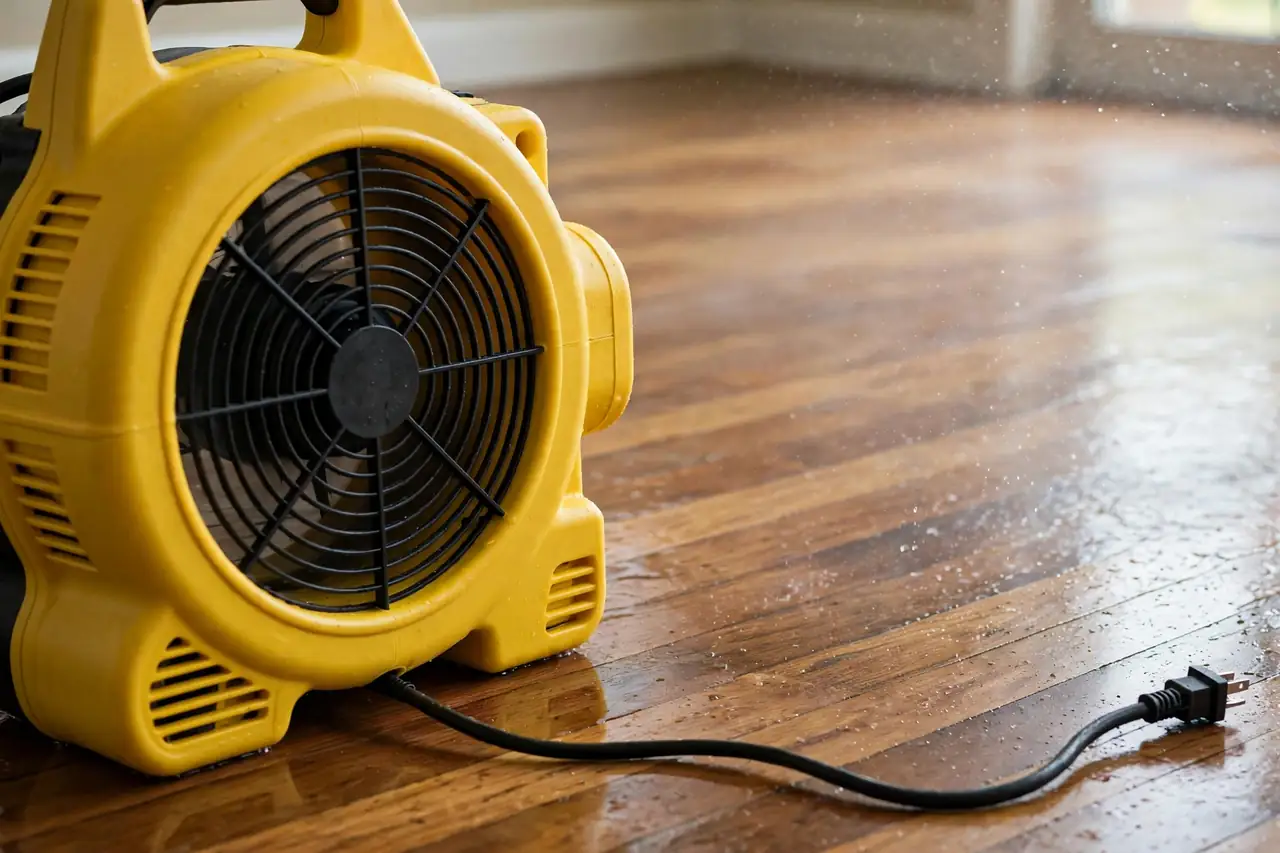
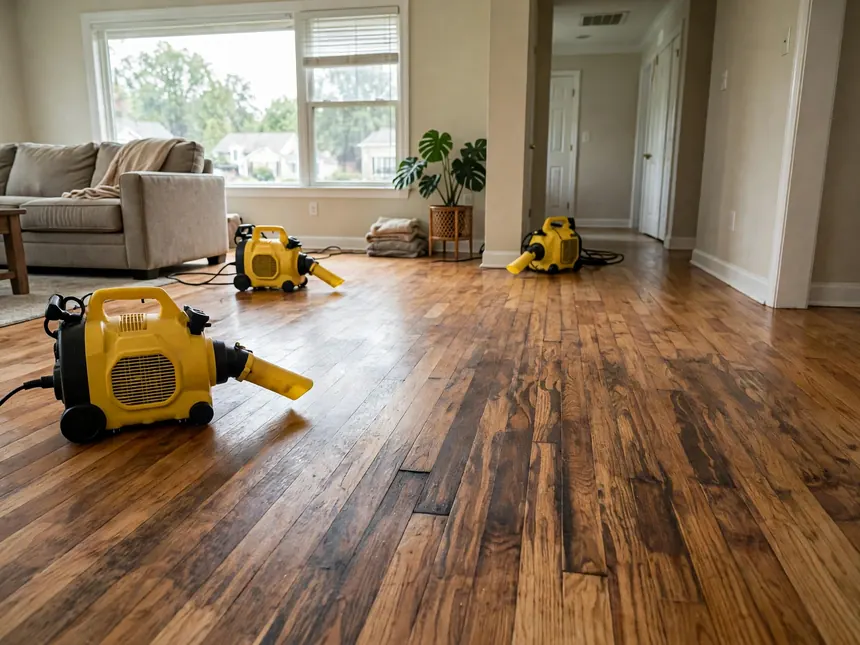
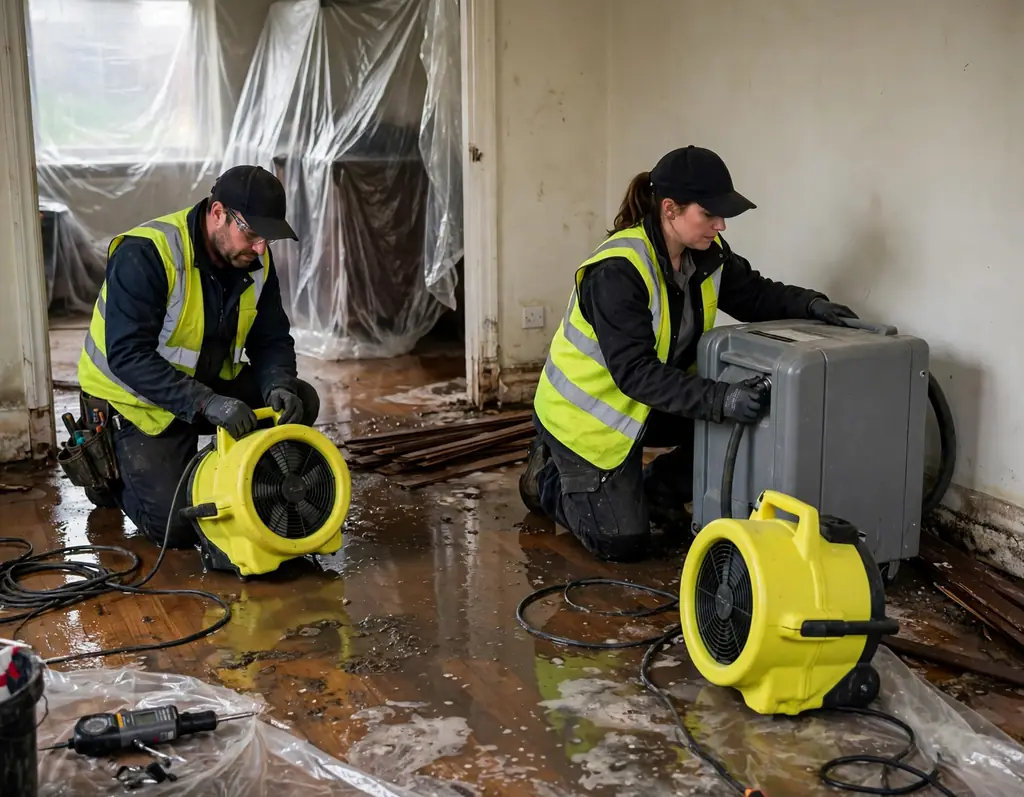
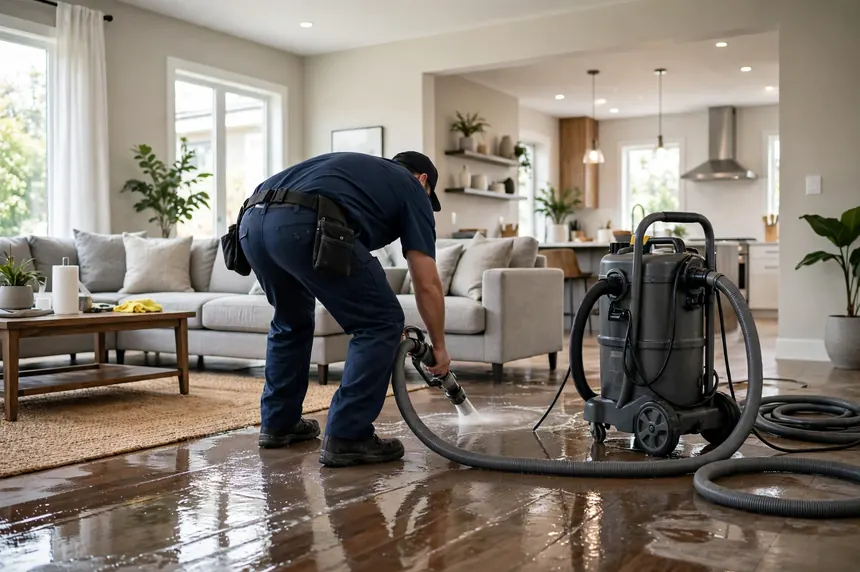
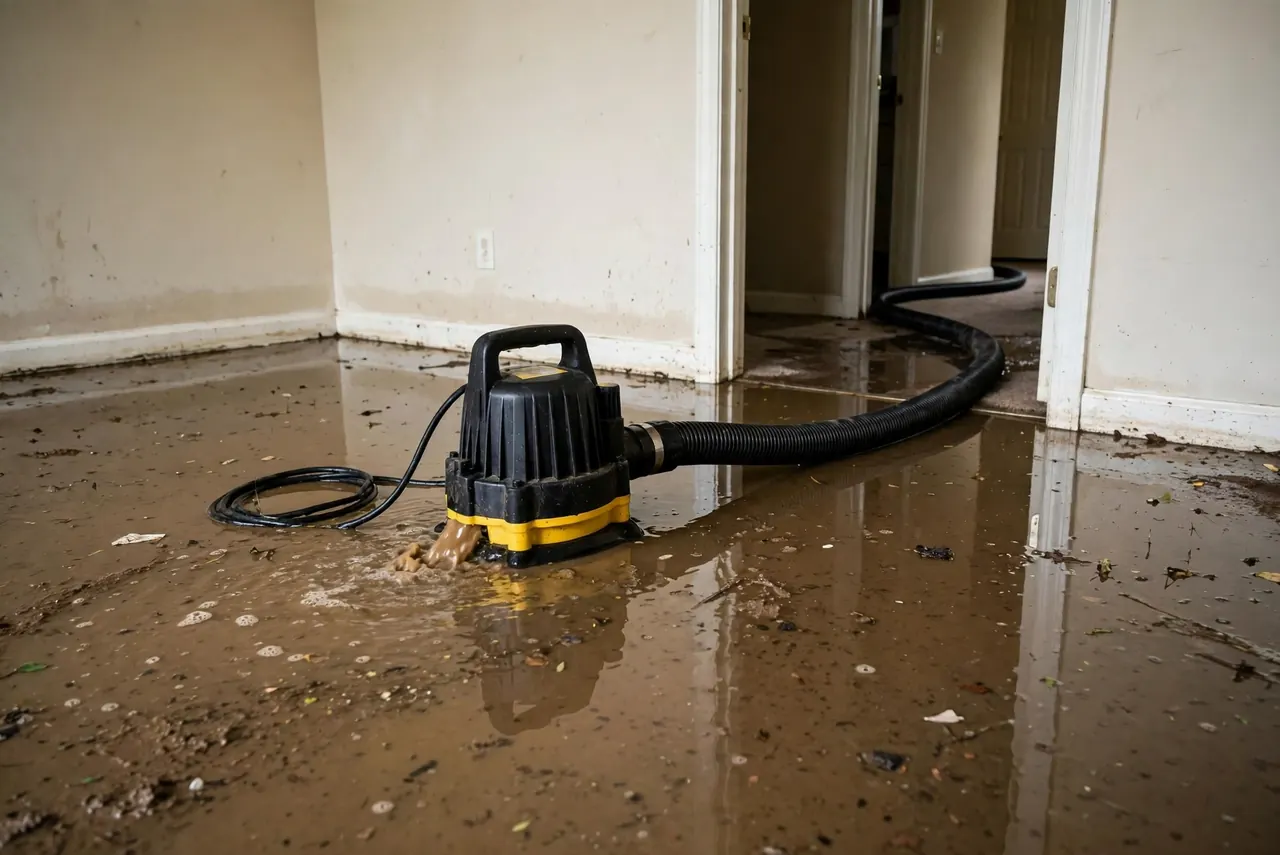
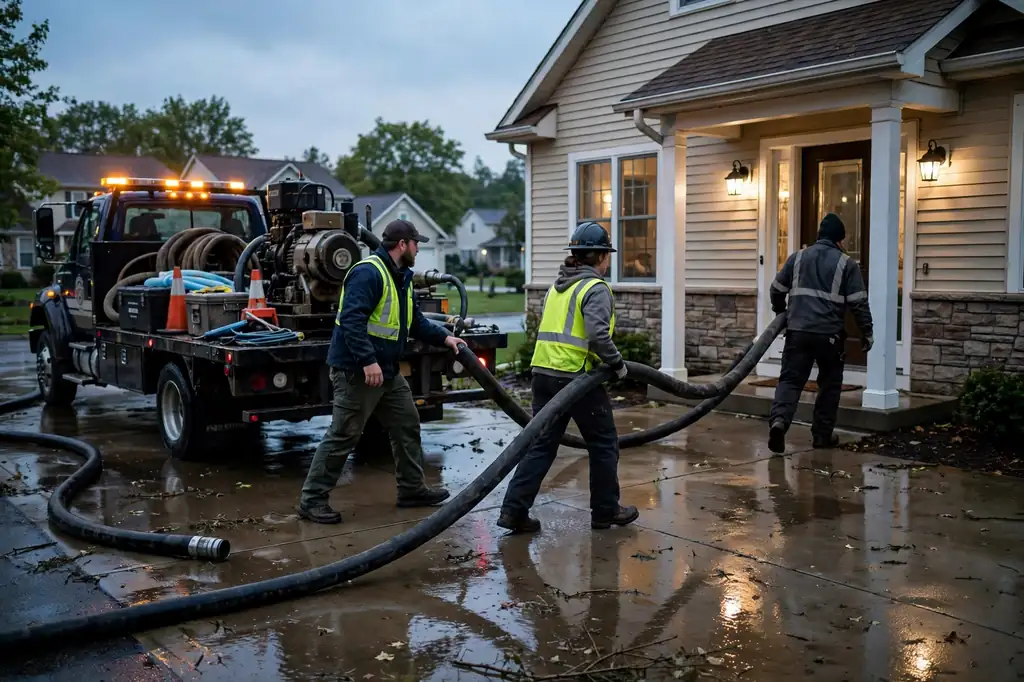
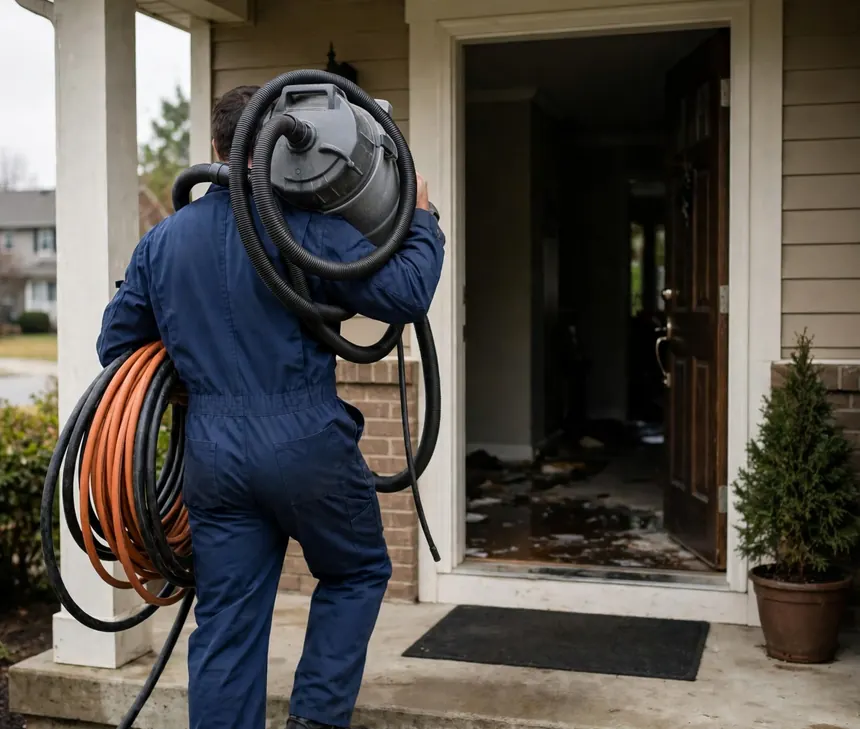
Meadow View homes need a response matched to the source, volume, and materials affected. A leaking appliance can soak carpet padding within minutes, while a roof leak may leave a smaller but hidden wet area in a ceiling cavity. We bring a water extraction unit, air movers, and a dehumidifier when the inspection supports that setup. For a night-time leak, our 24/7 water damage restoration in Meadow View Idaho begins with safety, source control, and water removal.

How water restoration works locally

Emergency restoration in Meadow View

Emergency restoration in Meadow View

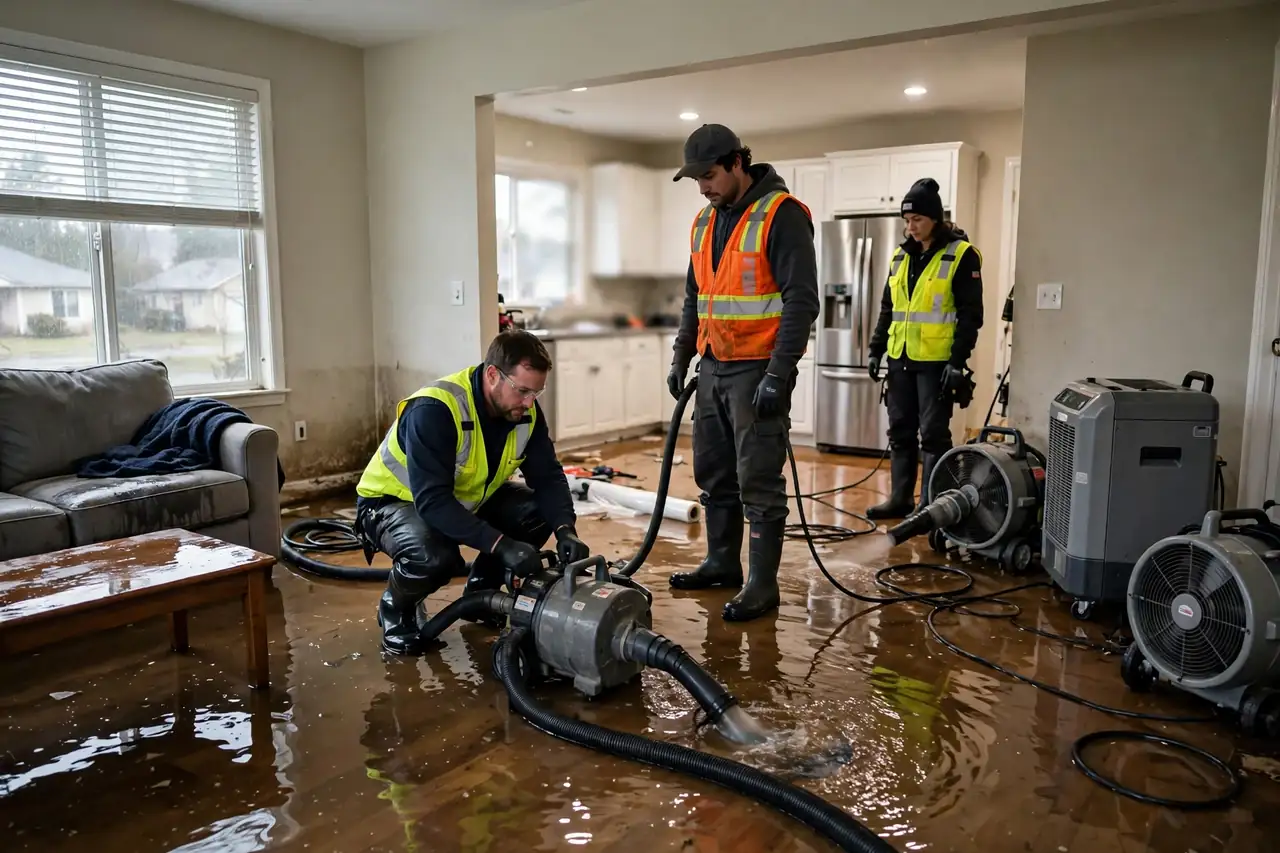
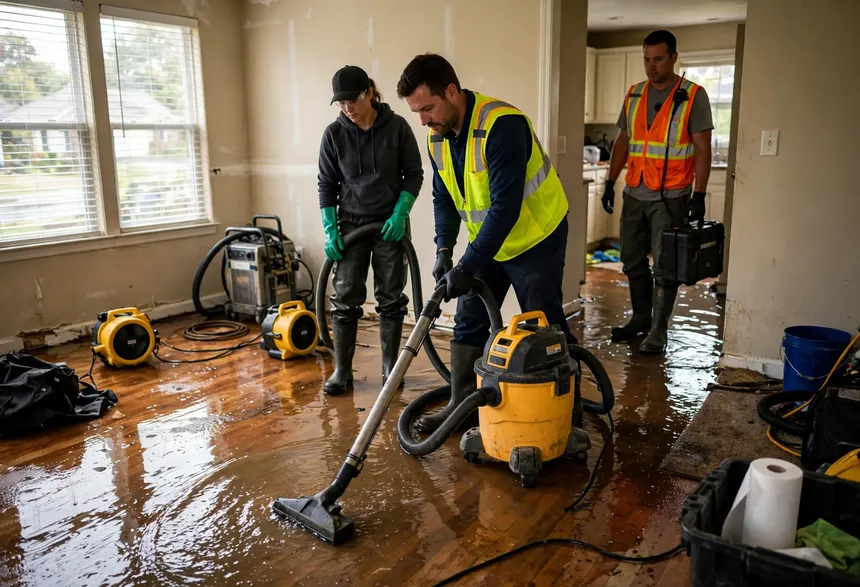
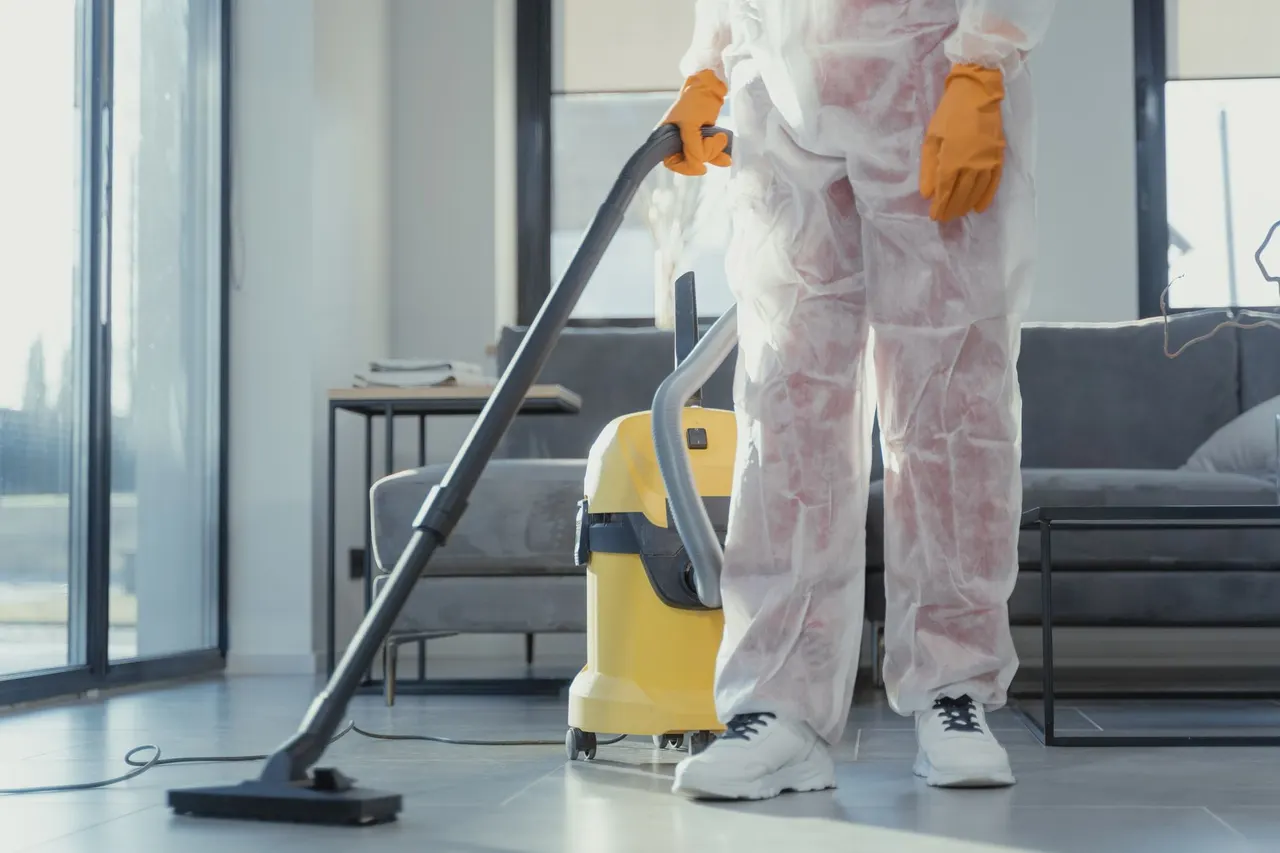
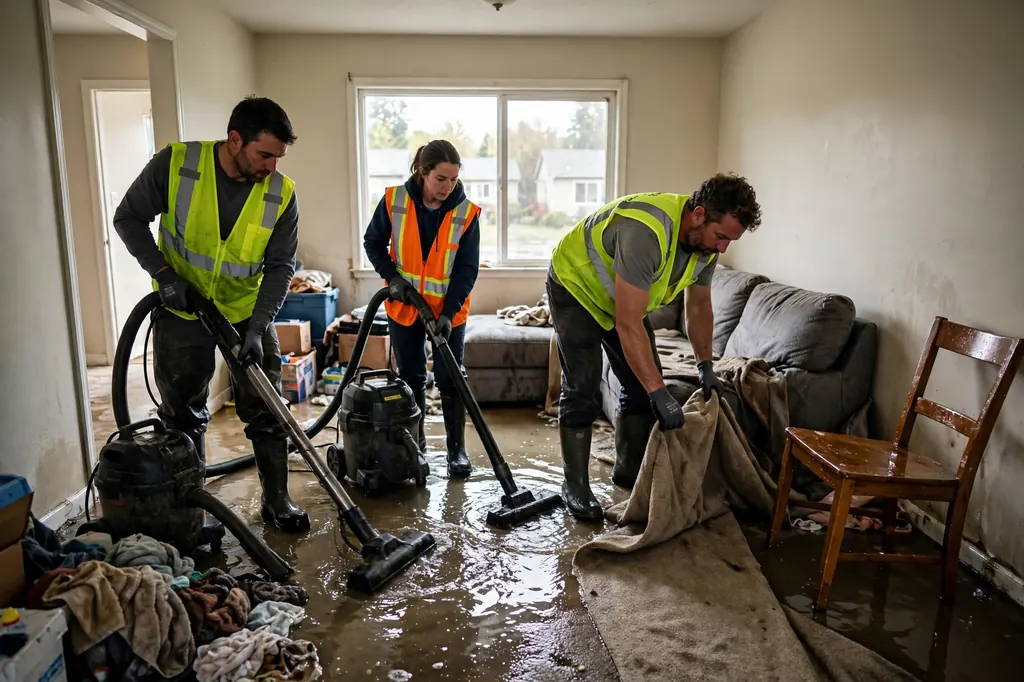
We trace the water path through connected rooms, including finished floors and cabinet edges. In Meadow View homes, we protect dry belongings before extracting water and mapping damp materials. You see the affected areas and the next drying steps before equipment is positioned.

  • Source and safety check
  • Room-by-room moisture map
  • Protected dry contents
Meadow View home restoration

Meadow View home restoration

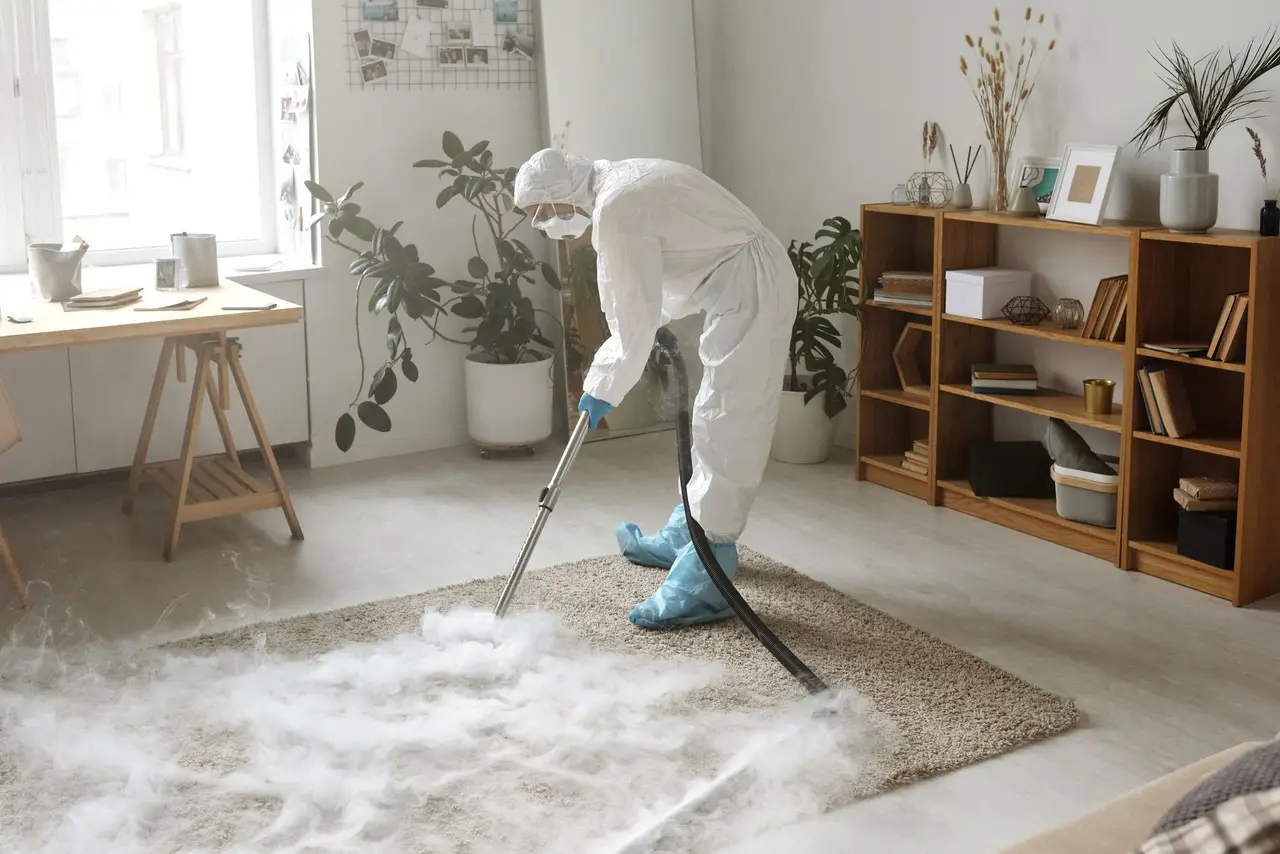
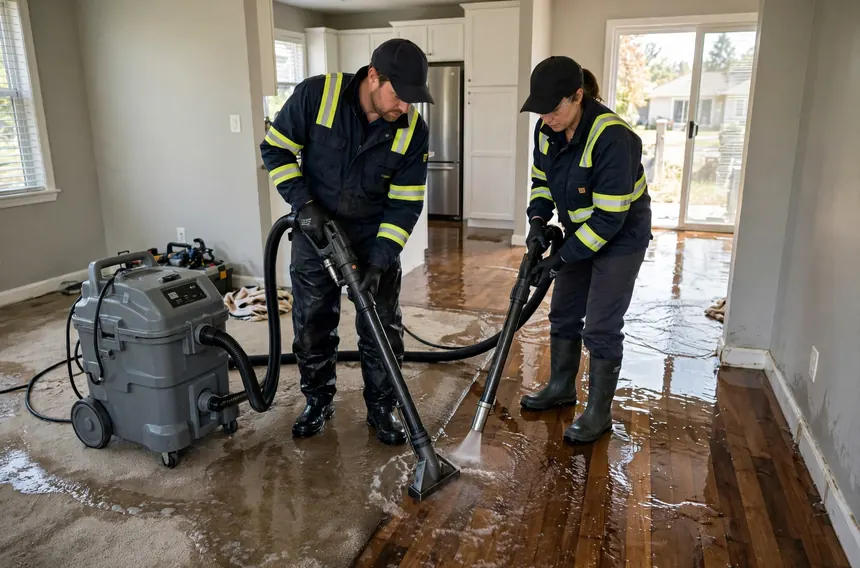
We tailor the work to your home's layout, water source, and affected finishes. Our crew checks connected rooms and explains what needs extraction or drying.

  • Newer family homes
  • Finished lower-level rooms
  • Carpet and hardwood floors
  • Utility and laundry spaces
Meadow View property service

Meadow View property service

We plan access around the property, affected rooms, and equipment movement. Share entry instructions and operating needs so we can organize the visit.

  • Small offices
  • Retail interiors
  • Shared property spaces
  • Storage and utility areas

Common water emergencies in Meadow View

Meadow View losses are varied, so the four problems below cover the ground: frozen pipes, hidden roof leaks, sump and lower-level water, and appliance leaks under cabinets and carpet.

  • Frozen Pipes Split Overnight and Wet Finished Rooms

    Frozen Pipes Split Overnight and Wet Finished Rooms

    A cold night can split a pipe in a garage, crawl space, or exterior wall, and the leak often runs inside a wall or cabinet before anyone sees water. In Meadow View, the first check is the shut-off: stop the supply, then look for the wet path along baseboards and floor edges. We extract what is visible, take moisture readings in the adjoining walls, and set drying only where the readings justify it, so a hidden wet cavity is not left to grow mould.

  • Roof Leaks Stain Ceilings and Wet Insulation

    Roof Leaks Stain Ceilings and Wet Insulation

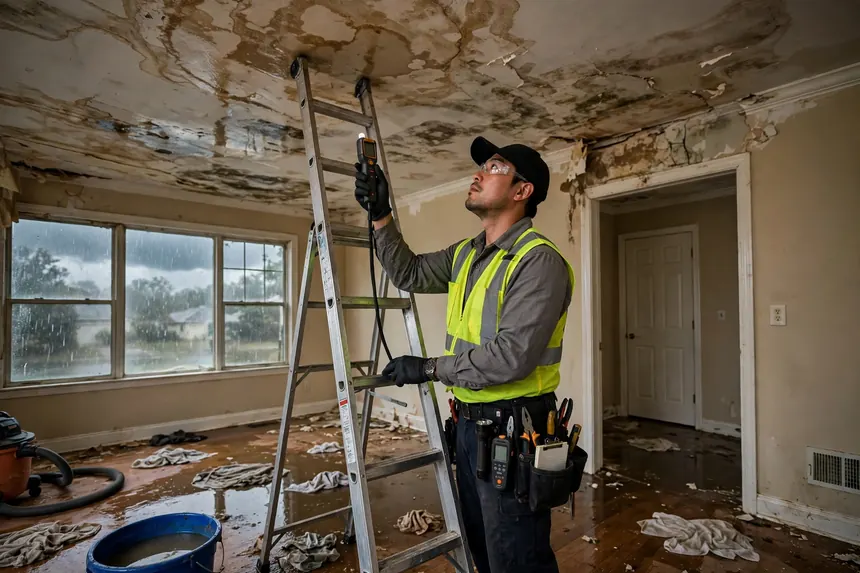
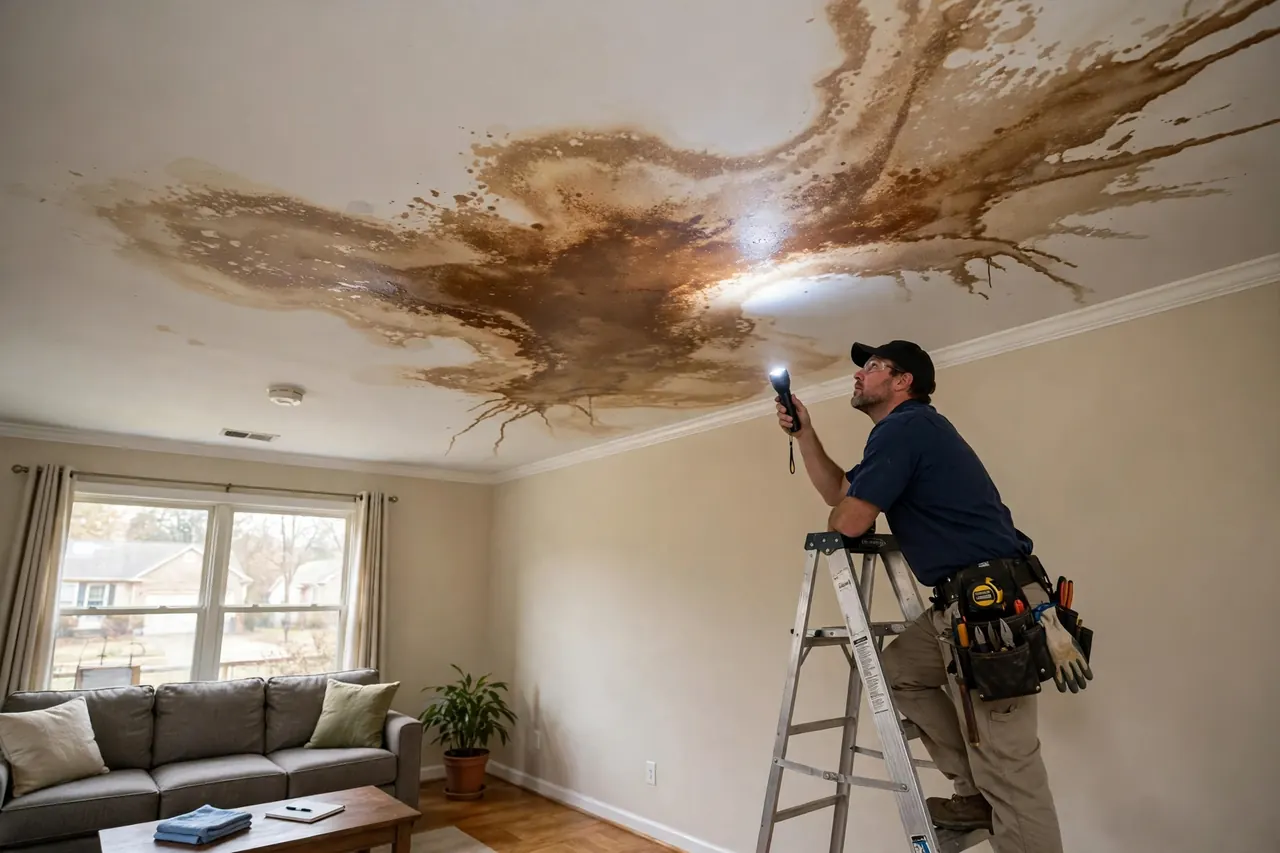
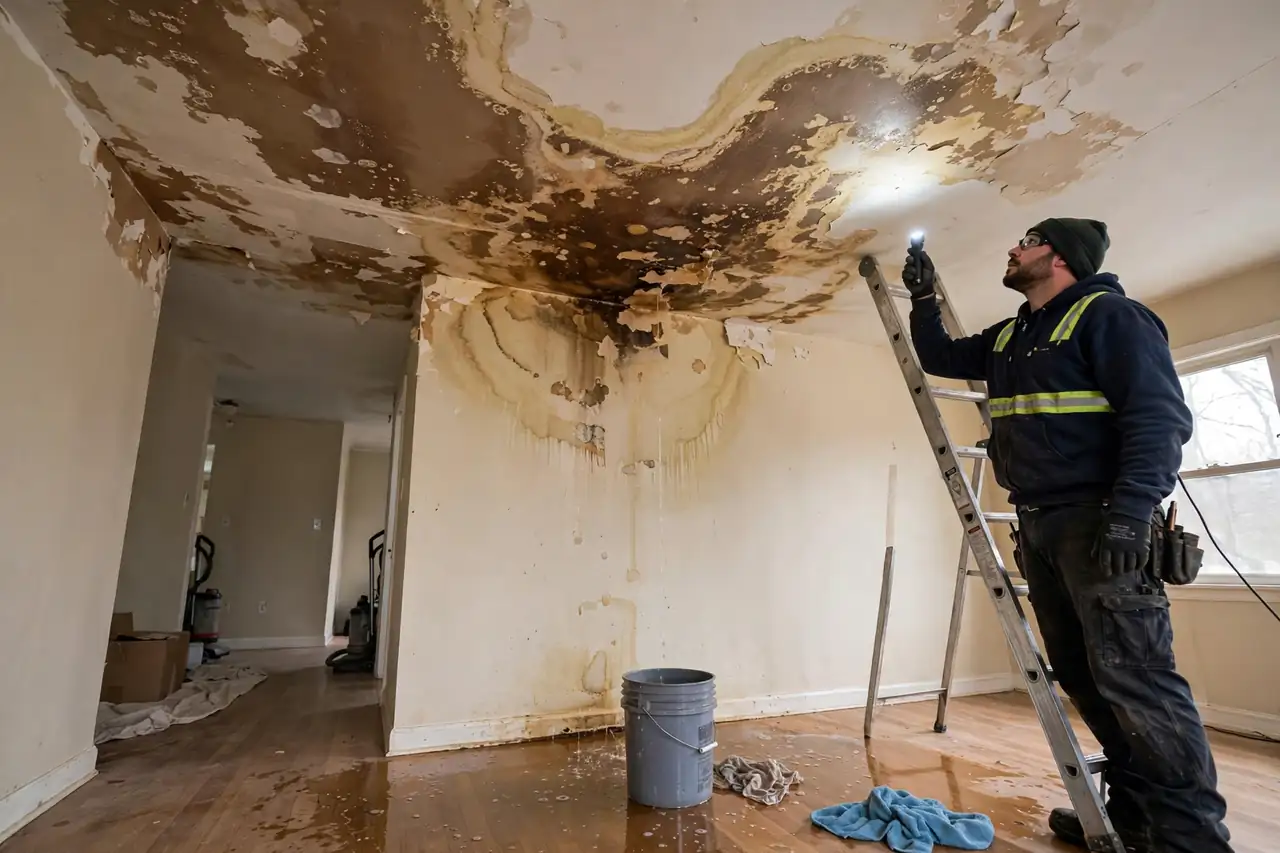
    A roof leak in Meadow View often announces itself as a ceiling stain that appears days after the rain, because water travels along joists and insulation first. We check the stain, the attic side where it is safe to look, and the walls below it, since a single entry point can wet several rooms. Drying starts only after the roof side is covered or repaired, and we re-check moisture readings before the ceiling is patched, so the repair does not seal in damp insulation.

  • Sump Pump Failure Leaves Water in Lower Rooms

    Sump Pump Failure Leaves Water in Lower Rooms

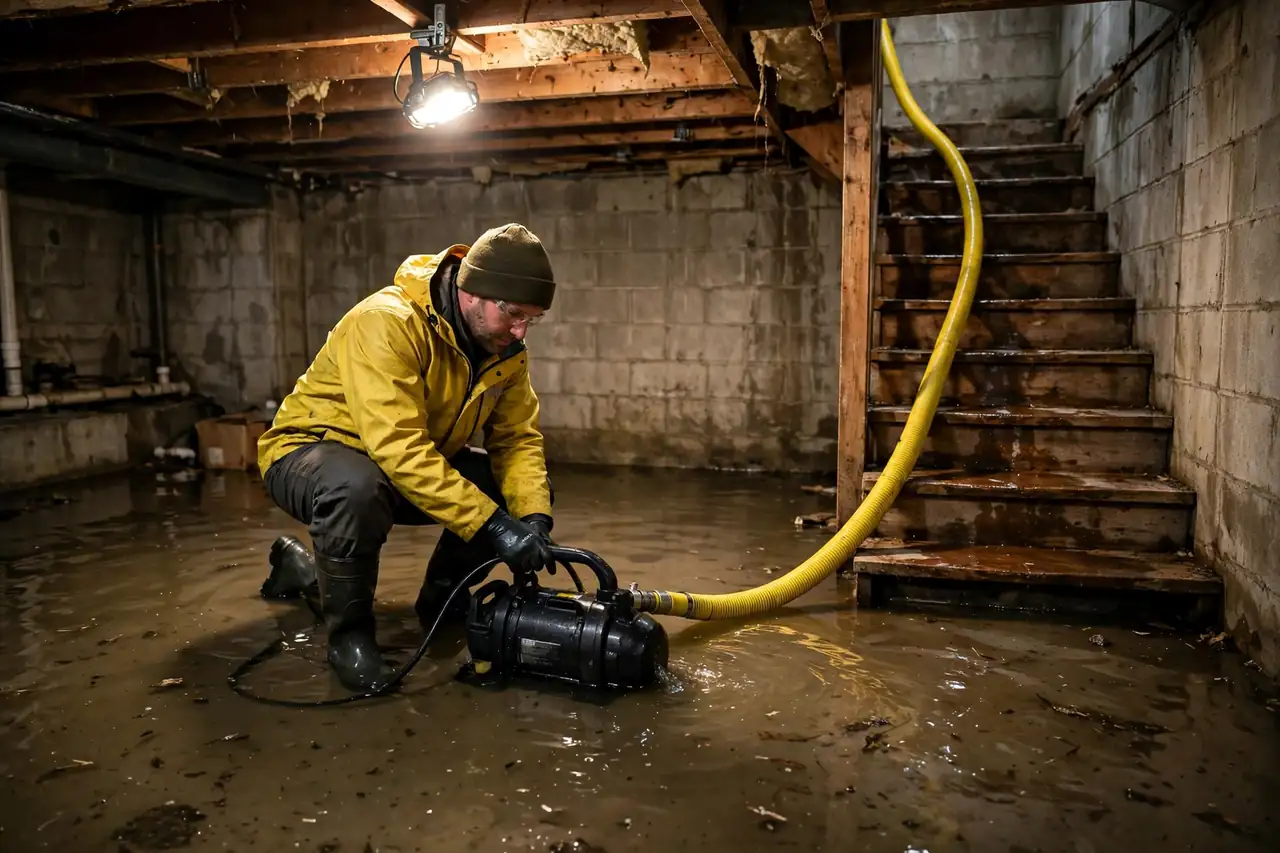
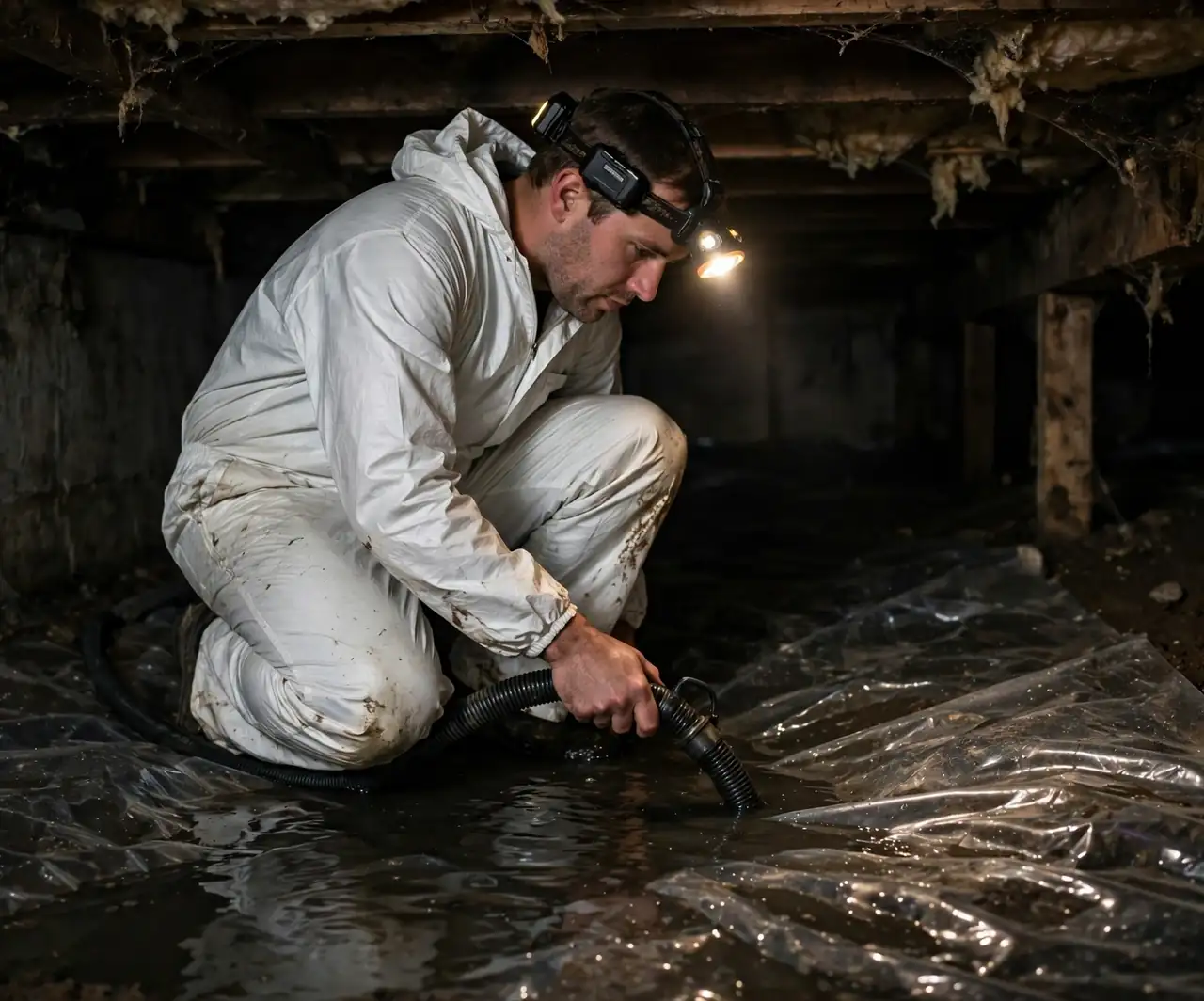
    A pump that loses power, clogs, or fails mechanically lets water collect at the lowest point of a home, and the first sign is often a damp floor edge or a musty smell rather than standing water. In Meadow View, we check safe access, remove the pooled water, and inspect the pump and its discharge path before drying begins. Lower wall materials and anything stored at floor level get checked too, because a failed pump usually wets more than the floor it stands on.

  • Appliance Hoses and Fittings Leak Under Flooring

    Appliance Hoses and Fittings Leak Under Flooring

    Supply lines to laundry and kitchen appliances are a common slow leak in Meadow View: a hose ages, a fitting loosens, and water seeps under flooring a little at a time. We start by stopping the supply and checking the floor and wall behind the appliance with a moisture meter, then extract and dry from the readings rather than from the puddle alone. If the subfloor reads wet, the drying plan covers it, and we note what the appliance connection needs before it is used again.

When to call for water restoration

Notice active leaks, ceiling stains, wet flooring, or water in a lower-level room.

  • Water continues spreading after shutoff

    If a puddle grows after you close a fixture or appliance valve, the leak may be coming from another line or concealed connection. Keep clear of wet electrical areas and call promptly. Our first task is locating the active source and removing water before it reaches more flooring or wall material.

  • Ceiling stain feels soft or begins sagging

    A soft ceiling or growing stain can mean water is collecting above the finish. Do not press on it or stand beneath a bulging section. Call for an inspection so we can assess the cavity, locate the source, and control water before the ceiling material fails.

  • Carpet edge stays wet after surface drying

    A dry-looking carpet surface does not prove the padding or subfloor is dry. Moisture trapped at the edge can affect baseboards and spread under adjoining flooring. We check the carpet assembly and nearby materials, then extract and dry according to readings.

  • Musty odor follows a plumbing leak

    A musty smell after a leak can point to damp materials that were not fully dried. Check the room and adjacent closet or cabinet, but do not cover the odor with fragrance. We trace moisture, identify affected materials, and address the source before odor treatment.

  • Water enters a basement or crawl space

    Standing water below the main floor can affect stored items, framing, and insulation even when the living area looks dry. A failed sump pump or foundation seepage needs prompt assessment. We remove accessible water, inspect the path, and check whether the drainage system needs attention.

How emergency water work is handled locally

For emergency water damage repair near Meadow View, our first visit follows a repeatable sequence: confirm the source is controlled, check electrical and slip hazards, extract standing water, and map the wet area. Newer homes can have finished basements, attached garages, and layered flooring, so we inspect transitions and concealed edges rather than judging by the surface alone. Meadow View irrigation systems and drainage swales are relevant when water is also present outside; we distinguish exterior runoff from a plumbing loss before recommending next steps.

  • Cold snaps can freeze exposed or poorly protected plumbing.

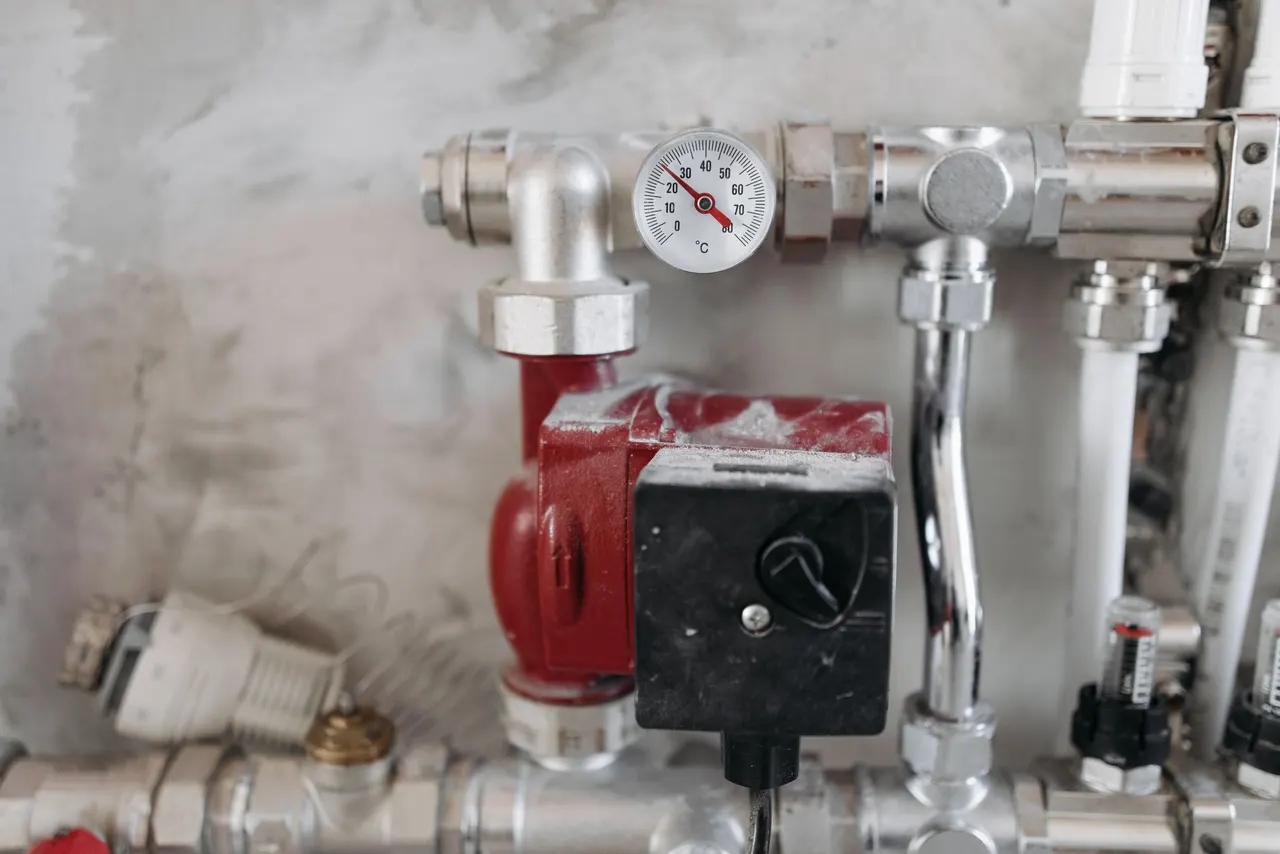
    A frozen pipe can split inside a wall or utility space and release water after thawing begins. In Meadow View, the first visible sign may be a ceiling stain or wet baseboard rather than the pipe itself, so the inspection needs to follow the likely route. We help stop the water source, extract standing water, and inspect adjacent walls and floors for migration. A moisture meter tracks affected materials, while drying equipment is placed to reach the cavity or surface involved. We document the leak area and coordinate pipe repair separately when required.

  • Drainage swales and irrigation can complicate exterior water paths.

    Water near an entry or foundation can come from a plumbing leak, roof runoff, irrigation, or surface drainage. Treating every wet lower wall as the same problem risks leaving the source active, especially where outdoor water moves toward the structure. We compare the timing of the water, visible paths, and interior moisture pattern before selecting a cleanup approach. We remove water inside, record affected materials, and identify whether drainage or irrigation review is also needed. That separates immediate restoration from exterior corrective work.

  • Finished floors can hide water beneath the visible surface.

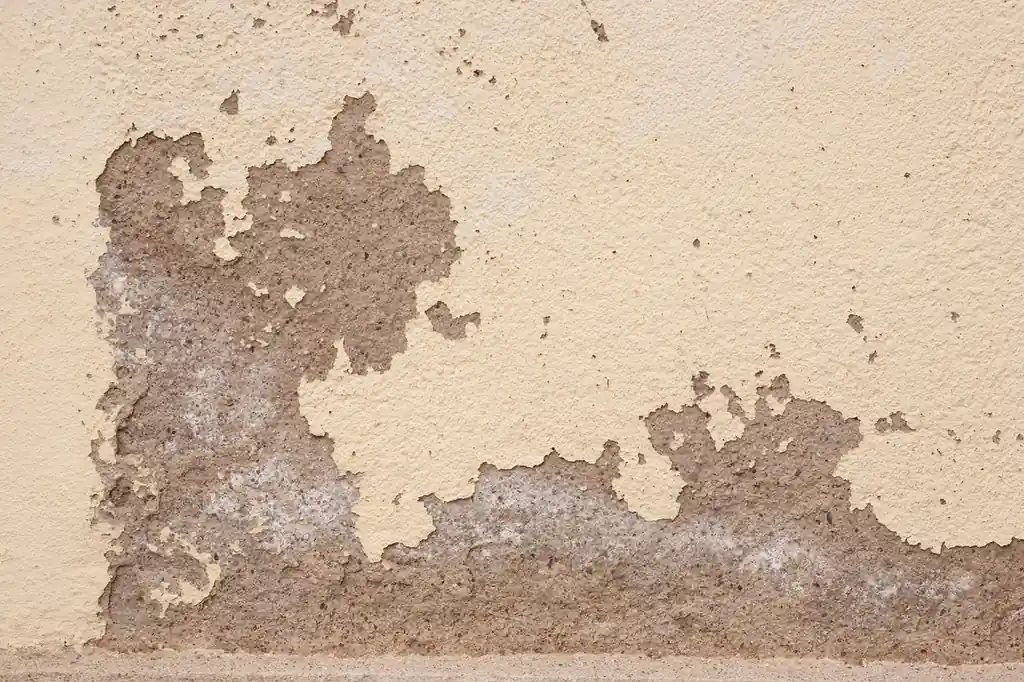
    Carpet, baseboards, and floating or hardwood flooring may look only slightly damp while water has reached padding or a subfloor. In newer Meadow View homes, connected rooms can also allow water to travel under trim before the next room shows a stain. We check edges, transitions, and adjoining rooms with moisture readings, then map the wet footprint. Extraction and drying equipment are selected for the flooring assembly. We repeat readings during the drying period and explain when material removal is necessary to reach trapped moisture.

  • ANSI/IICRC S500 water damage restoration standard

    We use the S500 framework to guide inspection, water categorization, drying documentation, and restoration procedures. For a Meadow View loss, our readings and notes help connect the work performed to the conditions found, while the actual repair plan still reflects the property's materials and water source.

  • EPA Lead-Safe Renovation, Repair and Painting requirements

    If work disturbs painted surfaces in a pre-1978 home, applicable lead-safe requirements matter. Meadow View properties are not all the same age, so we consider the building history and the work planned before cutting or removing finishes, and use appropriate containment and practices when required.

Local landmarks for orientation

Meadow View Park and the Meadow View trail are useful orientation references when you explain where your home is. They do not indicate a service site or predict water damage; we use them only to clarify directions. Meadow View is served within ZIP code 83634, and the nearest street or cross street remains the best routing detail. When you call, tell us which side of Meadow View you are on, where the vehicle can park, and whether a gate or narrow access affects equipment movement.

  • Meadow View Park

    Residents may use Meadow View Park as a familiar point when describing their general location. It can help clarify directions to nearby residential streets, but the restoration crew needs the property's exact address to reach the service destination.

  • Meadow View trail

    The Meadow View trail is a local orientation reference for residents explaining which part of the area they are near. Sharing the closest street or access point along with the home address helps distinguish a route cue from the actual work location.

  • Meadow View North

    Meadow View North identifies a residential part of the service area and helps clarify a caller's general location. We use it alongside the exact street address to plan the route, parking, and the equipment needed at the property.

  • Kuna Town Center

    Kuna Town Center is among the named service-area destinations around the broader Kuna community. It is a useful regional reference for calls and coverage planning, while Meadow View service visits are routed to the customer's property address.

  • Downtown Kuna

    Downtown Kuna serves as a central community reference within the broader service region. Customers can identify it when describing where they are calling from, then provide their Meadow View street address for accurate dispatch routing.

  • Meridian Road Corridor

    The Meridian Road Corridor is a named regional route reference in the Kuna service area. Exact travel time depends on the address and current road conditions, so we use the customer's cross street for final routing.

  • Kuna, Idaho road network

    Our service routing connects Meadow View with the wider Kuna area. An exact address, gate code, and safe parking instructions help the crew move extraction and drying equipment from the vehicle to the affected rooms.

Meadow View neighborhood coverage

We serve homes throughout Meadow View North and Meadow View South, including residential streets near Meadow View Park and the Meadow View trail. Those place names help orient a call, but the service visit is always to your property, not a landmark. Share your address, ZIP code, nearest cross street, and the room where water first appeared so we can plan access and bring the right extraction equipment.

  • Meadow View North
  • Meadow View South
  • Meadow View Park area
  • Meadow View trail area

Meadow View restoration work examples

  • Meadow View North

    Before

    A supply line leak in a Meadow View North kitchen wet the cabinet toe-kick, adjacent carpet edge, and part of the hallway baseboard.

    After

    We stopped the active spread, extracted water from the carpet edge, and checked cabinet bases and adjoining flooring for hidden moisture. The crew mapped the wet area, placed air movers to direct airflow along the affected surfaces, and used dehumidification while readings were monitored. We documented the materials that needed further repair. The example involved three connected areas and two drying checks per day. Equipment remained until readings showed a downward trend and affected materials met the drying target established for the job.

  • Meadow View South

    Before

    A winter pipe split in a Meadow View South utility area and water reached a finished room before the homeowner found the leak.

    After

    We assessed the source, removed standing water, and checked the nearby wall and floor assembly for migration. A moisture meter helped identify damp material beyond the visible puddle. We separated dry belongings from affected items and positioned drying equipment to keep the route through the home usable. The scenario required extraction from two rooms and monitoring over several days. The documented readings showed where moisture remained and guided equipment adjustments before removal.
  • Near Meadow View Park

    Before

    A roof leak left a ceiling stain and wet insulation in a Meadow View home after a period of stormy weather.

    After

    We inspected the ceiling and surrounding rooms, recorded moisture readings, and checked whether the cavity was still receiving water. After the opening was controlled, we removed affected wet material where appropriate and dried the framing. The homeowner received a room-by-room record of the observed damage. The example involved one ceiling cavity and an adjoining wall section. Drying progress was checked daily, and repair work followed once the affected area was documented and dry.
Meadow View water risks through the seasons

  • Spring

    Spring rain tests roofs and gutters after winter, and the first heavy rain often reveals a flashing or valley defect that stayed hidden under snow. Check for new ceiling stains and damp baseboards after storms, clear gutters before the rain settles in, and watch where runoff travels beside the foundation. When irrigation starts up, walk the sprinkler zones and shut off any zone that sprays the house.

  • Summer

    In the heat, a broken irrigation line can run for a full cycle before anyone notices, because the water soaks in and the surface dries. Walk the sprinkler zones, look for pooling near the foundation and wet thresholds, and check the laundry and kitchen supply lines, which work hardest in summer. High temperatures dry the surface quickly, so trust a moisture reading over a dry-looking floor.

  • Fall

    Autumn in the Treasure Valley turns fast from dry to freezing, so fall is for closing the gaps: clean the gutters, check the roof before the first snow, and winterise the irrigation lines before the first hard freeze. Test the main shut-off, insulate the exposed pipes you can reach, and watch the first cold nights for the rooms that lose heat fastest. Prevention in fall costs far less than extraction in winter.

  • Winter

    Winter is when small oversights become floods: a hose left connected, a garage door left open in a freeze, a room left unheated over a holiday. Disconnect hoses, keep heat steady, and make sure the main shut-off turns freely. If water appears, shut the supply off at once and keep the wet area clear until the source is confirmed, because every minute of flow adds rooms to the drying job.

Questions to ask a restoration contractor

A Meadow View water emergency is stressful, but a few direct questions reveal whether a contractor has a workable process. Ask how the crew will find hidden moisture, what equipment they plan to use, and how they will track drying. You should also know who is handling source control, what materials may need removal, and how the work will be documented. Clear answers make it easier to understand the next step without a sales pitch.

  • How will you find water beneath my flooring?

    The answer should include inspection of edges and transitions, not just a glance at the carpet or hardwood surface. Ask whether moisture readings will be recorded and how the crew will check adjoining rooms. Hidden water left under flooring can continue affecting the subfloor and baseboards.

  • What drying equipment will you use in my home?

    A contractor should connect equipment placement to the affected materials and room conditions. Ask how air movers and dehumidification will be adjusted as readings change. A fixed equipment count without measurements does not explain whether the wet wall, floor, or cavity is being addressed.

  • How often will you check moisture readings?

    Follow-up checks show whether drying is progressing and whether equipment needs repositioning. Ask what areas will be measured and how results will be documented. For many active drying jobs, daily monitoring is useful, but the actual schedule should fit the loss and access conditions.

  • Who will stop the leak or repair the source?

    Water removal cannot solve an active plumbing, roof, or drainage problem by itself. A clear answer identifies who is controlling the source and how restoration will proceed once it is stable. This avoids drying materials while new water continues entering the property.

  • Can you document the damage for my insurance claim?

    Photos, room notes, moisture readings, and equipment records give you a useful account of what happened and what work was performed. Documentation does not decide coverage, but it helps you explain the loss to your insurer and keep restoration details organized.

Emergency water damage repair in Meadow View FAQs

Still wondering? (833) 546-4116

Local service team

Call for emergency water damage repair in Meadow View

If water is spreading through your Meadow View home, call (833) 546-4116 now. Tell us what failed, which rooms are wet, and whether you can safely shut off the source. Our crew will plan the first visit around extraction, hazard checks, and moisture mapping so you know what happens next. We serve Meadow View and surrounding Kuna communities in Ada County.

Contact the Kuna Team

Call (833) 546-4116 when water reaches your home or business in Kuna, Idaho. Tell us whether the source is still active, which rooms are affected, and when the damage began; that helps direct the next steps. Calls are accepted at any hour for emergency inquiries, and service coverage includes Kuna, ID, with ZIP codes 83634 and 83642.

Thanks. Your request is in and the team will follow up shortly.