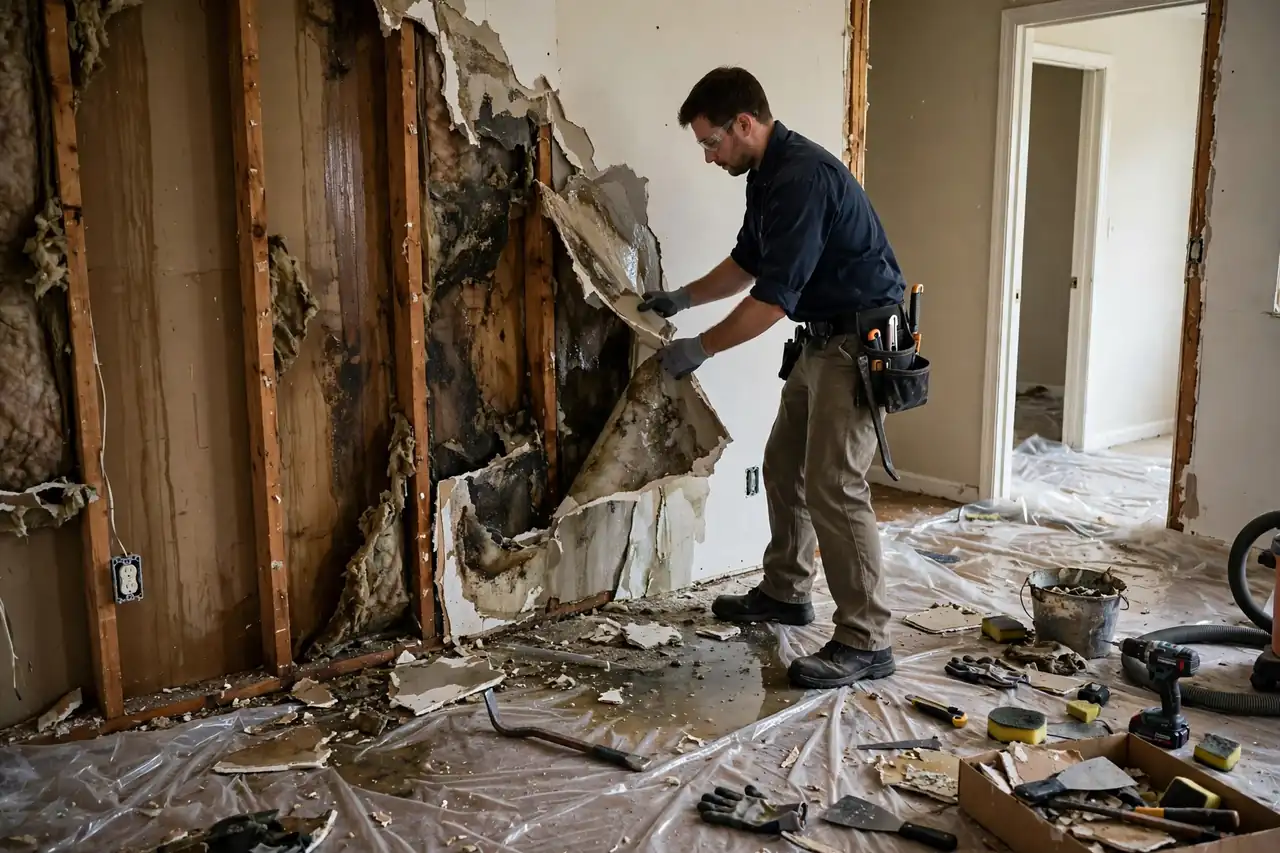
Emergency Water Damage Repair in Linder Farms, Idaho

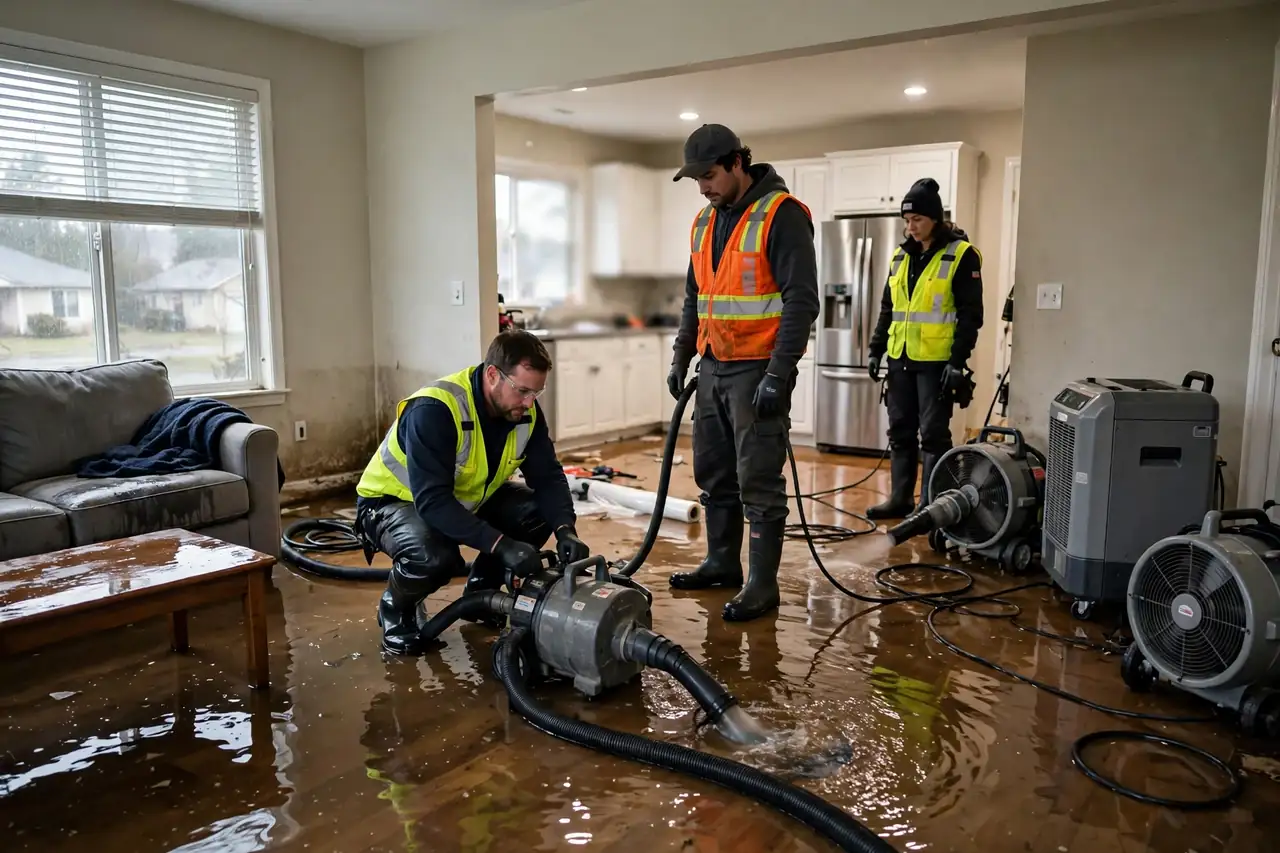
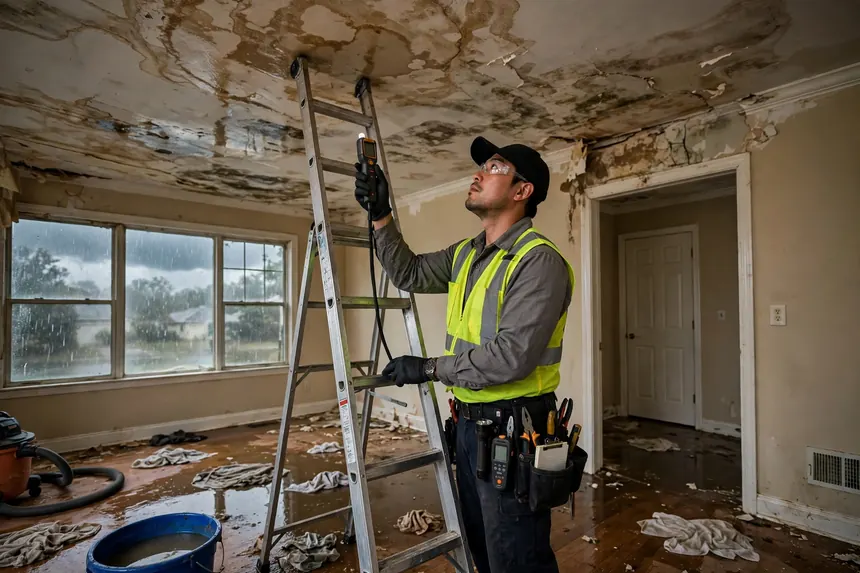
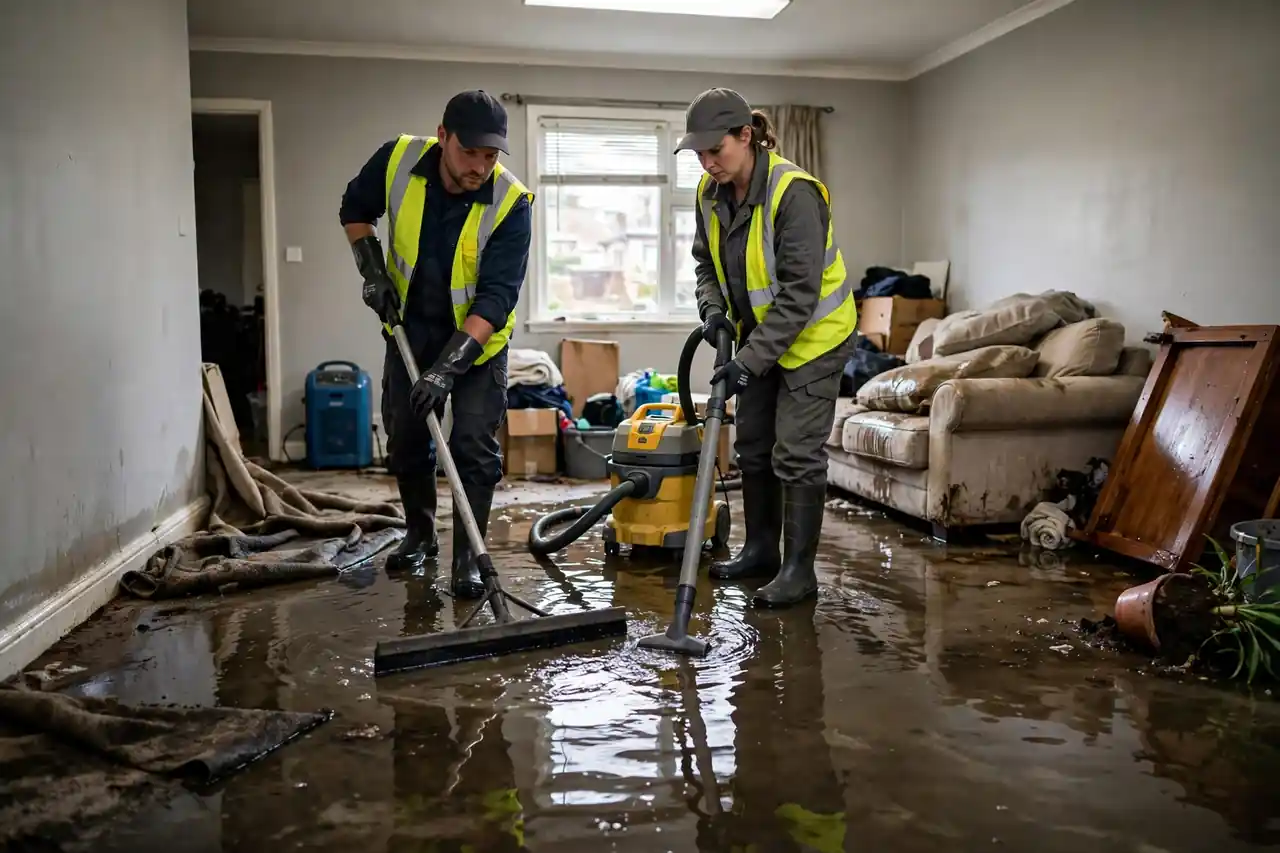
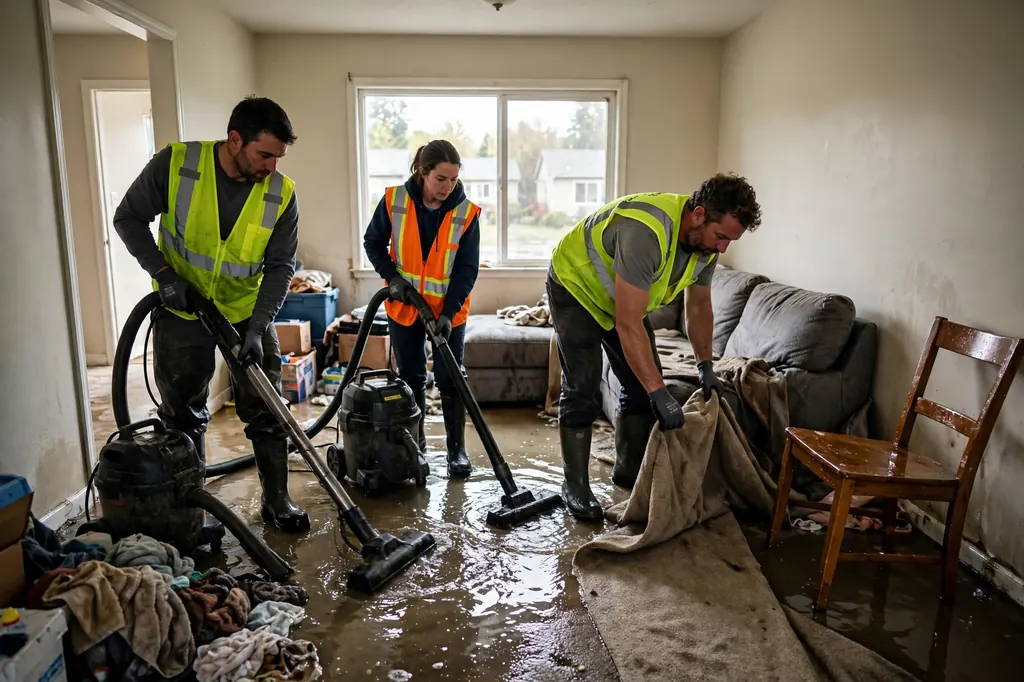
emergency water damage repair in Linder Farms starts with stopping the water and protecting what can be saved. We serve the Linder Farms area and the Linder Road corridor, where agricultural surroundings, irrigation runoff, and seasonal flooding can complicate a wet-room call. Our crew identifies the source, extracts standing water, and maps moisture before setting drying equipment. Call for Linder Farms emergency water damage repair when a leak, backup, or storm has put floors or walls at risk.

emergency water damage repair in Linder Farms

Serving the Linder Farms area

  • Readings RecordedMoisture checks guide drying decisions
  • Work Area ProtectedContents moved away from wet surfaces
  • Steps ExplainedYou hear what happens next
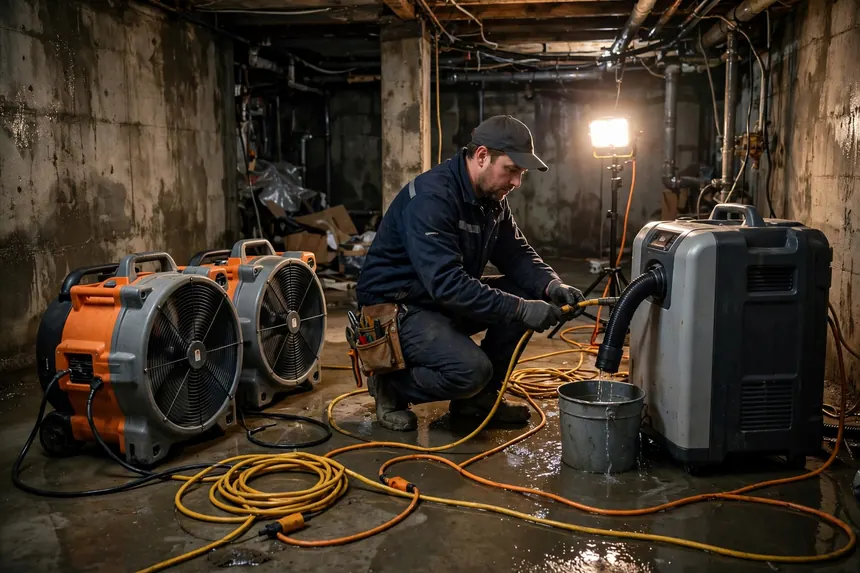
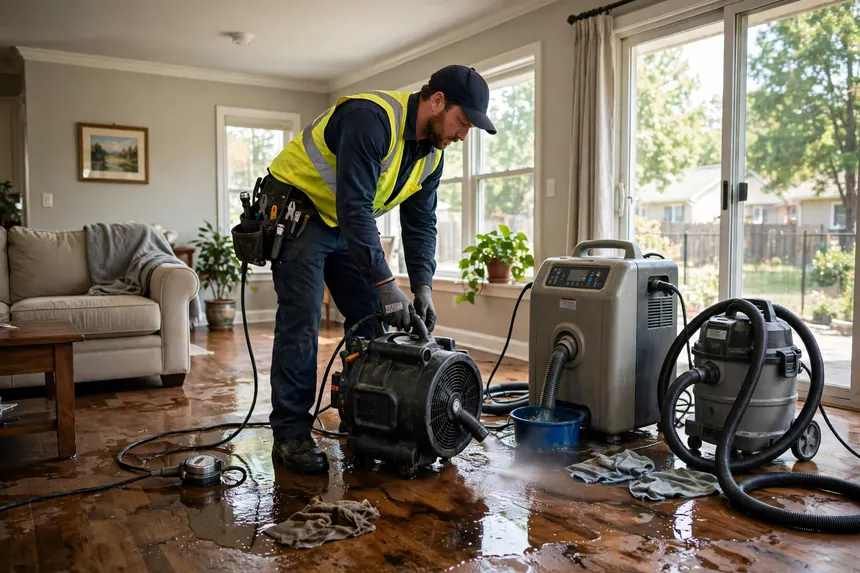
  • Equipment CheckedAirflow placement reviewed during work

Emergency water damage repair in Linder Farms

Linder Farms sits where Kuna's subdivisions meet working farmland along Linder Road, and the water risks here are rural as well as residential: irrigation runoff that enters low areas around a property, and pipes that burst or freeze in outbuildings and utility spaces that lose heat faster than the house itself.

We check the low ground and the outbuildings in the same visit — where runoff collects, which pipes run through unheated spaces, and whether the pump and its discharge are working. Readings at the wall bases and the lowest floors set the drying plan, and the note we leave names the runoff path, because a rural property that is dried without fixing the path will be wet again after the next irrigation cycle.

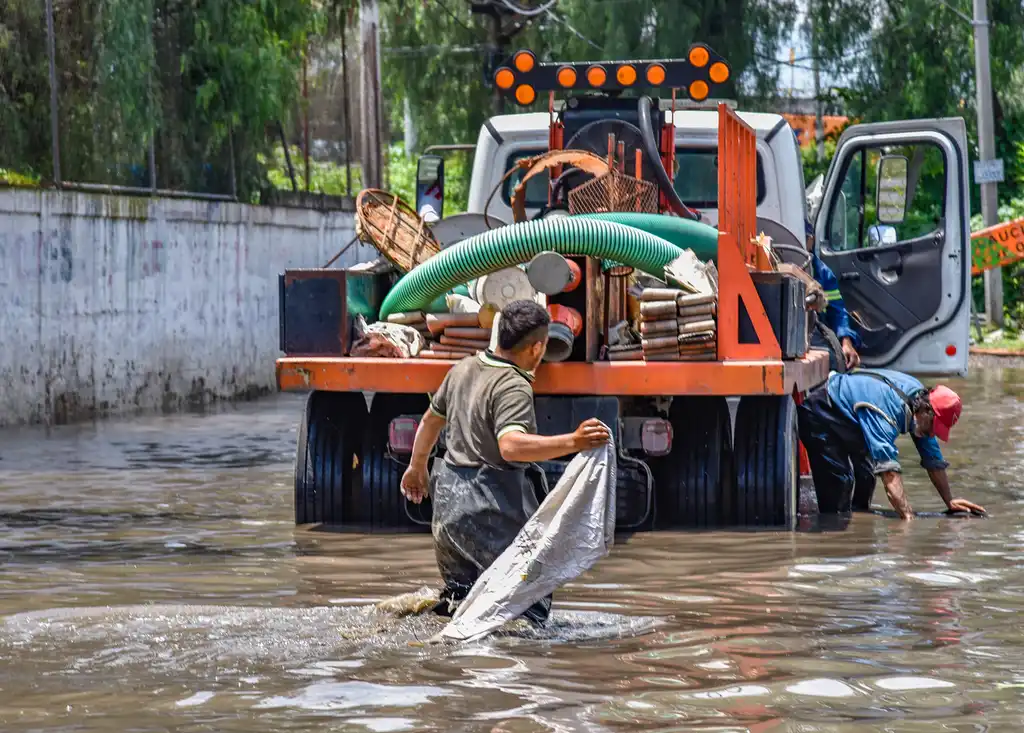
Around Linder Farms, canals, laterals, and ditches still interlace the farmland, a legacy of the irrigation systems built after 1900 that turned dry sagebrush steppe into farm ground. That water is managed and seasonal, but a lateral that overtops or a zone that runs long can put water against a home that was built beside it.
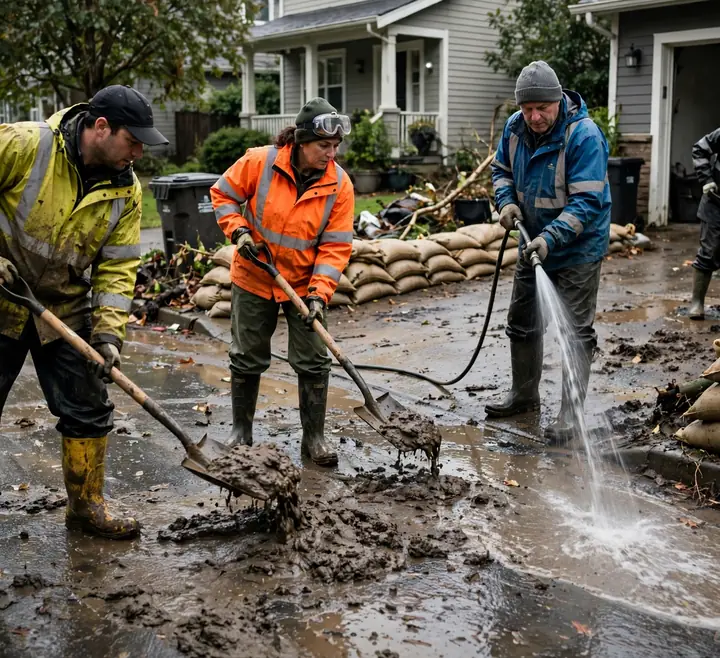
Water Damage Services for Linder Farms

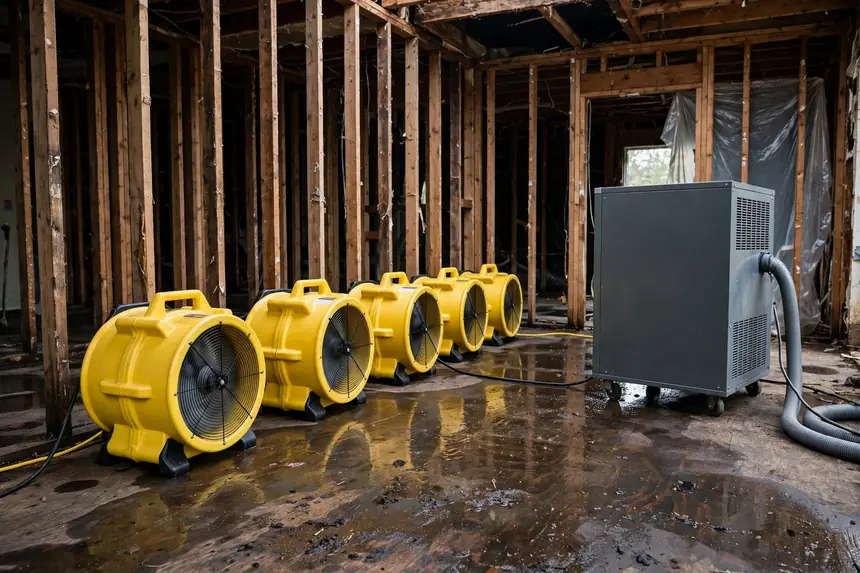
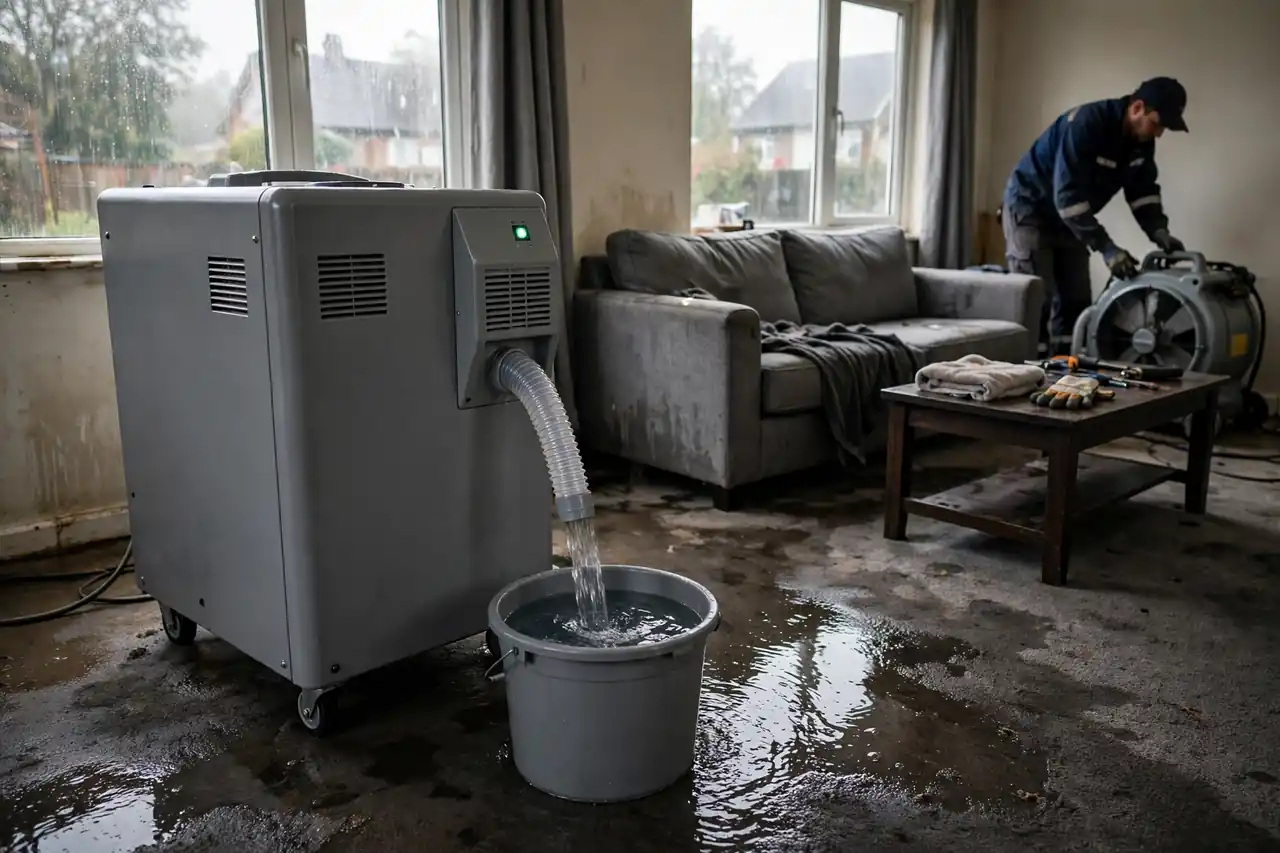
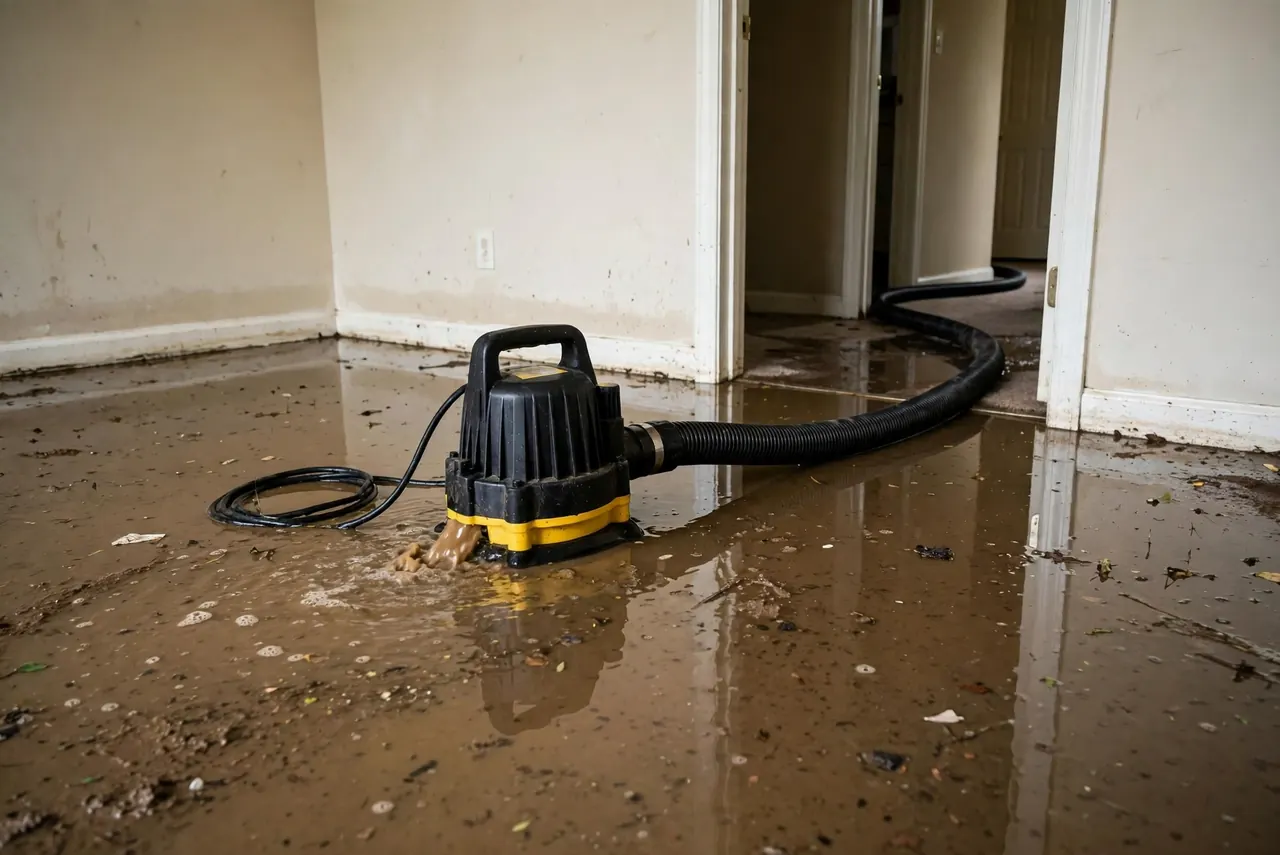
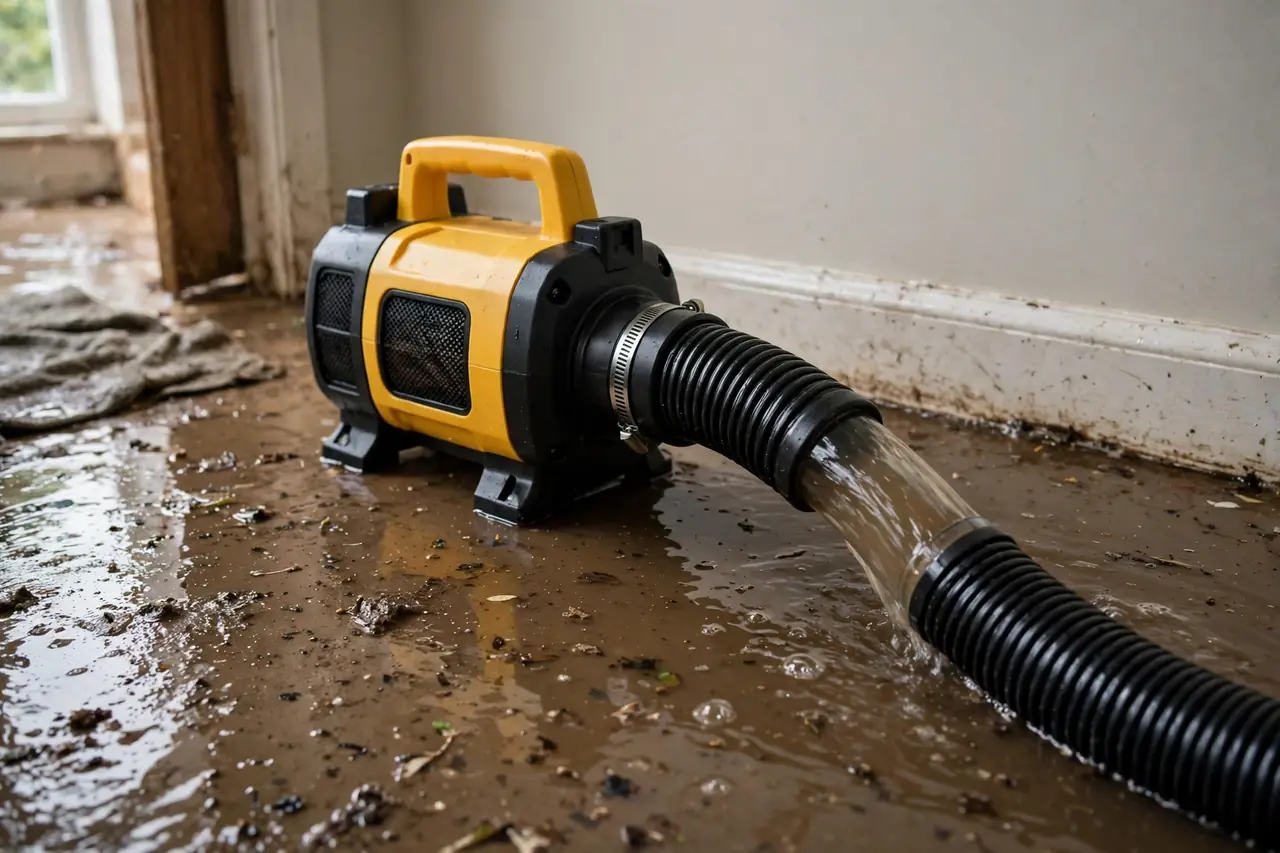
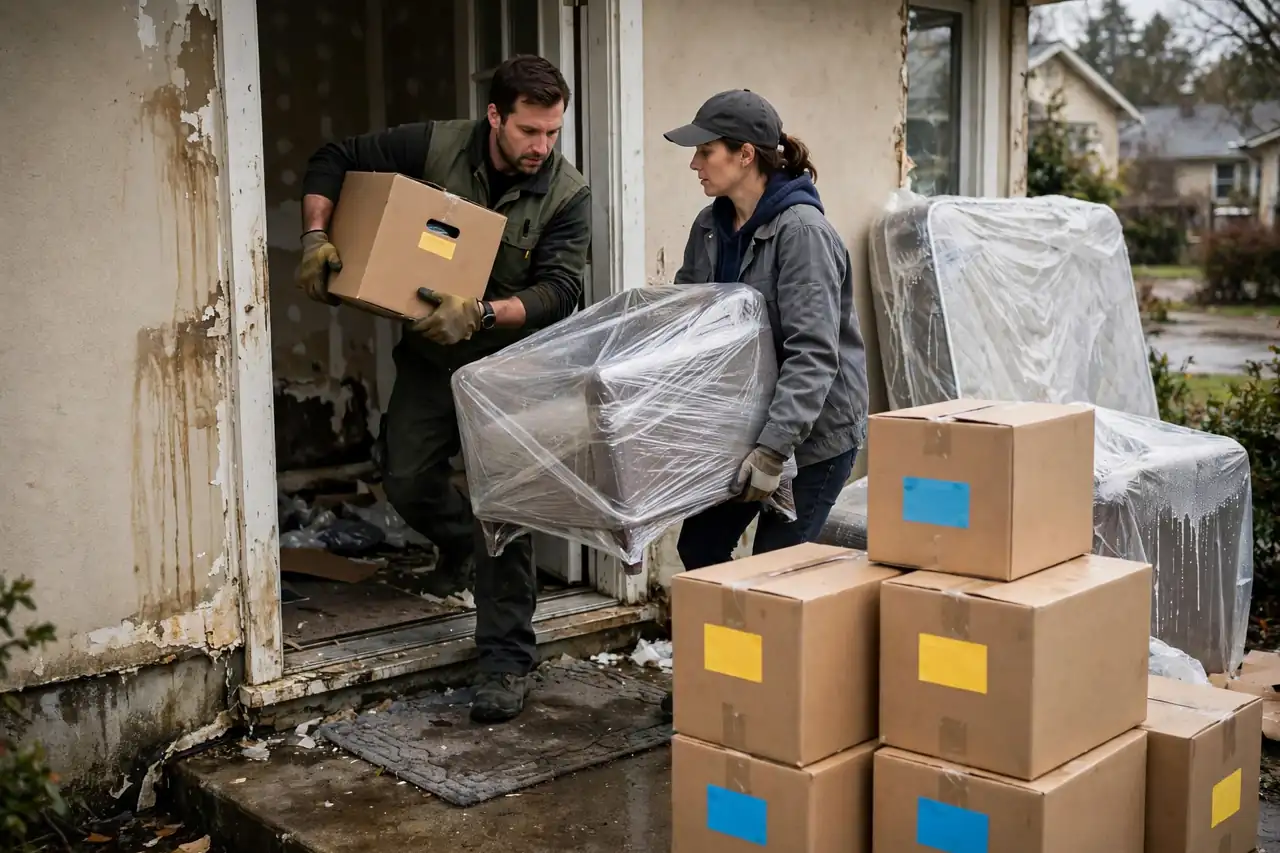
In Linder Farms, urgent calls range from a split supply line to water pushed into a low room after a storm. Our first priorities are source control, safe access, and extraction; then we inspect flooring, drywall, insulation, and concealed cavities for retained moisture. For emergency water damage repair in Linder Farms ID near me, we coordinate the response around the affected area and the access available at your property. We explain the next work step before equipment is placed, so you know what the crew is doing and what readings will guide drying.

Water recovery for Linder Farms

Emergency restoration in Linder Farms

Emergency restoration in Linder Farms

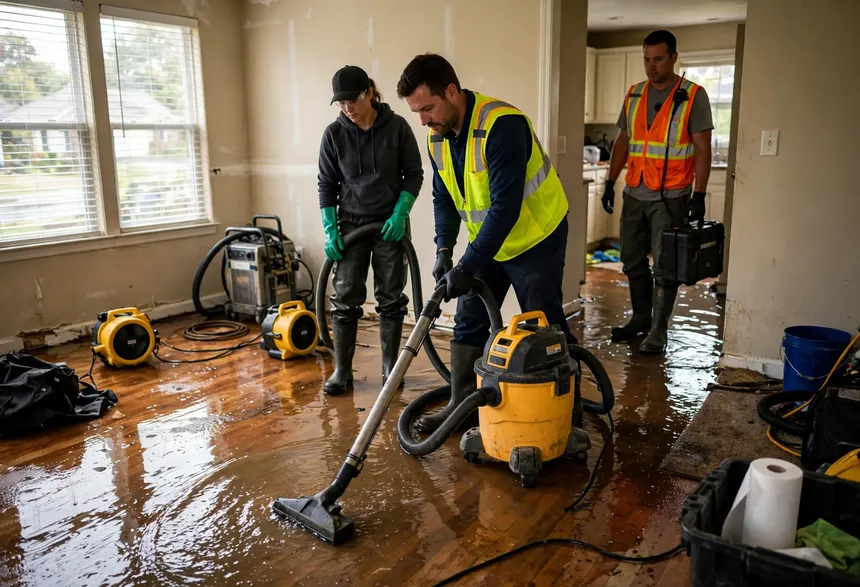
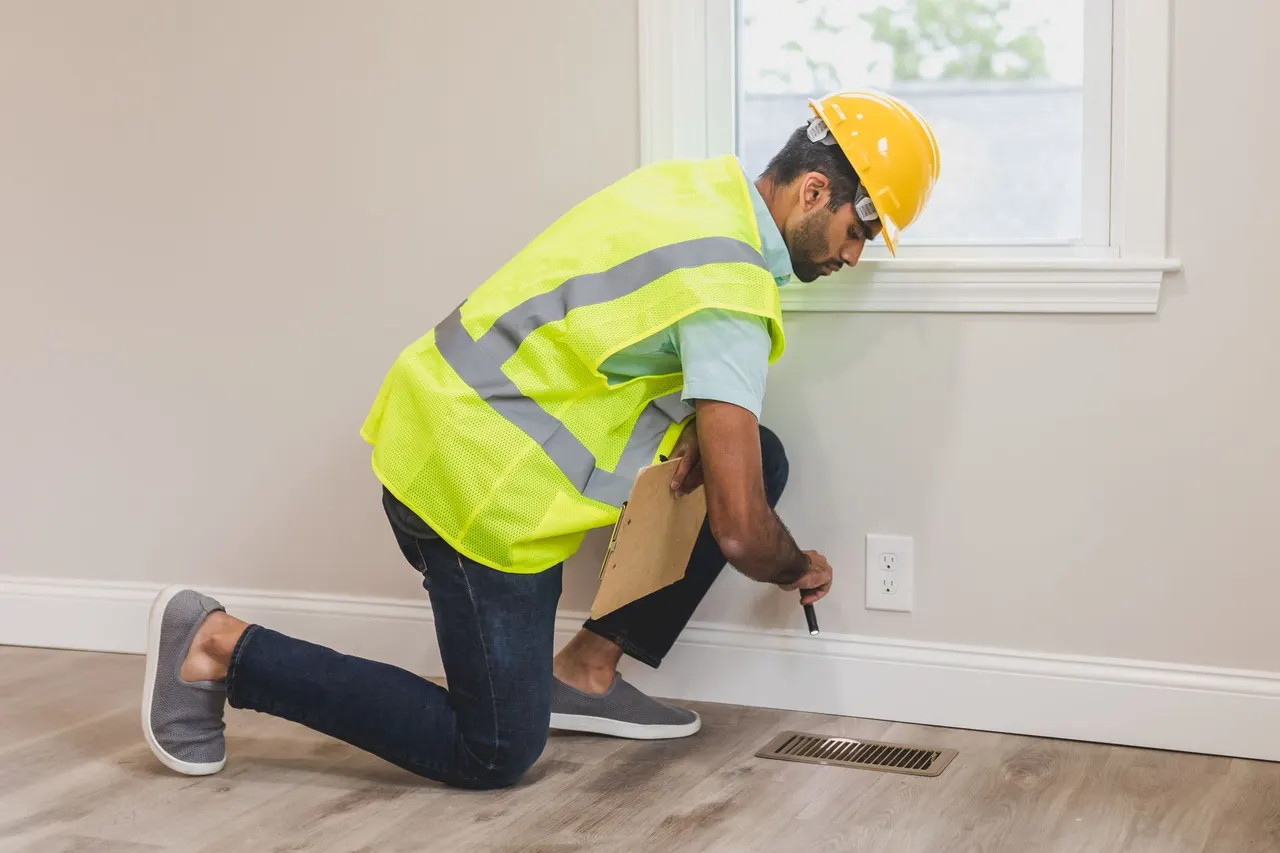
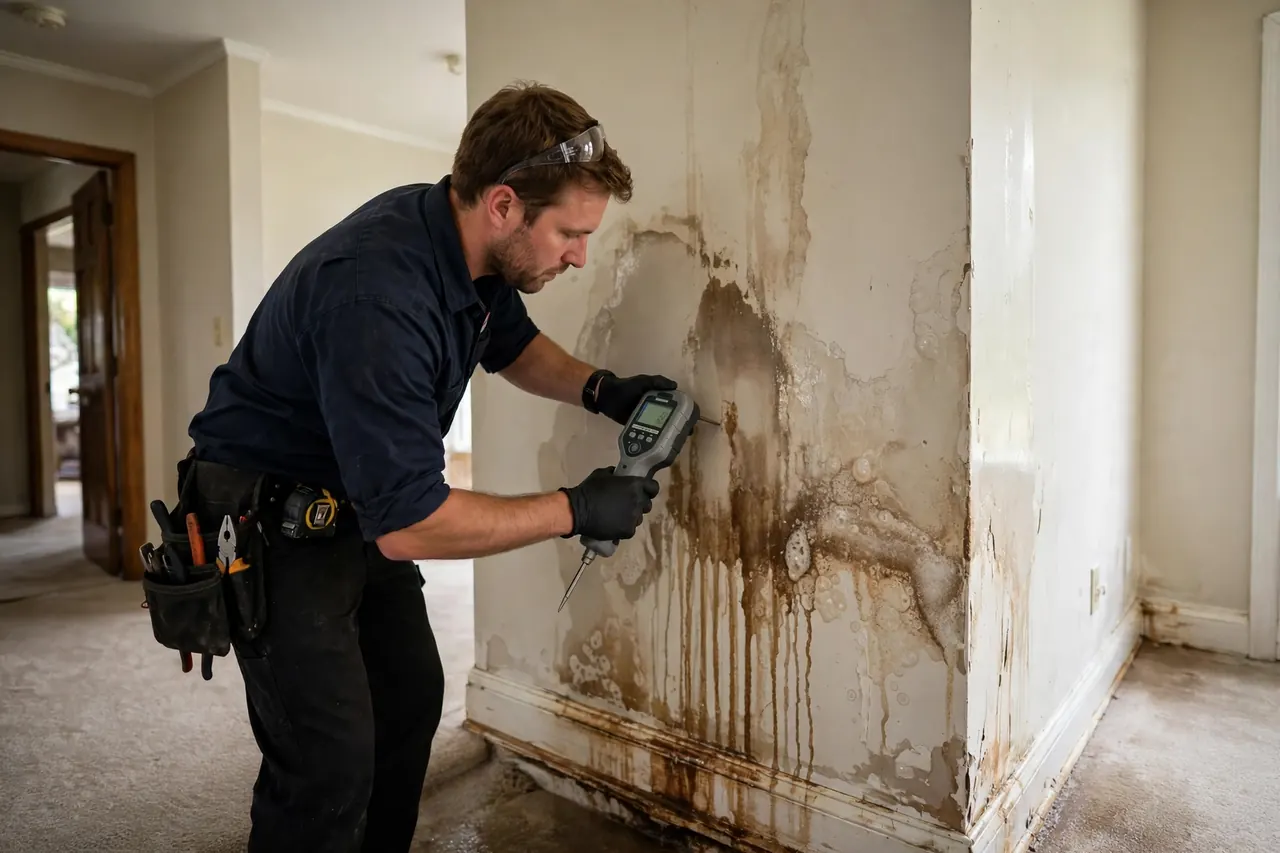
We locate the water source and mark affected rooms before moving equipment. In Linder Farms, we check flooring edges and lower walls where water can travel beyond the first visible spot. You get a clear order of work: extraction, moisture checks, drying, and repair planning.
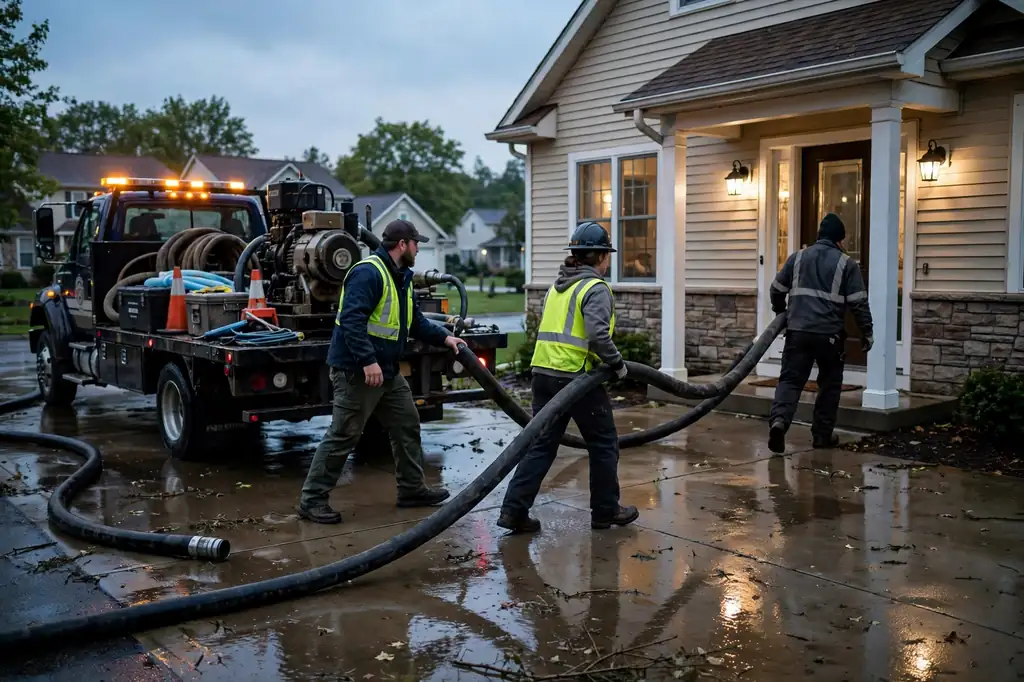
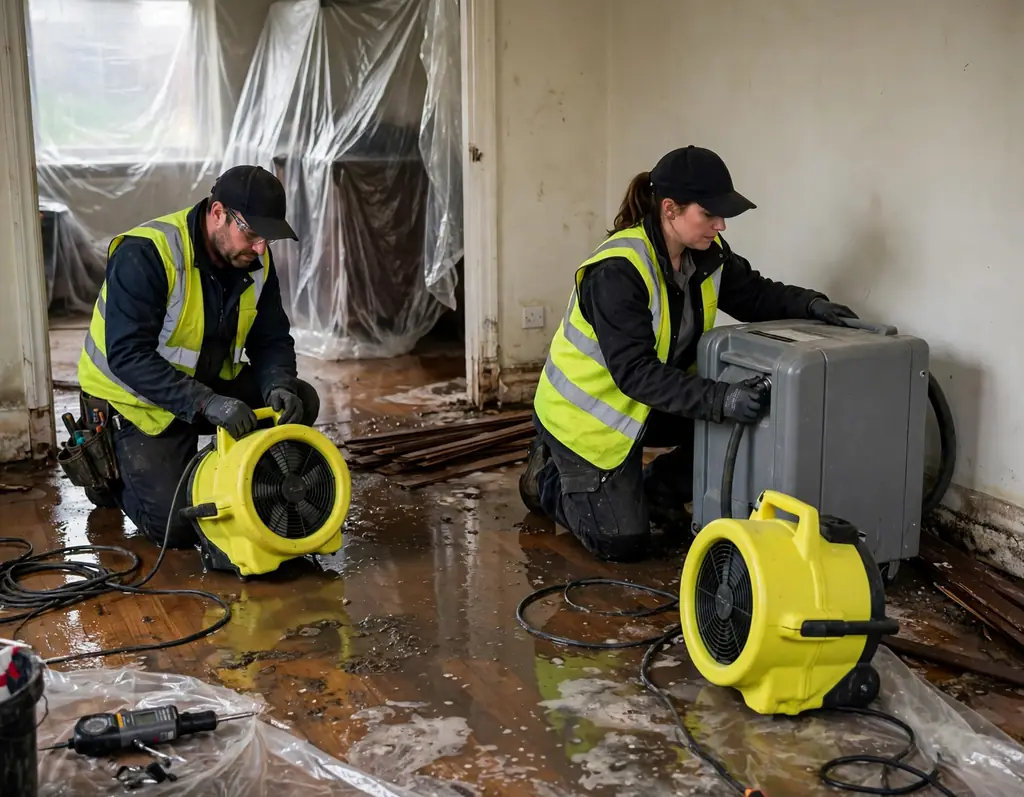
  • Trace the water source
  • Protect unaffected rooms
  • Record moisture readings
Homes in Linder Farms

Homes in Linder Farms

We restore water-damaged rooms in homes across the Linder Farms area. Tell us which floors and spaces are wet so we can inspect the source and plan drying.

  • Rural homes and lots
  • Basements and lower rooms
  • Detached utility spaces
  • Carpet and hardwood floors
Properties in Linder Farms

Properties in Linder Farms

We coordinate cleanup around access, affected materials, and the needs of the property. Our inspection identifies the water path before equipment is placed.

  • Small offices and workspaces
  • Agricultural support buildings
  • Storage and utility areas
  • Mixed-use property interiors

Common Water Damage Problems in Linder Farms

Linder Farms losses come from the land as much as the house, so these four lead: burst or frozen pipes, irrigation runoff in low areas, pump failure, and roof leaks in ceiling insulation.

  • Sprinkler and Irrigation Water Reaches the House

    Sprinkler and Irrigation Water Reaches the House

    A sprinkler line that breaks during an irrigation cycle can deliver a surprising amount of water toward a home in Linder Farms. The tell is timing: the wet area appears or grows after watering, and the entry point is usually a threshold, a low vent, or a foundation edge. We confirm the source, stop the zone, and map how far the water travelled under flooring before setting air movers, so the drying plan matches the real wet area rather than the visible one.

  • Slow Leaks Leave Dampness That Turns Musty

    Slow Leaks Leave Dampness That Turns Musty

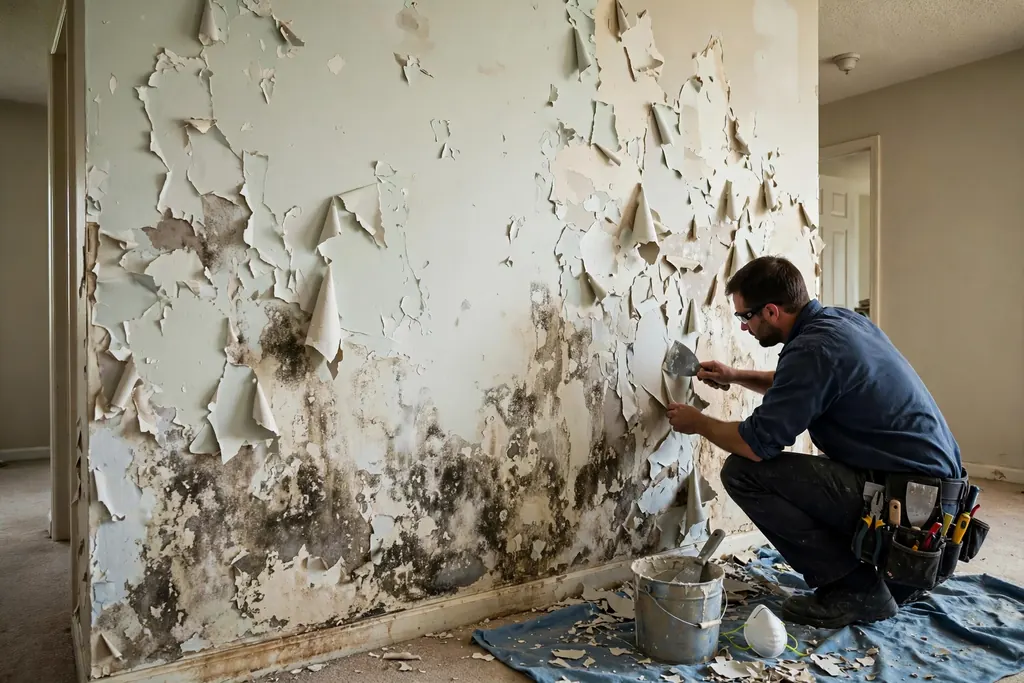
    A leak that stays damp for days will start to smell musty long before anything is visible, and the smell is the warning that moisture is sitting in a wall cavity or under flooring. In Linder Farms, we find the source, extract, and dry from meter readings, and we check the hidden spaces — behind baseboards, inside the cavity, under the floor edge — because surface drying alone leaves the dampness that causes the smell. If growth is visible or the smell persists after drying, we explain what inspection and testing would involve.

  • Supply-Line Fittings Leak Behind Cabinets and Walls

    Supply-Line Fittings Leak Behind Cabinets and Walls

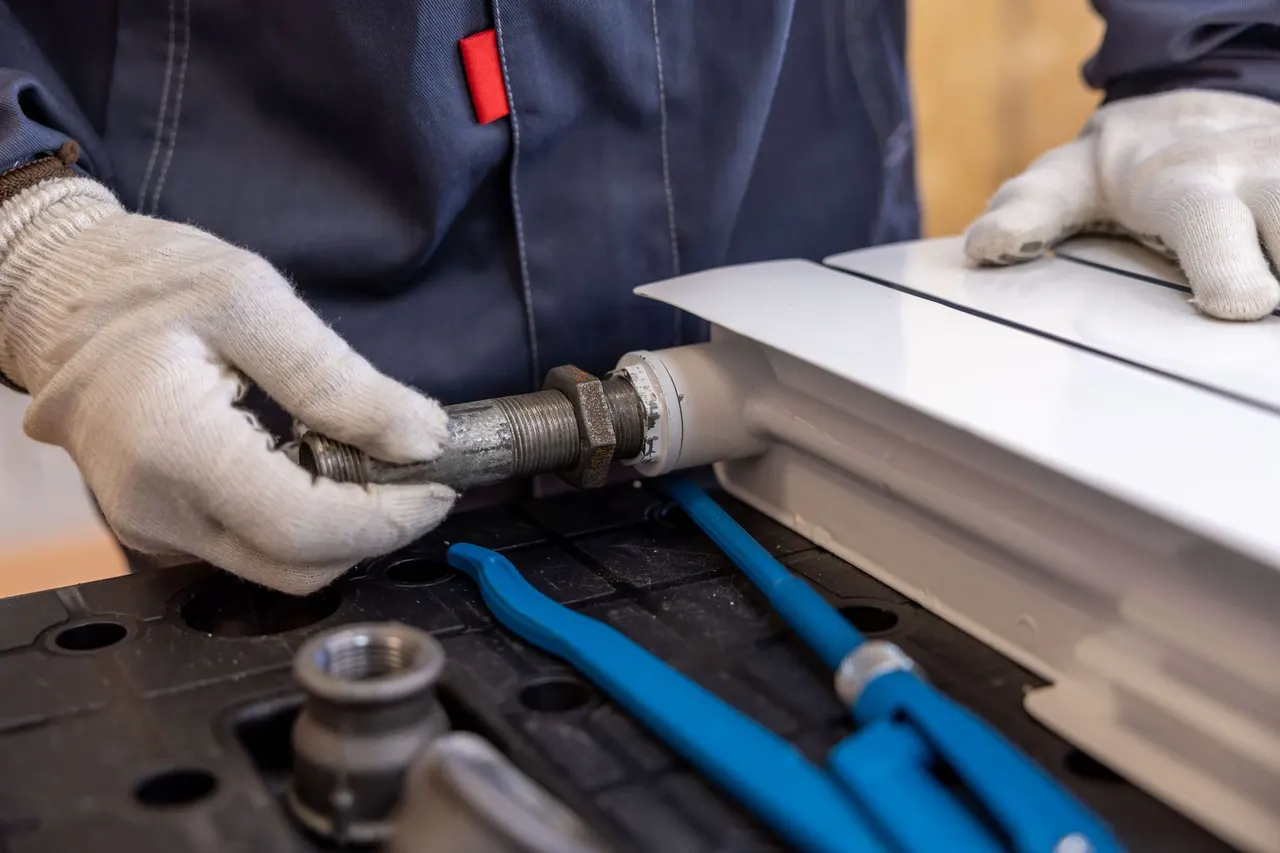
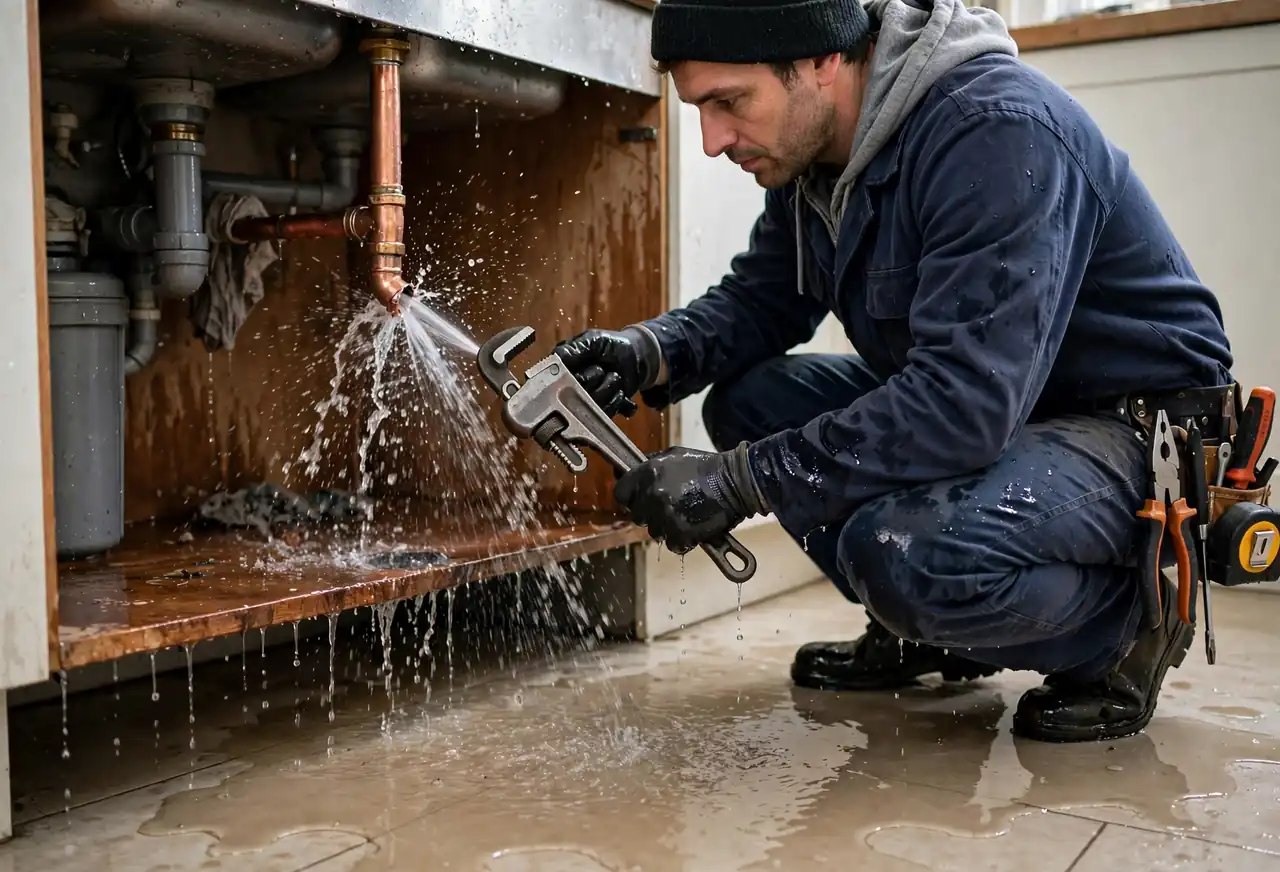
    A fitting that weeps behind a wall in Linder Farms can wet insulation and drywall for days before the surface shows anything. We trace the damp path with a meter rather than opening walls blindly, stop the supply at the nearest shut-off, and dry the cavity from the readings. The repair note names the failed fitting and the rooms it affected, so the plumber and the drying record agree on what happened.

  • Foundation Seepage Wets Lower Walls After Rain

    Foundation Seepage Wets Lower Walls After Rain

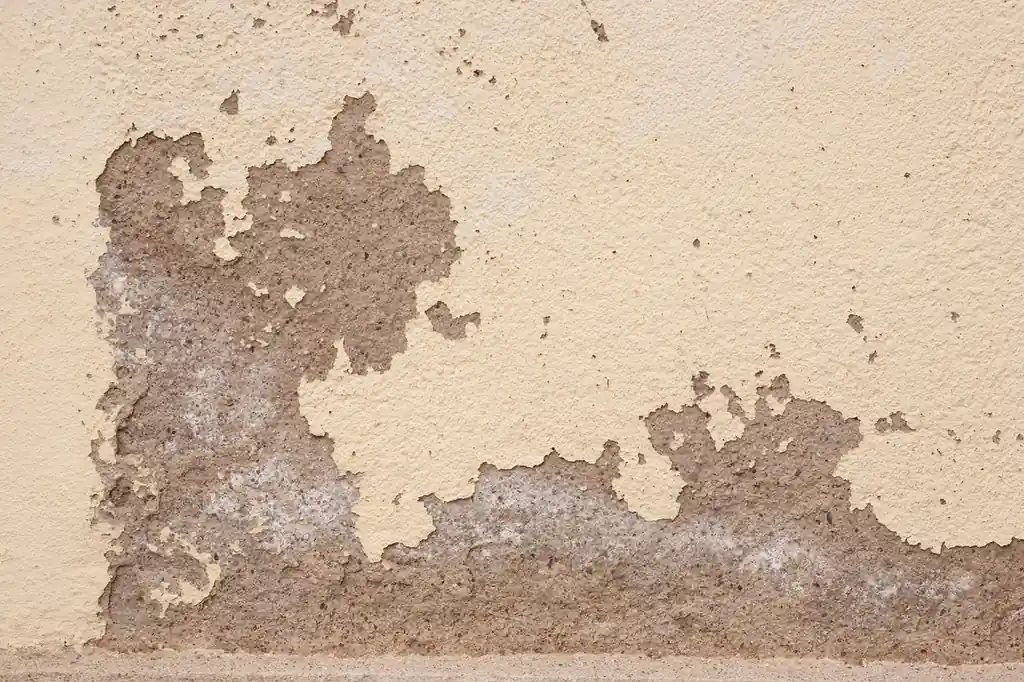
    Water that seeps through or under a foundation shows up as a damp line at the base of a wall, a wet floor edge, or a smell that returns after every rain. In Linder Farms, we check the outside grade, the gutters, and the wall base together, because seepage is a water-path problem as much as a drying problem. We extract, dry from readings, and note the path the water took, so the drying work and any drainage fix address the same cause.

When to Call for Emergency Water Repair

Notice spreading stains, wet flooring, standing water, or a damp odor? Call to locate the source and start cleanup.

  • Water keeps flowing after the fixture is off

    A continuing leak can mean a failed supply line, hidden pipe, or valve problem. Shut off the nearest safe water supply and call promptly. Water can travel through flooring and wall cavities beyond the room where it first appears, so we inspect adjoining areas as well as the obvious puddle.

  • Ceiling stain grows or begins to drip

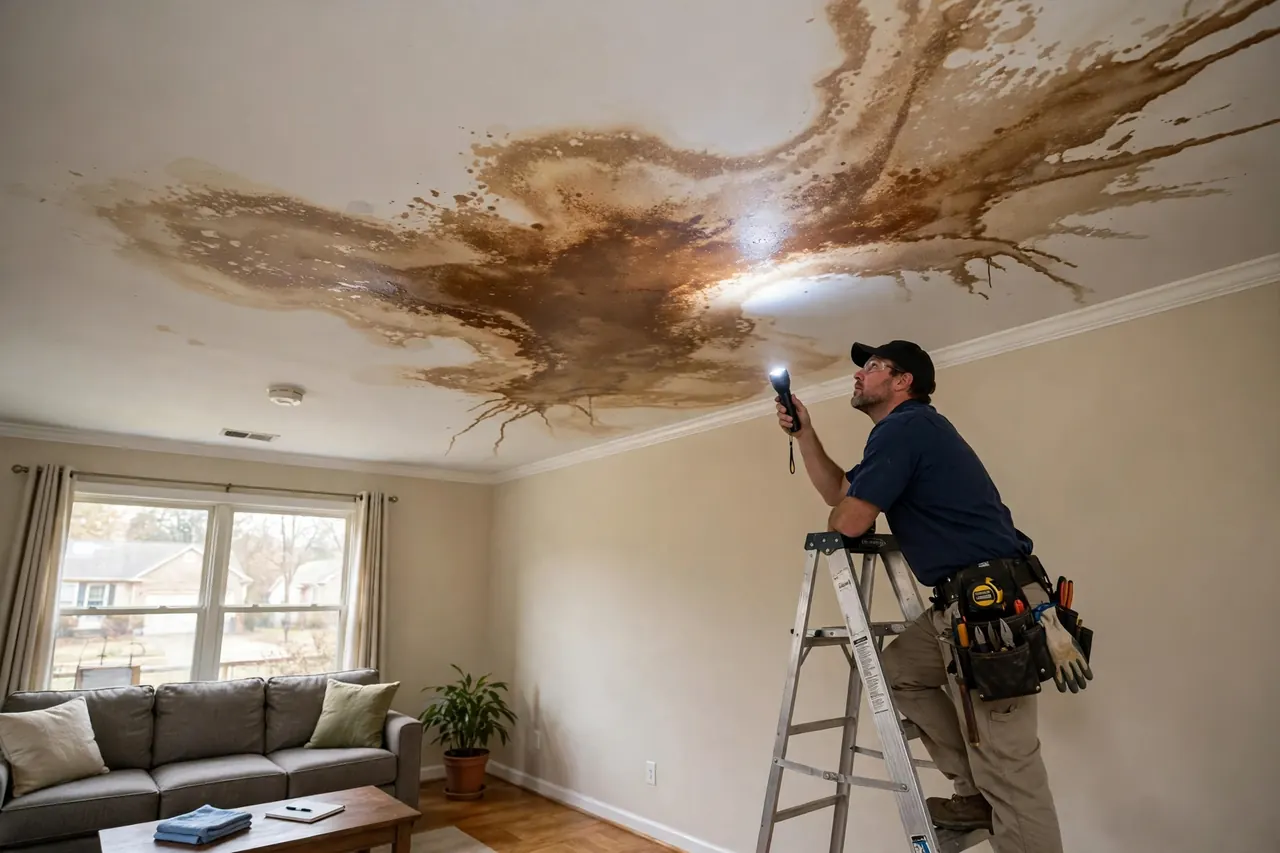
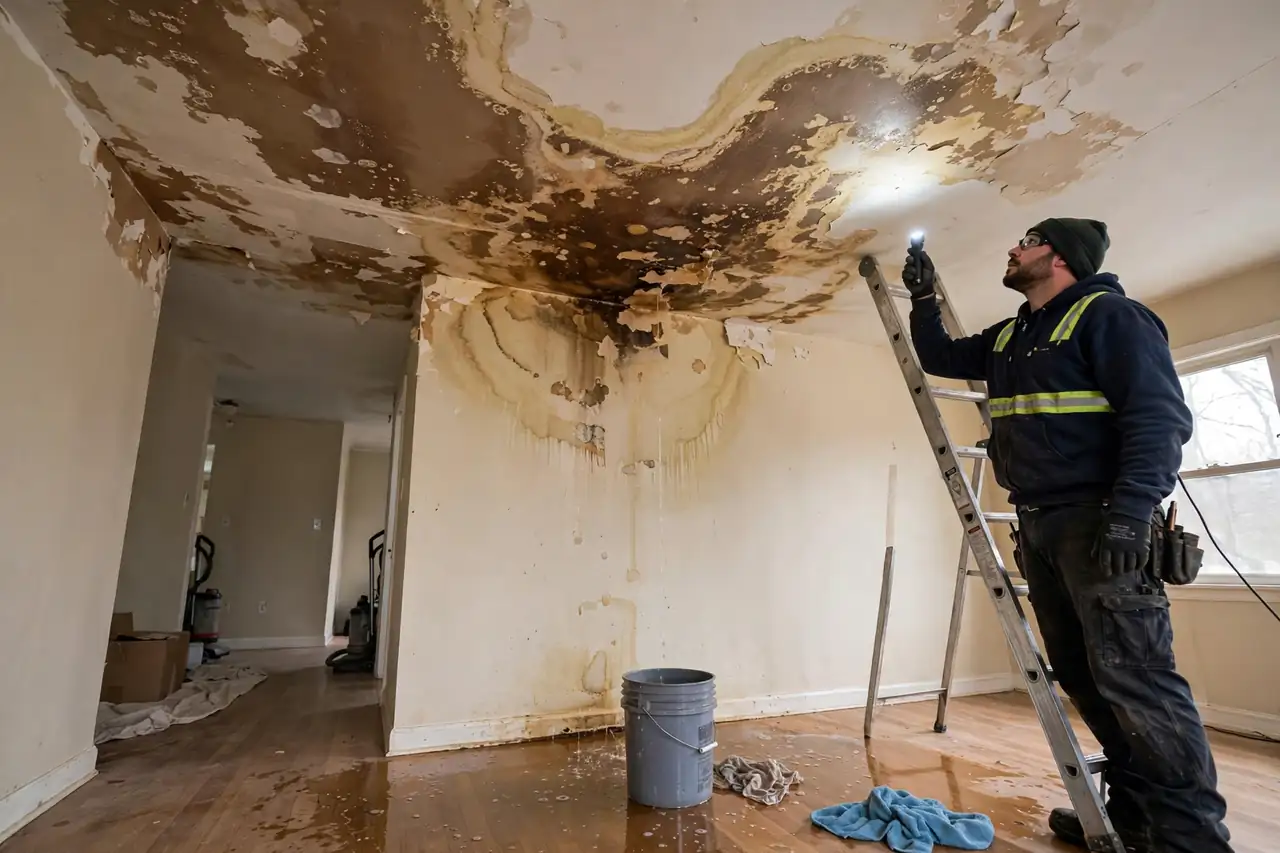
    A spreading stain usually means water is still entering or has collected above the ceiling. Keep people and belongings clear of a sagging section, then call for inspection. We trace the source, check insulation and framing, and dry or remove affected material after the leak is controlled.

  • Carpet feels wet beyond the visible spill

    Water can move under carpet and soak the padding, even when the surface looks only slightly damp. The edges, tack strips, and nearby baseboards need inspection. Early extraction helps limit how far moisture travels and determines whether the pad can be dried or must be removed.

  • Basement floor stays wet after pumping

    Repeated water at the same floor edge can point to sump pump failure, foundation seepage, or drainage conditions outside. Removing the puddle without checking the source invites another cleanup. We inspect the pit and entry points, map moisture, and explain what needs repair.

  • Musty odor follows a leak or flood

    A persistent damp smell can indicate moisture trapped behind drywall, beneath flooring, or in stored contents. Do not cover it with fragrance. We look for hidden wet materials, measure affected areas, and address the moisture source before cleaning or odor treatment.

How We Handle Linder Farms Water Losses

Linder Farms emergency water damage repair starts with a call that establishes where water is coming from, how much is present, and whether electricity or sewage creates a safety issue. Our crew arrives with extraction and moisture-checking equipment, then works from the wettest area outward to protect clean rooms. On rural properties, we confirm the access point and identify outbuildings or lower areas that may also need a check. The Linder Road corridor provides a useful local route, but actual arrival time depends on current conditions and call volume.

  • Irrigation runoff reaches low areas around rural properties

    Water can enter from outside and spread along a floor before the source is obvious. That makes it important to distinguish runoff from a plumbing failure and to check the foundation edge, crawl space, and lower wall materials. We ask when irrigation or rainfall occurred and where the first water appeared. Our inspection follows the wet path, checks low points, and records moisture in nearby materials. We remove interior water first, then explain whether exterior drainage, a sump system, or a separate building repair needs attention.

  • Seasonal flooding and wet ground complicate basement assessment

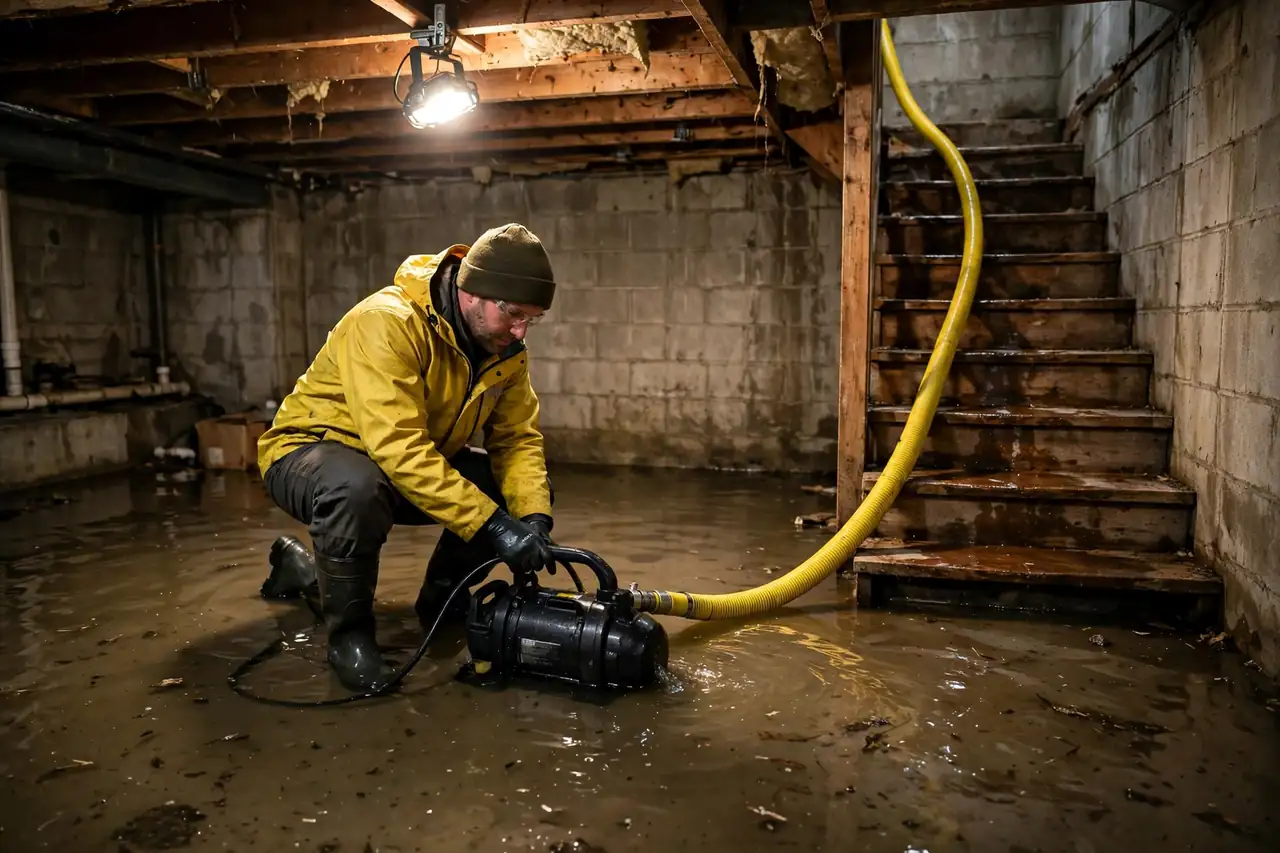
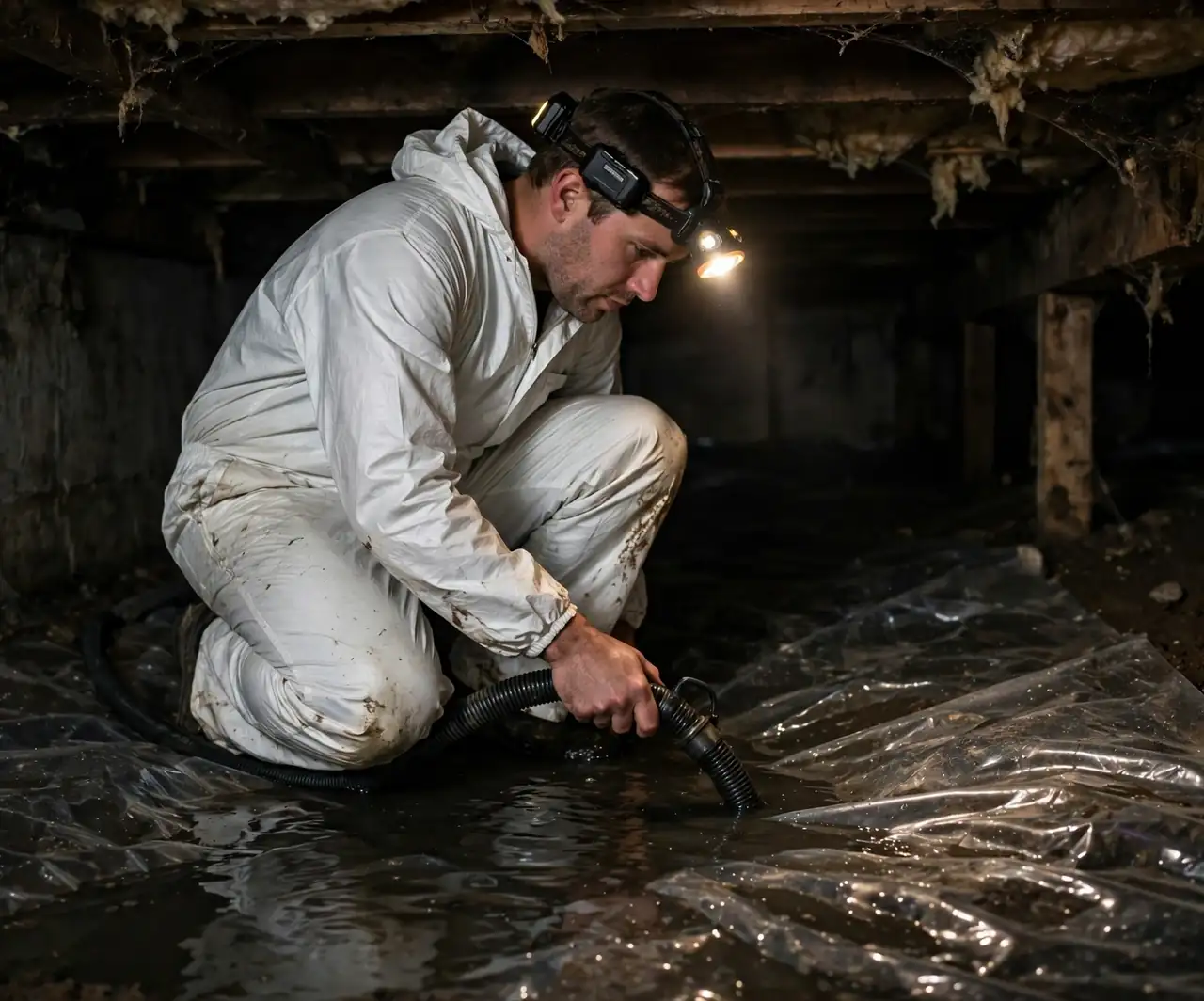
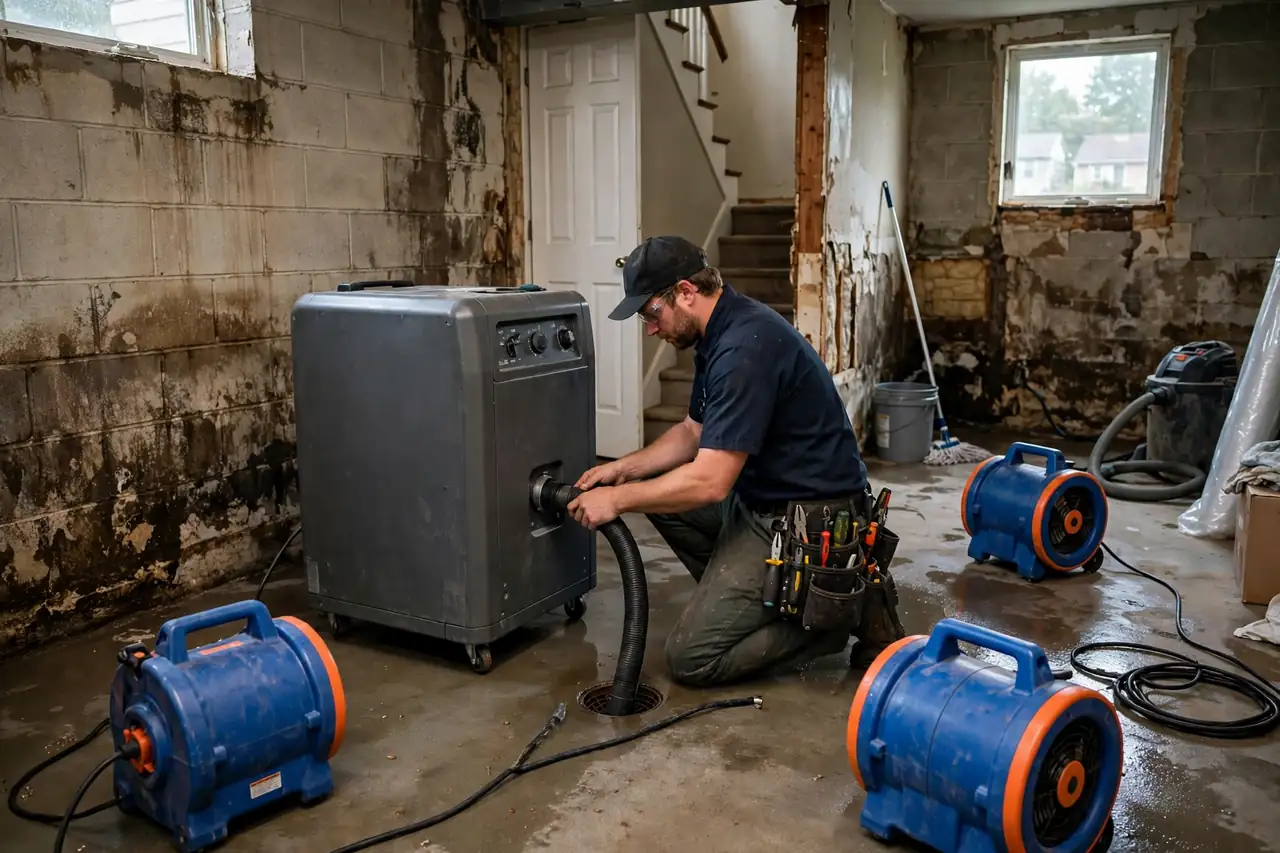
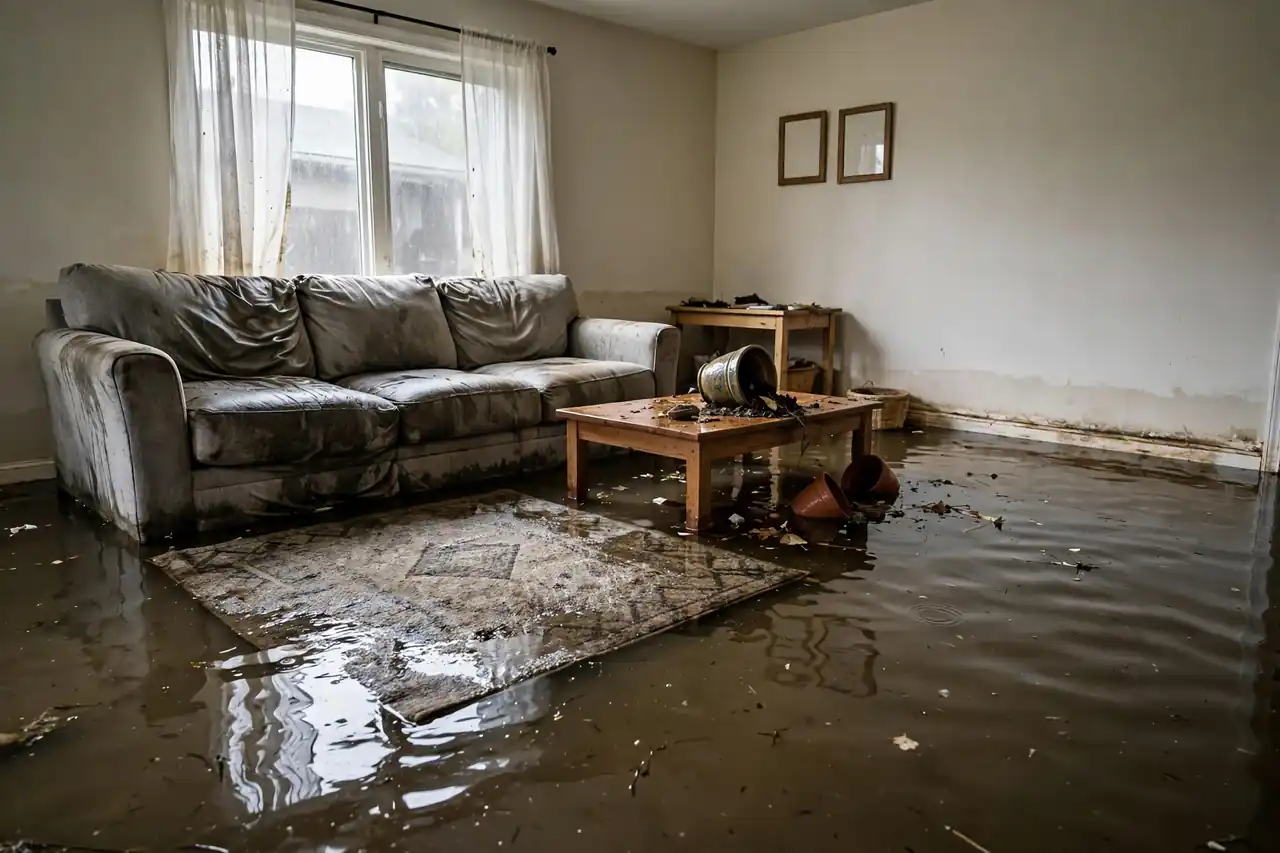
    A low room can take on water from several directions during changing weather. If the water source is not identified, a cleaned floor can become wet again, and stored belongings may continue absorbing moisture. We check the sump pit, floor-wall junction, and visible entry points while extracting water. A water level and moisture map help us establish the affected boundary. We can discuss sump pump or french drain work when the inspection indicates a recurring drainage issue.

  • Winter freezes can split exposed or poorly protected plumbing

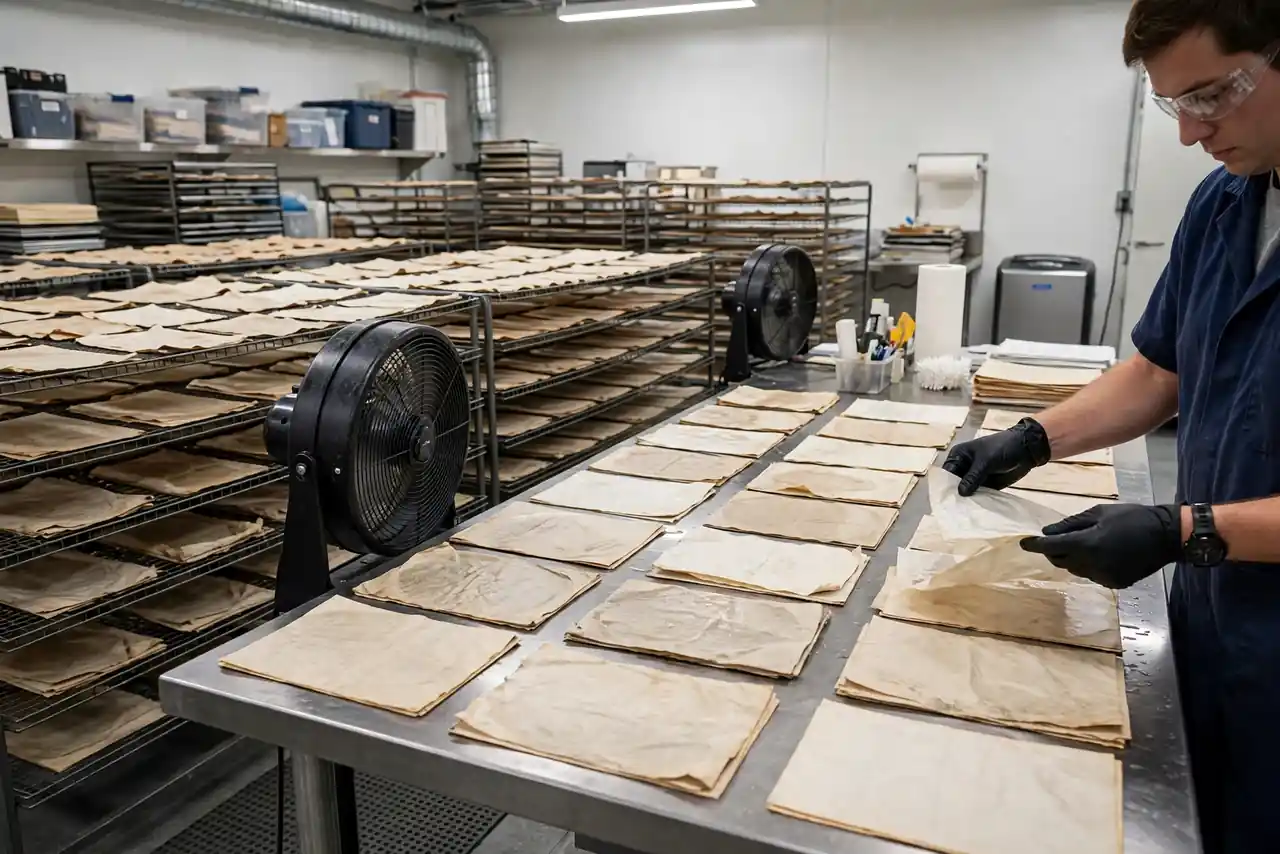
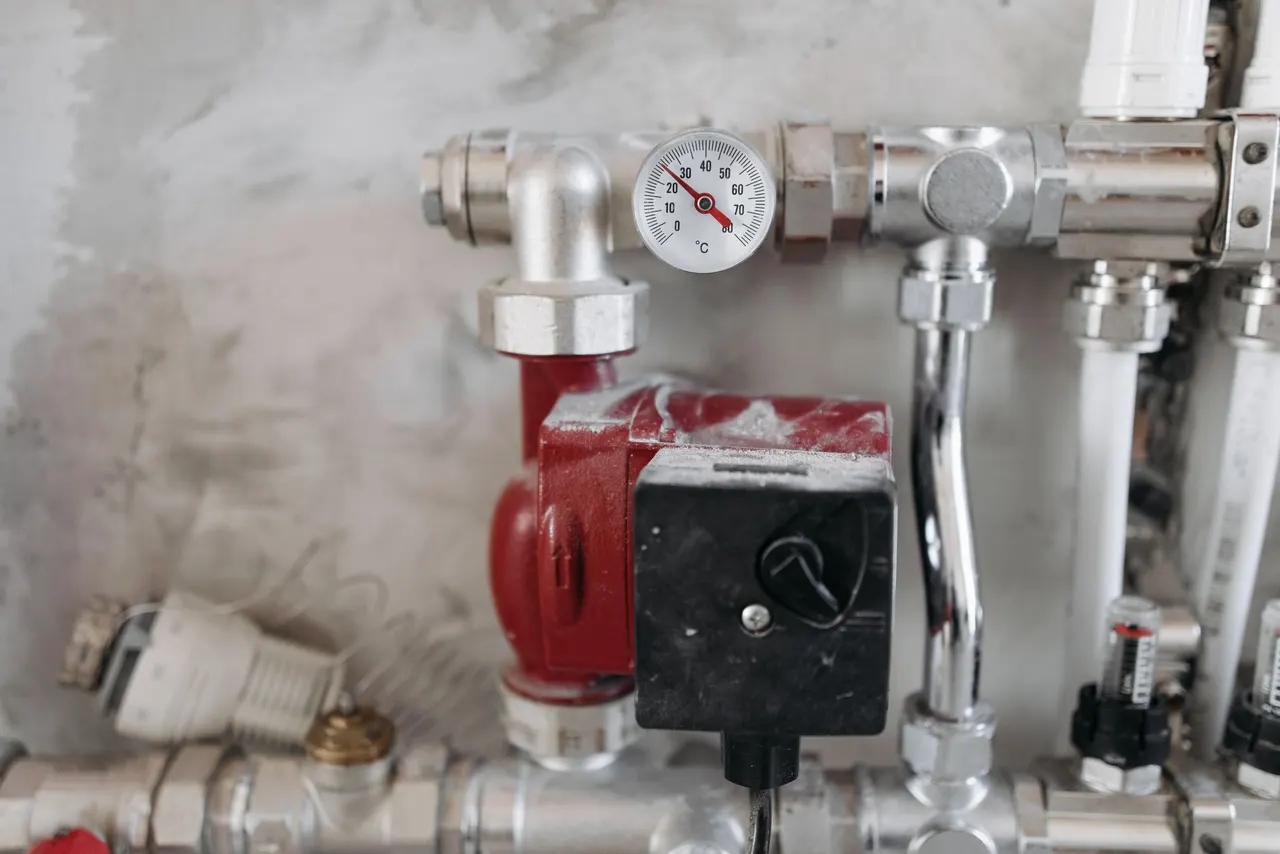
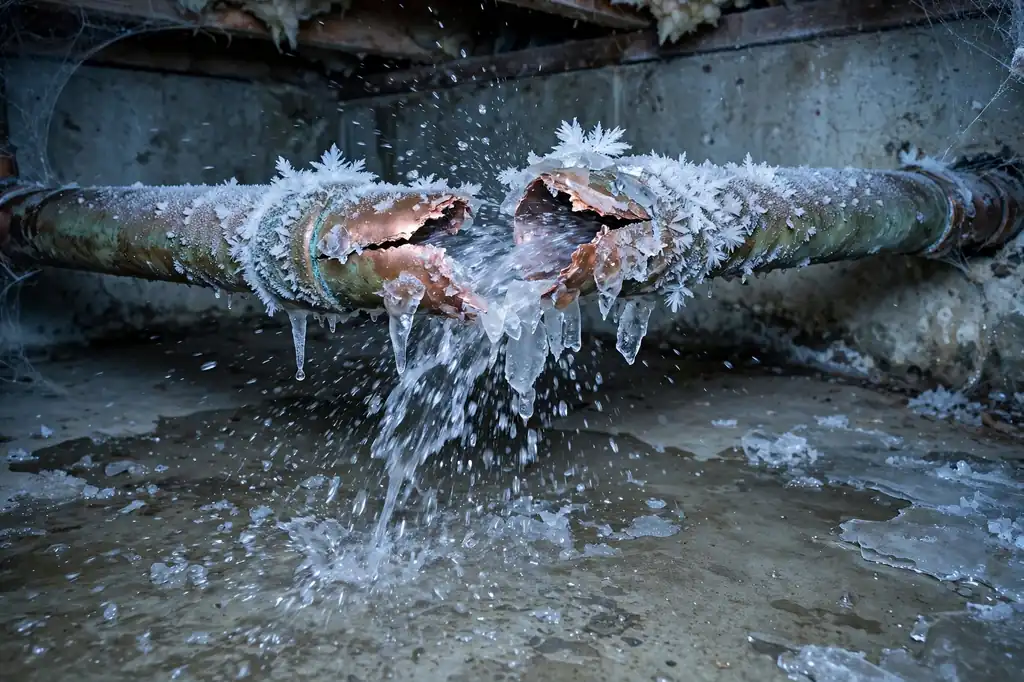
    A frozen pipe may thaw and release water into insulation, drywall, and flooring after the initial cold period. The leak can remain active while the damage spreads, especially when a line is behind a wall or in a service area. We first help isolate the water source and arrange plumbing repair, then extract and inspect the affected rooms. We check adjoining cavities for migration and set drying equipment only after the leak is controlled. Readings show when materials have reached an appropriate dry condition.

  • ANSI/IICRC S500 water damage restoration standard

    We use the standard as a technical reference for evaluating water categories, documenting affected materials, and planning extraction and drying. It supports a measured process in Linder Farms homes, where clean supply water and exterior runoff require different handling.

  • Idaho contractor license requirements

    Work that falls under regulated contracting or plumbing must be handled by appropriately qualified parties. We coordinate restoration with the needed repair trade and keep water mitigation distinct from plumbing or construction work that requires its own authorization.

Local Orientation Around Linder Farms

We use Linder Farms and Linder Road as the primary local orientation points when confirming an address and planning access. Give us the nearest named road, driveway entrance, and whether the affected room is inside the main residence or a separate structure. Those details help the crew find the correct property and unload equipment safely. We do not use landmark proximity to assume why water entered; the source is established during inspection.

  • Linder Farms

    The Linder Farms name identifies the service area and helps distinguish the destination when confirming a Kuna address. We still verify the property location and entrance directly, because a landmark name alone does not identify a specific driveway or building.

  • Linder Road

    Linder Road is a useful route and orientation reference for reaching properties in this area. Sharing the nearest access point or cross street when calling helps the crew select the right approach and avoid confusion at rural entrances.

  • Kuna

    Kuna is the local city reference for service coordination and regional routing. Providing a complete street address with the Kuna location helps separate nearby routes and makes it easier to direct the crew to the correct property.

  • Linder Road corridor

    The corridor is a local route reference serving properties and destinations along Linder Road. We use it for navigation and address confirmation; it does not determine the source or cause of an individual water loss.

  • Kuna Town Center

    Kuna Town Center is a named Kuna destination that can help orient callers describing their location relative to town. We confirm the actual service address before routing equipment.

  • Linder Road

    Linder Road is the main local access reference supplied for this service area; callers can identify their driveway or nearest road connection to guide arrival.

  • Kuna

    Kuna serves as the regional routing base for calls in and around Linder Farms. The crew confirms the address and access instructions before setting out.

Linder Farms Areas We Cover

Our local coverage includes the Linder Farms area, the Linder Road corridor, and nearby Kuna neighborhoods listed below. Routes are planned around the property entrance and the affected building, not just a map pin. If water has reached a detached garage, crawl space, or lower room, tell us when you call so we can plan equipment and access. We also serve nearby areas across Kuna and Ada County.

  • Linder Farms area
  • Linder Road corridor
  • Meadow View
  • Prairie Creek

Linder Farms Water Loss Examples

  • Linder Farms area

    Before

    A supply line leak wet carpet and lower drywall in a Linder Farms home, with water reaching the adjoining hallway before the shutoff was found.

    After

    We isolated the affected rooms, extracted water from the carpet, and checked the baseboards and drywall with a moisture meter. The crew lifted the carpet edge to assess padding, removed material that could not be dried, and positioned air movers with a dehumidifier. Readings were recorded at the same points during follow-up checks. The active water was removed during the first visit, and the affected area was mapped across two rooms. Drying equipment ran for four days before final readings supported the next repair step.

  • Linder Road corridor

    Before

    After seasonal flooding, a homeowner found water at the basement floor and dampness at the wall edge, with a sump system that had stopped cycling.

    After

    We removed standing water, inspected the sump pit and lower wall, and checked nearby stored belongings for exposure. The team documented moisture at the floor-wall junction and explained the need to address the pump issue before closing out drying. We dried affected materials and kept clean contents separated from the wet area. Water extraction cleared the basement floor, and monitoring continued for three days. The property owner had a documented moisture map and a defined follow-up for the sump system.

  • Linder Farms area

    Before

    A winter pipe break in a detached utility space sent water beneath stored items and into a section of wall insulation at a rural property.

    After

    We helped stop the water, moved salvageable contents away from the wet zone, and removed standing water from the floor. After inspecting the wall cavity, we identified saturated insulation for removal and placed drying equipment to address the framing. The crew also checked the adjoining floor for migration. The wet contents were separated on the first day, and two affected wall sections were opened for drying. Moisture readings were checked over five days before repair work proceeded.

Seasonal Water Risks in Linder Farms

  • Spring

    Spring runoff and rain put the drainage around a home to the test, and the first sign of trouble is often a damp floor edge after a storm. Clear gutters and downspouts, check that water runs away from the foundation, and inspect ceilings for stains that winter moisture left behind. When irrigation resumes, a zone that sprays the wall or pools near a threshold needs shutting off the same day.

  • Summer

    Summer brings the long irrigation season and the hottest days of the year, and a sprinkler zone that runs for hours can push a surprising amount of water against a foundation. Check zones weekly for broken heads and overspray, keep water off thresholds and low vents, and remember that surface water dries fast in the heat while moisture trapped under flooring does not. A damp patch that survives a hot afternoon deserves a meter reading, not a shrug.

  • Fall

    Before the cold arrives, fall work is mostly prevention: gutters cleared, downspouts running clear of the foundation, roof valleys checked, and the irrigation system drained. Know where the water main shut-off is and that it turns freely, and look at the pipes in the garage and crawl space for exposure. The homes that flood in winter are usually the ones where a small fall job was put off.

  • Winter

    Freezing nights are the biggest winter risk for Kuna homes, because a split pipe can release water for hours while everyone is asleep. Heat the rooms with plumbing, keep garage and crawl-space pipes protected, and check the shut-off works before the cold sets in. When a pipe bursts, the order is fixed: stop the water, stay clear of wet electrics and sagging ceilings, then extract and measure before any drying begins.

Questions Before Hiring a Restoration Crew

When you call about a Linder Farms water loss, ask how the crew will identify the source, measure moisture, and decide what can be dried. A good answer names the tools and the checks, not just a promise to set fans. Ask who handles plumbing or roof repair if the source is still active, and how contaminated water is separated from clean areas. You should also understand the likely sequence, what readings will be recorded, and how the price is explained. Direct answers help you compare a real mitigation plan with a quick surface cleanup.

  • How will you find water behind the wall or under the floor?

    The answer should describe a moisture meter, thermal imaging camera, or another appropriate inspection method, followed by direct verification where needed. A crew that only looks at stains may miss wet insulation or subfloor. Ask how findings will guide equipment placement and follow-up checks.

  • Who stops the leak before drying equipment is set?

    Drying cannot hold if water is still entering. The contractor should explain how the source will be isolated and whether a plumber, roofer, or other repair trade is needed. That separates emergency water mitigation from the repair that prevents repeat damage.

  • How do you handle runoff or sewage water differently?

    Water quality changes cleanup steps and what materials can be saved. Ask how the crew isolates contaminated areas, protects clean rooms, and disposes of unsalvageable items. This is especially important if water came from a backup or outside flooding rather than a clean supply line.

  • What readings will show that the structure is dry?

    A useful drying plan includes repeatable readings at identified locations and a clear explanation of the target condition. Ask how often the crew checks equipment and what happens if a wall or floor remains wet. That gives you a measurable basis for the next repair step.

  • How do you price extraction, drying, and repairs?

    Ask for the difference between mitigation work and separate plumbing, roofing, or rebuilding tasks. The answer should identify the main cost drivers, such as water volume, material removal, and drying days. Clear pricing lets you understand which work addresses the immediate loss and which restores the building.

Linder Farms Emergency Water Repair FAQs

Still wondering? (833) 546-4116

Local service team

Call for emergency water damage repair in Linder Farms

If water is spreading through your Linder Farms home, call (833) 546-4116 now. Tell us what failed, where water is standing, and whether it has reached a basement, crawl space, or electrical area. We will guide you through immediate safety steps and coordinate extraction and moisture inspection. Our crew serves Linder Farms and nearby Kuna properties in Ada County, Idaho.

Contact the Kuna Team

Call (833) 546-4116 when water reaches your home or business in Kuna, Idaho. Tell us whether the source is still active, which rooms are affected, and when the damage began; that helps direct the next steps. Calls are accepted at any hour for emergency inquiries, and service coverage includes Kuna, ID, with ZIP codes 83634 and 83642.

Thanks. Your request is in and the team will follow up shortly.