Emergency Water Damage Repair in Kuna Palouse, Idaho

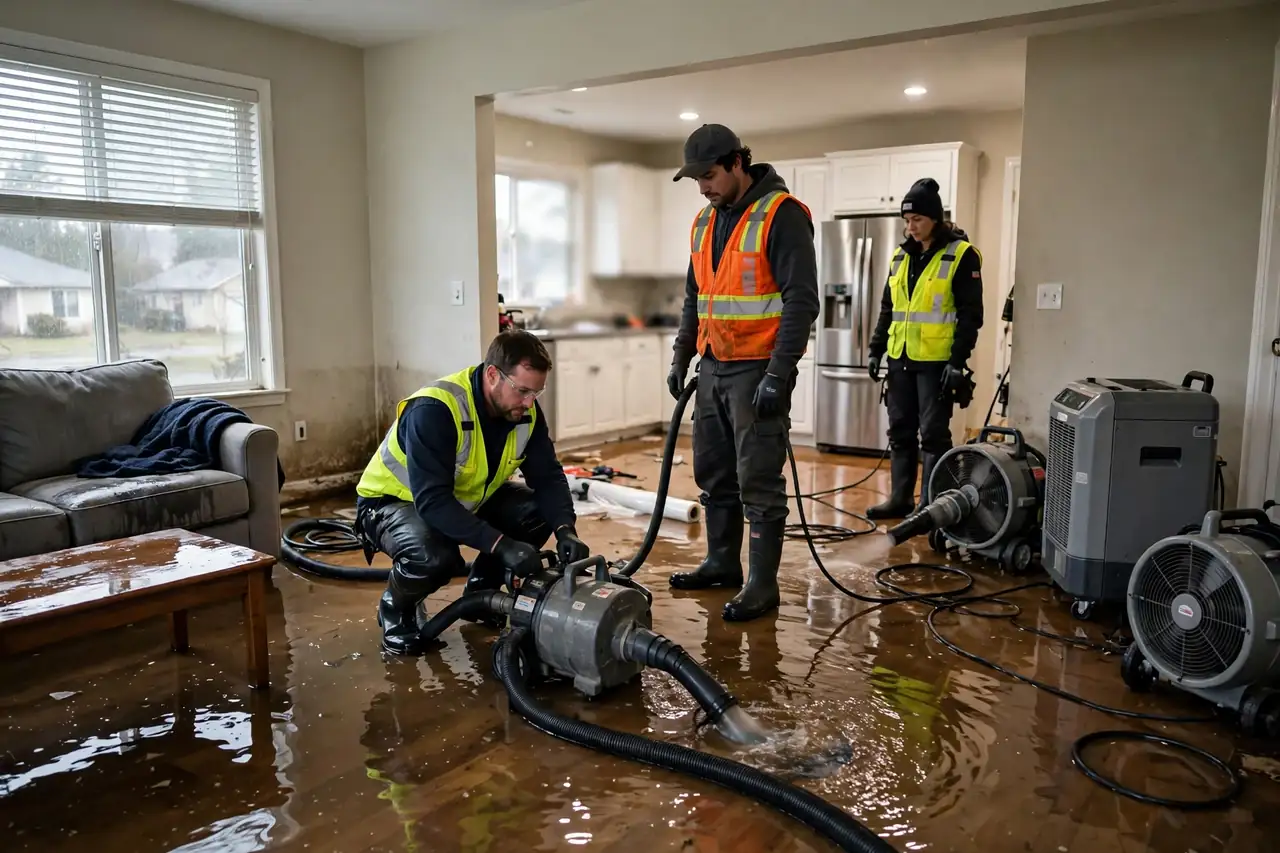
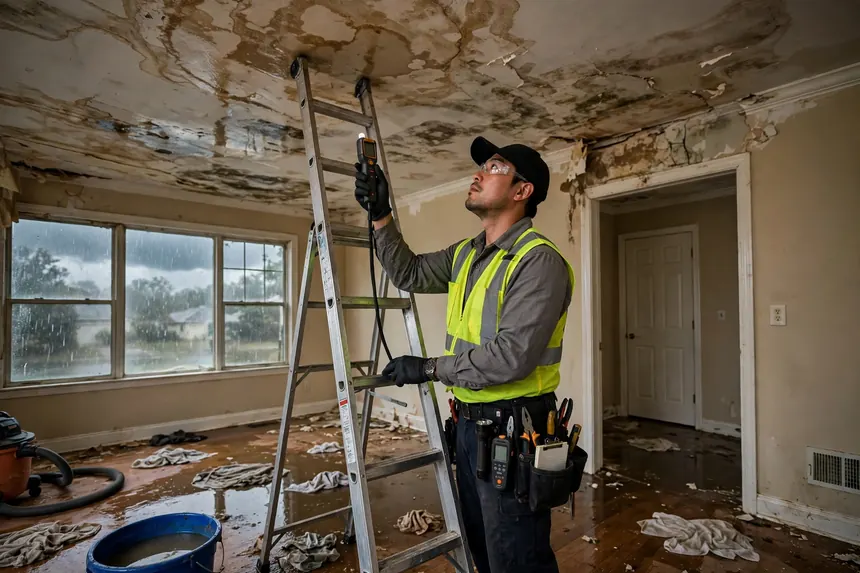
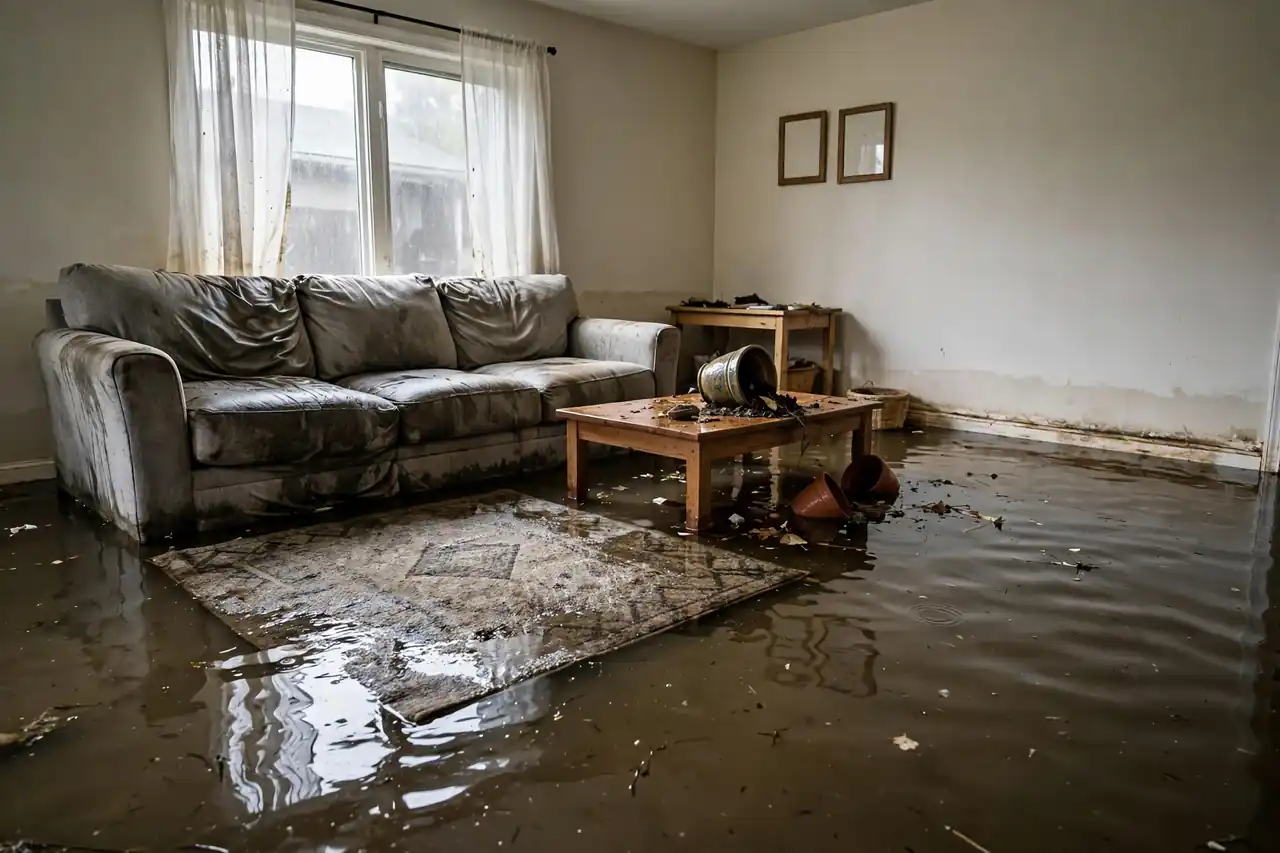
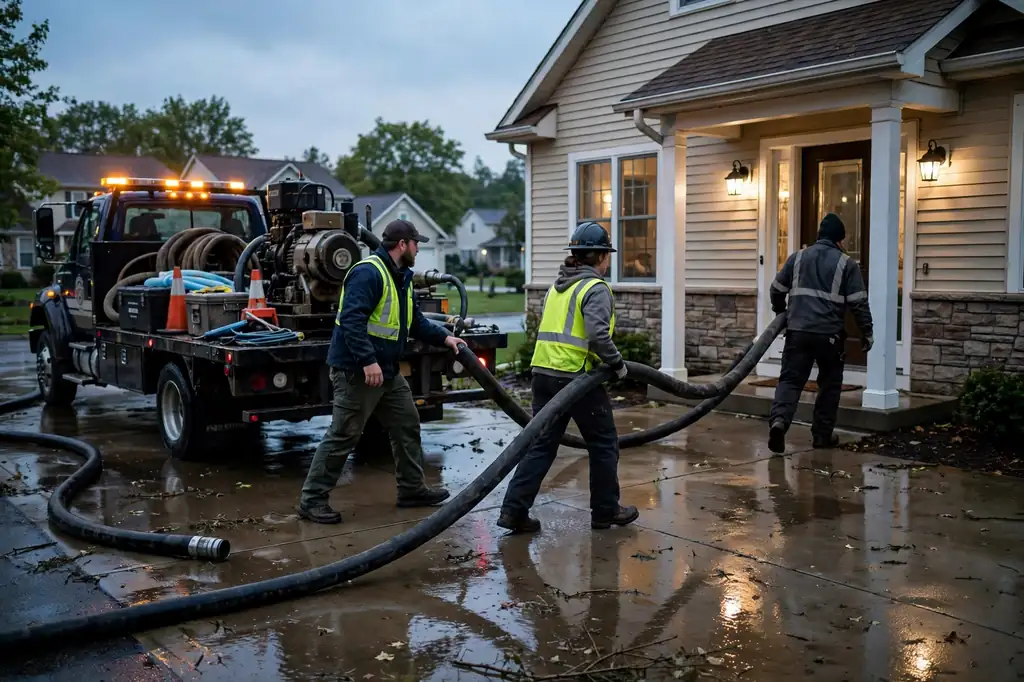
When a pipe breaks or water crosses your floor, emergency water damage repair in Kuna Palouse starts with stopping the source and removing standing water. Our crew serves Kuna Palouse East and Kuna Palouse West, including family homes near Kuna Palouse Park and the Palouse community area. We map wet materials, protect belongings, and explain the next drying steps. Call for Kuna Palouse water damage cleanup before moisture spreads into walls or flooring.

emergency water damage repair in Kuna Palouse

Serving Kuna Palouse homes

  • Readings RecordedMoisture checks guide drying decisions
  • Work Area ProtectedContents moved away from wet surfaces
  • Steps ExplainedYou hear what happens next
  • Equipment CheckedAirflow placement reviewed during work

Local emergency water damage repair in Kuna Palouse

Kuna Palouse is a quiet subdivision where the water calls are classic winter and storm losses: a pipe that releases water into finished rooms after a cold night, a roof leak that soaks a ceiling and its insulation, and seepage that leaves lower walls damp after sustained rain. Nothing exotic — but each one is found late when the only check is the visible floor.

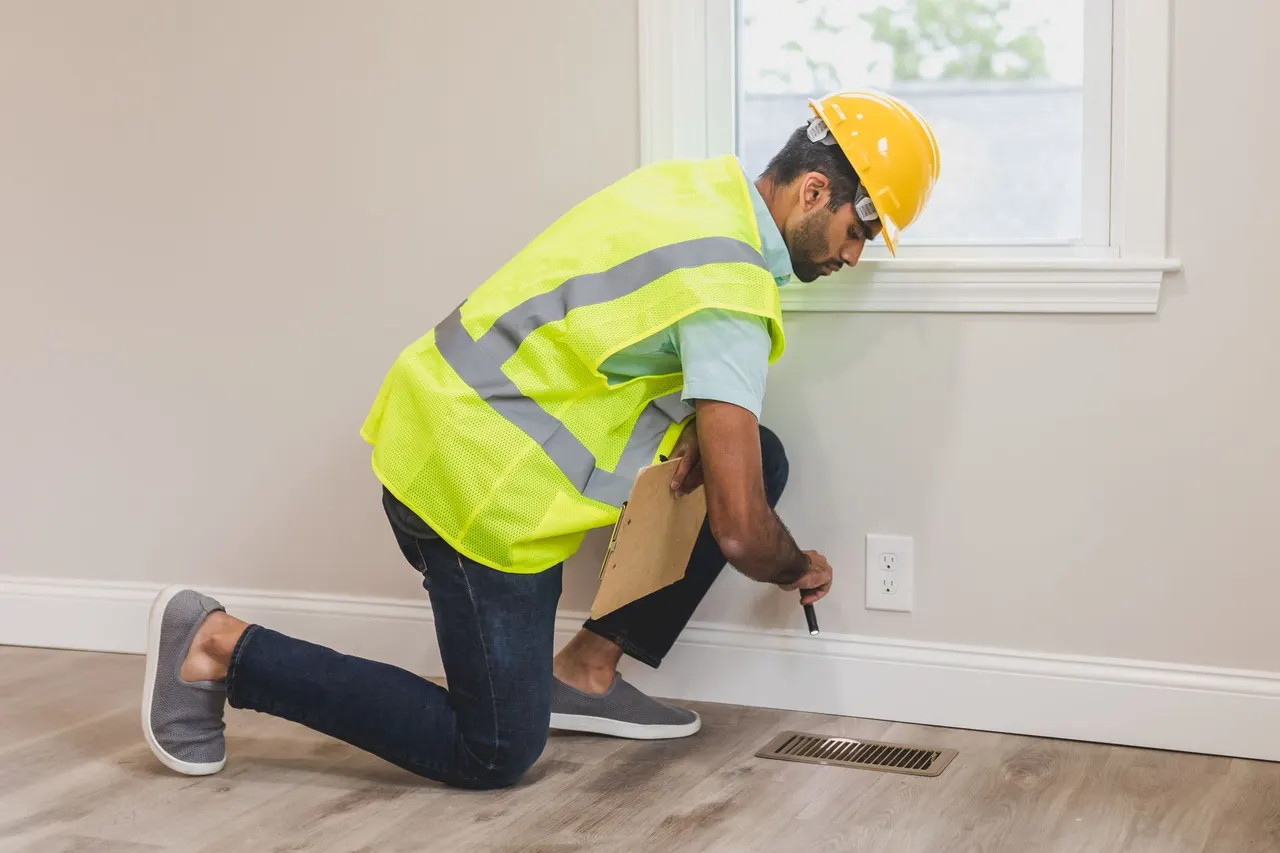
We trace the wet path before placing equipment: the wall the pipe runs through, the ceiling below the roof defect, and the base of the lower walls where seepage shows. Readings at each point set the drying plan, and we re-check before any patch or rebuild, so the repair does not seal in damp insulation or a wet cavity.

Kuna's high-desert climate brings roughly a foot of rain a year and summers over 100°F, so most water inside a home here comes from plumbing or a roof defect, not from rainfall. That is why the source check — pipe, roof, or seepage — comes before any drying in Kuna Palouse.
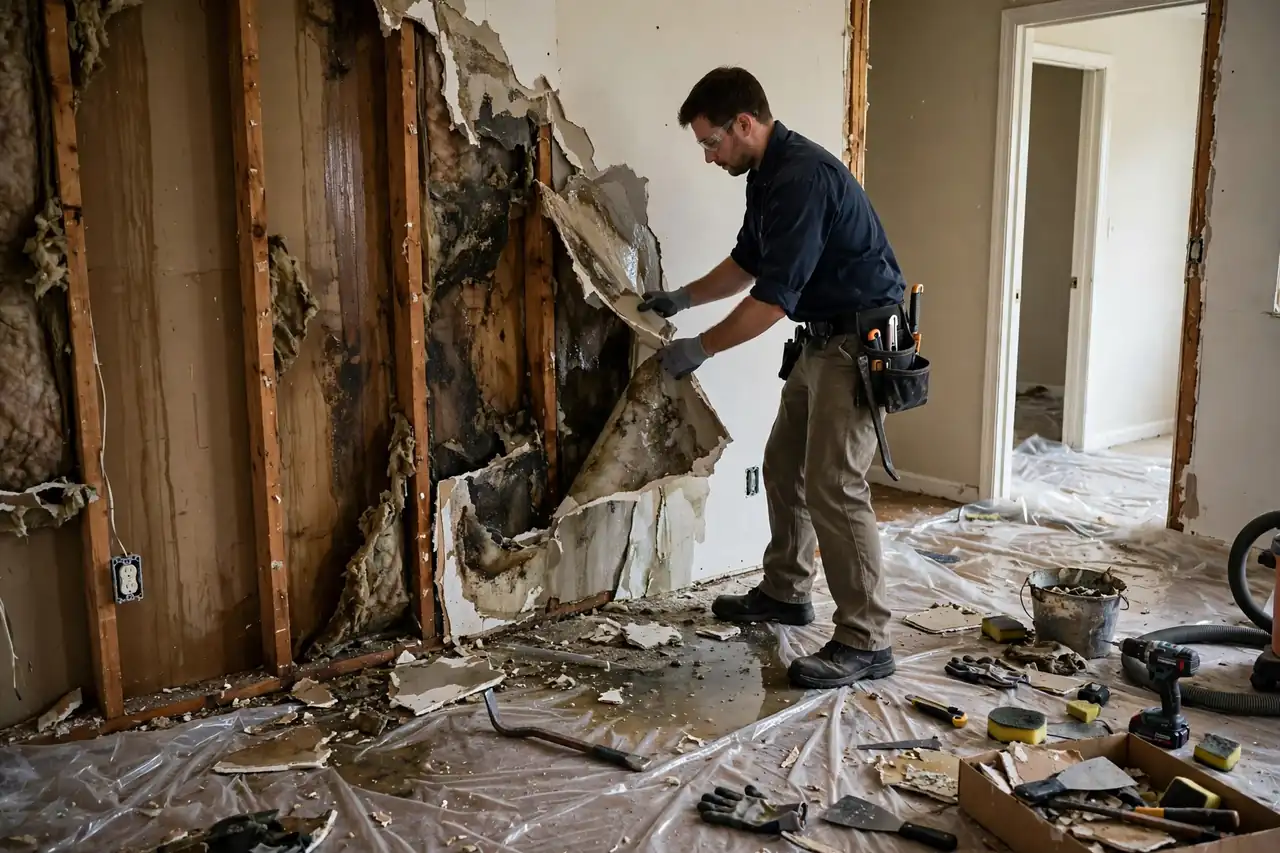
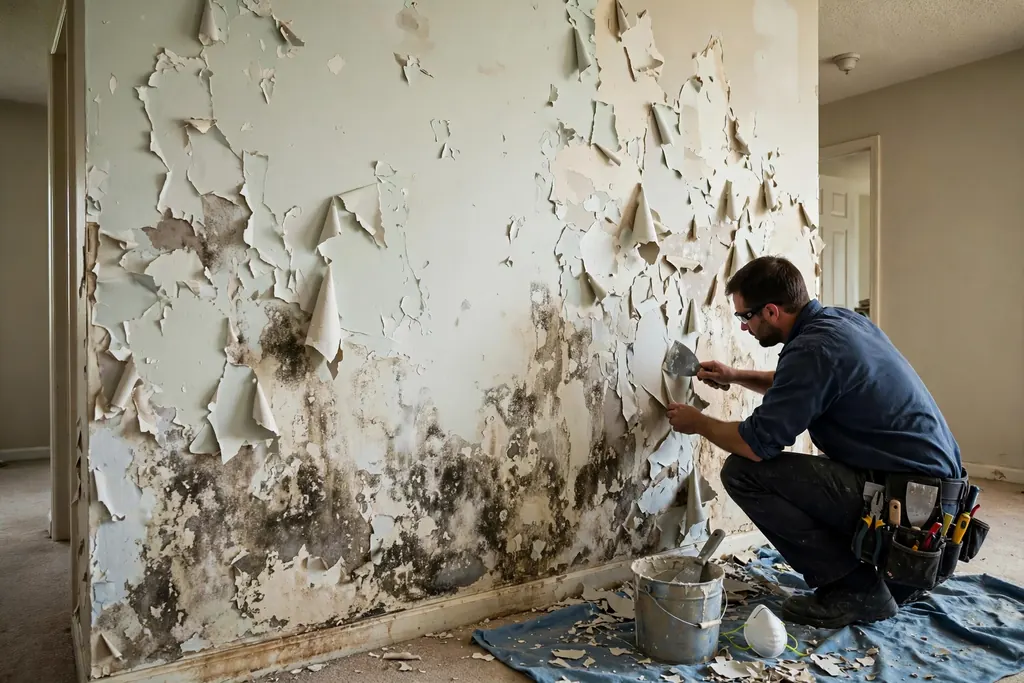
Water damage services for Kuna Palouse

Water losses in Kuna Palouse range from a supply line leak under a sink to storm water entering a lower-level room. Our team starts with source control and extraction, then checks drywall, insulation, carpet padding, and flooring for retained moisture. For emergency water damage repair in Kuna Palouse ID near me, call with the address, water source, and whether the flow is active; that helps us prepare the right equipment. We serve homes across 83634 and nearby Kuna locations, with service selected to match the damage rather than a one-size cleanup package.

Water restoration services in Kuna Palouse

Emergency restoration in Kuna Palouse

Emergency restoration in Kuna Palouse

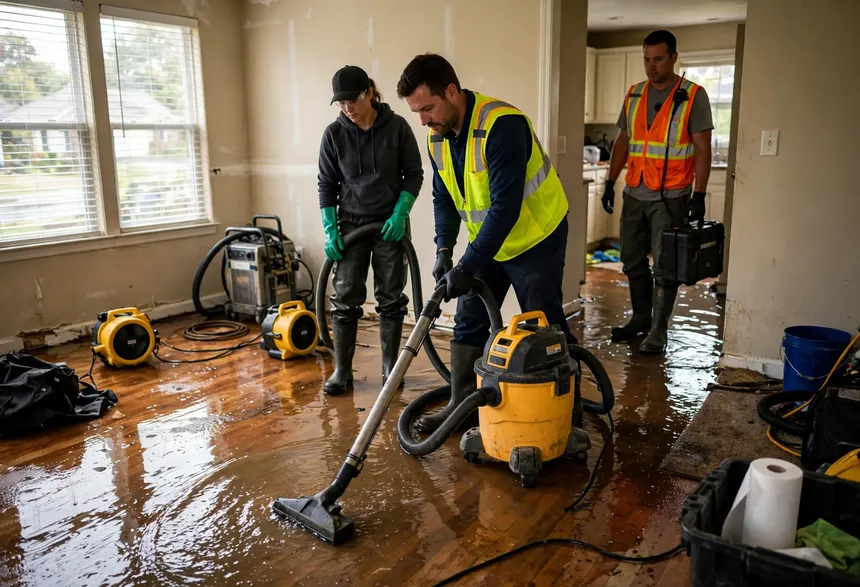
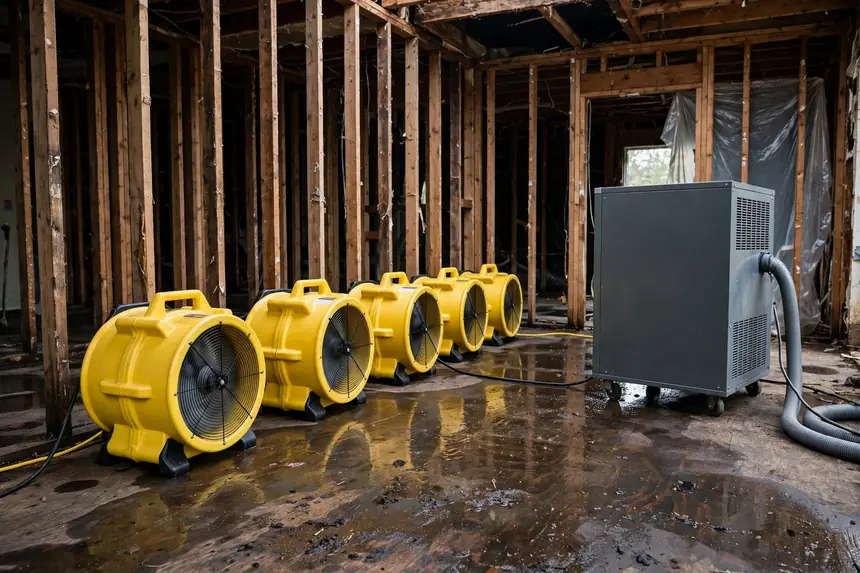
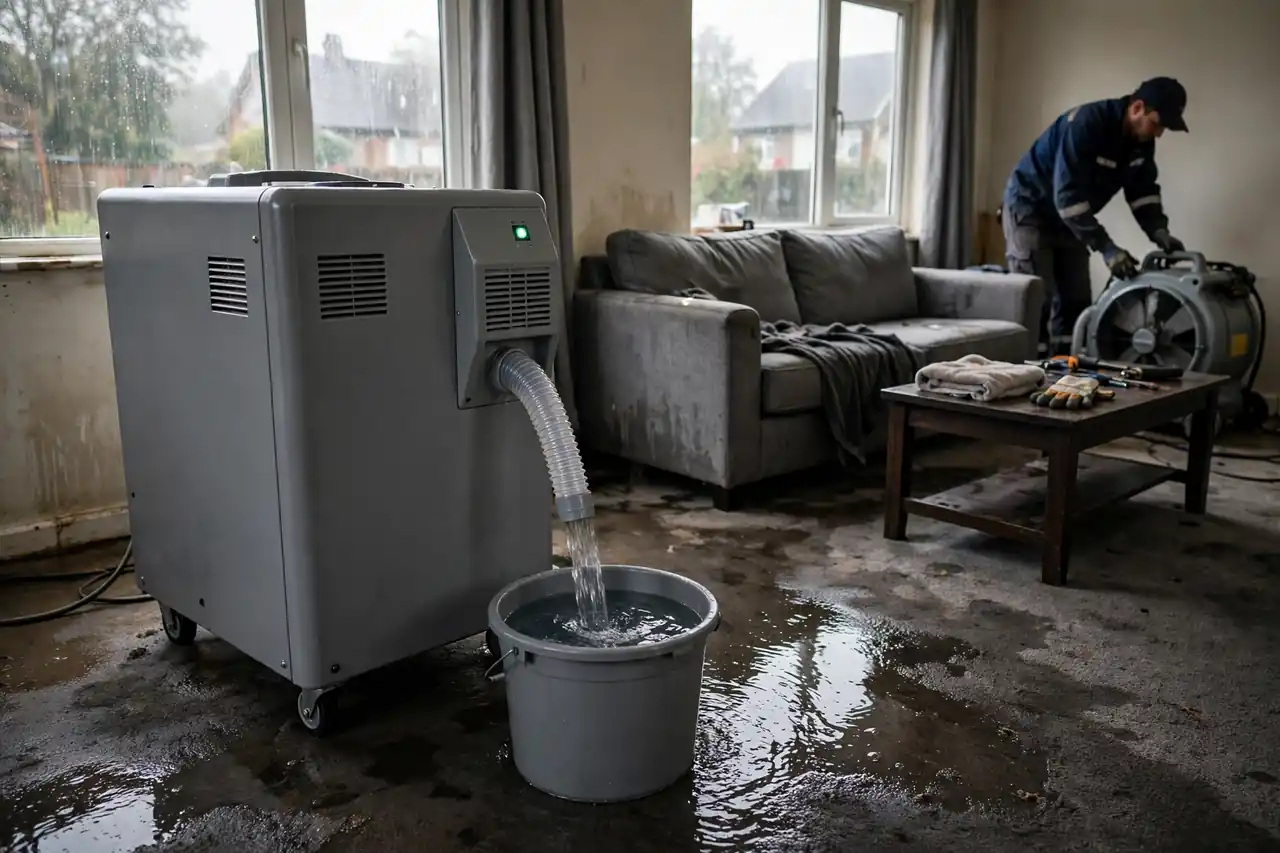
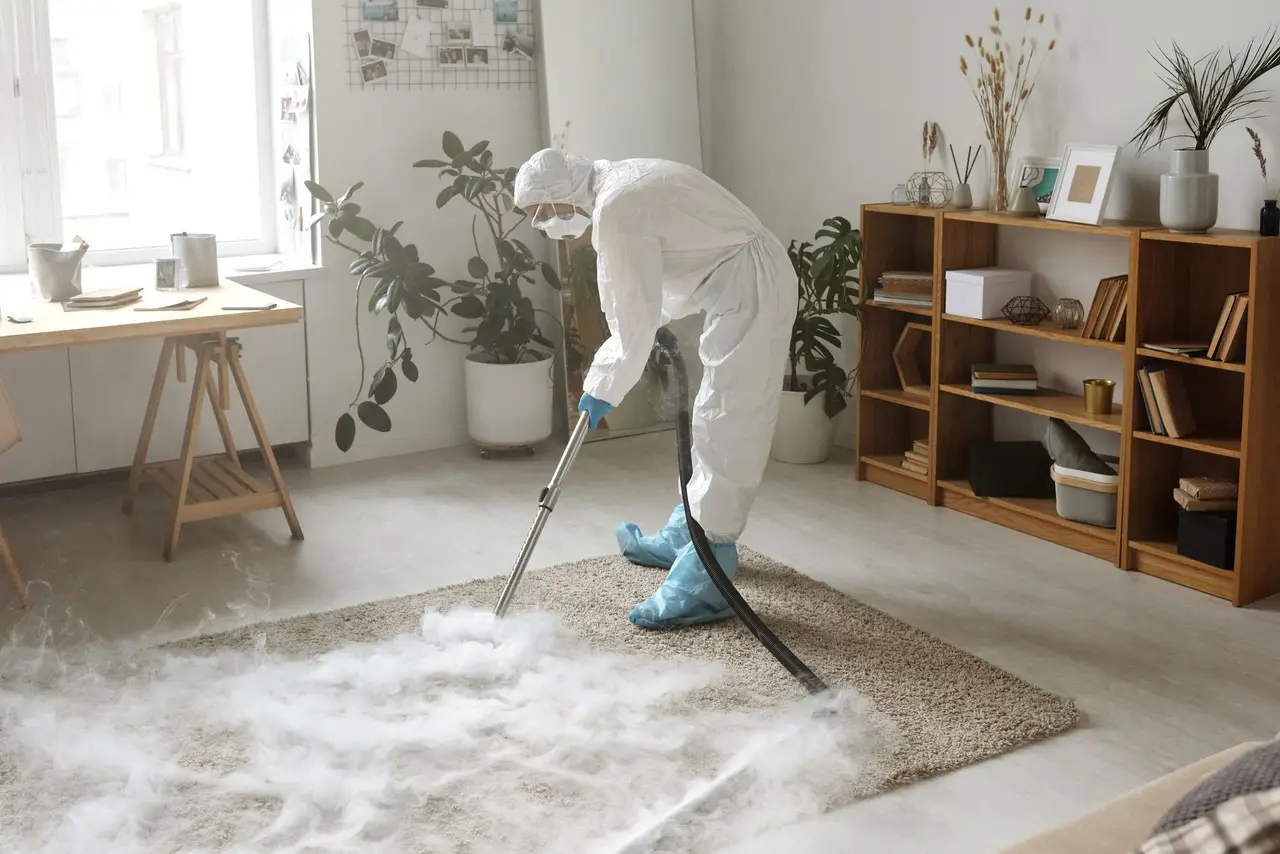
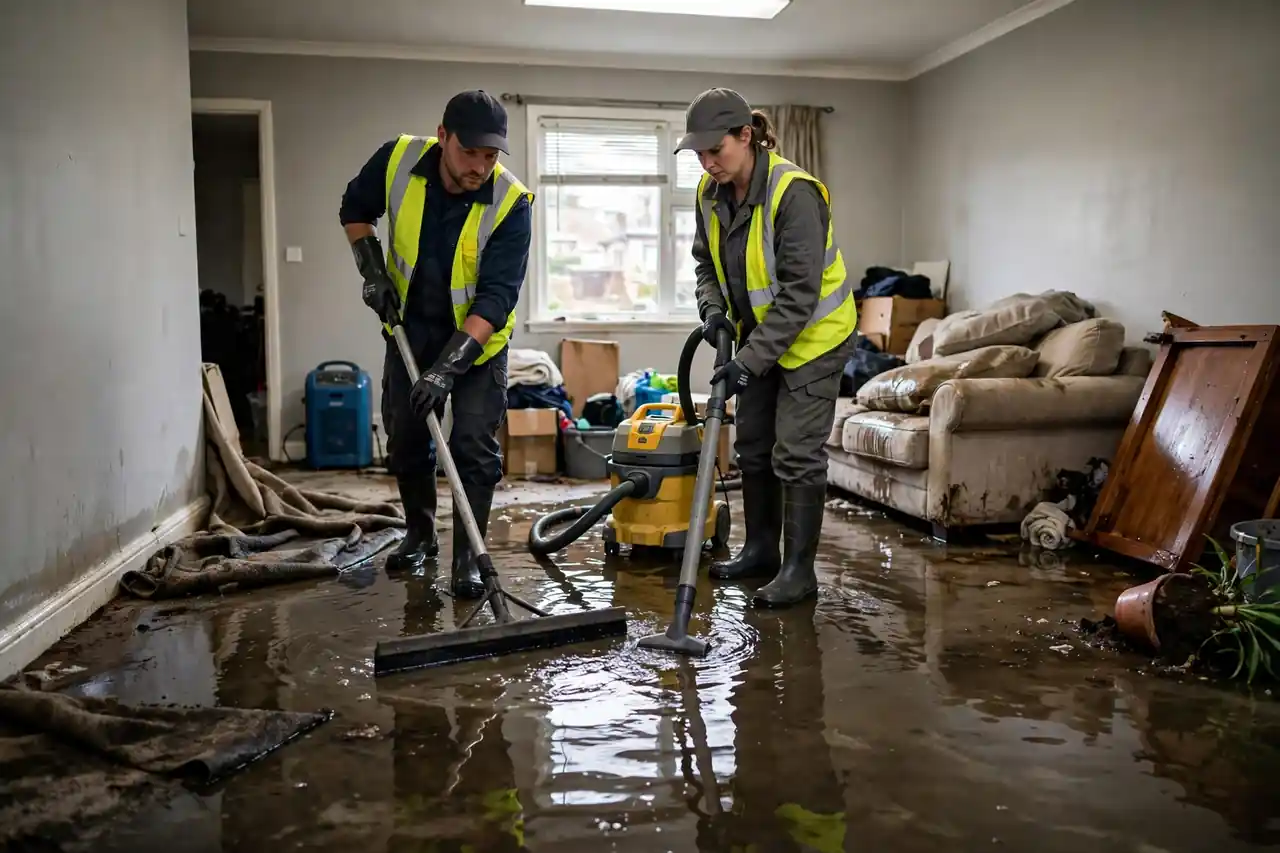
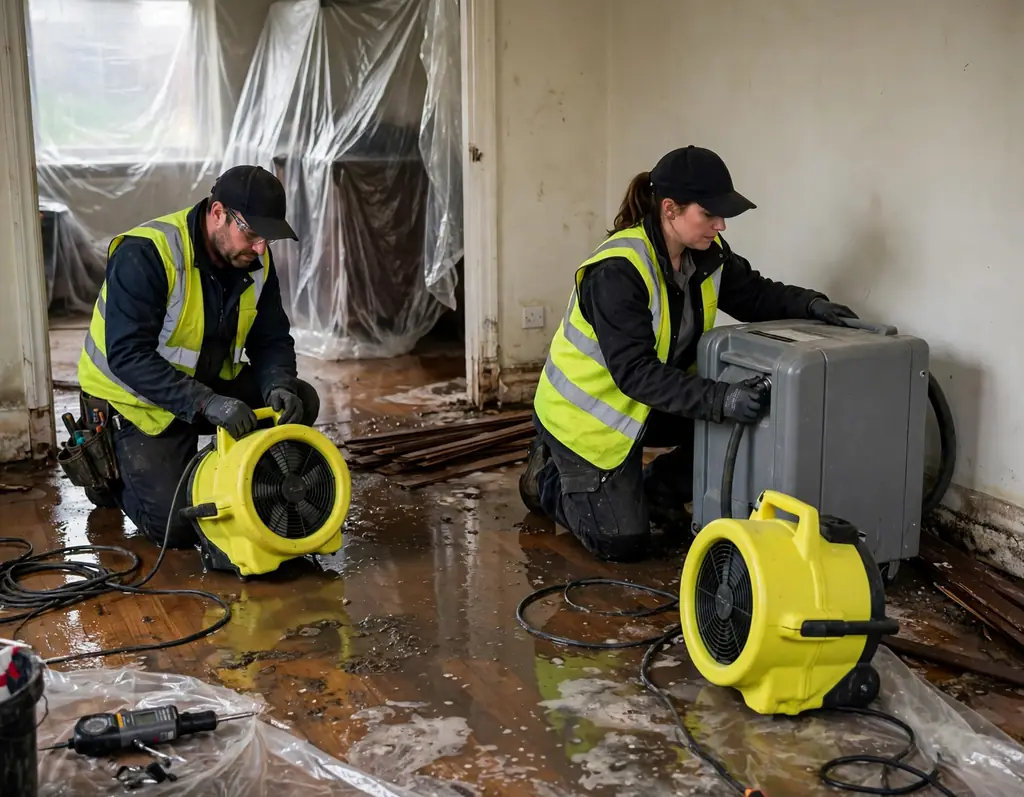
We locate the water source, extract standing water, and inspect nearby rooms before setting a drying plan. In Kuna Palouse homes, we check cabinet bases, floor edges, and connected spaces where water can travel unseen. Readings guide equipment placement and follow-up checks.

  • Source and room inspection
  • Water extraction first
  • Measured drying progress
For Kuna Palouse homes

For Kuna Palouse homes

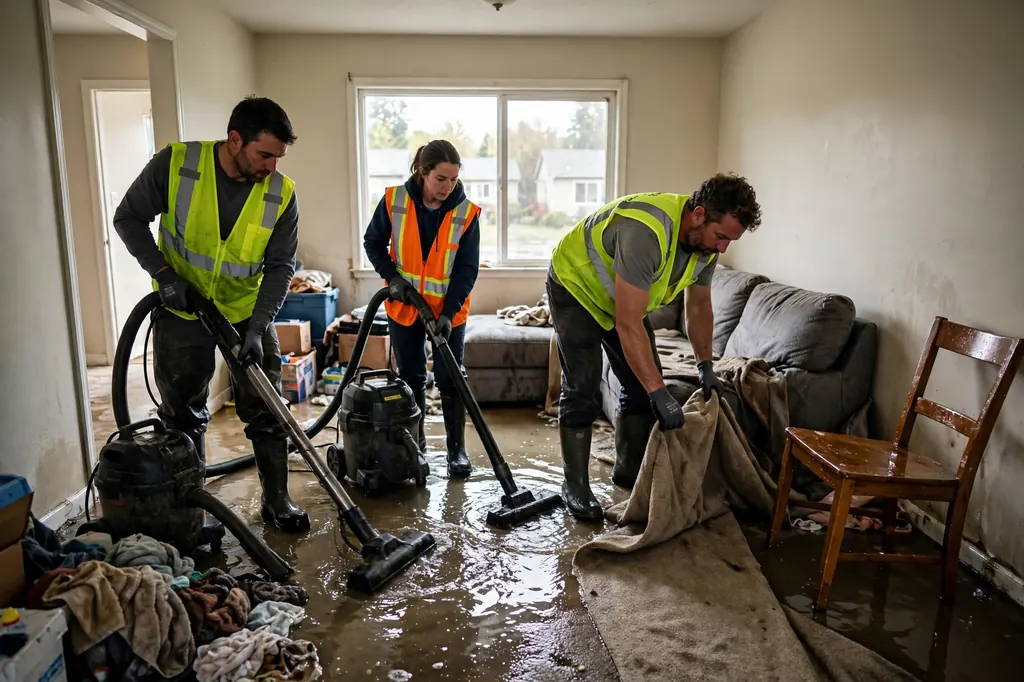
We restore family homes in Kuna Palouse with a room-by-room inspection and drying plan. Our crew protects contents and checks flooring, walls, and lower-level spaces affected by water.

  • Family homes and subdivisions
  • Kitchen and laundry leaks
  • Lower-level water entry
  • Carpet and hardwood damage
For local properties

For local properties

We help Kuna-area property owners address water intrusion while keeping affected work zones organized. We document rooms, contents, and moisture checks to support a clear restoration sequence.

  • Small business interiors
  • Rental homes and units
  • Office water losses
  • Retail space cleanup

Common water damage problems in Kuna Palouse

Kuna Palouse losses are the winter-and-storm set, so the four problems below are the ones to know: frozen pipes, roof leaks, foundation seepage, and a failed sump pump.

  • Frozen Pipes Split Overnight and Wet Finished Rooms

    Frozen Pipes Split Overnight and Wet Finished Rooms

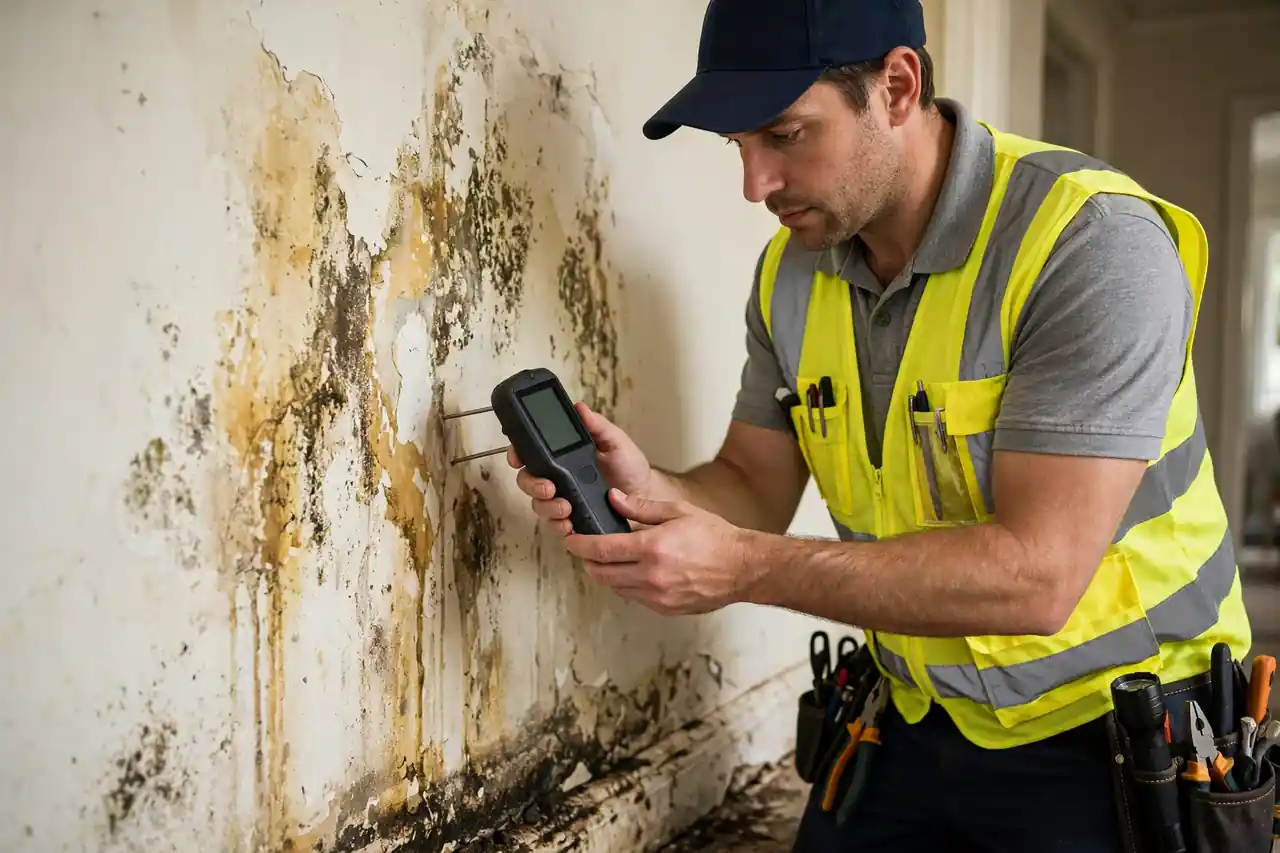
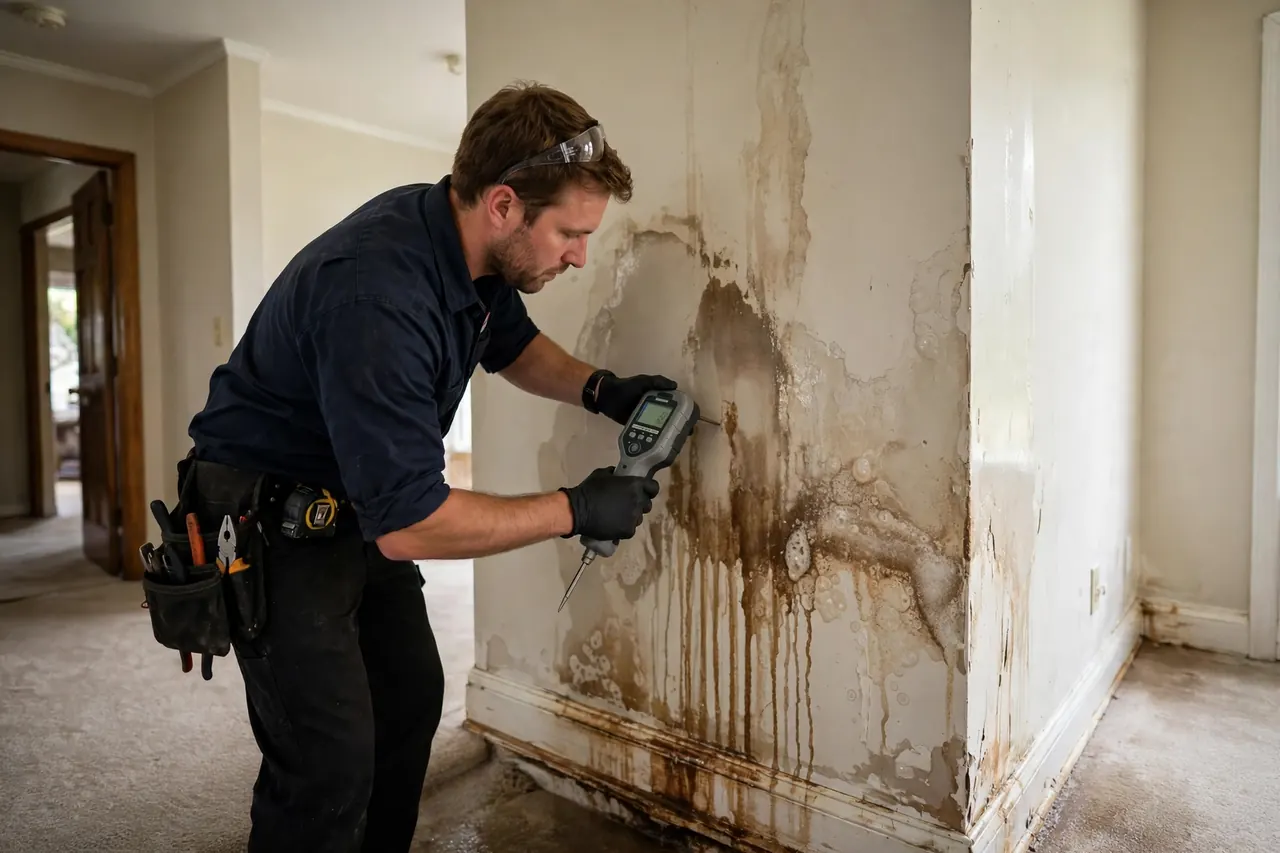
    When the temperature drops hard overnight, a pipe in an unheated space can freeze, split, and then release water as it thaws. The damage in Kuna Palouse usually shows up away from the break — a damp baseboard, a swollen cabinet bottom, a stain on a lower wall. We trace the route with a moisture meter before placing equipment, because drying the puddle while the wall cavity stays wet only delays the repair.

  • Ceiling Leaks Need the Source Found First

    Ceiling Leaks Need the Source Found First

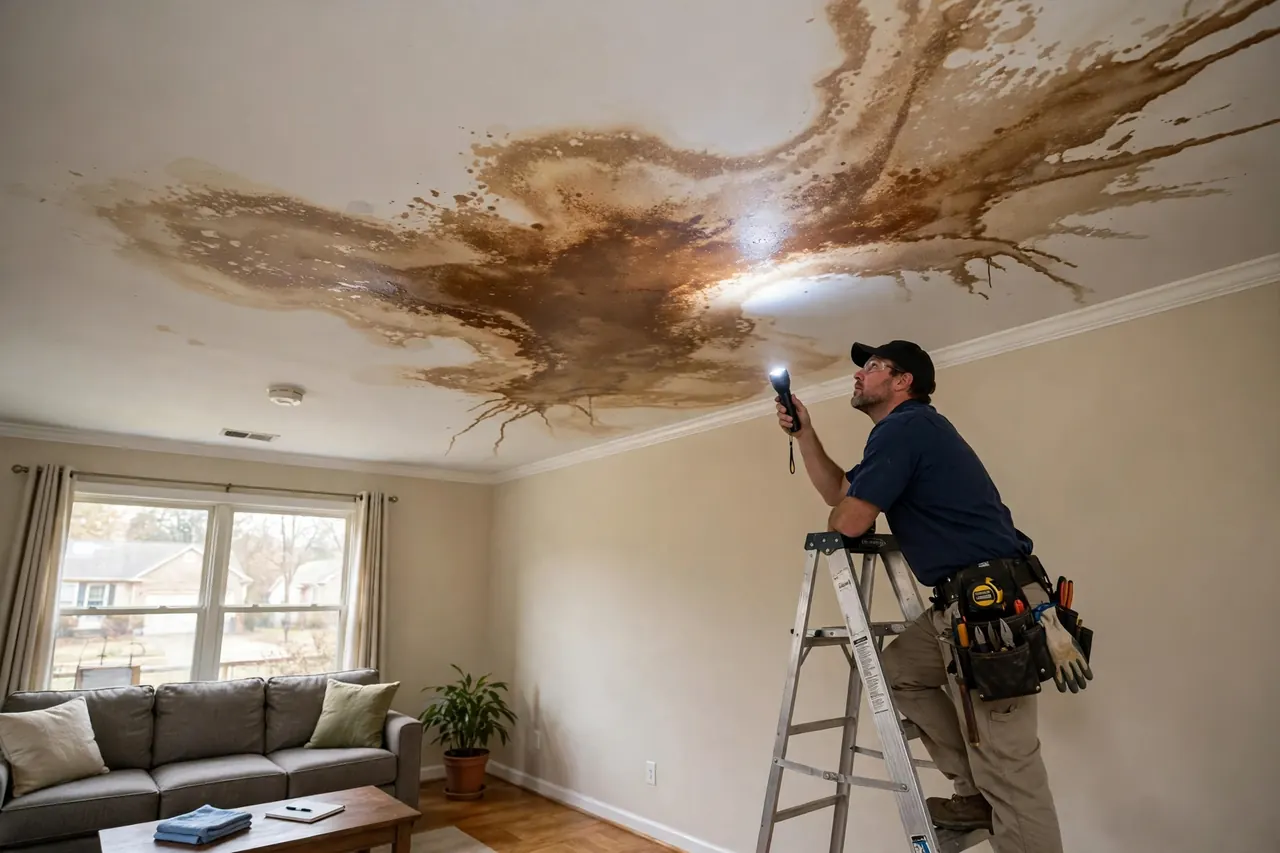
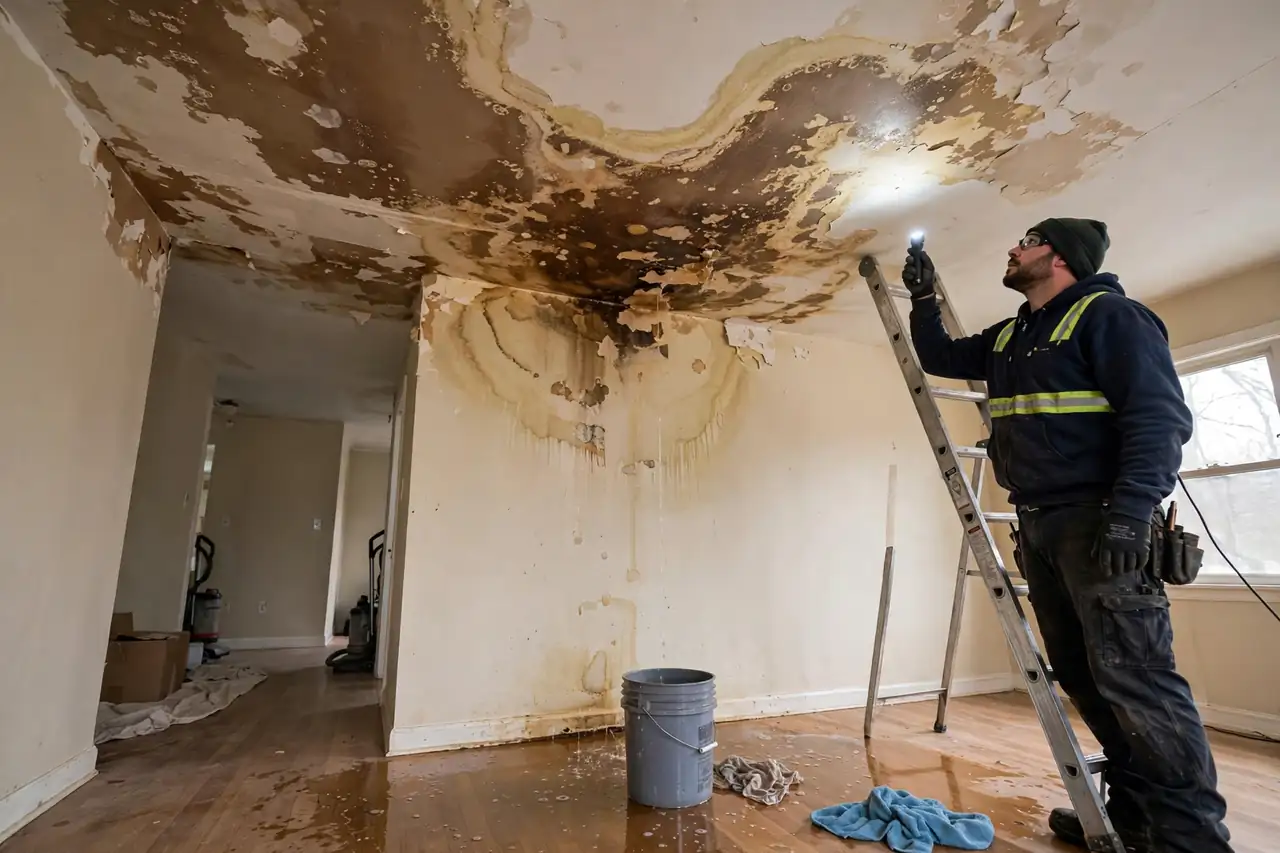
    Water in a ceiling usually started somewhere else — a roof defect, a bathroom fitting, or a pipe above — and patching the stain before finding it only hides the problem. In Kuna Palouse, we check the ceiling, the room above it, and the nearby walls, because water follows framing and can surface well away from the entry. We document the wet area, keep clear of any sagging section, and dry from readings so the ceiling repair happens on dry material.

  • Hardwood Floors Cup and Buckle After Water Exposure

    Hardwood Floors Cup and Buckle After Water Exposure

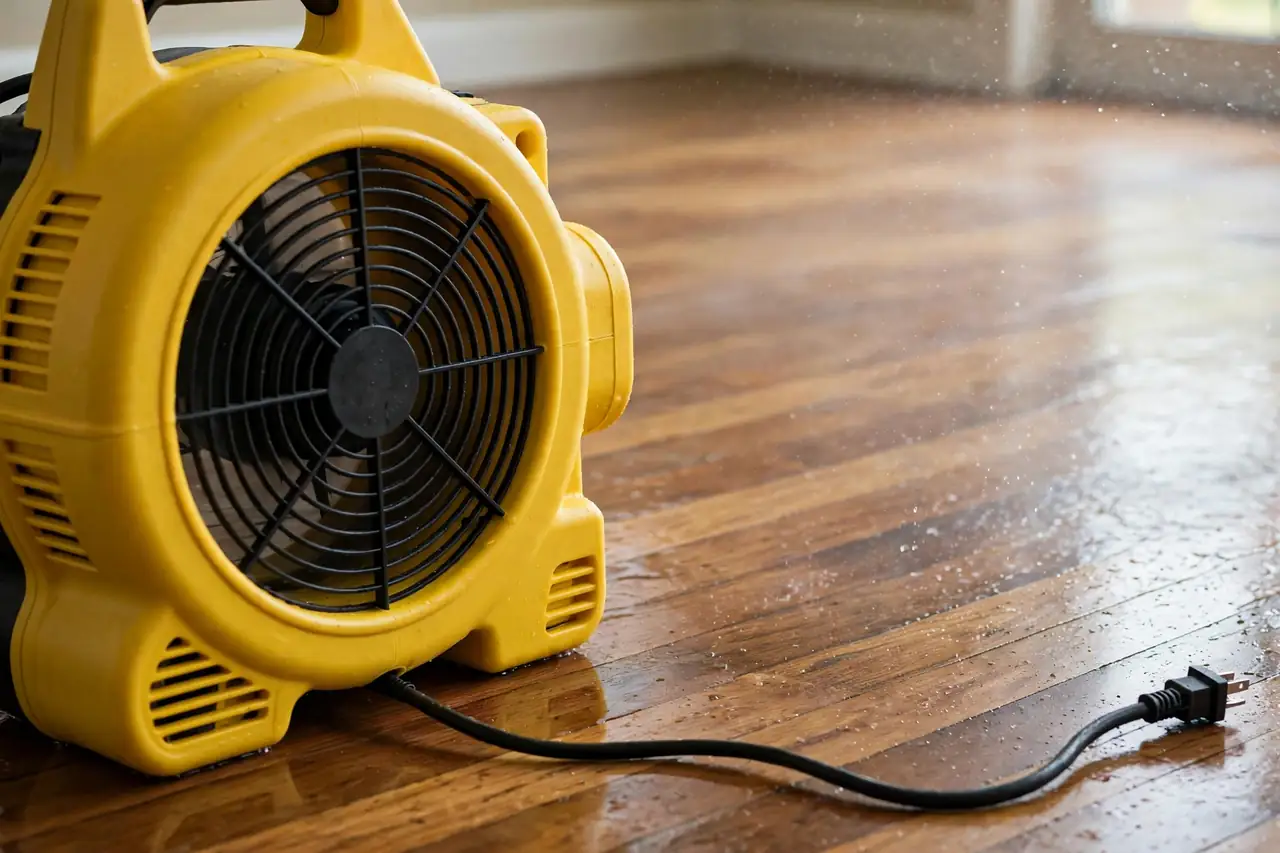
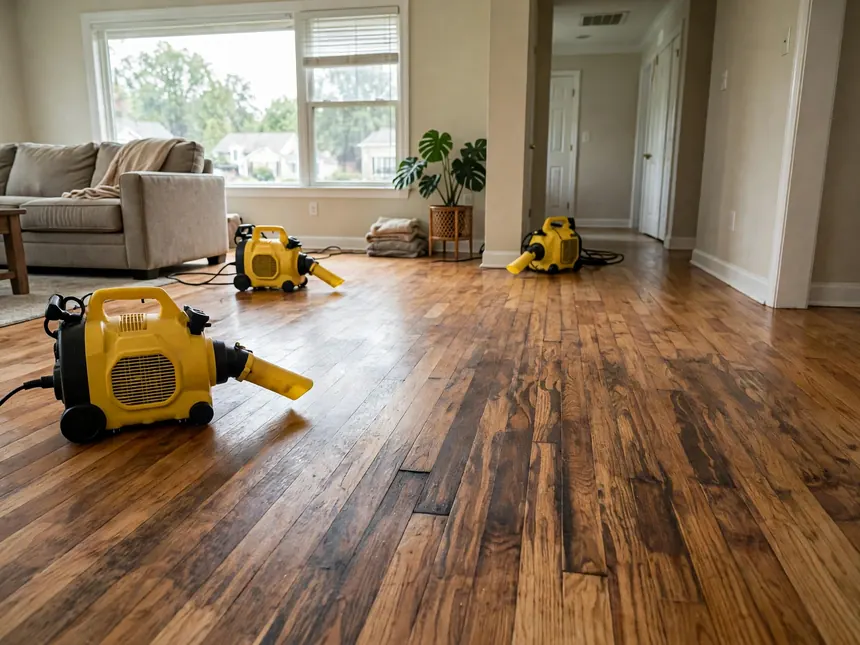
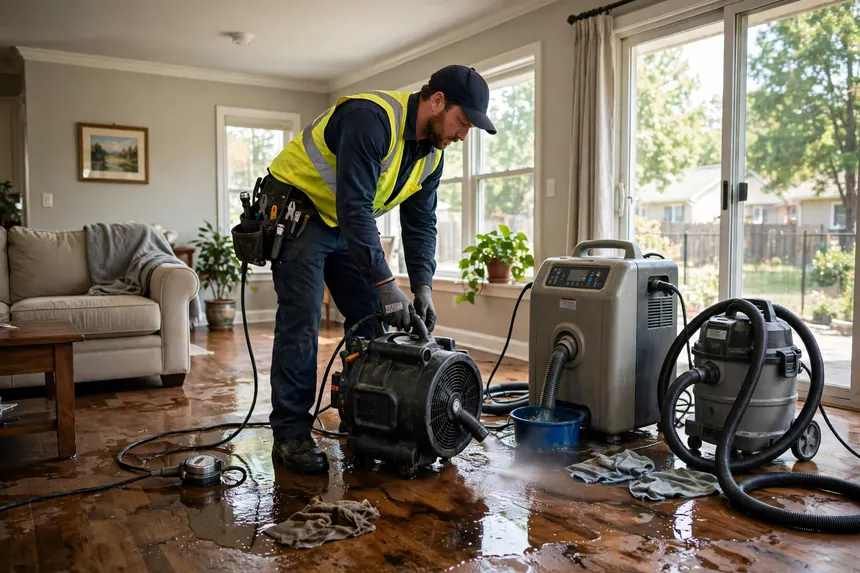
    A wet hardwood floor in Kuna Palouse needs fast extraction and patient drying: cupped boards can sometimes settle back if the subfloor dries evenly, but trapped moisture will keep warping them. We measure the boards and the material beneath, set drying to pull moisture from the subfloor as well as the surface, and track readings over days rather than hours. If boards are already buckled or the subfloor stays wet, we say so plainly and explain what replacement would involve.

  • Condensate and Drain Lines Wet Utility Areas

    Condensate and Drain Lines Wet Utility Areas

    Air conditioning condensate and water-heater drains run through utility spaces, and a clogged or disconnected line can quietly wet the floor and the wall behind it. In Kuna Palouse, we check the condensate drain, the overflow path, and the water heater base before assuming a pipe has burst. We extract, read the surrounding materials, and dry from the readings, then note which drain needs clearing or reconnecting so the same slow leak does not restart.

When to call for emergency water repair

Notice spreading stains, wet flooring, ceiling changes, or standing water? Call before moisture reaches more materials.

  • Water continues flowing after shutoff attempt

    A steady stream, repeated dripping, or water returning after cleanup points to an active source. Shut off the nearest safe valve if you can identify it, then call for help. Do not enter a room with water near energized outlets or electrical equipment.

  • Ceiling paint bubbles or begins to sag

    A soft bulge or spreading ceiling stain can indicate water trapped above the finish. Keep people clear of the area because saturated material can fall. We trace the source, protect the room, and check the ceiling assembly before repair work starts.

  • Carpet feels wet beyond the visible spill

    Moisture extending beyond a spill can reach carpet padding, tack strips, and subfloor. Surface blotting does not remove water held below. We extract the carpet and check the edges and adjoining rooms to determine whether deeper drying is needed.

  • Musty odor develops after a leak

    A persistent damp smell can mean moisture remains in a wall cavity, cabinet base, or flooring layer. The odor itself does not identify the source, so we inspect and measure rather than masking it. Call promptly if the smell follows a recent water event.

  • Water collects at a basement floor edge

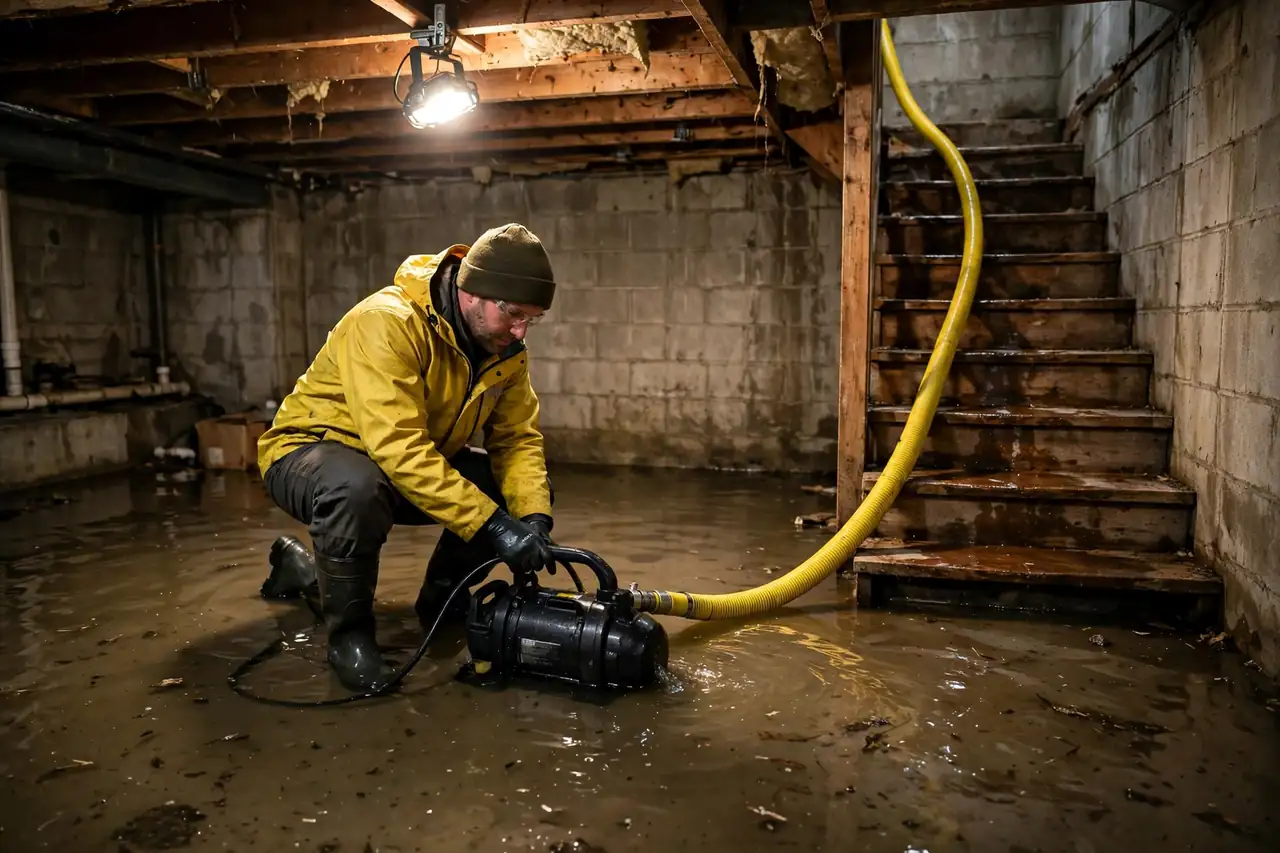
    Pooled water near a lower wall can come from plumbing, seepage, or a failed sump system. The source matters because cleanup and prevention differ. We remove standing water, inspect accessible edges, and check affected materials before recommending the next step.

How we handle Kuna Palouse water losses

Kuna Palouse emergency water damage repair starts with a safe walk-through, source check, and moisture map before equipment is placed. In winter, we look for frozen pipe damage after temperatures dip below freezing; during spring runoff and heavy rain, we inspect low points and drainage paths without assuming the site has a specific defect. Our crew protects walkways and keeps hoses and cords arranged around family use of the home. For 24/7 water restoration in Kuna Palouse Idaho, call with the active leak status and floor level so we can prepare extraction equipment. We measure materials with a moisture meter and use a hygrometer to track room conditions. ANSI/IICRC S500 guides water restoration procedures, while the actual plan depends on water category and building materials. We document readings, set drying equipment, and return to check whether the affected assembly is responding. For homes near Kuna Palouse Park or the Palouse community area, we use the supplied address and access details rather than relying on landmark proximity as a substitute for directions.

  • Rolling terrain and drainage concerns can send runoff toward lower entry points.

    Water may collect at a low exterior edge or enter a crawl space after prolonged rain or snowmelt. The visible indoor wet spot does not always identify the path, so a quick extraction-only response can miss moisture at the foundation or floor perimeter. We inspect the interior and accessible exterior drainage path, then identify whether the event is a plumbing loss or surface water entry. After extraction, we measure floor edges and lower wall materials, record the affected rooms, and explain practical drainage corrections when the evidence supports them.

  • Newer subdivision homes can conceal leaks behind finished walls and cabinets.

    A supply-line leak may travel under flooring or into a cabinet base before a stain appears. Tight finished assemblies make it important to distinguish surface moisture from water held behind drywall, insulation, or baseboards. We trace the wet pattern with measured checks and targeted inspection instead of opening every wall. Our team checks adjacent rooms, documents the readings, and opens materials only where the findings show a need, then dries exposed framing before repair.

  • Freezing winter nights can split exposed or poorly protected plumbing lines.

    A frozen pipe may thaw and release water while occupants are asleep or away. Water can spread through ceilings, wall cavities, and carpet padding before the leak is found, creating a larger drying area than the initial drip suggests. We help isolate the water source, extract standing water, and check ceilings and connected rooms. We set drying equipment based on readings and advise you to keep clear of sagging ceiling materials until the affected assembly is assessed.

  • ANSI/IICRC S500 Standard for Professional Water Damage Restoration

    This standard informs water-loss inspection, water categorization, extraction, drying, and documentation practices. We use its framework to build a job-specific plan for Kuna Palouse properties, while following applicable local requirements for repairs and any work that needs a separate trade permit.

  • EPA Lead-Safe Renovation, Repair and Painting requirements

    When repair work disturbs painted surfaces in a covered pre-1978 property, applicable lead-safe requirements matter. We identify the building age and work type before disturbance and use appropriate lead-safe practices or qualified trade support where required.

Local landmarks and route orientation

Kuna Palouse Park and the Palouse community area provide useful orientation when a caller describes the general location, but our crew needs the exact address to reach the property. We confirm the street, entry instructions, and a safe place to unload extraction equipment before heading to the affected home. Our service area includes Kuna, ID, and ZIP code 83634; other Kuna service calls may fall within 83642. These location details help distinguish the job site from a broad neighborhood reference and keep equipment delivery practical.

  • Kuna Palouse Park

    This named park is an orientation point for callers describing the surrounding Kuna Palouse area. Provide the property street address as well, because a landmark alone does not identify a specific home or service entrance.

  • Palouse community area

    The Palouse community area gives a general local reference for navigation. Our crew still relies on the exact address and access instructions to locate the affected property and unload equipment safely.

  • Kuna Palouse

    The Kuna Palouse area name helps define the service location for calls and route planning. A street address, cross-street, and any access notes are needed to reach the correct residence.

  • Kuna Town Center

    Kuna Town Center is a named local destination in the Kuna service area. Its address and business listings provide a recognizable reference for general orientation, while restoration dispatch requires the affected property's exact location.

  • Downtown Kuna

    Downtown Kuna is a local commercial and civic destination within the broader Kuna area. Callers can use it as a general reference, but the response route is planned from the service address and site access details.

  • Meridian Road Corridor

    The Meridian Road Corridor is a named local route reference within the service-area information. Callers should provide the nearest address or cross-street so navigation does not depend on a broad corridor label.

  • Kuna, Idaho road network

    Local road access from Kuna connects the service area with surrounding Kuna neighborhoods. The exact route and unloading point are set from the property address and any gate or driveway instructions.

Kuna Palouse neighborhoods we cover

We respond across the Kuna Palouse area, including Kuna Palouse East and Kuna Palouse West, and route each call using the property address rather than an assumed subdivision boundary. Family homes here may have different floor plans, foundation access, and drainage details, so we inspect the affected structure before choosing extraction and drying equipment. Our service area includes ZIP code 83634, with nearby Kuna addresses handled as part of the same local coverage.

  • Kuna Palouse East
  • Kuna Palouse West
  • Palouse community area
  • Kuna Palouse Park area

Water-loss response examples in Kuna Palouse

  • Kuna Palouse East

    Before

    A kitchen supply line failed in a Kuna Palouse East family home, wetting the cabinet base, adjacent flooring, and part of the hallway before the leak was shut off.

    After

    We extracted water from the kitchen and hallway, checked floor edges and cabinet materials, and mapped moisture into the adjoining room. The team moved contents away from the work zone and positioned drying equipment based on readings. Follow-up checks guided adjustments instead of relying on the carpet and visible floor surface alone. Water was removed from two connected rooms, and moisture checks were recorded at the kitchen and hallway during drying. The household received a room-by-room summary of affected materials and the next repair steps.

  • Kuna Palouse West

    Before

    A winter pipe split above a laundry area in a Kuna Palouse West home, leaving ceiling staining and wet drywall near the utility space.

    After

    After the water source was stopped, we extracted water from the floor and inspected the ceiling, nearby wall, and connected hallway. We checked for moisture behind the visible stain, removed unsalvageable wet material where needed, and ran controlled drying equipment. Readings were revisited before the ceiling repair stage. The affected area was contained to the laundry space and adjoining section of hallway. The drying record included measured checks at the ceiling and wall before repair preparation.

  • Palouse community area

    Before

    Heavy rain coincided with water at a lower-level floor edge near the Palouse community area, with stored items and carpet affected.

    After

    We moved contents clear of the wet zone, extracted water, and checked the floor perimeter and accessible lower wall for moisture. The inspection considered drainage entry and interior conditions without assuming a cause from the weather alone. We then set drying equipment and documented the affected materials for follow-up. Standing water was removed and the wet contents were separated for cleaning or disposal decisions. The homeowner received a moisture map and a list of areas requiring continued checks.

Seasonal water risks in Kuna Palouse

  • Spring

    Spring is when hidden winter damage surfaces: a pipe that wept slowly in the cold finally shows as a stain, and the first rains find the roof and gutter weak points. Look at ceilings after each storm, check the ground where downspouts discharge, and test sprinkler zones one at a time as irrigation comes back on, so a broken head is caught before it soaks a threshold.

  • Summer

    Summer irrigation is the main water risk in the Treasure Valley: pressurised lines run for months, and one failed valve can wet a foundation edge for hours. Inspect heads and valves when the system cycles, keep spray off the house, and check the rooms beside the irrigation zones for damp baseboards. Heat hides slow leaks by drying the surface, so a recurring damp spot needs measuring, not waiting.

  • Fall

    Fall is short and the freeze comes quickly, so use it to prepare: clear leaves from gutters and drains, check flashing and valleys, and drain the sprinkler system before the first hard night. Find the water shut-off and make sure everyone in the house knows where it is. A pipe that bursts in January usually had a warning in October, and fall is when that warning is cheapest to act on.

  • Winter

    Winter nights in the Treasure Valley drop well below freezing, and the pipes most at risk are the ones in garages, crawl spaces, and exterior walls. Keep heat on in unused rooms, let vulnerable taps drip during a hard freeze, and open cabinet doors where pipes run through exterior walls. If a pipe does split, shut the water off first, then call: the water spreads further in the minutes before the supply stops than in the hours after.

Questions to ask a restoration contractor

A water loss is stressful, but a few direct questions reveal whether a contractor has a workable plan for your Kuna Palouse home. Ask who will inspect, how moisture will be measured, and what happens after extraction. The crew should explain the affected materials, equipment placement, and follow-up checks in plain language. You should also know how the team handles contaminated water and what records you will receive. Clear answers make it easier to compare the actual work, not just the first phone quote.

  • Will you check behind the visible stain and into adjacent rooms?

    Water travels through flooring and framing, so a surface-only check can miss the wet area. A good answer describes how the crew inspects connected rooms, checks baseboards and floor edges, and records readings before deciding where drying equipment belongs.

  • How will you know when the structure is dry?

    Fans running for a set number of days do not prove materials are dry. Ask what measurements will be taken and how often. The contractor should explain how readings guide equipment changes and when the affected assembly is ready for repair.

  • Who handles sewage or other contaminated water?

    Contaminated water requires different protection, cleaning, and disposal than a clean supply-line leak. The answer should identify how the work zone is isolated, which materials may need removal, and how cleaning is completed before the area is reopened.

  • Will you document the damage and drying readings?

    Photos, room notes, and moisture readings help keep the restoration sequence clear for you and your insurer. Ask whether records identify affected materials and follow-up results rather than giving only a total equipment count.

  • Can you explain what is extraction and what is repair?

    Water removal, structural drying, and rebuilding are separate steps, even when coordinated by one company. A clear explanation helps you understand the immediate emergency work, what follows after drying, and which trade work may be needed.

FAQs about emergency water damage repair in Kuna Palouse

Still wondering? (833) 546-4116

Local service team

Call for emergency water damage repair in Kuna Palouse

If water is moving through your home, call Kuna water damage restoration at (833) 546-4116. We serve Kuna Palouse and nearby Kuna addresses, including ZIP code 83634, with emergency extraction, inspection, and drying. Tell us what happened, whether the source is stopped, and which rooms are affected. Our team will explain the immediate next step and coordinate a response for your property.

Contact the Kuna Team

Call (833) 546-4116 when water reaches your home or business in Kuna, Idaho. Tell us whether the source is still active, which rooms are affected, and when the damage began; that helps direct the next steps. Calls are accepted at any hour for emergency inquiries, and service coverage includes Kuna, ID, with ZIP codes 83634 and 83642.

Thanks. Your request is in and the team will follow up shortly.