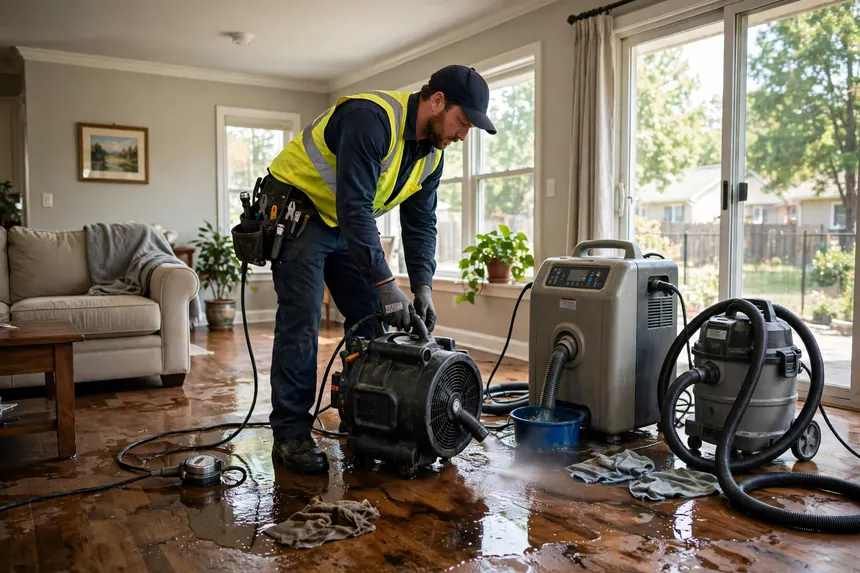
Emergency Water Damage Repair in Homestead, Done Right

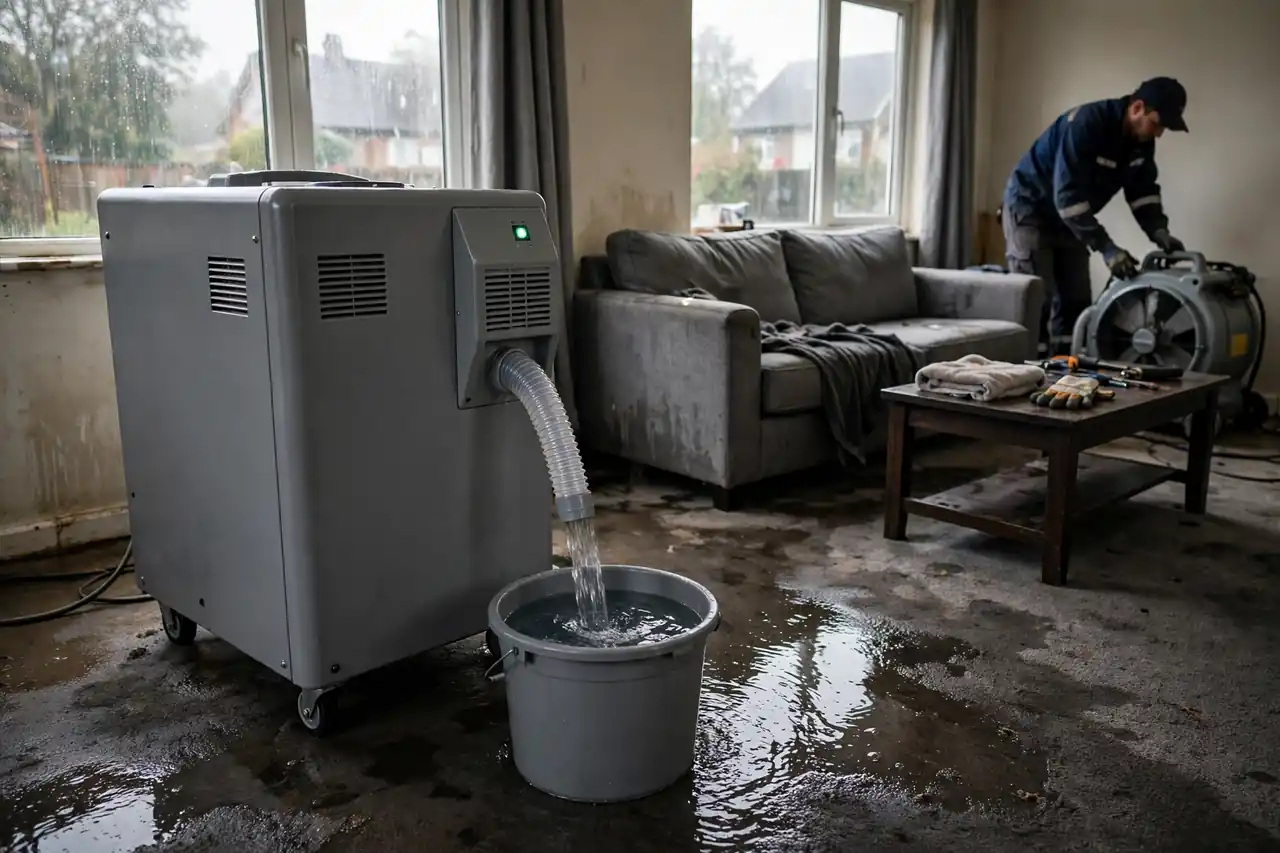
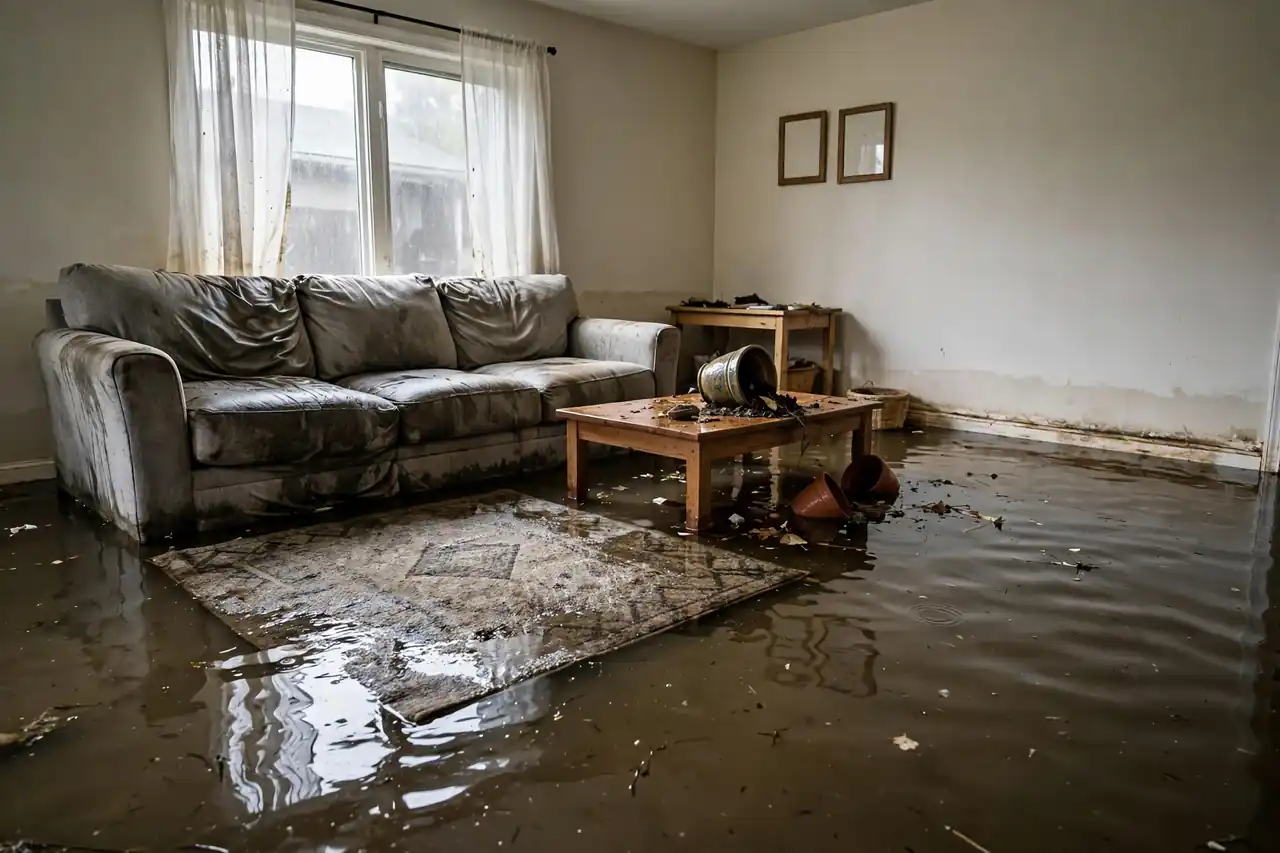
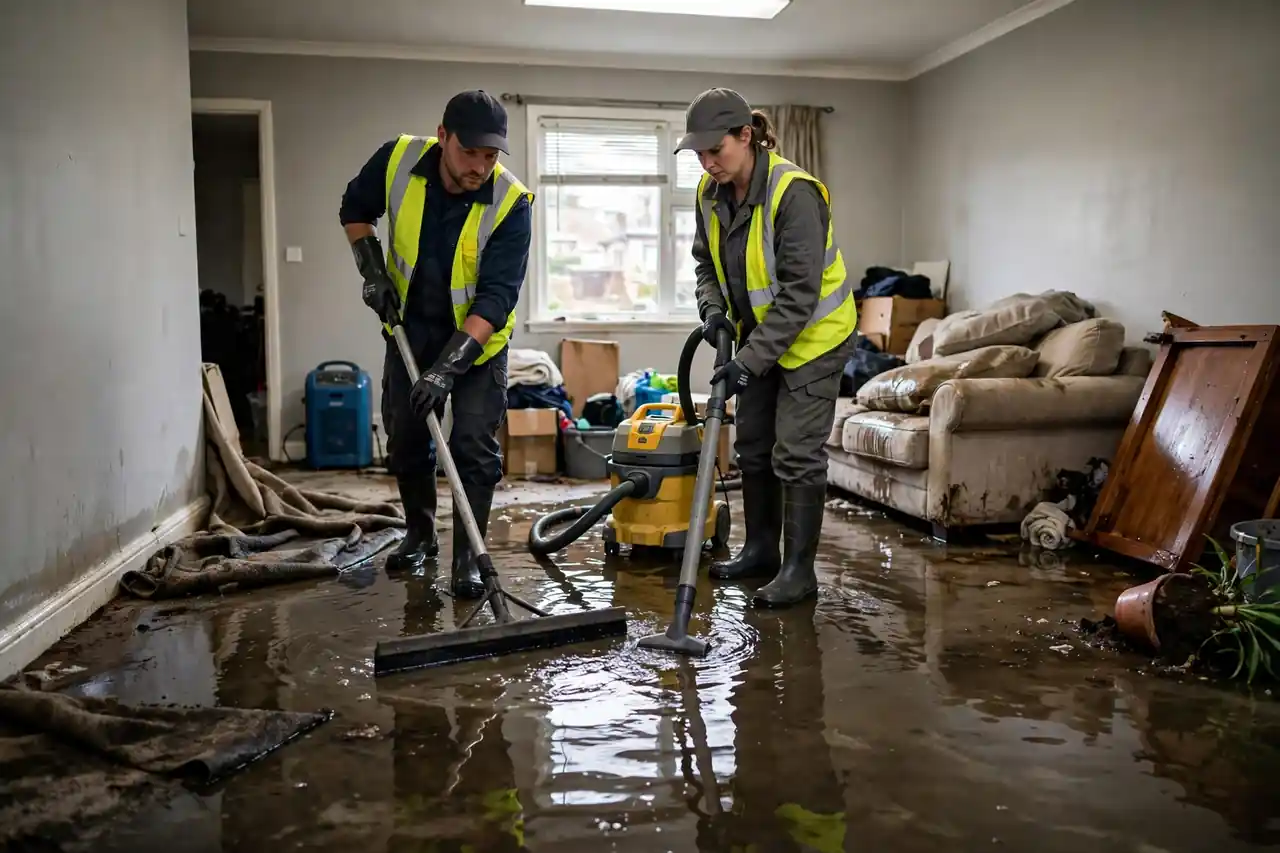
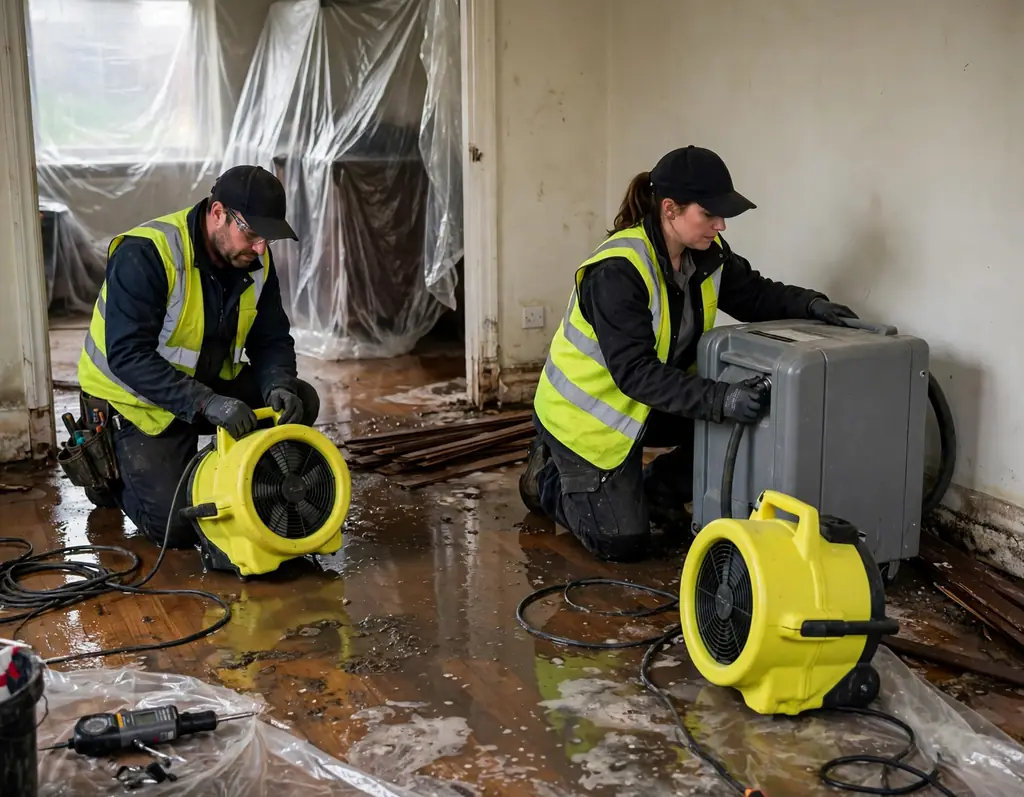
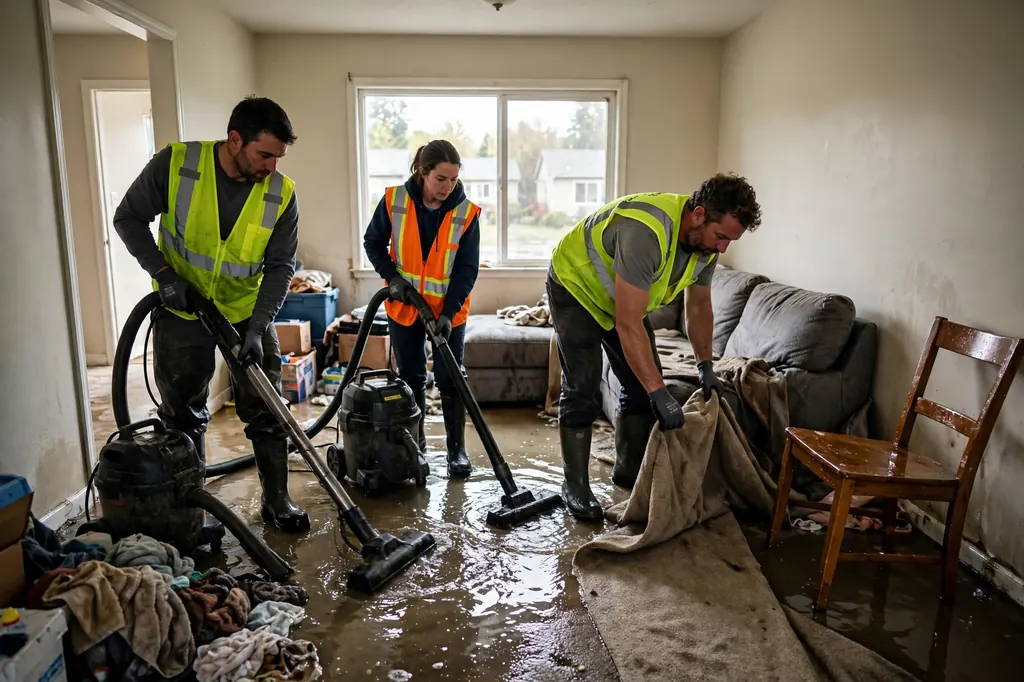
When a pipe breaks or water pushes into your home, emergency water damage repair in Homestead starts with stopping the spread and removing standing water. Kuna water damage restoration serves Homestead East, Homestead West, and the community area, including larger-lot rural residential properties where well and septic systems need careful protection. Homestead emergency water damage repair includes moisture checks, a clear drying plan, and practical updates while your home is being stabilized.

emergency water damage repair in Homestead

Serving Homestead and nearby

  • Readings RecordedMoisture checks guide drying decisions
  • Work Area ProtectedContents moved away from wet surfaces
  • Steps ExplainedYou hear what happens next
  • Equipment CheckedAirflow placement reviewed during work

Emergency water damage repair in Homestead

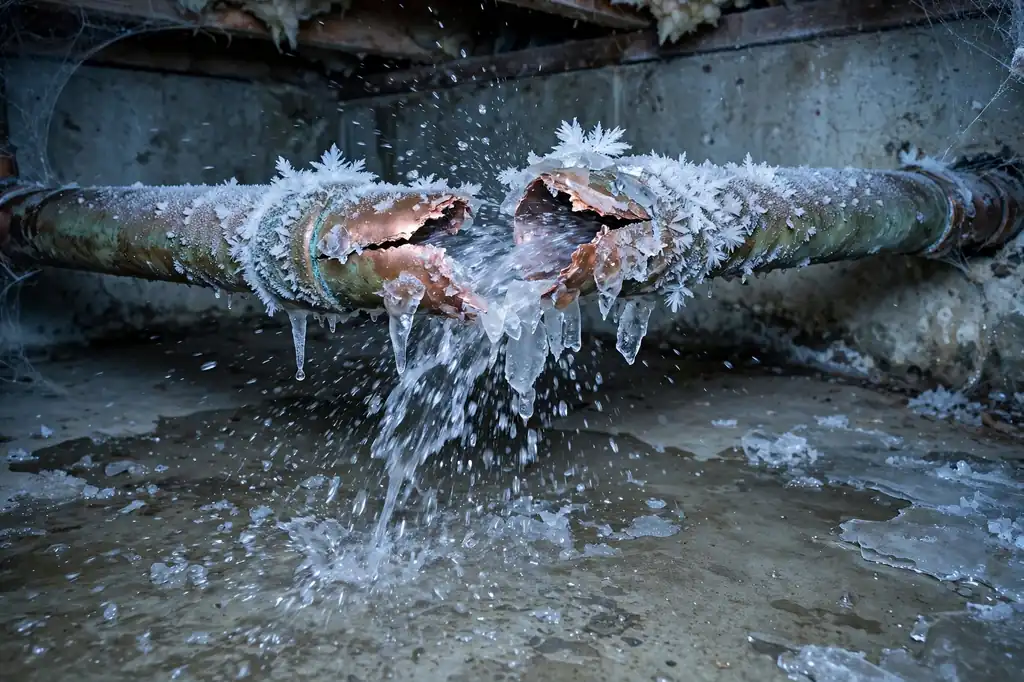
Homestead homes see the full Treasure Valley winter: sharp temperature drops that split pipes in walls and finished floors, and wet spells that push seepage into crawl spaces and lower rooms. The losses here are rarely single-cause — a frozen pipe wets a wall, and the same week runoff finds the foundation edge.

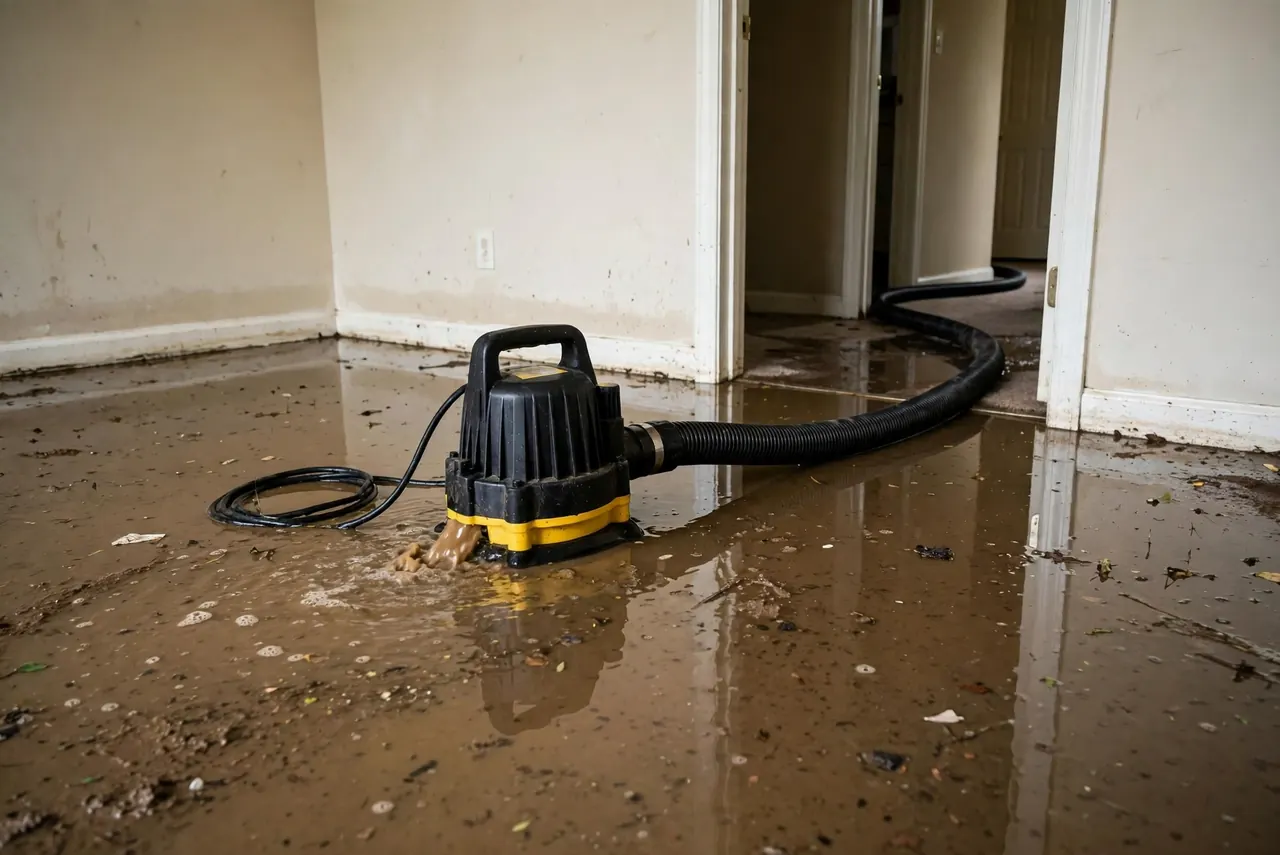
We work in order: stop the supply, extract what is standing, then read the walls, the floor edges, and the crawl space before placing equipment. If a pump has failed or a drain has backed up, that gets named in the same visit, because drying a lower room without knowing whether the pump works only sets up a repeat.

Kuna sits about eight miles south of Interstate 84 in Ada County, part of the Boise metro, and its winters bring the hard freezes that split exposed plumbing. The pipes most at risk are in garages, crawl spaces, and exterior walls — the spaces that lose heat first on a cold night.
Water Damage Services Across Homestead

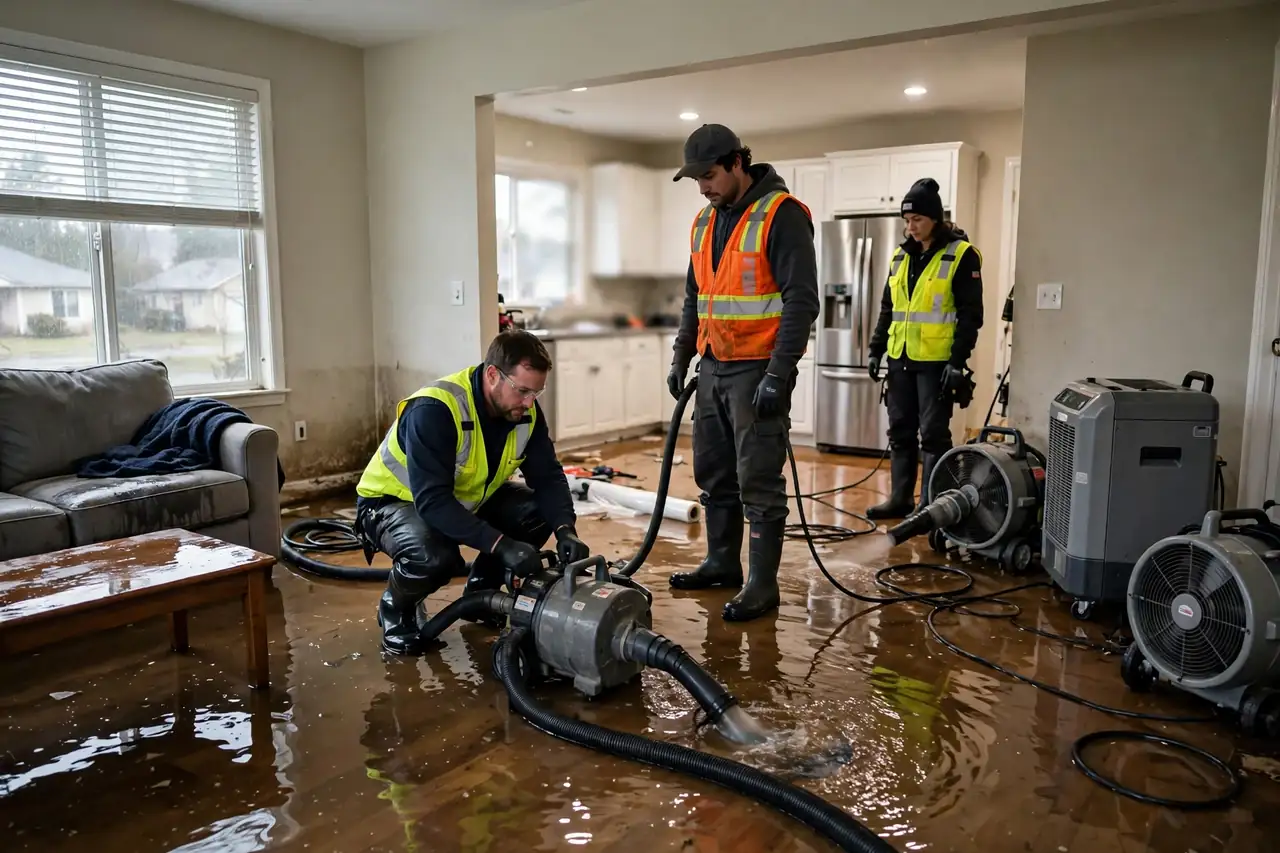
Homestead properties need a response matched to the water source, affected materials, and access to the building. Our emergency water damage repair near Homestead covers extraction, inspection, drying, cleanup, and repair coordination for homes and small properties. A winter pipe break can soak drywall and carpet padding before it is visible downstairs; a summer storm can drive water through a roof opening. For emergencywater extraction near Homestead ID, we first locate active water, protect unaffected rooms, and record moisture readings so drying has a measurable starting point.

Homestead water restoration services

Emergency restoration in Homestead

Emergency restoration in Homestead

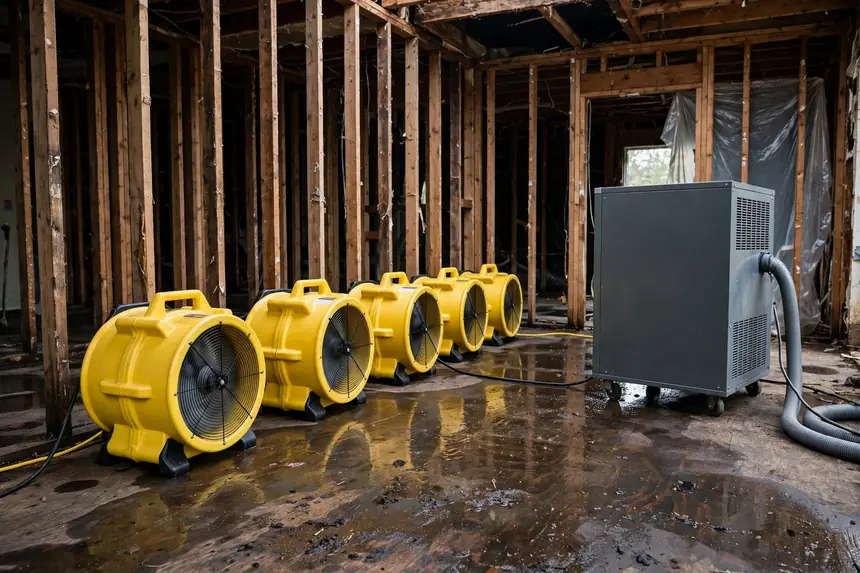
We locate the water source, protect dry rooms, and remove standing water from your Homestead property. We check floors and wall edges with moisture readings before setting drying equipment. Larger lots and rural access are considered when planning the equipment route.

  • Source and room inspection
  • Measured moisture checks
  • Drying plan for materials
Homestead homes

Homestead homes

We dry homes according to the affected materials, from carpet padding to wall cavities. We plan access around larger lots and the property's utility layout.

  • Rural residential properties
  • Homes with crawl spaces
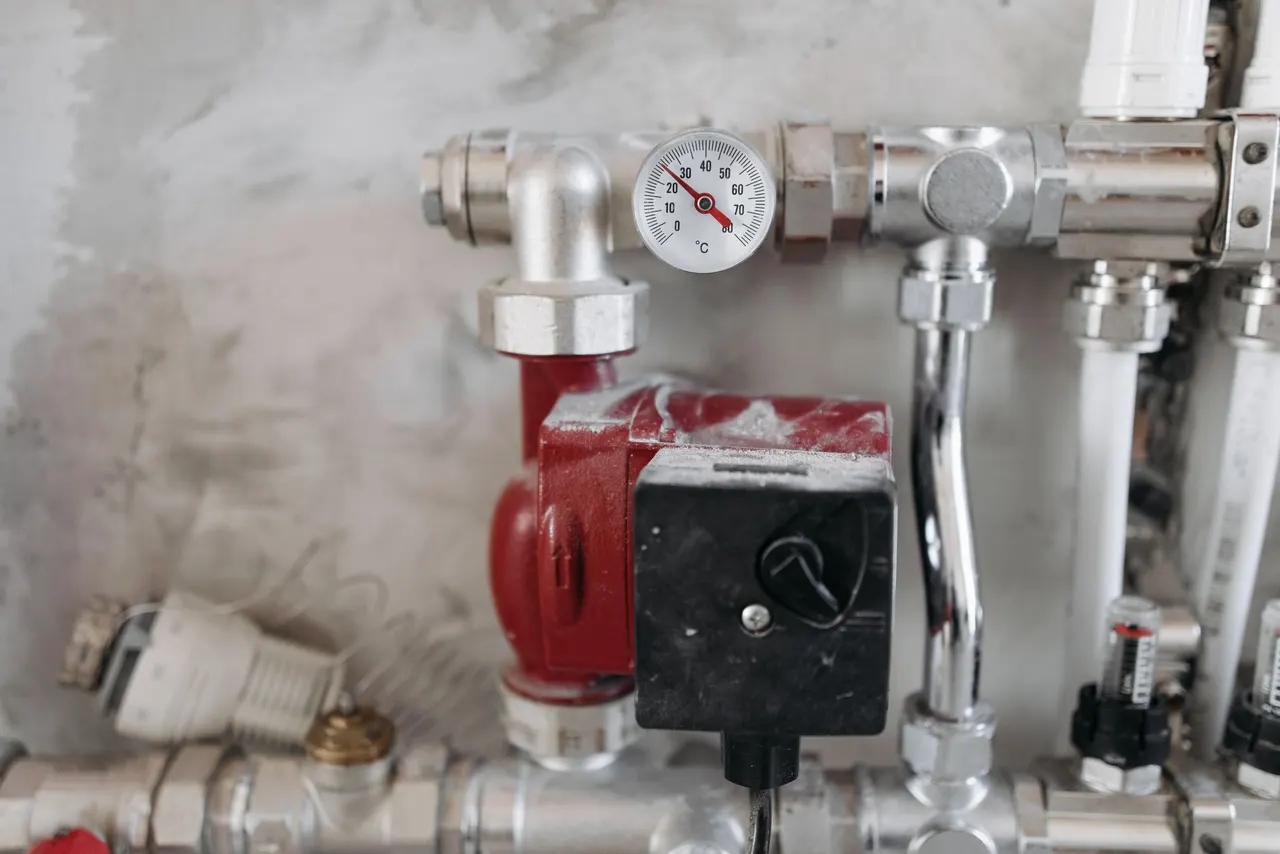
  • Basements with pump systems
  • Homes with hardwood floors
Homestead properties

Homestead properties

We coordinate water removal in occupied buildings while keeping unaffected areas accessible. Work plans account for the property's entrance, contents, and wet materials.

  • Small business properties
  • Shared-use buildings
  • Storage and utility spaces
  • Property maintenance facilities

Common Homestead Water Emergencies

Homestead's risks run from the roof to the crawl space, so these four lead: frozen or burst pipes, seepage after wet weather, roof leaks in ceiling insulation, and pump failure or a sewage backup below grade.

  • Frozen Pipes Split Overnight and Wet Finished Rooms

    Frozen Pipes Split Overnight and Wet Finished Rooms

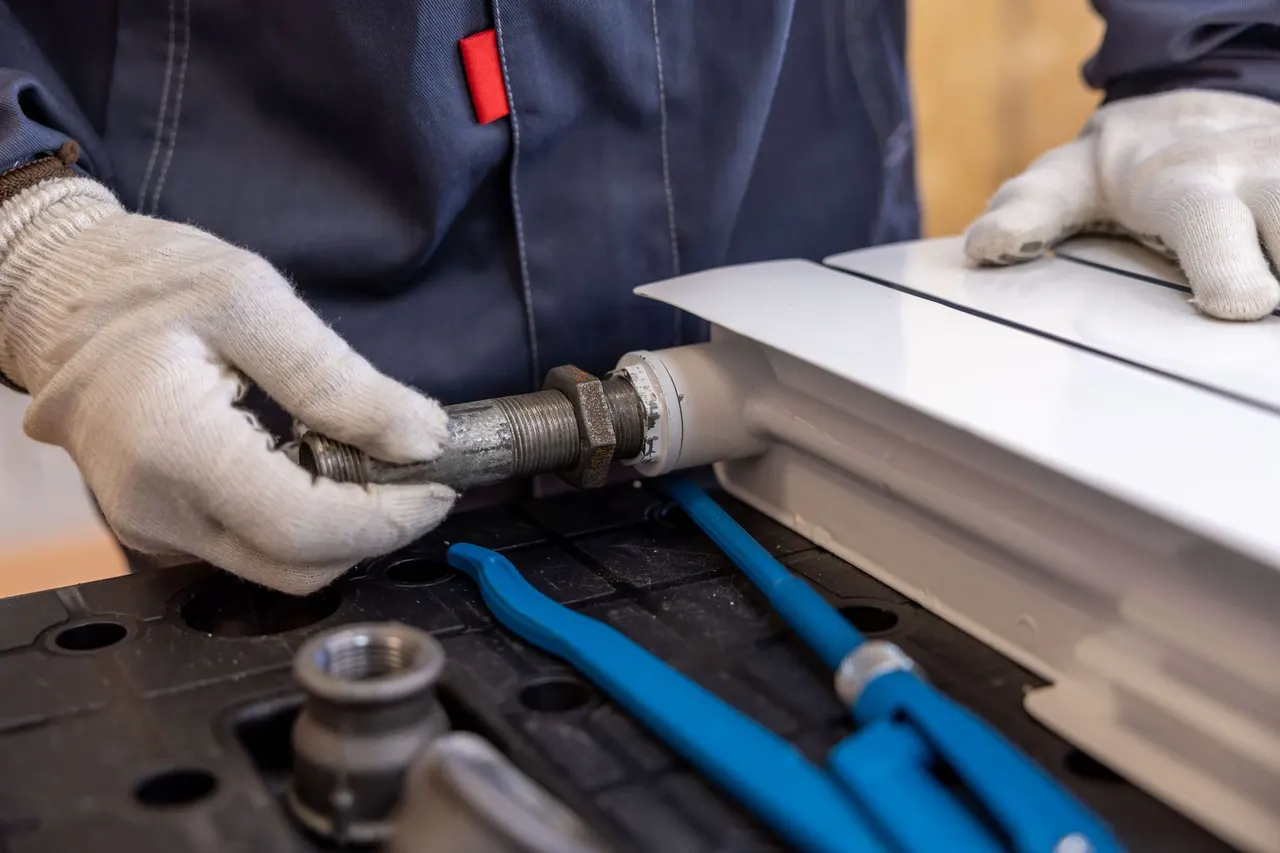
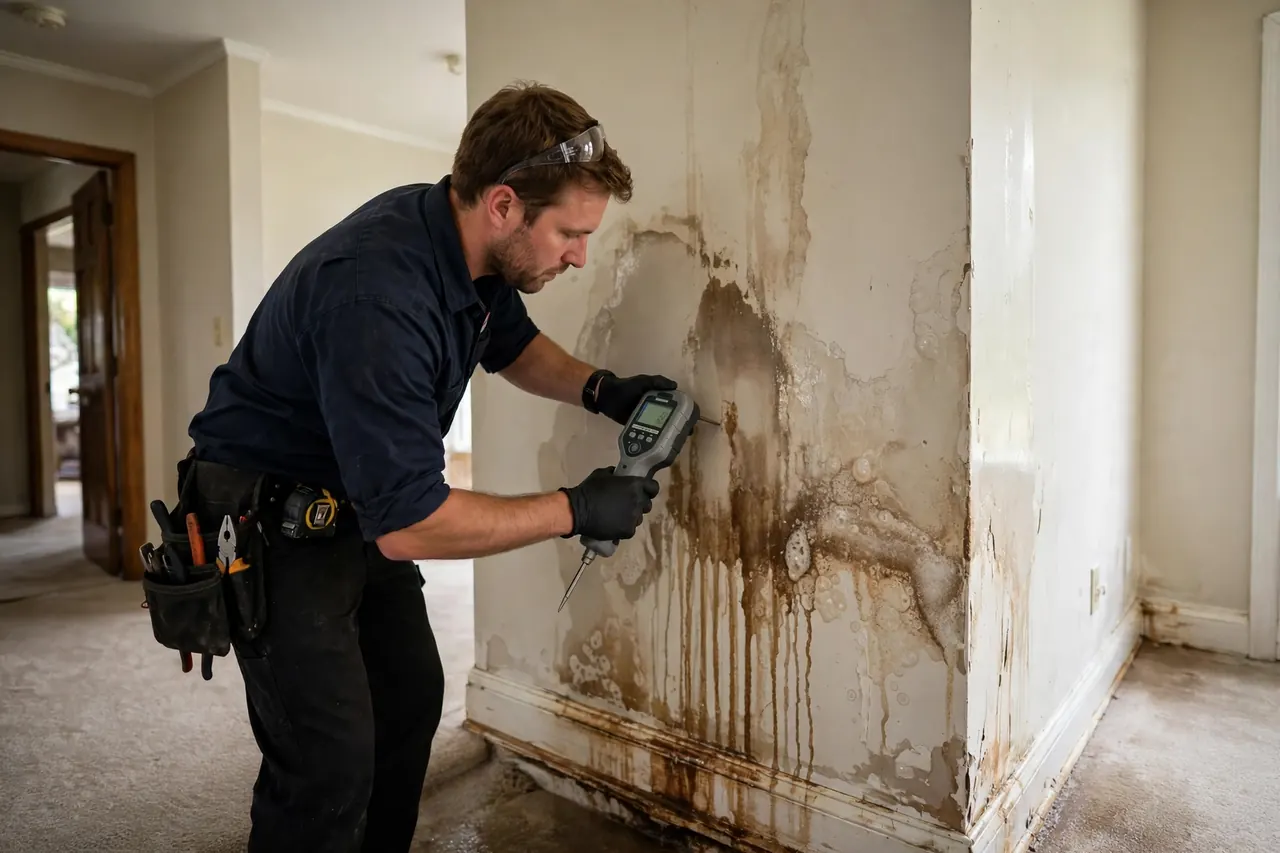
    When the temperature drops hard overnight, a pipe in an unheated space can freeze, split, and then release water as it thaws. The damage in Homestead usually shows up away from the break — a damp baseboard, a swollen cabinet bottom, a stain on a lower wall. We trace the route with a moisture meter before placing equipment, because drying the puddle while the wall cavity stays wet only delays the repair.

  • Ceiling Leaks Need the Source Found First

    Ceiling Leaks Need the Source Found First

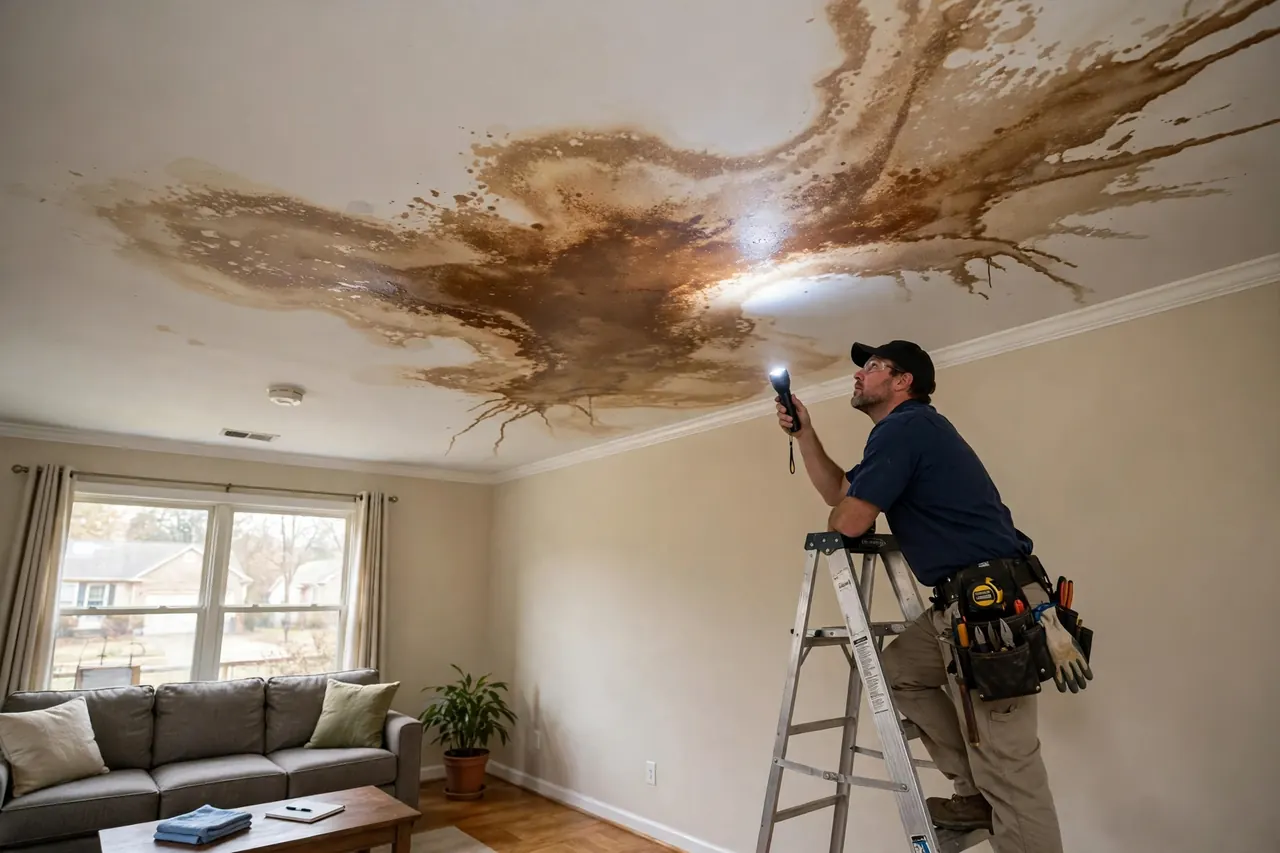
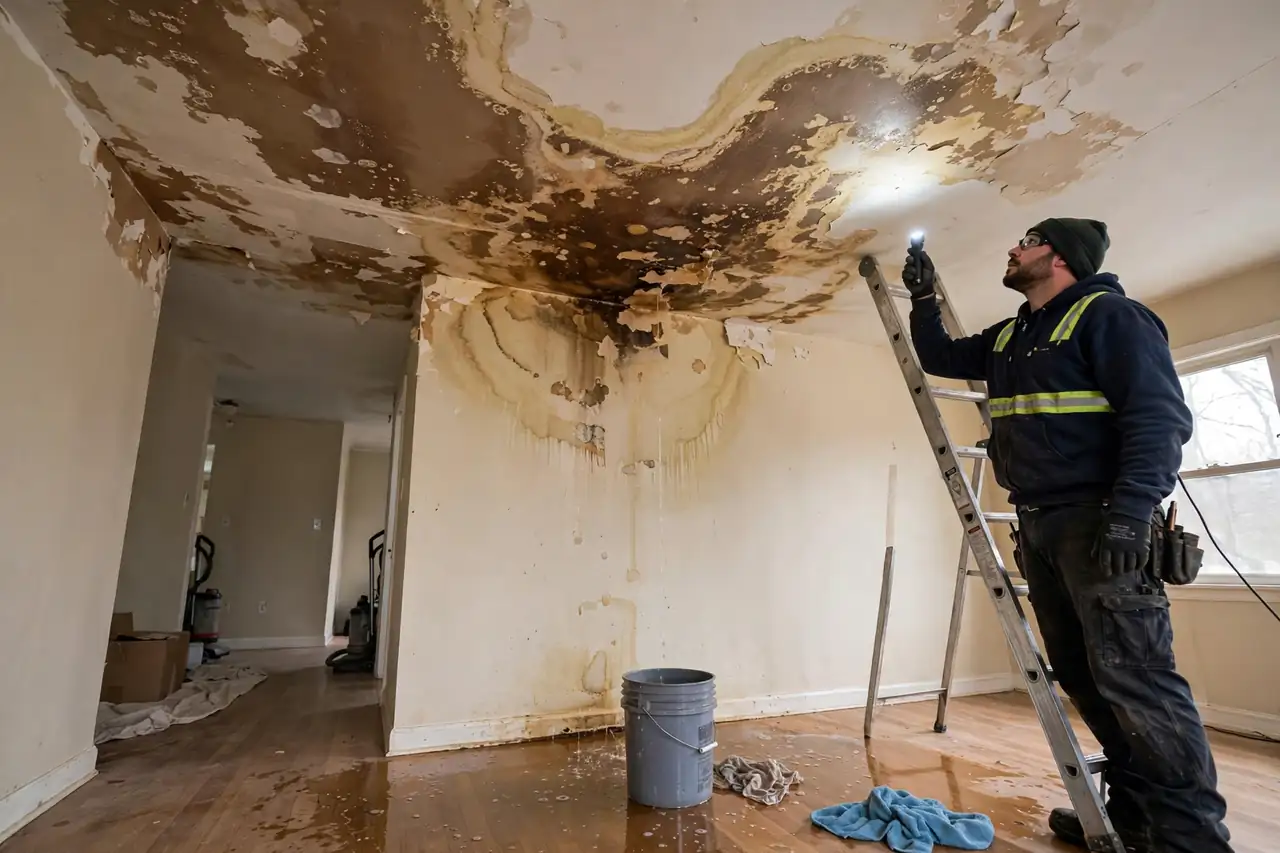
    Water in a ceiling usually started somewhere else — a roof defect, a bathroom fitting, or a pipe above — and patching the stain before finding it only hides the problem. In Homestead, we check the ceiling, the room above it, and the nearby walls, because water follows framing and can surface well away from the entry. We document the wet area, keep clear of any sagging section, and dry from readings so the ceiling repair happens on dry material.

  • Poor Drainage Sends Runoff Toward the Foundation

    Poor Drainage Sends Runoff Toward the Foundation

    Runoff that pools beside a foundation in Homestead will find its way in through the smallest gap, especially where the soil is the heavy silt loam common across the Treasure Valley. We check the gutter and downspout lines, the slope of the ground, and the base of the affected walls, then dry the interior from moisture readings. The drying plan and the drainage note go together: one without the other leaves the homeowner with the same problem after the next wet spell.

  • Garage and Utility Spaces Hide Slow Leaks

    Garage and Utility Spaces Hide Slow Leaks

    Garages and utility rooms hold water heaters, softeners, and laundry connections, and a slow leak there can run under stored items for weeks unnoticed. In Homestead, we check the water heater base, the softener drain, and the laundry connections first, then read the concrete and the adjoining walls, because concrete wicks water further than it appears. Extraction and drying follow the readings, and we flag which connection needs a plumber before the space is put back to use.

When to Call for Homestead Water Repair

Standing water, spreading ceiling stains, damp carpet edges, and a musty smell are reasons to arrange an inspection.

  • Water continues flowing after a pipe break

    A burst pipe can keep feeding water into a wall, ceiling, or floor assembly even after the first puddle is removed. Shut off the supply only if the valve is safe to reach, then call. The sooner extraction starts, the less time water has to spread into adjoining rooms.

  • Carpet feels wet beyond the visible spill

    Water moves through carpet into the padding and may travel under nearby flooring. A surface towel cannot show how much moisture remains below. We extract the carpet, check edges and adjoining rooms, and decide whether the padding can be dried or needs removal.

  • Ceiling stain grows or begins to sag

    A spreading ceiling water stain signals continued moisture above the finished surface. A sagging section can hold water and become unsafe. Keep people clear of the area and call so the source, ceiling assembly, and insulation can be assessed before repair.

  • Sump pump stops during rising water

    A sump pump failure can allow water to collect in a basement or low utility area. If the water level is rising, avoid electrical contact and call for extraction. We check the affected floor and nearby materials while the pump or drainage issue is addressed.

  • Musty odor follows a leak or backup

    A musty smell after water damage can mean damp material remains behind a finish or beneath flooring. Odor alone does not identify the source, but it warrants inspection, especially if a stain or soft baseboard is also present. Prompt moisture checks help locate hidden wet areas.

How We Handle Homestead Water Emergencies

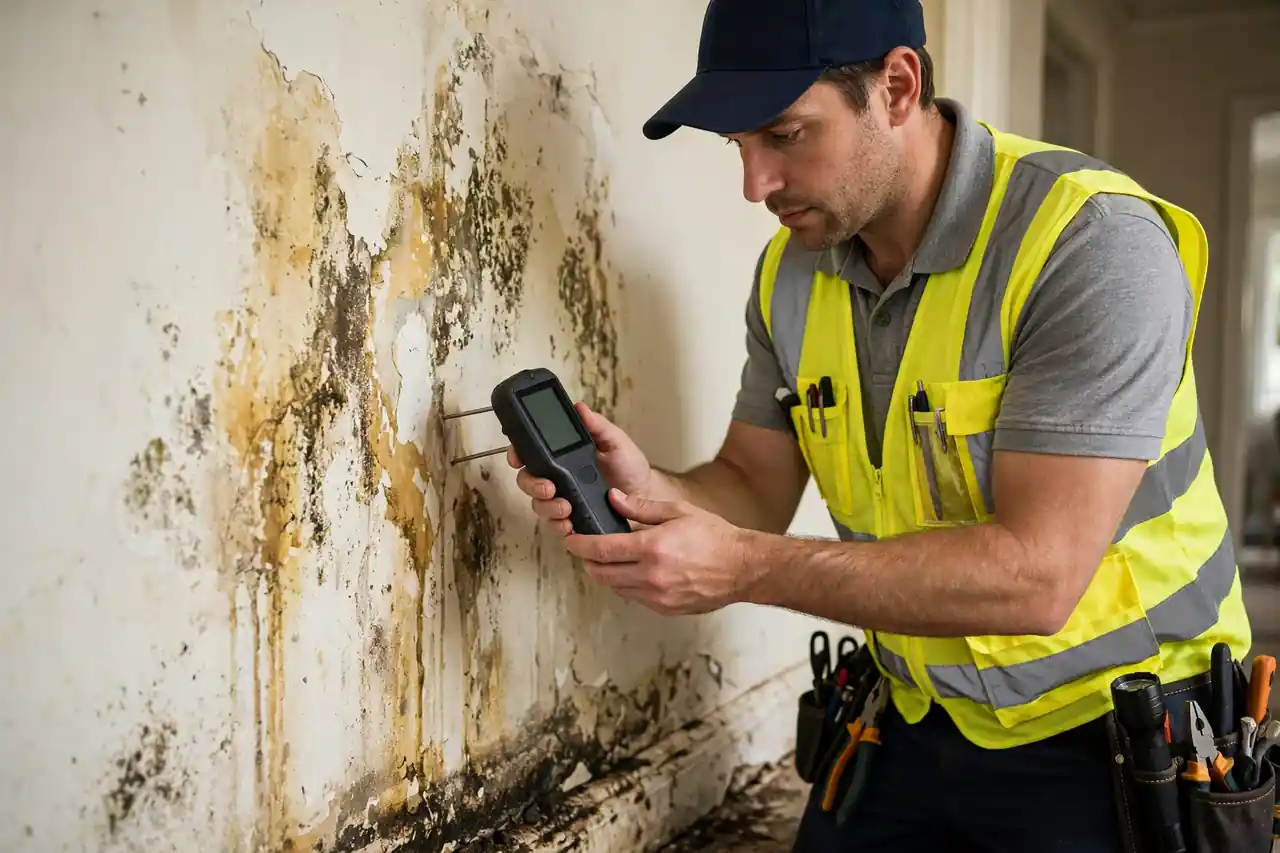
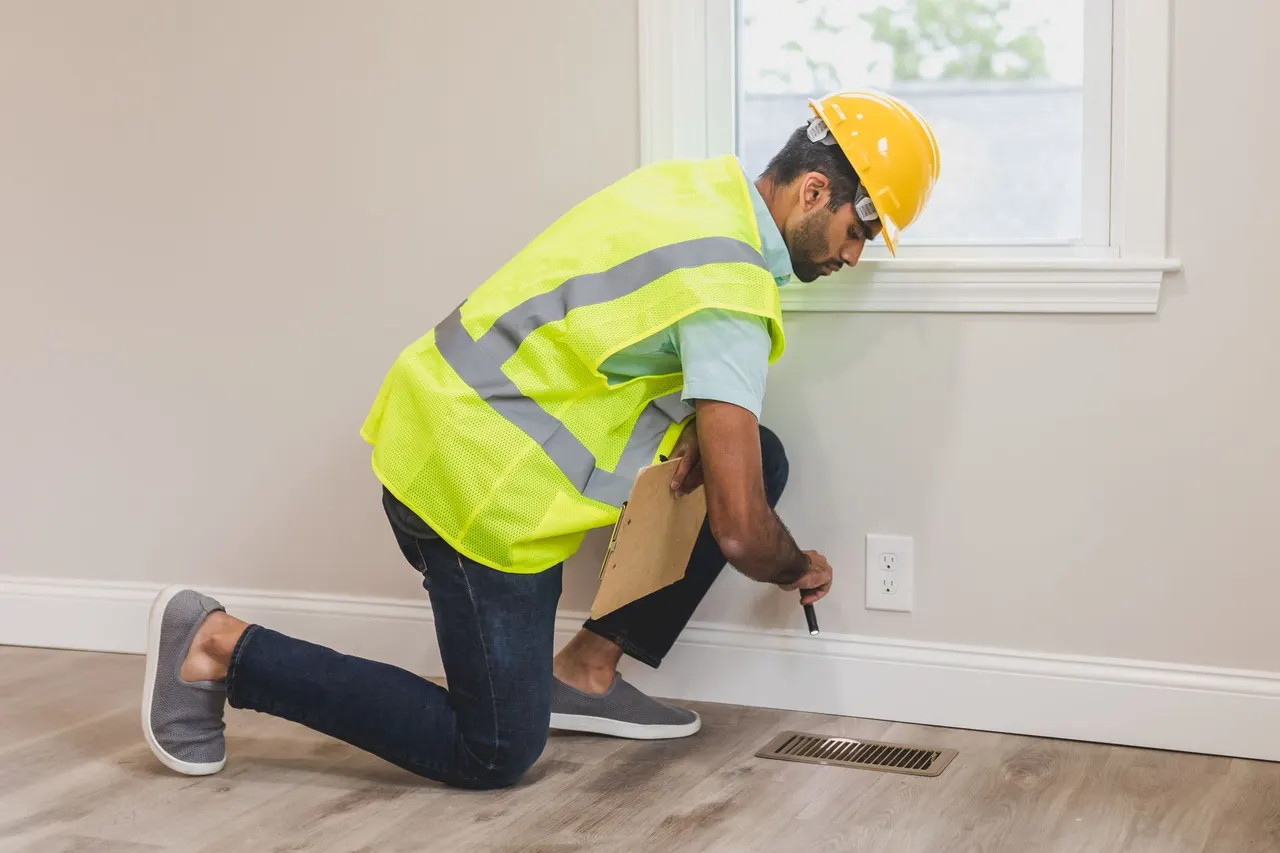
Our emergency water damage repair near Homestead begins with a source check, safety review, and water extraction plan. On larger lots, we confirm driveway access and equipment placement before running hoses or power leads; we also take care around well and septic systems and irrigation ditches. Inside, we inspect neighboring rooms and lower levels because water can travel beneath flooring or through wall cavities. A moisture meter and thermal imaging camera help identify damp areas that a quick visual check misses.

  • Longer driveways and larger lots complicate equipment access.

    A long access route can affect where extraction equipment, hoses, and drying units are staged. On Homestead properties, the team must avoid blocking household access and account for outbuildings, parked vehicles, and the location of well and septic systems. We confirm the property entrance and work area before unloading, then choose a route that protects landscaping and keeps equipment clear of household traffic. If a water line or power source is far from the wet area, we plan equipment placement to avoid trip hazards and maintain safe access.

  • Irrigation ditches and changing runoff paths need careful site checks.

    Water near an irrigation ditch may be unrelated to indoor plumbing, and exterior flow can change after weather or irrigation activity. Misreading the source can leave a recurring wet area untreated or direct equipment toward the wrong part of the property. We look for the entry point, note visible site conditions, and distinguish indoor water damage from exterior drainage concerns. Extraction and drying address the wet structure; drainage recommendations are based on the observed route, not an assumption that the ditch caused the loss.

  • Cold snaps can freeze exposed plumbing in vulnerable spaces.

    A frozen pipe can split and release water after temperatures rise, soaking insulation, drywall, and flooring. Homestead homes with garages, crawl spaces, or unheated utility areas need prompt inspection because water may continue behind finished surfaces after the pipe is shut off. We focus first on stopping active water and extracting what has collected. Then we check adjacent materials and concealed pathways, document readings, and place drying equipment where it can reach the wet assembly. Plumbing repairs are handled by an appropriate plumbing professional.

  • ANSI/IICRC S500 water damage restoration standard

    The standard provides professional guidance for inspecting and restoring water-damaged structures. We use its principles to categorize the loss, document conditions, select drying methods, and monitor progress. The actual work plan still reflects the water source, material construction, and conditions found at your Homestead property.

  • EPA Lead-Safe requirements when applicable

    If repair work disturbs painted surfaces in a home covered by applicable lead-safe rules, the work must follow the relevant requirements. We identify the concern before disruptive removal and coordinate appropriate procedures so restoration does not create an avoidable dust hazard for occupants.

Homestead Landmarks and Navigation

Homestead Park and the Homestead community area are useful orientation references when callers describe where a home sits. We still confirm the exact address, entrance, and building affected before routing the crew. Homestead's larger lots can make a street address alone less helpful when a house, garage, or outbuilding sits well back from the road. If an irrigation ditch or private drive affects access, mention it during the call so we can plan equipment placement.

  • Homestead Park

    Homestead Park is a local orientation point for describing the nearby area. A caller can use it to give general directions, then provide the exact property address so the crew can locate the correct driveway and work entrance.

  • Homestead community area

    The Homestead community area helps distinguish the service location from other parts of the Kuna area during an initial call. It is a broad location reference, so the street address and access instructions remain necessary for navigation.

  • Homestead East

    Homestead East is a named neighborhood reference that can help clarify which part of Homestead a caller means. We use it for general orientation only and confirm the property's exact location before dispatch.

  • Homestead community area

    The Homestead community area is a local reference for residents and nearby property users. We confirm the specific address and building rather than assuming a commercial district or service entrance from the area name alone.

  • Kuna Town Center

    Kuna Town Center is a nearby named destination in the broader service region. It provides regional context for travel planning, while Homestead property access is routed using the customer's address and directions.

  • Meridian Road Corridor

    The Meridian Road Corridor is a named regional route reference in the supplied Kuna service area. We use current address directions to determine the appropriate approach to each Homestead property.

  • Kuna Town Center

    Kuna Town Center provides a familiar regional reference when coordinating travel from the main city. It is not a transit station; exact access to a Homestead home depends on its street address and driveway.

Homestead Neighborhood Coverage

We serve Homestead East and Homestead West and respond throughout the Homestead community area in ZIP code 83634. Property layouts vary, so we ask about the entrance, affected rooms, and any well, septic, or irrigation features before bringing equipment onto the site. That simple check helps us reach the water quickly and protect areas that are not part of the loss.

  • Homestead East
  • Homestead West
  • Homestead community area
  • Homestead Park vicinity

Homestead Water Damage Work Examples

  • Homestead East

    Before

    A supply-line leak soaked carpet and drywall in a Homestead East home before the shutoff was reached.

    After

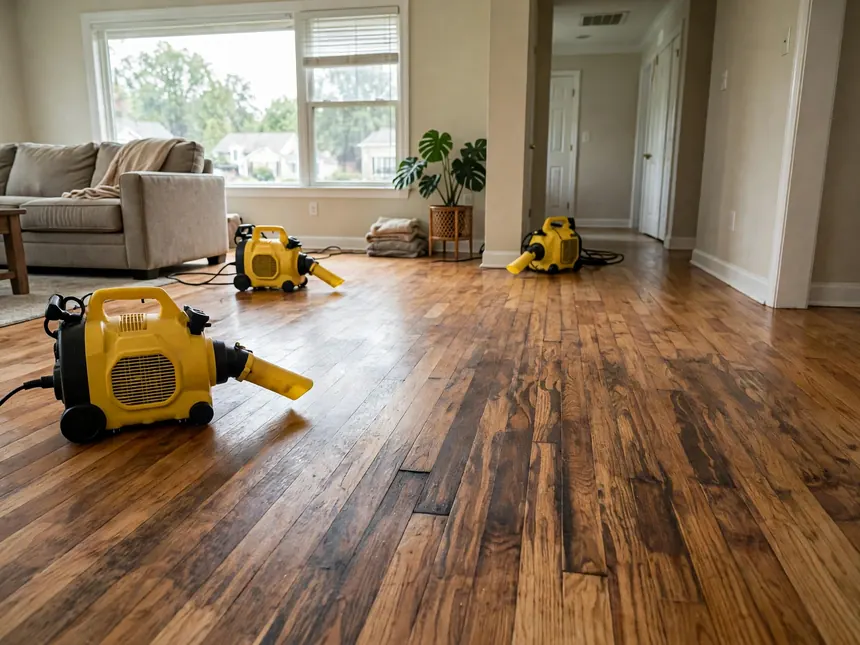
    We removed standing water, checked the carpet padding and nearby wall edges, and recorded moisture readings in the affected room and adjoining hall. We placed drying equipment to move air across the wet surfaces and reviewed readings during follow-up. The homeowner received a clear explanation of which materials could remain and which required removal. Extraction and initial setup were completed in one visit. Moisture readings were tracked over 3 days, and the affected room was cleared for repair planning after the materials reached the agreed drying targets.

  • Homestead West

    Before

    A winter pipe failure left water in a low utility area and dampened stored items on a larger Homestead lot.

    After

    We isolated the wet zone, removed water, and kept the route to the utility area clear of household access. The team checked the nearby wall and floor edges, moved salvageable contents out of the drying path, and monitored the space with repeat moisture checks. Equipment placement accounted for the property's longer driveway and service access. Standing water was removed during the first service visit. The utility area was checked on 2 follow-up measurements, and contents were separated into dry, damp, and affected groups for organized handling.

  • Homestead community area

    Before

    A roof leak left a ceiling stain and damp insulation in a Homestead community area residence after storm weather.

    After

    We inspected the ceiling and accessible attic-side materials, contained loose debris, and removed wet insulation where it could not be dried in place. We extracted water from the room below and used moisture readings to check the ceiling framing and nearby wall. The roof opening was addressed separately from interior drying. The water-affected ceiling area was mapped across 2 adjoining sections. Drying was monitored over 4 days, and the homeowner had a documented repair area before ceiling restoration began.

Homestead Seasonal Water Damage Risks

  • Spring

    Spring is when hidden winter damage surfaces: a pipe that wept slowly in the cold finally shows as a stain, and the first rains find the roof and gutter weak points. Look at ceilings after each storm, check the ground where downspouts discharge, and test sprinkler zones one at a time as irrigation comes back on, so a broken head is caught before it soaks a threshold.

  • Summer

    Summer irrigation is the main water risk in the Treasure Valley: pressurised lines run for months, and one failed valve can wet a foundation edge for hours. Inspect heads and valves when the system cycles, keep spray off the house, and check the rooms beside the irrigation zones for damp baseboards. Heat hides slow leaks by drying the surface, so a recurring damp spot needs measuring, not waiting.

  • Fall

    Fall is short and the freeze comes quickly, so use it to prepare: clear leaves from gutters and drains, check flashing and valleys, and drain the sprinkler system before the first hard night. Find the water shut-off and make sure everyone in the house knows where it is. A pipe that bursts in January usually had a warning in October, and fall is when that warning is cheapest to act on.
  • Winter

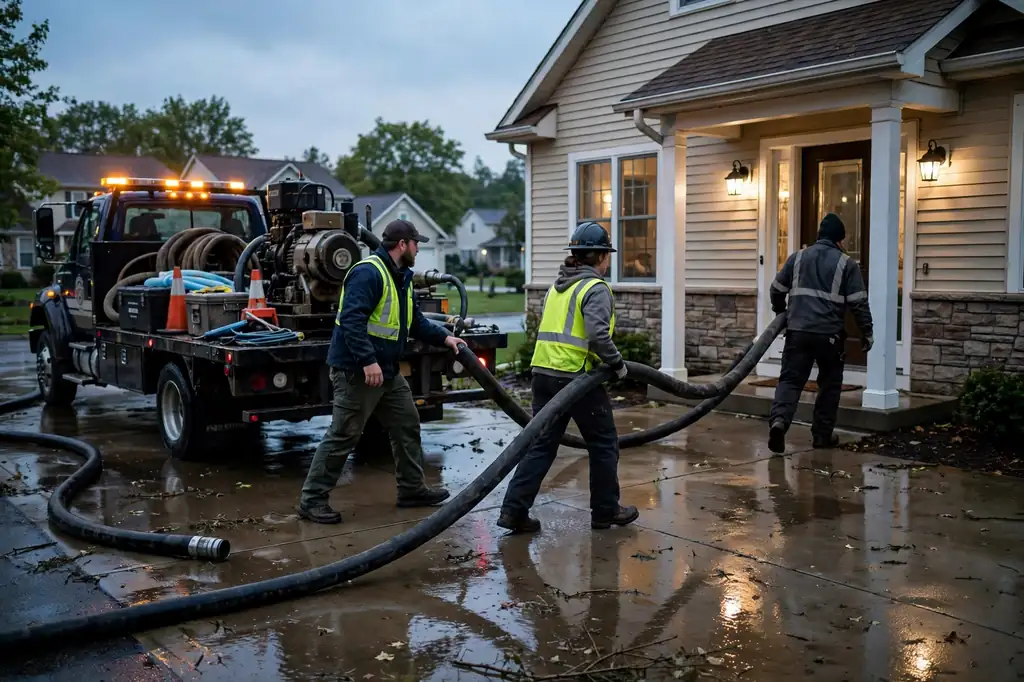
    Winter nights in the Treasure Valley drop well below freezing, and the pipes most at risk are the ones in garages, crawl spaces, and exterior walls. Keep heat on in unused rooms, let vulnerable taps drip during a hard freeze, and open cabinet doors where pipes run through exterior walls. If a pipe does split, shut the water off first, then call: the water spreads further in the minutes before the supply stops than in the hours after.

Questions to Ask Before Hiring

For Homestead emergency water damage repair, choose a crew that can explain the first hour of work, not just promise to bring equipment. Ask how they will identify the water source, check beyond visible damage, and report drying progress. A property with a long driveway, well and septic systems, or irrigation ditches needs an access plan as well as an indoor drying plan. You should understand who handles extraction, what gets measured, and how the next visit will confirm that materials are drying.

  • How will you find water behind the visible stain?

    A solid answer includes checking adjacent rooms, flooring edges, baseboards, and likely wall cavities. Ask what readings will be recorded and how they will be compared later. If the plan relies only on looking at the stain or touching the wall, hidden moisture may be missed.

  • Will you tell me what is being removed and why?

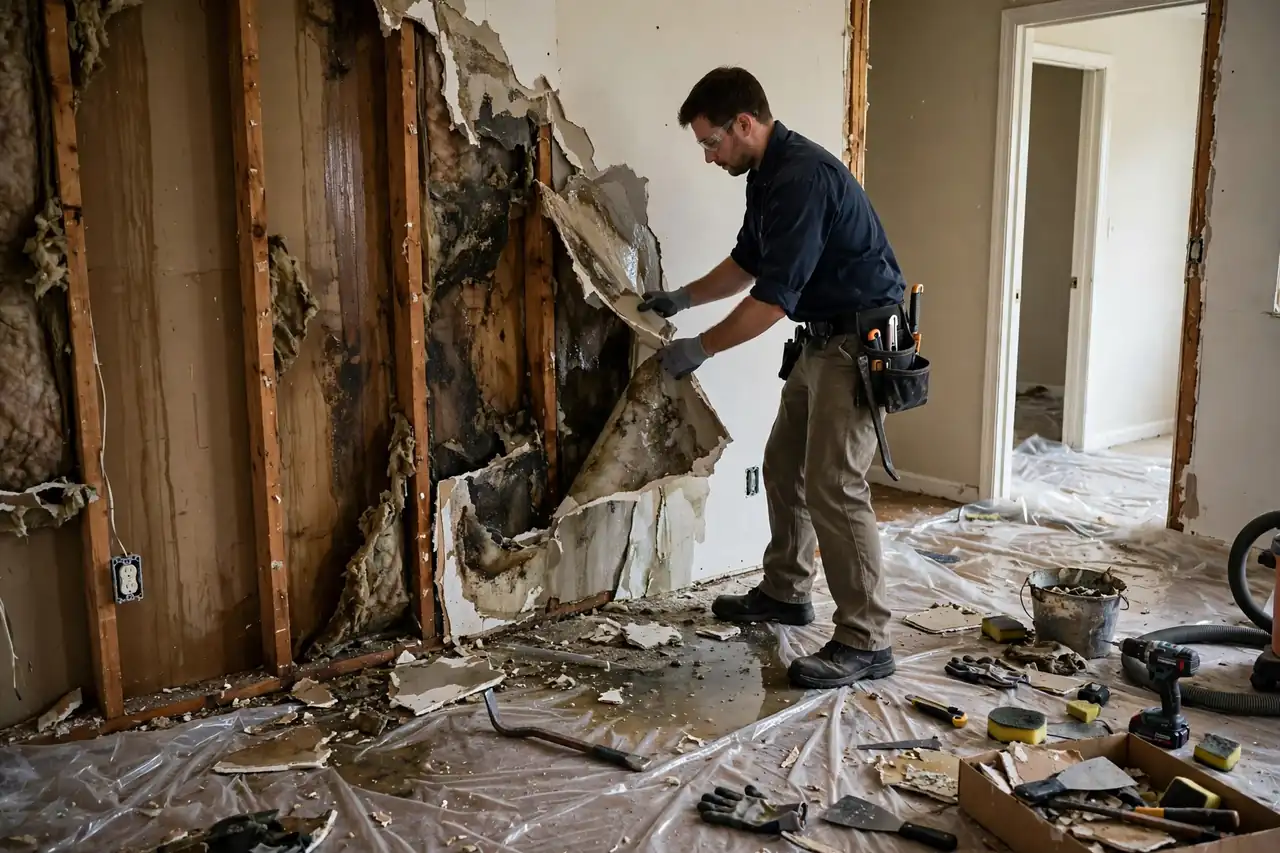
    Wet drywall, insulation, and carpet padding do not all respond the same way. The contractor should explain the condition that makes removal necessary and distinguish it from material that can be dried. That keeps the work tied to the observed loss rather than a blanket tear-out.

  • How do you protect well and septic areas during setup?

    Homestead properties can have larger lots and rural systems that need to remain accessible. A crew should ask about the well, septic components, private drive, and irrigation features before placing hoses or equipment. A thoughtful setup avoids blocking access or creating a new site problem.

  • How often will you check drying progress?

    Equipment running without follow-up readings does not confirm that a structure is drying. Ask whether the crew will compare moisture measurements, adjust equipment, and record the condition of affected materials. Regular checks help identify a slow wall cavity or floor assembly before it is overlooked.

  • Who handles the plumbing or roof source repair?

    Restoration removes water and dries damaged materials, but the source may need a plumber or roofer. A clear answer separates those tasks and explains how the active leak will be controlled. This matters because interior drying cannot succeed if water continues entering the property.

Homestead emergency water damage repair FAQs

Still wondering? (833) 546-4116

Local service team

Get emergency water damage repair in Homestead

If water is spreading through your Homestead home, call Kuna water damage restoration at (833) 546-4116. Tell us what happened, whether the water is still active, and how to reach the affected building. We will begin with the source, extraction needs, and a plan to check wet materials. Our response line is available 24/7 for emergency water calls across Homestead and ZIP code 83634.

Contact the Kuna Team

Call (833) 546-4116 when water reaches your home or business in Kuna, Idaho. Tell us whether the source is still active, which rooms are affected, and when the damage began; that helps direct the next steps. Calls are accepted at any hour for emergency inquiries, and service coverage includes Kuna, ID, with ZIP codes 83634 and 83642.

Thanks. Your request is in and the team will follow up shortly.