Emergency Water Damage Repair in Falcon Ridge, Done Right

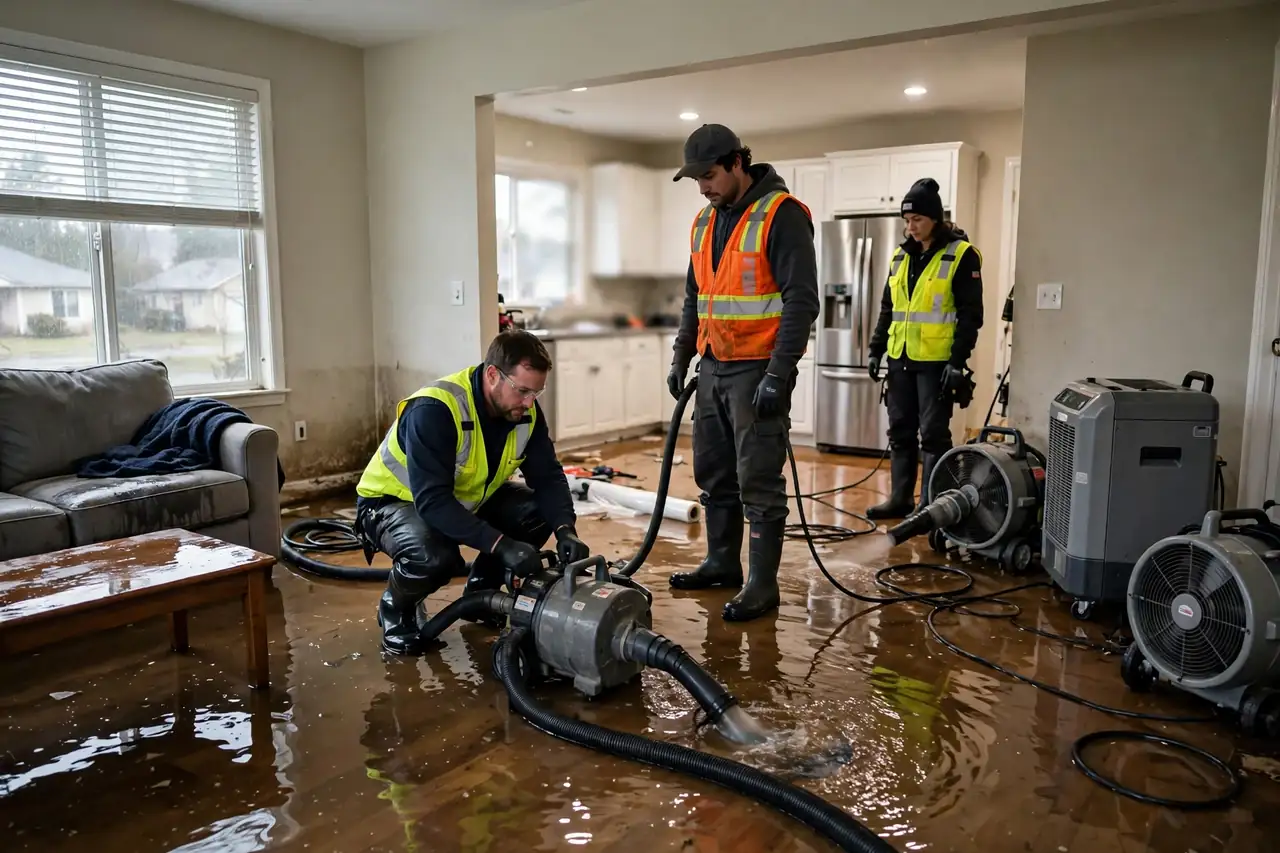
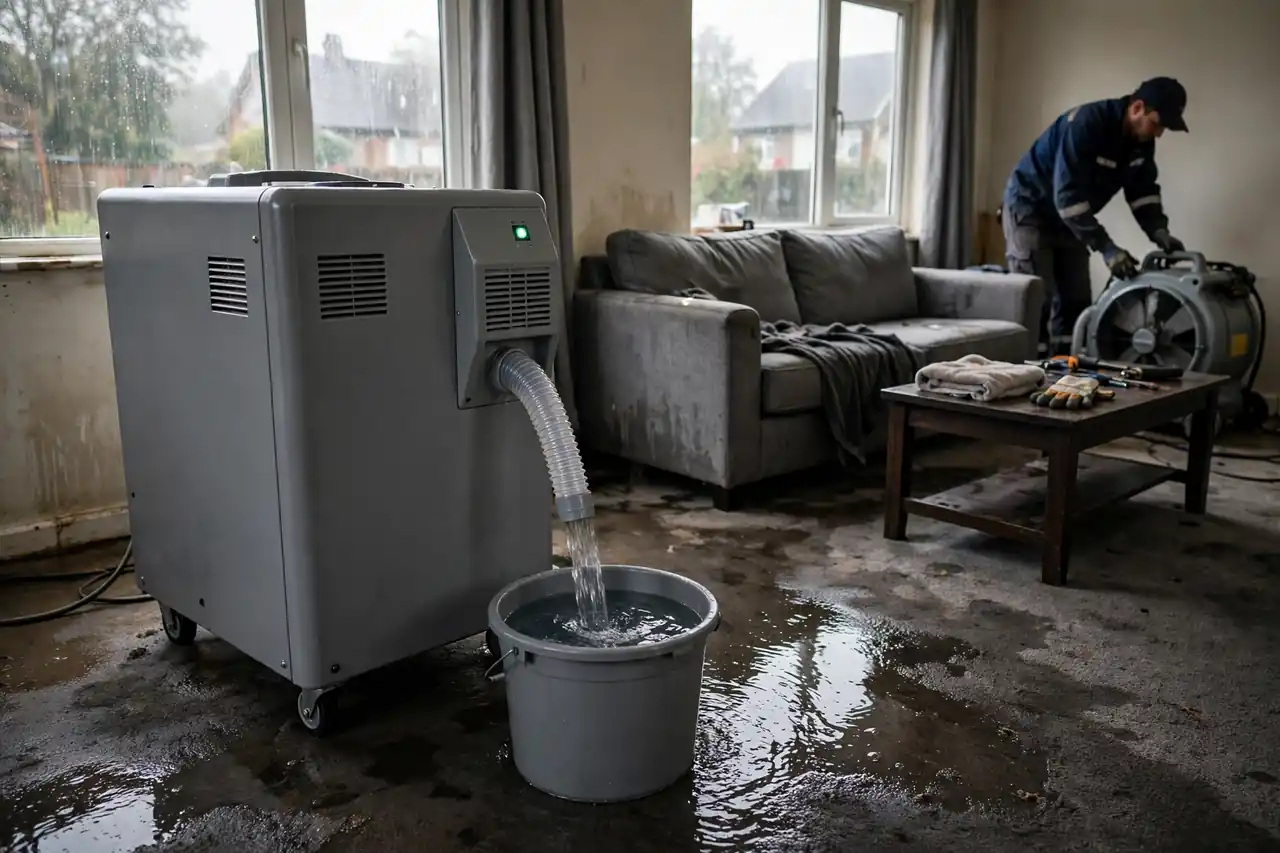
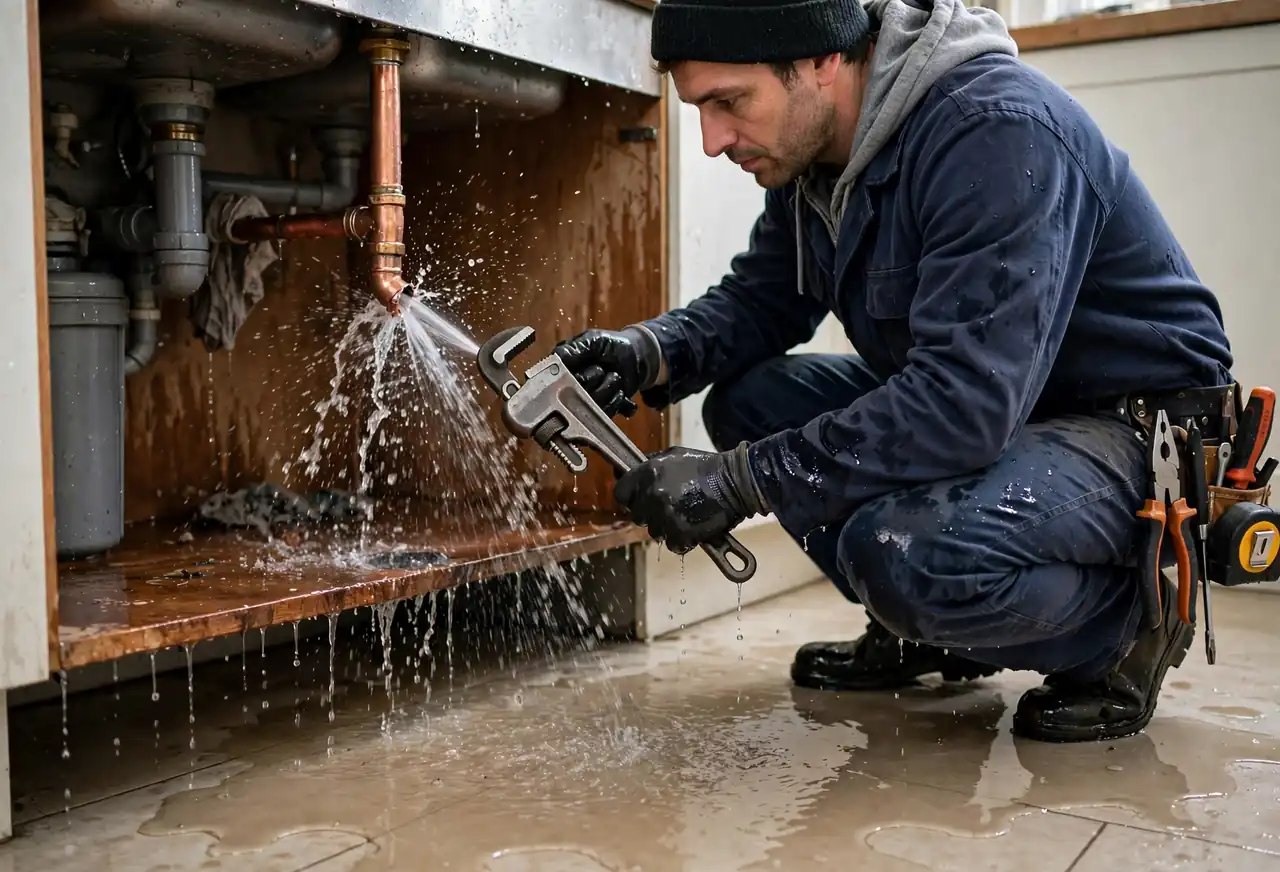
Kuna water damage restoration provides emergency water damage repair in Falcon Ridge when a pipe breaks, water enters a basement, or a roof leak soaks finished rooms. Our crew serves the family subdivision around ZIP 83634, including Falcon Ridge North and Falcon Ridge South. Falcon Ridge emergency water damage repair starts with stopping the water, extracting what is visible, and checking hidden moisture before drying equipment goes in.

emergency water damage repair in Falcon Ridge

Serving Falcon Ridge homes

  • Readings RecordedMoisture checks guide drying decisions
  • Work Area ProtectedContents moved away from wet surfaces
  • Steps ExplainedYou hear what happens next
  • Equipment CheckedAirflow placement reviewed during work

Emergency water damage repair in Falcon Ridge, Locally Delivered

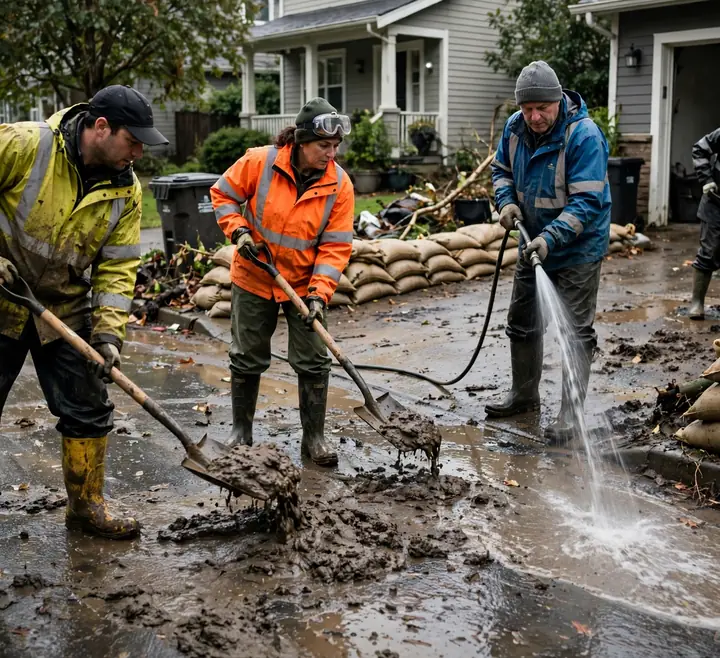
Falcon Ridge is a family subdivision where the water calls split two ways: storm runoff that enters lower rooms and foundation edges during a hard rain, and appliance or fixture leaks that spread quietly under flooring. Both hide well in finished homes, and both are found late when the only check is the visible floor.

We check the outside path and the inside source in the same visit — where runoff collects at the foundation, and which appliance or fitting feeds the wet floor. Moisture readings at floor edges, wall bases, and under the affected flooring set the drying plan, and a failed pump gets tested so the same failure does not repeat.

Summer highs in the Treasure Valley regularly top 100°F, which dries surface water fast but hides moisture trapped under flooring and inside wall cavities. A damp patch that survives a hot afternoon in Falcon Ridge deserves a meter reading, not a shrug, because the heat only dried the surface.

Falcon Ridge Emergency Water Services

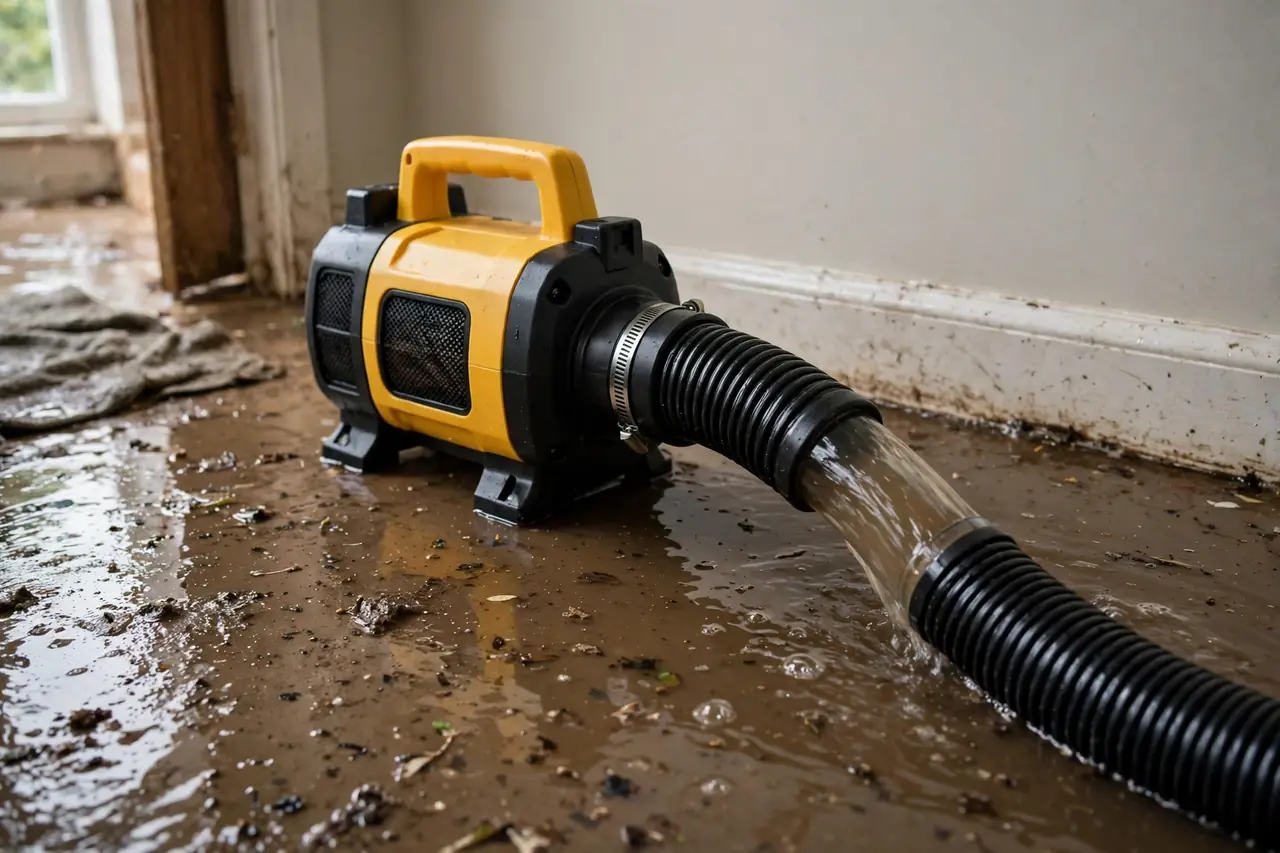
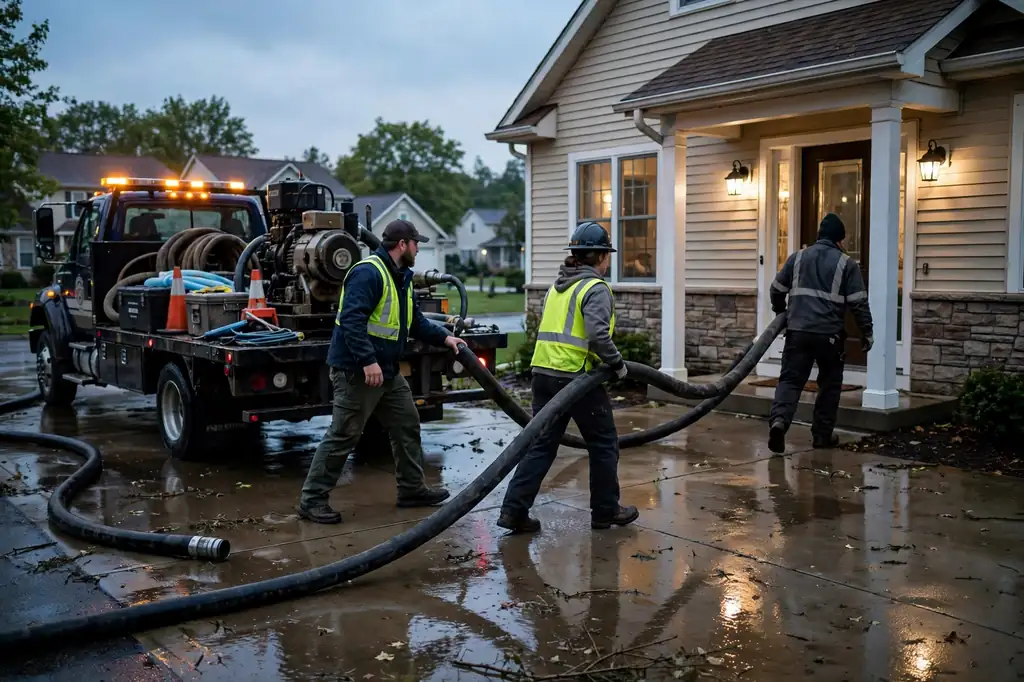
Water emergencies in Falcon Ridge range from a small supply-line leak to several inches of standing water after a sump pump failure. Newer homes can conceal moisture behind drywall or beneath flooring, so visible cleanup is only the first step. We inspect the source and affected rooms, extract water, and set drying equipment based on material readings. If you need emergency water extraction near Falcon Ridge ID, tell us whether the water is clean, contaminated, or still entering the home; that helps us plan the right response.

How restoration works here

Emergency restoration in Falcon Ridge

Emergency restoration in Falcon Ridge

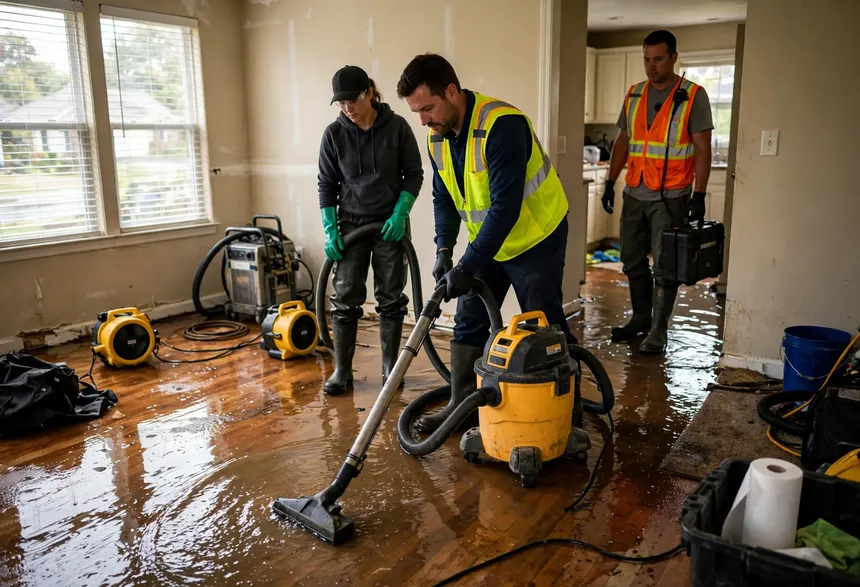
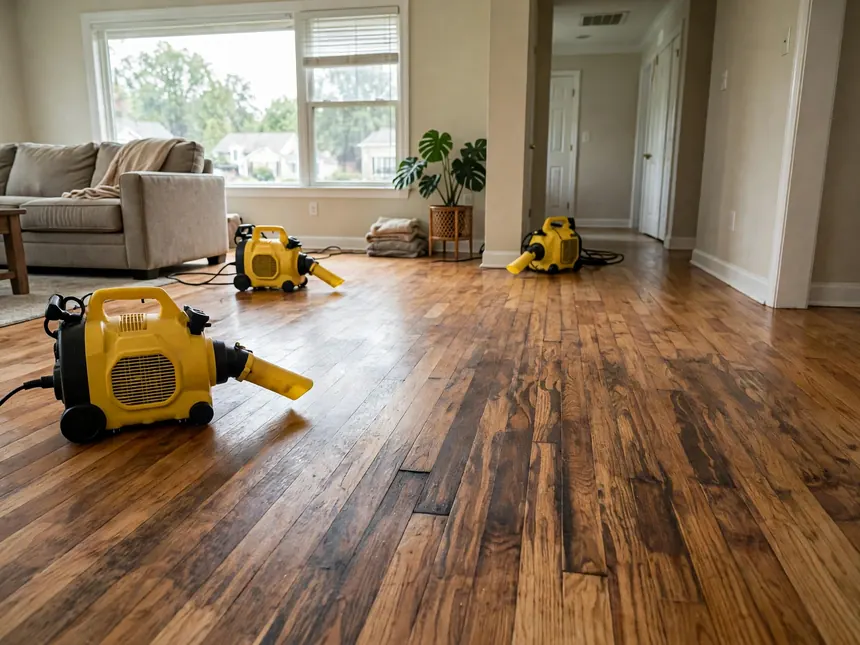
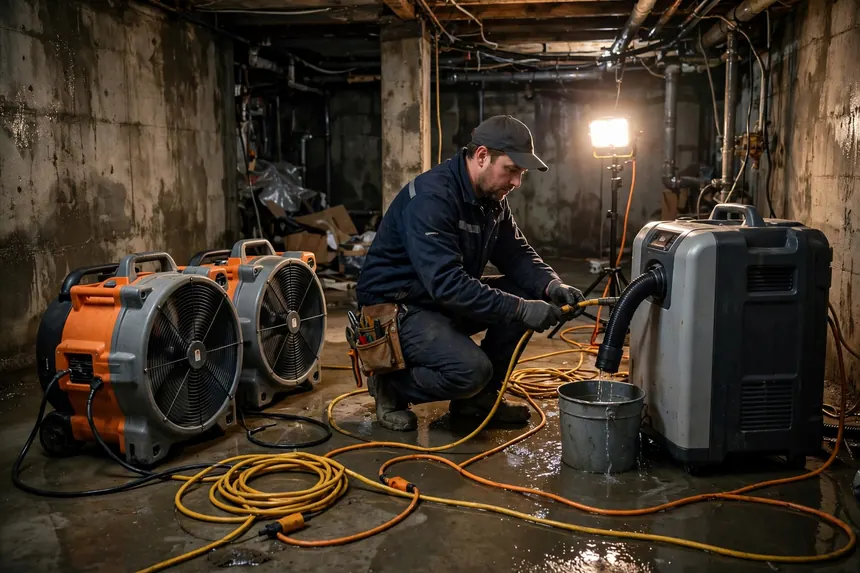
We locate the water source and protect dry areas before removing standing water. In Falcon Ridge homes, we check connected rooms and floor transitions for hidden spread. Readings guide equipment placement and show when drying has progressed.

  • Source and room assessment
  • Targeted water extraction
  • Repeat moisture checks
Falcon Ridge Homes

Falcon Ridge Homes

We restore occupied homes by containing the affected area and keeping household routes clear. Our crew checks finishes and hidden moisture before planning drying or removal.

  • Newer family homes
  • Finished lower-level rooms
  • Hardwood and carpet floors
  • Utility and laundry areas
Falcon Ridge Properties

Falcon Ridge Properties

We assess water damage in occupied work spaces and residential-support properties with attention to access and contents. The response follows the water source and affected materials.

  • Small office suites
  • Retail work spaces
  • Community-use interiors
  • Property management units

Common Falcon Ridge Water Problems

In Falcon Ridge, storms and appliances are the two fronts, so the four problems below are the ones we plan for: frozen supply lines, storm runoff at lower rooms, appliance leaks under flooring, and a failed sump pump.

  • Storm Water Crosses Thresholds and Soaks Ground Floors

    Storm Water Crosses Thresholds and Soaks Ground Floors

    A hard Treasure Valley storm can push water under doors, through low vents, and across patios faster than it can drain away, and the ground floor takes the hit. In Falcon Ridge, we start by making the entry safe and removing standing water, then check how far it travelled under flooring and into wall bases. Storm water is treated as potentially contaminated, so the handling differs from a clean supply-line leak, and we document the rooms and materials before drying begins.

  • Sump Pump Failure Leaves Water in Lower Rooms

    Sump Pump Failure Leaves Water in Lower Rooms

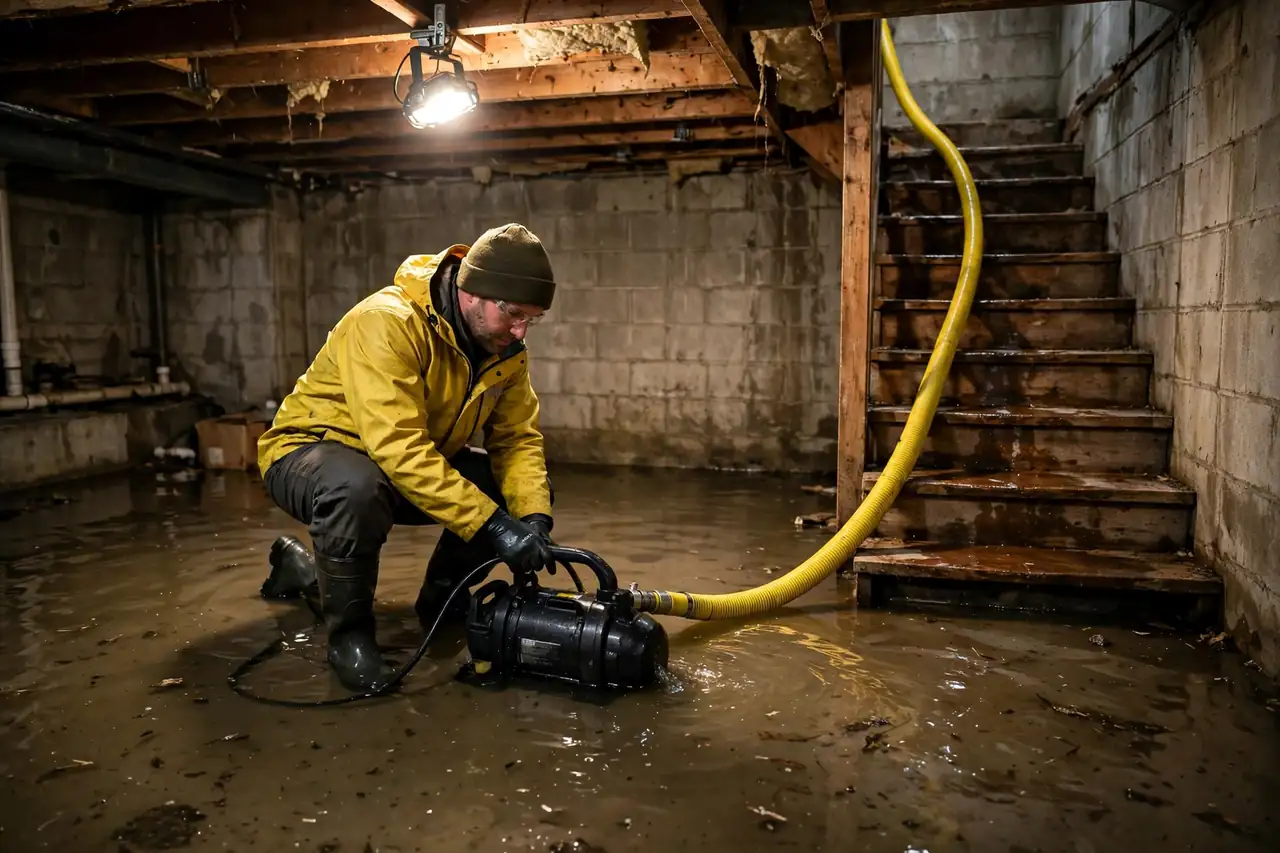
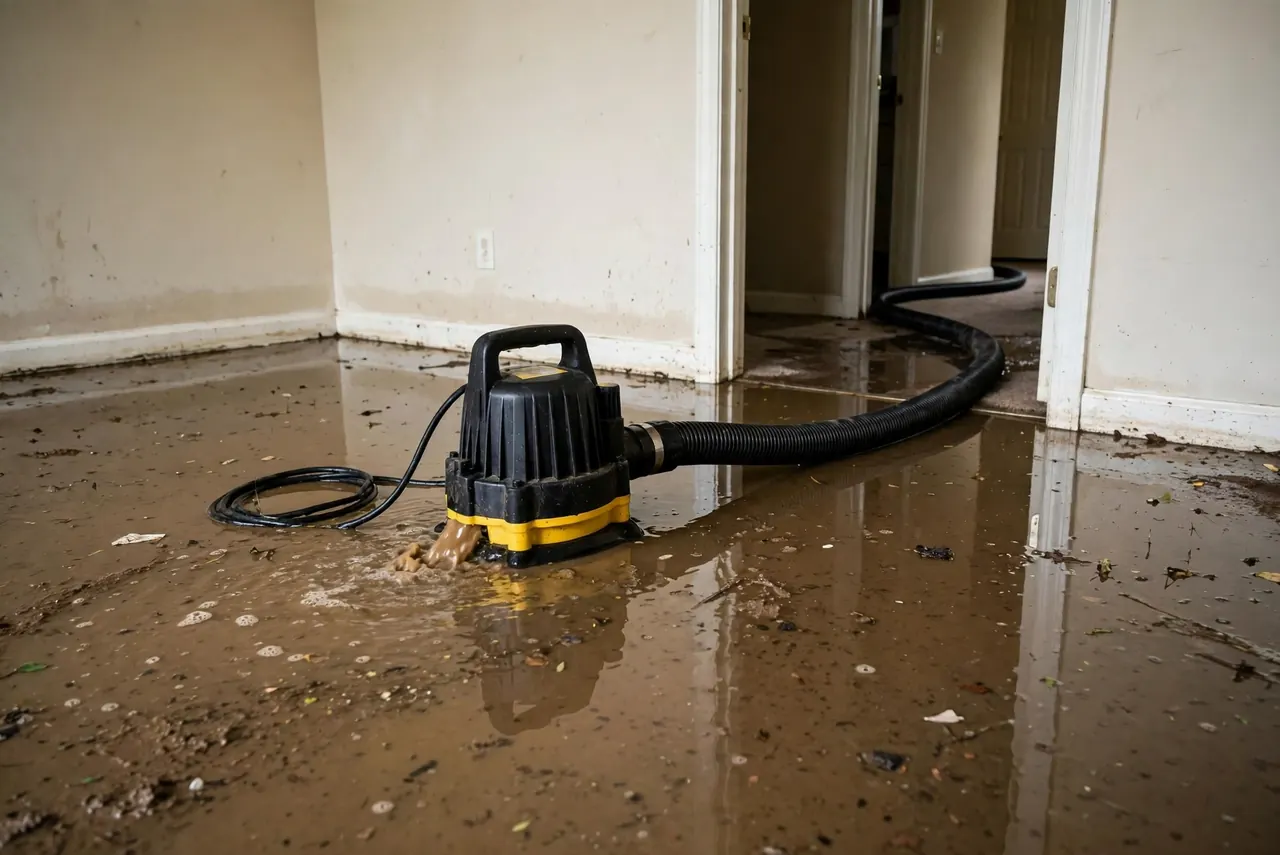
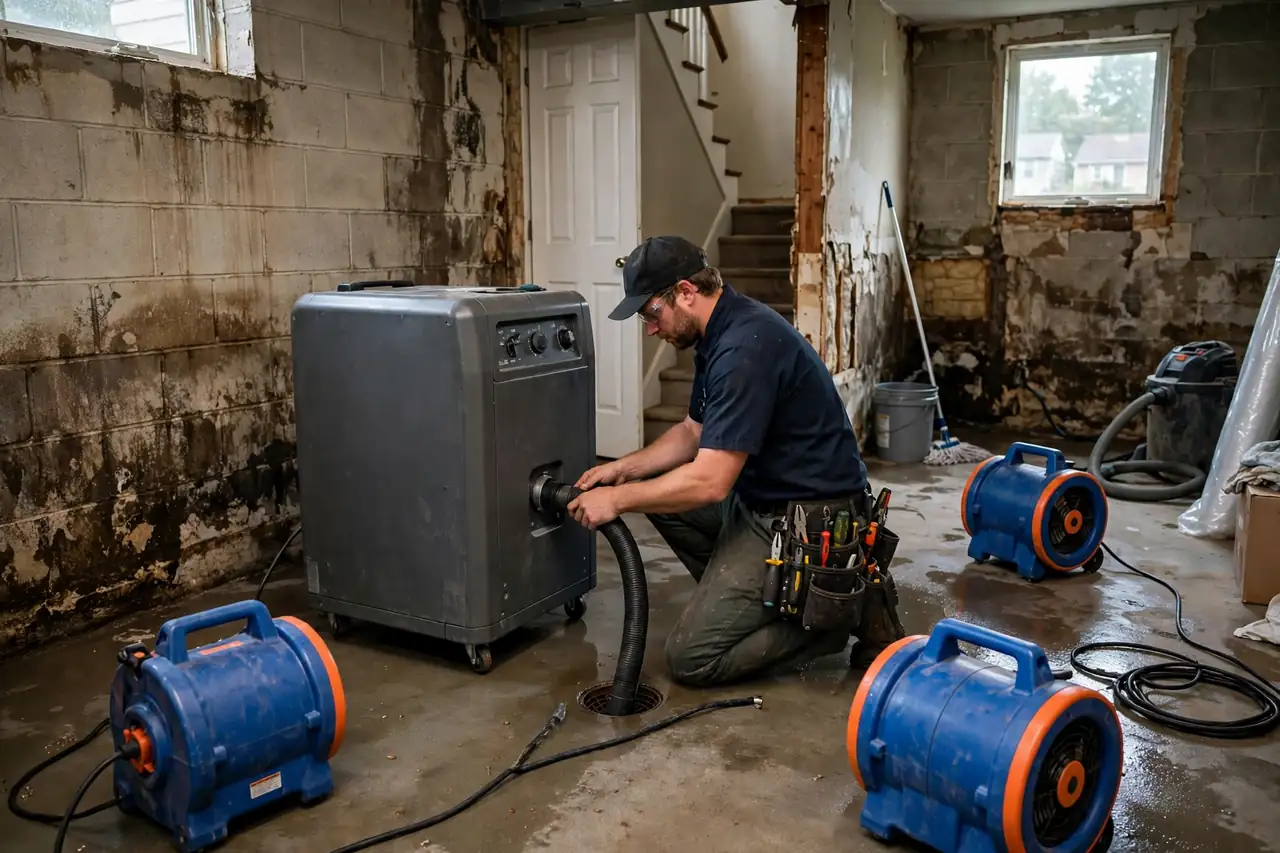
    When a sump pump stops in Falcon Ridge, water has nowhere to go but the lowest floor, and it can sit there for hours before anyone notices. We remove the standing water, test whether the pump, the float, or the discharge is at fault, and take readings at the base of the surrounding walls. Drying equipment is placed from those readings, and we flag what the pump repair or replacement needs to cover so the same failure does not repeat at the next wet spell.

  • Appliance Hoses and Fittings Leak Under Flooring

    Appliance Hoses and Fittings Leak Under Flooring

    A washing-machine hose, a dishwasher connection, or a refrigerator supply line can fail slowly and wet the subfloor for weeks before the surface shows it. In Falcon Ridge, the clue is usually a soft spot, a lifted floor edge, or a damp cabinet base near the appliance. We shut the supply, pull the appliance clear where it is safe to do so, and take readings under and around it, because the wet area under an appliance is almost always larger than the visible stain.

  • Crawl Space Water and Dampness After Wet Weather

    Crawl Space Water and Dampness After Wet Weather

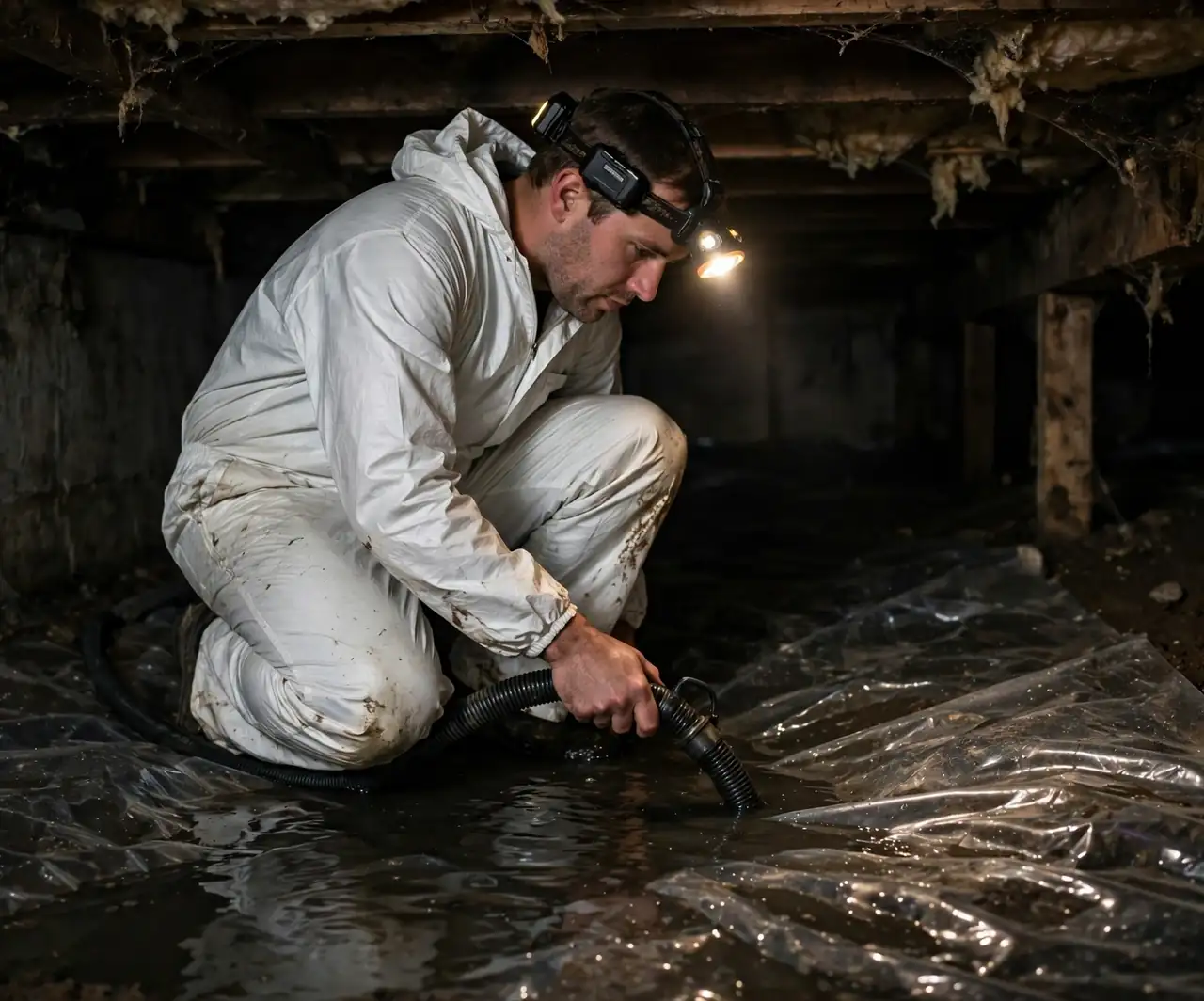
    A crawl space in Falcon Ridge can hold water for weeks after a leak or a wet spell, quietly raising humidity and wetting floor joists from below. We look for the source first — a supply line, a drain, or water running in from outside — then pump out what is standing and measure the wood and insulation. Drying a crawl space is slower than drying a room, so we set equipment from readings and re-check, rather than guessing the space is dry because the surface looks fine.

When to Call for Water Damage Help

Notice spreading water, soft drywall, a growing ceiling stain, or a musty odor? Call for an inspection.

  • Water keeps spreading after shutoff

    A growing wet area can indicate the source is still active or water is moving through a wall, floor, or ceiling cavity. In Falcon Ridge, turn off the relevant supply only if safe, move belongings from the path, and call for extraction. Do not cut into a ceiling that is sagging.

  • Ceiling stain grows or begins to sag

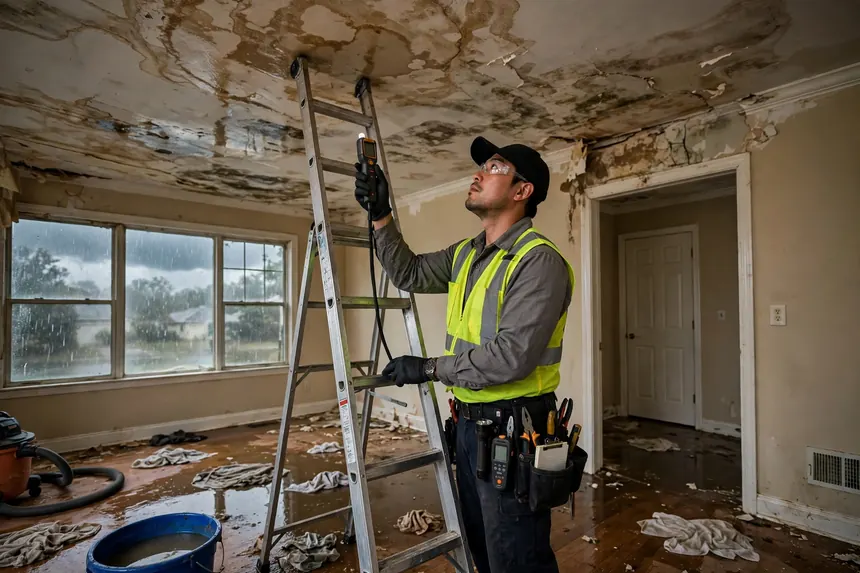
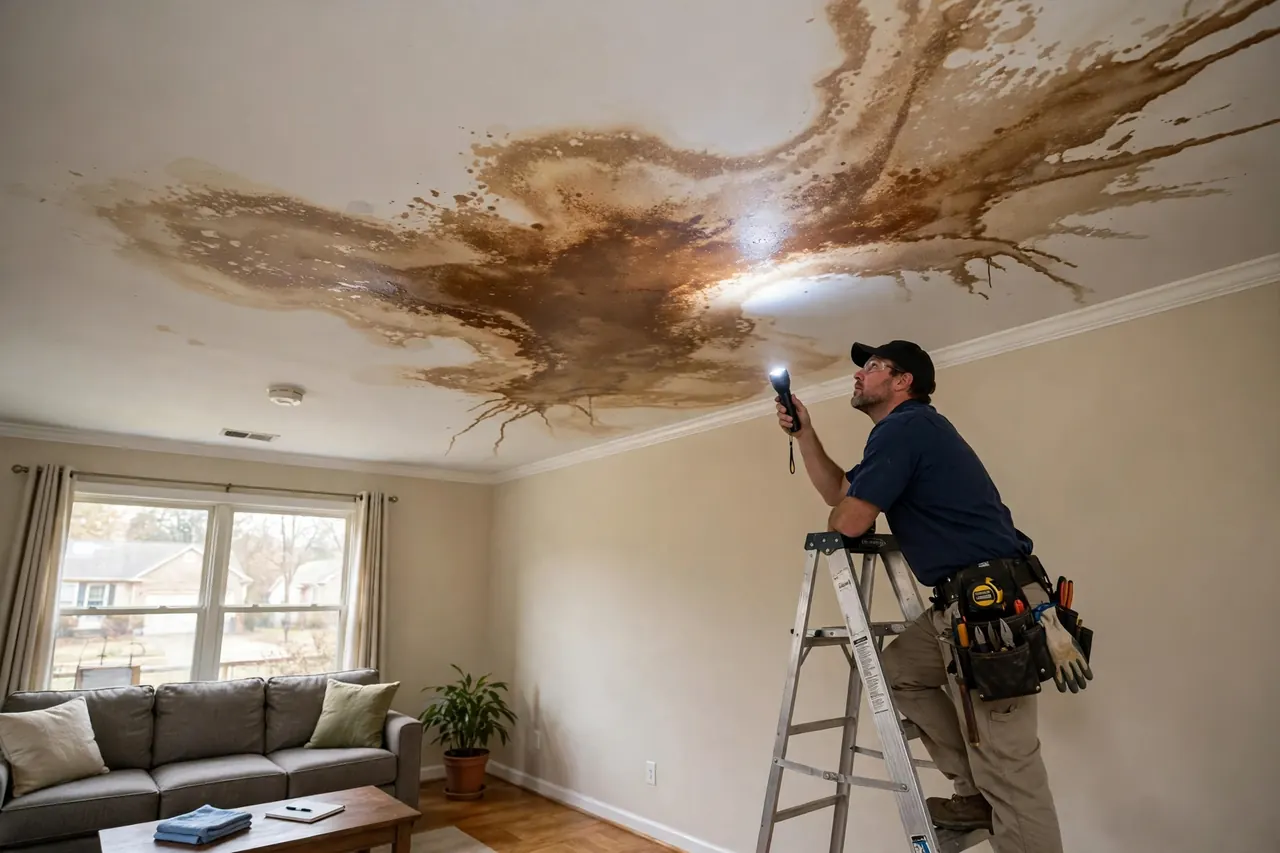
    A spreading stain means water may be accumulating above the finish, often around a roof or plumbing leak. A soft or bulging ceiling can fail without warning. Keep people clear of the area and arrange inspection before attempting to puncture or patch it.

  • Floorboards cup or carpet stays wet

    Swelling hardwood or persistently wet carpet suggests moisture has reached beneath the visible surface. Carpet padding can hold water even after the pile feels less wet. Prompt extraction and moisture checks help determine whether flooring can be dried or needs removal.
  • Musty smell follows a leak or flood

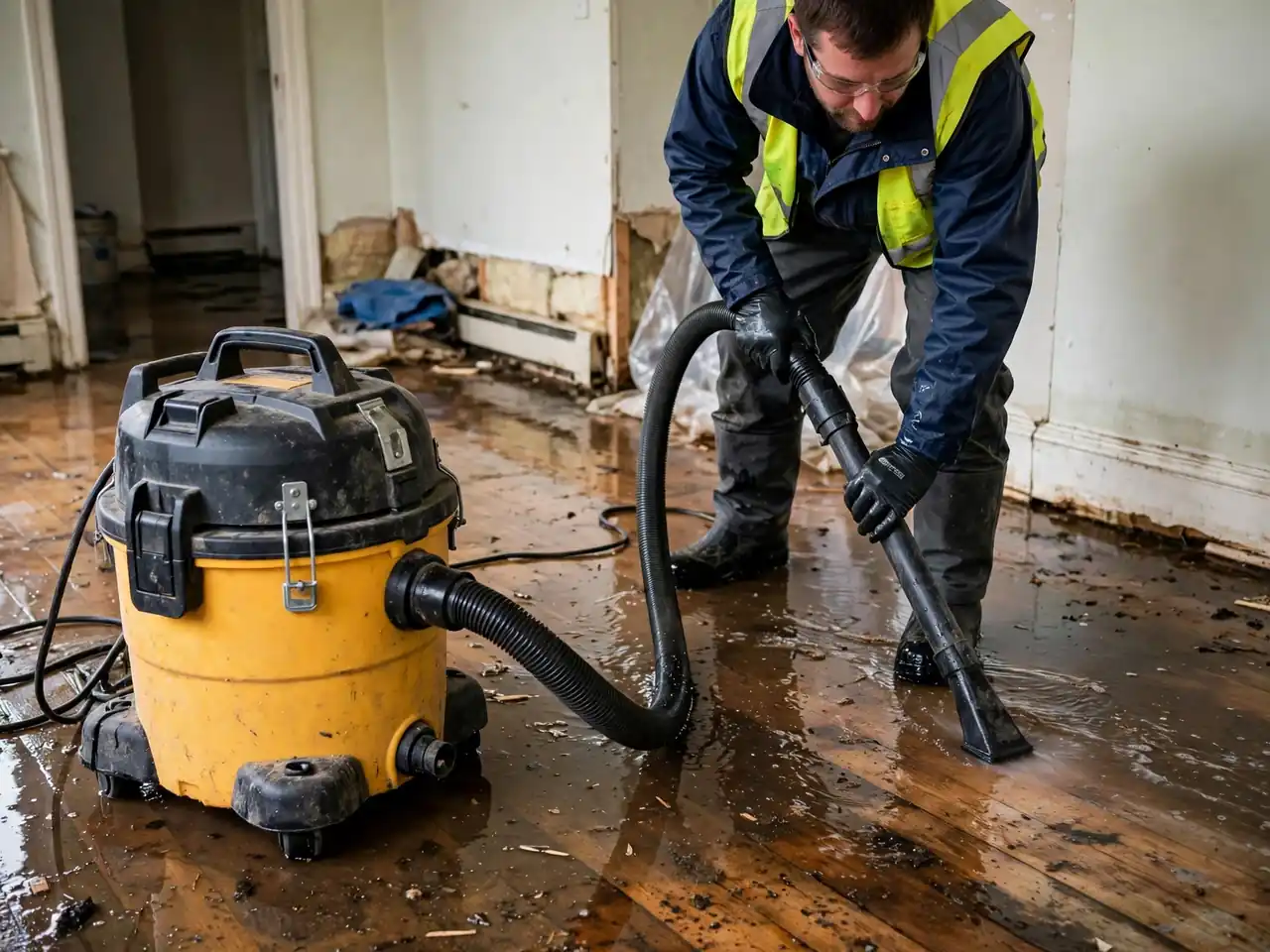
    A persistent musty odor can point to damp materials that were missed during surface cleanup. Check around baseboards, cabinets, and lower-level walls, but do not cover the smell with fragrance. An inspection can locate the moisture source and determine whether cleaning or material removal is needed.
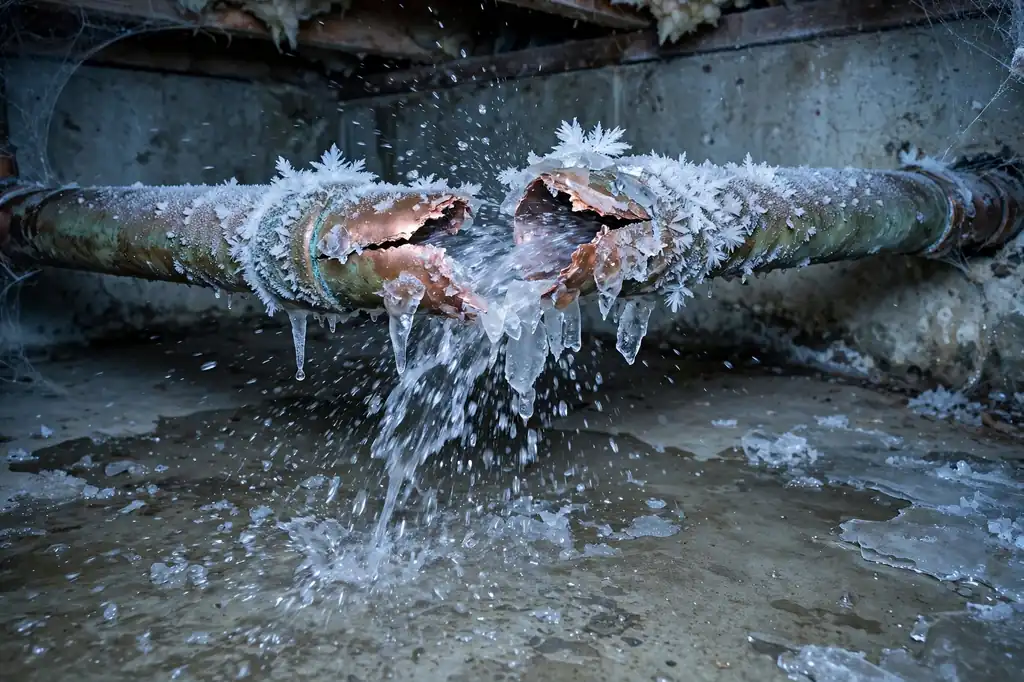
  • Sump pump stops during rising water

    If the pump stops while water is entering a basement or crawl space, water can accumulate quickly around stored items and lower walls. Avoid standing water near electrical equipment. Call for safe removal and pump assessment, then address the reason the system failed.

How Falcon Ridge Water Response Works

Falcon Ridge water damage cleanup starts with a call that establishes the water source, affected level, and immediate safety concerns. We schedule access to the home, protect the route from the entry to the wet room, and begin with extraction where standing water is present. A moisture meter and hygrometer help establish baseline readings; the thermal imaging camera can help locate temperature patterns that warrant closer checking.

  • Runoff can reach lower-level entries after intense local storms.

    Water at a basement entry or foundation edge needs a source check before cleanup is complete. If the entry remains active, extraction alone will not prevent another wet floor, and stored contents may block access to the affected wall. We remove water, inspect the entry and nearby foundation surfaces, and map moisture along the floor-wall joint. We document visible drainage concerns and coordinate appropriate repair options, including sump or drainage work where the property needs it.
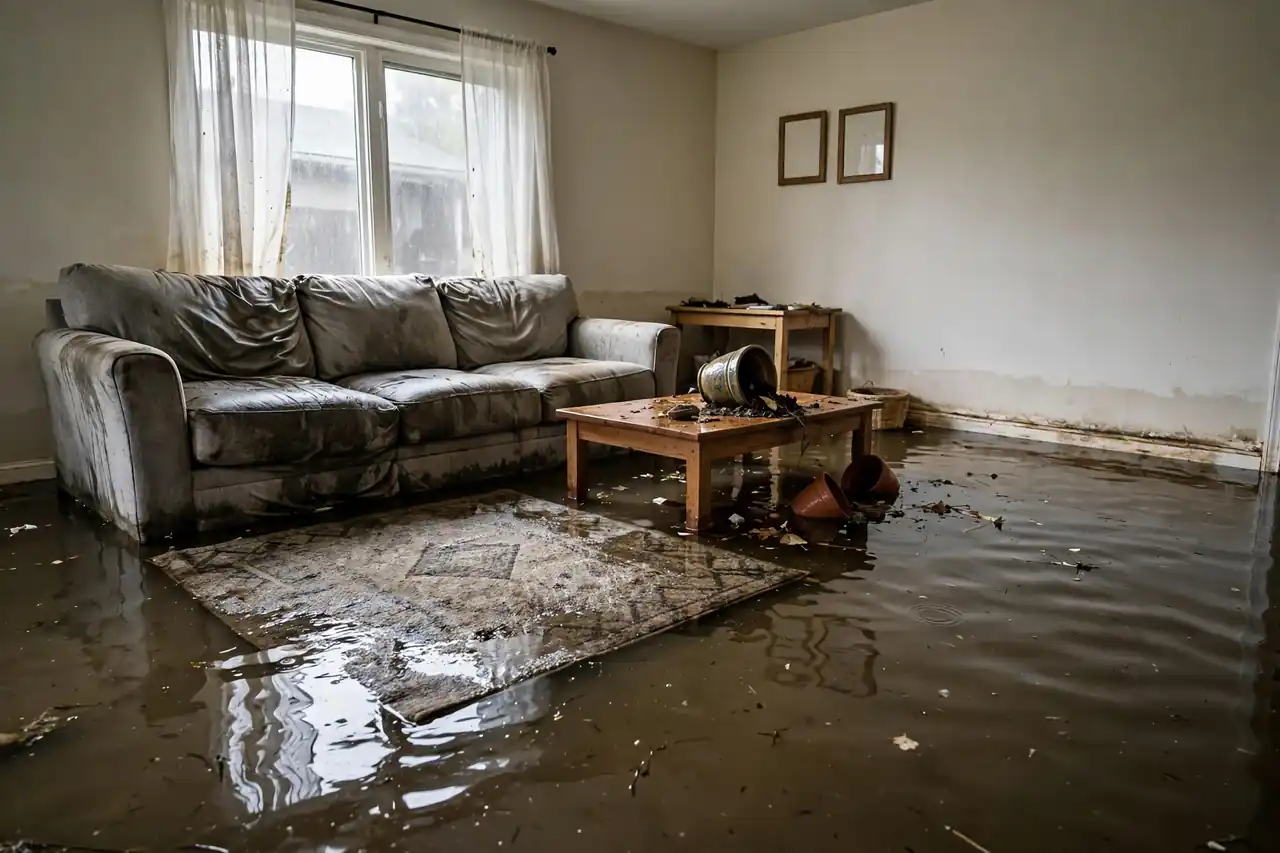
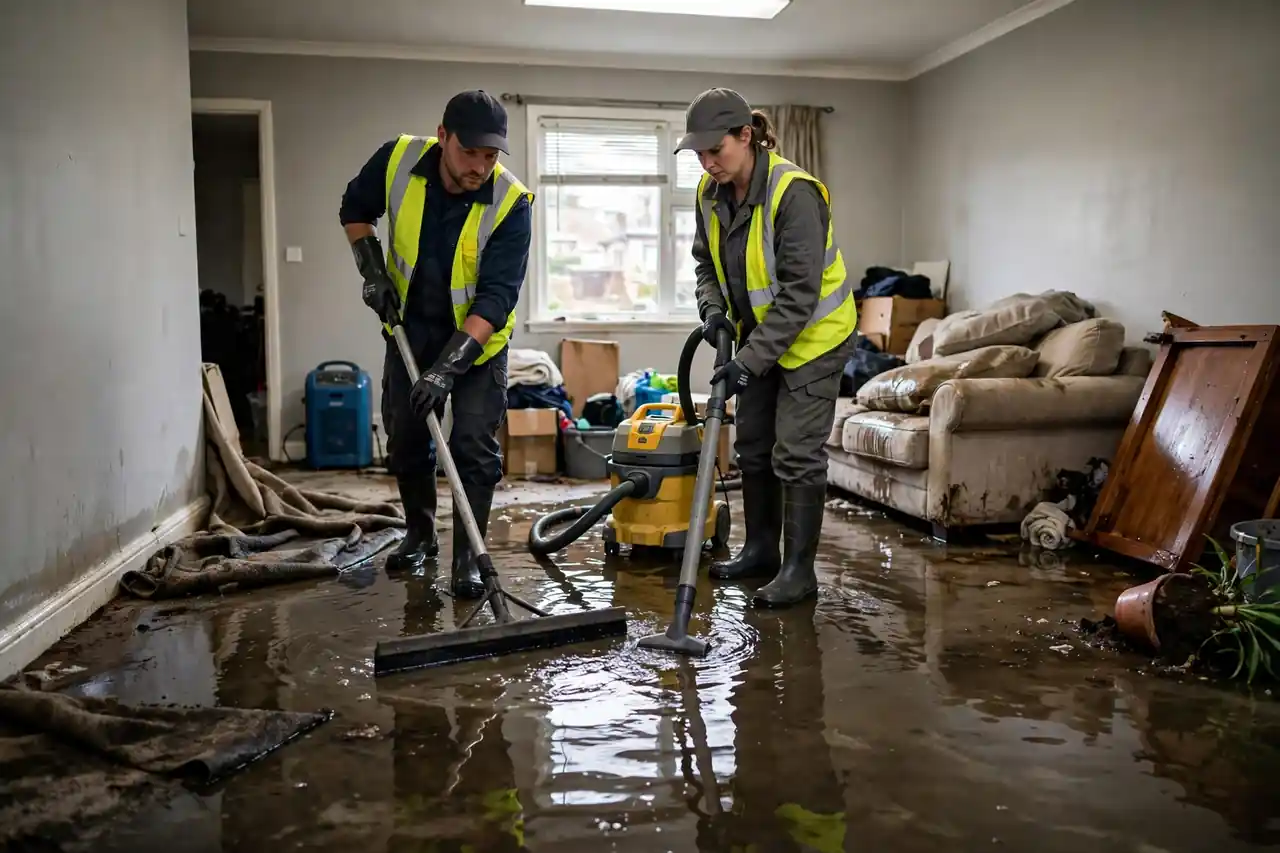
  • Newer homes can hide water behind finished walls and flooring.

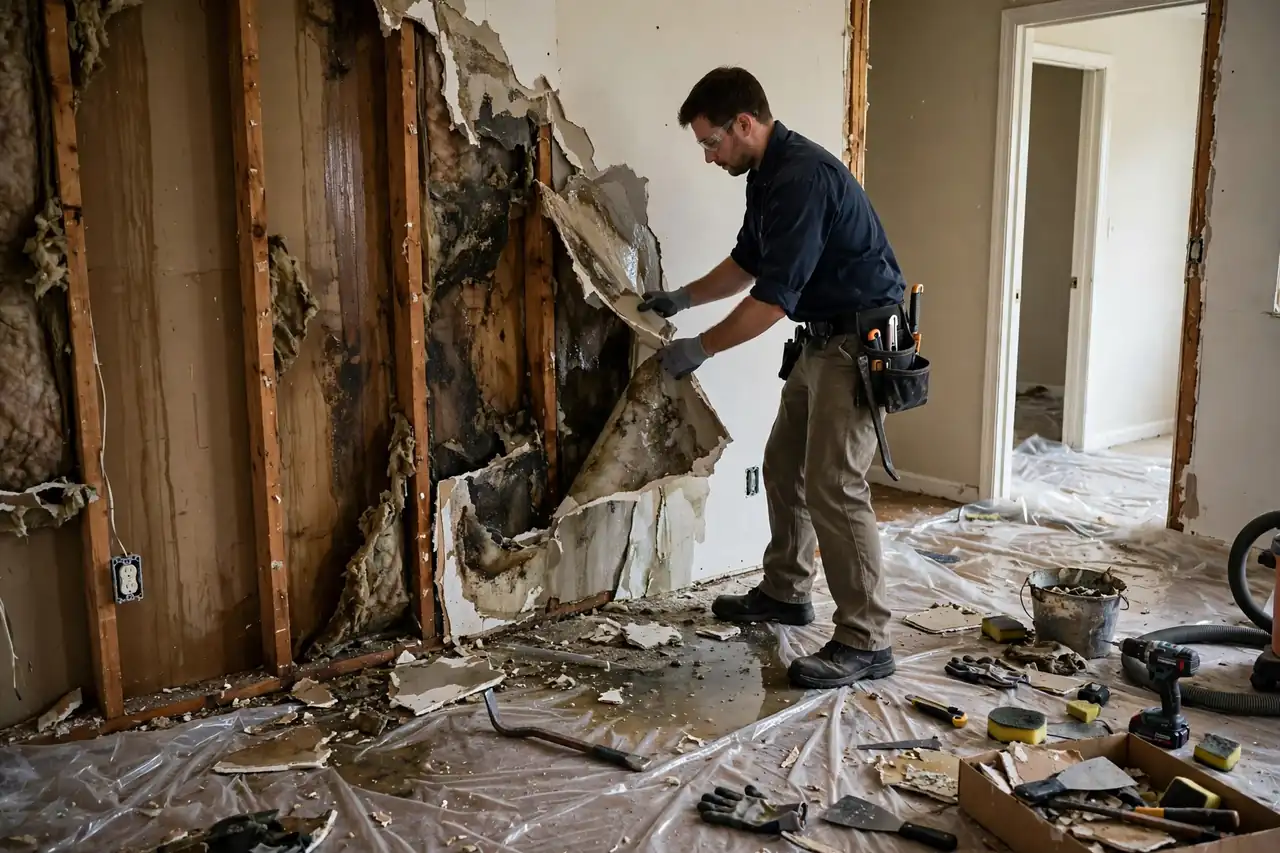
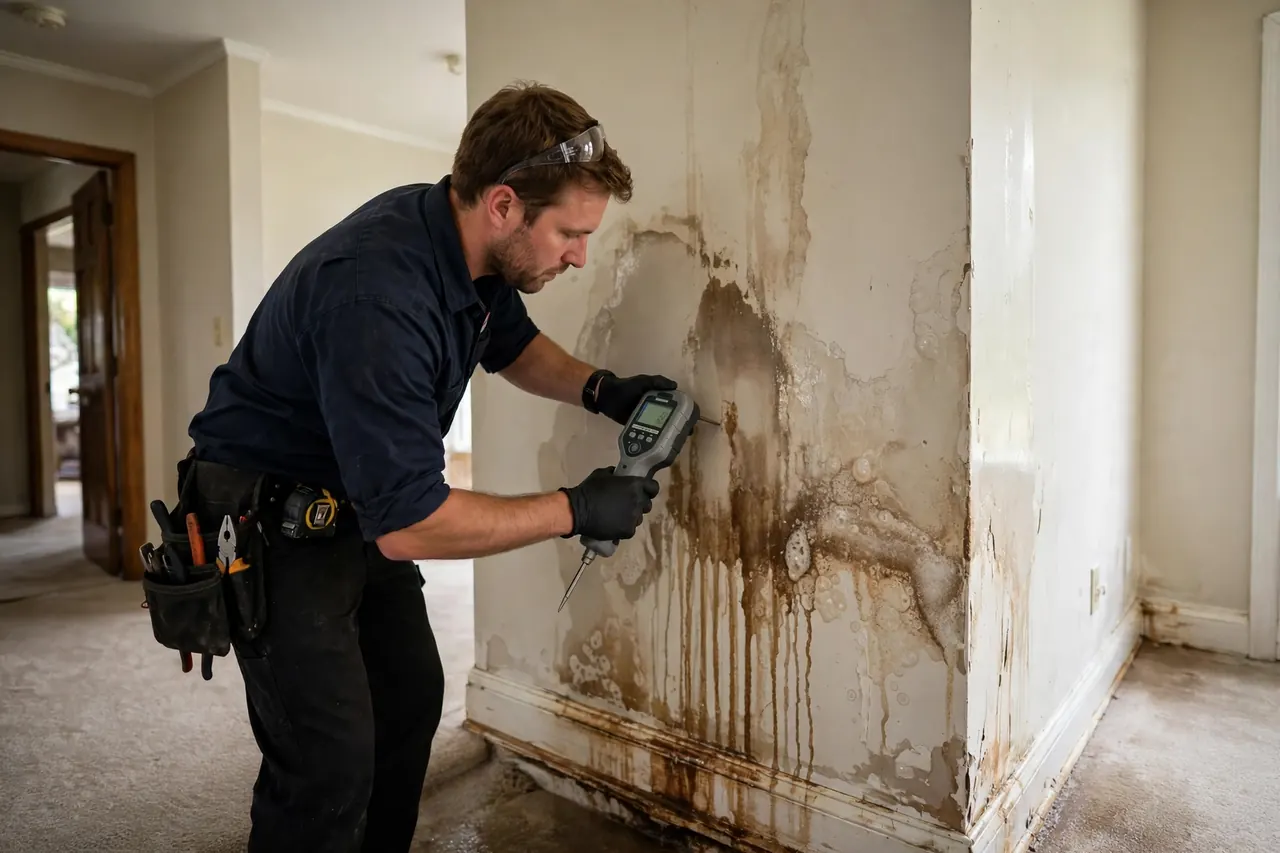
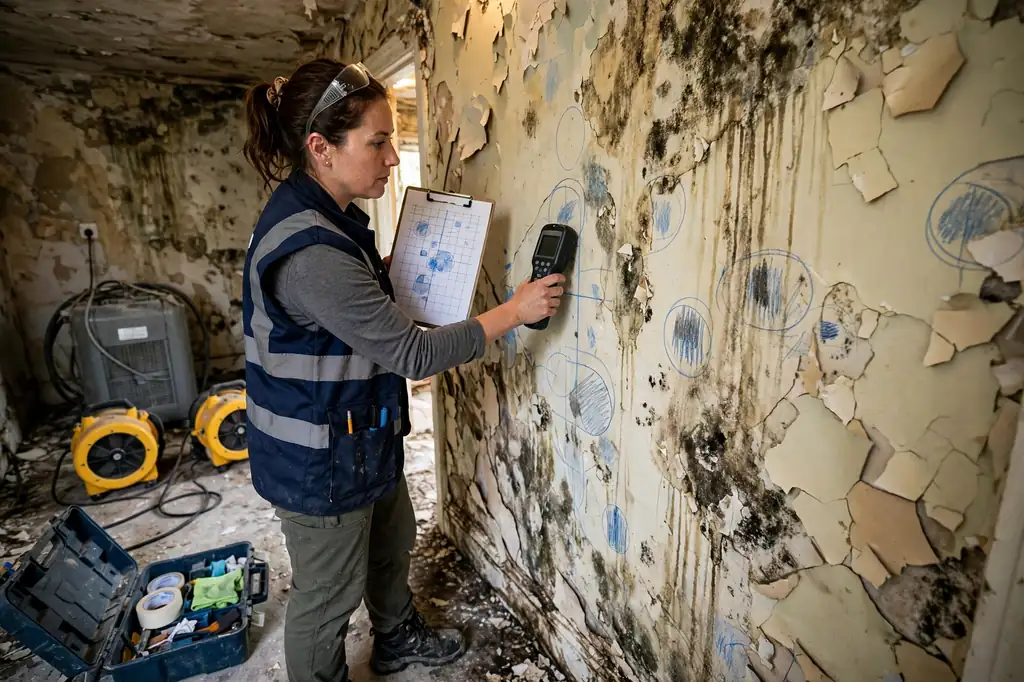
    A small visible stain can sit above wet insulation or spread beneath flooring. Closing the wall before checking moisture risks trapping damp material and creating a later odor or mold problem. We compare moisture readings across the wet area and adjacent surfaces, use targeted imaging to guide inspection, and explain when a cavity needs access. We keep the drying plan tied to readings, not simply to how dry the room feels.

  • Winter pipe failures can affect several connected rooms quickly.

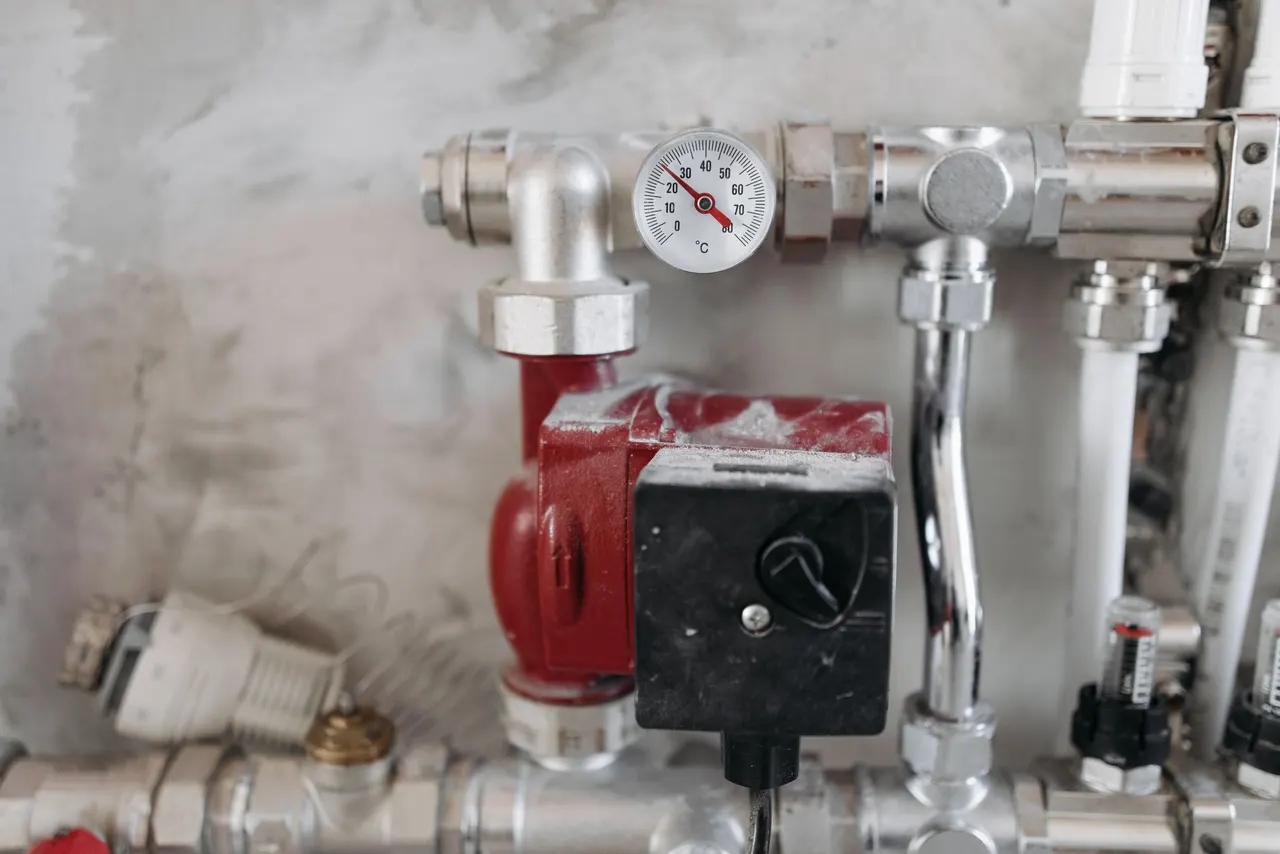
    A frozen pipe or failed fitting can release water into kitchens, utility spaces, and rooms below. Water may travel beneath baseboards and into carpet padding before the leak is obvious. We help locate and isolate the affected area, extract water promptly, and check adjoining rooms and lower-level finishes. We record readings and set air movers and dehumidification where they support drying without blocking household access.

  • ANSI/IICRC S500 water damage restoration standard

    ANSI/IICRC S500 provides recognized guidance for assessing water damage, classifying conditions, extracting water, and drying structures. Our Falcon Ridge work uses its principles to organize inspection and monitoring; it does not replace applicable building or plumbing requirements.

  • Idaho contractor license and applicable local building requirements

    Repair work that falls under contractor or trade licensing requirements must be performed by appropriately qualified parties. For Falcon Ridge projects, we distinguish restoration and drying from regulated plumbing or reconstruction work and coordinate the correct trade when the repair requires it.

Falcon Ridge Landmarks for Orientation

Falcon Ridge Park and the Falcon Ridge trail offer familiar orientation references when residents describe where a home sits within the subdivision. Our crew still confirms the street address before dispatch and uses the actual entry, driveway access, and room location to plan equipment movement. For larger extraction equipment, tell us about narrow side access, gates, or stairs when you call. Landmark references help locate the general area; they are not evidence of a water-damage cause.

  • Falcon Ridge Park

    Falcon Ridge Park is a named local orientation point for residents describing the nearby part of Falcon Ridge. Providing it alongside your street address can help clarify the general location, while the address remains necessary for routing to a specific home.

  • Falcon Ridge trail

    The Falcon Ridge trail is another local reference residents may use when explaining where a property is located. It can support wayfinding within the area, but the service team confirms the property address and access instructions before arriving.

Falcon Ridge Neighborhood Coverage

Our coverage includes both named sides of Falcon Ridge and the surrounding residential streets within ZIP 83634. We plan each visit around the actual water source, home access, and affected floor level. If your address sits near the edge of the subdivision, share a nearby cross street or landmark so we can confirm the best approach before arrival.

  • Falcon Ridge North
  • Falcon Ridge South
  • Falcon Ridge Park vicinity
  • Falcon Ridge trail vicinity

Falcon Ridge Water Damage Work

  • Falcon Ridge North

    Before

    A supply-line leak wet a kitchen floor and continued beneath the baseboards into an adjoining family room.

    After

    Our response began by stopping the water and extracting the visible surface water. We checked the floor transitions, baseboards, and nearby wall surfaces with a moisture meter, then placed drying equipment where readings showed continued moisture. The homeowner received a room-by-room explanation of the affected area and follow-up checks. The example work plan included 2 affected rooms, 1 extraction visit, and repeat moisture checks over 3 drying days. Those figures describe a representative scenario, not a guaranteed duration.

  • Falcon Ridge South

    Before

    A lower-level room took on water after a sump pump stopped during wet weather, leaving water across the floor.

    After

    We removed standing water, inspected the sump area and floor-wall joint, and checked stored contents before setting a drying plan. The crew separated items that could be protected from wet materials needing disposal, then monitored humidity and surface readings as the space dried. A representative response removed about 1 inch of water from a 300-square-foot room, followed by 4 daily drying checks. Actual volumes and schedule depend on the event.

  • Falcon Ridge Park vicinity

    Before

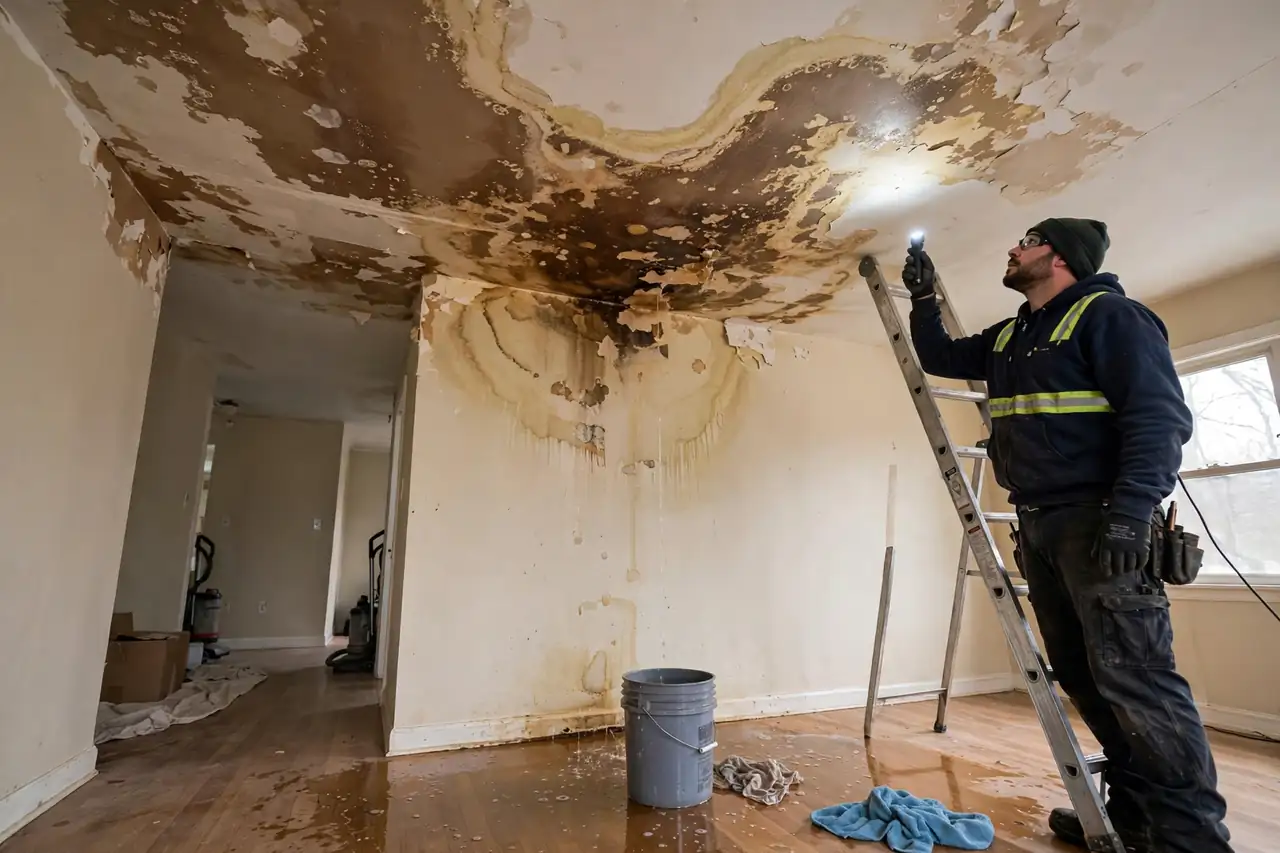
    A winter pipe leak above a hallway ceiling left a stain and damp drywall extending into an adjacent room.

    After

    We identified the affected ceiling area, protected the floor and furnishings, and checked the connected wall and room below. Readings helped determine where access was needed and whether insulation had become wet. After extraction and drying, we documented the repair area for the next phase. The illustrative plan covered 2 rooms, 12 moisture checkpoints, and 2 equipment adjustments over 48 hours. The final repair scope depends on material condition.

Falcon Ridge Seasonal Water Risks

  • Spring

    Spring rain tests roofs and gutters after winter, and the first heavy rain often reveals a flashing or valley defect that stayed hidden under snow. Check for new ceiling stains and damp baseboards after storms, clear gutters before the rain settles in, and watch where runoff travels beside the foundation. When irrigation starts up, walk the sprinkler zones and shut off any zone that sprays the house.

  • Summer

    In the heat, a broken irrigation line can run for a full cycle before anyone notices, because the water soaks in and the surface dries. Walk the sprinkler zones, look for pooling near the foundation and wet thresholds, and check the laundry and kitchen supply lines, which work hardest in summer. High temperatures dry the surface quickly, so trust a moisture reading over a dry-looking floor.

  • Fall

    Autumn in the Treasure Valley turns fast from dry to freezing, so fall is for closing the gaps: clean the gutters, check the roof before the first snow, and winterise the irrigation lines before the first hard freeze. Test the main shut-off, insulate the exposed pipes you can reach, and watch the first cold nights for the rooms that lose heat fastest. Prevention in fall costs far less than extraction in winter.

  • Winter

    Winter is when small oversights become floods: a hose left connected, a garage door left open in a freeze, a room left unheated over a holiday. Disconnect hoses, keep heat steady, and make sure the main shut-off turns freely. If water appears, shut the supply off at once and keep the wet area clear until the source is confirmed, because every minute of flow adds rooms to the drying job.

Questions Before Hiring a Restoration Crew

A good water restoration contractor should explain what happens first, what is being measured, and how the crew will know when drying is complete. Falcon Ridge homeowners should also ask how the team handles contaminated water, protects occupied rooms, and documents affected materials. Clear answers matter more than broad claims. You should know who is entering your home, what equipment will be placed, and how progress will be communicated while the room is out of service.

  • Will you check beyond the visible stain?

    Water often moves behind baseboards, under flooring, or into the room below. A contractor should describe how moisture readings and inspection guide the affected boundary. If the crew plans to treat only the visible mark, concealed wet materials could be left behind.

  • How will you document drying progress?

    Repeat readings show whether materials are drying and whether equipment needs adjustment. Ask what locations will be checked and how those findings will be shared. Documentation also gives you useful information when coordinating repairs or discussing the loss with an insurer.

  • How do you handle sewage or outdoor runoff?

    Contaminated water requires different protective measures and cleanup than a clean supply-line leak. The answer should cover separation, removal of porous materials where needed, and suitable cleaning. Ordinary fans and household cleaners are not a substitute for controlled cleanup.

  • Who handles the plumbing or building repair?

    Restoration drying and regulated trade repairs are related but distinct tasks. You should know whether the crew will perform a repair or coordinate a qualified trade. That distinction prevents a wet area from being closed before the leak or water-entry source is corrected.

  • What will affect the final cost?

    Water volume, contamination, materials, access, and drying time are the main cost drivers. A useful answer identifies which conditions apply to your Falcon Ridge home and explains the work before it proceeds. Vague pricing without a discussion of affected areas is not useful.

Falcon Ridge emergency water damage repair FAQs

Still wondering? (833) 546-4116

Local service team

Call for emergency water damage repair in Falcon Ridge

If water is spreading through your Falcon Ridge home, call Kuna water damage restoration at (833) 546-4116. Tell us what failed, where water has reached, and whether the area is safe to enter. Our team will identify the next practical step and arrange service for your location. We serve Falcon Ridge and nearby Kuna homes in Ada County, Idaho.

Contact the Kuna Team

Call (833) 546-4116 when water reaches your home or business in Kuna, Idaho. Tell us whether the source is still active, which rooms are affected, and when the damage began; that helps direct the next steps. Calls are accepted at any hour for emergency inquiries, and service coverage includes Kuna, ID, with ZIP codes 83634 and 83642.

Thanks. Your request is in and the team will follow up shortly.