Emergency Water Damage Repair in Deer Flat, Idaho

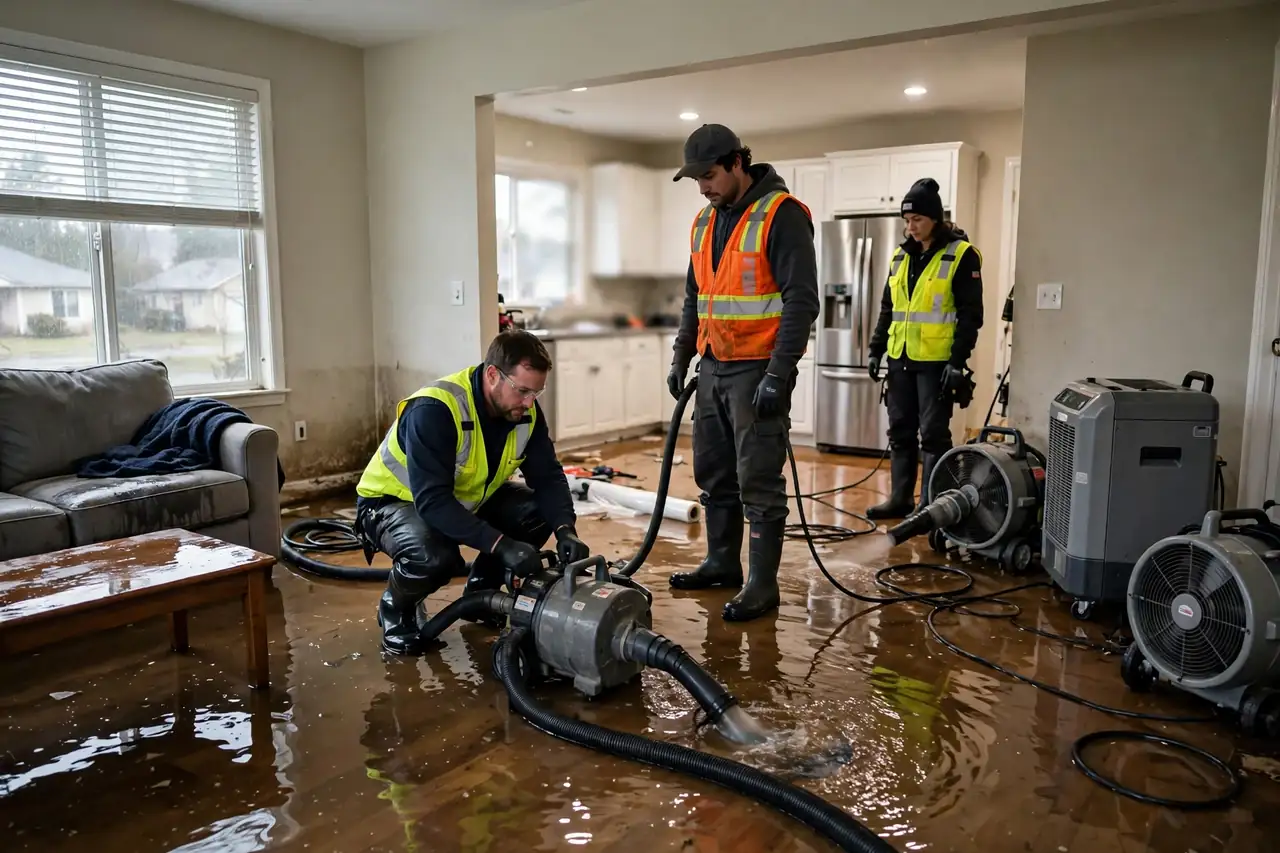
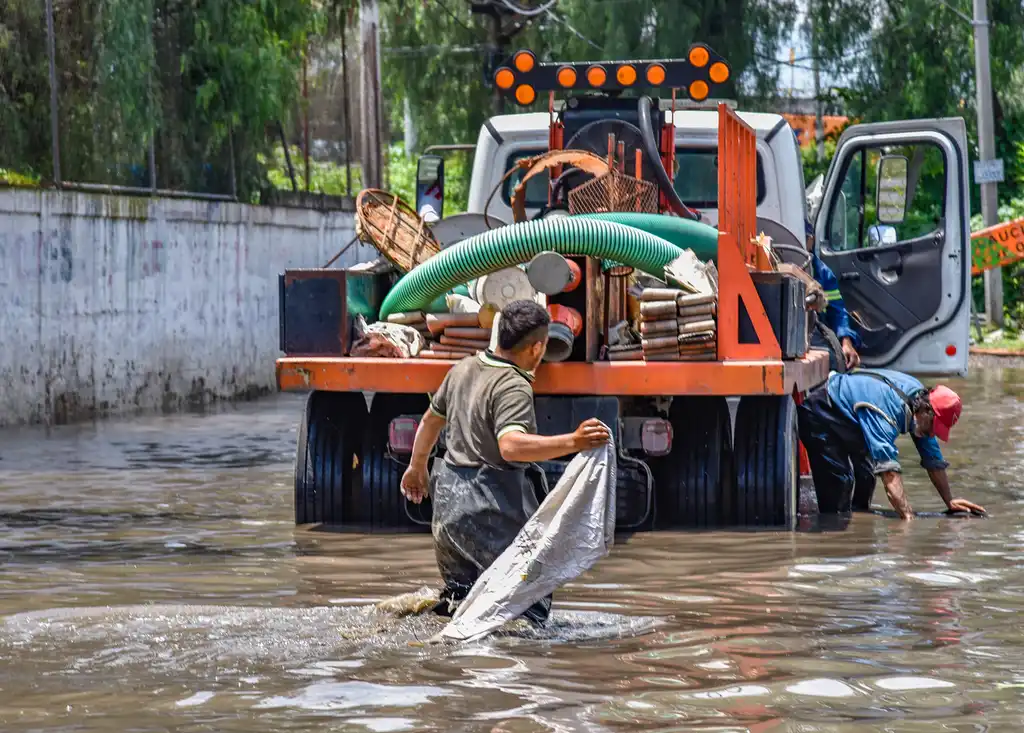
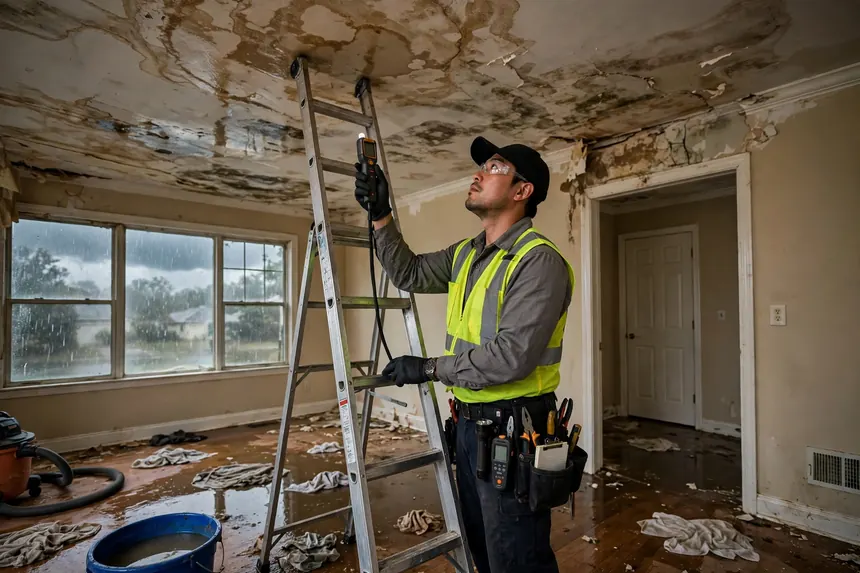
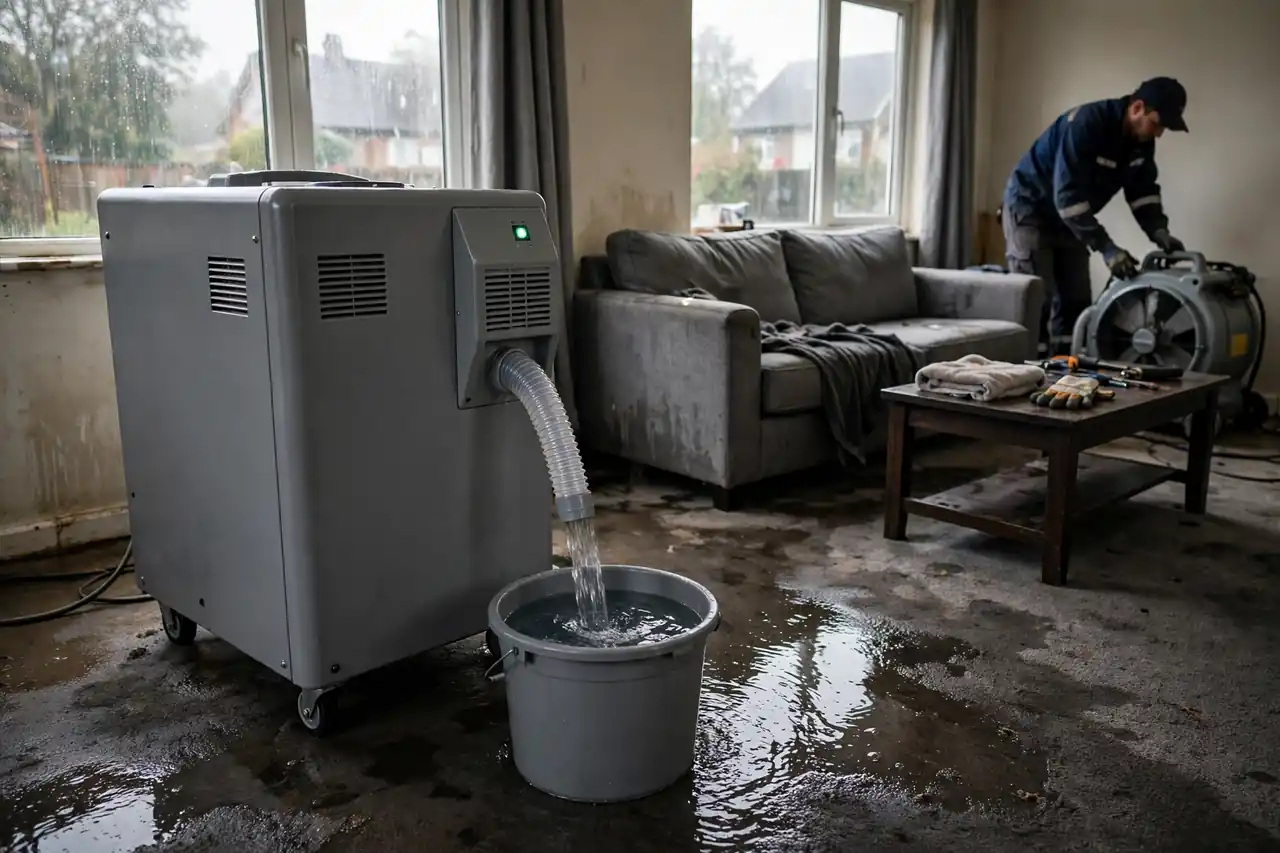
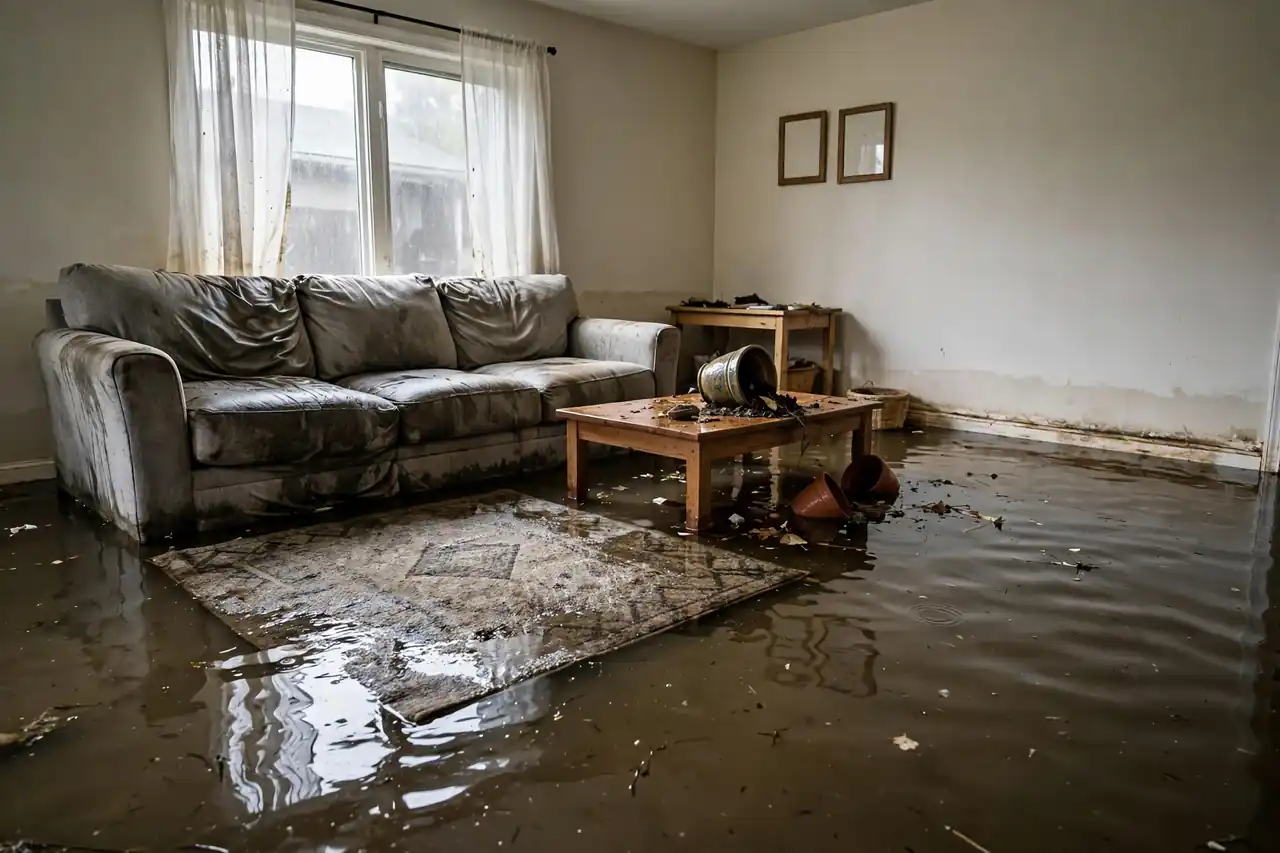
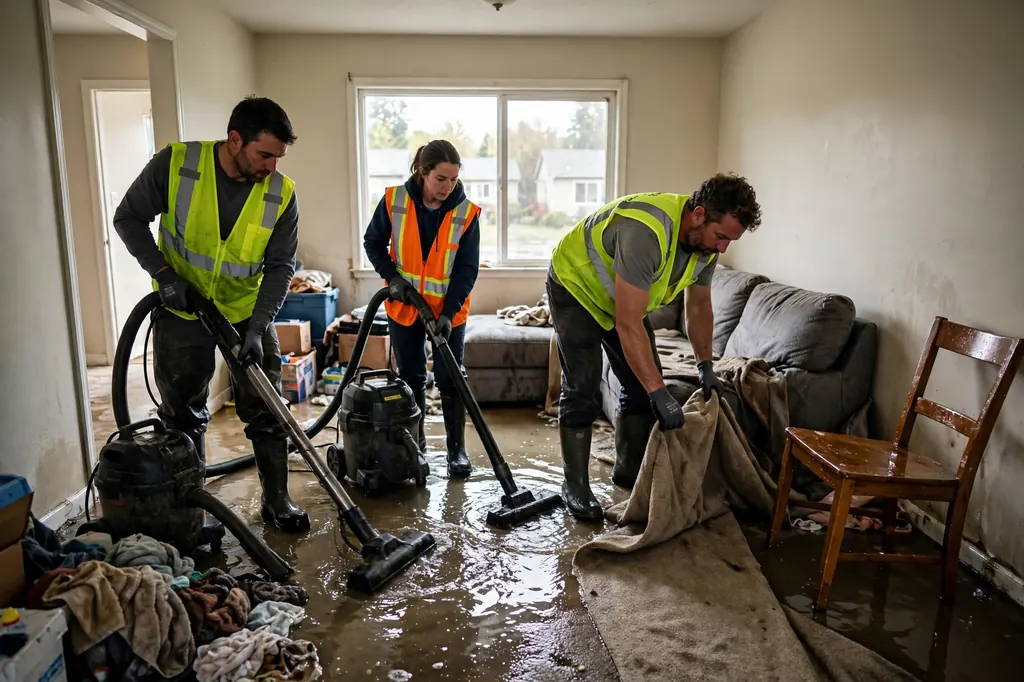
Kuna water damage restoration handles emergency water damage repair in Deer Flat when a burst pipe, roof leak, or rising water puts your home at risk. Our crew serves Deer Flat East and Deer Flat West, with routes oriented by Deer Flat Road and the Deer Flat National Wildlife Refuge. Deer Flat emergency water damage repair starts with stopping the source where possible, removing standing water, and measuring moisture so you know what needs drying next.

emergency water damage repair in Deer Flat

Serving Deer Flat and nearby

  • Readings RecordedMoisture checks guide drying decisions
  • Work Area ProtectedContents moved away from wet surfaces
  • Steps ExplainedYou hear what happens next
  • Equipment CheckedAirflow placement reviewed during work

Emergency water damage repair in Deer Flat Homes

Deer Flat runs along Deer Flat Road toward the Lake Lowell country and the Deer Flat National Wildlife Refuge, and the homes here sit on the open, flat ground west of Kuna where winter nights bite hard and wet weather collects in the low spots. The two patterns we see most are a supply line that breaks after a cold night and seepage that wets lower rooms and crawl spaces after rain.

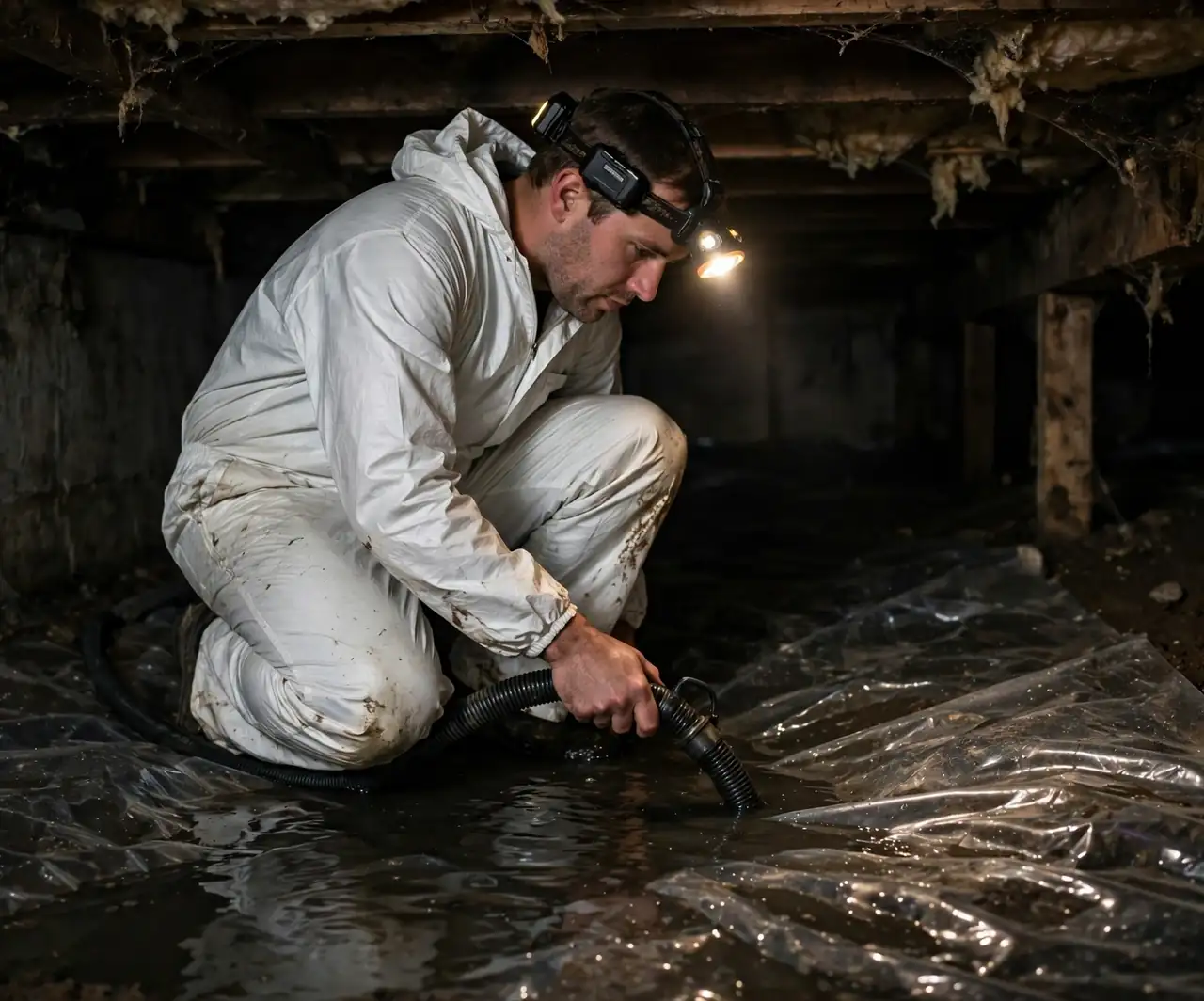
We start with the source and the access: stop the supply, check the crawl space and lower walls where it is safe to do so, and read the wall bases before placing equipment. A pump that has failed gets tested, not just pumped around, because the same failure will repeat at the next wet spell if the pump, the float, or the discharge is the problem.

Deer Flat Road runs east-west across the flat farmland between Kuna and Lake Lowell, and the ground out here is open to the same cold nights that freeze pipes across the valley. Winter lows drop well below freezing, and the pipes in garages, crawl spaces, and exterior walls are the first to split.

Water Damage Services Across Deer Flat

Deer Flat calls range from a split washing-machine hose to water entering a crawl space after heavy seasonal runoff. Our service plan starts with source control and extraction, then moves into drying and repair based on measured conditions. If you are searching for emergency water damage repair in Deer Flat ID near me, tell us which rooms are affected, whether the water is still flowing, and whether it is clean or contaminated. Those details help us bring the right equipment and set a safe first priority.

How water restoration works here

Emergency restoration in Deer Flat

Emergency restoration in Deer Flat

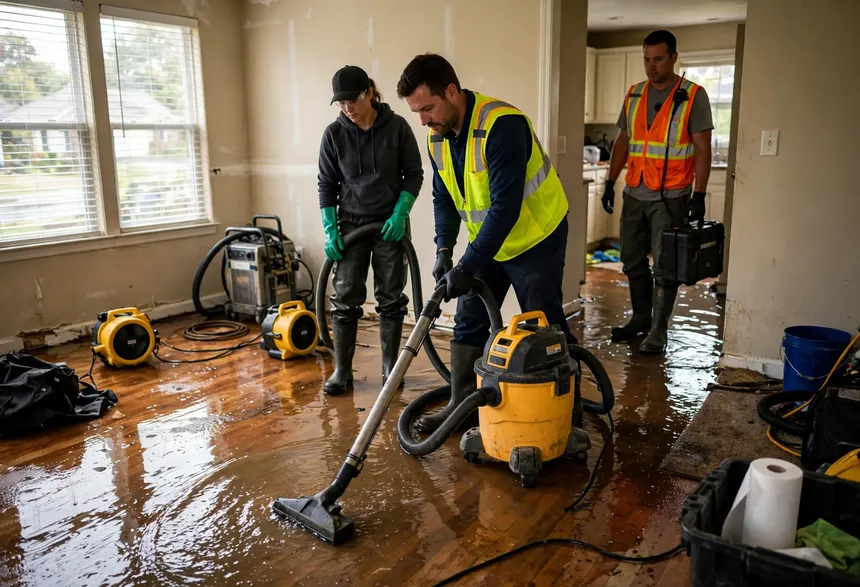
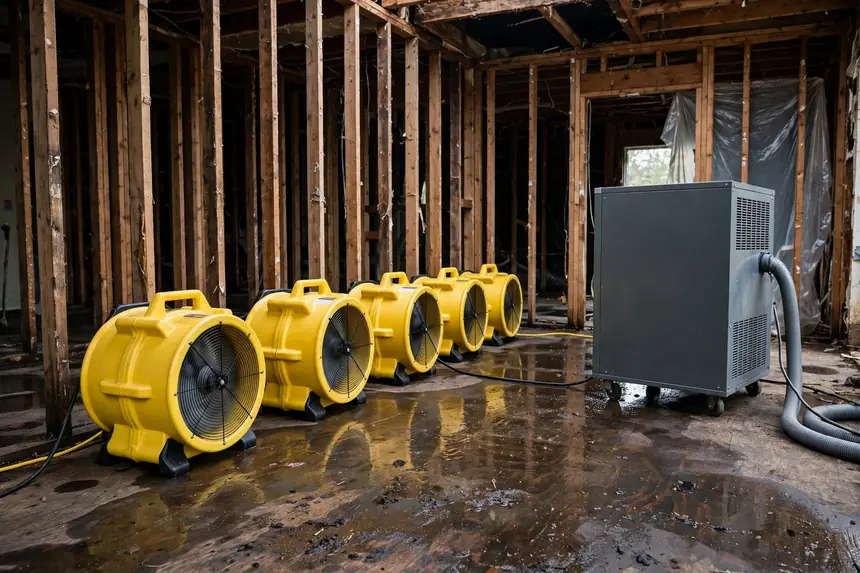
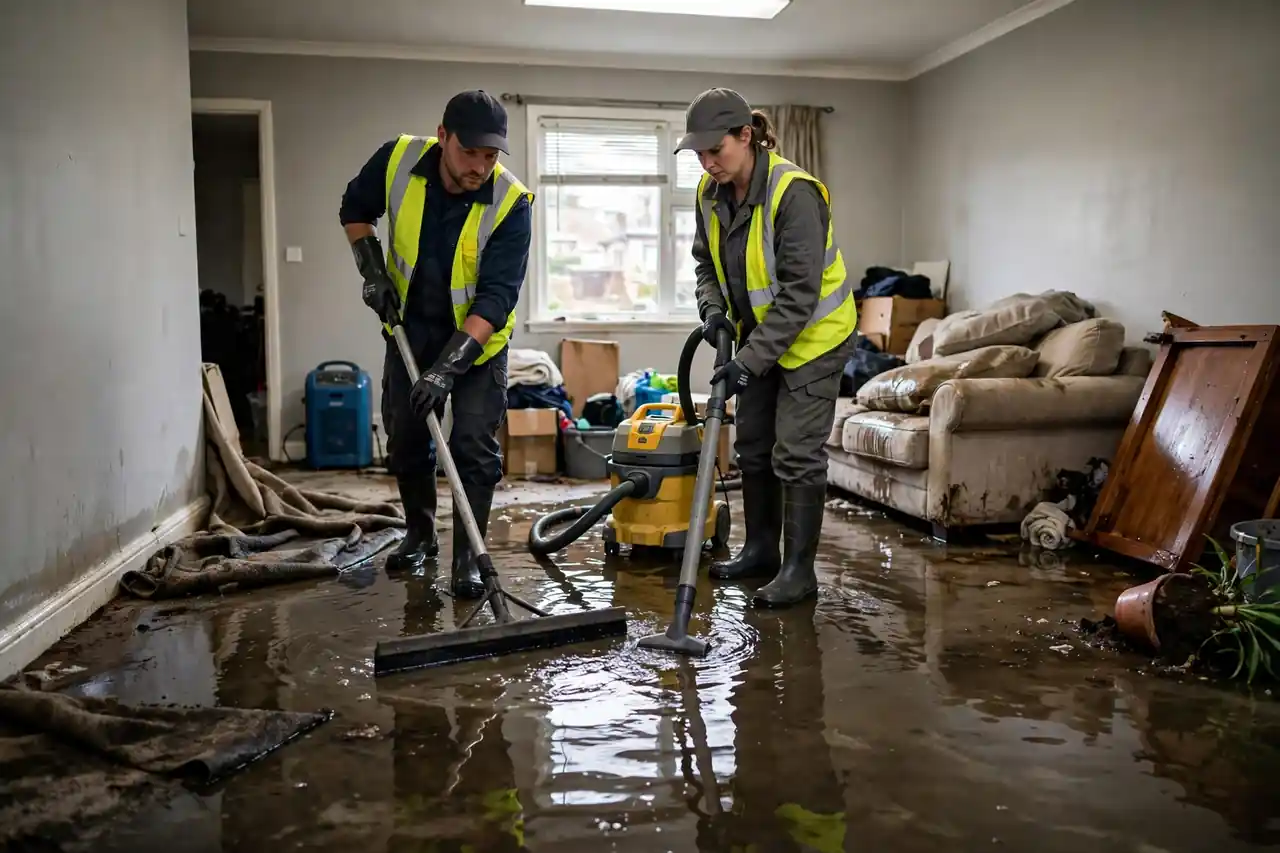
We locate the water source and check adjoining rooms before choosing equipment. Deer Flat properties can include crawl spaces, garages, or finished living areas with different access needs. We record moisture readings so the drying plan follows the actual path of the water.

  • Source and safety check
  • Room-by-room moisture readings
  • Drying plan for affected materials
For Deer Flat homes

For Deer Flat homes

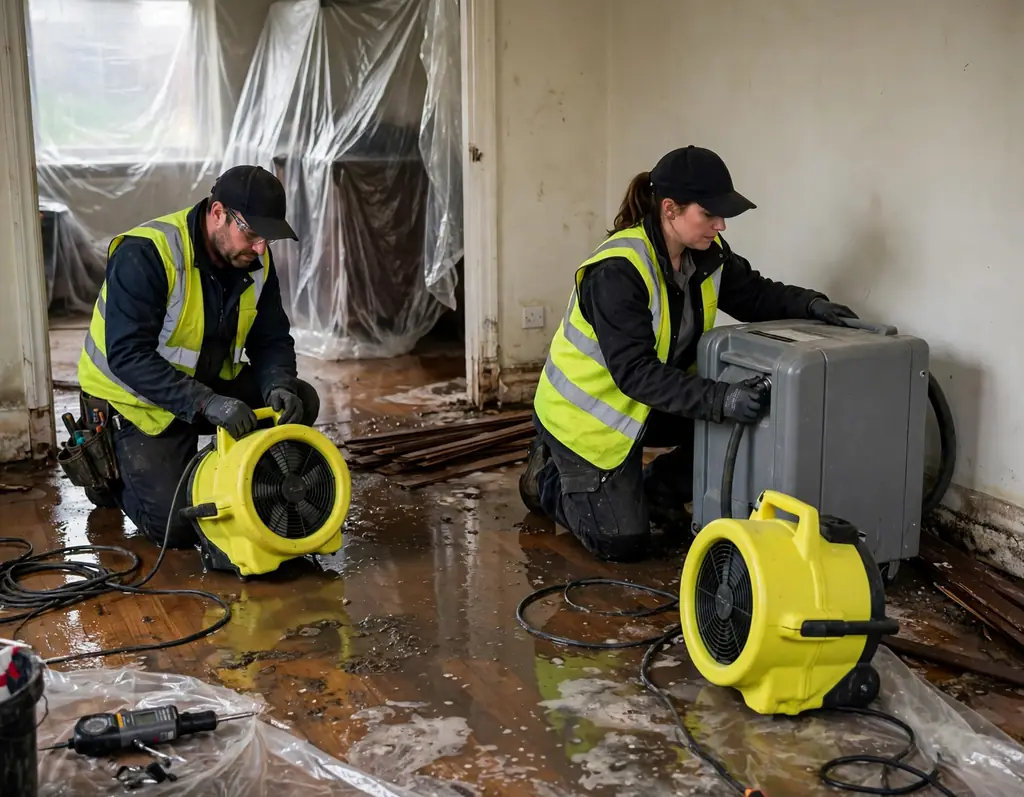
We tailor extraction and drying to the materials and layout in your home. Tell us whether water reached a garage, crawl space, finished room, or more than one floor.

  • Rural residential homes
  • Homes with crawl spaces
  • Garages with exposed plumbing
  • Lower-level utility rooms
For Deer Flat properties

For Deer Flat properties

We help property owners protect usable rooms and document affected materials. Share access details and the type of space so our team can plan equipment placement.

  • Small offices
  • Rural work buildings
  • Storage areas
  • Mixed-use properties

Common Water Damage Problems in Deer Flat

Out on Deer Flat, cold and low ground set the risks, so these four come first: a frozen supply line, foundation seepage, a failed sump pump, and a roof leak that hides moisture in a ceiling.

  • Frozen Pipes Split Overnight and Wet Finished Rooms

    Frozen Pipes Split Overnight and Wet Finished Rooms

    A cold night can split a pipe in a garage, crawl space, or exterior wall, and the leak often runs inside a wall or cabinet before anyone sees water. In Deer Flat, the first check is the shut-off: stop the supply, then look for the wet path along baseboards and floor edges. We extract what is visible, take moisture readings in the adjoining walls, and set drying only where the readings justify it, so a hidden wet cavity is not left to grow mould.

  • Hardwood Floors Cup and Buckle After Water Exposure

    Hardwood Floors Cup and Buckle After Water Exposure

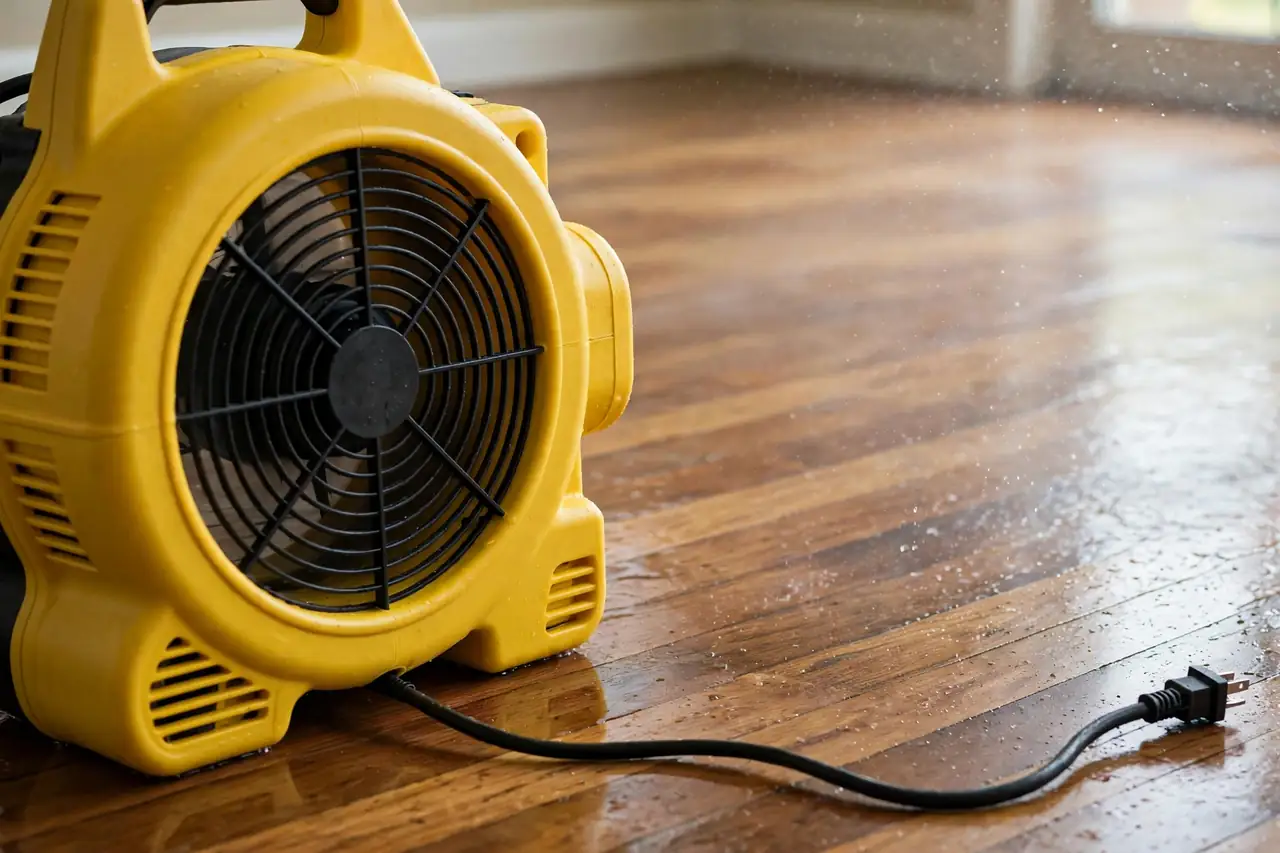
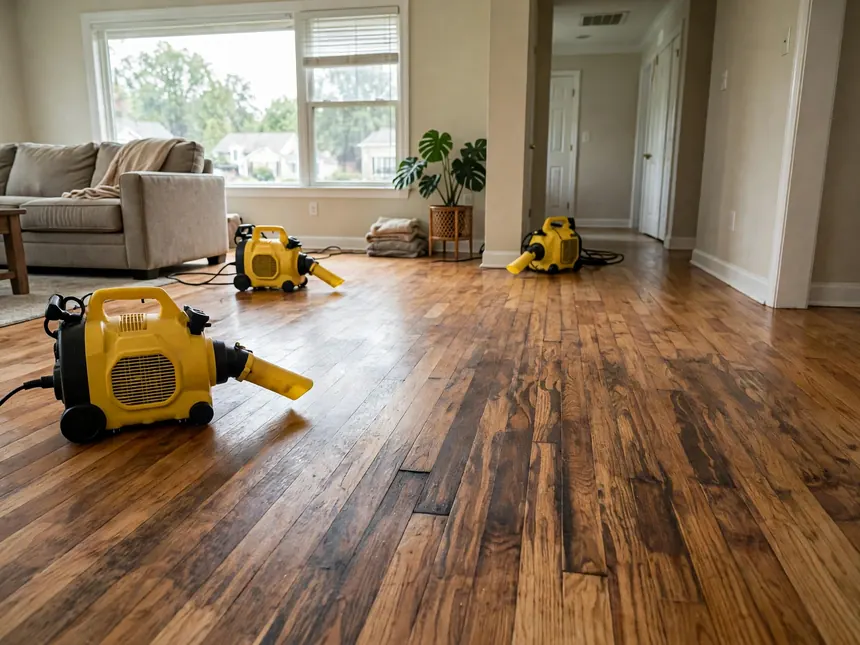
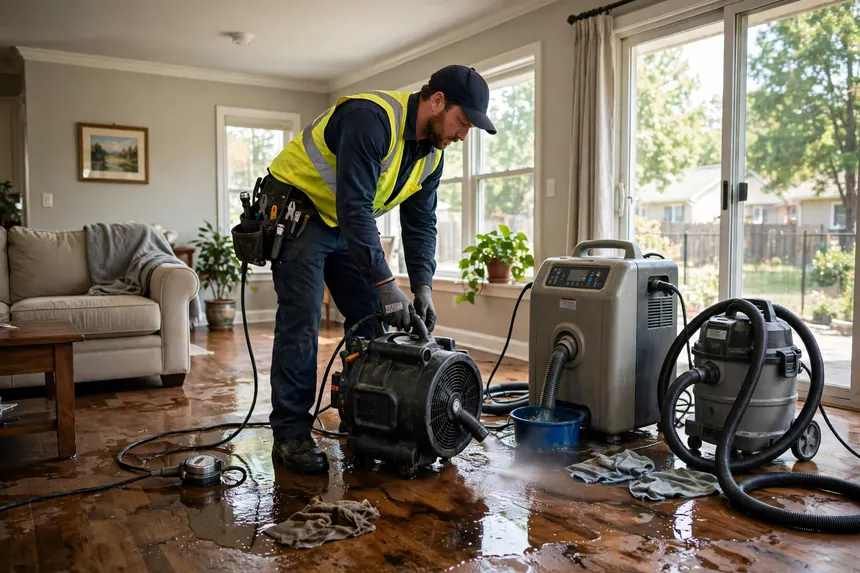
    A wet hardwood floor in Deer Flat needs fast extraction and patient drying: cupped boards can sometimes settle back if the subfloor dries evenly, but trapped moisture will keep warping them. We measure the boards and the material beneath, set drying to pull moisture from the subfloor as well as the surface, and track readings over days rather than hours. If boards are already buckled or the subfloor stays wet, we say so plainly and explain what replacement would involve.

  • Sprinkler and Irrigation Water Reaches the House

    Sprinkler and Irrigation Water Reaches the House

    Pressurised irrigation runs for months across the Treasure Valley, and a cracked head, a failed zone valve, or a misdirected spray can push water against a foundation or under a threshold for a whole cycle. In Deer Flat, we first find out whether the irrigation is still running and shut the zone down, then separate the outdoor cause from the wet interior floor. Extraction comes before any drying, and we check floor edges and baseboards because irrigation water often travels further than the first damp patch suggests.

  • Slow Leaks Leave Dampness That Turns Musty

    Slow Leaks Leave Dampness That Turns Musty

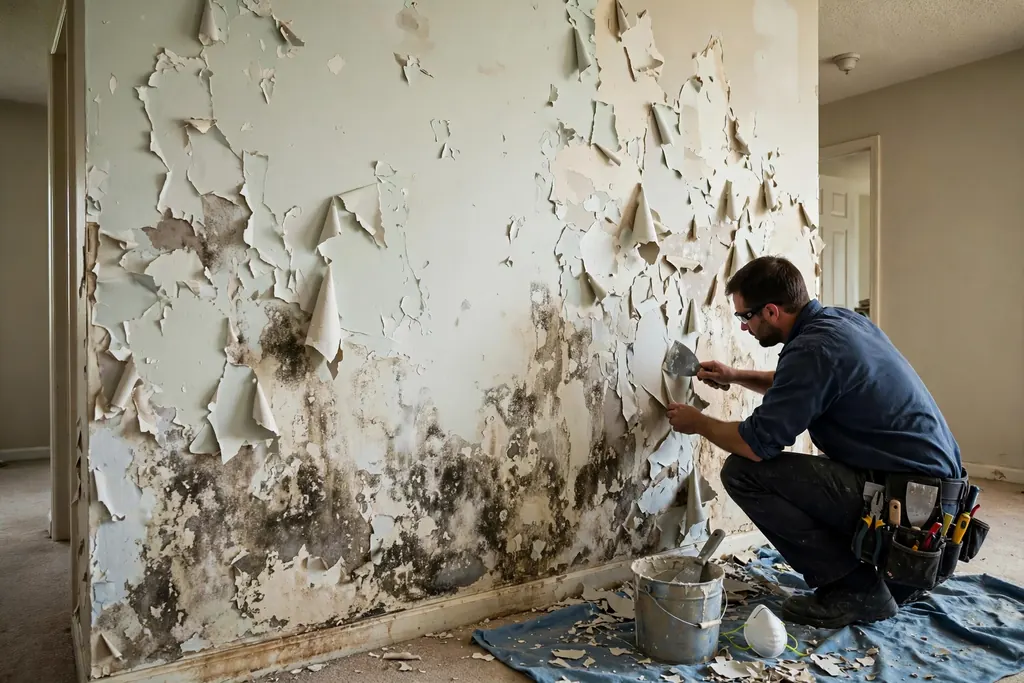
    Musty air after a leak in Deer Flat usually means moisture is still sitting somewhere out of sight, most often in a wall cavity or beneath flooring. We locate the source, remove the water, and measure the hidden spaces rather than trusting the surface, then dry until the readings fall. Drying first matters most: no cleaning or deodorising holds while the material underneath is still wet, and we say plainly when the job needs a separate mould inspection.

When to Call for Deer Flat Water Damage

Call when water is spreading, flooring stays wet, or a ceiling stain grows after a leak.

  • Water keeps spreading from a pipe leak

    A continuing leak can move through cabinets, flooring, and wall cavities while the visible pool remains small. Shut off the local valve if you can do so safely, then call for extraction and source control. If the leak is near electrical equipment, do not step into standing water.

  • Ceiling stain grows after rain

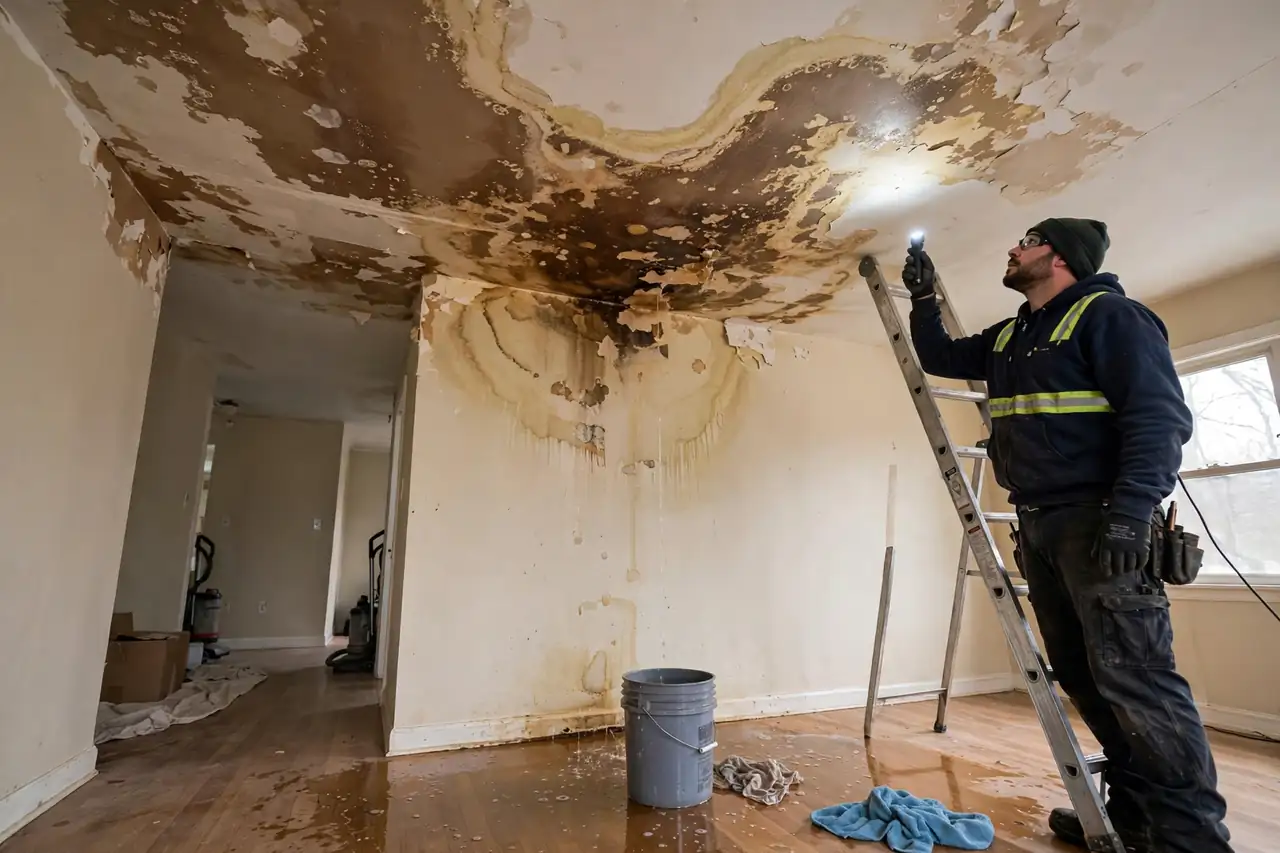
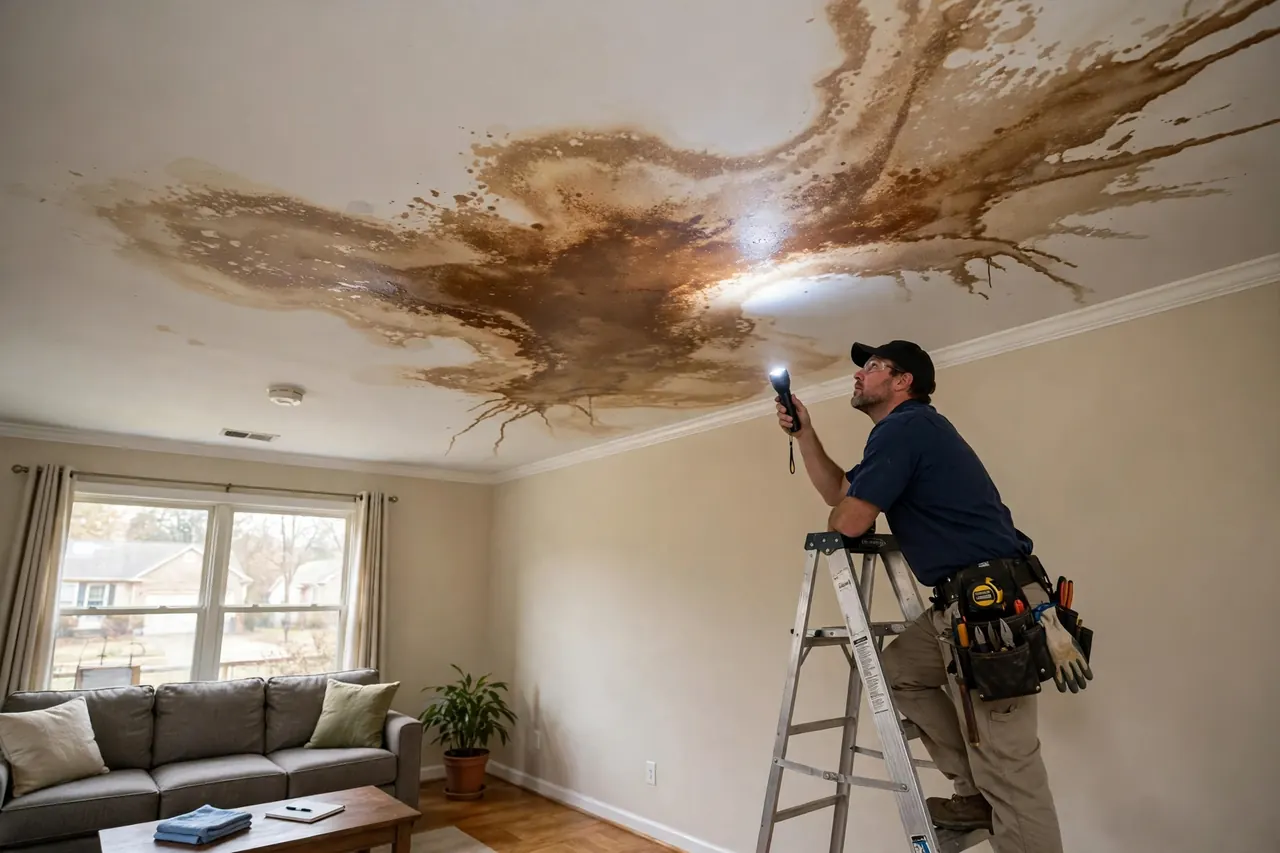
    A spreading ceiling water stain often means the roof leak is still feeding the cavity or insulation above it. Keep people clear of a bulging ceiling and place a container only if safe. We inspect the interior path and dry affected materials after the source is addressed.

  • Carpet remains wet beneath the surface

    A carpet can feel only slightly damp while water remains in the carpet padding or subfloor. A sour smell or damp baseboard is another warning. Prompt extraction and moisture checks help determine whether the carpet can be dried or whether padding requires removal.

  • Sump pump stops during rising water

    A silent pump, tripped circuit, or water collecting around the pit can signal a failure. Do not enter deep or electrically unsafe water to inspect it. Call for water removal and pump assessment so the immediate flooding and the equipment issue are handled separately.

  • Musty odor follows a hidden leak

    A persistent musty odor after a leak can point to wet material behind a wall or beneath flooring. The smell alone does not establish the extent, so inspection and moisture mapping are useful. Call promptly if staining, warped flooring, or dampness appears alongside the odor.

How We Handle Deer Flat Water Emergencies

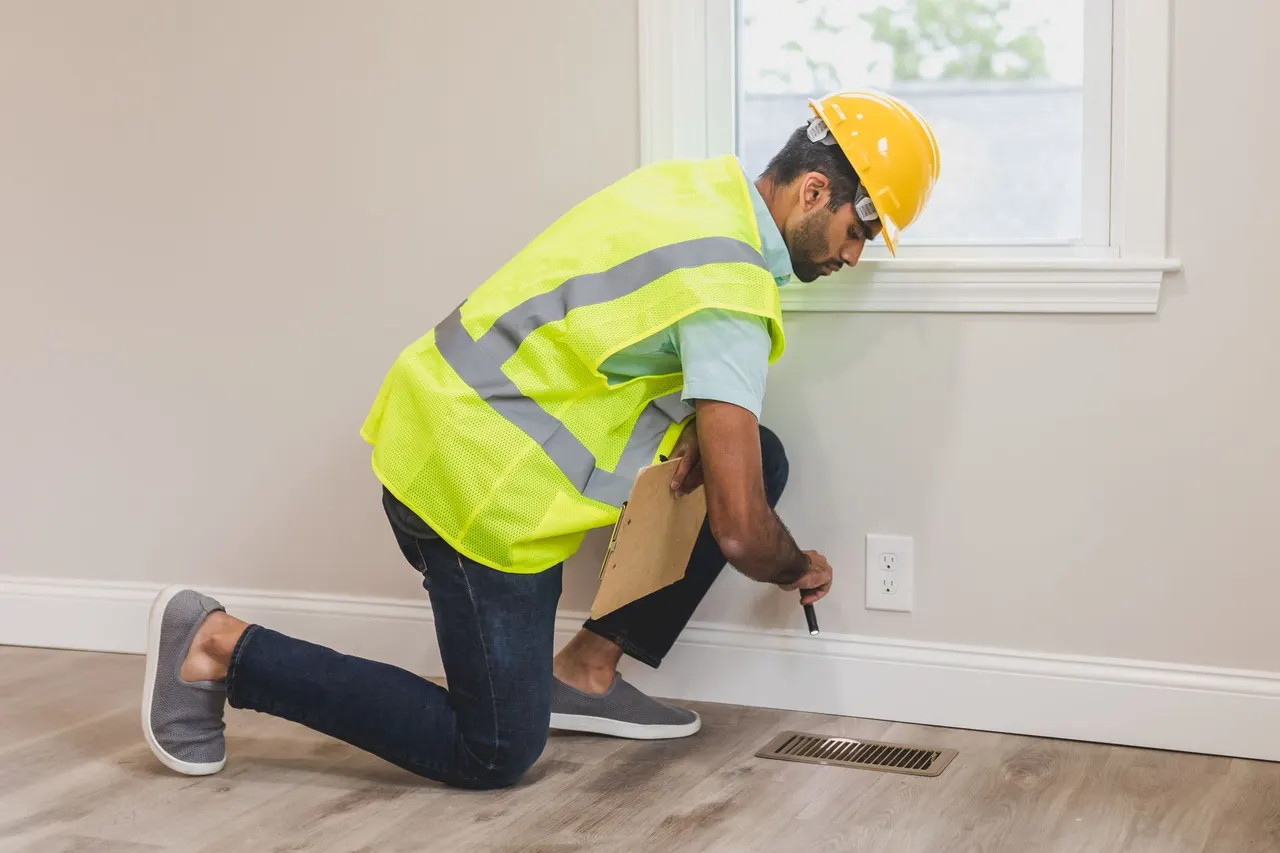
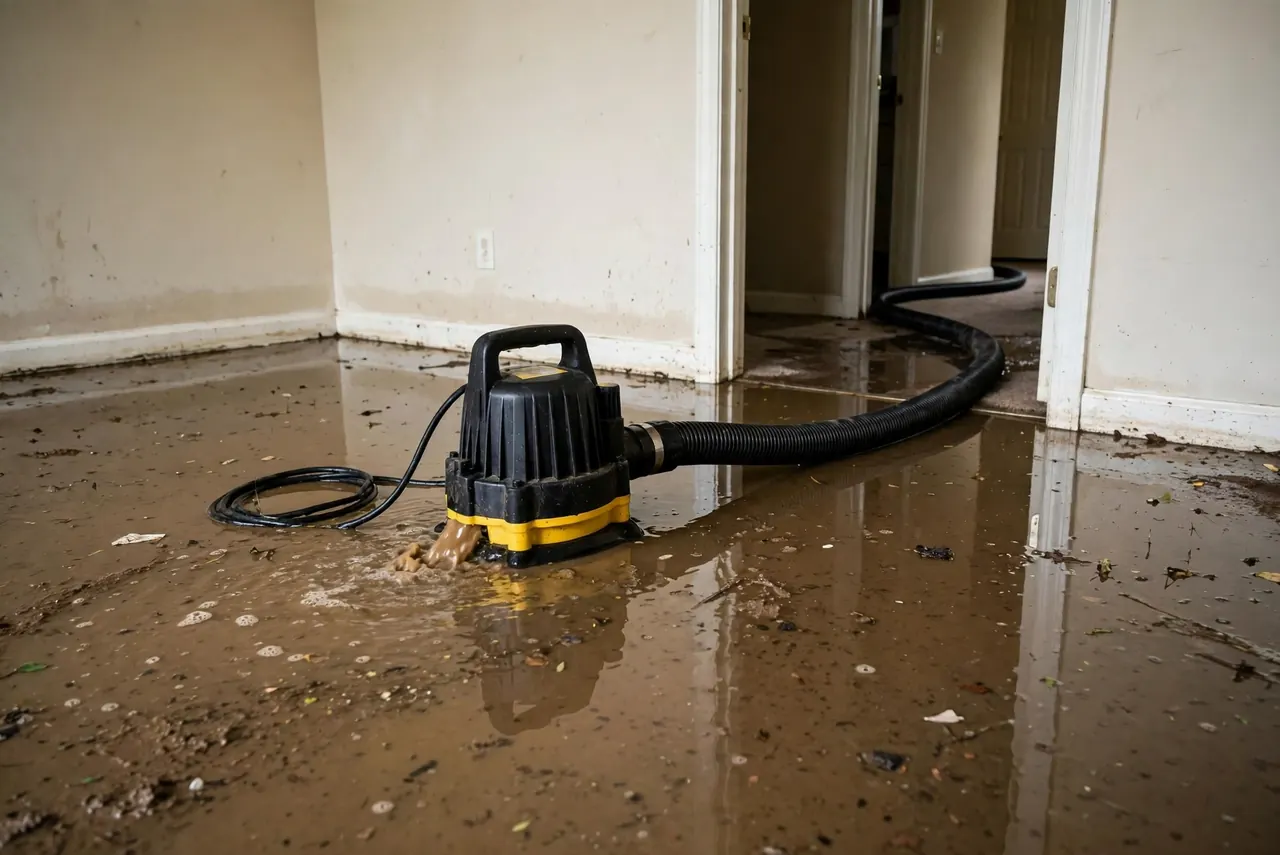
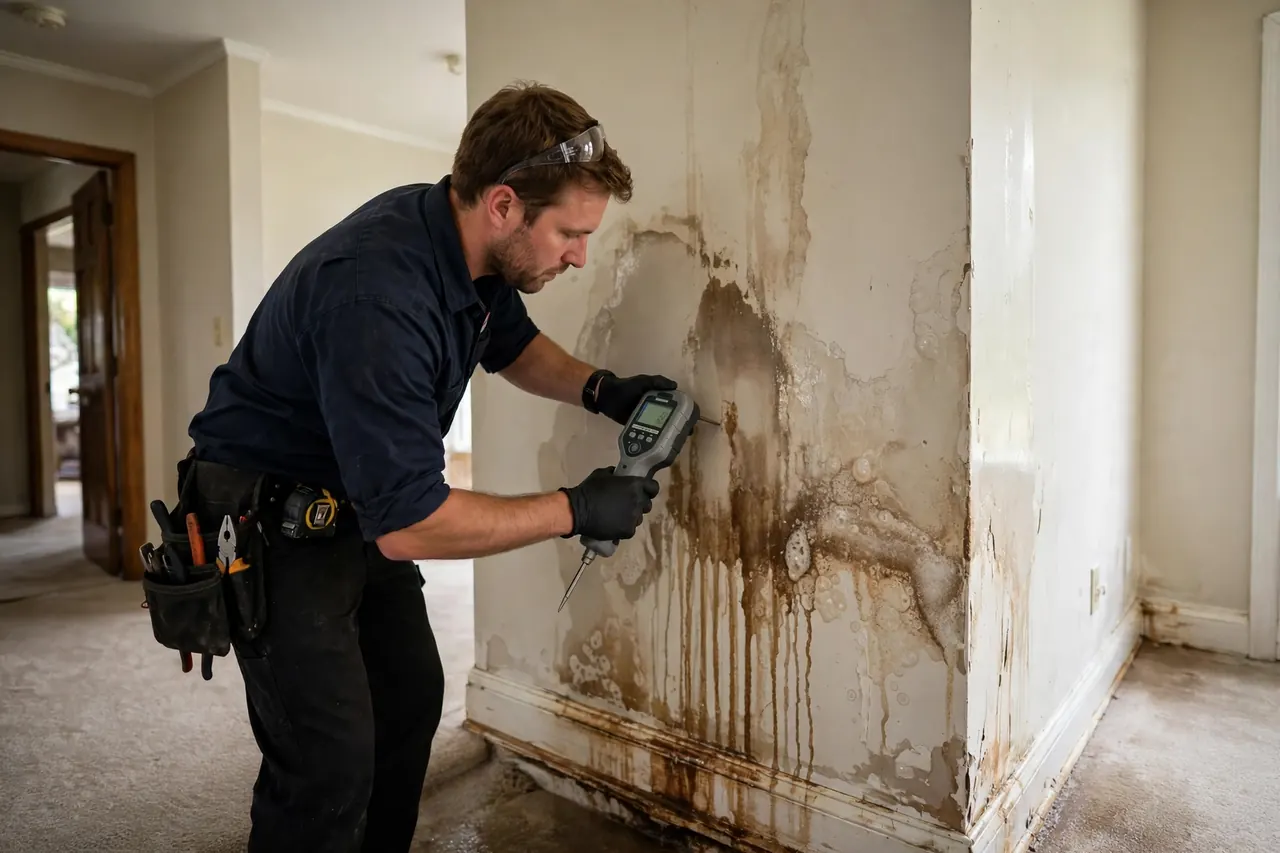
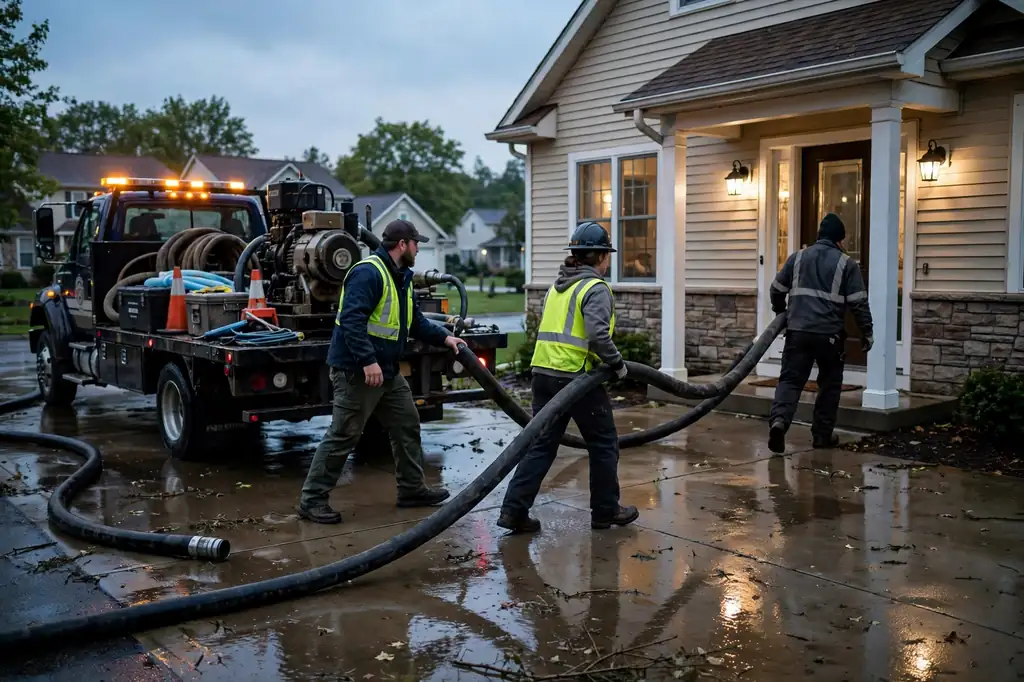
Deer Flat service starts with a call that identifies the address, water source, affected rooms, and any electrical or sewage hazard. Our crew uses Deer Flat Road and the wildlife refuge as orientation points while confirming access to rural properties and driveways. For emergency water damage repair near Deer Flat, we first stop or isolate the source when safe, then extract standing water and check adjoining materials. A moisture meter and thermal imaging camera help locate damp areas beyond visible staining.

  • High water table and groundwater pressure around lower-level spaces

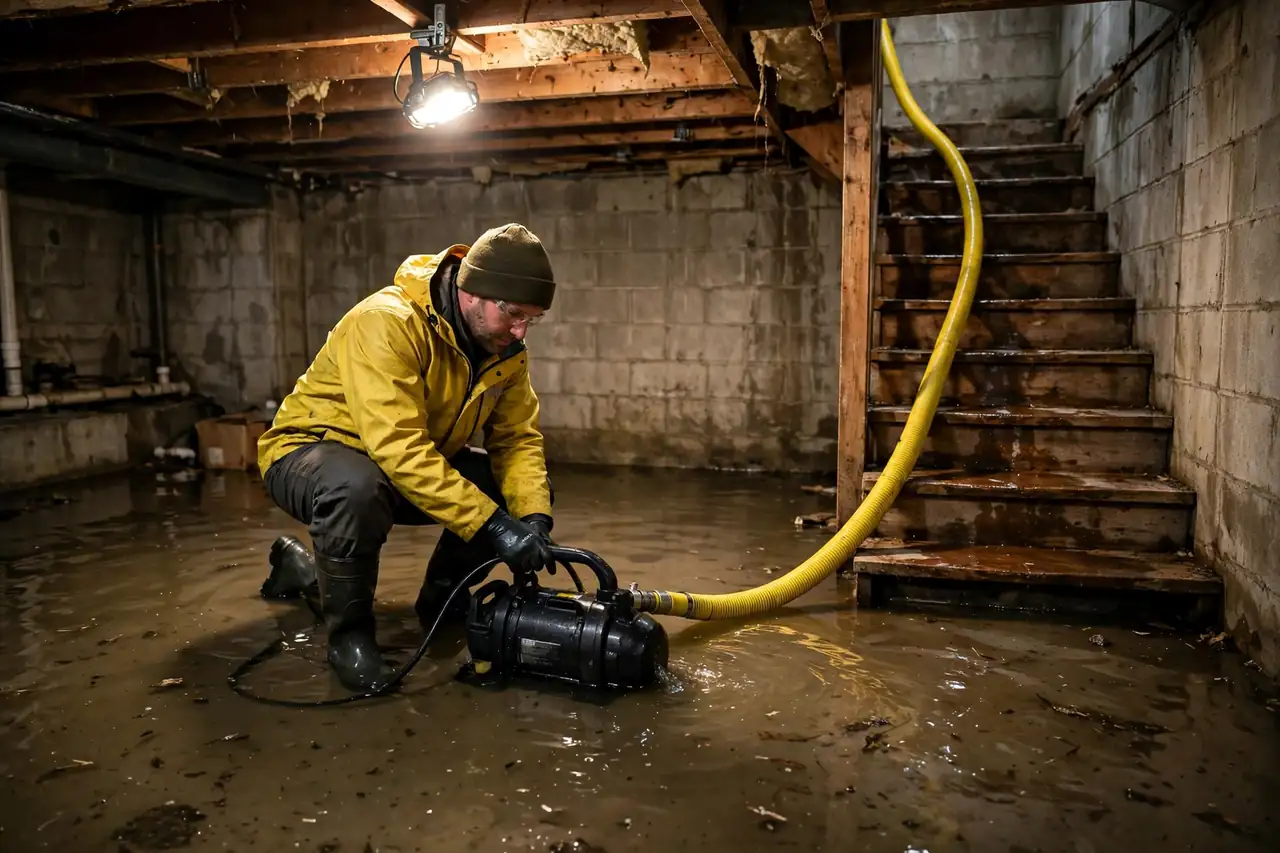
    A high water table can contribute to persistent dampness or seepage in lower-level spaces, particularly when drainage is under strain. Water may return after initial removal if the entry path remains active, so the inspection needs to look beyond the visible pool. We remove standing water, inspect the perimeter and accessible drainage components, and record moisture in nearby materials. If a sump pump or drainage issue is involved, we identify that separately from interior drying. You get a practical sequence for extraction, drying, and the next source-control step.

  • Seasonal flooding after sustained rain or rapid runoff

    Seasonal flooding can affect ground-level rooms, garages, and crawl spaces, with outside water carrying more debris than a clean plumbing leak. The water source changes the cleanup approach and may increase the area requiring sanitation and material assessment. We establish safe access, extract water, and separate contaminated or damaged materials from items that can be cleaned. We then check low points and concealed edges for moisture. A hygrometer helps track indoor conditions while drying equipment is adjusted to the affected space.

  • Cold snaps exposing plumbing in garages and crawl spaces

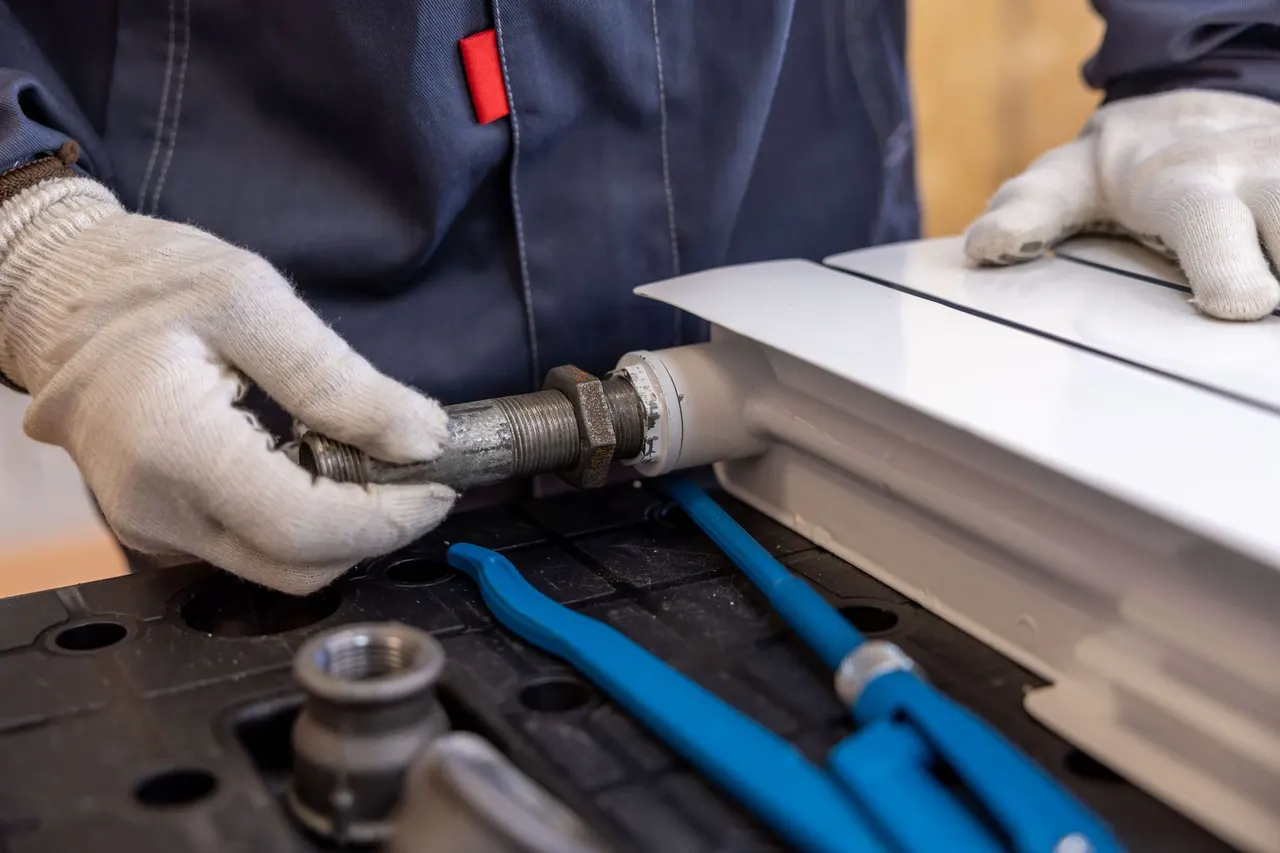
    A frozen pipe can split and release water when temperatures rise, wetting insulation, drywall, and stored belongings. In a detached or rural property, the affected line may be in a garage or crawl space rather than a heated living area. We help isolate the water source, extract water from accessible areas, and inspect nearby materials for hidden spread. We document the affected pipe route and recommend a plumbing repair before closing wet wall or ceiling areas. Drying checks continue until readings show the materials have returned to a stable condition.

  • ANSI/IICRC S500 Standard for Professional Water Damage Restoration

    We use this restoration standard to guide water categorization, extraction, drying, and documentation. For Deer Flat properties, the water source and material exposure determine the work sequence. We record conditions and moisture readings so decisions about drying or removal are tied to observed results.

  • EPA Lead-Safe work practices for applicable renovation work

    When a repair involves disturbing painted materials in a property covered by lead-safe requirements, work practices must control dust and protect occupants. We consider the age and condition of affected finishes before opening walls or ceilings and plan the repair approach accordingly.

Deer Flat Navigation References

Deer Flat National Wildlife Refuge and Deer Flat Road provide useful orientation when we arrange a visit, but your exact address remains the key routing detail. Share the driveway entrance, gate instructions, and the best place to unload. For a water emergency, tell us if standing water blocks the usual route into the house. That helps us plan equipment access without treating a landmark as the job location.

  • Deer Flat National Wildlife Refuge

    The refuge is a recognizable local orientation reference for confirming directions in Deer Flat. We use it only to help clarify the general route; customers still provide their property address and entrance details.

  • Deer Flat Road

    Deer Flat Road is a local road name that can help narrow down directions when a property is outside a dense street grid. A driveway description or nearby cross-road remains necessary to locate the specific home.

  • Deer Flat

    The Deer Flat area name helps distinguish the service destination from other parts of the Kuna service region. We confirm the address and ZIP code before dispatching equipment and selecting an access route.

  • Kuna Town Center

    Kuna Town Center is a named area in the broader service region. It provides a useful regional reference when coordinating a call from Deer Flat toward Kuna, but it is not treated as a Deer Flat commercial district.

  • Downtown Kuna

    Downtown Kuna is a nearby community reference within the wider Kuna service area. Its local streets and businesses help establish general direction for travel, while the customer's property address determines the final route.

  • Deer Flat Road

    Deer Flat Road is a practical local access reference; we use the caller's exact address and driveway instructions to complete routing.

  • Kuna area road network

    Our route begins within the Kuna service region and follows the address provided; confirm gates, private drives, and equipment access when you call.

Deer Flat Neighborhood Coverage

We serve Deer Flat East and Deer Flat West along with nearby homes and rural properties identified by their local road access. ZIP code 83634 anchors the area, but a clear driveway or cross-road description helps us reach the correct entrance. Tell us whether the leak is inside, below the home, or coming from outside so we can plan the first equipment load.

  • Deer Flat East
  • Deer Flat West
  • Deer Flat Road Area
  • Wildlife Refuge Vicinity

Deer Flat Water Damage Job Examples

  • Deer Flat East

    Before

    A supply-line leak wet carpet and baseboards in a Deer Flat East home, with water spreading into the adjoining hall before the shutoff was found.

    After

    We helped isolate the supply, extracted water from the carpet, and checked the hallway and nearby wall edges for migration. Our crew used moisture readings to mark the affected area, then positioned drying equipment to move air across the floor. We returned for follow-up readings and explained which materials were ready for repair. Extraction and initial mapping were completed during the first visit, with follow-up readings recorded across 6 marked locations. The affected carpet area was isolated from dry rooms, and the homeowner received a clear repair sequence.

  • Deer Flat Road Area

    Before

    A sump pump failure left standing water in a lower-level utility area near Deer Flat Road, threatening stored items and the wall finish.

    After

    We removed pooled water, moved salvageable belongings out of the wet zone, and inspected the wall-floor edge for seepage. After confirming the pump issue needed attention, we placed drying equipment and monitored humidity. The homeowner received separate next steps for pump service and interior drying. Water removal cleared the utility-room floor, and 4 moisture checkpoints were documented around the affected perimeter. Drying progress was reviewed on return visits rather than ending when the surface appeared dry.

  • Deer Flat West

    Before

    A winter pipe break in a rural Deer Flat property wet insulation and drywall beside a garage, with the leak discovered after water reached the floor.

    After

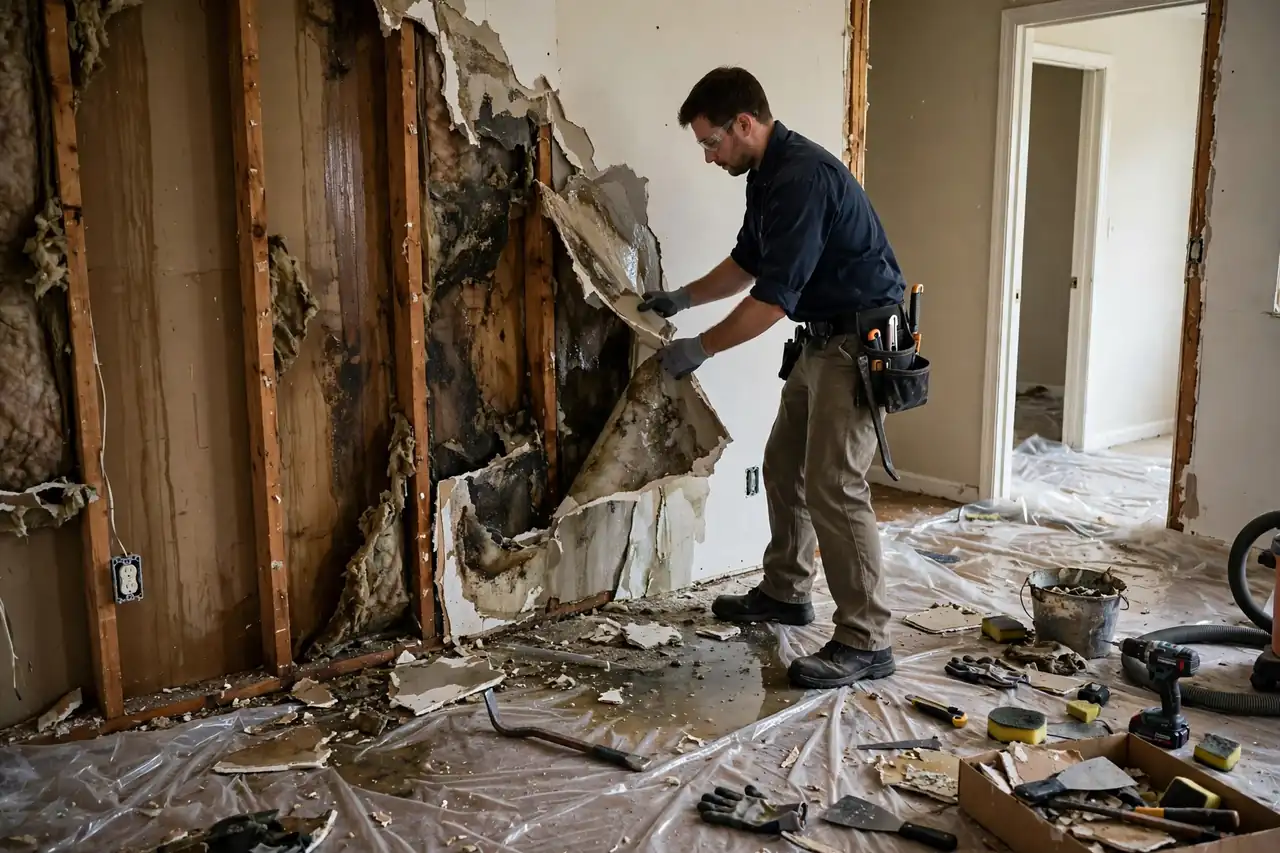
    We helped stop the supply, extracted floor water, and inspected the adjoining wall and ceiling for hidden spread. The crew documented the affected drywall and insulation, removed material where needed, and set drying equipment in the opened area. We checked readings before recommending the finish repair. The response separated source control, material removal, and structural drying into distinct steps. Moisture readings were logged at 5 points, giving the owner a recorded basis for the repair decision.

Deer Flat Water Risks by Season

  • Spring

    As the ground thaws and spring rain arrives, water finds the low spots around a foundation and the gaps in flashing that winter hid. Inspect the roof line and gutters, watch the base of exterior walls after rain, and run the irrigation system zone by zone to catch a cracked line early. A stain that appears in spring usually started months earlier, so trace it before patching it.

  • Summer

    Hot, dry summers make it easy to miss a slow leak, because the surface dries within hours while the subfloor stays wet. Check sprinkler zones for overspray and broken heads, look behind the washing machine and under sinks, and watch for a musty smell in rooms beside the irrigation lines. If a damp patch keeps returning in the heat, the water is still coming from somewhere, and a meter will find it.

  • Fall

    Fall is the time to get ahead of winter: clear gutters before the leaves settle, check the roof flashing before the first freeze, and find the main water shut-off before a pipe ever bursts. Drain and shut down the irrigation system when the season ends, because a line left full of water is the first to split in a cold snap. A dry autumn is the cheapest time to fix the small things that become emergencies in January.

  • Winter

    A hard freeze can split a pipe in an unheated space and the leak may not show until the thaw, when water runs inside a wall or ceiling. Keep the house heated even when you are away, protect exposed pipes, and know where the main shut-off is before you need it. If you find water, stop the supply, keep clear of any ceiling that is sagging, and get extraction started before the water reaches the next room.

Questions Before Hiring a Restoration Crew

A strong Deer Flat restoration contractor explains the first actions, measures moisture, and documents what was affected. You should hear how the crew will handle active water, what equipment fits the materials, and how progress will be checked. Ask about relevant training, safety practices, and the process for discussing costs. Clear answers matter most when your home is wet and you need a practical sequence rather than a broad promise.

  • How will you find moisture beyond the visible stain?

    A surface-only check can miss wet flooring, insulation, or wall cavities. Look for an explanation of the tools and locations used to inspect the affected area, along with repeat readings during drying. The answer should connect measurements to a specific plan for your Deer Flat property.

  • What do you do first if water is still entering?

    Source control and safety come before cosmetic repair. The contractor should explain how they will isolate or coordinate control of the leak, protect people from electrical or contaminated water hazards, and begin extraction. A clear first-hour sequence helps you act without risking further exposure.

  • How will you decide whether materials can be dried?

    Carpet padding, drywall, and insulation respond differently to water and exposure time. A useful answer explains how water category, material condition, and moisture readings guide drying or removal. You should understand why a material is being retained or taken out before repairs proceed.

  • Which restoration standard guides your drying process?

    A contractor familiar with ANSI/IICRC S500 can describe water categorization, extraction, drying, and documentation in practical terms. Ask how readings are recorded and how equipment is adjusted. The standard should inform the process rather than serve as a label without explanation.

  • How do you keep my household informed during drying?

    Drying can require equipment and follow-up checks over several days. Ask who explains readings, how access and equipment placement are handled, and how the next repair step is identified. Direct updates help you plan around rooms that are temporarily unavailable.

Deer Flat emergency water damage repair FAQs

Still wondering? (833) 546-4116

Local service team

Call for emergency water damage repair in Deer Flat

If a pipe has burst, a ceiling is leaking, or water is gathering in your Deer Flat home, call Kuna water damage restoration at (833) 546-4116. We take emergency calls at any hour and start by identifying the source, safety concerns, and affected rooms. Our crew serves Deer Flat East, Deer Flat West, and the 83634 area. Call now and tell us where the water is and whether it is still moving.

Contact the Kuna Team

Call (833) 546-4116 when water reaches your home or business in Kuna, Idaho. Tell us whether the source is still active, which rooms are affected, and when the damage began; that helps direct the next steps. Calls are accepted at any hour for emergency inquiries, and service coverage includes Kuna, ID, with ZIP codes 83634 and 83642.

Thanks. Your request is in and the team will follow up shortly.