Emergency Water Damage Repair in Colony at Kuna

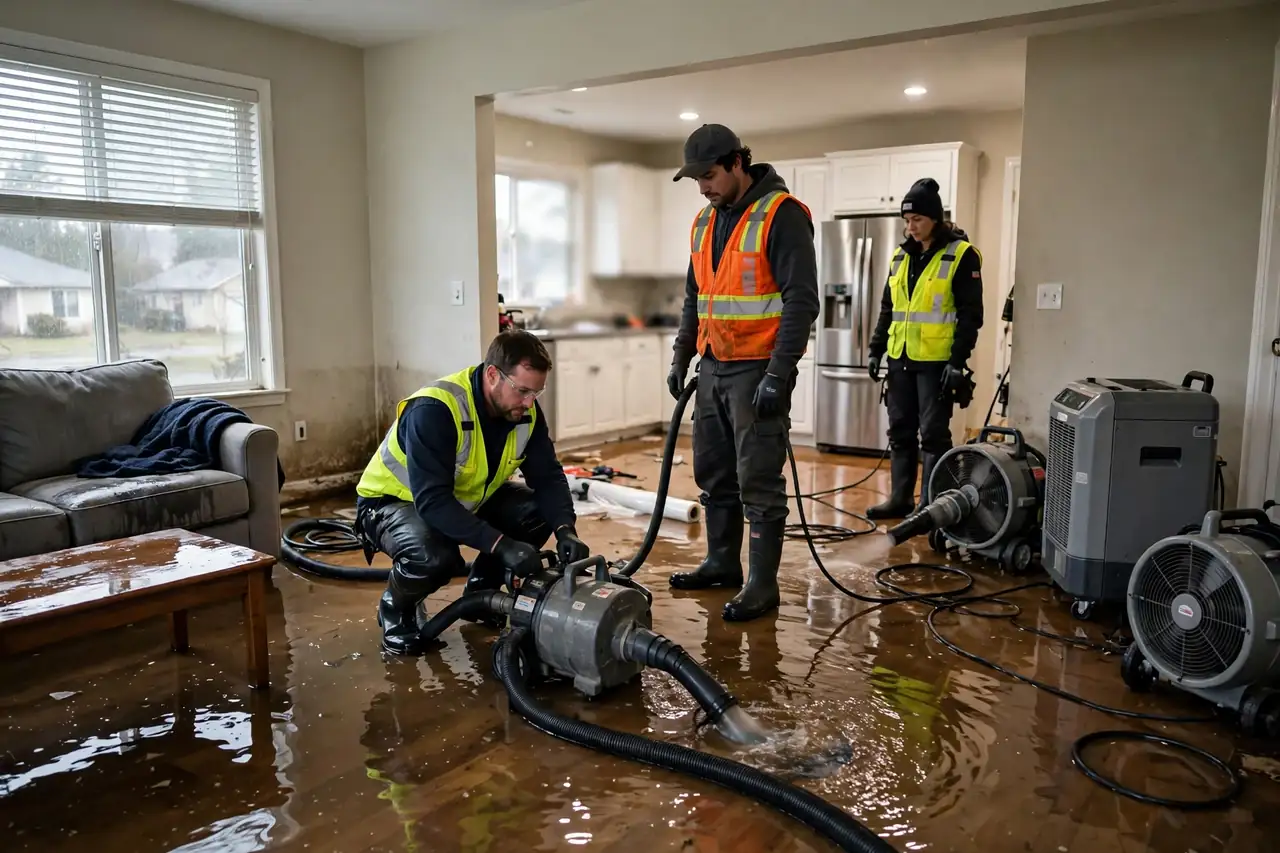
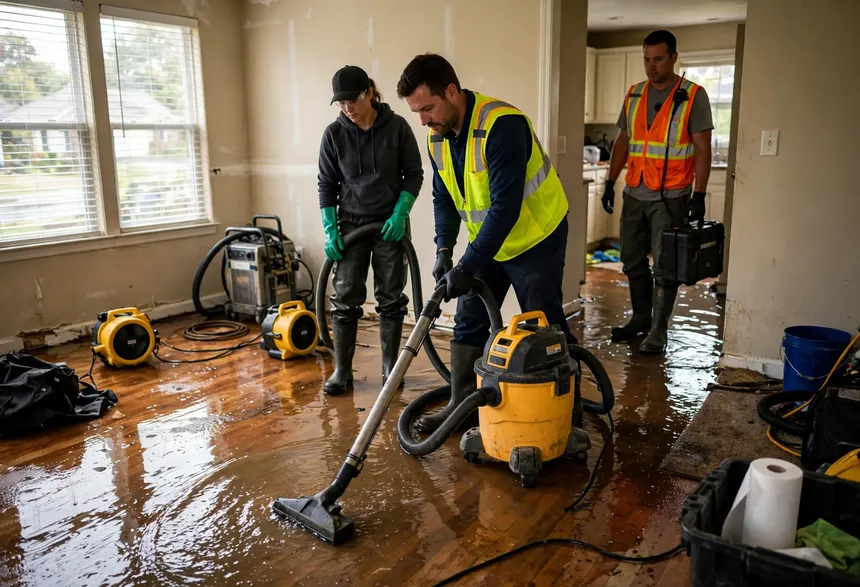
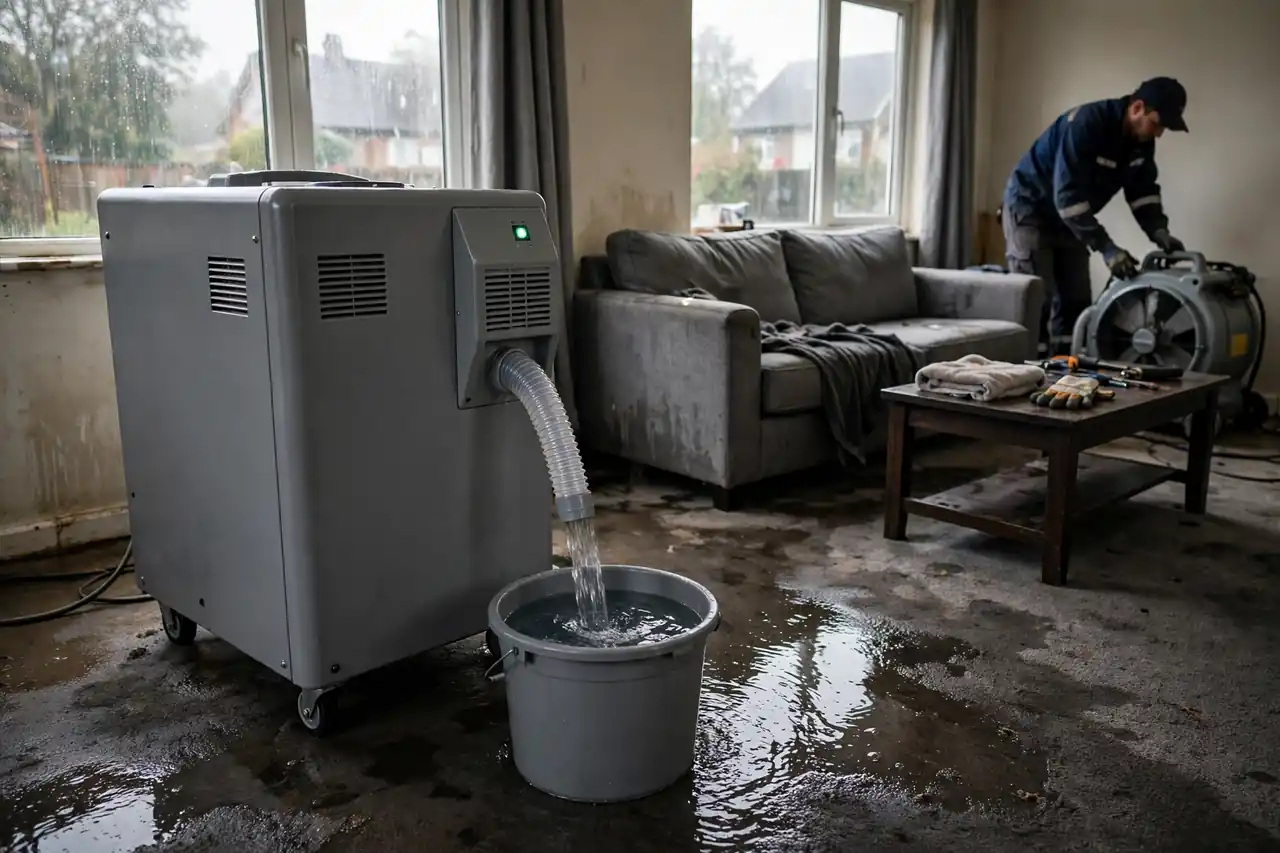
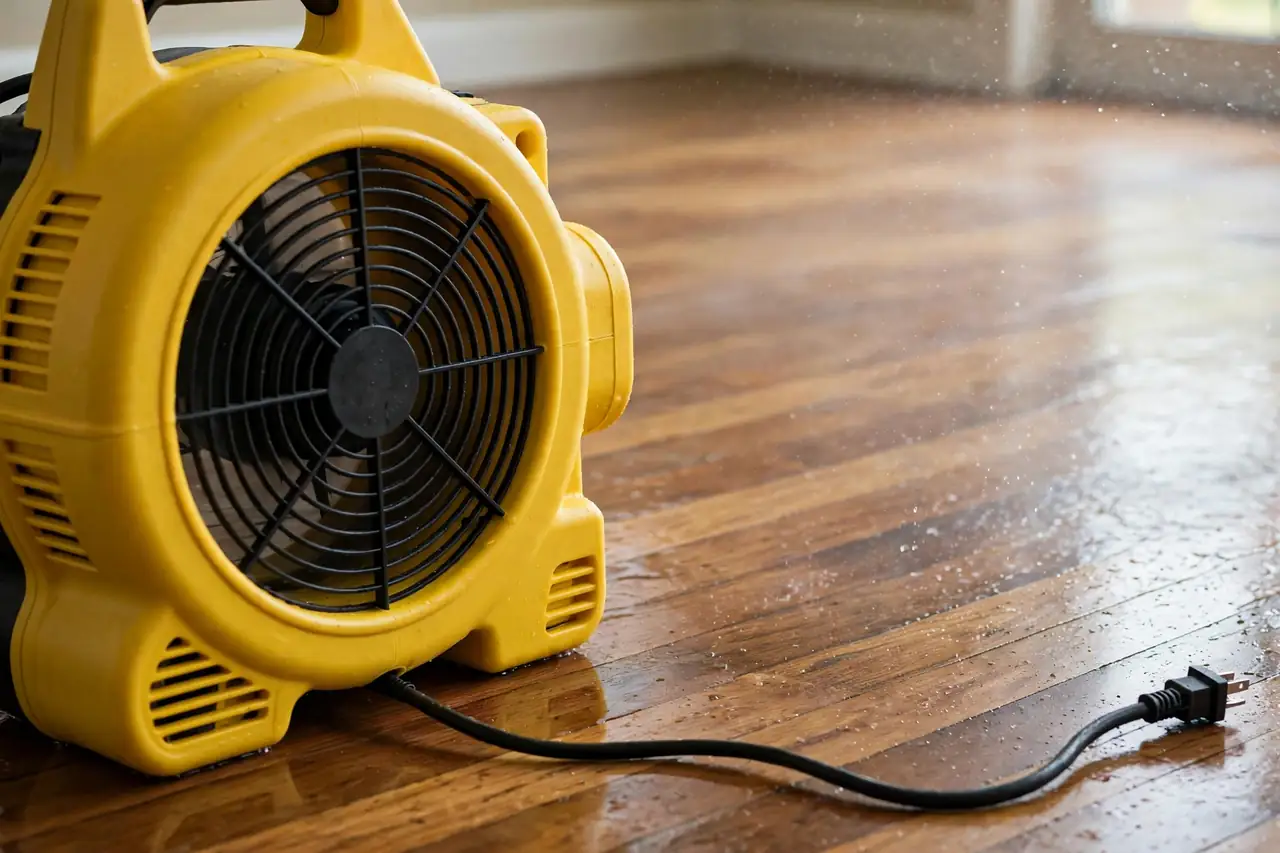
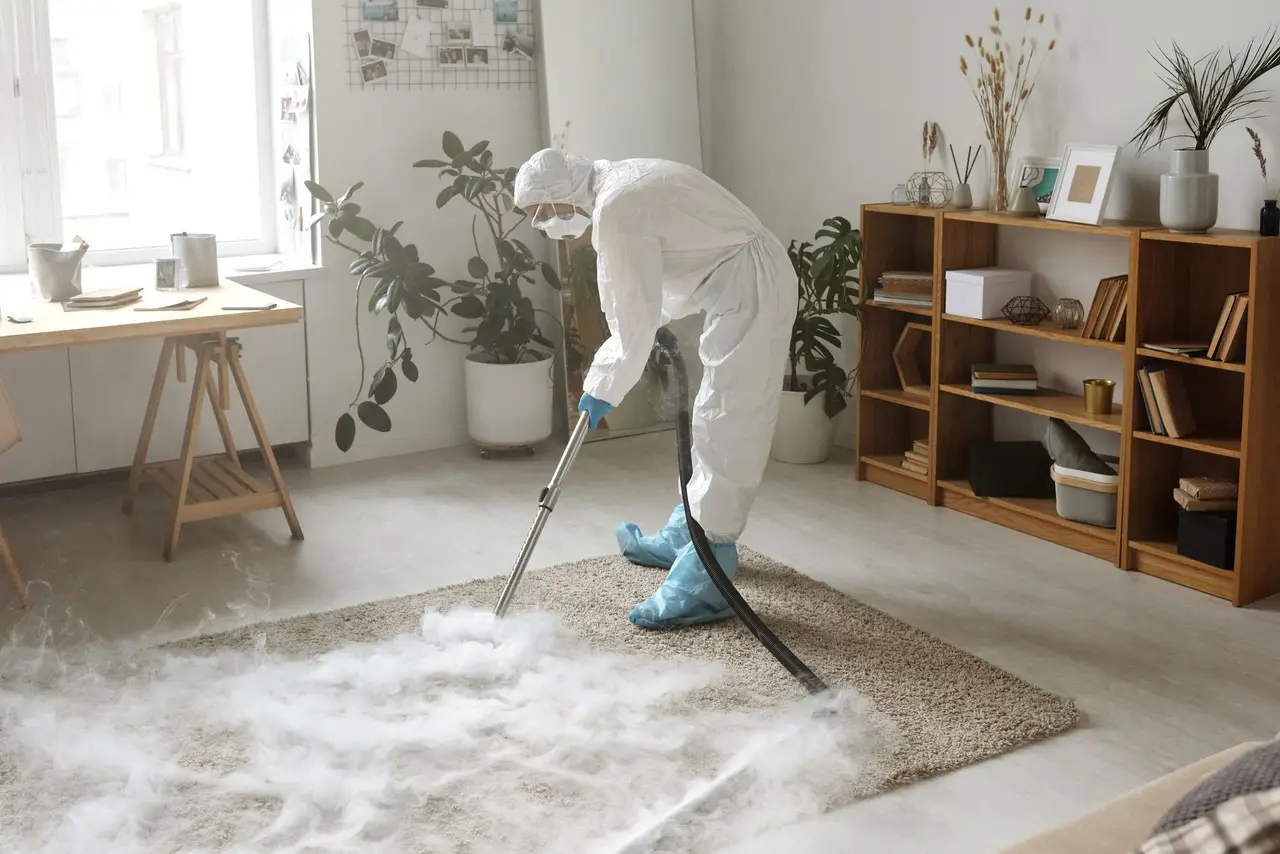
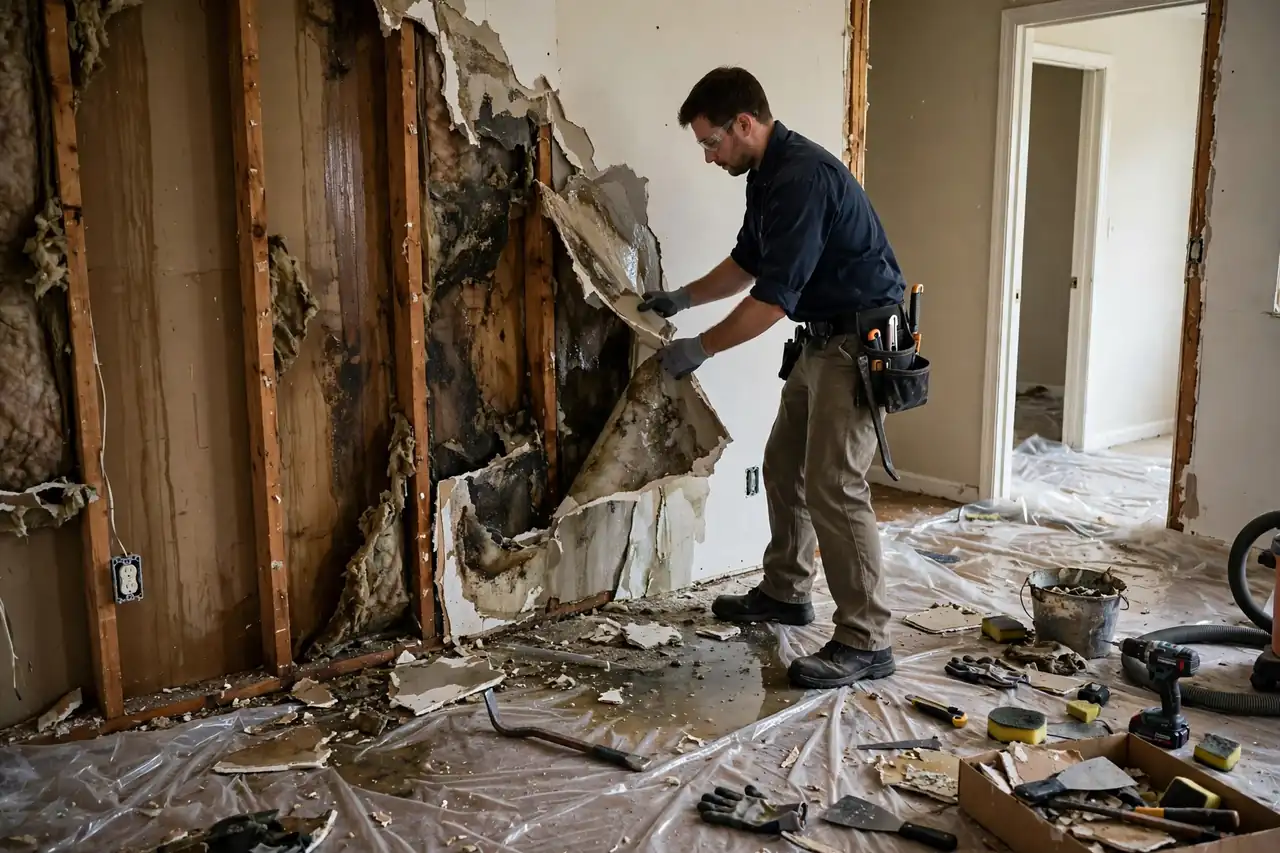
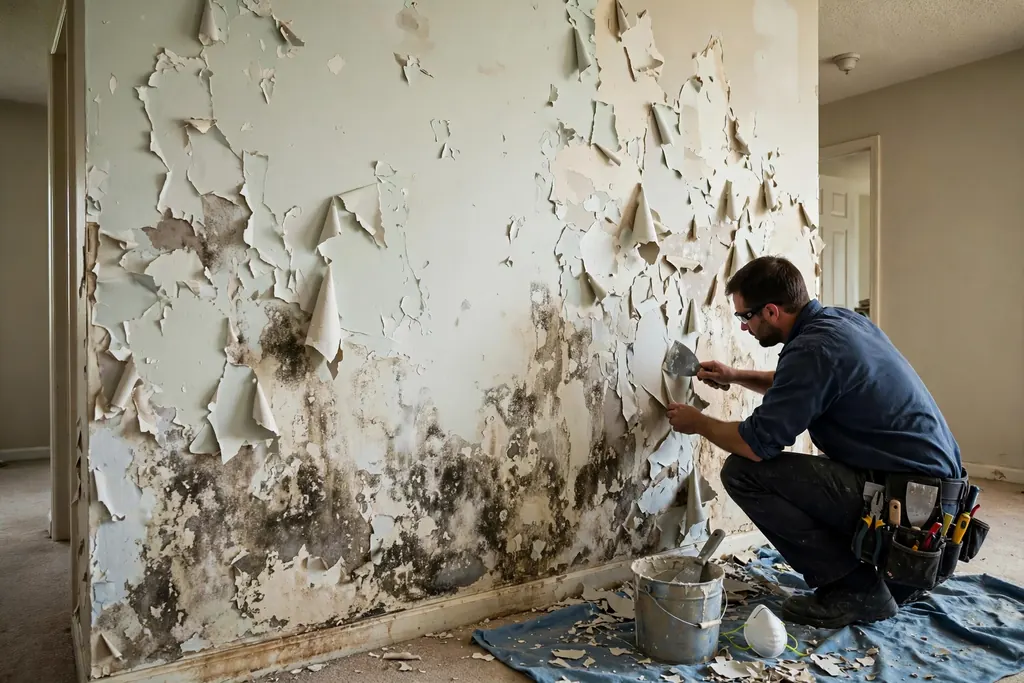
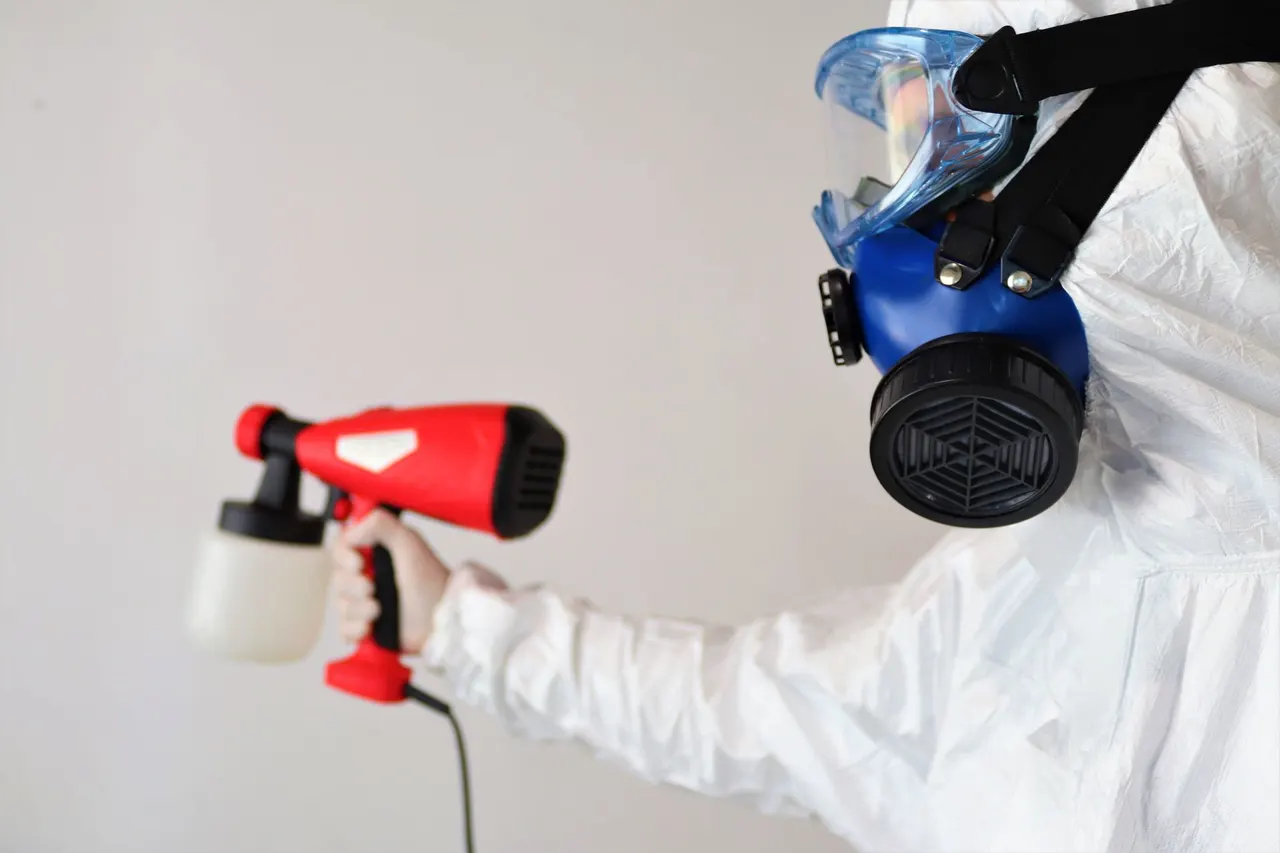
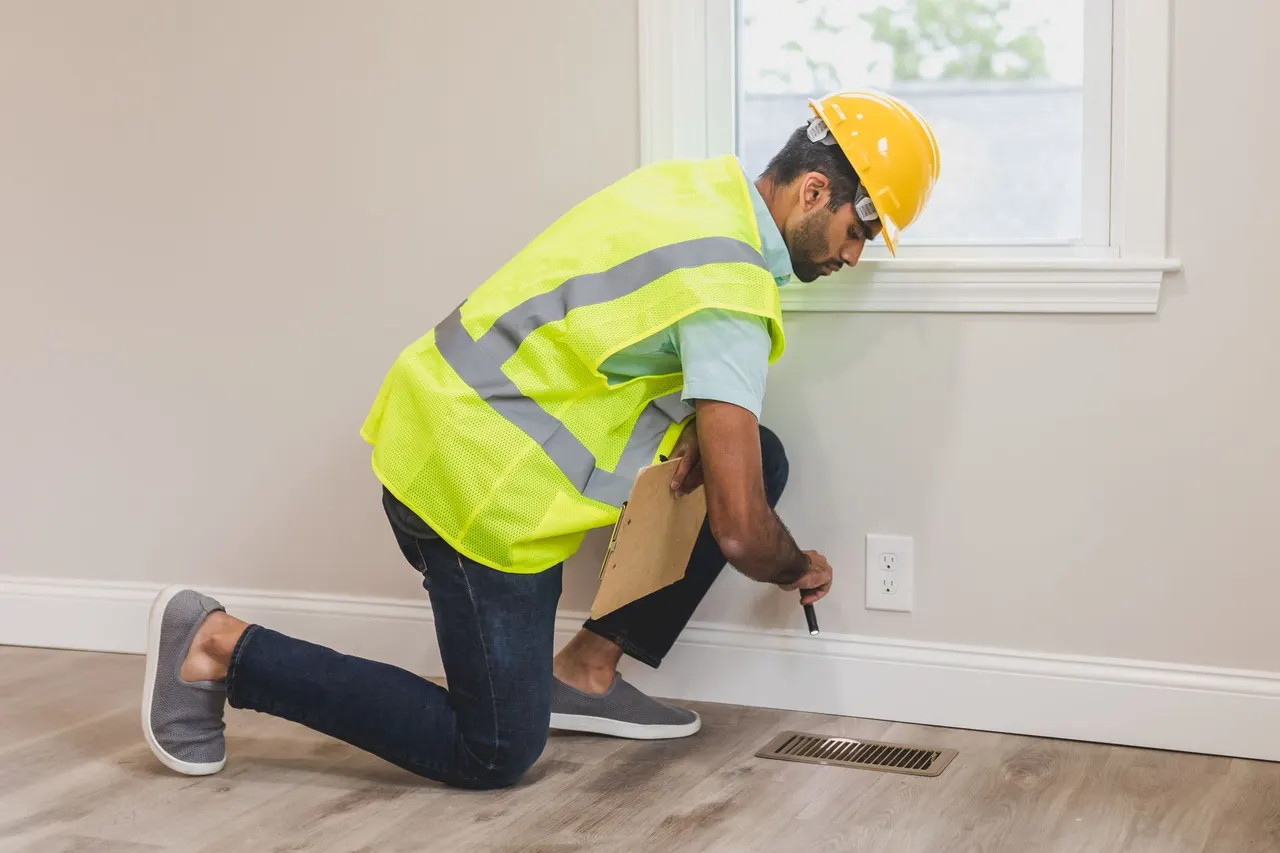
Kuna water damage restoration provides emergency water damage repair in Colony at Kuna when a pipe breaks, a roof leaks, or water reaches flooring and walls. We locate the source, extract standing water, and map moisture before setting drying equipment. Our Colony at Kuna emergency water damage repair service covers homes near Colony North, Colony South, and the Colony at Kuna clubhouse, with clear work steps from the first inspection.

emergency water damage repair in Colony at Kuna

Serving Colony at Kuna

  • Readings RecordedMoisture checks guide drying decisions
  • Work Area ProtectedContents moved away from wet surfaces
  • Steps ExplainedYou hear what happens next
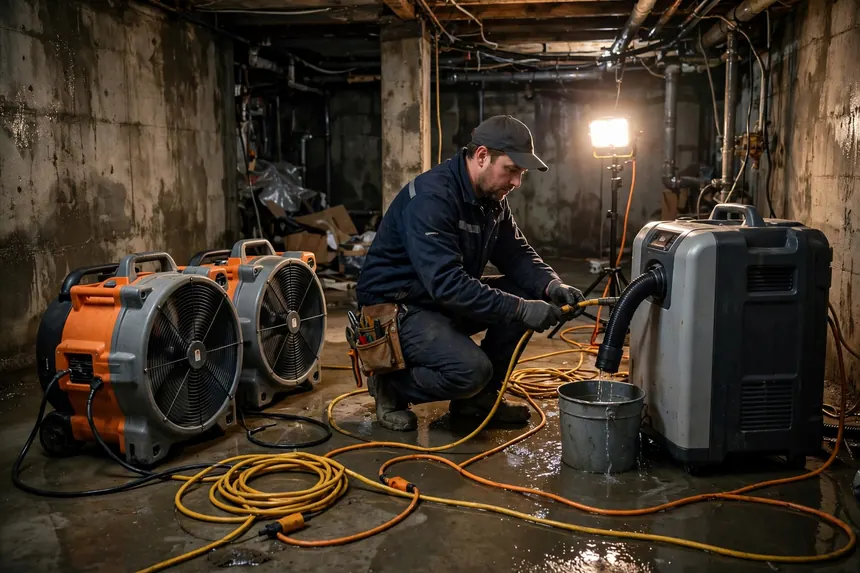
  • Equipment CheckedAirflow placement reviewed during work

Emergency water damage repair in Colony at Kuna

Colony at Kuna sits where subdivision landscaping meets shared irrigation, and that mix creates a specific confusion: water appears at a foundation edge or a floor edge and it is not clear whether it came from inside the home or from the irrigation outside. Getting that distinction right is the whole job, because the two causes need completely different responses.

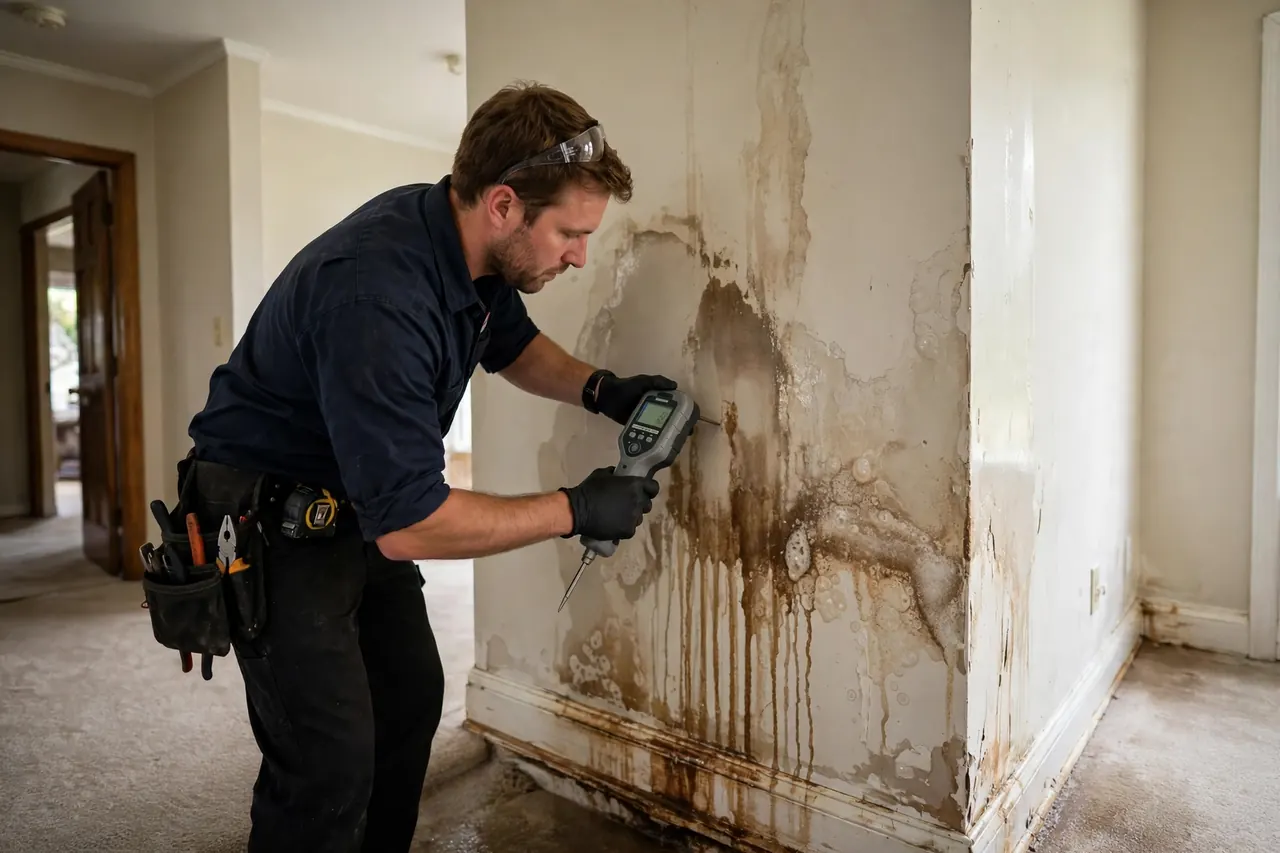
We check the indoor source first — supply lines, appliance connections, and drains — and the outdoor timing second, asking when the wet area appears relative to watering. Moisture readings at the wall base and the floor edge then show the route, and we document the indoor findings separately from the outdoor observations so the cleanup plan addresses the actual damage.

Kuna's subdivisions share HOA landscaping and pressurised irrigation, and one failed zone valve can wet the edges of several neighbouring lots. Indian Creek runs through the city as part of the same irrigation system, carrying water from the New York Canal, so the whole area lives with managed water close to every foundation.
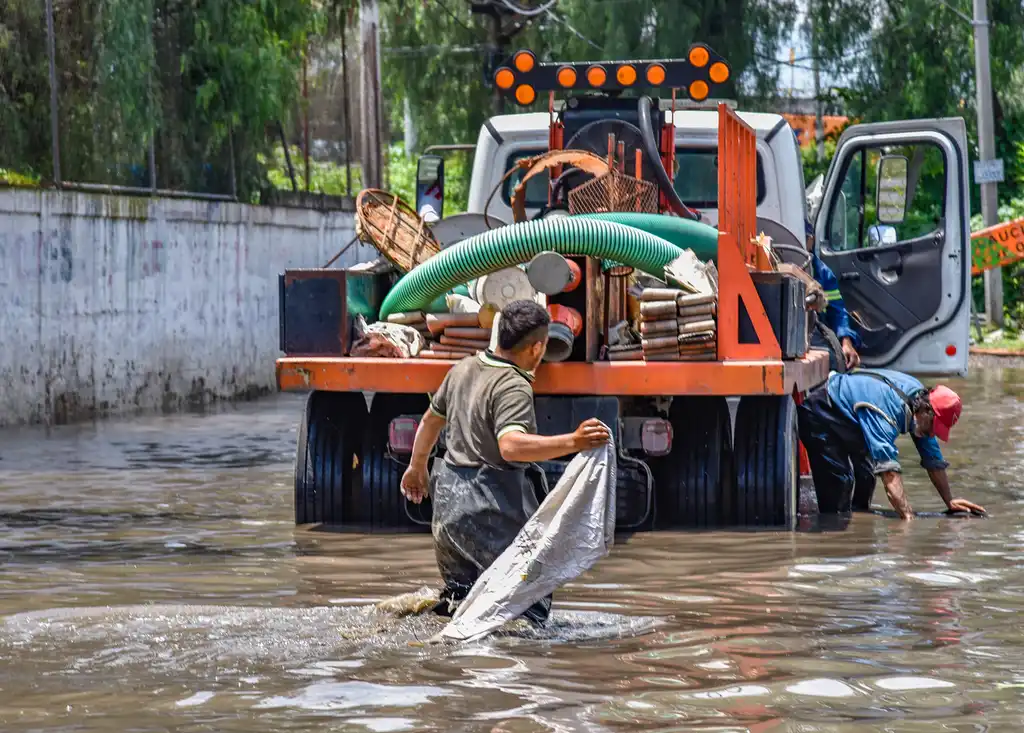
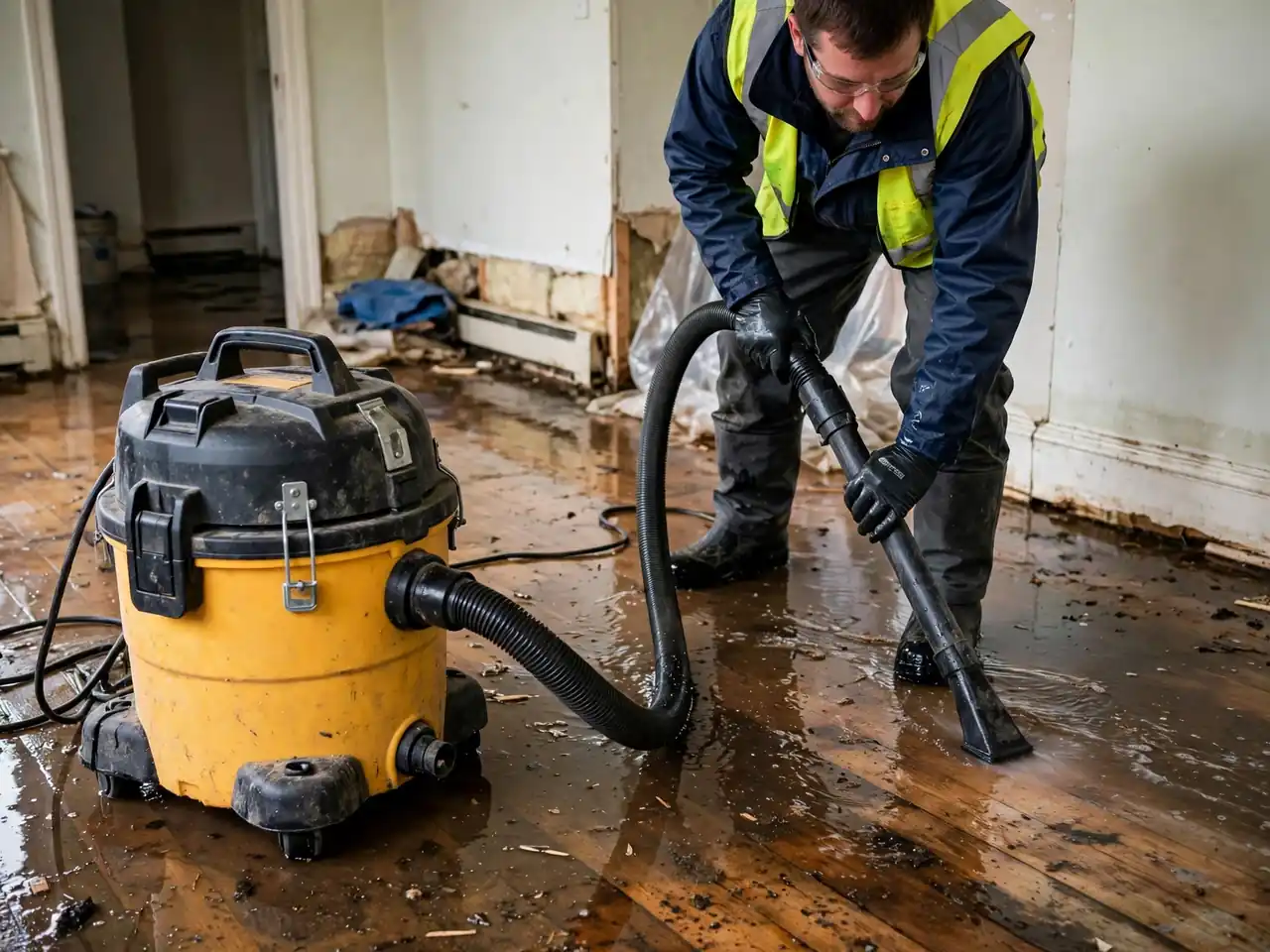
Water damage services in Colony at Kuna

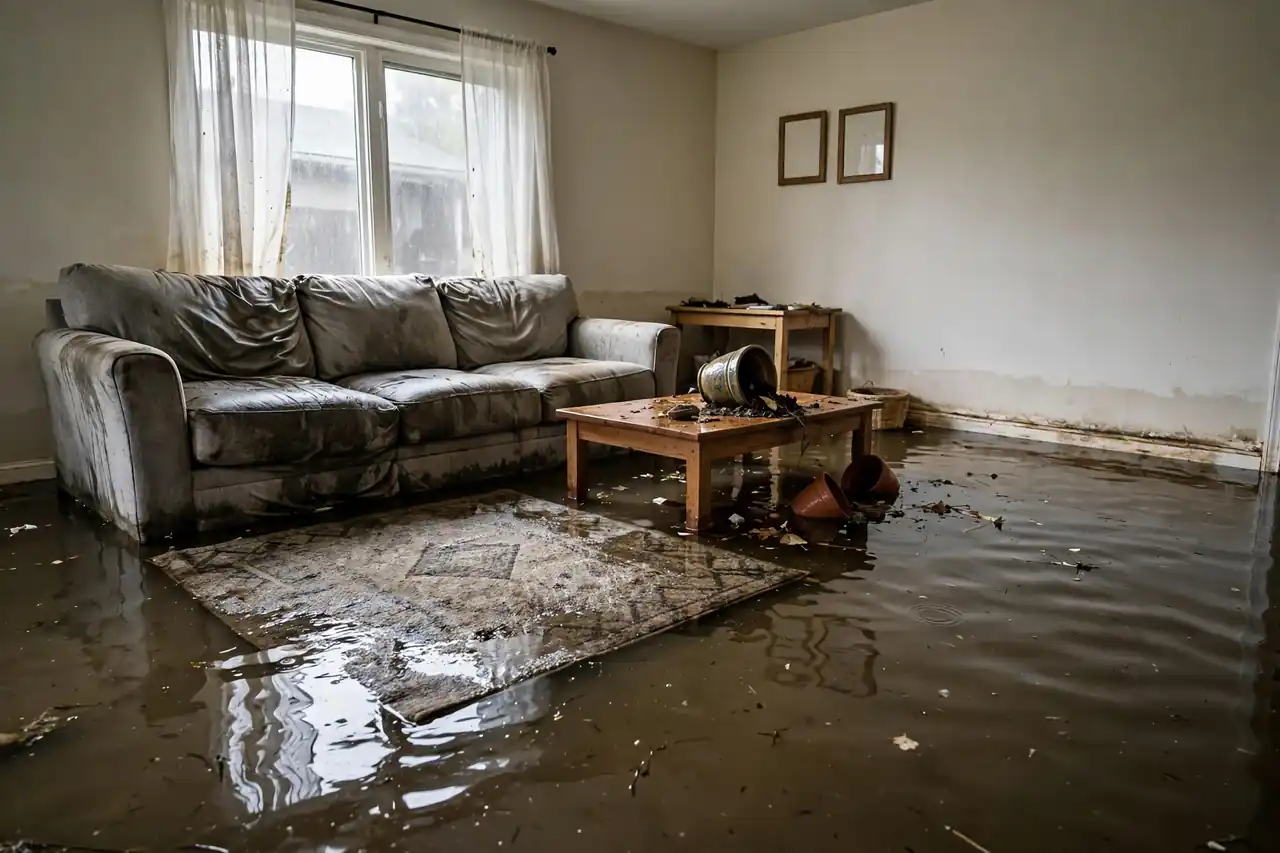
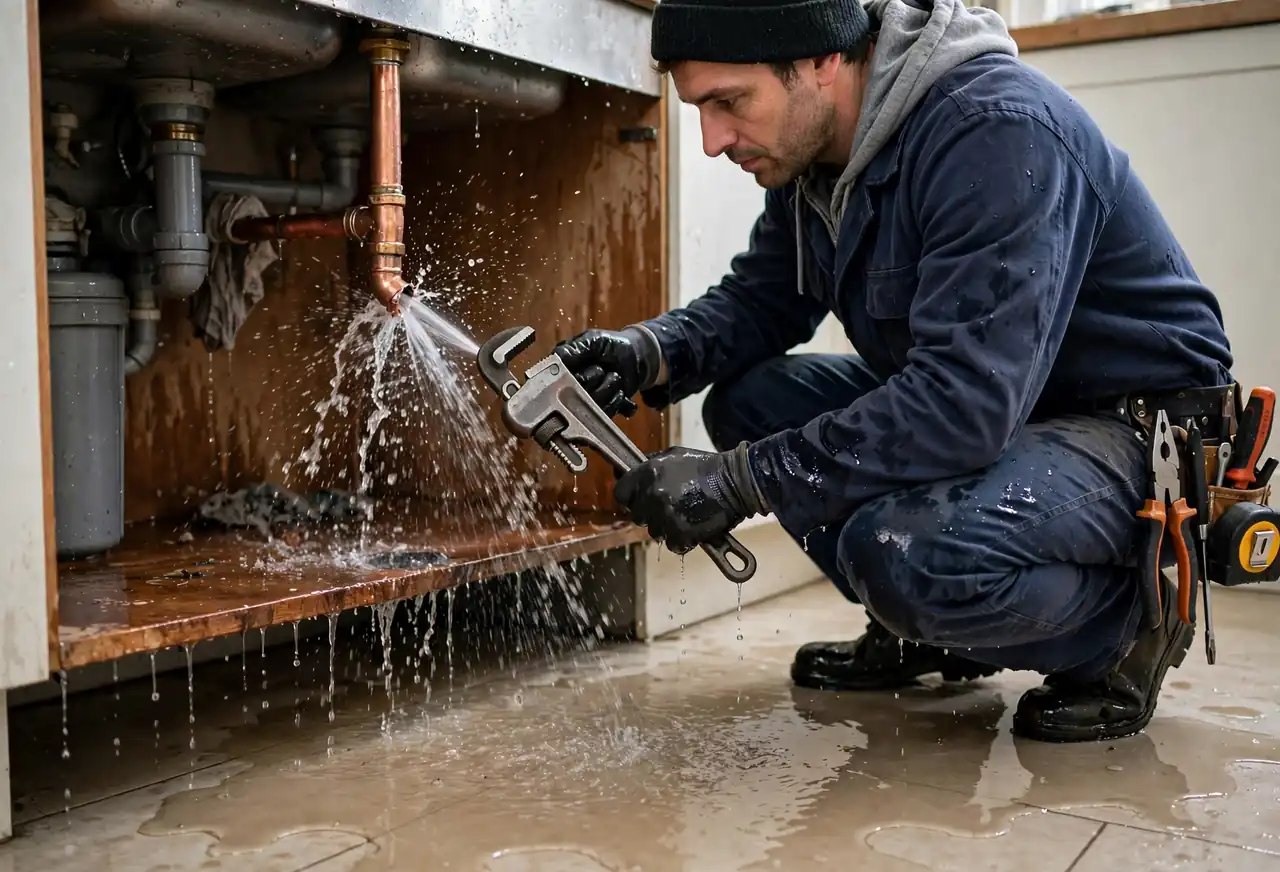
Water loss in Colony at Kuna ranges from a small appliance leak to a room with standing water after a pipe failure. We ask you to shut off the source if it is safe, keep clear of electrical hazards, and tell us whether water is clean, gray, or sewage-contaminated. For emergency water damage repair in Colony at Kuna ID near me searches, our response starts with the affected address, access details, and the safest route to the wet area. We then extract, inspect, and plan drying around the home's materials.

Services for Colony at Kuna homes

Emergency restoration in Colony

Emergency restoration in Colony

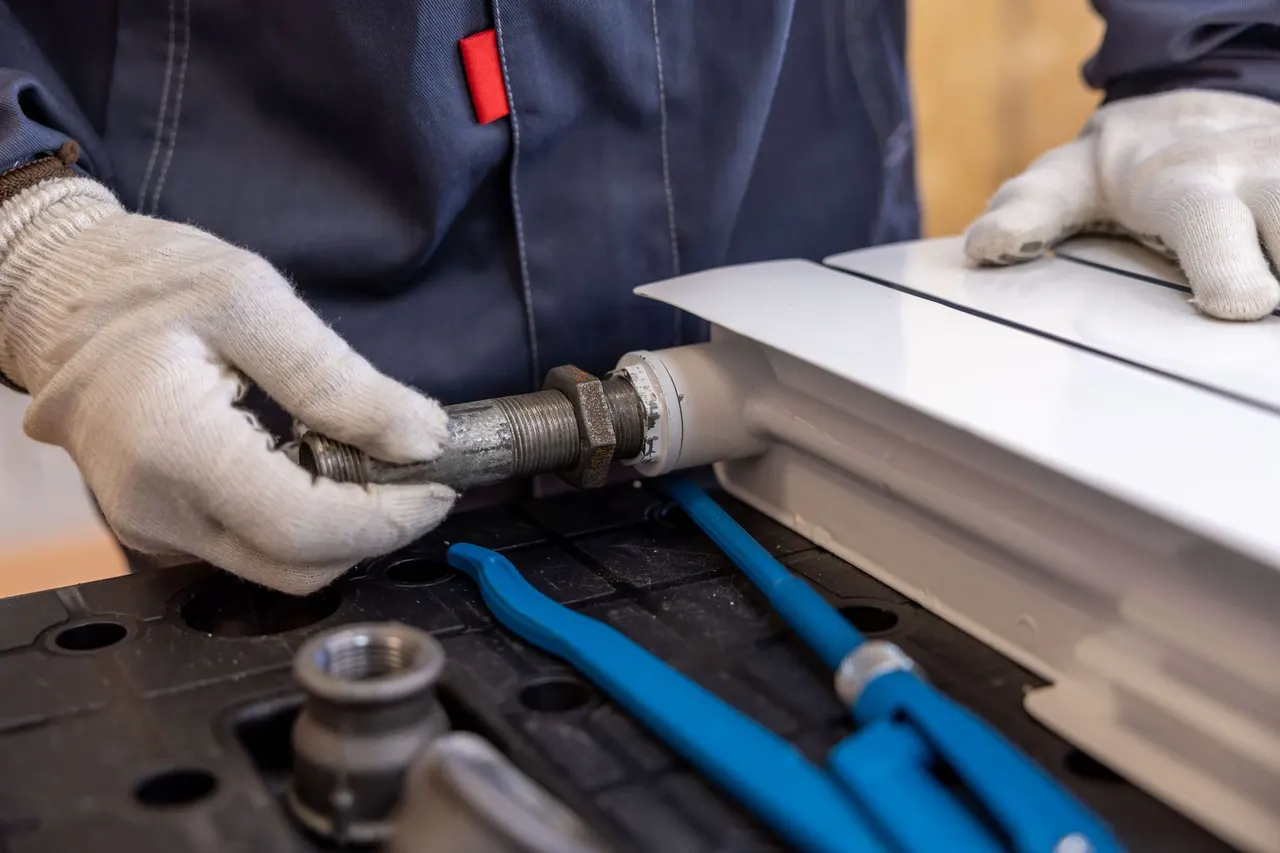
We trace the leak through affected rooms, including flooring edges and nearby cabinets. In Colony at Kuna, planned-community access details help us bring extraction equipment directly to your home. We record moisture readings before setting a drying plan.

  • Source and safety check
  • Room-by-room moisture map
  • Extraction and drying plan
For Colony at Kuna homes

For Colony at Kuna homes

We restore homes after plumbing leaks, roof entry, and lower-level water events. Tell us which rooms are affected so we can prepare the right extraction and inspection equipment.

  • New construction homes
  • Homes near Colony park
  • Multi-room plumbing leaks
  • Lower-level water events
For local properties

For local properties

We assess water damage in community-serving spaces and other properties in the Colony at Kuna area. Access instructions and affected-room details help us plan the work zone.

  • Community amenity spaces
  • Small office interiors
  • Shared-use property rooms
  • Storage and utility areas

Common water losses in Colony at Kuna

In Colony at Kuna, the four problems below are the ones that recur: frozen plumbing, a roof leak that hides in a ceiling cavity, a failed pump, and irrigation water mistaken for a plumbing leak.

  • Frozen Pipes Split Overnight and Wet Finished Rooms

    Frozen Pipes Split Overnight and Wet Finished Rooms

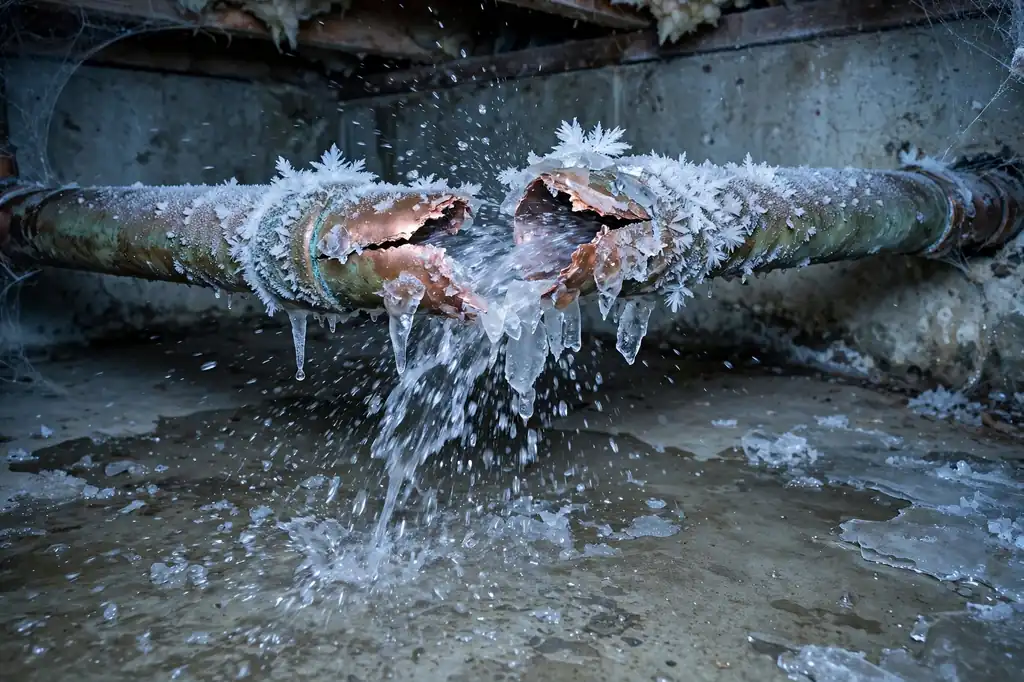
    When the temperature drops hard overnight, a pipe in an unheated space can freeze, split, and then release water as it thaws. The damage in Colony at Kuna usually shows up away from the break — a damp baseboard, a swollen cabinet bottom, a stain on a lower wall. We trace the route with a moisture meter before placing equipment, because drying the puddle while the wall cavity stays wet only delays the repair.

  • Roof Leaks Stain Ceilings and Wet Insulation

    Roof Leaks Stain Ceilings and Wet Insulation

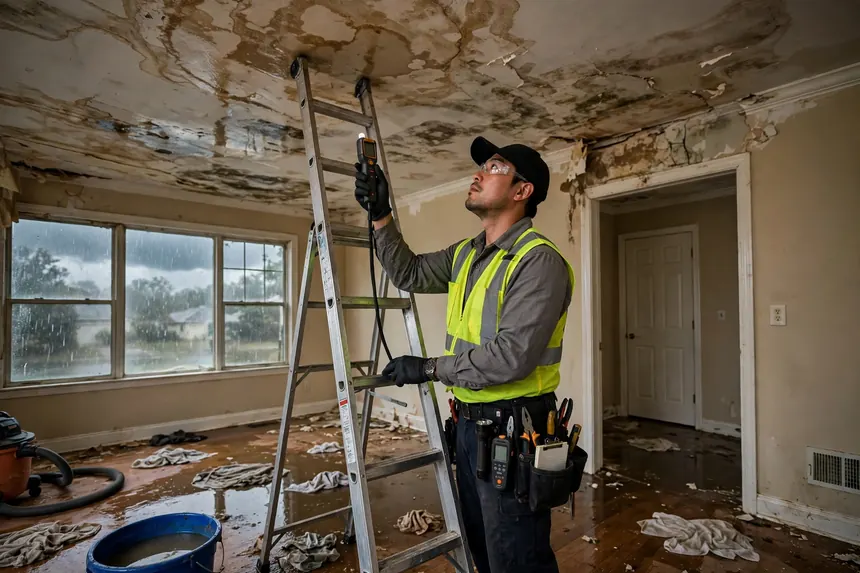
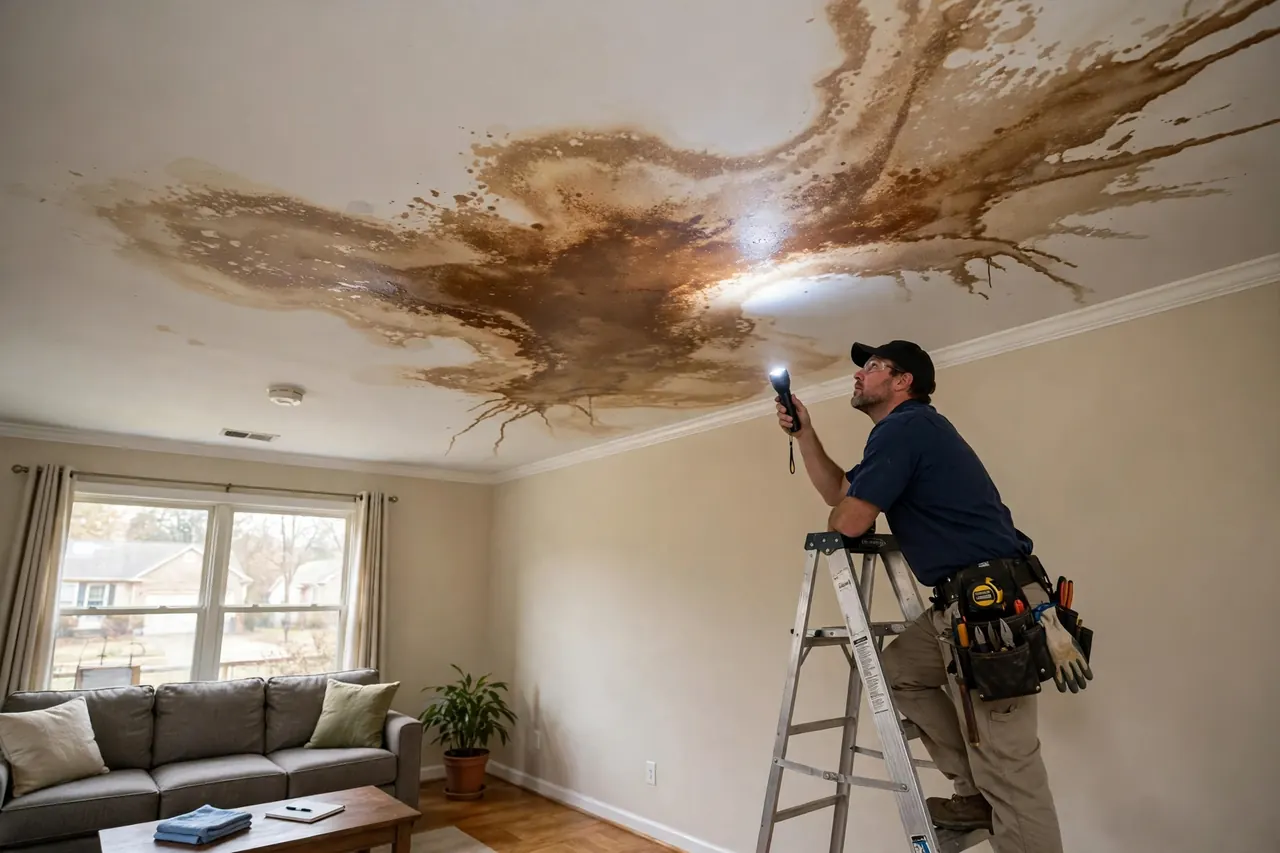
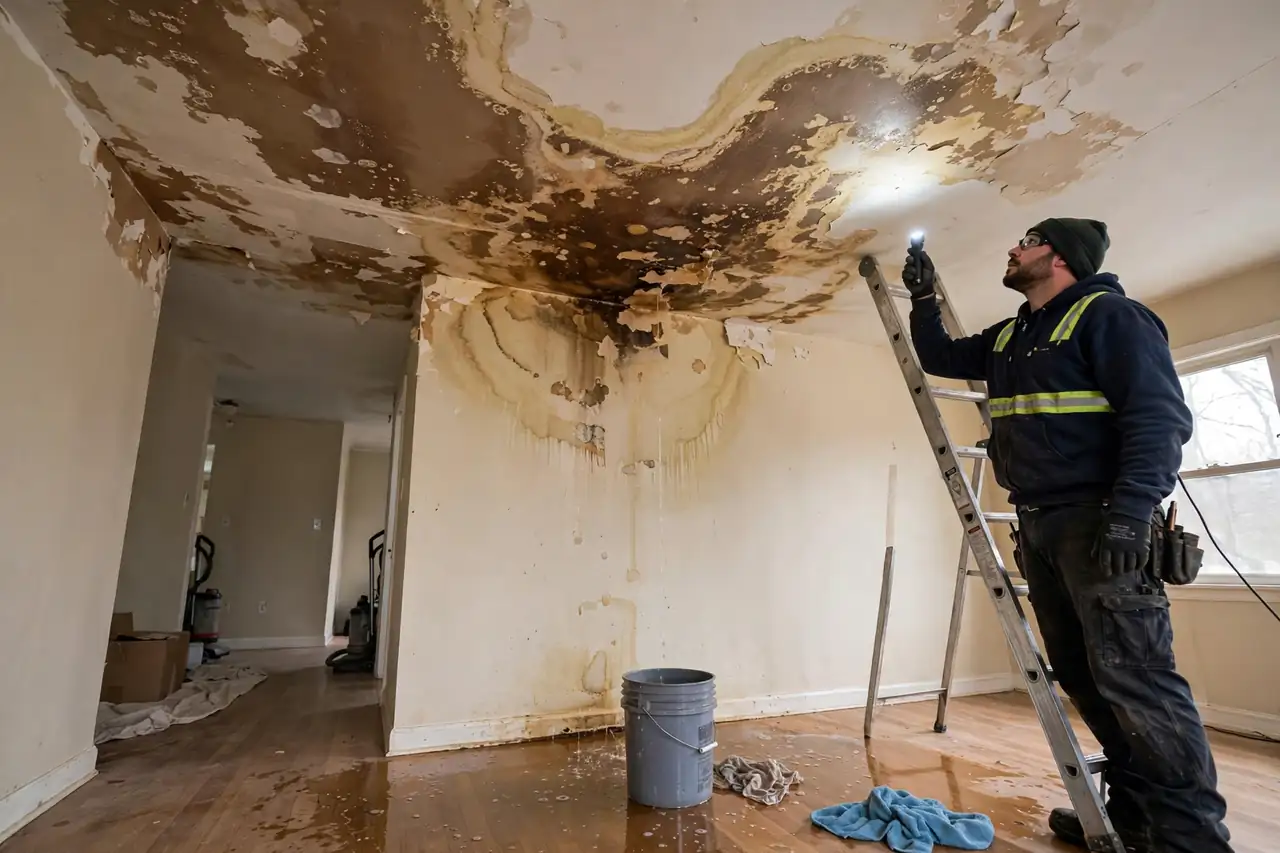
    Wind-driven rain can find a worn flashing, a lifted shingle, or a valley defect and send water into the attic, where it follows framing before it stains a ceiling. In Colony at Kuna, the stain on the ceiling is rarely directly under the entry point, so we inspect the space above the stain as well as the room below. The roof opening has to be controlled before interior drying can hold; otherwise the ceiling keeps re-wetting. We document the wet area and check the surrounding ceiling before any repair begins.

  • Foundation Seepage Wets Lower Walls After Rain

    Foundation Seepage Wets Lower Walls After Rain

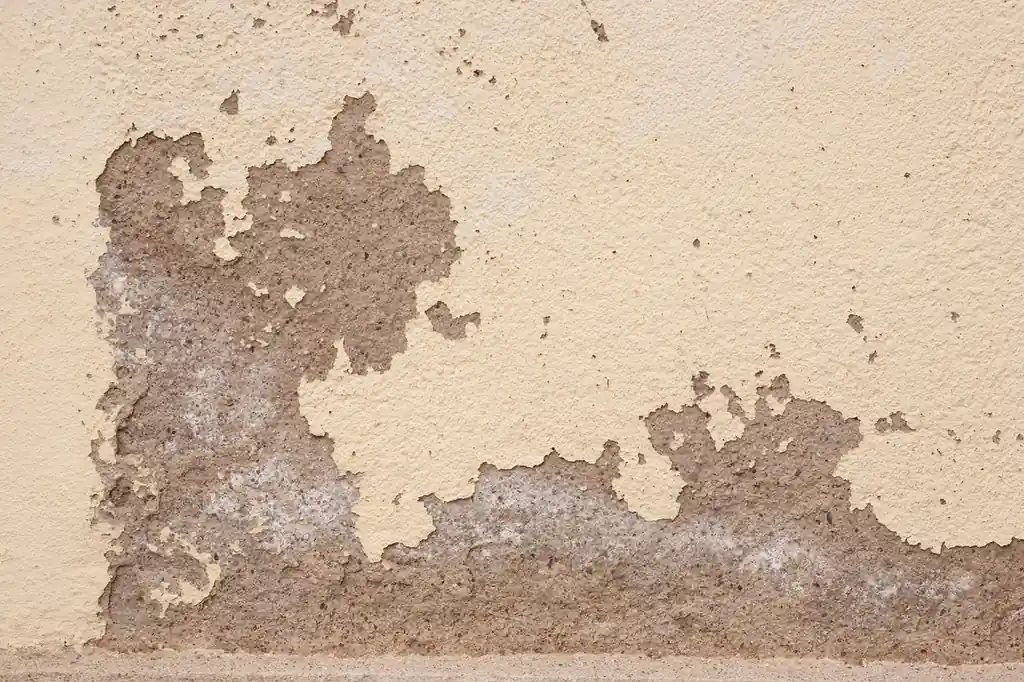
    Seepage in Colony at Kuna rarely comes through the middle of a wall; it comes in low, at the joint where the wall meets the floor, after sustained rain or a high water table. We take readings along the base of the affected walls, extract any standing water, and set drying from those readings rather than from the damp patch alone. The note we leave describes the water path, because a seepage job that is dried without naming the path tends to come back.

  • Sewage Backup Needs Controlled Handling

    Sewage Backup Needs Controlled Handling

    A drain backup brings contaminated water into a home, and it cannot be treated like a clean leak: the area needs containment, protective handling, and removal of affected porous materials. In Colony at Kuna, the first steps are to stop using water in the home, keep people and pets clear, and call for extraction with the right precautions. We document what was affected, remove what cannot be safely cleaned, and dry the structure only after the contaminated material is out.

When to call for water restoration

Call when water spreads, a ceiling stain grows, flooring changes shape, or a musty odor follows a leak.

  • Water spreads beyond the original leak

    Water moving under flooring, through a doorway, or along a baseboard means the visible puddle may not show the full affected area. Stop the source if it is safe and avoid walking through contaminated water. We inspect adjoining surfaces and check for moisture beyond the first room.

  • Ceiling stain grows or begins to sag

    A spreading stain suggests water is continuing to enter or remains trapped above the ceiling. A sagging section can become a safety concern as material holds more water. Keep people clear of the area and call for inspection before opening or pressing on the ceiling.

  • Hardwood boards cup or lift

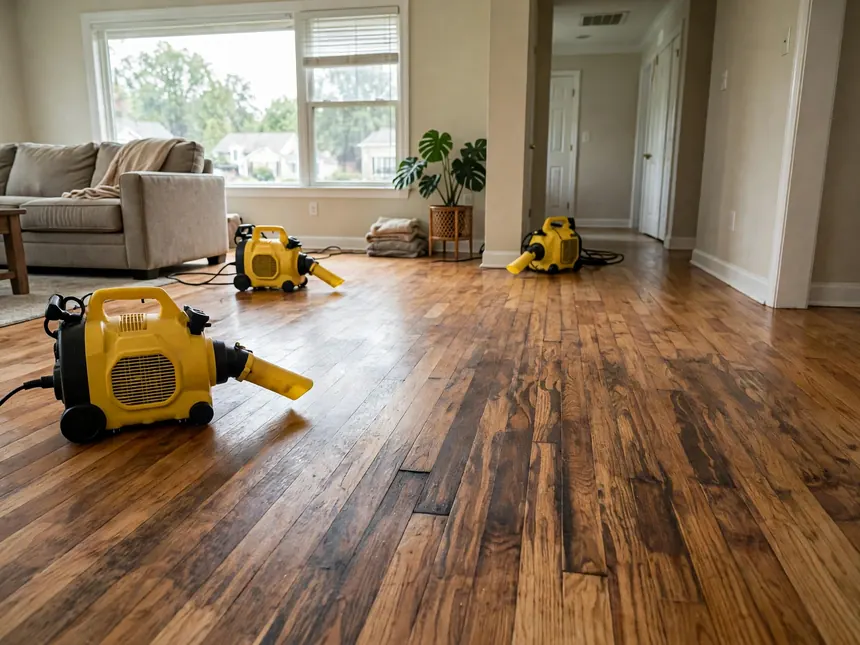
    Raised edges or cupped boards indicate that moisture has entered the wood or the layers beneath it. Continued dampness can worsen the distortion and affect nearby trim. We measure the floor and surrounding materials, then choose a drying approach based on the readings.

  • Carpet stays damp after surface drying

    A carpet surface can feel nearly dry while carpet padding underneath holds water. That hidden moisture can affect the subfloor and create persistent odor. We check carpet edges and transitions, extract water where suitable, and determine whether padding can be dried or needs removal.

  • Musty odor follows a plumbing leak

    A musty smell after a leak can point to damp drywall, insulation, or flooring that was not fully dried. Odor alone does not identify the source, so we inspect and measure the suspected area. Prompt moisture-source correction reduces the chance of continued mold growth.

How we handle water loss locally

For Colony at Kuna emergency water damage repair, our first steps are source control, safety, extraction, and moisture mapping. We ask whether water is near outlets, whether the loss involves sewage, and whether the main shutoff is accessible. In a planned community with shared irrigation and community amenities, we distinguish irrigation concerns from a private plumbing or building leak rather than assuming the source.

  • Shared irrigation questions can complicate early source identification

    If water appears near an exterior wall or yard-facing room, a homeowner may not know whether it came from irrigation, a supply line, or surface drainage. Each source needs a different repair path, and continued flow can expand the wet area. We trace the wet pattern from the interior and ask when the water appeared, which fixtures were running, and whether irrigation was active. We inspect accessible plumbing and building surfaces, document moisture readings, and help distinguish an interior loss from exterior water entry before selecting extraction and drying steps.

  • New construction can conceal leaks behind finished surfaces

    Newer finishes can stay visually clean while water travels inside a cabinet, wall, or floor assembly. A small stain may not show the full boundary, so stopping work at the visible mark risks leaving damp drywall or insulation behind. We compare readings at the stain, adjacent surfaces, and a dry reference area. Thermal imaging can help locate temperature patterns that merit further checking, while a moisture meter confirms material conditions. We document the map and open materials only when findings and the repair plan support that step.

  • Cold-season pipe exposure can create sudden indoor water loss

    During freezing weather, a vulnerable pipe can split and release water after temperatures rise or a line is used again. Water may enter cabinets, lower walls, and flooring before the leak is found, particularly when the room is closed. We help you isolate the affected supply, confirm the leak has stopped, and extract water from accessible surfaces. We inspect adjoining rooms and lower cabinets, then set drying equipment based on readings. Plumbing repair must address the failed line before final drying and finish restoration can proceed.

  • ANSI/IICRC S500 Standard for Professional Water Damage Restoration

    The standard provides procedures for inspecting water losses, classifying water, documenting affected materials, and planning drying. We use these principles to guide work in Colony at Kuna, including equipment placement and monitoring, while adapting the plan to the actual building conditions.

  • Idaho contractor licensing and applicable building requirements

    Repair work that falls under regulated contracting must be performed according to applicable Idaho requirements and local building rules. We distinguish emergency mitigation from reconstruction and coordinate the appropriate trade for plumbing, electrical, or structural work when the loss requires it.

Finding your Colony at Kuna home

The Colony at Kuna clubhouse and Colony park are useful orientation references when you call with an address in the planned community. Share the street address, the nearest landmark, and any gate or parking instructions so our crew can reach your property without confusion. We do not use landmarks to infer a water problem; inspection starts at your home and follows the actual moisture path. For service records, the Colony at Kuna area is associated with ZIP code 83634.

  • Colony at Kuna clubhouse

    Residents can use the clubhouse as a familiar reference when describing a nearby home or giving route instructions. We confirm the property's exact address and do not treat the clubhouse as a restoration work location.

  • Colony park

    Colony park can help distinguish a general part of the community during a call. A precise home address and access details are still needed to direct a crew to the affected property.

  • Meridian Road

    Meridian Road is a regional road reference for approaching the Kuna area. We use the customer's address and current access directions to choose the final route into Colony at Kuna.

  • Kuna-Mora Road

    Kuna-Mora Road is a local roadway reference for travel through the broader Kuna area. The exact property address remains the final navigation point for Colony at Kuna service.

Colony North and South service

We serve homes throughout Colony at Kuna, including the named areas Colony North and Colony South. The planned community layout and shared amenities make accurate address details and access instructions useful when you call. Tell us the nearest familiar entrance or the property location relative to Colony park or the clubhouse, and we can plan a direct route without treating those landmarks as job sites.

  • Colony North
  • Colony South
  • Colony at Kuna clubhouse area
  • Colony park area

Examples of local restoration work

  • Colony North

    Before

    A supply-line leak in a Colony North kitchen wet cabinet edges, nearby drywall, and a section of carpet padding before the homeowner found the shutoff.

    After

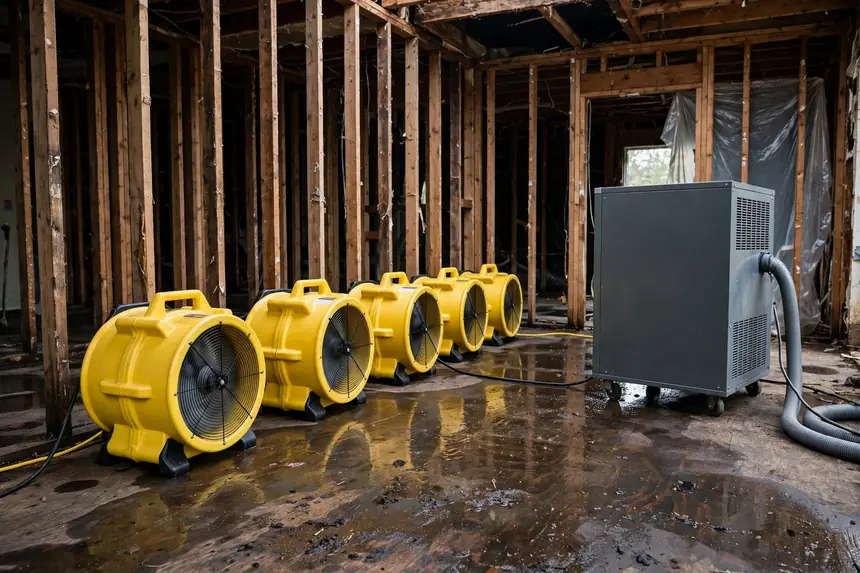
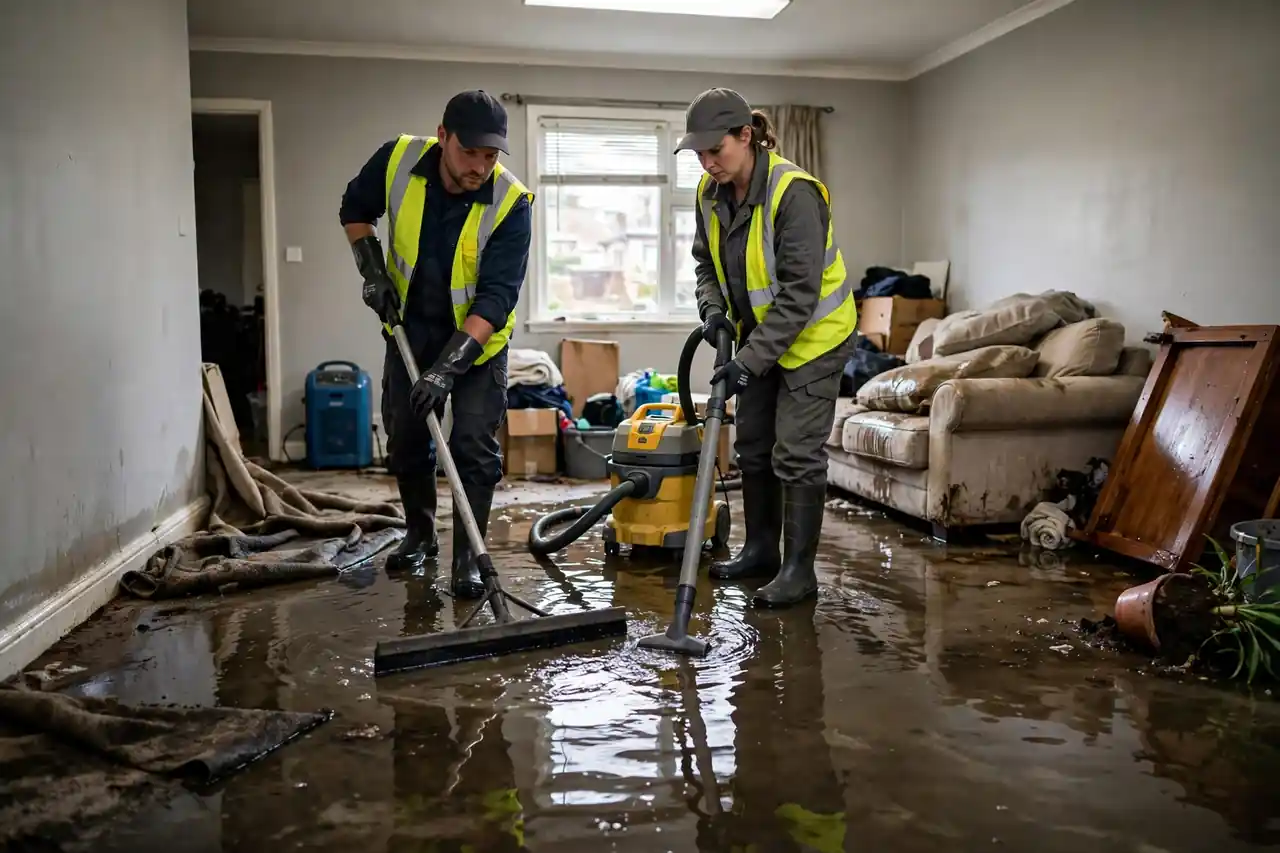
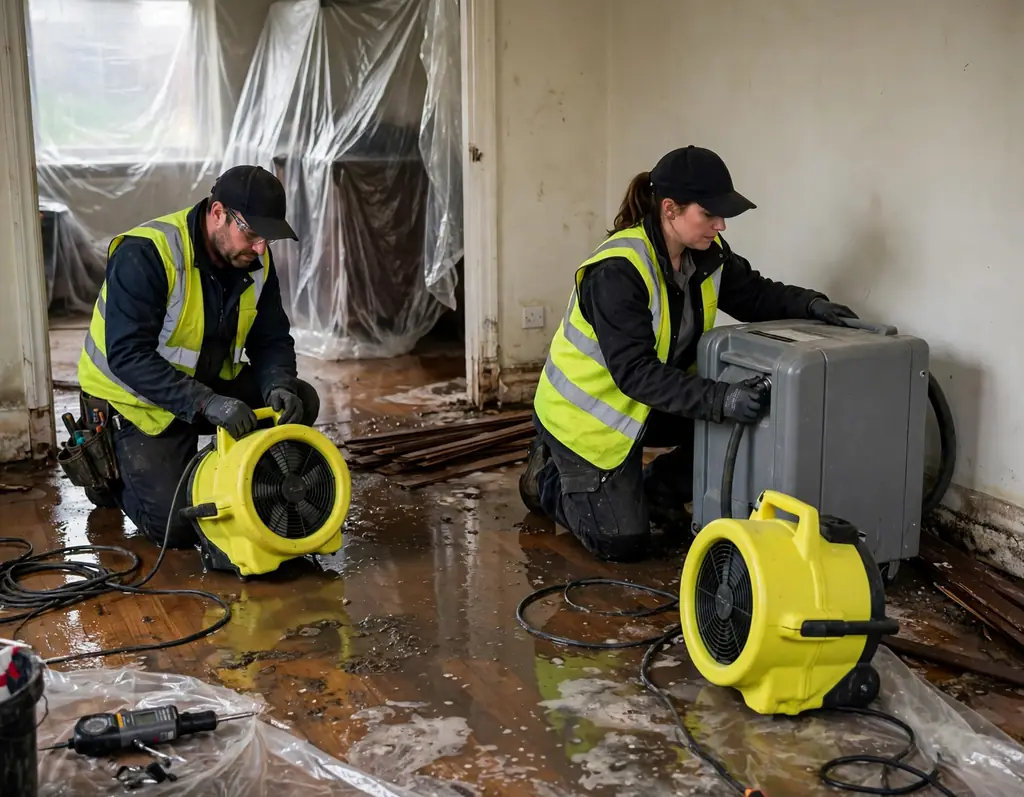
    We isolated the wet work area, extracted water from the floor, and checked the cabinet base, wall edge, and adjoining room. Moisture readings showed which materials needed drying, and we placed air movers with a dehumidifier. We documented the affected boundary and rechecked readings during the drying period. Standing water was removed during the first visit, and follow-up measurements showed a declining moisture pattern across the mapped areas. The homeowner had a room-by-room record for repair coordination.

  • Colony South

    Before

    A roof leak left ceiling water stains and damp drywall in a Colony South home after a period of wet weather.

    After

    We protected the room contents, checked the ceiling and nearby wall for moisture, and traced the interior pattern toward the suspected entry area. After the roof opening was addressed, we dried the affected cavity and recorded readings. Damaged ceiling material was identified for repair once the structure met the drying target. The wet boundary was documented rather than estimated from the stain alone. Drying checks tracked the ceiling area and adjoining wall before finish repairs moved forward.

  • Near Colony park

    Before

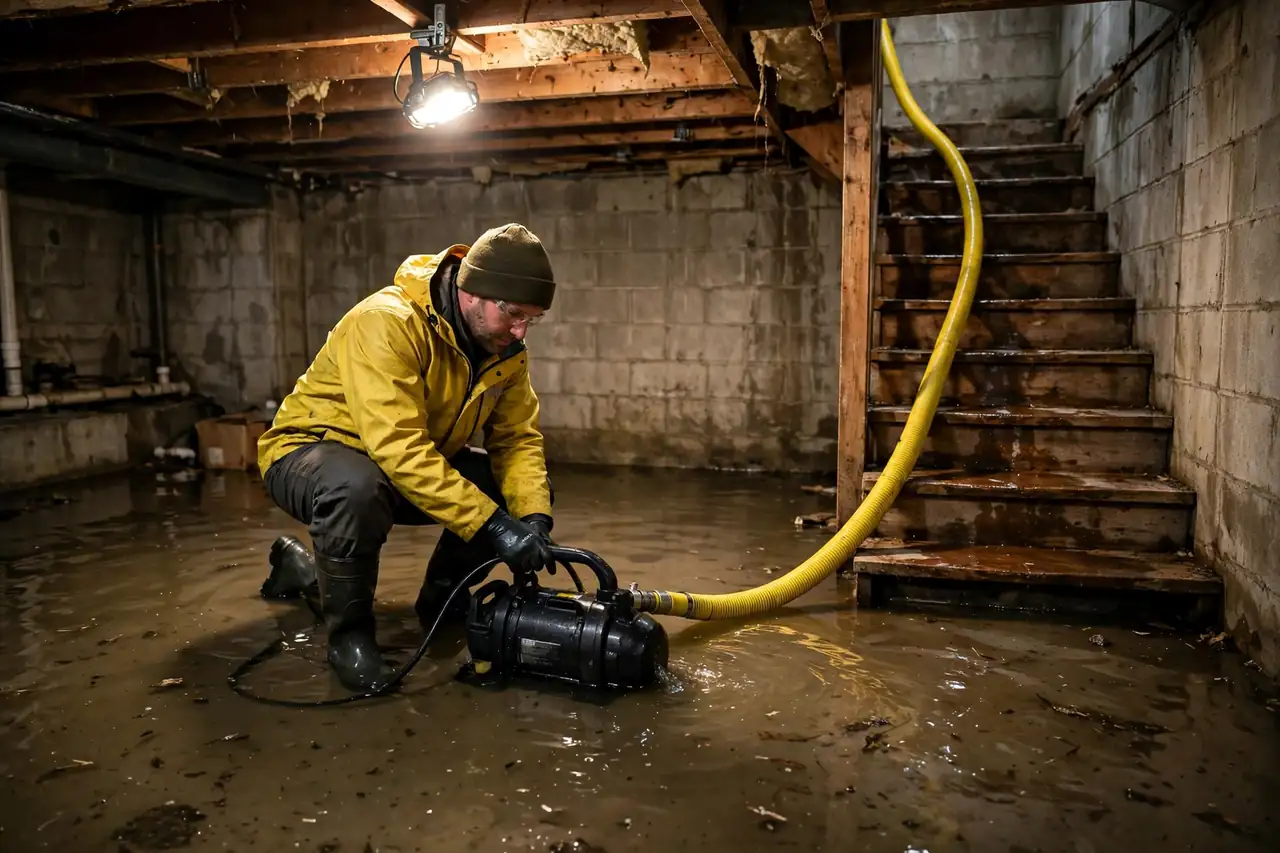
    A sump pump failure left standing water across a lower-level floor and dampened stored household items near the wall.

    After

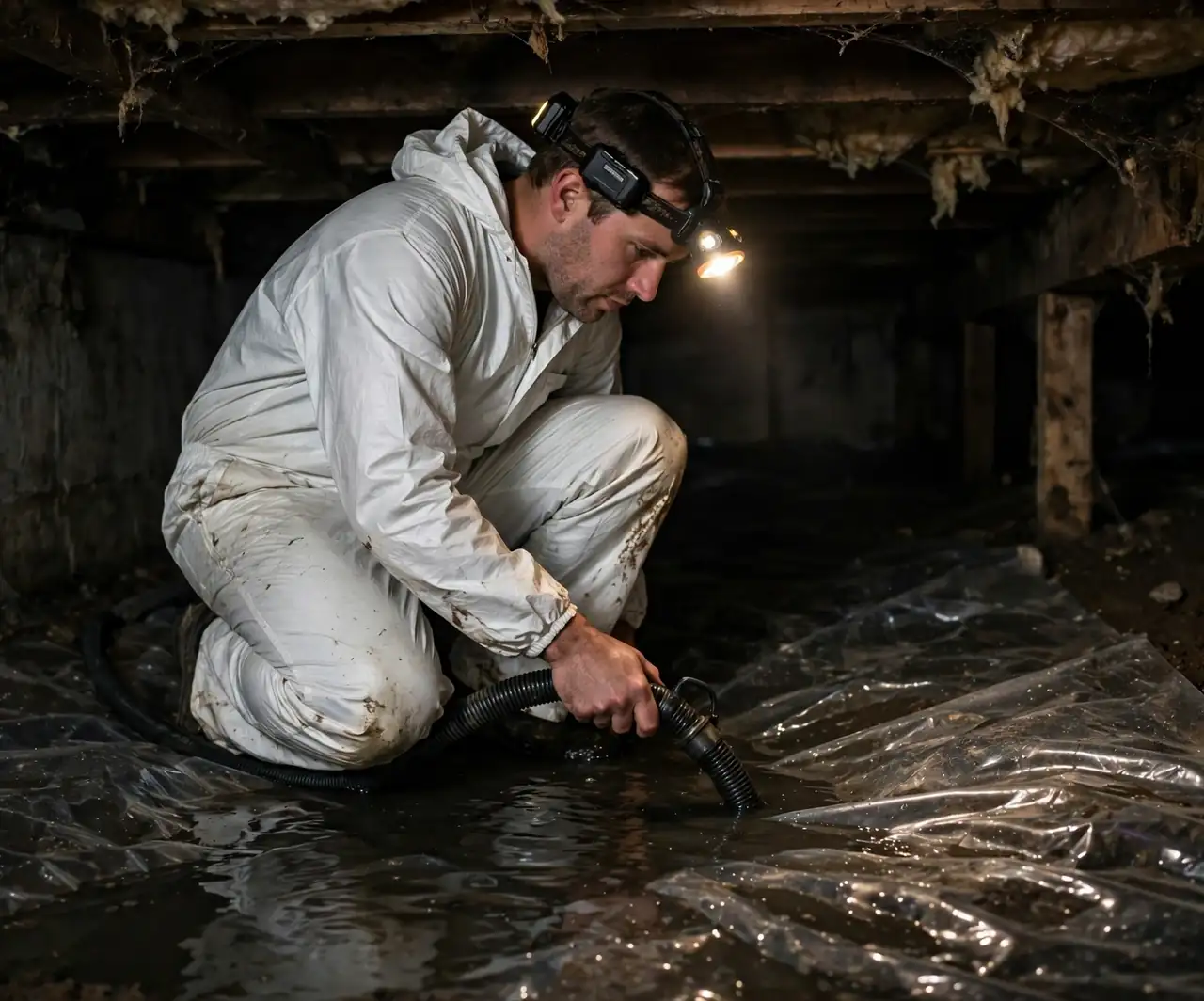
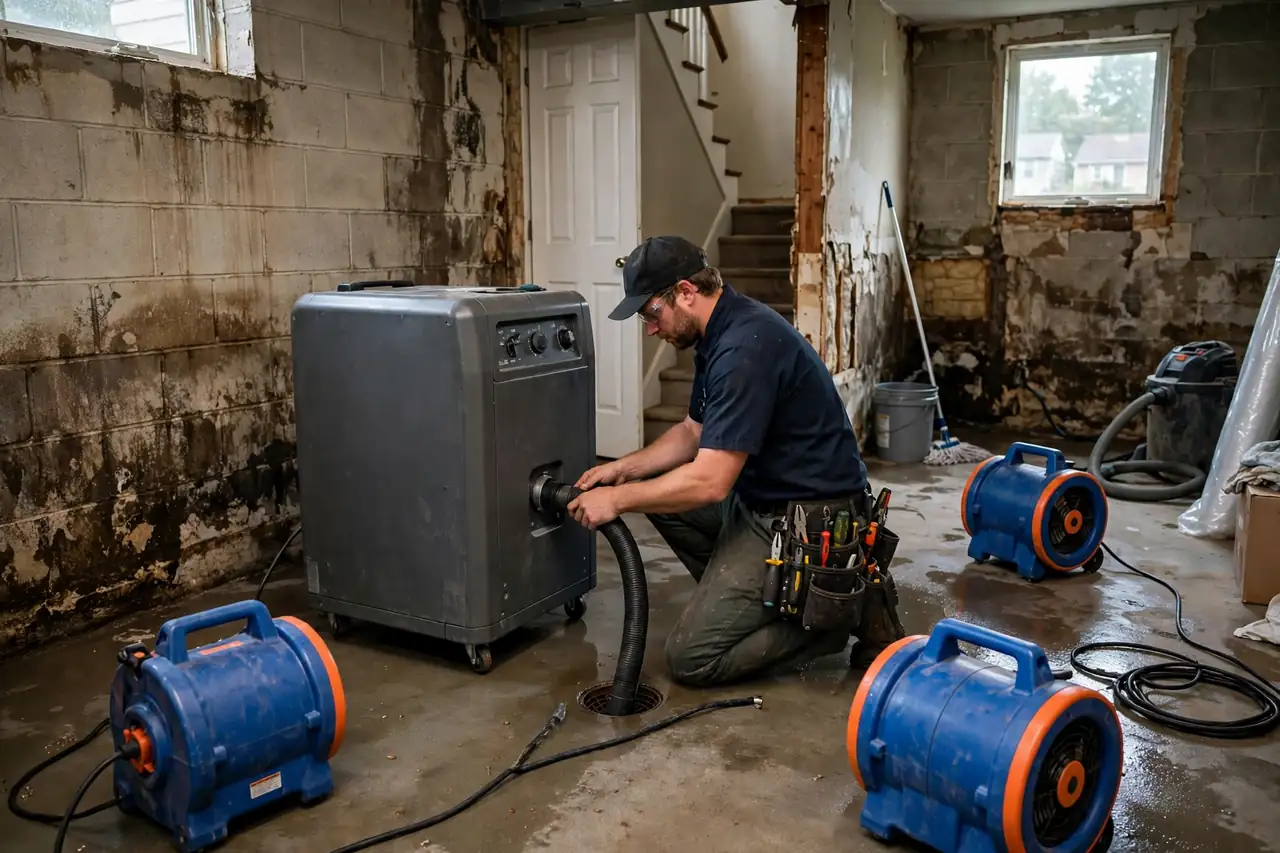
    We removed standing water, separated contents from the wet area, and checked the sump pit and lower wall materials. We inspected the pump system and documented the affected floor perimeter. Drying equipment was positioned to circulate air across the slab while dehumidification reduced moisture in the enclosed space. Water was extracted and the affected floor and wall areas were placed on a measured drying plan. The homeowner received documentation for the pump repair and restoration follow-up.

Seasonal water risks in Colony at Kuna

  • Spring

    Spring runoff and rain put the drainage around a home to the test, and the first sign of trouble is often a damp floor edge after a storm. Clear gutters and downspouts, check that water runs away from the foundation, and inspect ceilings for stains that winter moisture left behind. When irrigation resumes, a zone that sprays the wall or pools near a threshold needs shutting off the same day.

  • Summer

    Summer brings the long irrigation season and the hottest days of the year, and a sprinkler zone that runs for hours can push a surprising amount of water against a foundation. Check zones weekly for broken heads and overspray, keep water off thresholds and low vents, and remember that surface water dries fast in the heat while moisture trapped under flooring does not. A damp patch that survives a hot afternoon deserves a meter reading, not a shrug.
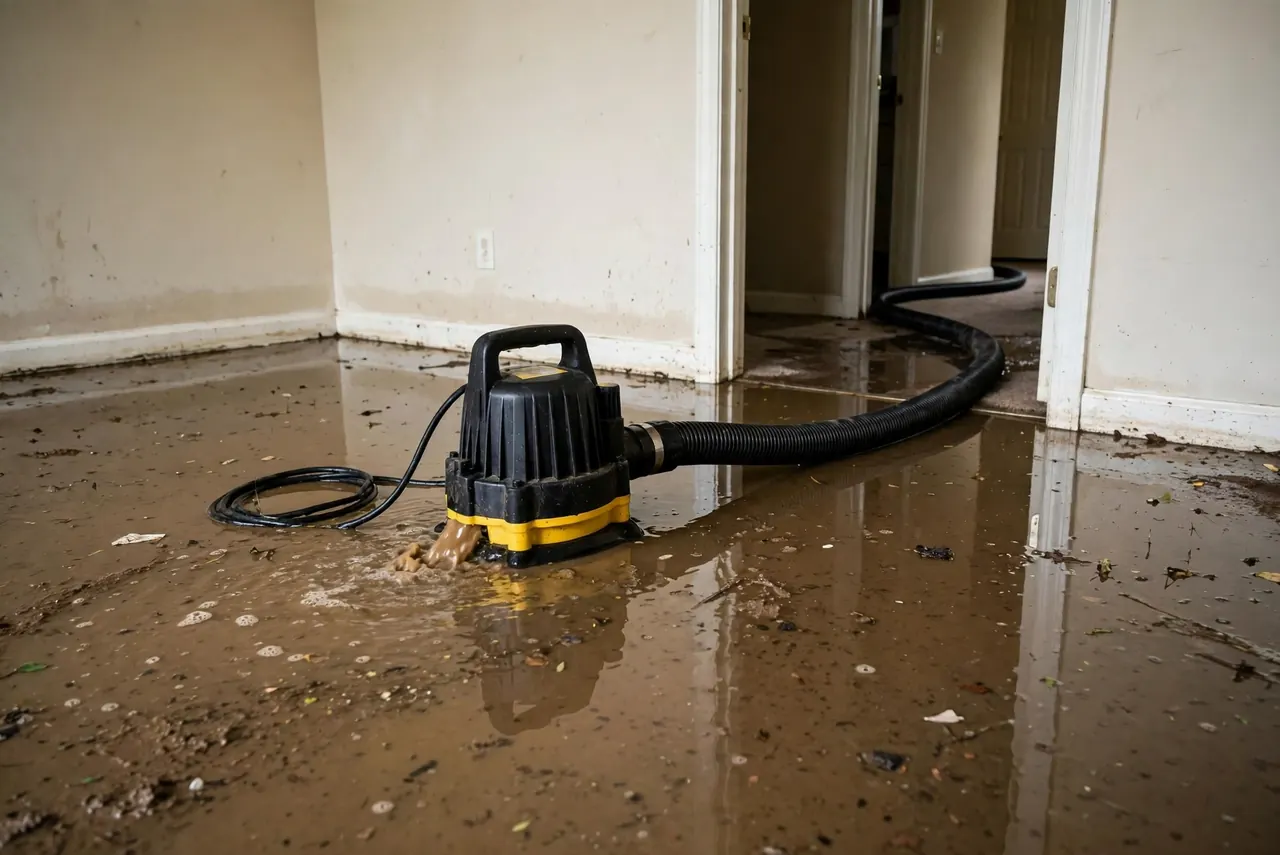
  • Fall

    Before the cold arrives, fall work is mostly prevention: gutters cleared, downspouts running clear of the foundation, roof valleys checked, and the irrigation system drained. Know where the water main shut-off is and that it turns freely, and look at the pipes in the garage and crawl space for exposure. The homes that flood in winter are usually the ones where a small fall job was put off.

  • Winter

    Freezing nights are the biggest winter risk for Kuna homes, because a split pipe can release water for hours while everyone is asleep. Heat the rooms with plumbing, keep garage and crawl-space pipes protected, and check the shut-off works before the cold sets in. When a pipe bursts, the order is fixed: stop the water, stay clear of wet electrics and sagging ceilings, then extract and measure before any drying begins.

Questions to ask before hiring

For emergency water damage repair in Colony at Kuna, ask how the contractor will identify the water source, map hidden moisture, and check drying progress. A clear answer should describe inspection and measurement, not just a promise to bring fans. Ask who handles plumbing or reconstruction if those trades are needed, how contents will be protected, and what records you will receive. You should understand the immediate work, the equipment plan, and what conditions must be met before repairs cover affected materials.

  • How will you find moisture beyond the visible stain?

    A contractor should describe checking adjoining rooms, floor edges, and accessible wall cavities rather than stopping at the obvious damage. Moisture meters and documented comparison readings help show where water traveled. That process reduces the chance of leaving a damp area hidden behind a baseboard or new finish.

  • What happens first if water is still entering my home?

    The source needs to be stopped or isolated before drying can work properly. A good response separates immediate safety and extraction from plumbing, roof, or drainage repairs. You should hear a practical sequence that protects people, reduces ongoing water entry, and avoids placing equipment against an active leak.

  • How will you decide what can be dried or must be removed?

    Material type, water cleanliness, saturation, and access all affect that decision. Ask how the contractor will inspect drywall, insulation, carpet padding, and flooring and document the findings. The answer should connect removal decisions to observed conditions, not a blanket rule for every room.

  • How often will you check the drying equipment?

    Equipment needs readings and adjustments as materials dry. Ask how the team records moisture and humidity, when it will revisit, and what conditions indicate progress. Regular checks help keep an air mover or dehumidifier working toward a measured target instead of running without a clear endpoint.

  • Can you document the damage for my insurance claim?

    Photos, moisture maps, affected-material notes, and equipment records can help you explain the loss to your insurer. Ask what the crew documents and whether the pricing and work steps are explained before authorization. Your insurer makes coverage decisions, but organized restoration records make the claim discussion clearer.
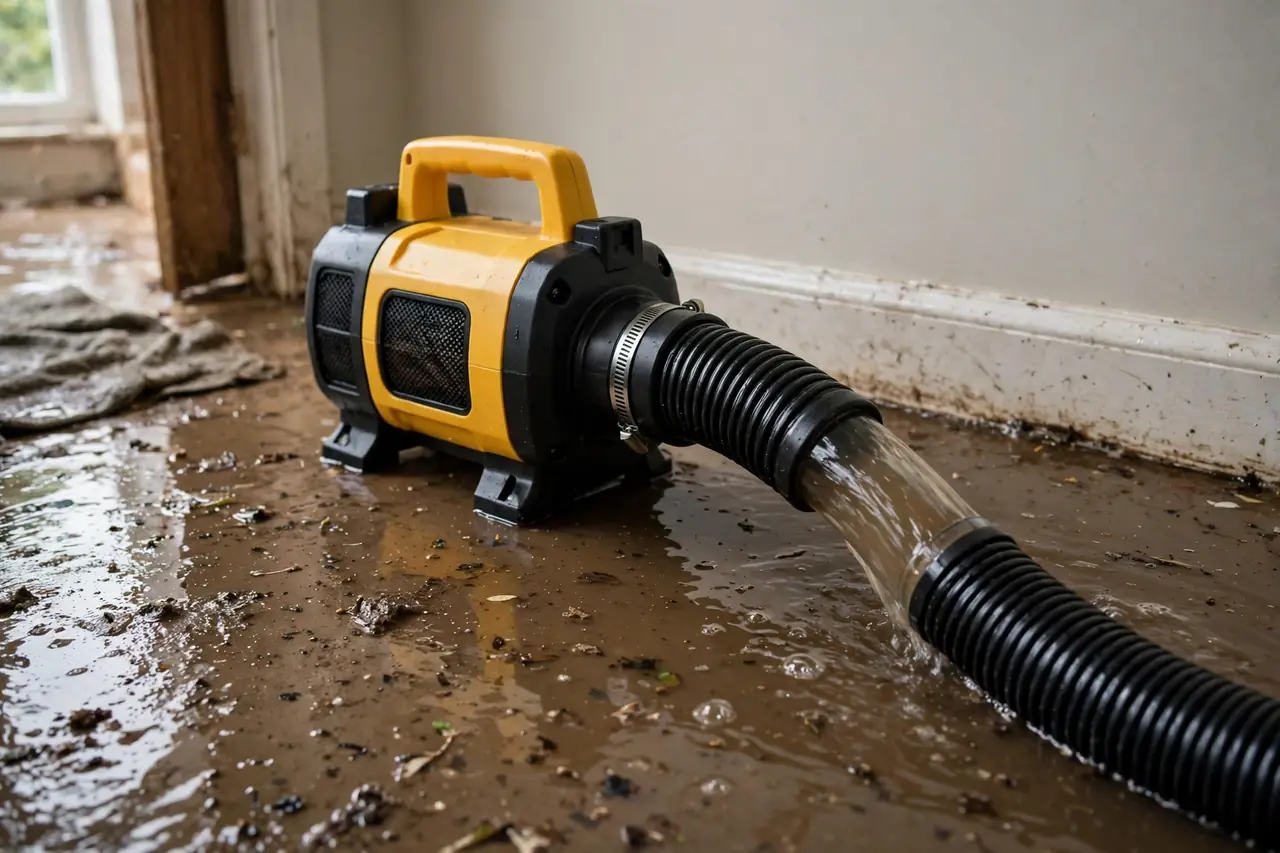
Colony at Kuna water restoration FAQs

Still wondering? (833) 546-4116

Local service team

Call for emergency water damage repair in Colony at Kuna

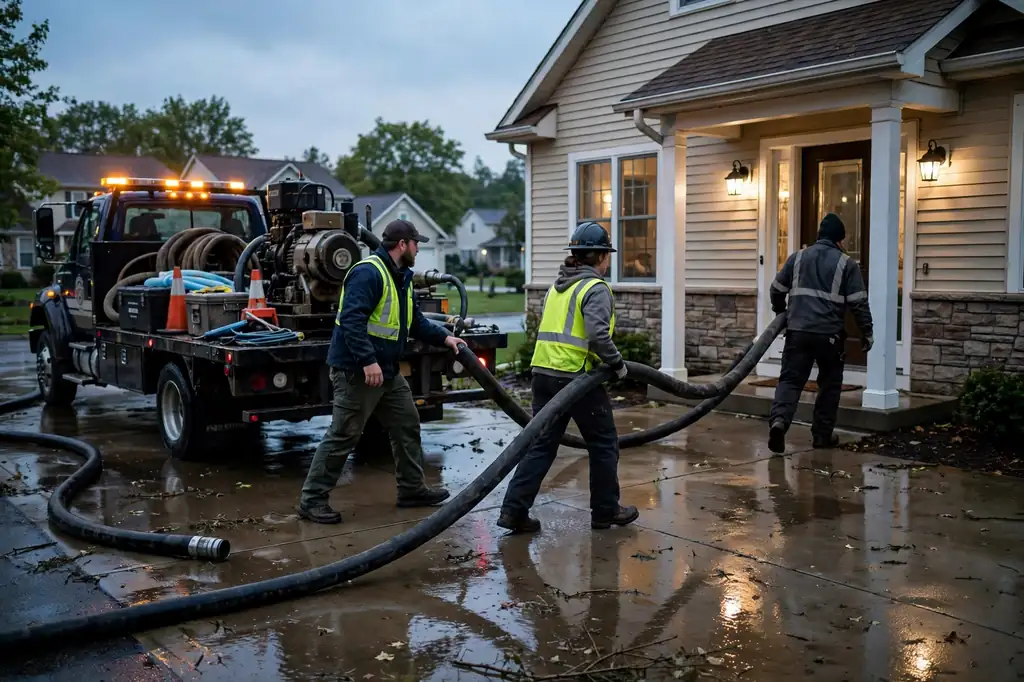
If water is spreading through your Colony at Kuna home, call Kuna water damage restoration at (833) 546-4116. We will ask what happened, where water is visible, and whether the source is still active, then arrange the next safe response. Our team serves the planned community around Colony North and Colony South and documents the affected area with moisture readings. Call now to start water removal and inspection.
Contact the Kuna Team

Call (833) 546-4116 when water reaches your home or business in Kuna, Idaho. Tell us whether the source is still active, which rooms are affected, and when the damage began; that helps direct the next steps. Calls are accepted at any hour for emergency inquiries, and service coverage includes Kuna, ID, with ZIP codes 83634 and 83642.
Thanks. Your request is in and the team will follow up shortly.