Emergency Water Damage Repair in Avalon for Sudden Leaks

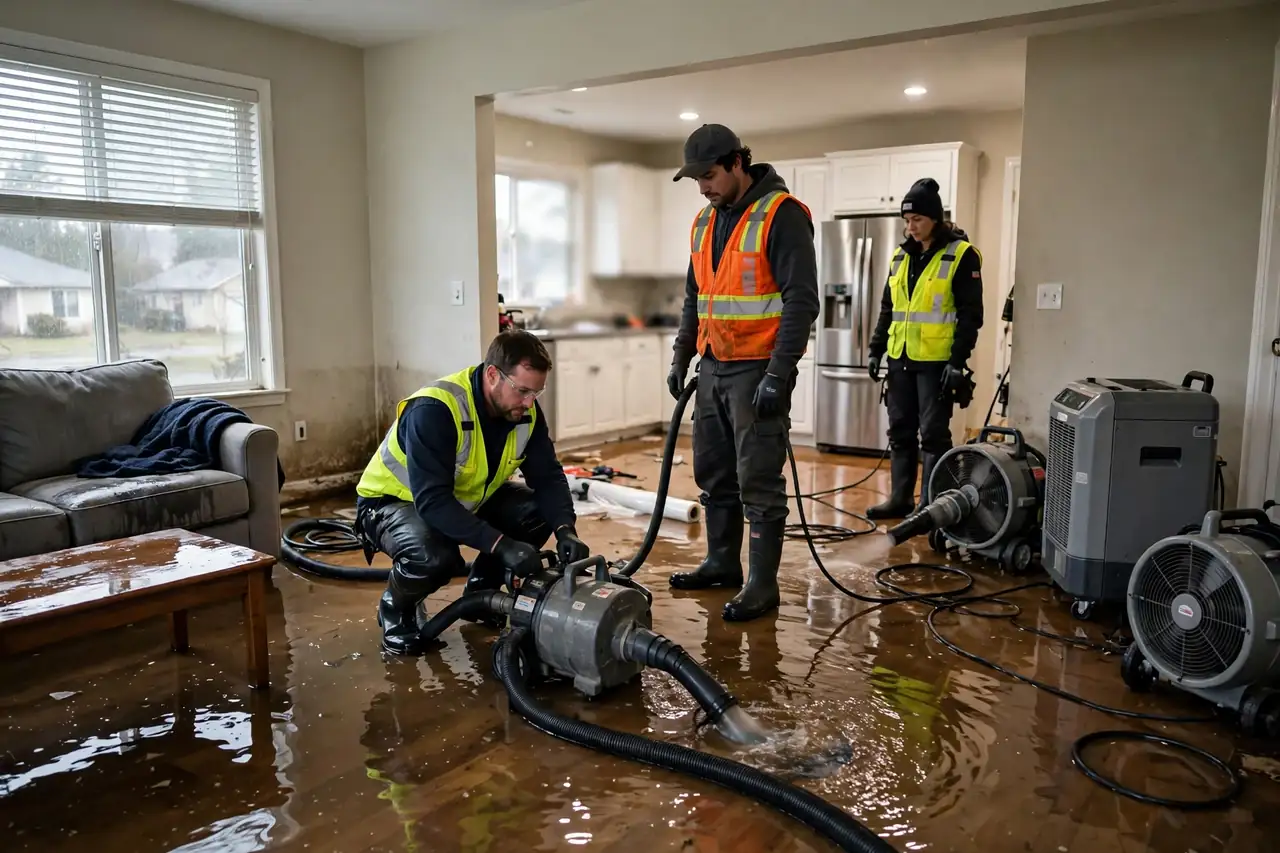
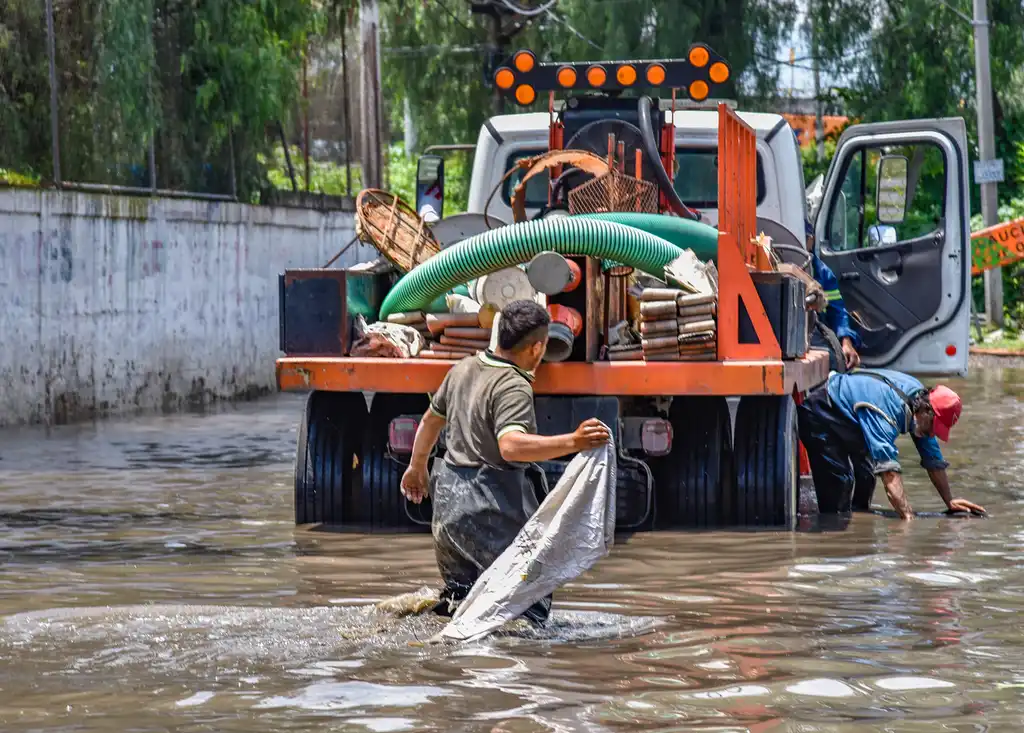
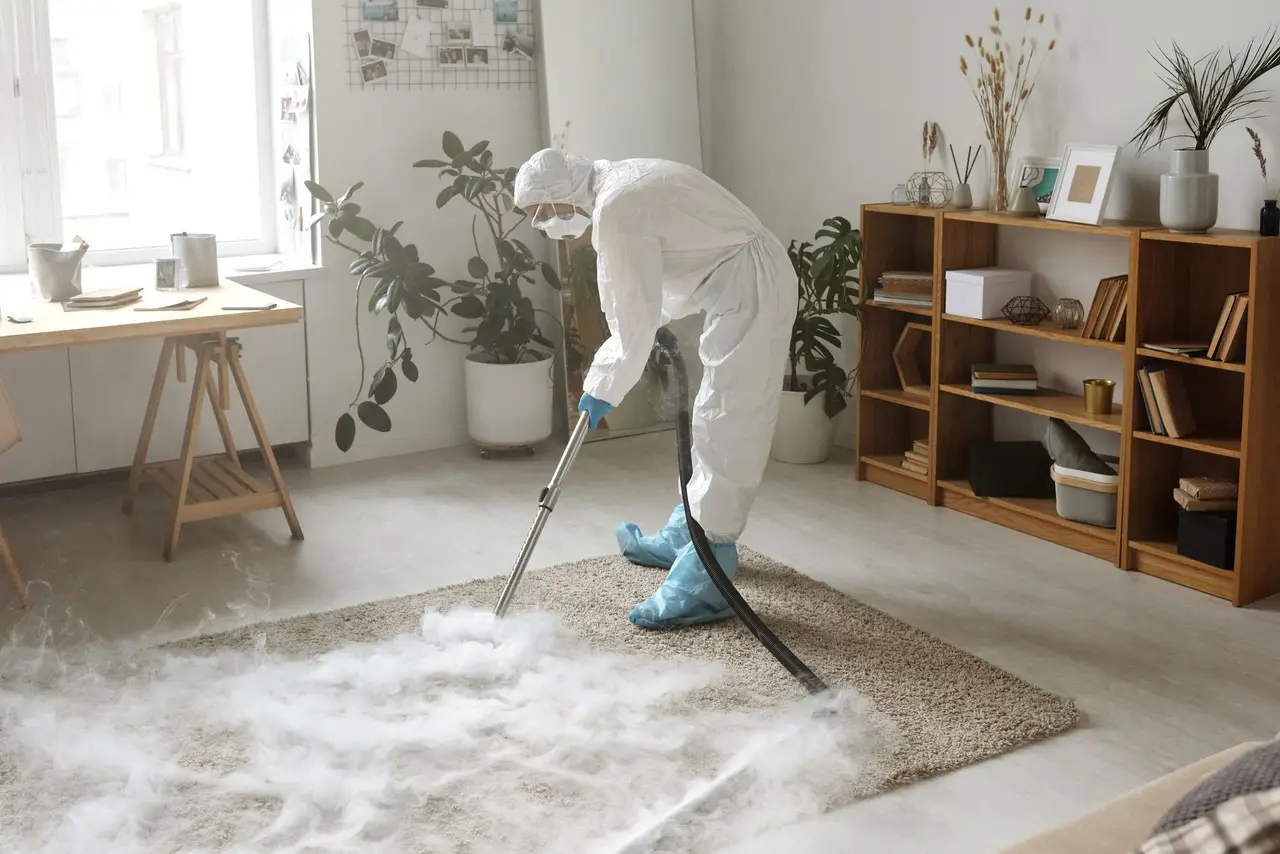
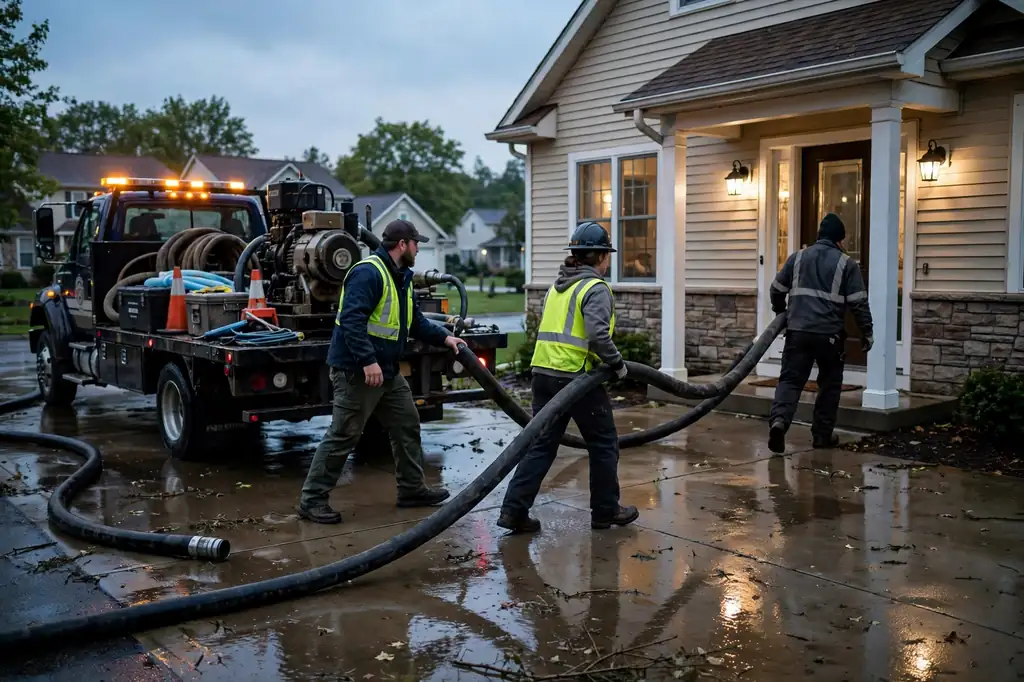
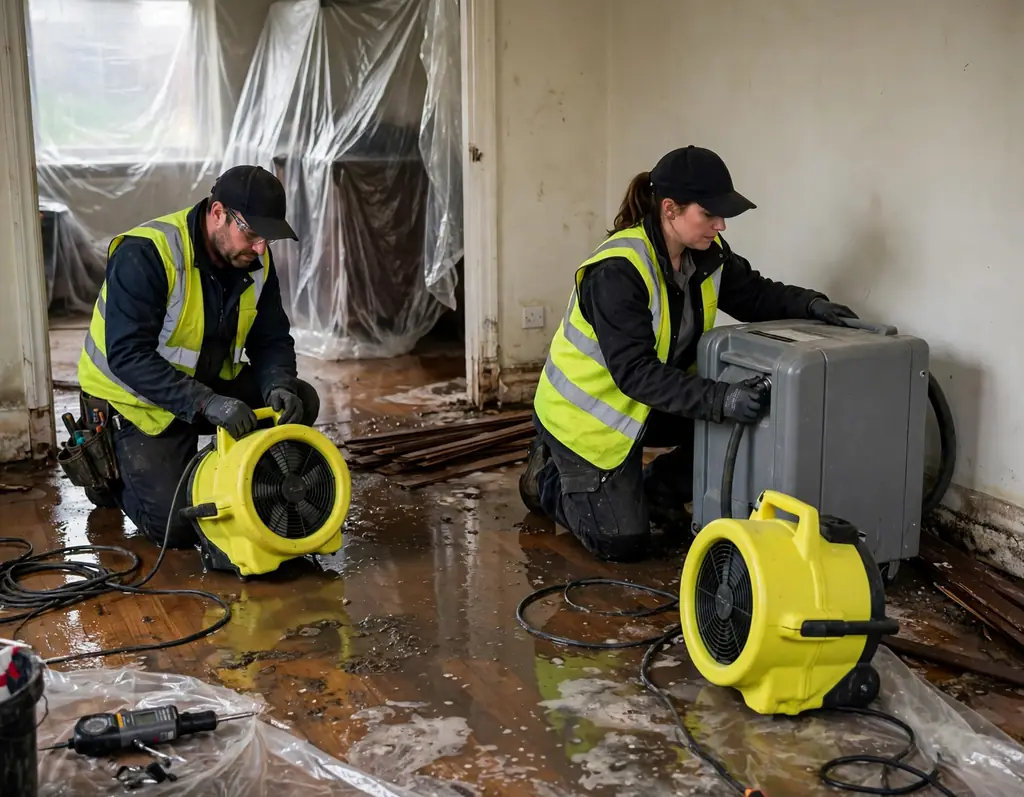
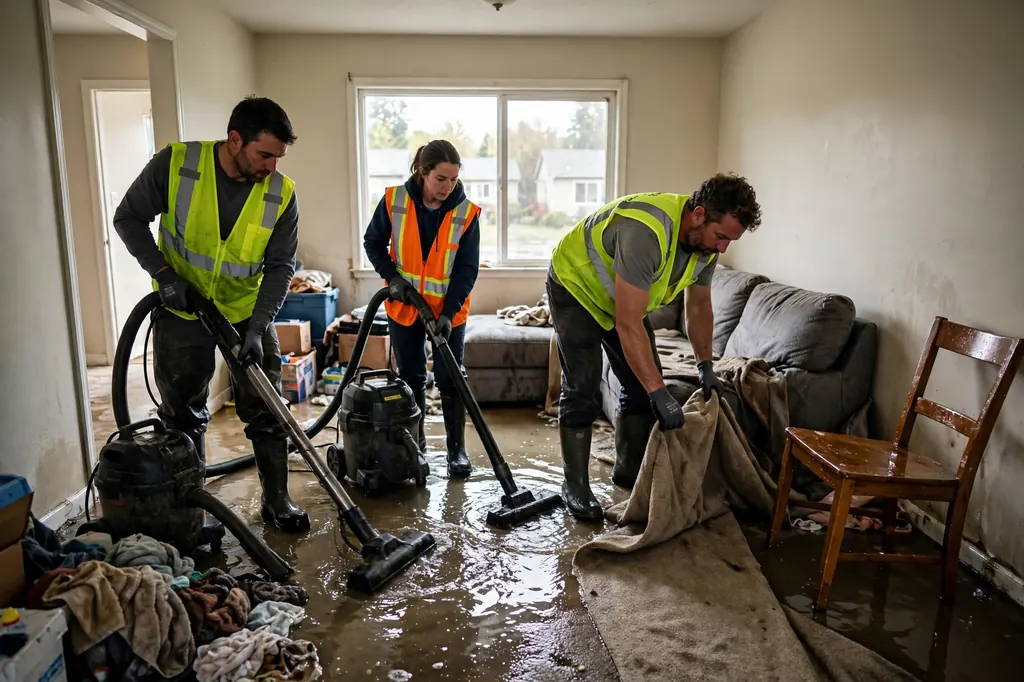
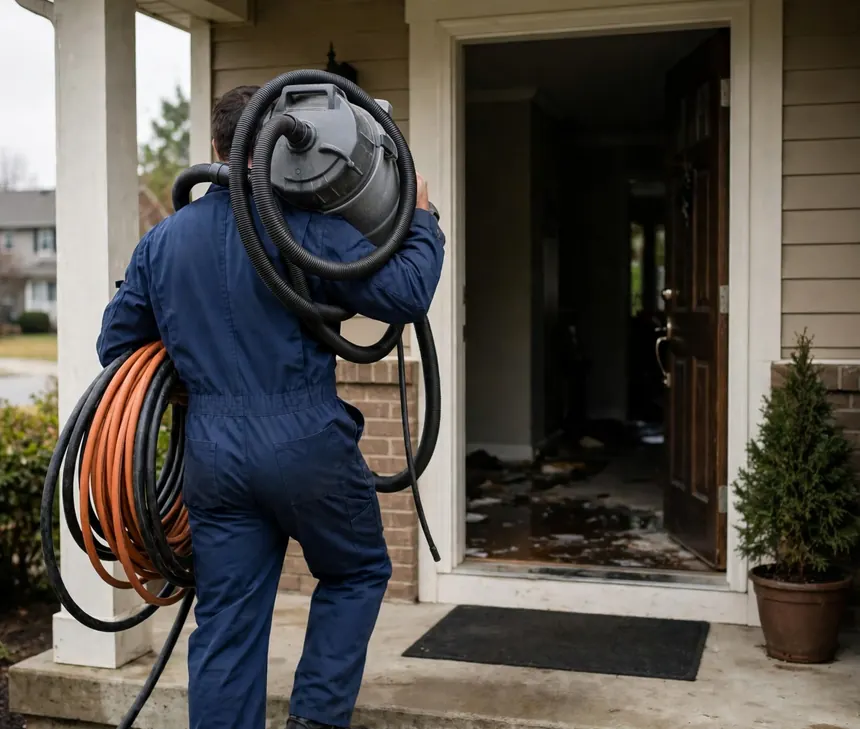
When a pipe bursts or water spreads across your floor, emergency water damage repair in Avalon starts with stopping the source and removing standing water. Kuna water damage restoration handles Avalon emergency water damage repair with extraction, moisture checks, and a drying plan for the affected rooms. We serve Avalon East and Avalon West, including homes near Avalon Park, and explain the next steps before equipment is placed.

emergency water damage repair in Avalon

Serving Avalon and Kuna

  • Readings RecordedMoisture checks guide drying decisions
  • Work Area ProtectedContents moved away from wet surfaces
  • Steps ExplainedYou hear what happens next
  • Equipment CheckedAirflow placement reviewed during work

Emergency water damage repair in Avalon, Done Locally

Avalon is a newer subdivision of family homes with HOA landscaping and pressurised irrigation, and the most common water call here is not a burst pipe but a sprinkler problem: a broken head or a zone valve that sends water toward an entry or an exterior wall for a whole irrigation cycle before anyone notices the floor inside is damp.

We start by finding out whether the irrigation is still running and shutting that zone down, then we separate the outdoor cause from the wet interior floor. Moisture readings at the threshold, the floor edge, and the baseboards show how far the water travelled, and extraction comes before any drying, because drying a floor while the zone is still running only repeats the loss.

Pressurised irrigation runs roughly from mid-April to mid-October across Treasure Valley subdivisions, fed by canals such as the New York Canal from the Boise River. A single failed zone valve in that long season can wet several homes' edges, so the timing of the wet patch — whether it grows after watering — is one of the most useful things to tell us when you call.
Avalon Water Damage Services and Response

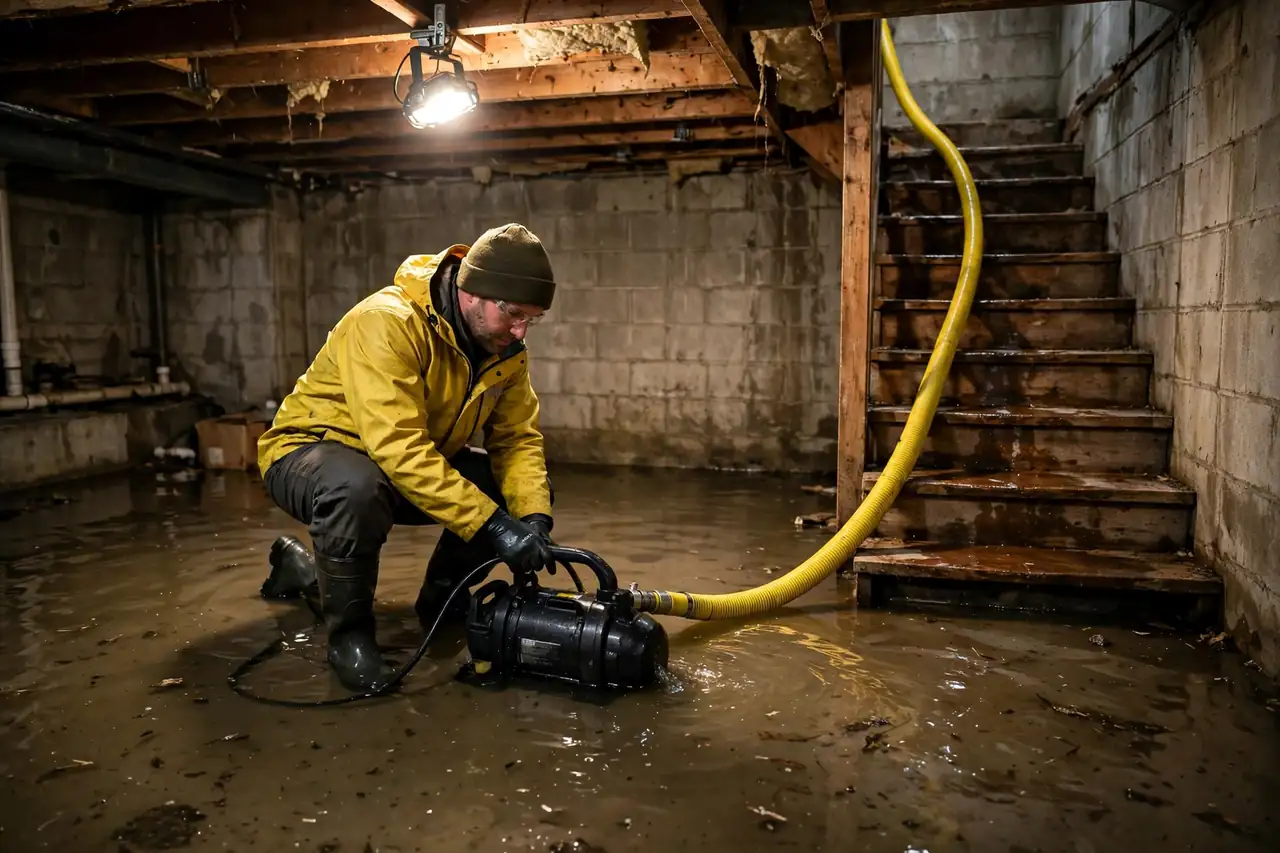
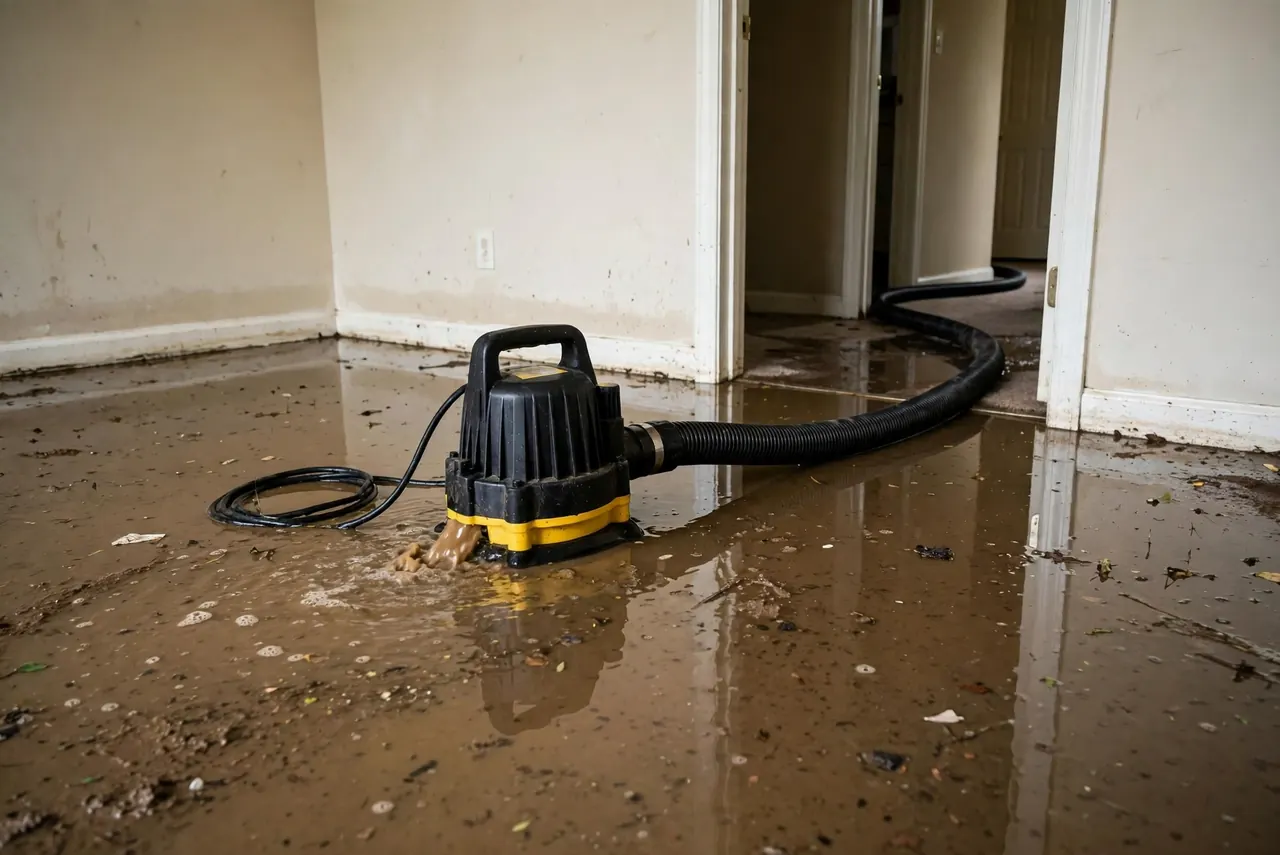
Avalon homes need a response that separates a clean supply-line leak from contaminated water or rain intrusion before cleanup begins. We handle emergency water damage repair near Avalon with source control, extraction, drying, and repair coordination for the rooms involved. If water is standing in a lower level, our team can assess emergency water extraction near Avalon ID and determine which materials need immediate removal. Call with the location of the water and whether the source is still active; that helps us bring the right equipment.

How Avalon Water Services Work

Emergency restoration in Avalon

Emergency restoration in Avalon

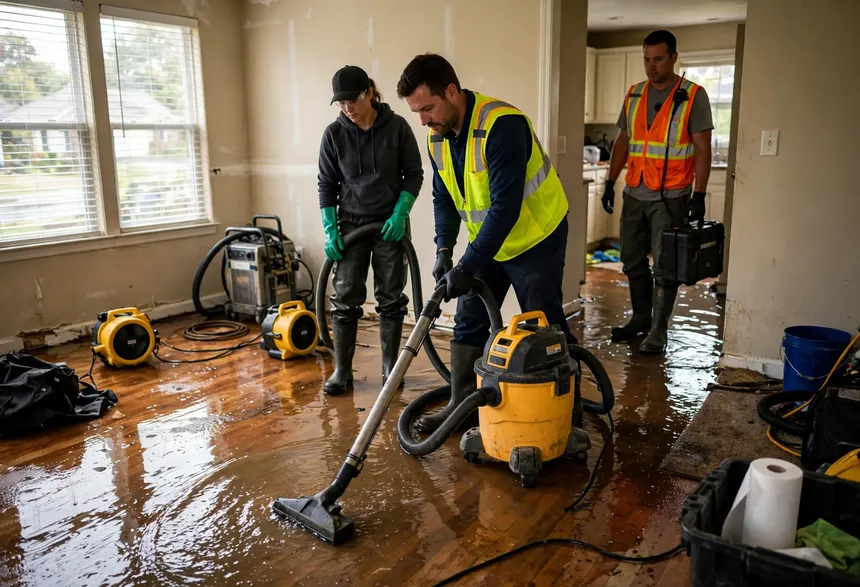
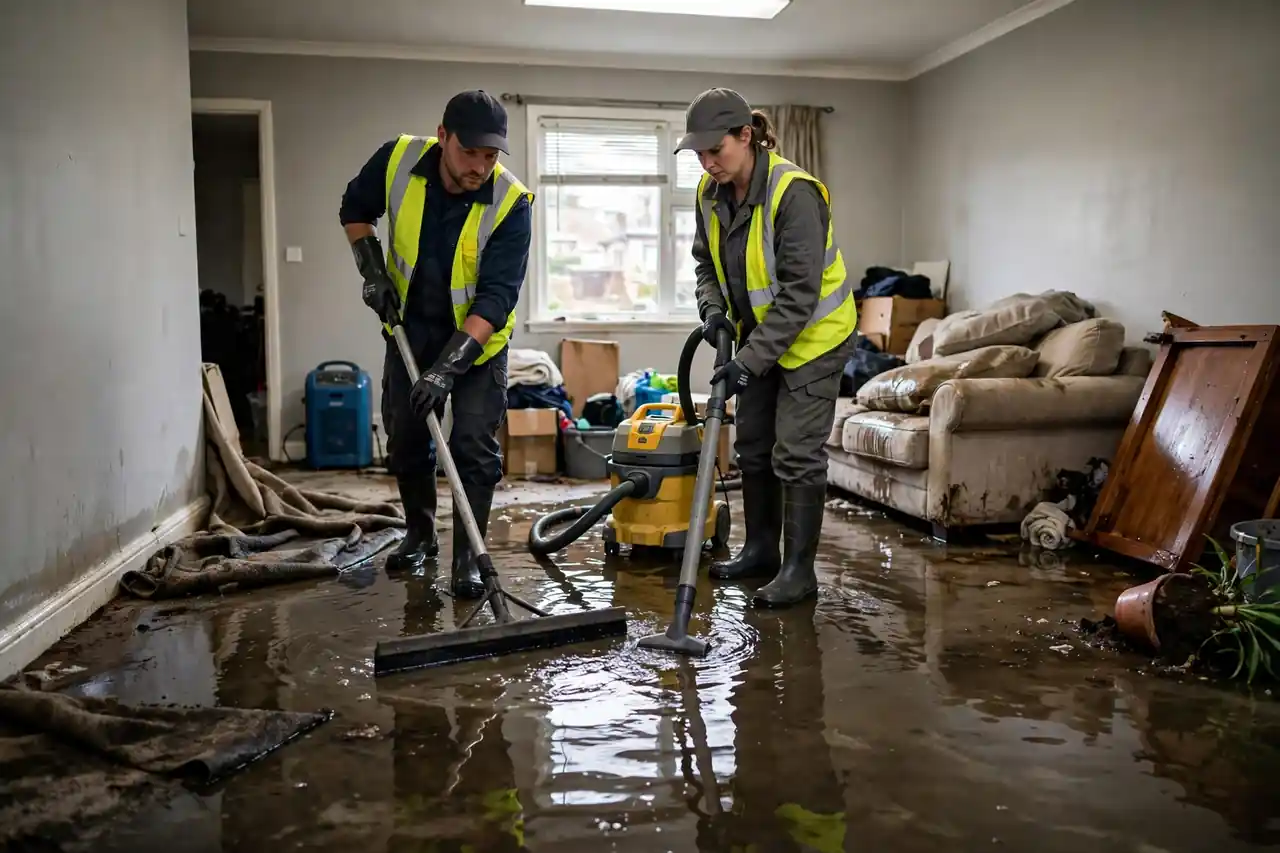
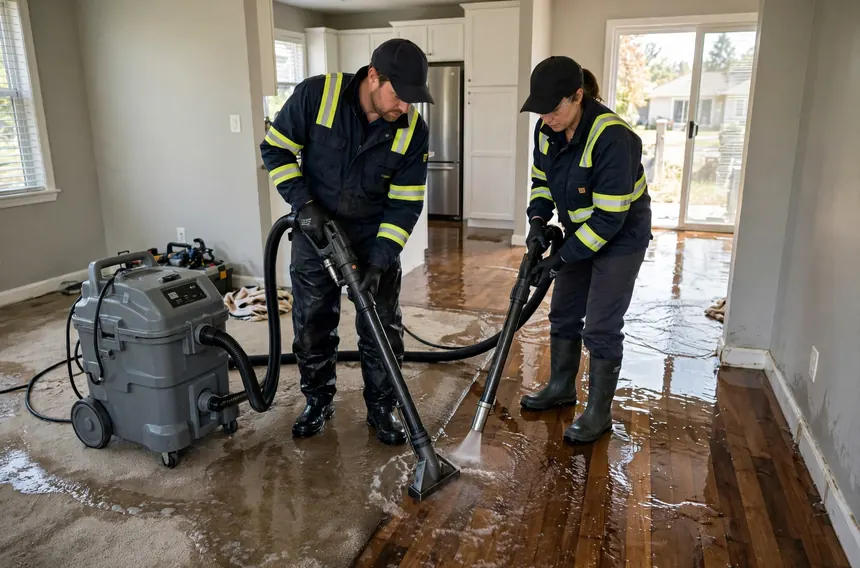
We locate the active source, protect unaffected rooms, and remove standing water from Avalon homes. Moisture checks around flooring and baseboards show how far water traveled. We explain which areas need drying and what comes next.

  • Source and safety check
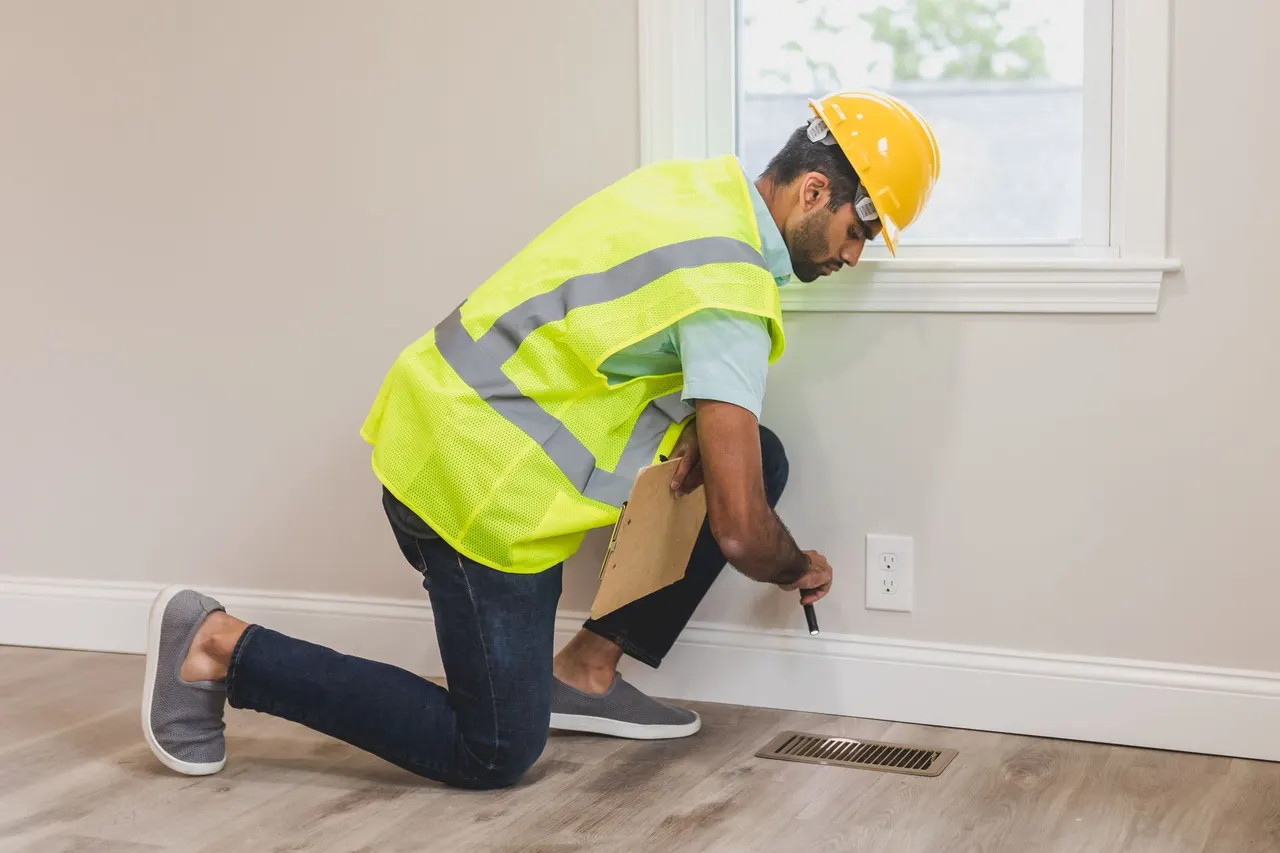
  • Room-by-room moisture readings
  • Drying plan explained
For Avalon Homes

For Avalon Homes

We help Avalon homeowners manage leaks, flooding, and wet building materials with a clear extraction and drying sequence. We check affected rooms and protect household access while work proceeds.

  • Family homes
  • Newer subdivision finishes
  • Lower-level water
  • Sprinkler-related entry
For Local Properties

For Local Properties

We assess water losses in Avalon properties by locating the source, documenting affected materials, and organizing extraction around access needs. We keep the work area clear for occupants.

  • Small offices
  • Community facilities
  • Retail interiors
  • Managed properties

Common Avalon Water Damage Problems

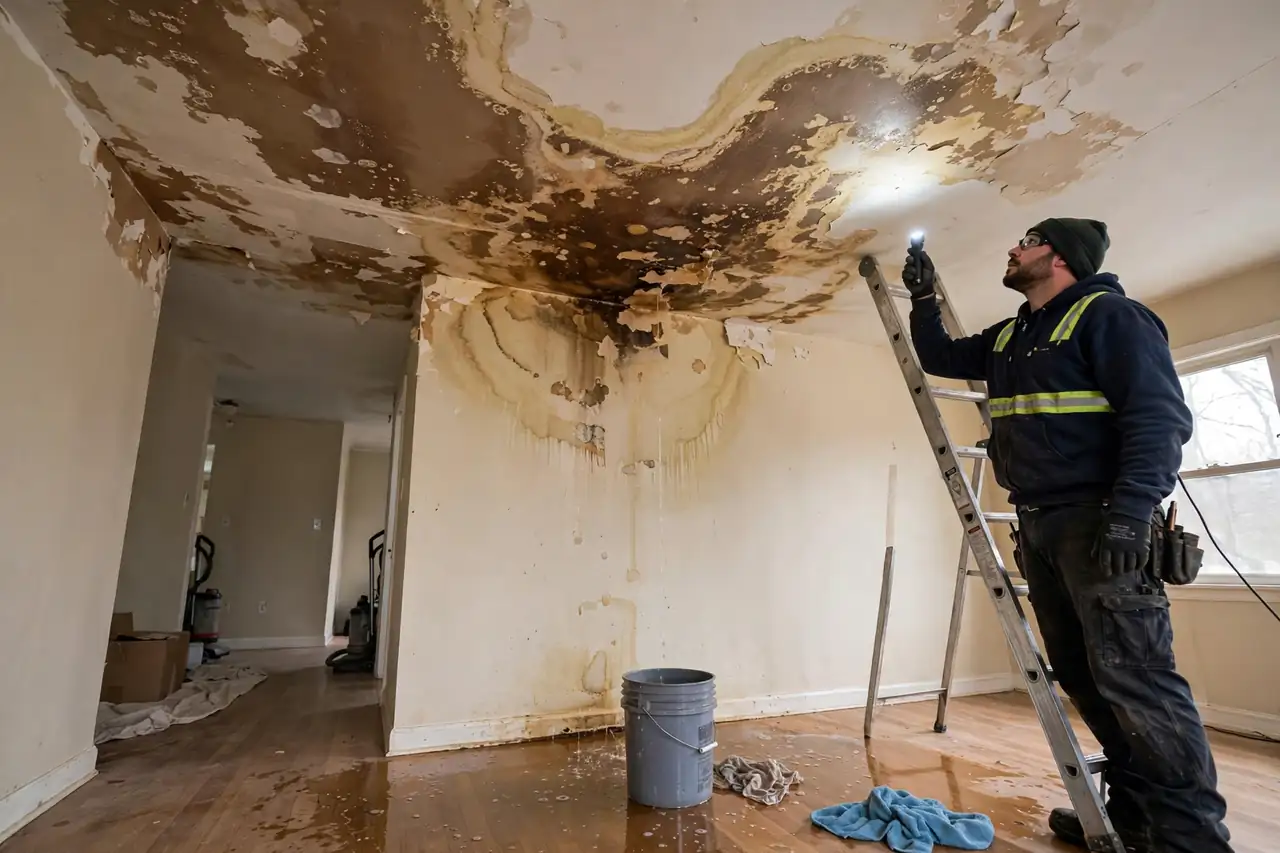
Avalon's finished interiors hide leaks well, so these are the four patterns to watch for: a frozen supply line, a sprinkler leak at the entry, a roof leak that stains a ceiling, and a pump or drainage failure at the lowest point of the home.

  • Sprinkler and Irrigation Water Reaches the House

    Sprinkler and Irrigation Water Reaches the House

    A sprinkler line that breaks during an irrigation cycle can deliver a surprising amount of water toward a home in Avalon. The tell is timing: the wet area appears or grows after watering, and the entry point is usually a threshold, a low vent, or a foundation edge. We confirm the source, stop the zone, and map how far the water travelled under flooring before setting air movers, so the drying plan matches the real wet area rather than the visible one.

  • Poor Drainage Sends Runoff Toward the Foundation

    Poor Drainage Sends Runoff Toward the Foundation

    When gutters overflow, downspouts discharge beside the house, or the ground slopes toward the foundation, rain and irrigation water collect where it can seep in at the base of the walls. In Avalon, the fix starts with seeing where the water actually travels during rain — not guessing from the damp patch inside. We extract and dry the interior first, then note the drainage cause, because drying a room without addressing the water path means the same wall will be wet again after the next storm.

  • Garage and Utility Spaces Hide Slow Leaks

    Garage and Utility Spaces Hide Slow Leaks

    A garage in Avalon is easy to ignore until a water heater, a softener, or a laundry hose fails and the floor stays wet under boxes and tools. We move what can be saved, extract the water, and take readings in the concrete and the wall bases that meet it, since moisture travels through both. Drying a garage takes longer than a living room because of the concrete, so we set equipment from the readings and re-check before the space is loaded up again.

  • Hardwood Floors Cup and Buckle After Water Exposure

    Hardwood Floors Cup and Buckle After Water Exposure

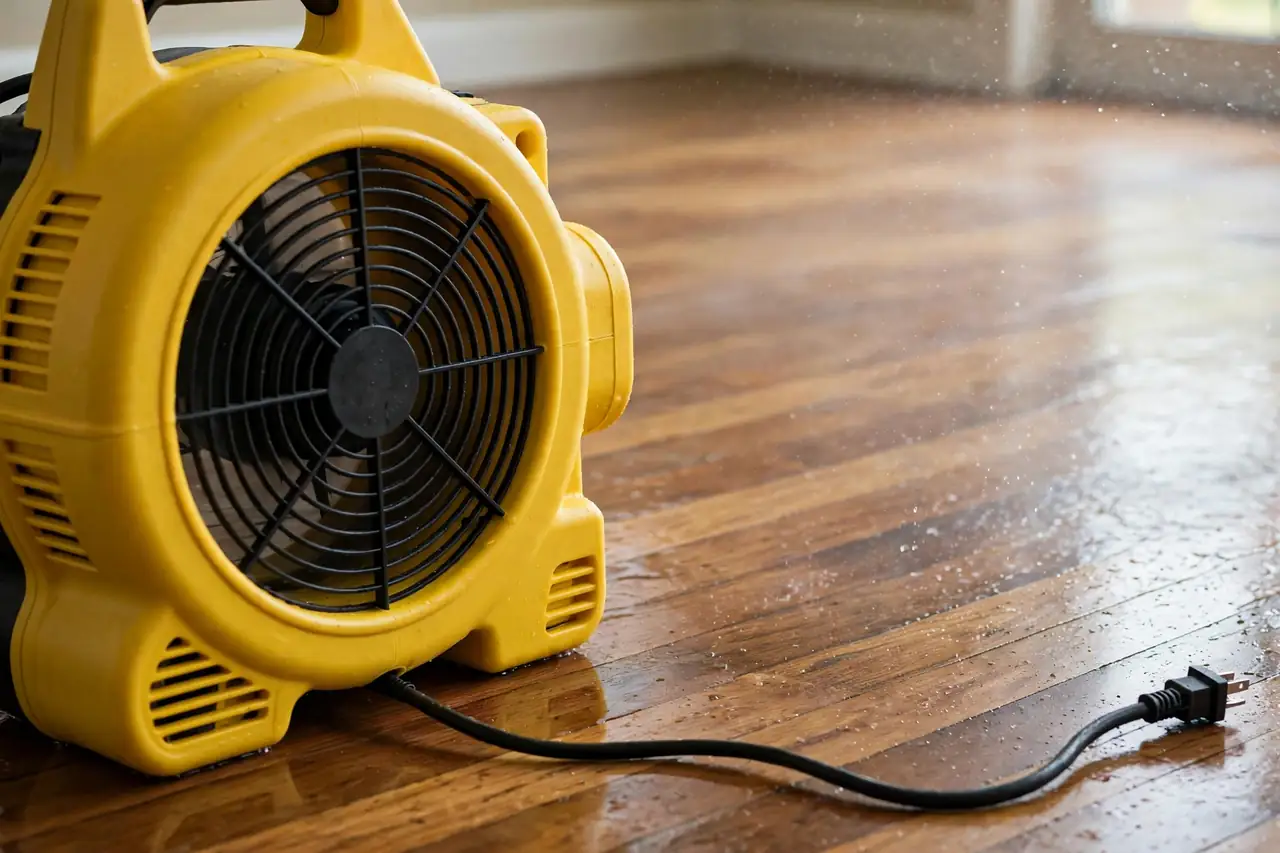
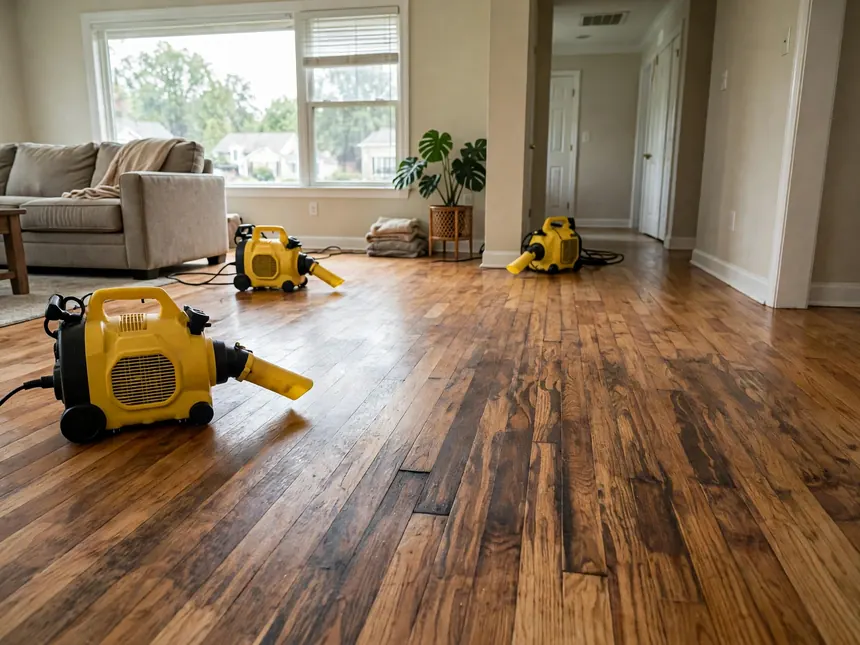
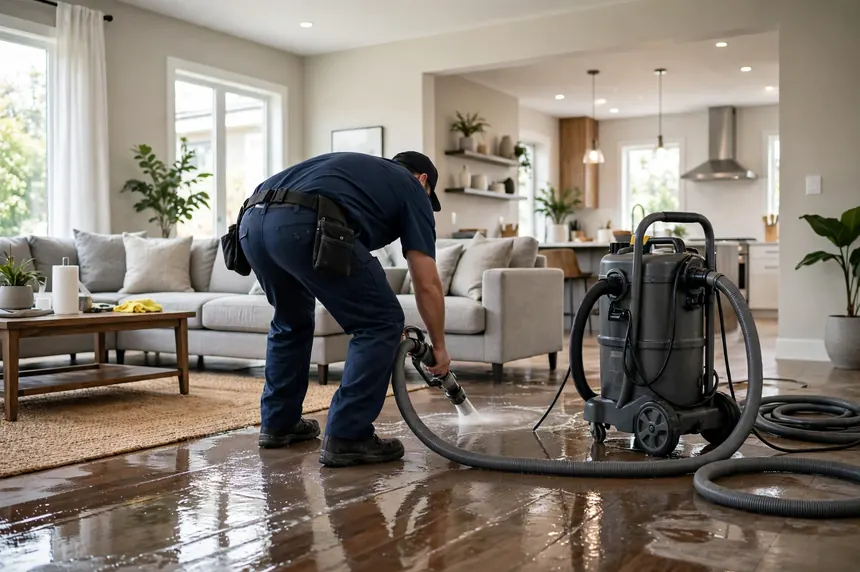
    Hardwood does not forgive standing water: boards cup, gaps open, and the finish lifts, and the damage keeps growing while moisture sits in the subfloor. In Avalon, the first hours matter — we extract surface water, then measure the boards and the subfloor to see whether drying can save the floor or whether boards must come up. Fans alone rarely do it; the drying plan has to pull moisture from under the floor, and we re-check with a meter before calling the floor dry.

When to Call for Avalon Water Damage Help

Call when water spreads, flooring stays wet, a ceiling stain grows, or a sump system stops working.

  • Water continues spreading after the leak stops

    Water can keep moving under flooring or behind baseboards after the visible source is shut off. If the wet edge is growing, keep people away from electrical hazards and call for extraction. We trace the path into adjoining rooms and measure the affected materials before drying.

  • Carpet feels wet underfoot beyond the spill

    Moisture can remain in carpet padding after the surface has been blotted. A damp area that extends past the visible spill needs extraction and assessment, especially if the water came from an appliance or plumbing line. The water source and exposure time determine whether padding can be dried or must be removed.

  • Ceiling stain grows or begins to sag

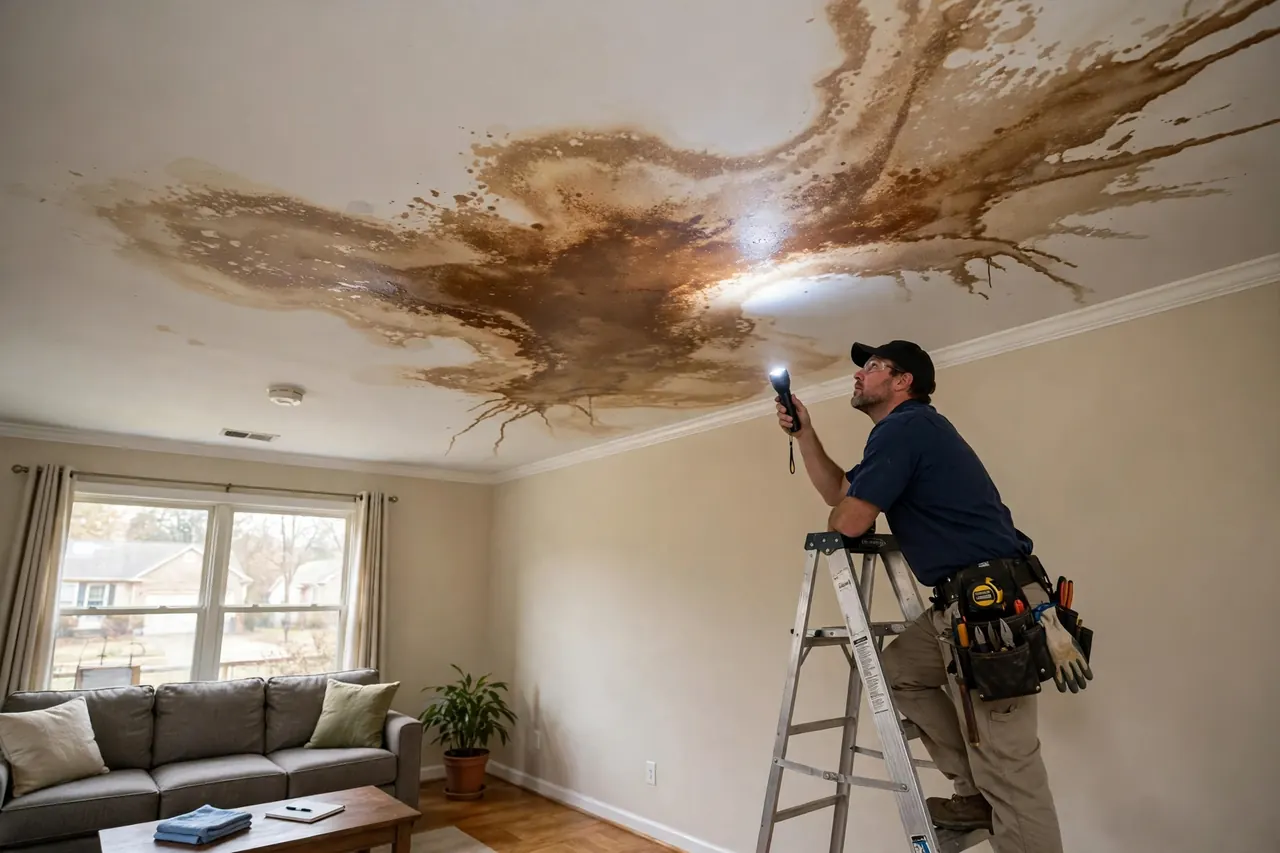
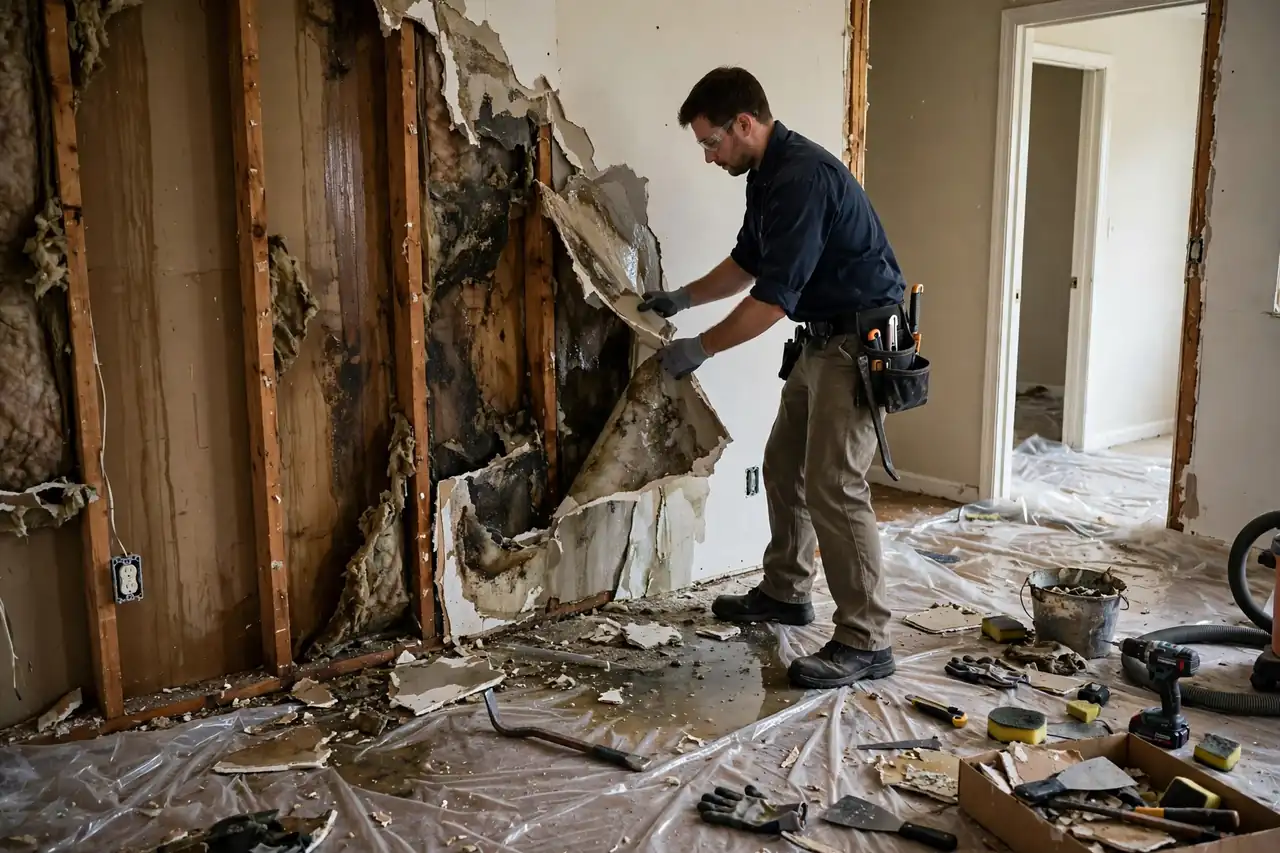
    A growing stain suggests water is accumulating above the ceiling finish. A sagging area can release water or material without warning, so keep clear and avoid puncturing it. We locate the likely entry path, assess insulation and framing, and control the leak before repairs conceal the damage.

  • Musty odor develops after a plumbing leak

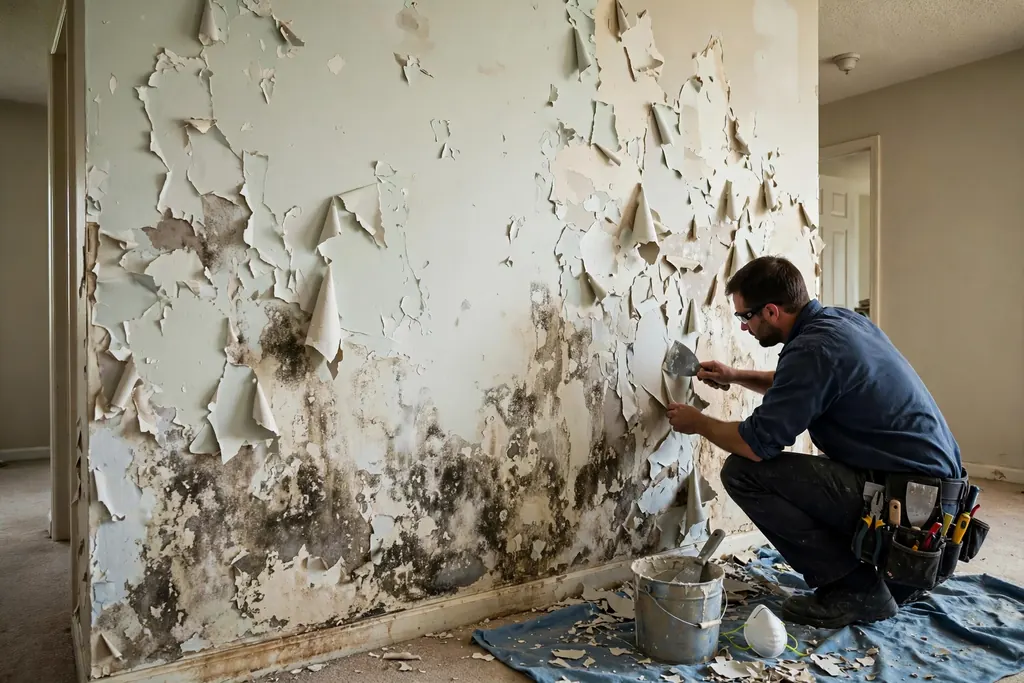
    A persistent musty smell can indicate damp porous material that was missed during surface cleanup. Check nearby closets, cabinets, and baseboards for discoloration or swelling. We use moisture readings to locate remaining wet areas and determine whether cleaning, drying, or material removal is needed.

  • Sump pump stops while water rises

    A failed pump can allow water to accumulate in a lower level or crawl space. Do not enter standing water where electrical equipment may be energized. Call for safe water removal and have the pump and discharge path assessed before the next wet-weather event.

How We Handle Avalon Water Emergencies

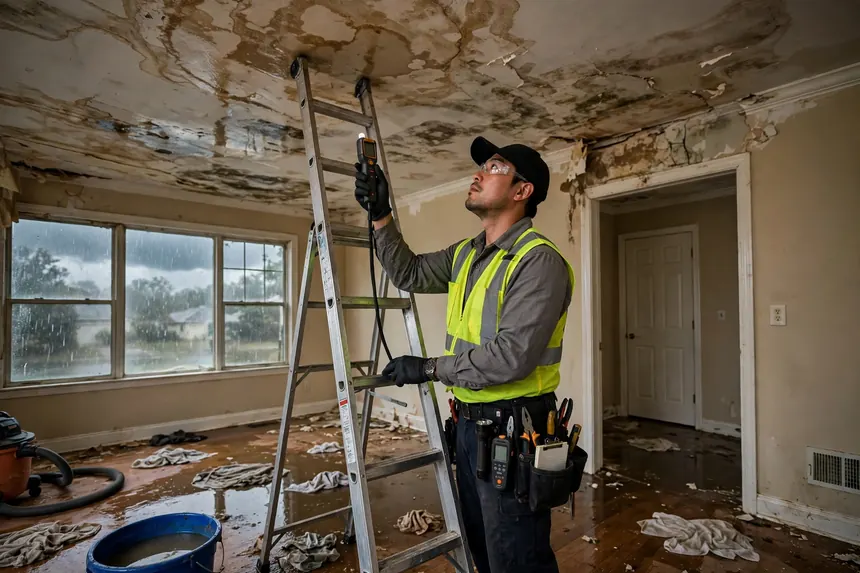
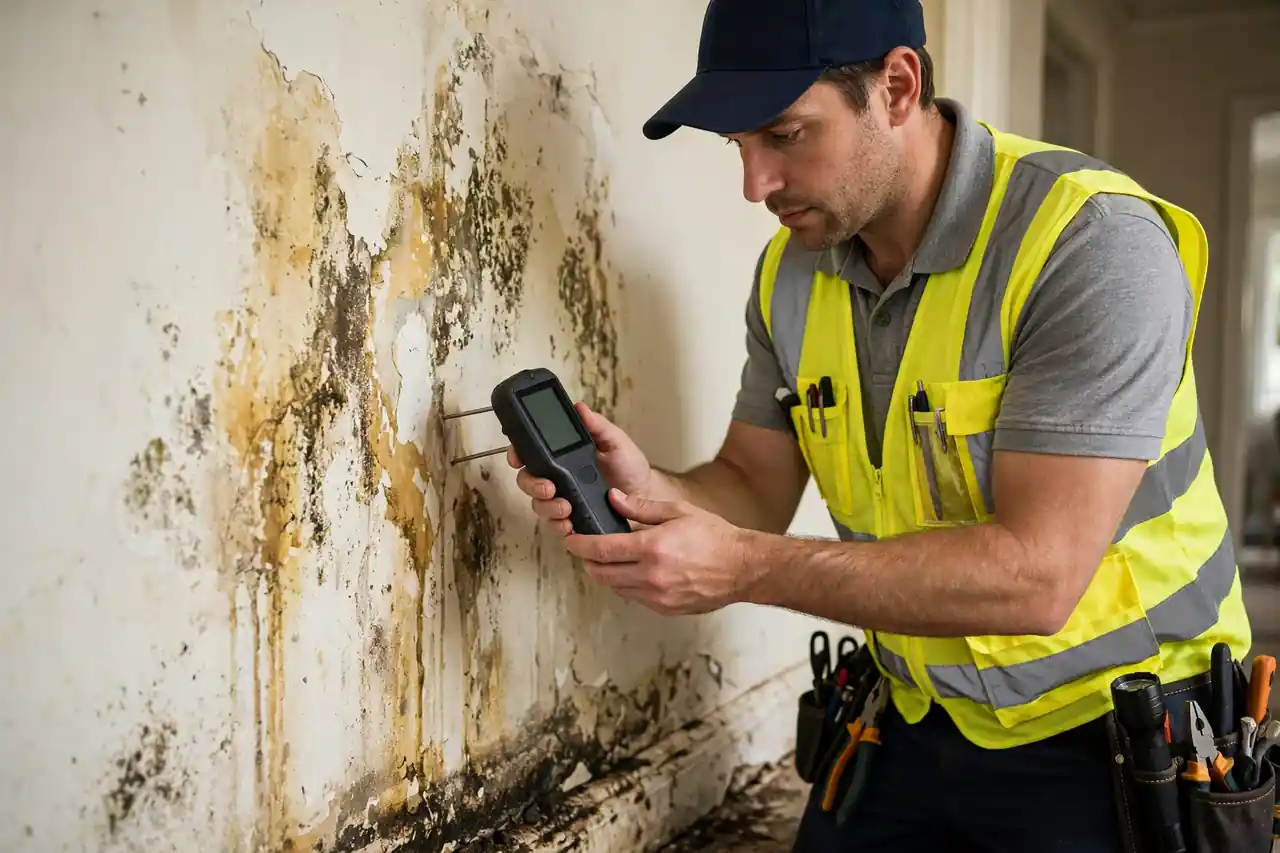
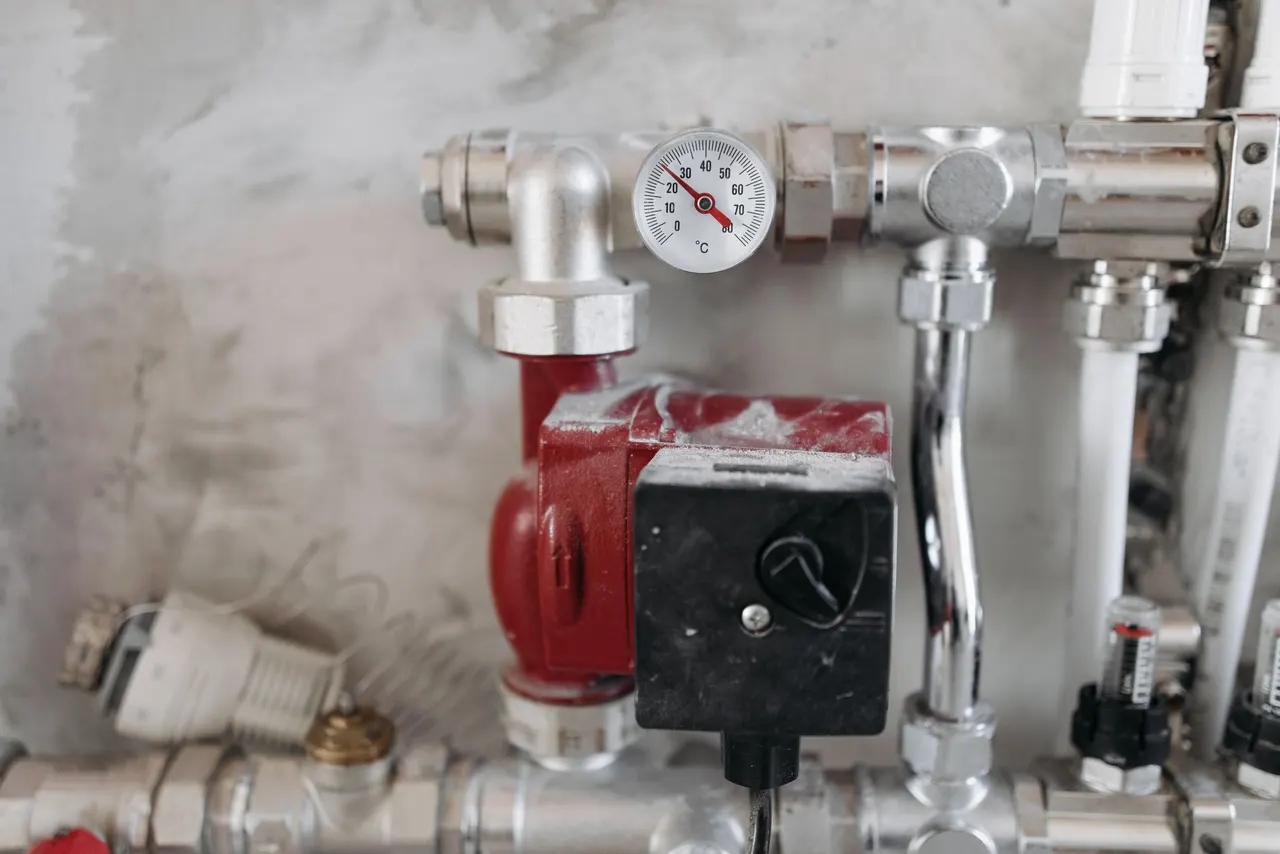
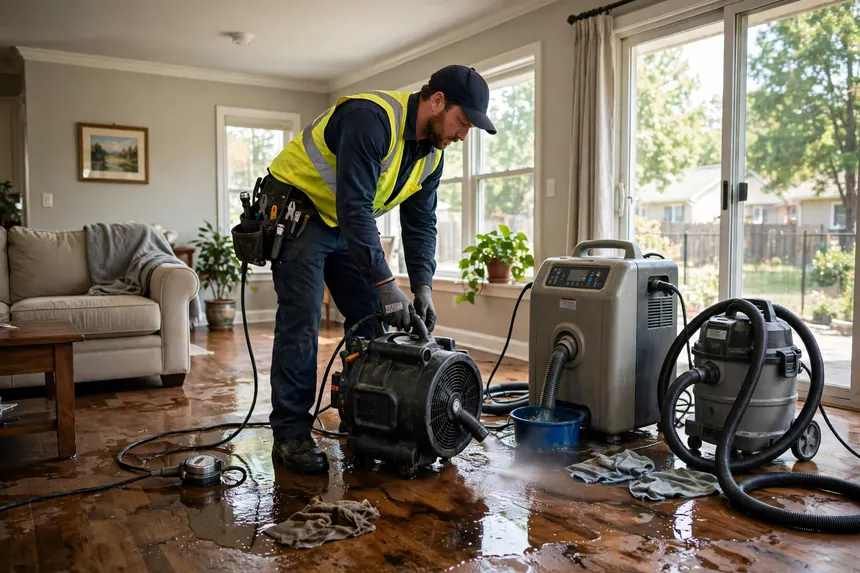
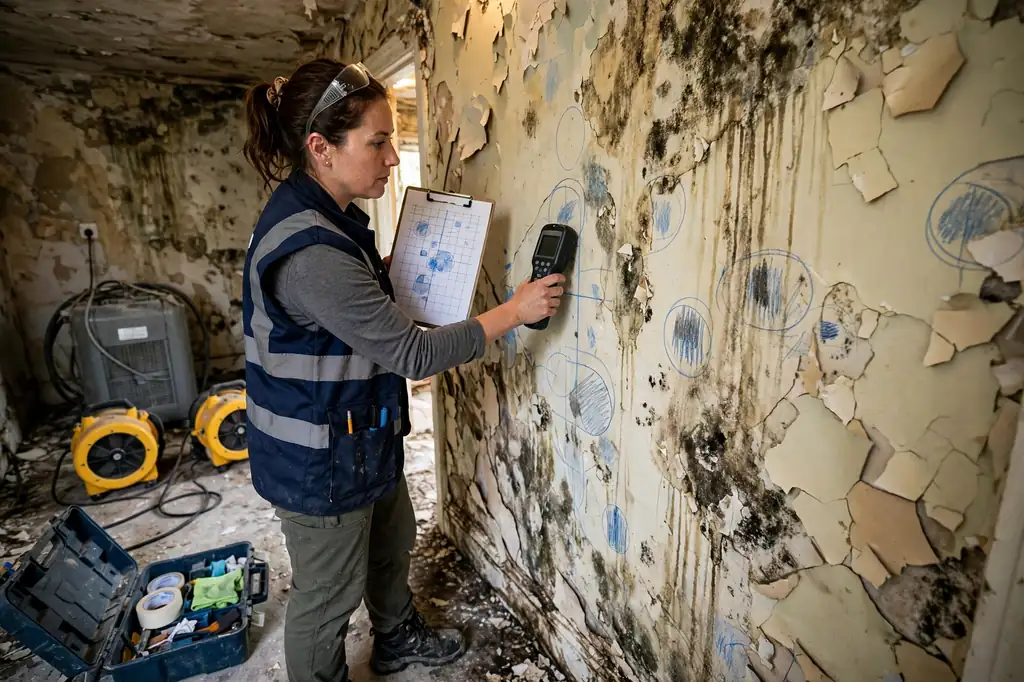
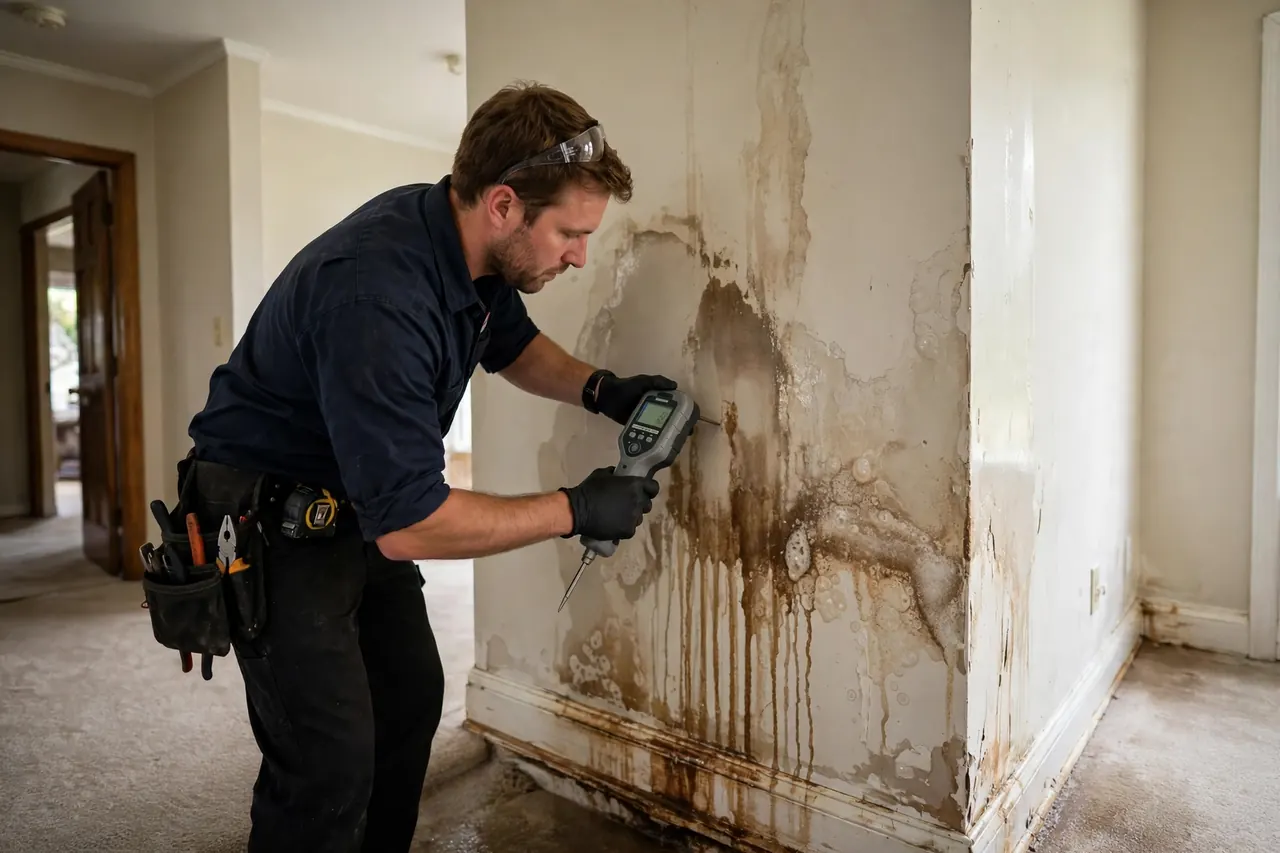
Kuna water damage restoration handles emergency water damage repair near Avalon by confirming the source, checking electrical and access hazards, then extracting standing water. Avalon homes in a newer subdivision can have finished flooring and insulated wall cavities that hold moisture beyond the visible spill. We use a moisture meter and thermal imaging camera to identify likely wet areas, then verify readings at accessible materials rather than relying on the image alone.

  • HOA landscaping and sprinkler systems can send water toward finished home surfaces.

    A broken sprinkler head or misdirected spray can wet siding, thresholds, or foundation-adjacent areas. If water enters, the visible floor mark may not show the full path into baseboards or wall cavities. We separate the irrigation source from interior damage before starting restoration. We identify whether irrigation is still running and ask you to shut off the zone when safe. Our inspection tracks water from the entry point into affected finishes, then we extract and record moisture. We also note exterior drainage concerns for appropriate follow-up without assuming landscaping caused every loss.

  • Cold winter nights can expose vulnerable plumbing to freezing and sudden pipe failure.

    A frozen pipe can thaw and release water inside cabinets, ceiling spaces, or utility areas while occupants are asleep. Water may travel into adjoining rooms before the leak is found, increasing the area that needs inspection and drying. We start by stopping the water supply and checking the affected path, including rooms below or beside the failed line. Extraction comes before drying equipment. We record moisture at floors and walls, and coordinate plumbing repair so the line is safe before affected finishes are restored.

  • Newer subdivision finishes can conceal water beneath flooring and behind trim.

    Modern finishes may look intact while water remains under hardwood flooring, carpet padding, or lower drywall. A surface-only cleanup can leave damp material behind and increase the risk of odor or mold growth. We take comparative moisture readings across the wet area and nearby dry materials, then mark the boundary. If readings show concealed moisture, we explain the drying or selective removal needed. Equipment placement is based on airflow and material response, with follow-up readings guiding the next step.

  • ANSI/IICRC S500 Standard for Professional Water Damage Restoration

    The S500 provides recognized procedures for inspecting water losses, determining water categories, extracting water, and drying structures. We use its principles to organize Avalon restoration work, document conditions, and select procedures appropriate to the actual source and affected materials.

  • EPA Lead-Safe work practices for applicable painted surfaces

    If a repair disturbs painted material in a home where lead-safe requirements apply, work practices must protect occupants and contain debris. We consider the building and scope before cutting or removing finishes, and coordinate appropriate lead-safe procedures when relevant.

Avalon Landmarks for Local Navigation

Avalon Park and the Avalon community area help callers describe where a home sits within Avalon. We use those names as orientation references, then confirm the street address before dispatching a crew. This avoids confusing a general neighborhood description with the exact property entrance. Avalon is served within the Kuna area, and ZIP code 83634 is a useful address check when arranging water extraction or inspection.

  • Avalon Park

    Avalon Park is a local orientation point for nearby residential addresses. A caller can use it to describe the general part of Avalon, while the street address remains necessary for precise routing and property access.

  • Avalon community area

    The Avalon community area identifies the residential service zone in local conversation. It helps establish that a call is for Avalon, but does not replace the exact address, gate or entry information, and location of the water damage.

  • Avalon East

    Avalon East is a neighborhood reference for locating a home within the subdivision area. Sharing the name alongside your street and a visible access detail helps the response crew identify the correct destination.

  • Kuna Town Center

    Kuna Town Center is a named local commercial destination in the broader Kuna service area. It can help orient a caller traveling from Avalon, but it is not a landmark within Avalon itself and does not define the cause of a water loss.

  • Downtown Kuna

    Downtown Kuna is a recognizable business and civic area in the nearby service region. It provides geographic context for the team's local coverage and routes between Kuna and Avalon.

  • Meridian Road Corridor

    The Meridian Road Corridor is a named route reference in the Kuna service area. Exact access to an Avalon property still depends on its street address and entrance instructions.

  • Ten Mile

    Ten Mile is a regional route reference used when describing travel across the Kuna area. We confirm the destination address rather than assume a direct route from a place name.

Avalon Neighborhoods We Cover

We serve homes across Avalon, including Avalon East and Avalon West, with routes planned around the address and the safest equipment access. The Avalon community area is part of our local service footprint, and ZIP code 83634 helps us identify the correct destination when you call. Tell us which street or nearby landmark you are closest to and where water is showing; that lets us prepare for the right entry point and affected floor level.
  • Avalon East
  • Avalon West
  • Avalon community area
  • Homes near Avalon Park

Avalon Water Loss Examples and Workflows

  • Avalon East

    Before

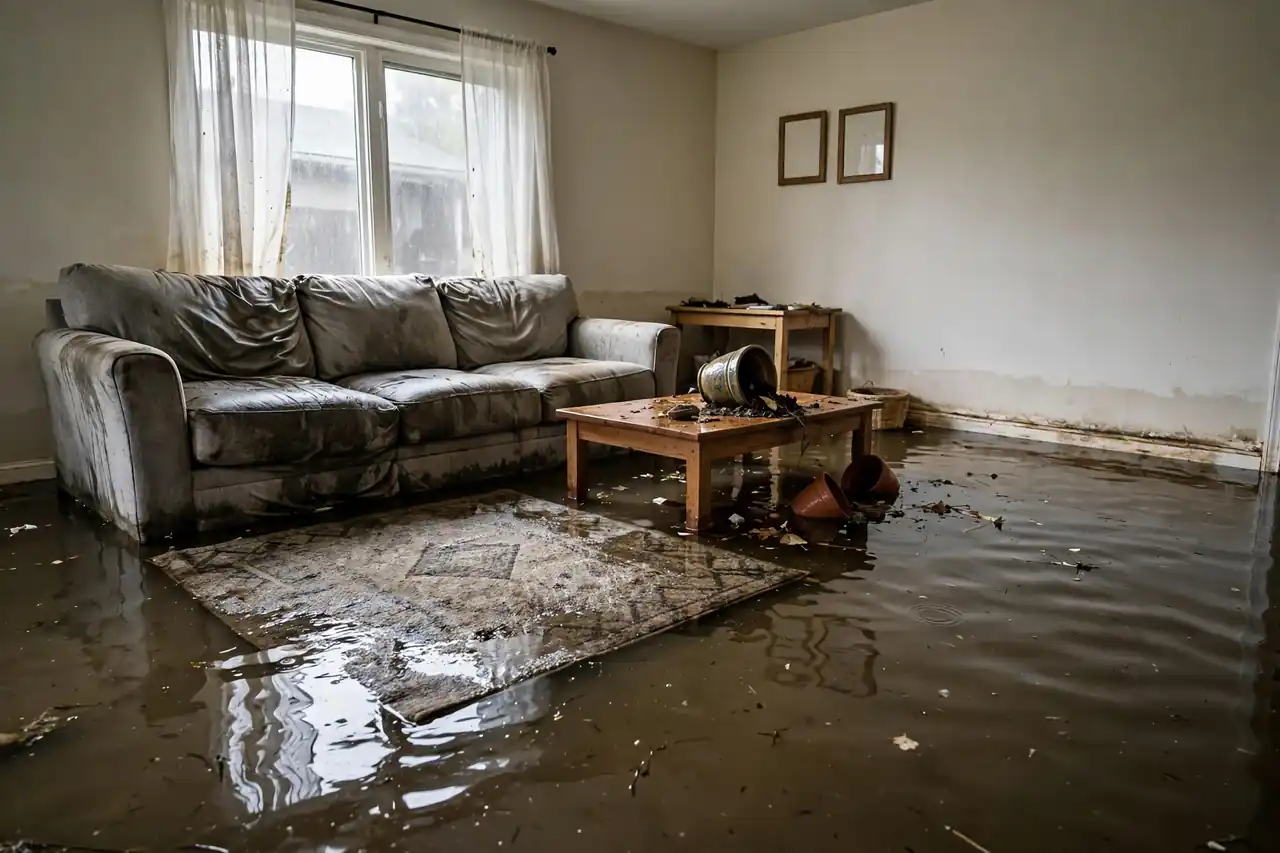
    A supply line failed in an Avalon East family home, wetting the laundry floor, nearby baseboards, and the edge of a hallway carpet.

    After

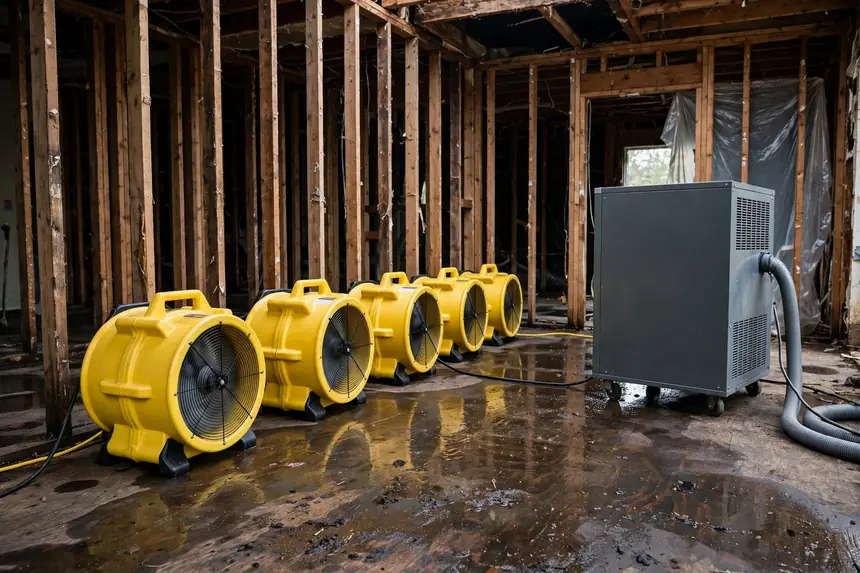
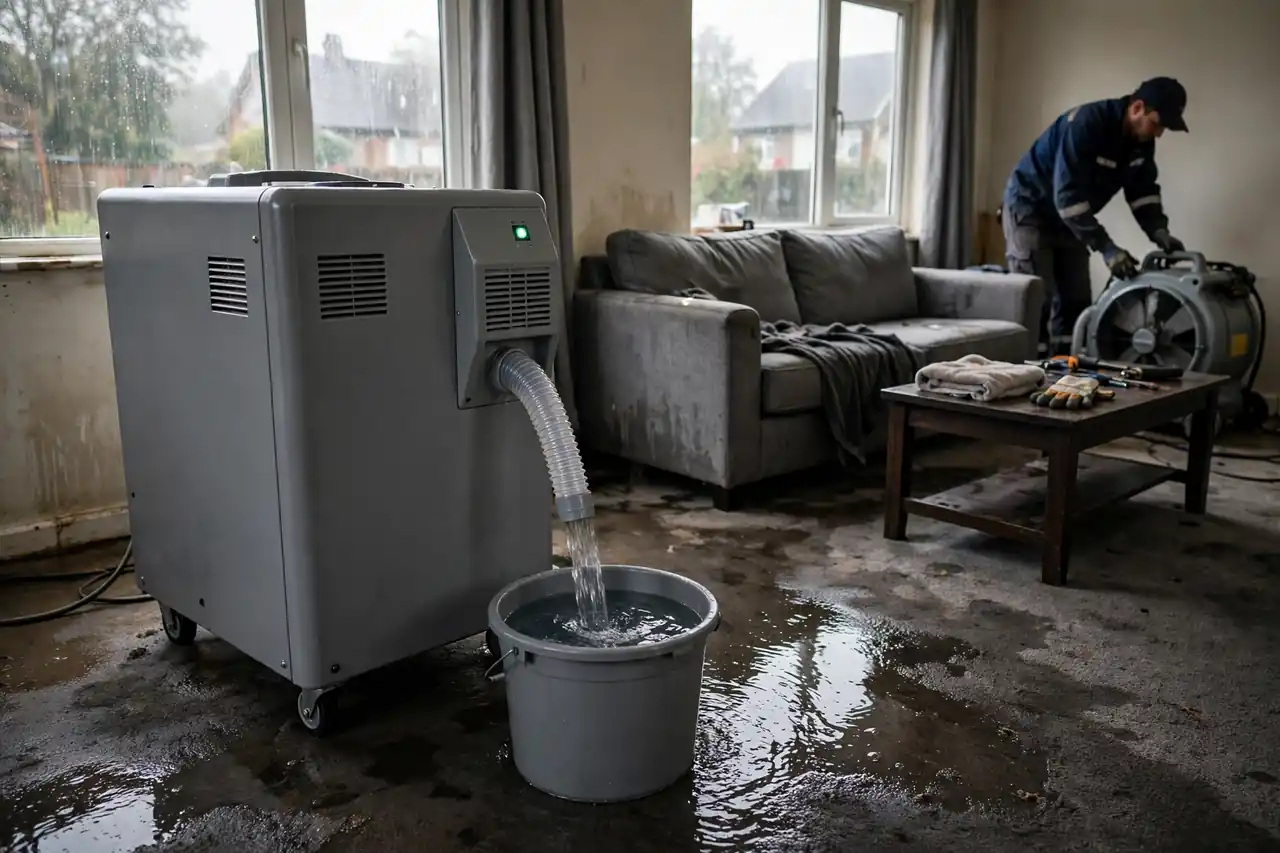
    We would first have the water shut off and confirm that the leak was no longer active. A water extraction unit would remove standing water, followed by moisture checks at the carpet edge, baseboards, and adjoining wall. We would protect the dry hallway, document the affected rooms, and set air movers and dehumidification only where readings supported drying. The workflow targets the affected laundry and hallway rather than treating the full home. A documented baseline and follow-up readings provide a clear record of drying progress and repair decisions.
  • Avalon West

    Before

    A sprinkler system issue sent water toward an Avalon West entry, with damp flooring noticed after the irrigation cycle ended.

    After

    We would identify whether the irrigation source remained active, then check the threshold, nearby flooring, and lower wall materials. After extraction, we would map moisture outward from the entry and protect unaffected rooms from foot traffic. Any exterior drainage observations would be recorded separately from the interior cleanup plan. The result is a defined wet-area map, reduced standing water, and a practical list of materials that need monitoring or repair. The irrigation source must be controlled to prevent repeat wetting.

  • Avalon community area

    Before

    A roof leak left a ceiling stain and wet insulation above a living area in the Avalon community area.

    After

    We would trace the interior water path and check whether the roof opening was still admitting water. After documenting the ceiling and adjacent wall, we would remove or dry affected materials as appropriate and coordinate protection of the opening. Moisture readings would guide when the room is ready for ceiling repair. The staged process separates active leak control from interior restoration. It identifies wet insulation and framing before a finish repair hides the condition, with progress tracked by repeat measurements.

Avalon Water Damage Through the Seasons

  • Spring

    Spring is when hidden winter damage surfaces: a pipe that wept slowly in the cold finally shows as a stain, and the first rains find the roof and gutter weak points. Look at ceilings after each storm, check the ground where downspouts discharge, and test sprinkler zones one at a time as irrigation comes back on, so a broken head is caught before it soaks a threshold.

  • Summer

    Summer irrigation is the main water risk in the Treasure Valley: pressurised lines run for months, and one failed valve can wet a foundation edge for hours. Inspect heads and valves when the system cycles, keep spray off the house, and check the rooms beside the irrigation zones for damp baseboards. Heat hides slow leaks by drying the surface, so a recurring damp spot needs measuring, not waiting.

  • Fall

    Fall is short and the freeze comes quickly, so use it to prepare: clear leaves from gutters and drains, check flashing and valleys, and drain the sprinkler system before the first hard night. Find the water shut-off and make sure everyone in the house knows where it is. A pipe that bursts in January usually had a warning in October, and fall is when that warning is cheapest to act on.

  • Winter

    Winter nights in the Treasure Valley drop well below freezing, and the pipes most at risk are the ones in garages, crawl spaces, and exterior walls. Keep heat on in unused rooms, let vulnerable taps drip during a hard freeze, and open cabinet doors where pipes run through exterior walls. If a pipe does split, shut the water off first, then call: the water spreads further in the minutes before the supply stops than in the hours after.

Questions to Ask an Avalon Restoration Crew

Before hiring an emergency water damage contractor in Avalon, get clear answers about the first work steps, equipment, and documentation. A capable crew should explain how it will identify the water source, determine the affected boundary, and keep you informed while equipment runs. Ask who will be on site and how readings will be recorded. The answers should be specific to your leak, not a one-size-fits-all pitch. You need a safe, understandable plan that gets water out and leaves a record of what was checked.

  • How will you find moisture beyond the visible stain?

    The answer should describe measurements at nearby flooring, baseboards, and wall edges rather than relying only on sight. A moisture meter or thermal imaging camera can help locate areas for verification. That process reduces the chance that a wet cavity or carpet edge gets overlooked.

  • What happens first if water is still coming in?

    A restoration crew should prioritize safety and source control before setting drying equipment. The explanation should cover shutting off a supply when safe, managing electrical risks, and extracting standing water. A clear sequence shows the crew understands that drying cannot succeed while the source remains active.

  • How often will you check drying progress?

    Equipment running without readings does not show whether materials are drying. Ask how the crew records baseline conditions and when it returns to compare measurements. The answer should connect readings to air movement, dehumidification, and decisions about removing or preserving materials.

  • How do you handle sewage or contaminated water?

    Contaminated water requires different protective measures and cleanup than a clean supply-line leak. The contractor should explain area control, removal of affected porous materials, and cleaning procedures. A vague answer about simply disinfecting everything is not enough to establish a safe work plan.

  • Will you document the affected rooms for my insurer?

    Photos, moisture readings, and a clear record of work can help explain the loss and restoration steps. Ask how documentation is organized and whether the contractor can discuss repair estimates using appropriate estimating practices. Documentation helps keep your decisions and the work performed aligned.

Avalon Emergency Water Damage FAQs

Still wondering? (833) 546-4116

Local service team

Call for emergency water damage repair in Avalon

If water is spreading through your Avalon home, call Kuna water damage restoration at (833) 546-4116. Tell us where the water started, whether it is still active, and which rooms are affected. We will help you take immediate safety steps and arrange inspection, extraction, or drying for the problem. Our team serves Avalon and the wider Kuna area, including ZIP code 83634.

Contact the Kuna Team

Call (833) 546-4116 when water reaches your home or business in Kuna, Idaho. Tell us whether the source is still active, which rooms are affected, and when the damage began; that helps direct the next steps. Calls are accepted at any hour for emergency inquiries, and service coverage includes Kuna, ID, with ZIP codes 83634 and 83642.

Thanks. Your request is in and the team will follow up shortly.